This 1.2-Mile Connecticut Boardwalk Trail Packs Plenty Of Birdwatching Into A Short Walk
Birdwatching does not have to mean an all-day hike or hauling half your outdoor gear into the woods.
Sometimes 1.2 miles is more than enough to keep things interesting.
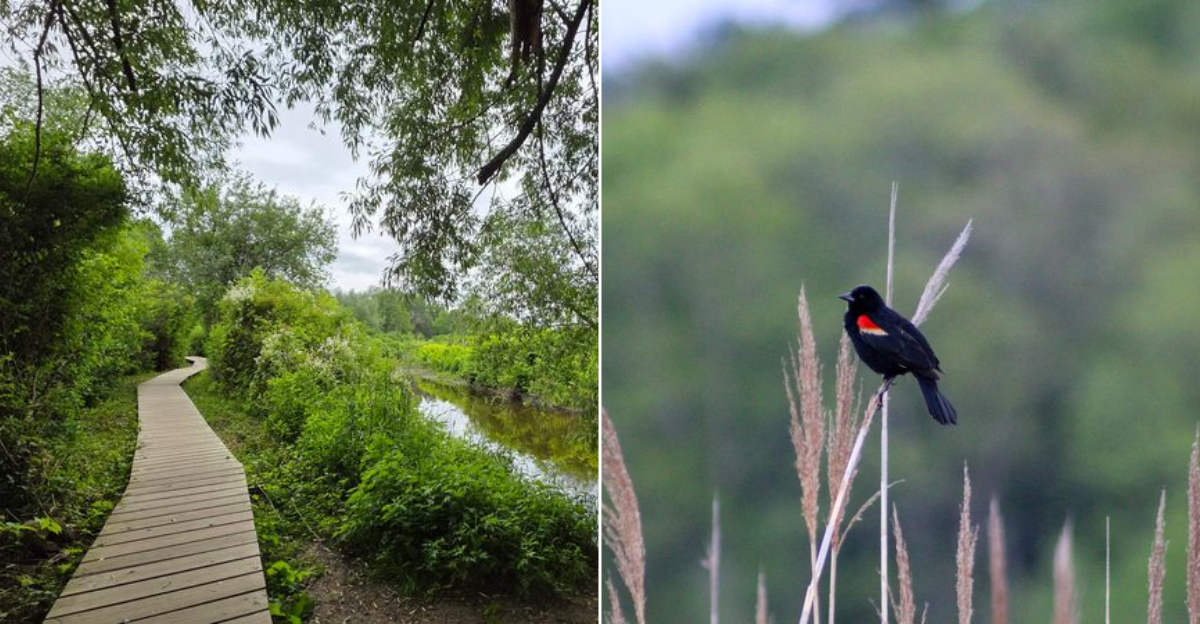
This boardwalk slips through wetland scenery where birds can appear surprisingly close, especially when migration brings extra movement through the area.
For such a short route, there is plenty to watch.
You can slow down over the water, listen for calls from the reeds, and keep an eye on the trees without ever feeling like you signed up for a serious workout.
That easy pace makes the trail especially appealing when you want fresh air without turning the outing into a full expedition.
Birding in Connecticut can be wonderfully simple when the habitat comes right up to the walkway.
A quick stroll can easily stretch longer once you start noticing how much is happening around you.
Would you rather hike for hours or let the birds come this close instead?
1. Wetland Scenery Makes This Short Trail Stand Out
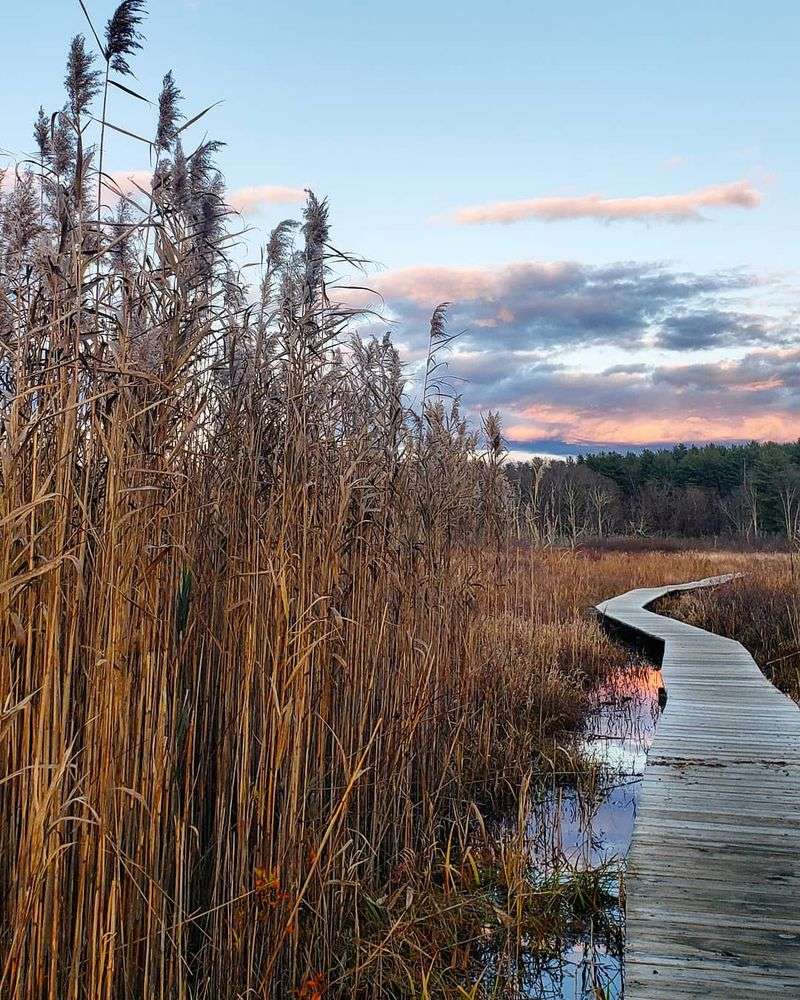
The scenery changes fast. Trees suddenly give way to open marsh. Then the sky seems to stretch twice as wide.
Little Pond Boardwalk makes that shift part of the experience, carrying walkers through wetlands where reeds rise beside shallow water and reflections move across the surface. The route covers about 1.2 miles, keeping the outing easy while still feeling surprisingly immersive.
Wooded stretches break up the open views, so the landscape never settles into one pattern for long. Ferns edge parts of the trail before the scenery opens again to broad marshland and quiet water.
Wildlife adds another layer, with waterfowl often moving across the pond and signs of beaver activity appearing near the shoreline.
That constant change keeps the walk interesting without making it difficult. A shaded section can quickly lead to a wide-open view where almost nothing interrupts the horizon.
The trail remains open year-round, and each season gives the wetlands a different personality. Spring and fall are especially rewarding during bird migration, while warmer months bring fresh color around the marsh.
Despite the peaceful Connecticut setting, the walk never feels demanding. It offers a real sense of wilderness without requiring a long or strenuous hike.
2. The Boardwalk Floats Right Through The Marsh
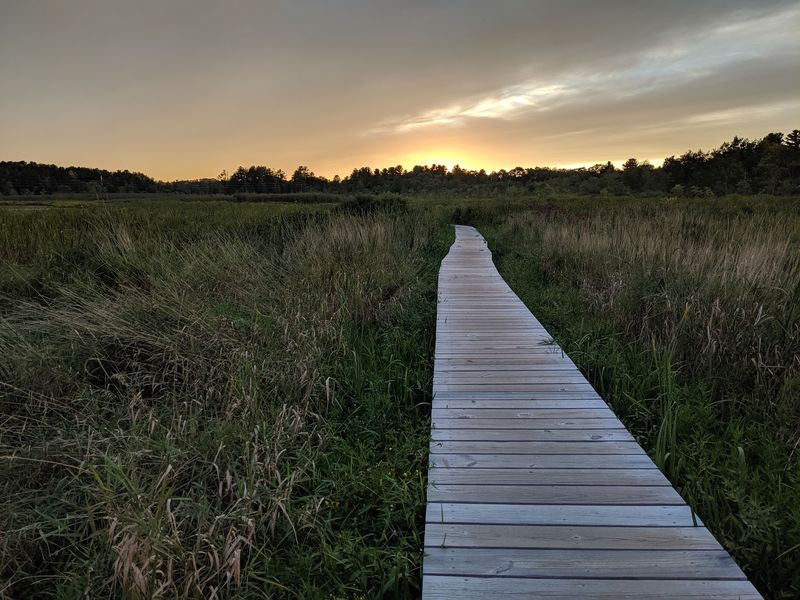
Walking a few inches above a living marsh is the trail’s signature experience. The elevated wooden walkway carries you over water and mud that would otherwise be off limits, keeping the wetland undisturbed and your shoes dry at the same time.
Original construction dates back to the 1960s, and the structure has been maintained and rebuilt several times since then. That ongoing care is what allows visitors to cross such delicate ground safely.
Practical note: some sections are narrow, and boards can sit uneven or slightly slanted. Many stretches have no railings, so watching your footing matters more than watching your phone.
Weather plays a real role here. The natural dirt approaches turn muddy after rain, and heavy storms can leave parts of the walkway holding water, so waterproof or closed-toe shoes are the smart choice.
What makes it worthwhile is how close the marsh feels. Water laps almost at plank level in places, dragonflies buzz past your knees, and children love leaning over to hunt for frogs and tiny fish.
Few trails in the state put you inside a habitat this thoroughly while asking so little effort in return.
3. Northwestern Hills Give It A Peaceful Setting
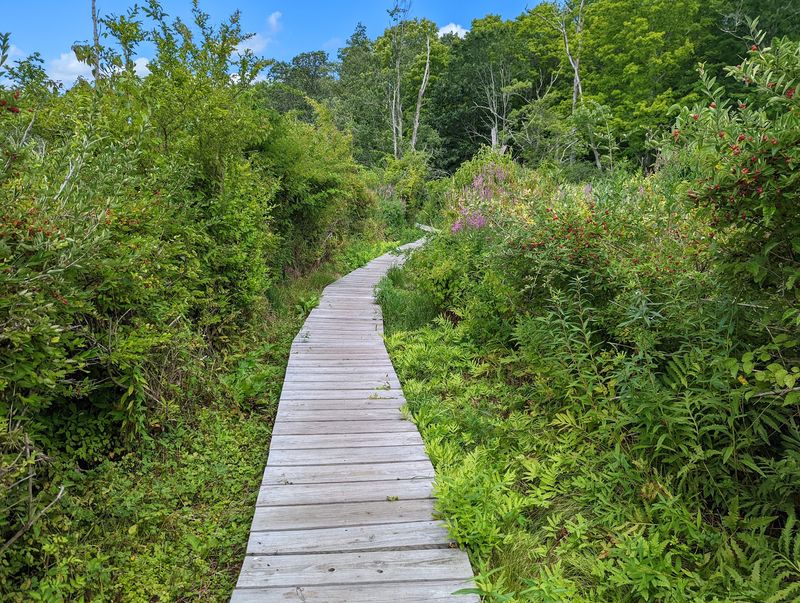
Quiet comes quickly here. The trees seem to soften everything. Even busy thoughts lose some volume.
High in the Litchfield Hills, White Memorial Conservation Center feels pleasantly removed from everyday noise. The 4,000-acre property spreads across woods and wetlands, giving wildlife plenty of space while creating a real buffer from nearby development.
That scale changes the mood of a walk. Wind moves through the trees, water carries across the marsh, and birds often become the loudest part of the soundtrack.
Early mornings can feel especially peaceful, when fewer visitors are out and long stretches of trail seem almost completely still.
The changing habitats keep the scenery interesting too. A shaded woodland path can soon open beside wetland, bringing new views and more chances to notice birds or signs of other wildlife.
Planning ahead can make the outing even smoother, especially when exploring unfamiliar roads in the surrounding hills. The conservation center is at 80 Whitehall Road in Litchfield.
Visitors can also stop at the nature museum before or after spending time on the trails. That combination of quiet scenery and easy exploration gives White Memorial the feeling of a genuine escape without turning the day into a complicated trip.
4. Just 1.2 Miles Complete The Easy Loop

Mileage here is refreshingly modest. The boardwalk loop measures about 1.2 miles, though depending on which connecting paths you follow, your total can stretch closer to 1.7 miles.
Terrain stays almost entirely flat, which is why so many walkers call it easy. Plan on roughly 45 minutes to an hour if you stop often to look at birds, plants, and whatever is moving in the water.
Footwear matters more than fitness. Sneakers or light hiking shoes handle the dirt approach and the wooden planks comfortably, while sandals are a poor match for uneven boards.
Parking sits off Whites Woods Road just north of the Bissell Road intersection, with a gravel lot and a sign marking boardwalk parking. The area was expanded in recent years, which helps on busy weekends.
Important limitation: the loop is designed for foot travel only. Steps at the bridge crossings and several narrow stretches make it unsuitable for strollers or wheelchairs.
Because it is a loop, navigation is simple and getting lost is unlikely. That predictability makes it a comfortable choice for solo walkers, families with young children, and anyone easing back into outdoor activity.
5. Two River Crossings Break Up The Walk
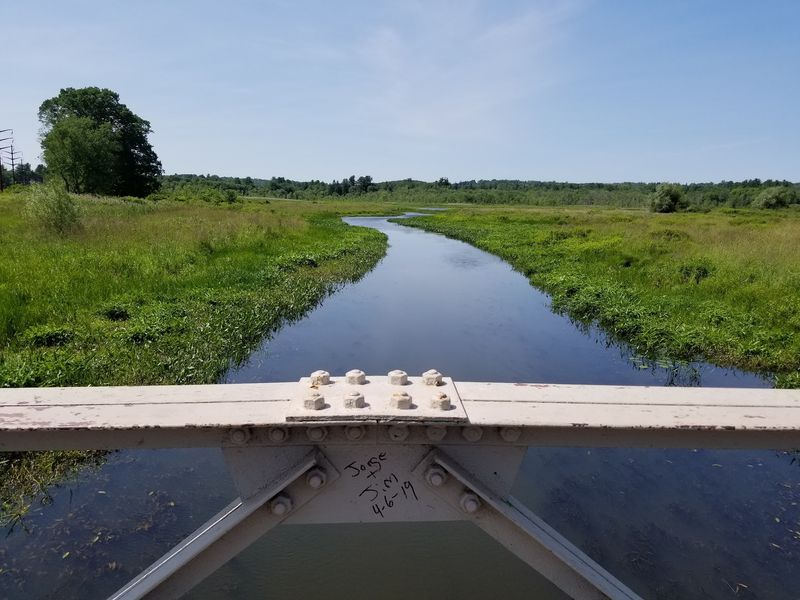
Halfway through the loop, the rhythm changes. The trail crosses the Bantam River twice, and each bridge acts like a natural pause in the walk.
Standing on a crossing gives you a completely different sightline than the boardwalk does. Looking upstream and downstream, you can trace how the river feeds the marsh and see where currents cut channels through the vegetation.
Both crossings involve steps at the approaches, which is the main reason wheeled gear does not work on this route. Children usually manage fine, though a helping hand is welcome for the smallest walkers.
The bridges are also excellent spots to simply stop and listen. Moving water adds a layer of sound beneath the birdsong, and slower water often reveals turtles, fish, or the wake of something swimming just out of sight.
Photographers tend to linger here for good reason. Reflections, reeds, and the line of the bridge itself create compositions that change with the season and the light.
Small structural details like these turn a short loop into a varied outing. Instead of one continuous view, you get chapters, each with a slightly different mood and something new worth noticing.
6. Waterfowl Gather Around The Wetlands
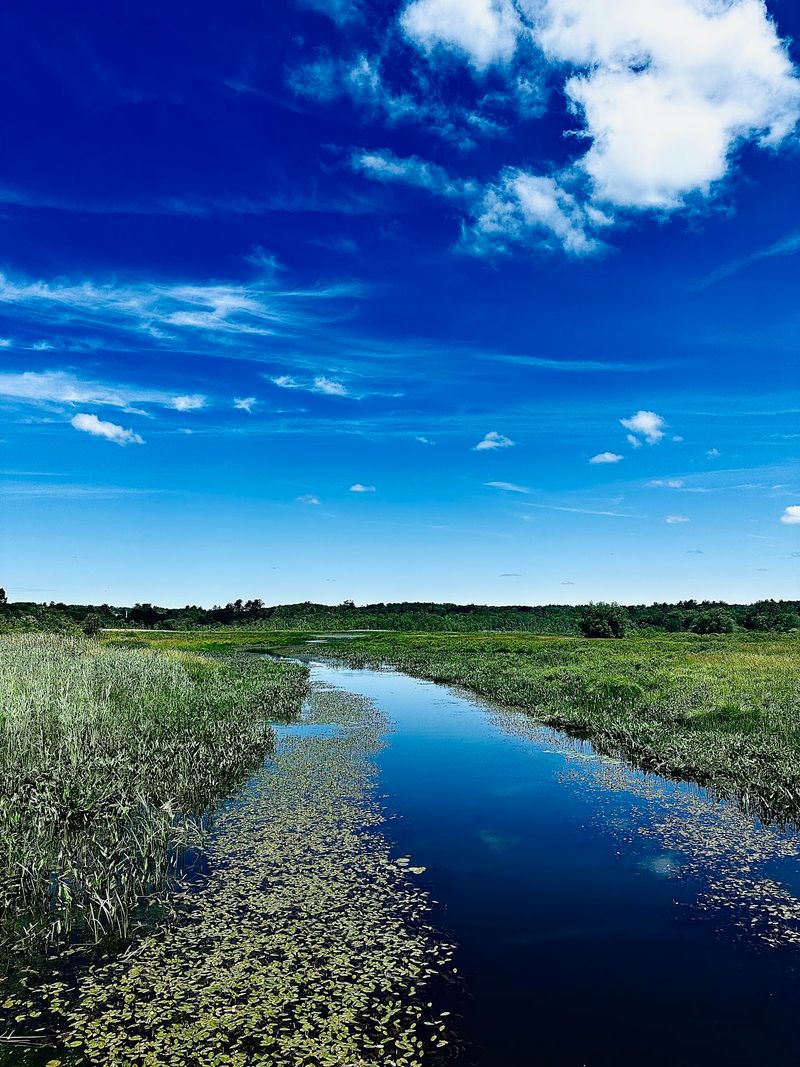
Numbers tell the story fast: 238 bird species have been recorded across the White Memorial Foundation property. That is an impressive tally for 4,000 acres, and the wetlands around Little Pond are one of the reasons.
Shallow water, dense reeds, and open pond surface create ideal conditions for waterfowl. Ducks, swans, and wading birds all use the marsh, and the boardwalk puts you in the middle of their habitat without pushing them off it.
The National Audubon Society recognizes the area as a notable birding destination, which explains the number of binoculars you will pass on a good morning.
Even without optics, the experience is rich. Many walkers point out that the birding here is as much about listening as looking, with calls echoing across open water from all sides.
Move slowly and stop often. Standing still for a minute or two frequently rewards you with movement in the reeds that you would have walked right past.
Beyond birds, the wetland supports beavers and plenty of smaller creatures. Sharp-eyed visitors have reported tracks, dams, and the occasional glimpse of larger animals along quieter edges of the property.
7. Fall Migration Makes Birdwatching Even Better
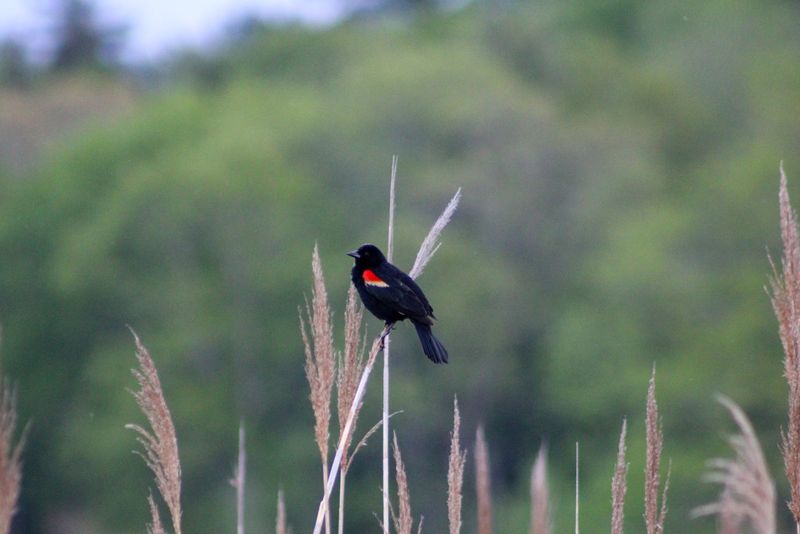
Ask regular visitors when to come, and autumn comes up again and again. Migration funnels extra birds through the wetland, so the same 1.2 miles can produce a noticeably longer species list than in midsummer.
Spring migration brings a similar surge, with resident and traveling songbirds joining the waterfowl already using the pond. Both shoulder seasons reward patience.
Fall adds a second payoff. Surrounding hardwoods turn red and gold, and those colors reflect in the still water beside the boardwalk, which is why the season is often called prime time here.
Cooler air helps too. The back half of the walkway sits in full sun with almost no shade, so crisp temperatures make the open stretches far more comfortable than they are in July.
Weekday mornings offer the best combination of active birds and quiet trail. Light is low and warm, and the marsh tends to be busiest with movement before the crowds arrive.
Winter has its own admirers, with frozen marsh and bare sightlines creating a starkly different landscape. Still, if birdwatching is your main goal, aim for the weeks when migration is in full swing.
8. Big Nature Fits Into One Short Adventure
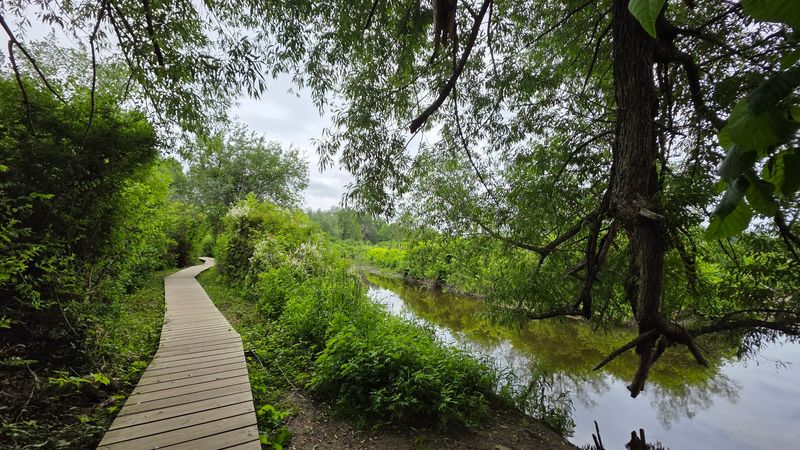
Short does not mean small here. Within a little over a mile, the loop moves through wetland, pond edge, forest, and river crossings, giving you four distinct environments in under an hour.
That density is what makes it such a satisfying outing for people who do not want a full hiking commitment. Families, first-time walkers, and anyone squeezing nature into a busy day all find it manageable.
Pack light but pack smart. Water, a hat, sunscreen, and closed-toe shoes cover most situations, and there are no restrooms at the boardwalk parking area, so plan accordingly.
A few housekeeping details are worth remembering. Check yourself for ticks after walking through grassy sections, and carry out everything you bring in, including anything your dog leaves behind.
Trail conditions shift with the weather, so checking for updates from the conservation center before a visit can save you from arriving during maintenance or high water.
Beyond this loop, more than 40 miles of trails spread across the preserve for anyone who wants to keep exploring. The boardwalk simply makes the easiest introduction, and it tends to turn casual visitors into repeat ones.