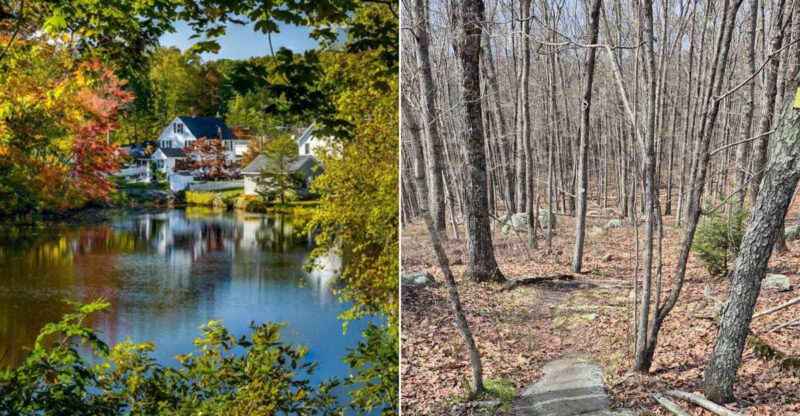
Locals Say This Connecticut Lake Town Has Lost Some Of The Peace It Was Known For
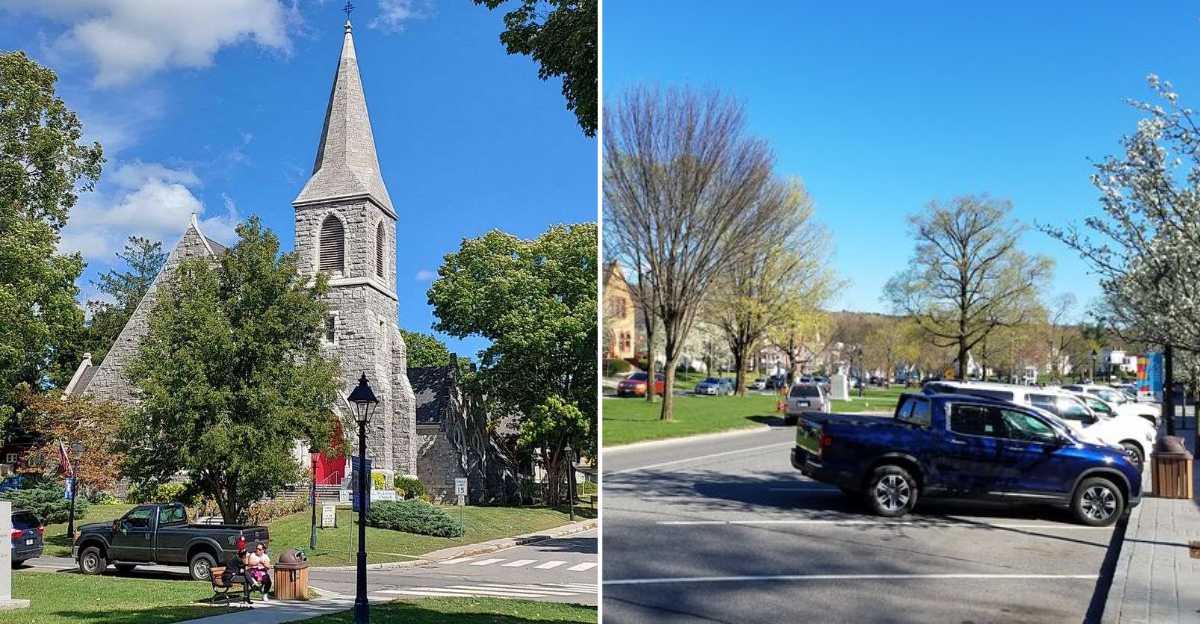
Summer can change the personality of a lake town fast.
Weekends bring more cars and fuller waterfront areas, especially once warm weather pulls people toward the water. That seasonal rush has made this Connecticut town feel noticeably busier during peak summer stretches.
The scenery still does plenty of heavy lifting. Lake views keep the setting beautiful, while the surrounding hills add that classic inland New England feel.
The problem is simply popularity. Quiet roads can fill up. Favorite local spots may feel much less relaxed than they do during slower months.
That does not mean the town has lost its charm. It just means the peaceful version locals remember can be harder to find when everyone shows up at once.
You can still catch those calmer moments. They just may require a little more patience than they used to.
Sometimes a place gets crowded because too many people finally figured out why it was special.
1. Candlewood Lake Drives Much Of The Summer Fun
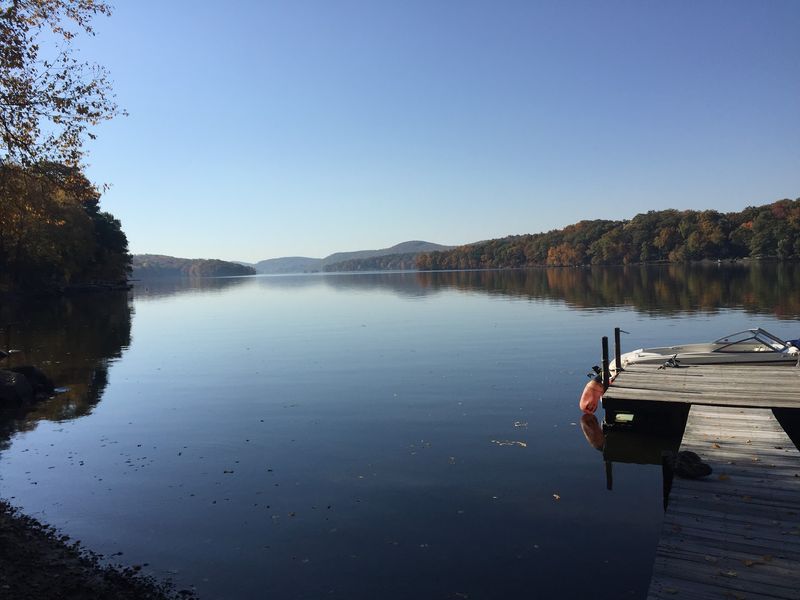
Summer brings a different energy to Candlewood Lake as boats spread across the open water and quiet coves become launching points for long afternoons outside.
Covering roughly 5,420 acres, the lake borders Brookfield, Danbury, New Fairfield, New Milford, and Sherman, making it the largest lake in the state.
Early mornings offer a calmer version of the experience. Anglers head toward sheltered areas before activity builds, while paddlers can enjoy stretches of water that feel far more peaceful before midday.
Later, recreational boating becomes much more noticeable, especially during warm summer weekends.
The lake’s size is part of the appeal, but it also means planning ahead can make a visit smoother. Public access varies by town, and some launches are reserved for residents of the five bordering municipalities.
New Milford’s Lynn Deming Park, for example, is currently open only to town residents.
Candlewood Lake stretches for about 11 miles, with approximately 65 miles of shoreline to explore. Arriving earlier can mean quieter water and a more relaxed start.
Fall changes the mood completely, trading peak-season activity for colorful shoreline views and a noticeably slower pace.
2. Boaters And Day-Trippers Keep The Lake Busy
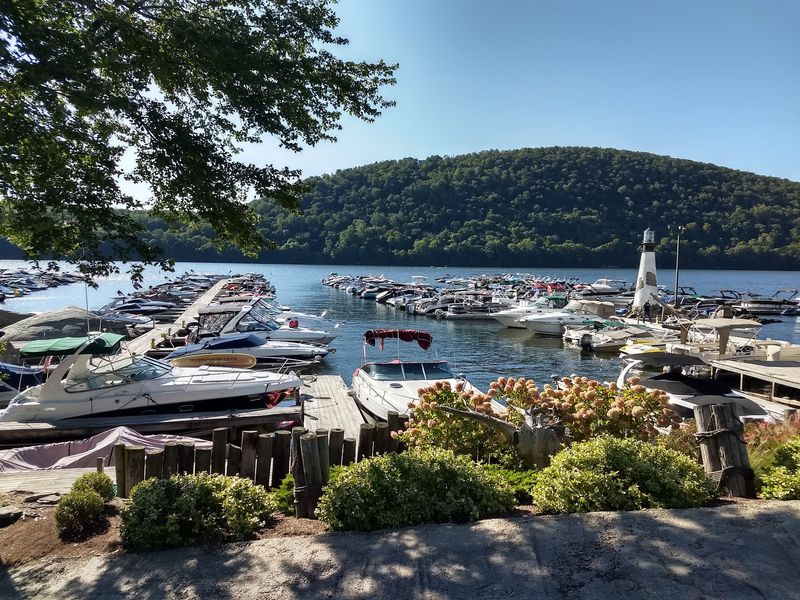
The shift in lake activity over recent years has been one of the most talked-about changes among people who have spent time in New Milford for a long time.
Candlewood Lake now sees a much heavier mix of motorized watercraft, pontoon boats, and personal watercraft during peak summer months.
The energy on the water can feel festive and lively, though it tends to be quite loud compared to what older visitors remember.
Day-trippers from surrounding areas, including communities in New York and New Jersey, have discovered the lake as an accessible warm-weather destination. That expanded audience has brought more foot traffic to boat launches, picnic areas, and public shoreline spots throughout the town.
On busy holiday weekends, the difference in crowd size compared to a decade ago is quite noticeable.
For those who prefer a quieter experience on the water, weekday mornings tend to offer a more relaxed pace. Canoes and kayaks can still find calm stretches near the northern end of the lake where motorboat traffic is lighter.
Planning around peak times rather than avoiding the lake entirely tends to be the most practical approach for visitors hoping to enjoy the water without the weekend rush.
3. Summer Weekends Feel Busier Than They Once Did
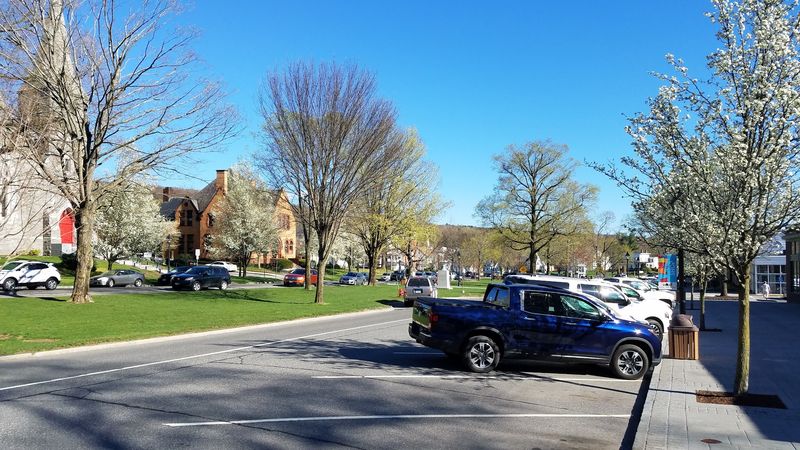
Long-time residents of New Milford often point to summer weekends as the period when the town feels most different from the quieter version they grew up knowing.
Traffic on Route 7 and other main roads into town tends to back up noticeably between Friday afternoon and Sunday evening during the warmer months.
Restaurants, ice cream shops, and waterfront areas fill up at a pace that feels more urban than rural.
The change is not entirely negative, and local businesses benefit considerably from the seasonal influx of visitors. More foot traffic supports shops and eateries that might otherwise struggle in slower months.
Still, for residents who valued the town’s low-key character, the summer surge can feel like a temporary loss of the rhythm they associate with home.
Planning a visit during early June or after Labor Day tends to reveal a softer, more relaxed version of the town. Temperatures are still comfortable, the lake remains accessible, and the crowd levels drop enough to make a real difference in how the experience feels.
Midweek visits during peak summer also tend to be calmer than weekends, offering a reasonable middle ground for those who want pleasant weather without the heaviest crowd pressure.
4. Island Closures Show How Crowded Things Can Get
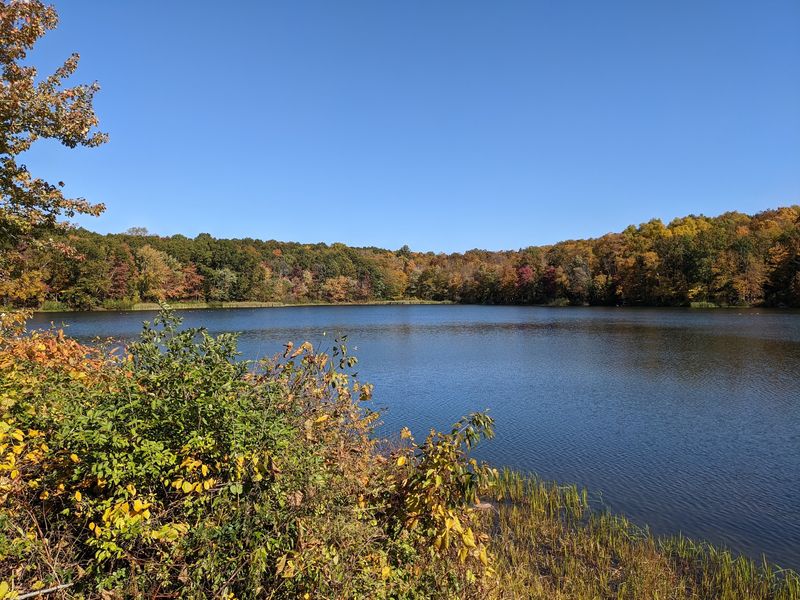
Candlewood Isle and other small islands accessible by water on Candlewood Lake have historically been popular stopping points for boaters looking to take a break from the open water.
Over time, the pressure of heavy visitor use has led to restrictions and periodic closures at some of these spots, reflecting just how much traffic the lake now absorbs during peak season.
Conservation concerns have played a role in those decisions.
The closures serve as a practical reminder that natural spaces have limits. When too many watercraft converge on a small island or a narrow cove, the ecological impact tends to add up quickly.
Erosion, litter, and disturbance to nesting wildlife are all documented concerns that lake management authorities have worked to address through access controls and seasonal restrictions.
Visitors planning a boating trip on Candlewood Lake are encouraged to check current access rules before heading out, as conditions and permitted areas can change from season to season. Respecting posted guidelines helps protect the spaces that make the lake worth visiting in the first place.
Sticking to open and designated areas tends to lead to a more enjoyable experience for everyone on the water and helps preserve the lake’s health over the long term.
5. Lynn Deming Park Stays A Local Favorite
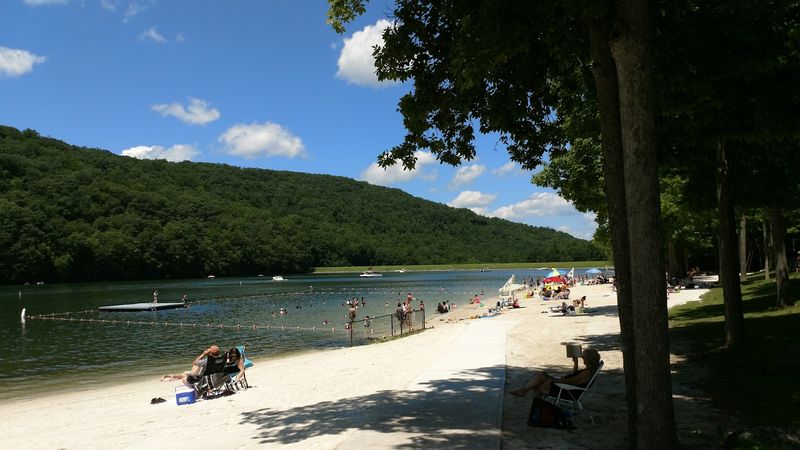
Quiet mornings show a gentler side of Lynn Deming Park, when Candlewood Lake is calm and the shoreline feels far removed from the busier pace that arrives later in the day.
The park remains one of New Milford’s main ways for residents to enjoy the lake, with a beach, picnic space, docks, and recreational access gathered into one waterfront setting.
Swimming is a major draw during warmer months, especially for families who want an easy place to spend several hours outside.
Open grassy areas give visitors room to relax between trips to the water, while the surrounding lake views keep the setting scenic without requiring a complicated day trip.
Access is more limited than some older descriptions suggest. The town currently lists Lynn Deming Park as open to New Milford residents only, and a park pass is required for entry.
Weekend afternoons can feel livelier, so arriving earlier can bring a quieter experience.
The park’s current official address is 134 Candlewood Lake Road North in New Milford, rather than 51 Pebble Beach Road. That puts visitors directly beside Candlewood Lake.
For local residents, Lynn Deming Park remains a convenient summer escape with water access, scenery, and room to unwind.
6. Downtown Offers A Quieter Change Of Pace

Away from the lake, the downtown area of New Milford holds onto a character that feels noticeably calmer than the waterfront scene in summer.
The town green, which is one of the longest in the state, anchors the center of town with open space, mature trees, and a relaxed atmosphere that invites slow walking rather than rushing.
Small shops and cafes line the surrounding streets without the commercial density that larger towns carry.
The downtown area tends to attract a local crowd throughout the week, with weekend mornings bringing a slightly busier but still manageable mix of shoppers and brunch-goers.
The pace here feels more in keeping with the quieter version of New Milford that longtime residents describe when they talk about what they miss during peak summer months.
Browsing independently owned shops along Bank Street and Village Green offers a low-pressure afternoon activity.
Parking downtown is generally available on weekdays and during non-peak weekend hours, making it a practical destination for visitors who want to explore without battling heavy traffic.
The architecture along the green includes well-preserved historic buildings that give the area a grounded, lived-in feel rather than a polished tourist destination look.
Downtown New Milford rewards unhurried exploration more than a quick stop-and-go visit.
7. Scenic Roads Still Show The Town’s Rural Side
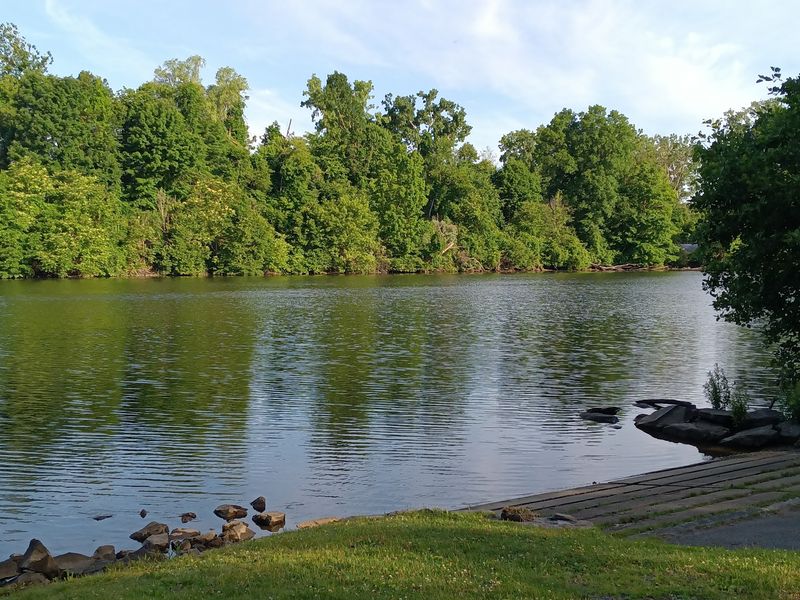
Beyond the lake and the town center, New Milford still holds stretches of road that feel genuinely removed from the summer crowds. Routes winding through the northern and eastern parts of town pass by farms, stone walls, and forest edges that have changed little over the decades.
Driving or cycling these roads offers a different perspective on the town, one that aligns more closely with the rural Connecticut identity that the region is historically known for.
Roads like Young’s Field Road and Pickett District Road pass through areas where the tree canopy closes overhead and traffic thins considerably. These stretches tend to be especially striking in autumn when foliage color peaks across the hillsides.
Even in summer, they offer a noticeably quieter experience than anything near the lake access points or the main commercial corridor.
Cyclists tend to find the terrain moderately challenging with rolling hills that require some fitness but reward the effort with long views and minimal traffic. Drivers exploring these roads at a slow pace can pull over safely in many spots to take in the scenery.
The rural roads of New Milford represent a part of the town that has not yet been heavily impacted by seasonal crowding and still carries the peaceful character that the area was long associated with.
8. The Town Now Has A Busier Summer Feel

Taken as a whole, New Milford today feels like a town navigating a familiar tension that many scenic small towns face when they become more widely discovered.
The natural assets that made it appealing have not disappeared, but the experience of accessing them has changed in ways that are hard to ignore.
Candlewood Lake is still beautiful, the green is still welcoming, and the surrounding countryside still offers genuine quiet if visitors know where to look.
The summer months now carry a noticeably different energy than they did even ten or fifteen years ago. More visitors means more activity, more noise near the water, and more logistical friction around parking and timing.
For residents, that shift can feel like a slow erosion of the low-key atmosphere that made the town feel like a personal treasure worth protecting.
Visitors approaching New Milford with realistic expectations tend to have the most satisfying experience. Choosing off-peak times, exploring beyond the lake, and spending time in the quieter corners of town helps reveal the character that still exists beneath the summer surface.
The town has not lost everything that made it special, but finding that quality now takes a little more intention and a willingness to look past the busiest spots.