Modern Comforts Haven’t Stolen The Old-World Charm From This 125-Plus-Year-Old Nebraska Hotel
Old hotels usually face a choice: keep the character and risk feeling dated, or modernize until the personality disappears. This one found a better middle ground.
The building still carries the proportions and atmosphere of a place with more than a century behind it, but the experience no longer asks guests to sacrifice basic comfort for the sake of history.
You notice the age without feeling trapped by it. That balance gives this Nebraska hotel its real appeal.
Spend a little time looking at the architecture before heading upstairs. Let the older details register.
Then enjoy the very modern pleasure of settling into a room that does not require you to pretend indoor plumbing is overrated.
There is something satisfying about a property that knows exactly what deserves preserving. History stays visible here. So does common sense.
A 1900 Opening Sparked By Railroad Traffic And Hog Drives
Back when the century turned, Verdigre sat at the end of a railroad line, and that single fact changed everything about the town.
Trains brought workers, buyers, and travelers who needed somewhere to sleep, and the town also served as a gathering point for hog drives that pulled farmers in from the surrounding countryside.
Existing lodging could not keep up with the demand, so a new hotel went up in 1900 to handle the overflow.
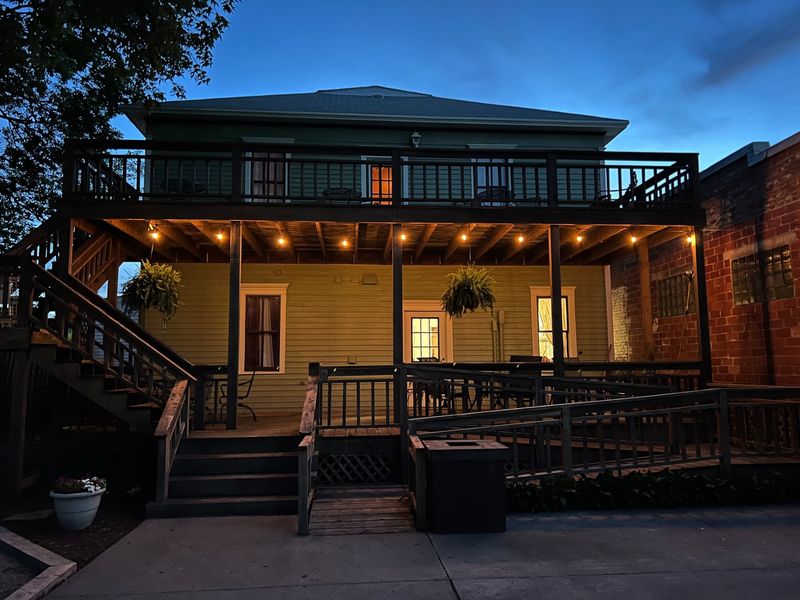
The Commercial Hotel stands at 217 S Main Street, Verdigre, NE 68783, still on the same corner of Main Street where it first opened its doors to rail crews and livestock men.
Understanding that origin story changes how a stay feels, because the wide staircase and roomy common areas were designed for people who arrived tired, dusty, and hungry.
Frame hotels like it once dotted small Nebraska towns wherever a rail line stopped, and most of them disappeared long ago.
Visitors curious about the building’s past will find the layout itself tells much of the story, from the generous lobby meant for waiting travelers to the upstairs rooms lined along a central hall.
Reservations are handled by phone at 402-668-2386 or through the hotel website, and calling ahead matters in a town this size.
National Register Status That Backs Up The Old-School Feel
Plenty of places claim to be historic, but far fewer have the paperwork to prove it.
Listing on the National Register of Historic Places came in 1990, which means the building met federal standards for historical significance and integrity.
Recognition of that kind is not handed out casually, and it separates a genuinely old structure from one that simply looks the part. What the designation really signals is that the hotel represents something larger than itself.
Preservation experts recognized it as an outstanding surviving example of the lodging that served Nebraska during its earliest settlement decades.
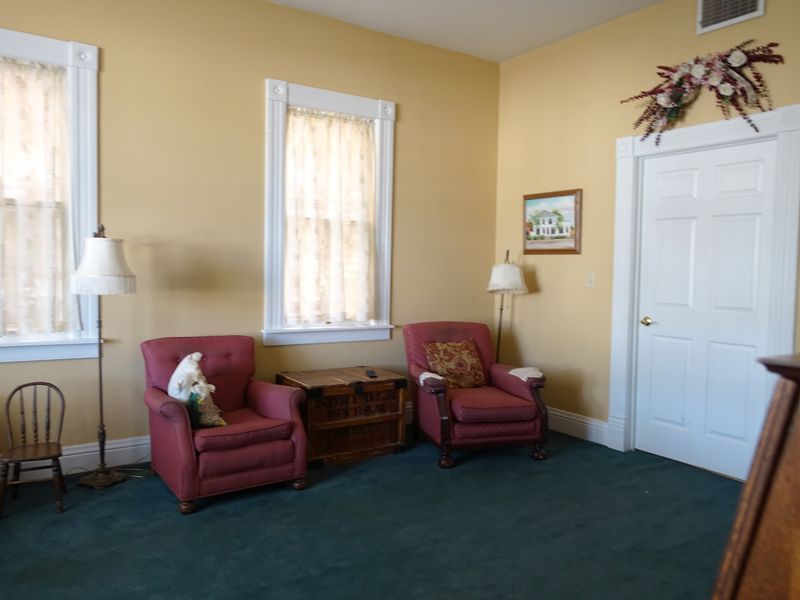
Guests do not need to know a thing about architecture to sense the difference, though. Original woodwork and the honest scale of the rooms give the interior a texture that new construction rarely matches.
Floors have a little give underfoot, doorways sit where they always sat, and windows frame the street the way they did over a century ago.
For travelers who enjoy collecting historic stays, the listing offers a reliable way to gauge authenticity before booking.
Photography enthusiasts often appreciate the late afternoon light on the front facade, when the western sun warms the wood and long shadows stretch across Main Street.
Respecting the building means treading a bit gently, since old surfaces wear differently than modern ones.
Kerosene Lamps And Life Before Indoor Plumbing
Hard to picture now, but when the hotel first opened it had no indoor plumbing, no gas, and no electricity at all.
Kerosene lamps handled the lighting, which meant every evening involved trimming wicks and carrying a flame from room to room.
Guests in 1900 accepted all of that as completely ordinary, because nearly everywhere else worked the same way. Thinking about those conditions gives the modern stay a bit more weight.
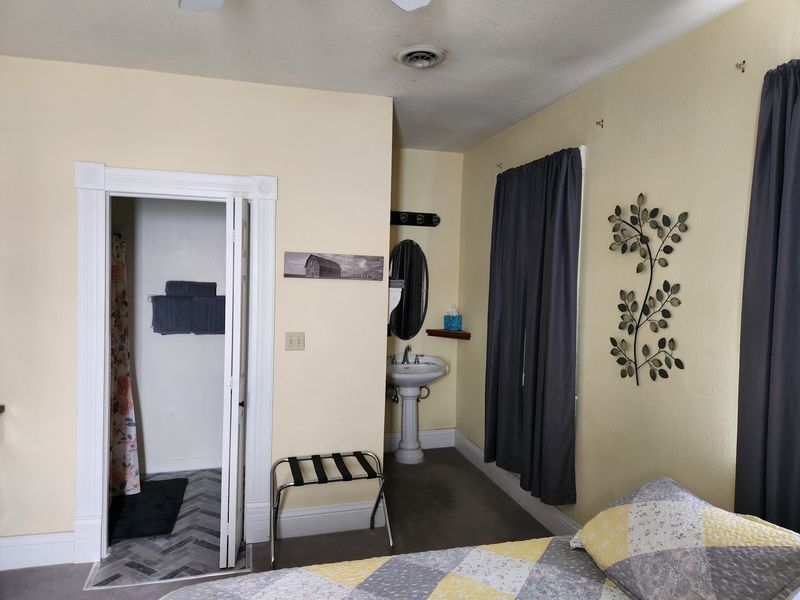
Private bathrooms in the guest rooms, hot showers, and free Wi-Fi represent a full century of change layered onto the same footprint.
None of those upgrades were part of the original plan, yet they fit without shouting for attention.
Lighting throughout the building leans soft and warm rather than bright and clinical, which suits the period character but is worth knowing in advance.
Travelers who like to read in bed sometimes bring a small clip-on light or a headlamp, a simple fix that costs nothing and improves the evening.
The contrast between then and now becomes part of the appeal rather than a complaint.
Slower lighting, quieter halls, and fewer distractions can make an evening feel longer in the best way.
Old buildings ask for a little patience, and they usually return the favor.
Seven Guest Rooms Keep Everything Small And Personal
Seven rooms total, and that number shapes the entire experience. Large hotels run on systems and schedules, while a property this size runs on conversation and flexibility.
Booking mid-week or during quieter stretches of the year often means having most of the building to yourself.
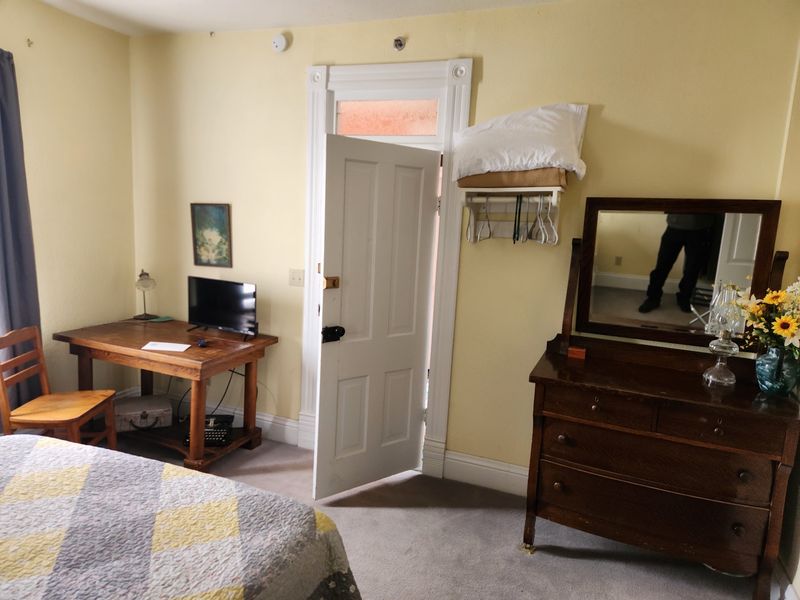
Each room has its own bathroom, and guests frequently mention comfortable beds and clean, tidy spaces.
Rooms differ from one another rather than following a single template, so asking about options when reserving can help match preferences.
One room sits on the main floor while the rest are upstairs along the second level.
Quiet is one of the strongest features here, especially on a small-town Main Street after dark. Traffic thins out early, and the building itself holds a stillness that many travelers find restful.
Families traveling together, small reunions, and groups sometimes reserve the whole hotel, which the layout handles easily.
Booking directly by phone at 402-668-2386 or through the website is the practical route, and advance notice helps since staffing is not around the clock.
Guests who prefer a lobby attendant at all hours should know the rhythm here is more like staying in someone’s well-kept home. The trade-off is a stay that feels genuinely personal rather than processed.
Antiques, Quilts, And Original Furnishings Throughout
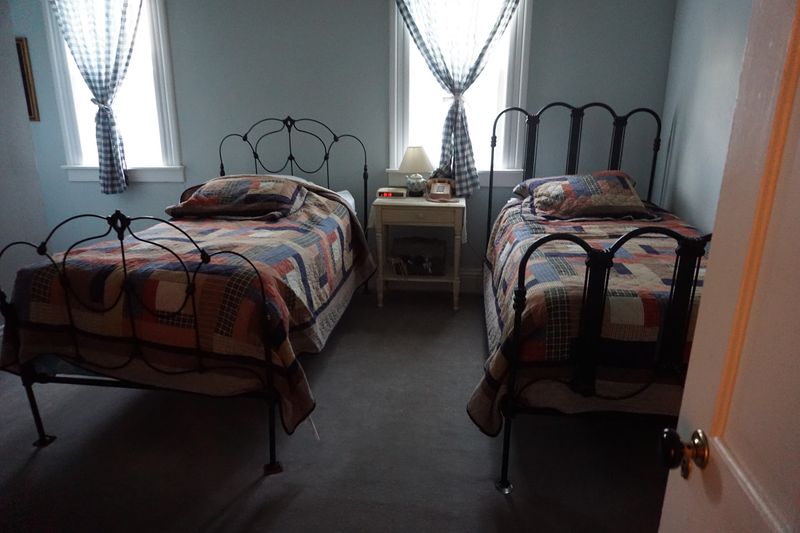
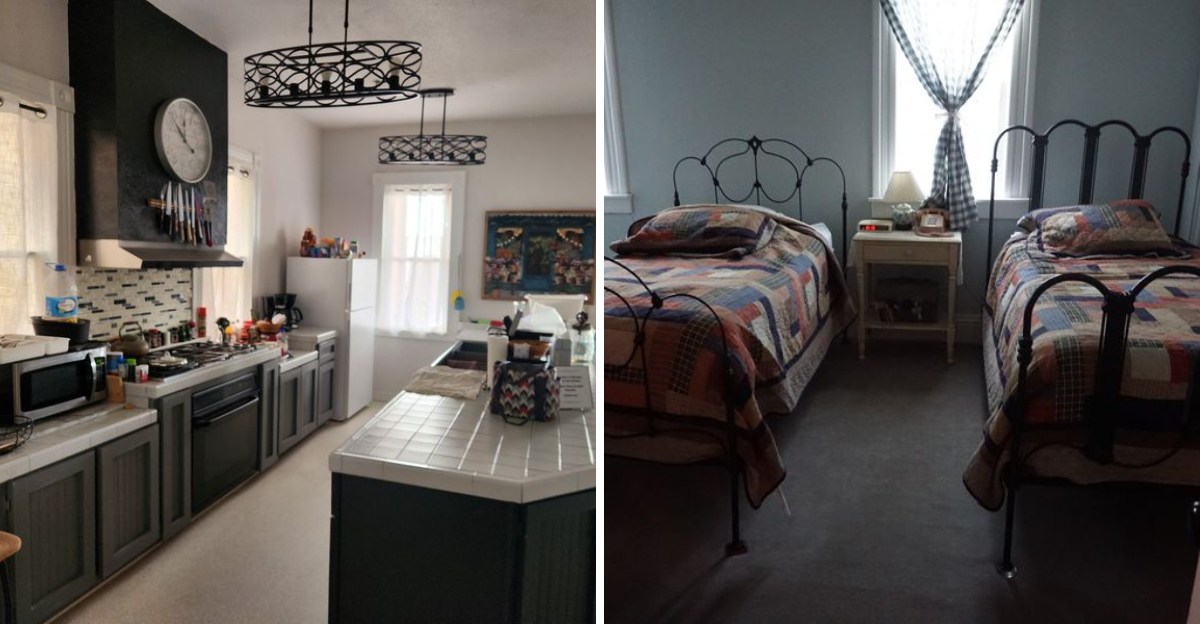
Textiles do a lot of quiet work in this building. Quilts layered on beds, antique dressers, and original furnishings carried through from earlier eras give the interior a lived-in warmth.
Nothing looks staged for a photo shoot, and that honesty is part of the charm. Victorian styling shows up in the details rather than in grand gestures.
Carved wood, patterned fabrics, and older pieces of furniture fill the parlor and the spacious foyer, creating rooms that invite sitting rather than passing through.
Guests often describe the atmosphere as nostalgic, a word that comes up again and again in feedback about the place.
Practical comfort has not been sacrificed for appearance, which matters after a long drive. Beds get consistent praise, and the rooms are kept clean and orderly.
Older furnishings do come with older-furnishing quirks, so a slightly firmer chair or a door that needs a firm pull is part of the deal.
Travelers who collect experiences in historic properties will find plenty to notice, from hardware to trim work.
Taking a slow walk through the common rooms before heading upstairs is worth the few extra minutes. Details reveal themselves gradually here, especially in the softer light of evening.
Breakfast Included With Every Stay
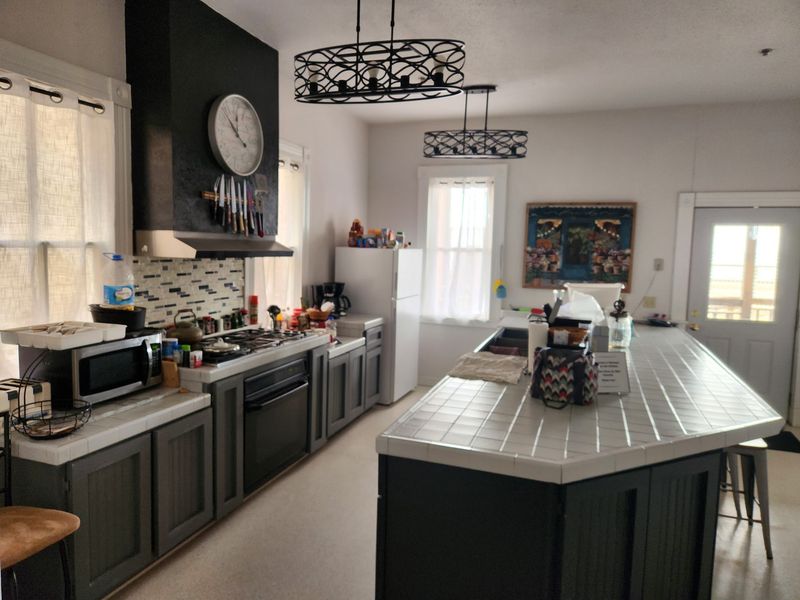
Mornings come with food, which is one of the oldest promises in the bed and breakfast world.
Every stay includes breakfast, currently served continental style, so guests can expect items such as baked goods, fruit, and coffee rather than a cooked-to-order plate.
Knowing that ahead of time helps set expectations properly. A continental spread has real advantages for travelers on the move.
Grabbing something quick and heading out toward the fossil beds or the river beats waiting on a full kitchen service, especially during summer when daylight hours matter.
Anyone hoping for a hot meal should plan to look into local dining options in town.
The large kitchen is available to guests and comes equipped much like a home kitchen would be.
Longer stays benefit enormously from that access, since groceries and a stove open up meal options that most lodging never provides. Families and reunion groups tend to make good use of it.
Eating in the dining room rather than the guest room adds to the experience, particularly in the morning when light comes through the windows.
Coffee, a muffin, and a quiet table make a fine start before a day of driving country roads.
Fossil Beds And River Country Just Down The Road
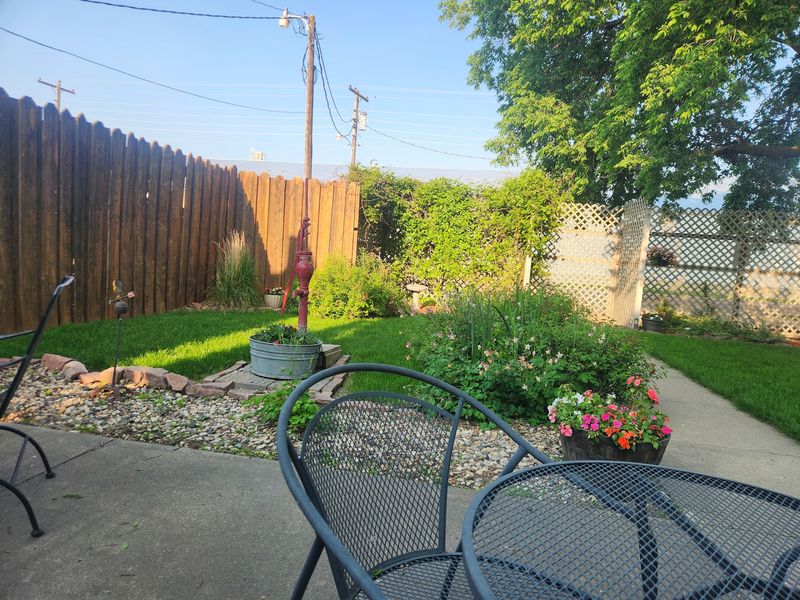
Northeast Nebraska hides one of the most remarkable paleontology sites in the country, and it sits a short drive from the hotel.
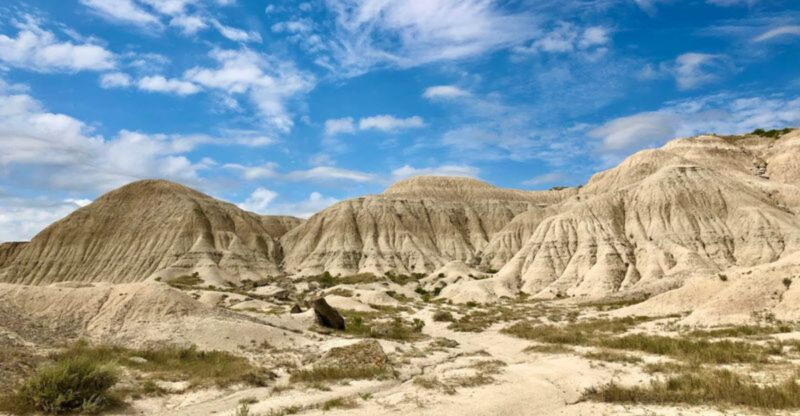
Ashfall Fossil Beds State Historical Park is located in Antelope County north of Royal, Nebraska, where complete skeletons of prehistoric mammals lie preserved in volcanic ash exactly where the animals passed.
Walking through the covered rhino barn and seeing intact skeletons in the ground is an experience that sticks with visitors of all ages.
Seasonal timing matters for planning, since the park is open from early May through early October.
Checking current hours before setting out avoids disappointment, particularly at the edges of the season.
Comfortable shoes and sun protection make the visit easier, as portions involve outdoor walking.
River country lies in the other direction, where Verdigre Creek meets the Niobrara River in the scenic Niobrara Valley.
Niobrara State Park is a short drive away and offers a range of outdoor experiences, while Niobrara Adventures Campground and Beach provides kayak rentals and beach access along the creek and river.
Paddling and swimming depend heavily on season and water conditions, so calling ahead is worthwhile. Combining a fossil park morning with a river afternoon fills a day nicely from a home base in town.
A Classic Drive-In Theater Within Driving Distance
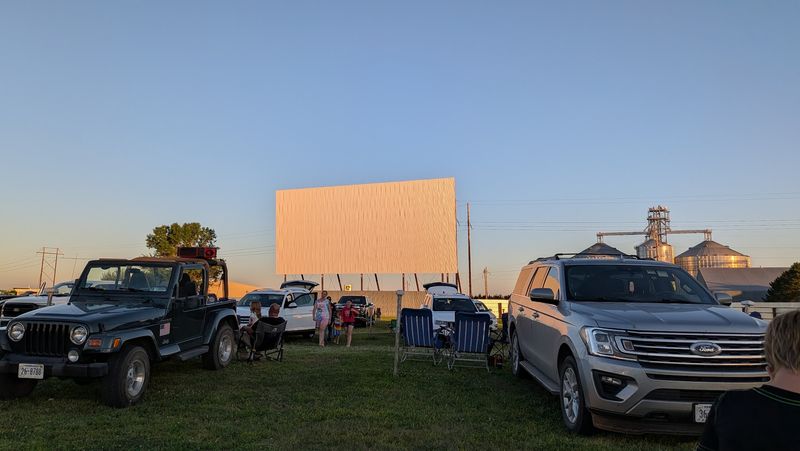
Few things pair better with a night in a century-old hotel than a movie under the stars.
The TK Starlite Drive-In operates seasonally in Neligh, Nebraska on Highway 275 East, showing films on Friday and Saturday nights during its open season.
Drive-ins have grown scarce across the country, which makes a working one worth the drive. Planning helps, because the schedule runs seasonally and only on weekend nights.
Checking current showtimes and operating dates before making the trip is essential, since weather and season both affect operations.
Arriving early gives better parking position and time to settle in before dark. Comfort items make a real difference at a drive-in.
Blankets, camp chairs, and bug spray turn a good evening into a great one, especially as Nebraska nights cool off after sunset.
Sound typically comes through a car radio, so a vehicle battery in decent shape is worth thinking about.
Pairing a Friday drive-in show with a Saturday morning at the fossil beds and a Saturday night back at the hotel makes for a well-balanced weekend.
The combination captures something increasingly rare, a stretch of travel where the pace stays slow and the entertainment feels genuinely old-fashioned. Returning to a quiet Main Street afterward completes the whole picture.