This Michigan Craft Supply Store Is So Affordable People Travel Hours To Fill Their Trunks
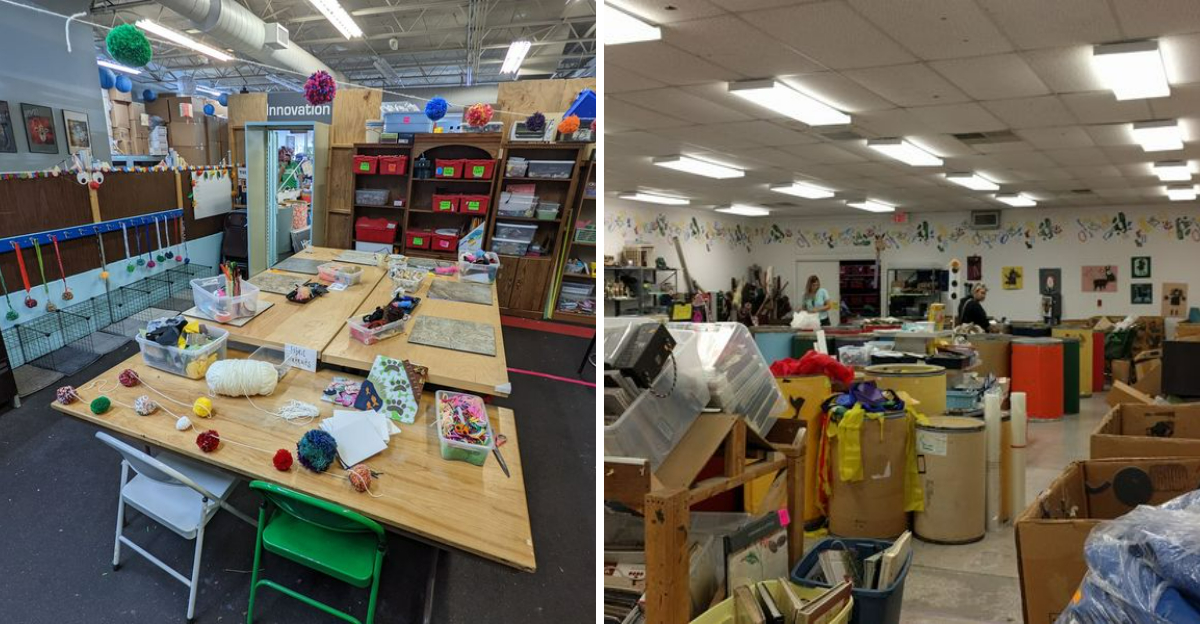
My sister called me obsessed after my third trip in one month. She might be right, but I blame the prices.
I first heard about this place from a coworker in Michigan who described it like a rumor, almost too good to be real. I walked in expecting a small selection and maybe one good deal.
Instead I found aisle after aisle stacked floor to ceiling, fabric bolts leaning against ribbon spools, bins of buttons nobody had sorted in years. I filled a cart in twenty minutes without even trying.
At checkout, the total made me ask the cashier to recheck the register. She just laughed and said everyone asks that the first time.
People drive hours across Michigan just to fill their trunks here, and now I completely understand why my coworker would not stop talking about it.
A Nonprofit Shop Built On Secondhand Supplies
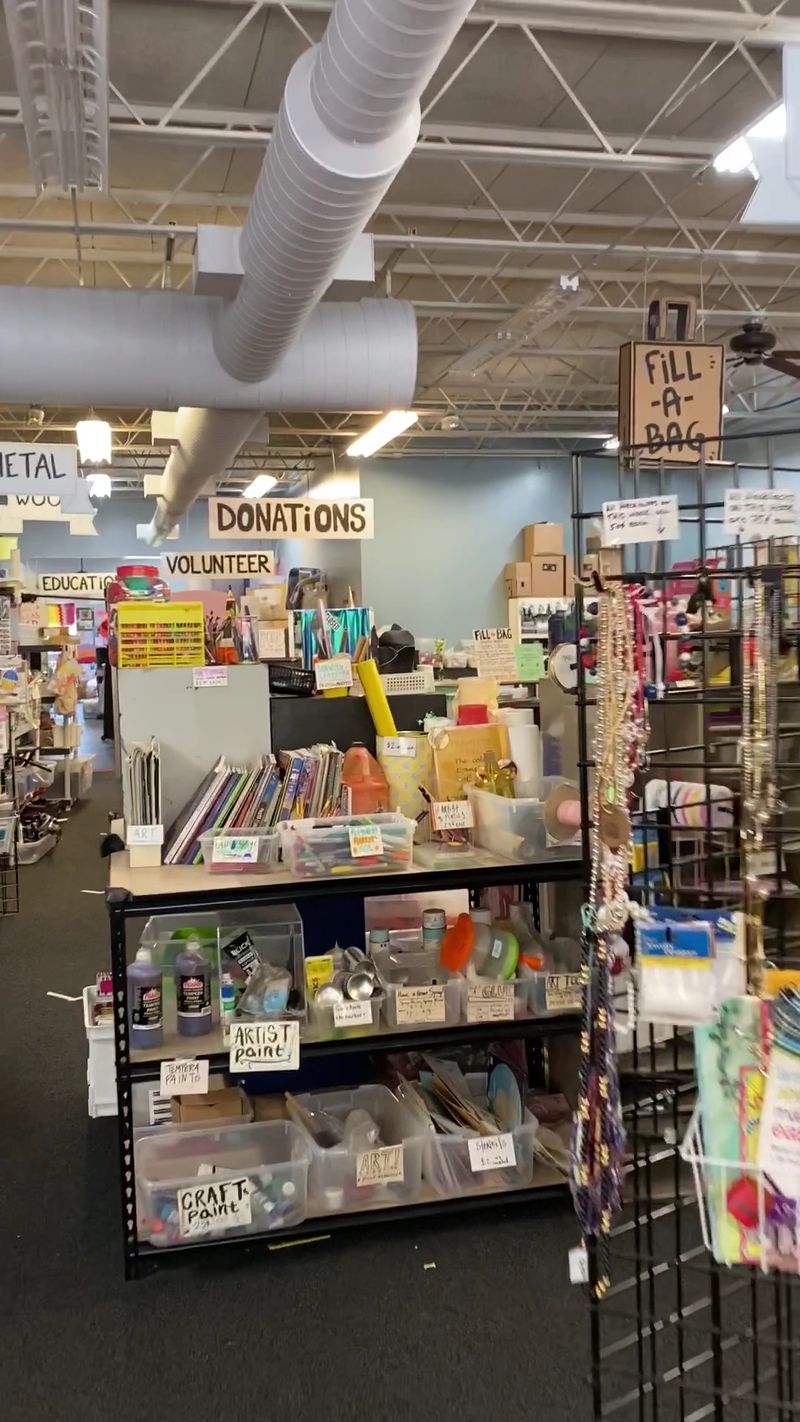
Most craft stores order boxes from a warehouse. Here, the shelves fill up because neighbors and businesses drop off what they no longer need.
Everything is donated. That single fact changes how the whole place works, from pricing to the daily surprise factor.
The organization runs as a 501(c)(3) nonprofit. Your purchase is not padding a corporate margin, it funds programs and keeps materials moving.
Shoppers commonly pay one-third to one-half of the original retail cost. For anyone who buys supplies in bulk, that difference adds up fast.
Categories run wide. Art supplies, craft materials, office goods, school items, and party leftovers all land under one roof.
Staff sort donations before anything hits the floor. The system keeps quality reasonable and stops the store from feeling like a pile.
Hours vary by day, so checking the current schedule before visiting is a good idea. That schedule makes weekend road trips easy to plan.
The address is 4567 Washtenaw Ave, Michigan, and it sits right next to Once Upon A Child.
Prices That Make Regular Craft Stores Look Silly
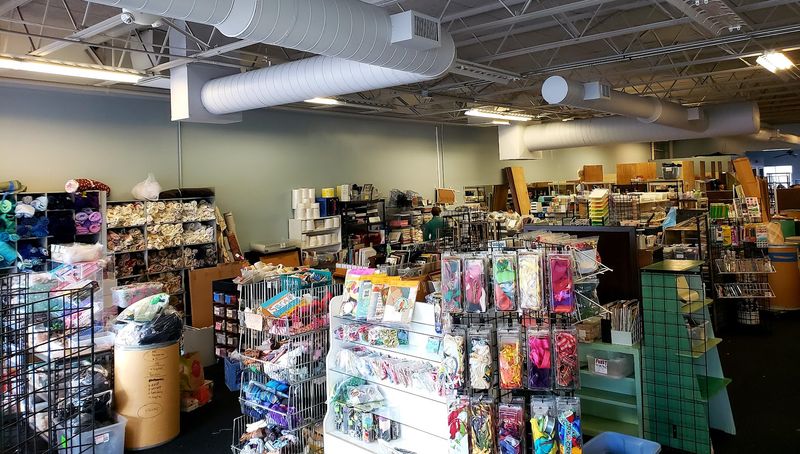
Craft budgets vanish fast at big box chains. Two spools of ribbon and a pack of cardstock can wipe out twenty dollars before you blink.
Many supplies are priced well below typical retail costs, making it easier to stretch a craft budget.
Because inventory arrives through donations, the pricing starts low and stays low. Overhead is different when you are not restocking from suppliers.
Teachers stretch classroom money further. Scout leaders outfit an entire troop project without begging for extra funds.
Cost savings usually land between one-third and one-half of retail. Bulk crafters feel that discount the most.
Not every single item wins on price, and honest shoppers admit that. Comparing tags is smart, especially with partial skeins of yarn.
Still, the volume of low-cost goods is remarkable. Stickers, blank cards, paper, and washi tape practically beg to be scooped up.
Card makers seem especially loyal. Building a batch of birthday cards costs pocket change instead of a full shopping trip.
The affordability keeps people driving in from far outside Washtenaw County. Filling a trunk here is genuinely realistic.
Grab A Rolling Cart Before You Regret It
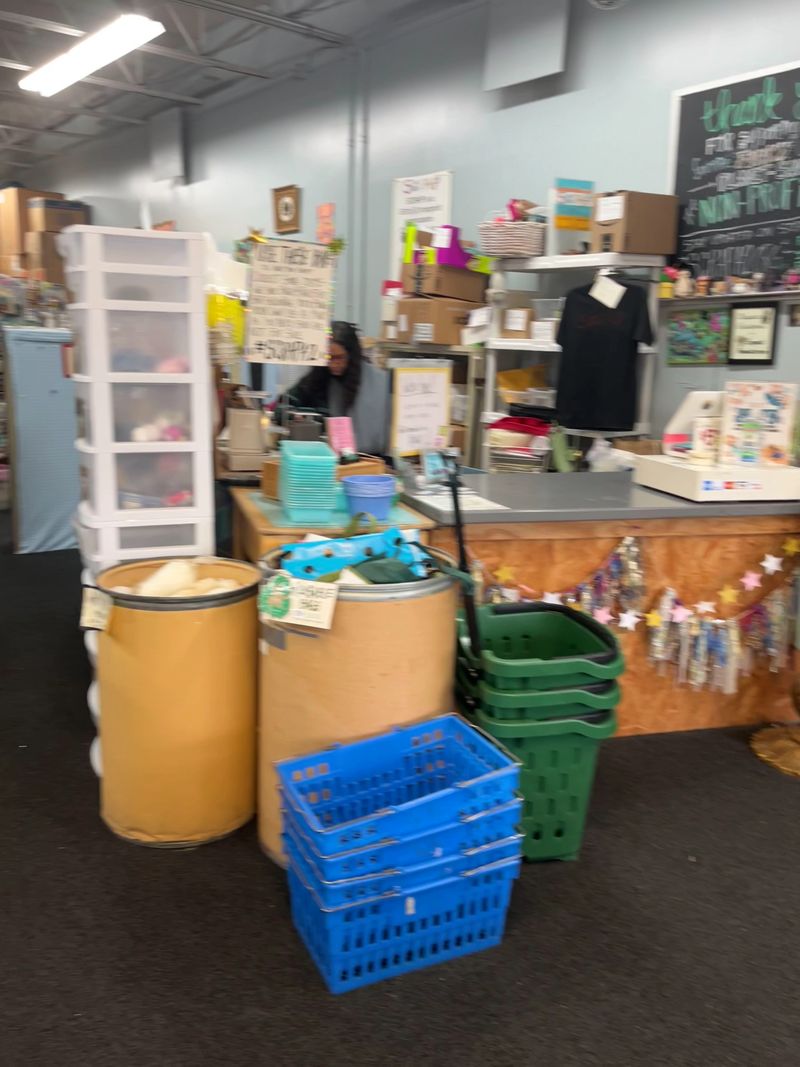
Here is the rookie mistake almost everyone makes. You walk in, get dazzled, and start stacking things in your arms.
Twenty minutes later your chin is holding down a stack of paper. Meanwhile the carts sat by the entrance the whole time.
Rolling carts with handles wait near the door. Take one immediately, even if you swore you were only browsing.
Shoppers frequently leave items at the counter because their hands ran out of room. Staff are gracious about it, but a cart is easier.
The store gets busy, especially on weekends. A cart lets you move through aisles without juggling fragile finds.
Plan a loop before grabbing. Scout the categories first, then circle back for what you actually want.
Bringing your own tote bags helps too. Loose small parts travel better when they are contained.
Some visitors describe the experience as pleasantly overwhelming. Preparation turns that feeling into fun instead of frustration.
If a companion has zero hobbies, warn them ahead of time. They may prefer waiting in the car with a podcast.
The Barrel Full Of Paperclips People Talk About
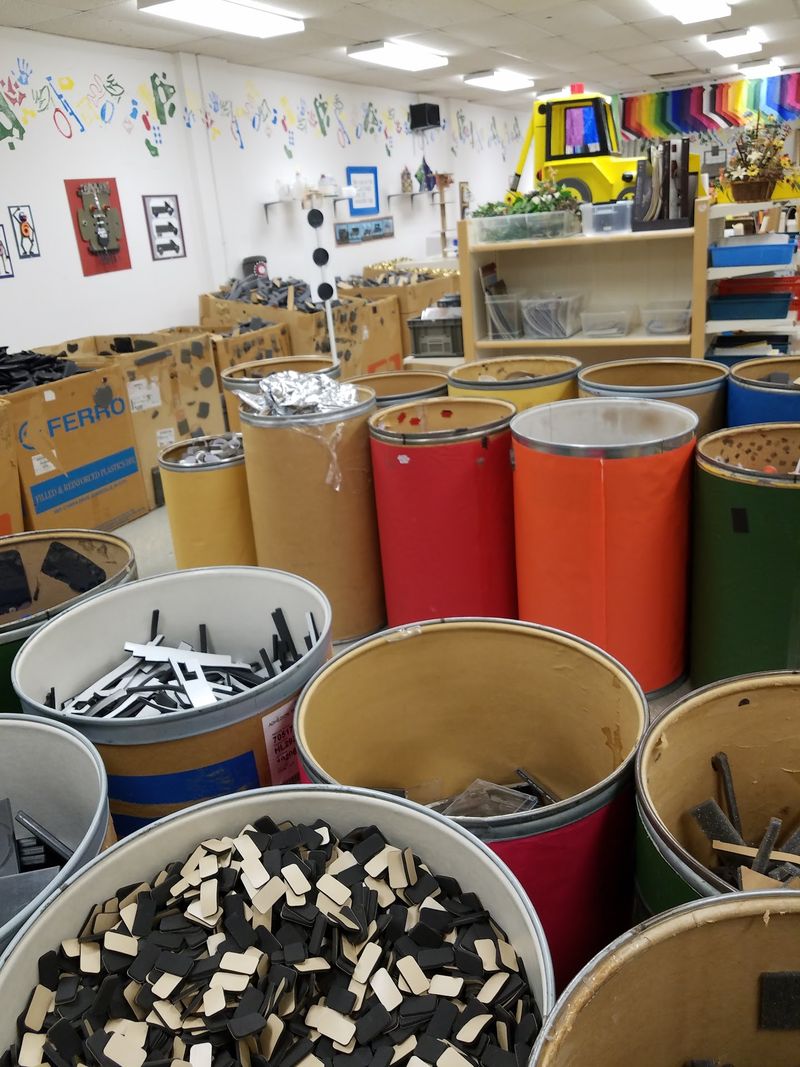
Toward the back sit barrels made for digging. That is where the real hunting happens.
One drum holds an absurd quantity of paperclips. Shoppers have literally gasped at the sight of it.
Scrapbookers and junk journal makers use paperclips as clips, bookmarks, and decorative accents. A handful costs almost nothing.
Other barrels hold assorted bits and bobs. Buttons, small hardware, odd shapes, and mystery pieces reward patient hands.
Digging is part of the deal. If you want everything neatly packaged, this section will test you.
The payoff is finding materials no chain store carries. One shopper tracked down thread for bobbin lace, which is famously hard to source.
Warhammer hobbyists raid these bins for terrain-building material. Odd plastic shapes become ruined towers and sci-fi machinery.
Stained glass crafters have found supplies here too. The variety spreads across surprising niches.
Bring hand sanitizer and patience. Both make barrel diving more pleasant.
Go slowly and look twice. The best pieces hide under the boring ones every time.
Organized Aisles That Actually Make Sense
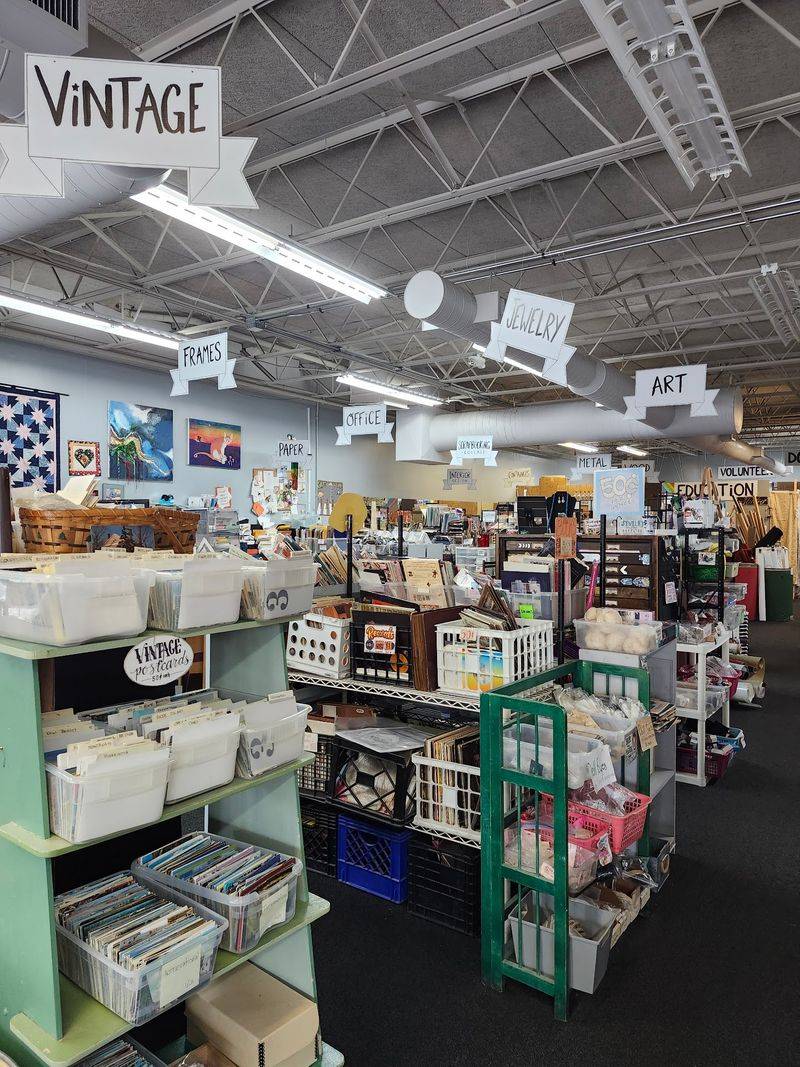
Secondhand shops often feel chaotic. This one manages something rarer, a real sorting system.
Materials are grouped by general category, item type, and even color. That last detail is a quiet gift to anyone matching a palette.
Paper lives with paper. Fabric sits with fabric.
Sewing notions cluster together instead of scattering across the room.
The organization makes short visits possible. You can target one section and get out in fifteen minutes.
It also makes long visits dangerous. Once you understand the layout, you start noticing things you skipped last time.
Project-based sorting helps beginners the most. Someone new to crafting can see what belongs together.
Volunteers handle much of this sorting work. Their effort is what keeps donated chaos from taking over.
Still expect abundance. Shelves are full, and the density is part of the charm.
Take a slow first lap without buying anything. Learning the map pays off on every future trip.
Then go back and shop with a plan. Your budget will thank you, even if your storage bins will not.
Inventory That Changes From Week To Week
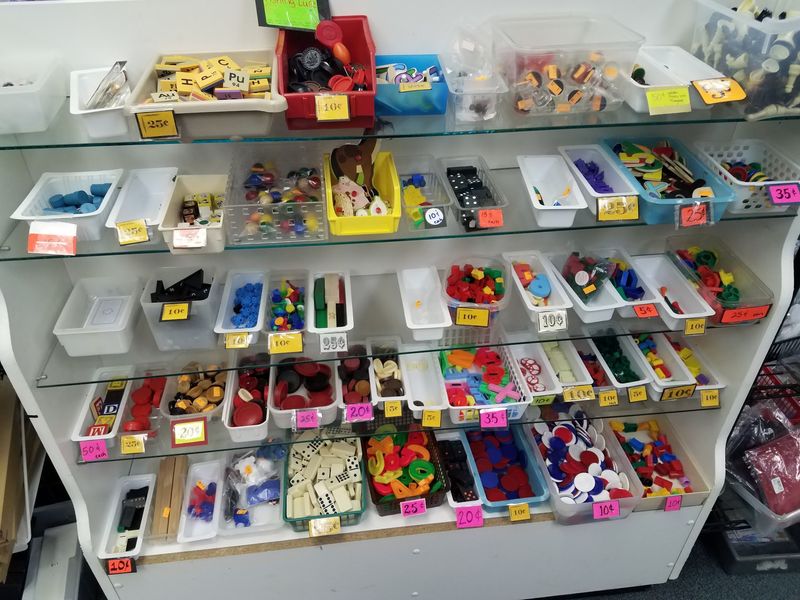
Nothing here is guaranteed. Stock rotates constantly because donations arrive on their own schedule.
What sat on a shelf last Tuesday may be long gone. That unpredictability is exactly why regulars keep coming back.
Past finds have included vinyl records, colored pencils, rubber stamps, plastic gems, fabric, and picture frames. One visitor came across a postcard dated 1911.
Vintage ephemera shows up often enough to excite junk journal makers. Old paper has a texture new supplies cannot fake.
Jewelry makers have grabbed entire cases of jewelry boxes. Art show vendors love that kind of bulk score.
Someone once ran an after school art club and stopped by weekly. Each visit introduced kids to a new material.
Frequency matters more than timing. Popping in monthly beats waiting for a special sale.
Do not fall in love with a plan before arriving. Let the shelves suggest your next project instead.
The hunt itself becomes the hobby. Half the joy is not knowing what waits inside.
Workshops And Crafternoons At Camp SCRAP
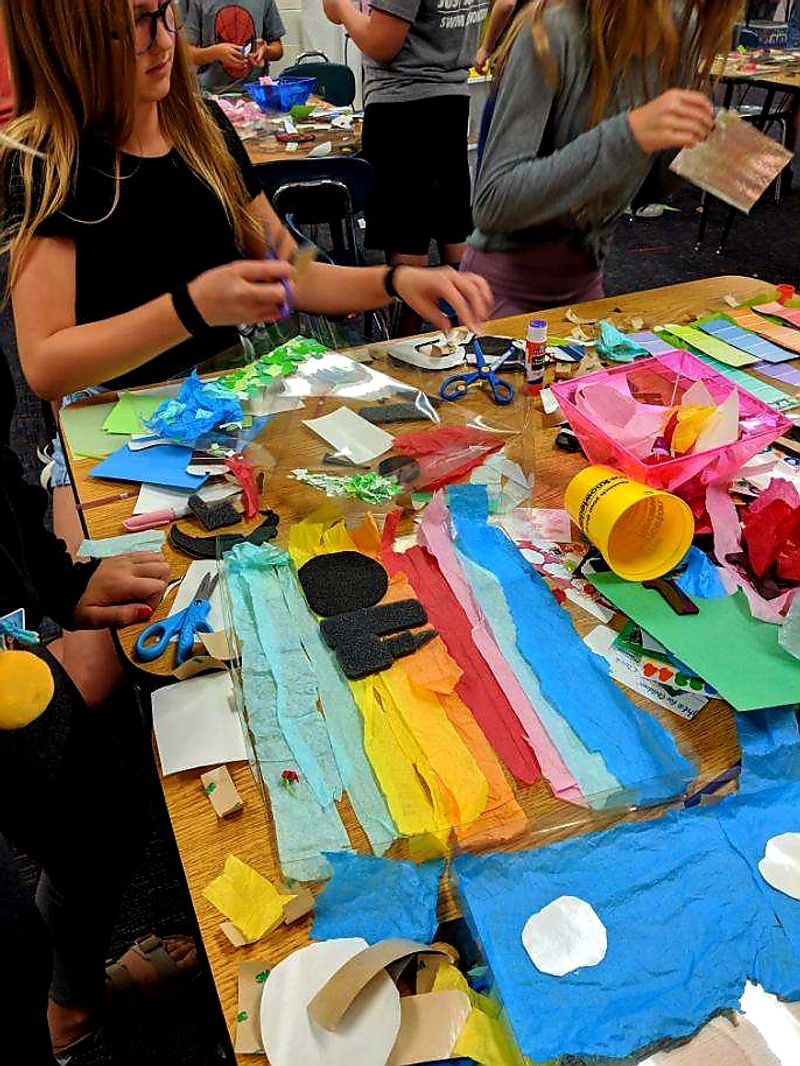
Shopping is only half the operation. A whole education side runs alongside the retail floor.
Workshops teach hands-on skills using reclaimed materials. Crafternoons offer relaxed drop-in style creating.
Camp SCRAP serves kids during school breaks. Young makers build projects from materials that were headed for a landfill.
Field trips are welcome. School groups tour the space and complete guided projects.
Scouting troops book badge workshops. One girl scout got hooked after a single session and kept returning with family.
Teacher trainings help educators bring reuse thinking into classrooms. That ripple effect reaches hundreds of students.
Virtual workshops exist too. Anyone outside driving distance can still participate from a kitchen table.
A dedicated classroom space was added for drop-in crafting. It gives visitors a spot to actually make something.
Registration details live on the organization website. Calling ahead at 734-800-4137 works for questions about schedules.
Programs fill up during busy seasons. Booking early is the smart move for anything involving kids.
Birthday Parties With A Sustainable Twist
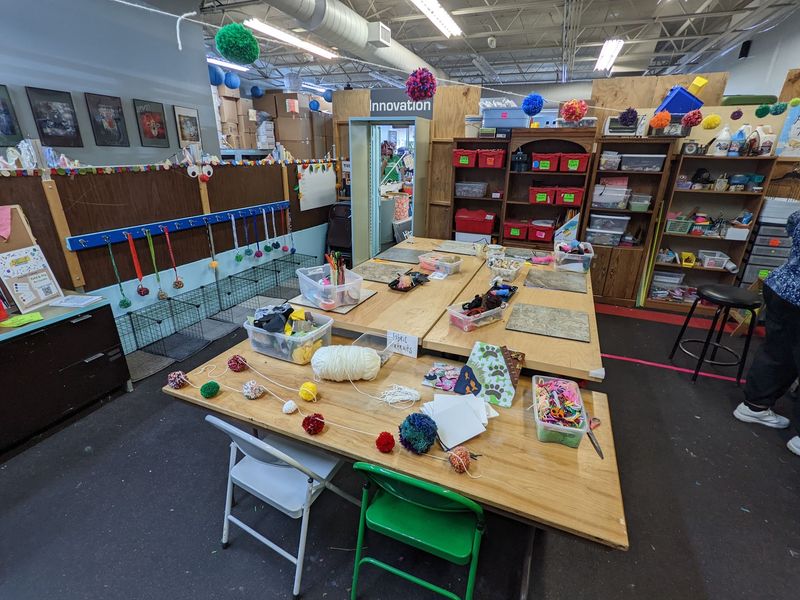
Party planning usually means buying plastic junk that lasts one afternoon. There is a better option here.
The studio space hosts birthday parties built around creative reuse projects. Guests leave with something they actually made.
Facilitated craft activities keep the group focused. No parent has to invent entertainment on the spot.
Materials come from donated stock. That means the celebration produces less waste than a typical party.
Space rental also works for classes and community groups. Book clubs, art collectives, and clubs all fit.
Kids tend to remember making things more than receiving things. A hot glue gun project beats a goodie bag.
Adults enjoy these sessions more than they expect. Crafting alongside children is oddly relaxing.
The nonprofit structure means party fees support the larger mission. Your celebration funds programming for other groups.
Ask about available dates well in advance. Weekend slots go quickly during spring and summer.
Bring a camera. The finished projects photograph beautifully, especially when covered in glitter.
Keeping Tons Of Material Out Of Landfills
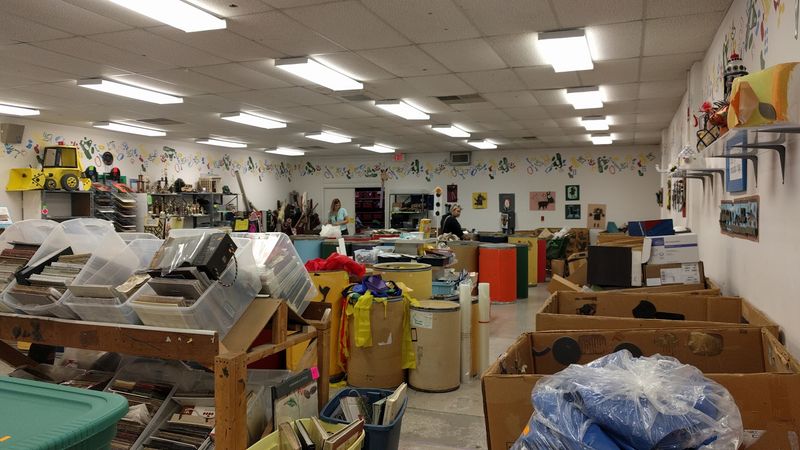
Creative reuse helps keep usable art, craft, and office materials out of landfills instead of letting them go to waste.
Clean, reusable art, craft, and office supplies are accepted from individuals and businesses alike. Guidelines keep the quality consistent.
Donations typically happen by appointment. That system prevents pileups and lets volunteers sort properly.
Companies clearing out storerooms find a genuinely useful outlet. Office overstock becomes classroom treasure.
A program called SCRAP Gives Back distributes free materials to local nonprofits and educational groups. Creativity spreads where budgets are tight.
Volunteers keep much of the machine running. Sorting, pricing, and shelving all take steady hands.
Friendly faces at the counter get mentioned constantly. Staff seem genuinely happy to talk about projects.
Shopping here doubles as a small environmental act. That feels good even when you are just buying stickers.
Come with an open mind and empty bags. You will fill both faster than expected.