This Georgia Island Has A Historic Estate, Mansion Ruins, And Free-Roaming Horses
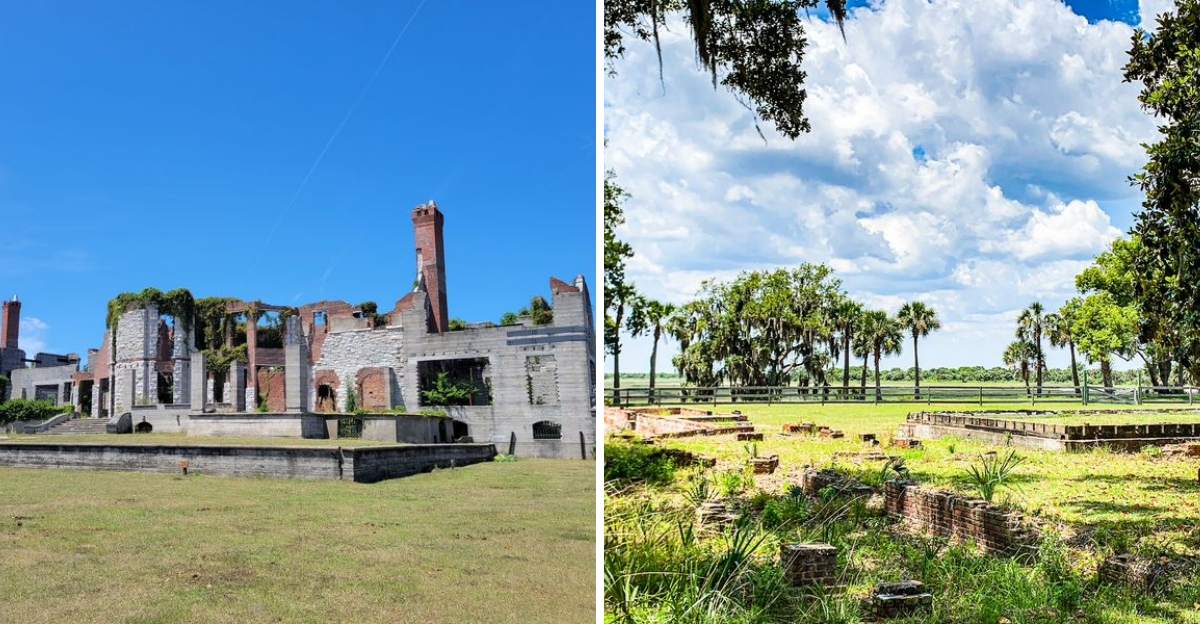
I stepped off the ferry expecting sand between my toes and not much else. Instead I found wild horses grazing beside crumbling stone walls, as if two completely different stories had been layered on top of each other.
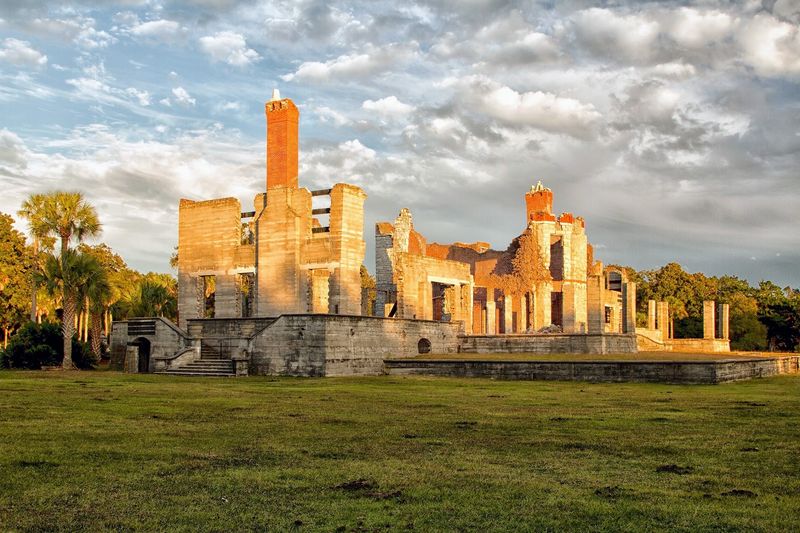
Massive oak trees stretched overhead, dripping with moss thick enough to block the sun in places. Around one bend stood the ruins of a mansion, grand even in collapse, with nature slowly reclaiming every corner.
Georgia hides pockets like this along its coast, places where history and wilderness refuse to stay separate. I spent hours wandering trails I never planned to walk, camera full before lunch.
Georgia rewards anyone willing to catch an early ferry and skip the ordinary beach day entirely.
Getting There Starts With A Ferry Ride
No bridge connects this place to the mainland, and that changes everything. Access comes only by passenger ferry or private boat, with no car ferry option at all.
The public ferry leaves from St. Marys, Georgia, and the crossing runs roughly 40 to 45 minutes. Reservations matter, especially in spring and fall when seats disappear fast.
Two docks serve day visitors, Dungeness and Sea Camp. Most people land at the first, walk the loop, and catch the return boat from the second.
The National Park Service caps daily visitors at 300 people. That limit keeps trails quiet and beaches feeling empty, which is rare on the Atlantic coast.
Plan your day around the schedule rather than hoping for flexibility. Missing the last boat is a problem you cannot solve with a rideshare app.
Arrive early for check in, since lines build at the mainland visitor center. The dock and visitor center sit at 113 St. Marys Street, St. Marys, GA 31558.
Once you step off the boat, you have entered Cumberland Island. Everything after that point moves at walking speed.
Wild Horses Grazing On Old Lawns
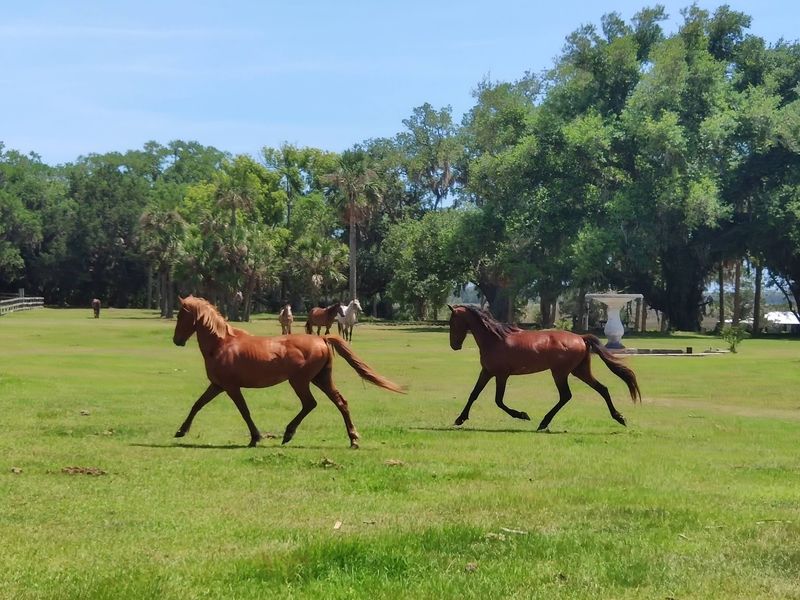
Horses munching grass in front of a burned mansion is a sight that sticks. The island is home to a band of feral horses, and they wander wherever they please.
Annual surveys have counted between 120 and 148 horses, though the island’s total population may be somewhat higher.
Sightings happen most often on the lawns around the historic district. Salt marshes, dune areas, and forest edges also work well.
They are not native wildlife. Instead, they descend from domestic horses brought to the island over many years.
Popular stories claim Spanish origins from the 1500s. Research points instead to horses brought by English settlers in the 1700s.
Genetic studies link the herd to modern breeds like Tennessee Walkers, American Quarter Horses, Arabians, and Paso Fino. That surprises most first time visitors.
Give them plenty of space and never try to feed them. They are strong animals with no interest in being petted.
A zoom lens beats stepping closer every single time.
Plum Orchard Mansion Up North
Not every grand house here ended as rubble. Plum Orchard Mansion still stands, several miles north of the main visitor area.
It represents another chapter of the Carnegie family presence on the island. Unlike the ruins, it has walls, floors, and rooms you can picture living in.
Reaching it takes real effort on foot. Most day visitors need a bike or a scheduled trip to make it work.
Distances stretch farther than they look on the park map. Over 50 miles of trails cross the island, and shade comes and goes.
If Plum Orchard tops your list, check availability before booking your ferry. Access options vary by season and staffing.
Otherwise, save it for a return trip or an overnight stay. Trying to squeeze it into a short day often ends in disappointment.
Serious cyclists sometimes recommend an electric bike for the northern end. Sandy roads drain your energy quickly.
Either way, knowing the house survives adds context to the ruins.
The First African Baptist Church
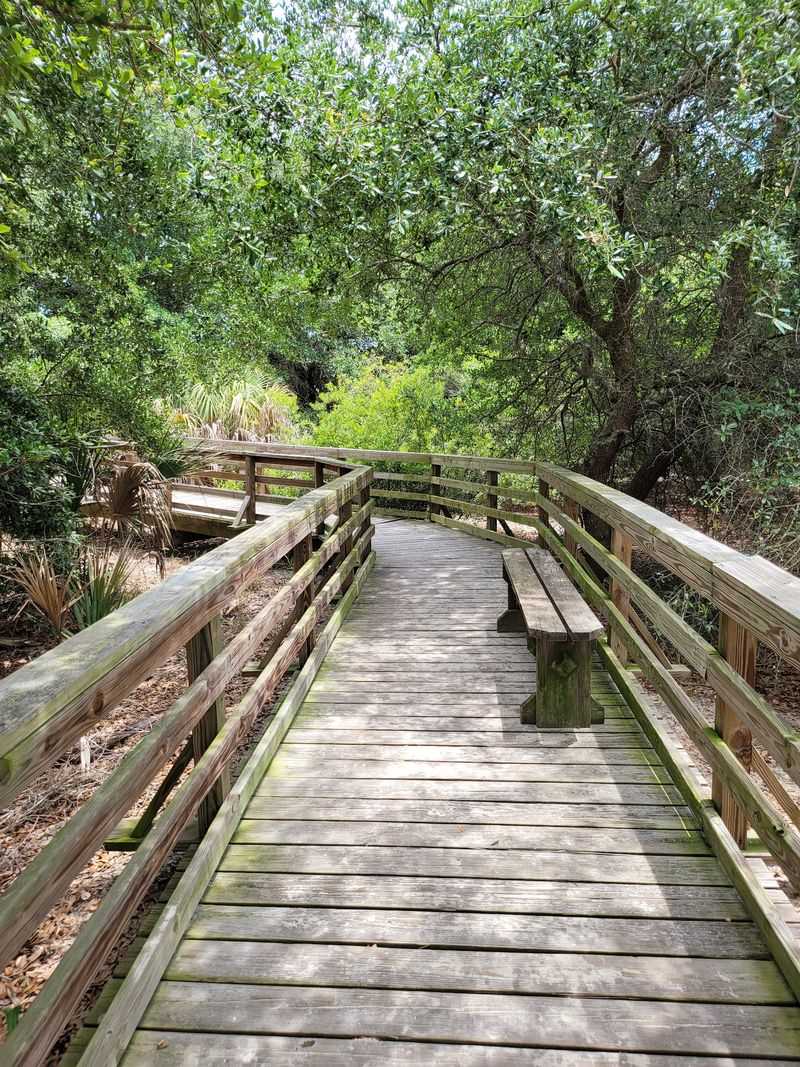
Small buildings sometimes carry the biggest stories. The First African Baptist Church sits at the northern end of the island, far from the mansion ruins.
It is modest, wooden, and plain compared to the estates. That contrast tells you a lot about island history.
The church represents the community of Black residents who lived and worked in this area. Their history is part of the National Seashore too.
Getting there requires serious planning because of the distance. Most single day ferry trips do not reach it.
Rangers can explain access options and current conditions. Ask at the mainland visitor center before you board.
If you cannot make the trip, the interpretive materials near the docks still help. Reading about the site adds depth to what you do see.
Photographs of the little building appear in many park displays. Recognizing it later makes the history feel closer.
Historic sites here are not only about wealth and grand rooms. The quieter places matter just as much.
Seventeen Miles Of Empty Beach
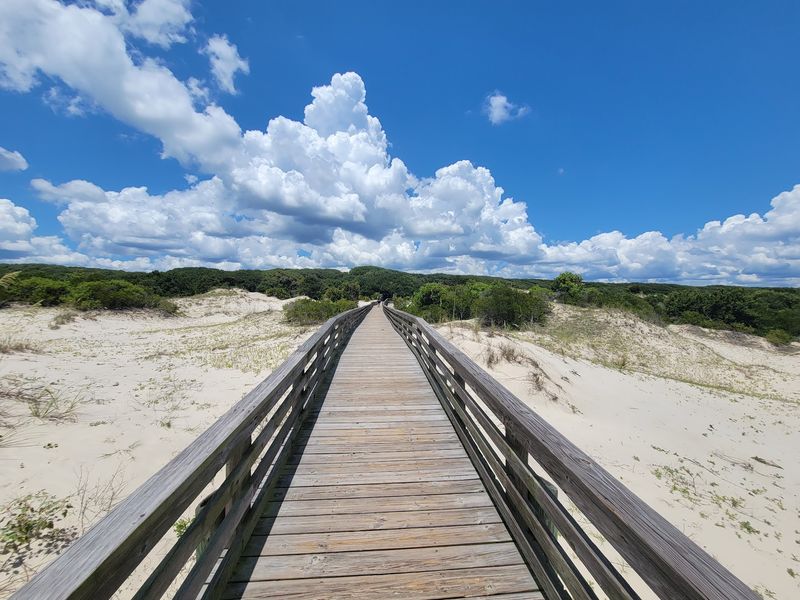
Beaches with no umbrellas and no snack stands feel almost unreal. Roughly 17 miles of shoreline stretch along the ocean side of this barrier island.
Crowds simply do not gather here, thanks to the 300 visitor daily cap. You can walk for a mile and see maybe three people.
Beachcombing turns up shells, driftwood, and interesting bird tracks. Shorebirds work the wet sand constantly.
The beaches are important nesting grounds for loggerhead sea turtles. Marked nest areas should be left completely alone.
Swimming is allowed, though there are no lifeguards anywhere. Watch conditions and stay conservative.
Sun exposure is the biggest issue on open sand. Hats, sunscreen, and extra water are not optional in warm months.
A popular day route runs from the historic district out to the shore. Walk a stretch of beach, then cut back inland toward the second dock.
That loop covers about four miles total. It fits comfortably between the morning and afternoon ferries.
Oak Trees And Spanish Moss Overhead
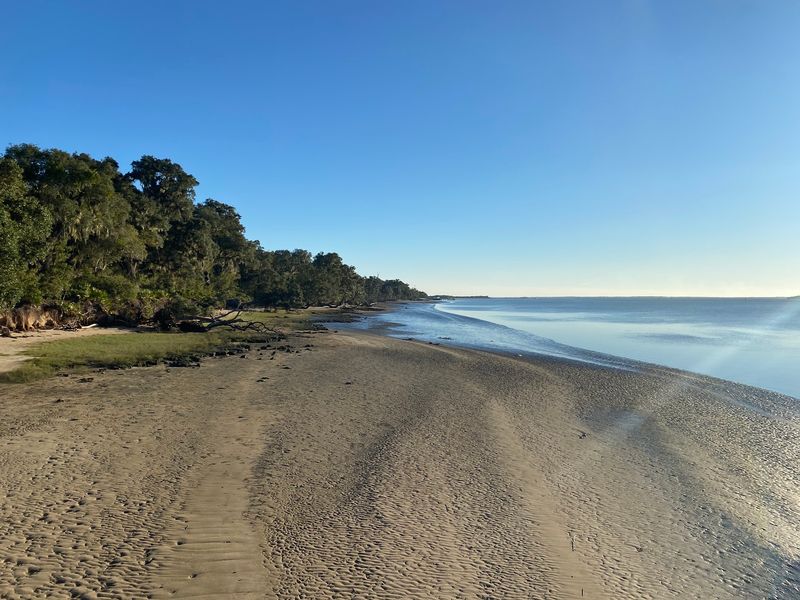
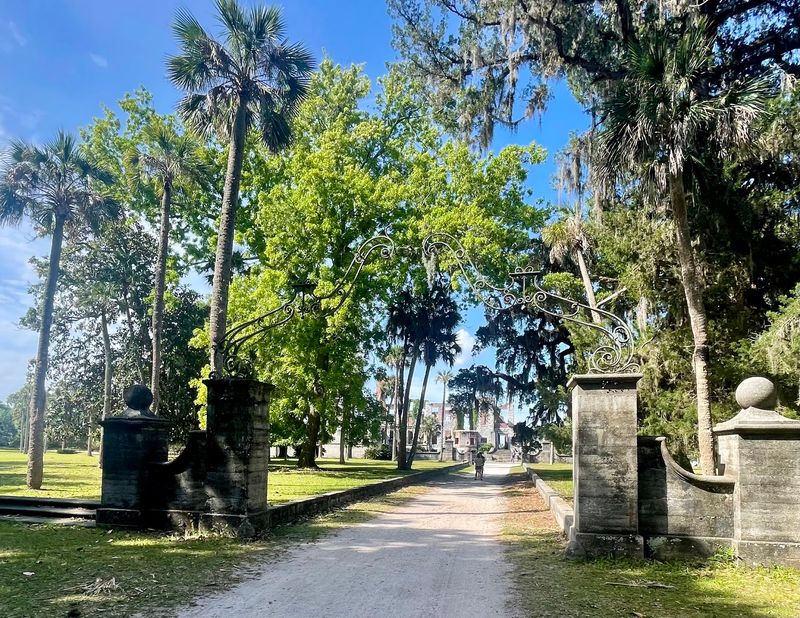
The forest here does something unexpected to the light. Twisted live oaks form tunnels overhead, draped with Spanish moss that sways in the sea breeze.
These maritime forests protect the island from wind and storms. They also give hikers a break from the sun.
Trails wind between the forest, salt marshes, and dune fields. Each habitat looks and sounds different.
Wildlife shows up constantly if you stay quiet. Armadillos shuffle through leaf litter, and birds of prey circle above the treeline.
Insects deserve respect, especially sand gnats and mosquitoes. Bug spray belongs in your day bag year round.
Ticks appear along some brushy paths, so long socks help. Check yourself after the hike.
The main roads are packed sand, which makes biking possible but slower than expected. Wider tires perform better.
Stargazing draws overnight campers because there is almost no light pollution. Day visitors miss that part, but the forest alone is worth the walk.
Pack Like Nothing Is Sold Here
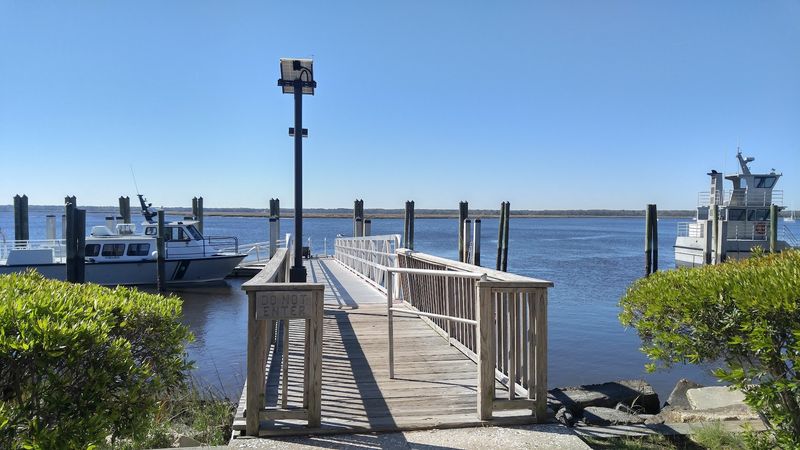
There is no snack bar waiting at the end of the trail. No concessions operate on the island, which catches many visitors off guard.
Water, food, and sunscreen all come from your own bag. Whatever you forget stays forgotten until the ferry returns.
The Dungeness area does offer picnic tables, restrooms, and drinking water. That makes it a smart place for lunch.
Refill stations exist at a few spots along the popular southern loop. Carry a reusable bottle and top it off whenever you can.
Closed toe shoes beat sandals on sandy roads. You will walk more than you planned.
Rain gear folds up small and saves the day during summer storms. Weather changes quickly along the coast.
Pack out everything you bring in, including fruit peels. Keeping the place clean protects the animals.
Entrance fees apply in addition to ferry tickets, and America the Beautiful passes may cover the park fee. Confirm current rates before you go.
Timing Your Single Day Just Right
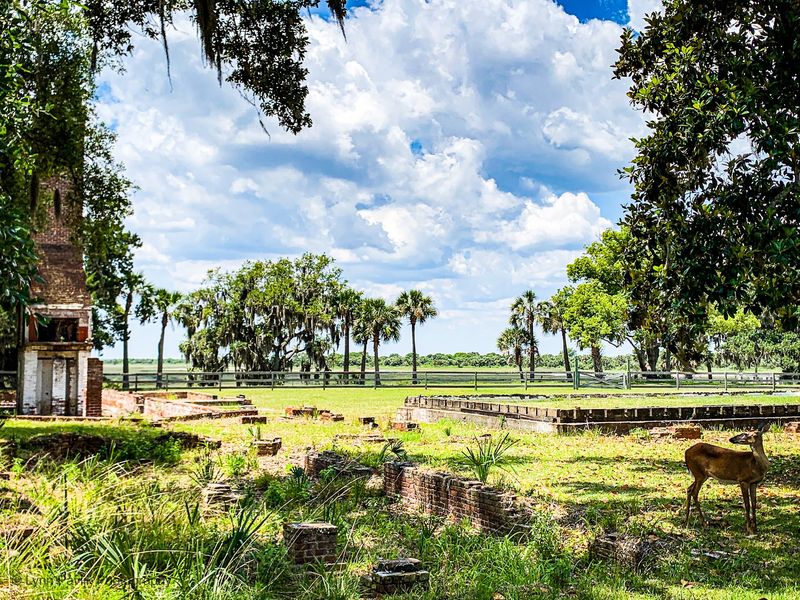
Doing all three highlights in one day is completely possible. The trick is choosing the right ferry times and sticking to a loop.
A late morning departure gives you several hours on the ground. Many visitors take the afternoon boat back and feel satisfied.
Start at the southern dock and walk toward the historic district first. Morning light on the ruins is excellent for photos.
Continue toward the beach, walk a stretch of sand, then loop back inland. Finish near the second dock for the return trip.
Three to four hours covers the main southern highlights comfortably. Rushing only makes you sweat more.
Horses tend to gather near the ruins in the afternoon. If you have spare time before the boat, circle back there.
Cooler months make the walking far more pleasant. Summer heat on open sand is no joke.
Check ferry updates the morning of your trip. Weather can change the schedule.
Why Georgia’s Largest Barrier Island Feels Different
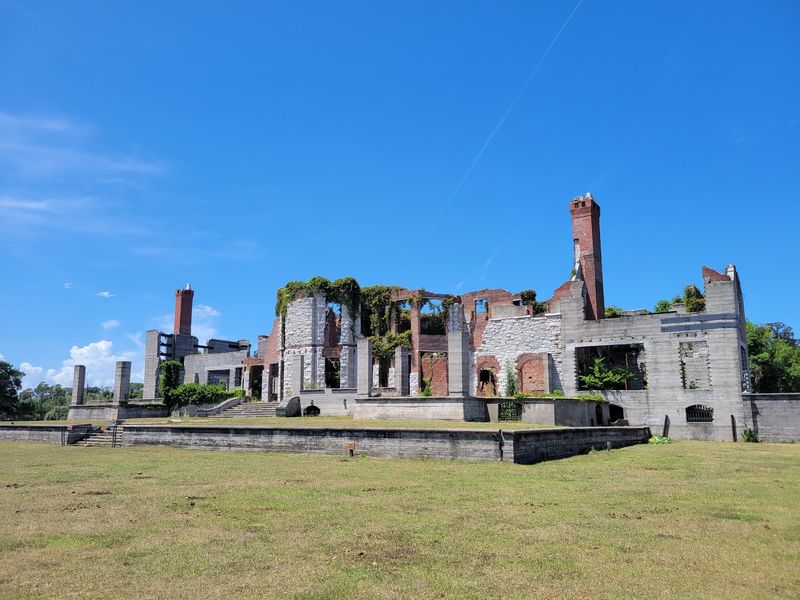
Development stopped at the water’s edge here, and you feel it immediately. As Georgia’s largest and southernmost barrier island, much of its landscape remains protected and undeveloped.
A designated wilderness area covers a big portion of the land. That protection keeps roads unpaved and buildings scarce.
Ecosystems shift as you walk, from beach to dune to forest to marsh. Few day trips show that much variety.
Rangers stationed near the docks and at Sea Camp answer questions patiently. Their tips often improve a visit more than any guidebook.
Activities include hiking, biking, swimming, fishing, and photography. Camping draws people who want more than a few hours.
The combination of history, ruins, and free roaming animals is unusual anywhere. Seeing it all in one afternoon feels like a small miracle.
Go prepared, move slowly, and leave the place exactly as you found it. The horses were here first.
Then start planning your second visit, because one day never feels like enough.