The Historic West Virginia Farmers Market Where The Produce Stalls Are Only The Beginning
I would go in for tomatoes and somehow emerge with chocolate, lunch, flowers, and plans to return next weekend.
West Virginia has a historic market where farm stands are only the opening act of a much bigger shopping trip.
Outdoor growers change with the seasons, keeping produce, plants, pumpkins, and holiday greenery moving through the year.
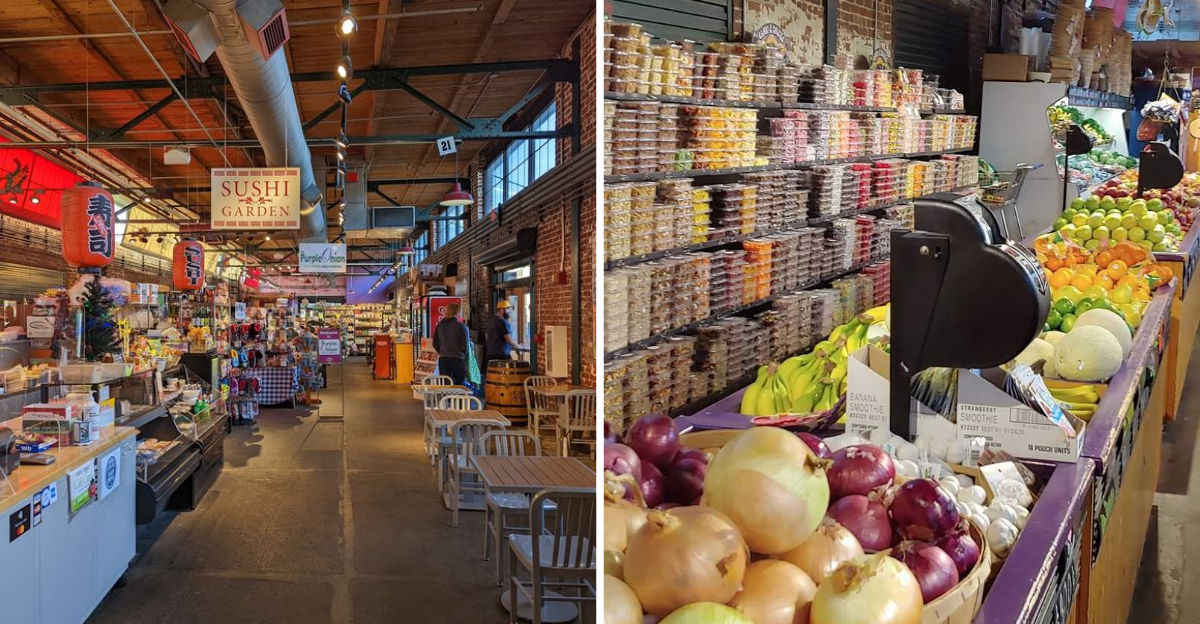
Inside, the experience expands into specialty foods, prepared meals, meats, seafood, sweets, and local goods.
The historic depot setting gives everything extra character without getting in the way of the fun.
Come hungry and curious. A grocery run can stretch into lunch remarkably fast when every doorway introduces something else worth tasting.
Railroad Roots Beneath The Bricks
Long before shoppers filled these aisles, freight cars rumbled here.
The Kanawha and Michigan Railroad built a bustling railyard on this site in the late 1800s, and the depot warehouse building still standing today went up around 1917.
Goods moved through this depot for decades, linking the region to the wider country. Then industry shifted, and the old warehouse slid into decline during the late 1900s.
A downtown corner that once buzzed had gone quiet. Local leaders imagined something better than a crumbling shell.
In 1997, the doors reopened as a public market, and the building found a second calling. I love that the walls kept their working-class character instead of being scrubbed smooth.
Recognition arrived again when the property joined the National Register of Historic Places, officially listed in November 2024 and celebrated publicly by the market in June 2025.
That listing honors both the architecture and the role it played in Charleston commerce.
Standing near the old loading docks, I could picture crates being hauled off railcars. Now those same docks hold outdoor tables and shoppers with full bags. You will find the whole story unfolding at 800 Smith St Ste 900, Charleston.
Inside The Specialty Shop Corridor
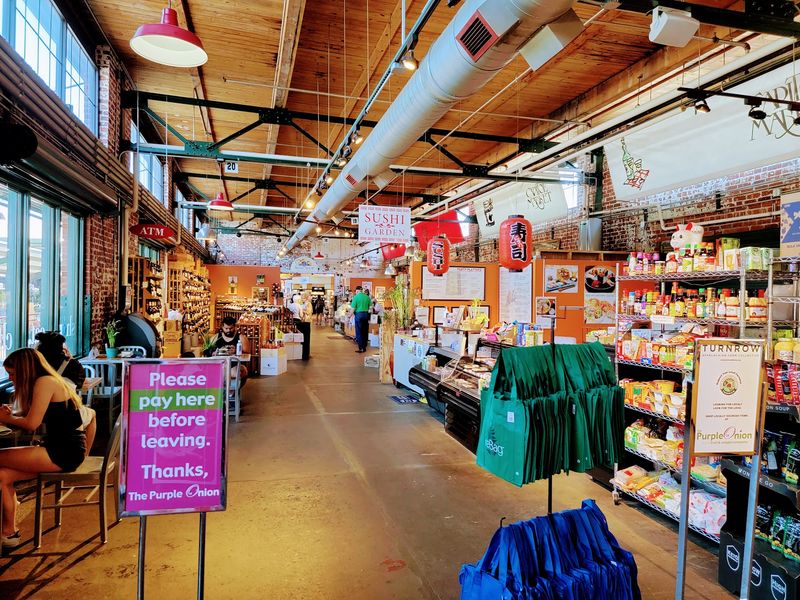
My wallet learned a hard lesson in the indoor section.
Roughly 16,000 to 18,000 square feet of indoor retail space runs the length of the building, complementing another 35,000 square feet of canopied outdoor market space, all open daily year-round.
Vegetables are only the opening act here. Holl’s Swiss Chocolates tempts anyone with a sweet tooth, and the truffles disappear fast.
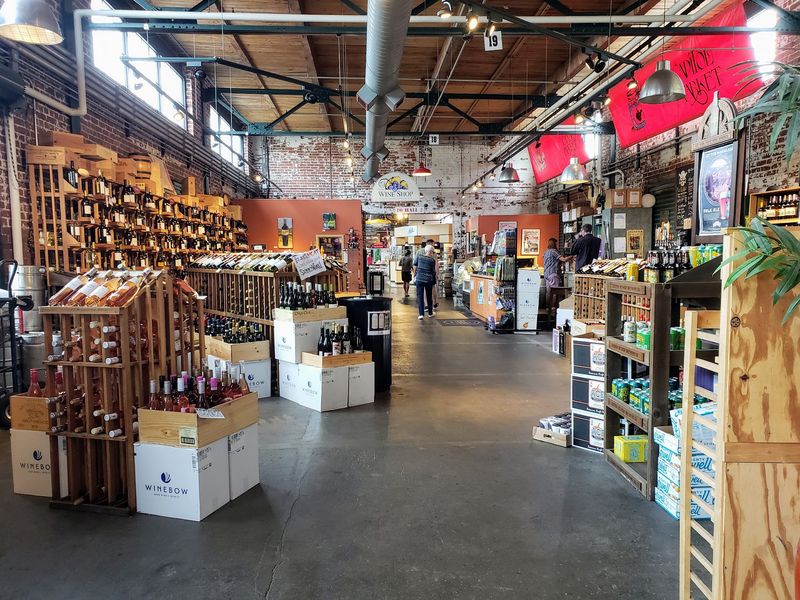
A wine and cheese shop handles pairing duties for dinner parties. Johnnies Fresh Meat Market cuts premium steaks and roasts for home cooks who care about quality.
Seafood lovers can browse a fresh fish counter stocked with daily selections. Mea Cuppa Coffeebar pours handcrafted drinks when your energy dips mid-browse.
The West Virginia Marketplace fills its shelves with local art, crafts, and collectibles. I picked up souvenirs there that actually felt tied to the state.
Hungry visitors have real choices, not just snacks. Soho’s Italian Restaurant handles sit-down meals, Sushi Garden covers quick lunches, and Bogey’s at Capitol Market fires up barbecue and grill favorites.
Shopping and eating blend together naturally under one roof. I recommend one slow lap before buying anything, because temptation lurks around every corner.
Open-Air Stalls And Seasonal Harvests
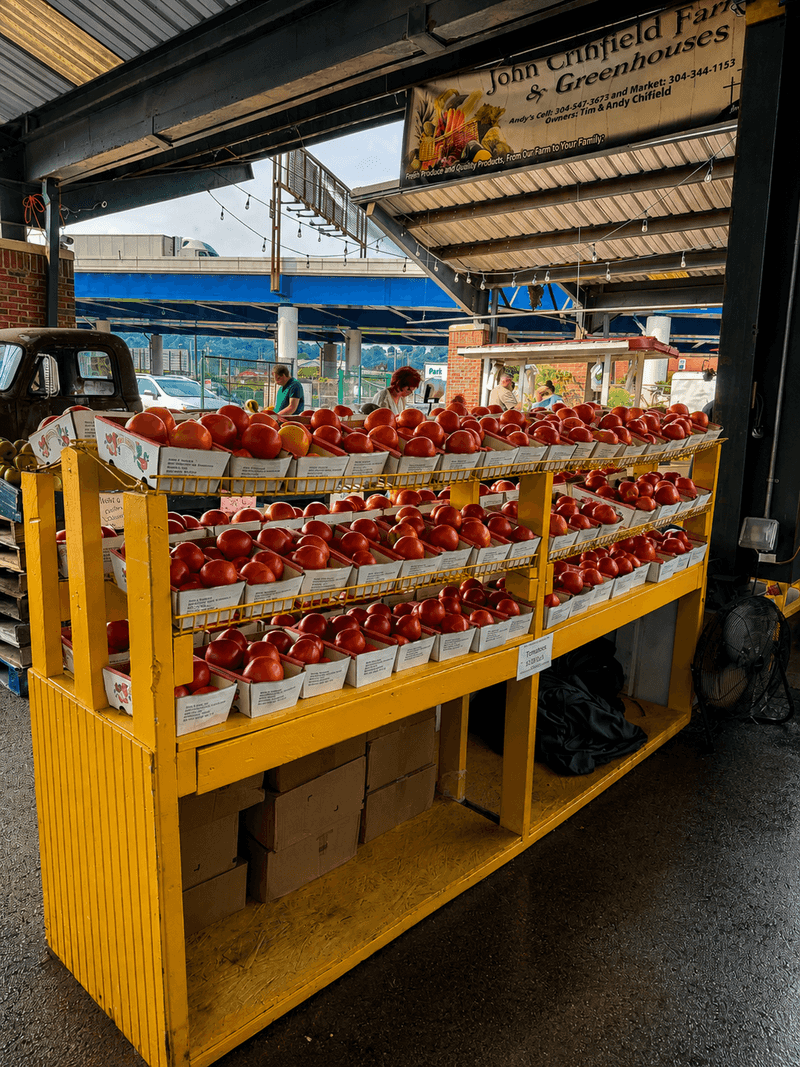
Sunshine, canvas awnings, and crates stacked shoulder high greeted me outside. The open-air stalls are where West Virginia farmland shows off its range.
More than 40 growers from around the state rotate through the season. Spring tables carry lettuce, cucumbers, bedding flowers, and garden starts ready for planting.
Summer flips the mood entirely. Tomatoes take over, strawberries appear, and the produce grows heavier by the week.
Later in the season, cabbage, garlic scapes, squash, and zucchini fill the bins. Autumn brings pumpkins, gourds, and cornstalks that turn the lot orange.
Come December, the same space smells like evergreen. Christmas trees, wreaths, and garlands line up for holiday shoppers hunting the perfect one.
Robbie’s Produce, a Sissonville favorite from Kanawha County, keeps its tables stocked with fresh local fruits and vegetables. Regulars know exactly which stall to hit first.
Arriving early pays off, though I noticed some vendors still setting up in the morning. Late morning felt like the sweet spot for full tables.
Bring a sturdy tote, because paper bags struggle under a load of tomatoes.
Charleston’s Unofficial Main Street
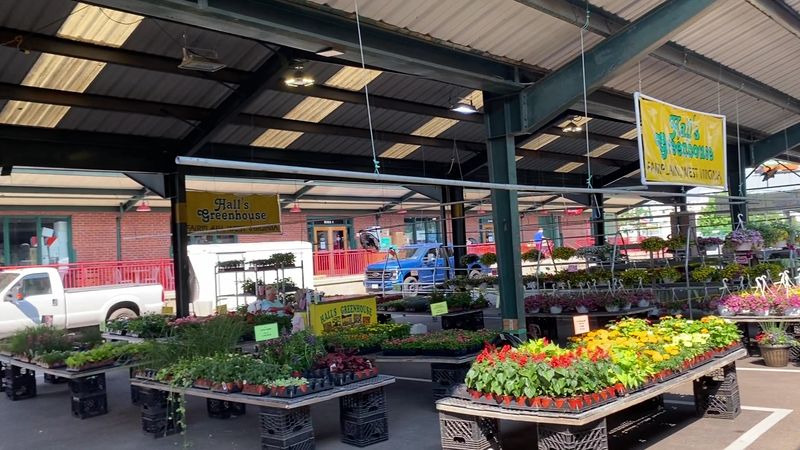
Locals talk about this place the way other towns talk about a town square. Capitol Market functions as Charleston’s own Main Street, a spot where errands turn into conversations.
Operating as a nonprofit shapes everything about how it runs. Revenue supports the mission of lifting up small business owners and area farmers.
That model keeps money circulating close to home. Growers get a reliable place to sell, and shoppers get produce picked nearby.
Weekdays bring a steady lunch crowd from downtown offices. Weekends belong to families pushing strollers and friends splitting dessert.
Cooking classes give curious visitors hands-on time with local ingredients. I like that learning happens here, not just buying.
Partnerships stretch beyond the property line too. Collaborations with The Clay Center, YWCA, Festivall, and Manna Meal tie the market into the wider city.
During one visit, live music drifted across the aisles and slowed everybody down. Nobody seemed in a rush, which felt refreshing.
Community anchors are hard to build on purpose. Charleston managed it, and West Virginia visitors reap the benefit.
Festivals That Fill The Calendar
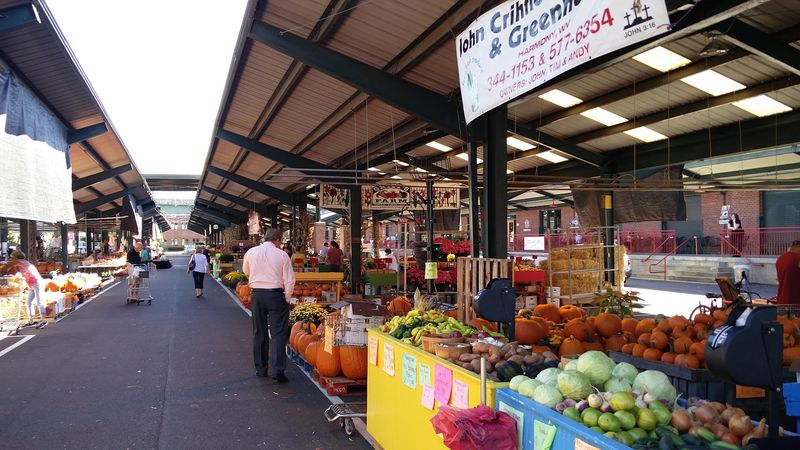
Four signature celebrations anchor the year, and each one reshapes the whole property. Spring opens with Flowers After Hours, an evening mixer timed to blooming greenery around the stalls.
Summer heats up with All Fired Up, a cooking competition for young chefs. That backyard barbecue battle kicks off the Charleston Sternwheel Regatta.
Fall belongs to the Market Mixer, a fundraiser that keeps the nonprofit mission funded. Supporting small farms takes more than good intentions.
Winter closes the calendar with the Merry Market Mingle and plenty of holiday cheer. Shoppers wander with hot drinks and full arms.
Smaller events keep things interesting between the big four. The Market Table: Rainbow Harvest Dinner celebrates seasonal cooking with a shared table.
Fall Produce Season Begins marks the shift toward heartier crops. The Market Monster Mash brings costumes and grins in late October.
My personal favorite name goes to the annual Biscuit and Gravy Bowl, a friendly competition showcasing local cooking talent. Breakfast rivalry is a beautiful thing.
Check the schedule before you drive in, because timing your trip around one of these changes everything.
Homegrown Goods And Big Awards
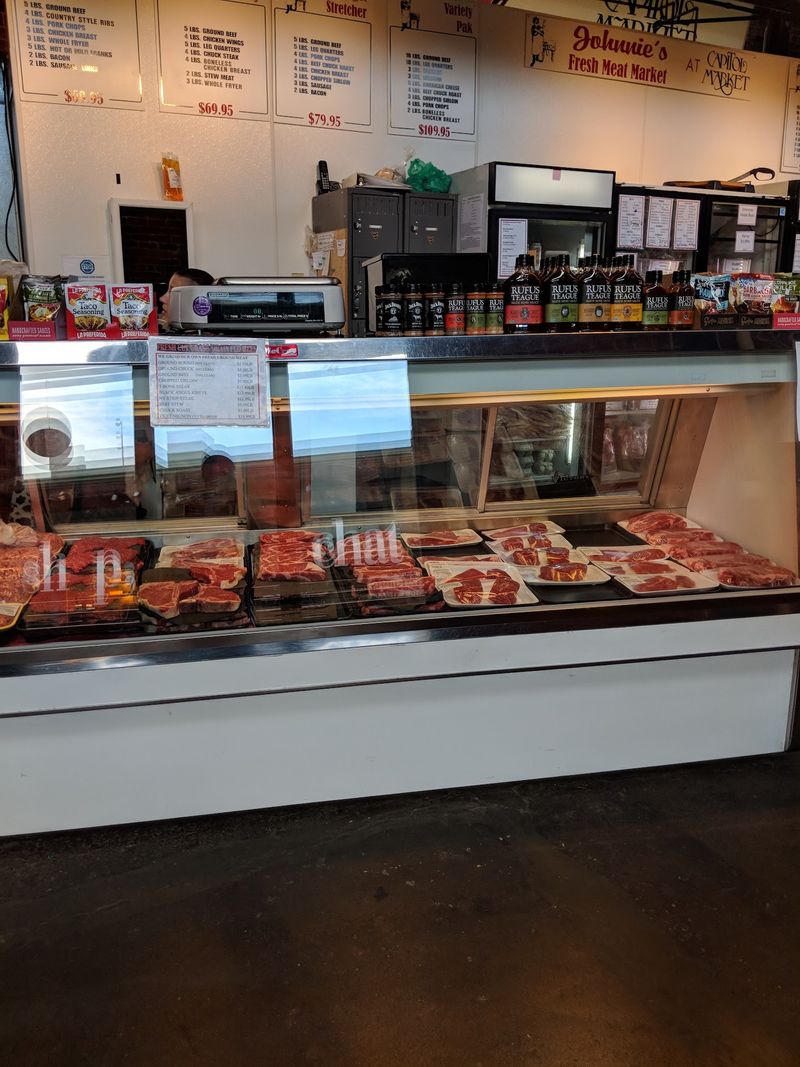
Souvenir shopping usually disappoints me, so this was a welcome surprise. Shelves here overflow with West Virginia made products, not generic trinkets shipped in from far away.
Artisanal foods sit beside handmade crafts and locally created art. Each item traces back to someone working in the state.
Growers get the same spotlight as makers. The market highlights agricultural producers who supply its stalls week after week.
Buying local sounds like a slogan until you meet the person who grew your peppers. Freshness follows naturally from short travel distances.
Recognition has stacked up over the years. The Charleston Tourism People’s Choice Award has repeatedly named it Charleston’s Favorite Attraction.
WV Living magazine has honored it as Best Place to Shop in the Metro Valley Region and Best Specialty Food Marketplace more than once. Those titles reflect steady quality, not a lucky year.
The biggest one arrived in 2025, when the American Farmland Trust’s Farmers Market Celebration voted it the number one farmers market in West Virginia. That is a statewide crown.
Parking, Hours, And Visitor Perks
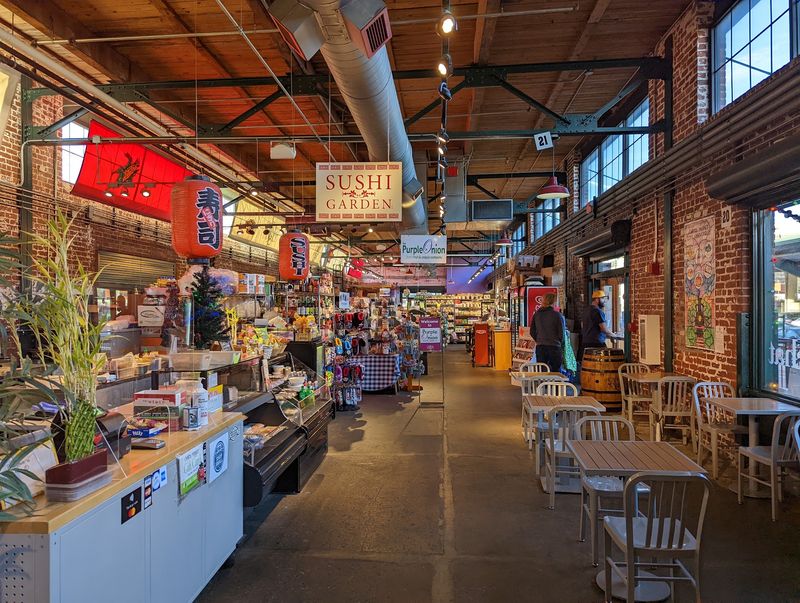
Practical details can make or break a stop, so here are mine. Free parking sits at both ends of the building plus a back lot, which removed my usual downtown stress.
Free Wi-Fi covers the market if you need to check something. I used it to look up a recipe mid-shop.
The Charleston Visitor Center operates right inside, which surprised me. Staff hand out maps and brochures for attractions across the city.
A modern kiosk lets you build an itinerary and buy tickets to local sights. Planning your whole day from one counter is genuinely useful.
Hours run year-round with seasonal variation. Monday through Saturday the doors open at 10 AM and close at 6 PM, while Sunday runs noon to 5 PM.
Shops close on time, so late arrivals get rushed. Aim to arrive at least ninety minutes before closing.
The indoor-outdoor layout makes browsing comfortable in most weather. Rain did not ruin my visit at all.
Restrooms, seating, and easy interstate access round out the convenience.
Old Depot Design, Modern Purpose
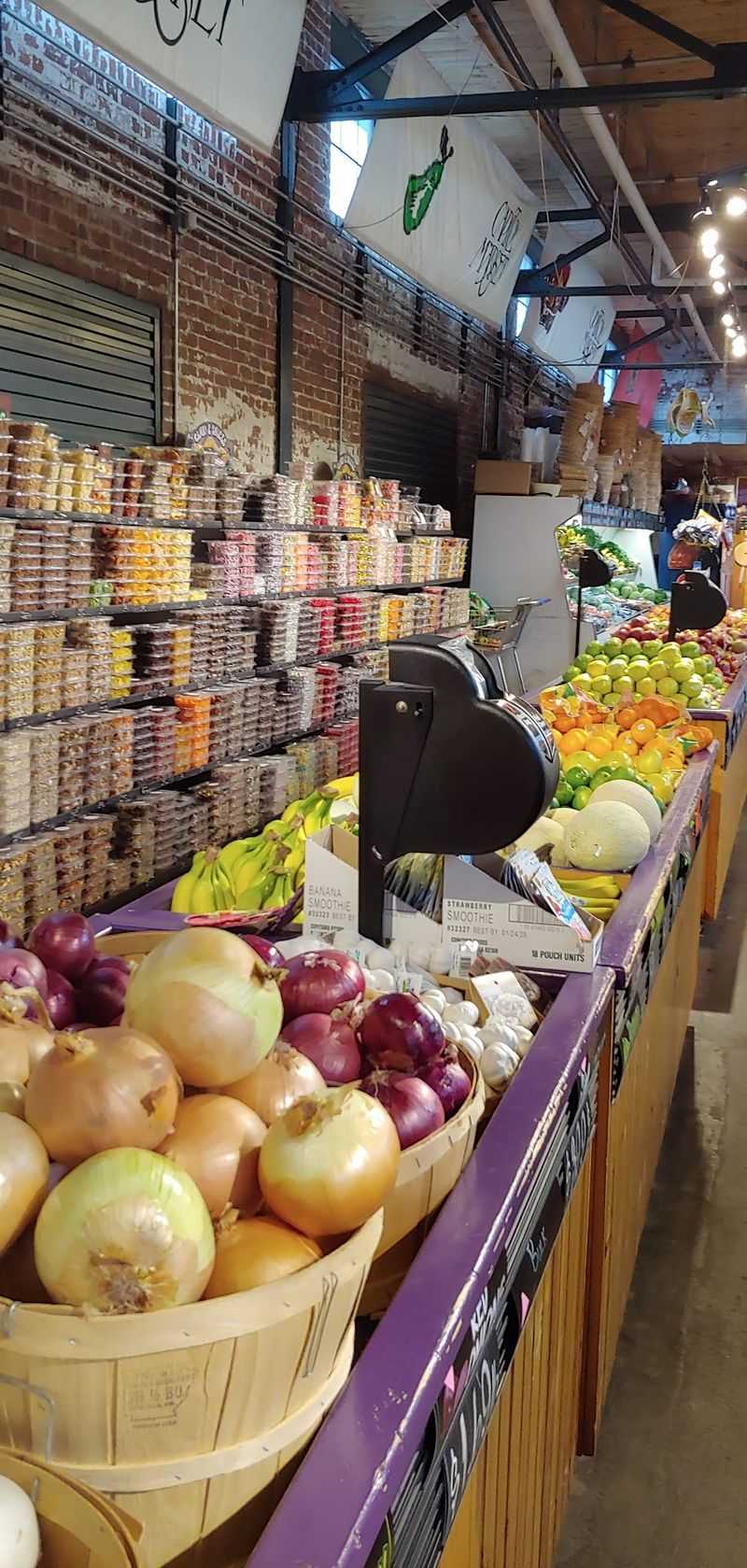
Architecture nerds will find plenty to admire in the bones of this building. Originally the Kanawha and Michigan Railway Depot Warehouse, the structure once handled freight for the entire region.
Renovation preserved its sturdy frame and historical details instead of erasing them. Brick, beams, and long sightlines still hint at warehouse life.
The design deliberately blends two moods. Rustic open-air farm stands sit beside polished indoor specialty shops, and somehow the mix works.
Old rail docks now hold outdoor patio seating for restaurants including Soho’s. Diners eat where crates once stacked, which I found quietly delightful.
Adaptive reuse gave the depot a purpose again rather than a plaque. Downtown Charleston gained an anchor that draws steady foot traffic.
The National Register listing confirms what visitors already sense. History here is not decoration, it is structure.
Photographers should aim for the loading dock angles and the outdoor stalls in late afternoon light. Both frame the building beautifully.
Few places let you shop, eat, and read a century of history in one lap. West Virginia keeps that combination alive at Capitol Market, and I will absolutely return.