This Small-Town California Yarn Shop Is Packed With Colorful Skeins, Books, Gifts And Mystery Boxes
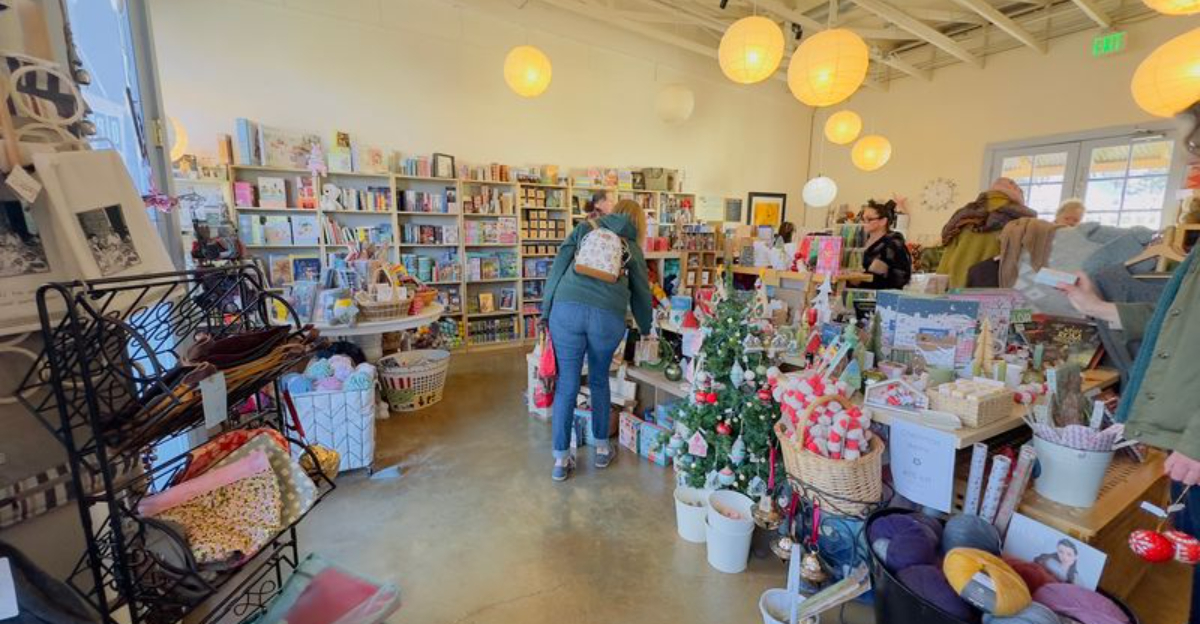
Color takes over almost immediately.
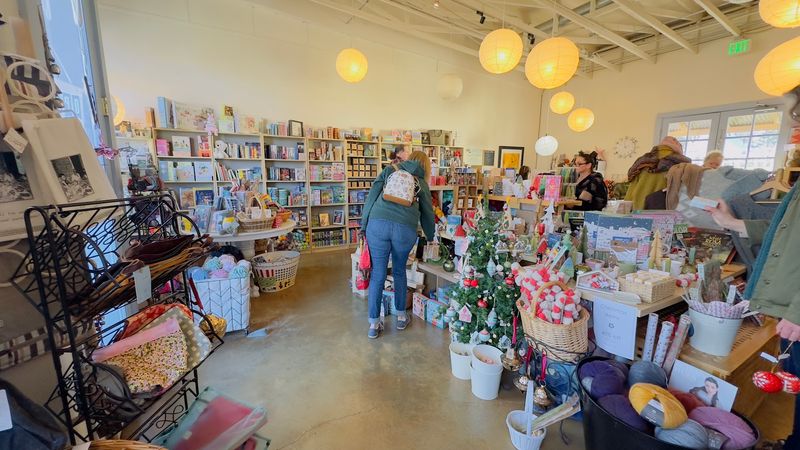
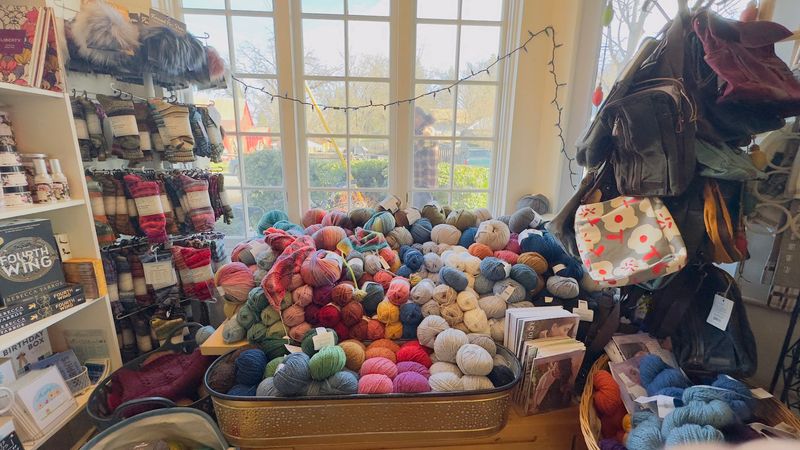
Walls of yarn turn the shop into a patchwork of texture and possibility, while books and gifts keep pulling your attention in completely different directions.
Then the mystery boxes enter the picture and make the whole visit feel a little less predictable.
In this California foothill town, the shop feels equal parts creative supply stop and cheerful treasure hunt.
You can browse by color, hunt for a new pattern, pick up something small for a fellow crafter, or let curiosity win and choose one of the boxes without knowing exactly what is inside.
That sense of discovery is what gives the place its personality.
A yarn shop can be practical. This one makes it much easier to leave with ideas you did not have when you walked in.
Start With The Walls Of Yarn
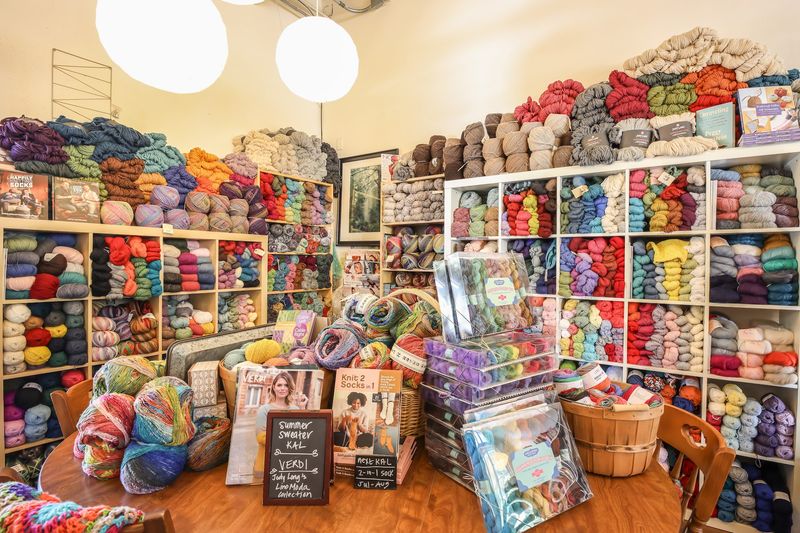
Fiber is what pulls most people through the door, and the wall displays do the heavy lifting.
Skeins are grouped by color and weight, which makes it easy to hold two shades side by side under the daylight coming through the front window.
Recent shop records list purchases from Berroco, Juniper Moon Farm, Noro and Studio Donegal, with Malabrigo and Araucania also appearing among the brands carried.
Texture varies quite a bit across those labels, so touching before buying matters here.
Noro is known for long color transitions within a single strand, while Studio Donegal brings a more traditional, slightly rustic wool character.
Malabrigo leans soft and saturated, and Berroco covers a broad middle ground of everyday workhorse yarns.
A practical tip for anyone shopping without a set plan is to bring the pattern or at least the yardage requirement written down.
Gauge and yardage decide how many skeins a sweater or shawl needs, and guessing usually leads to a second trip.
Dye lots matter too, so buying all the skeins for one project at the same time helps keep the color consistent across the finished piece.
Since inventory rotates, a specific brand or colorway seen online may not be on the shelf on any given day.
Knitting Is Only Part Of The Crafting Story
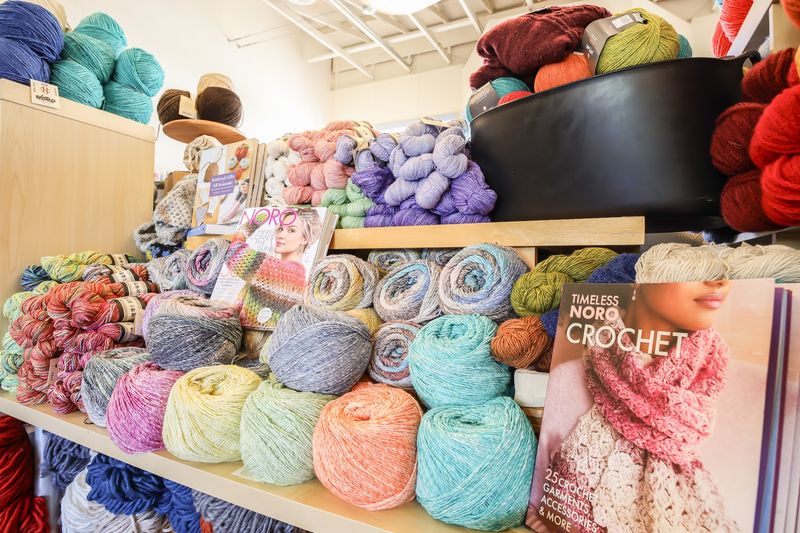
Calling the place a knitting store sells it a little short. Crochet gets real shelf space here, with hooks and supplies sitting alongside the needle selection rather than tucked away as an afterthought.
The Calaveras County visitor bureau also specifically mentions weaving among the crafts the shop supports, which widens the definition of who might find something useful inside.
Crafters who move between disciplines tend to appreciate a shop like that.
A single skein of worsted wool can become a knitted hat, a crocheted market bag or weft for a small woven piece, and browsing without a fixed technique in mind often sparks better ideas.
Beginners sometimes find crochet quicker to pick up because only one hook is in play, while knitting produces a stretchier fabric that suits fitted garments.
Neither is better, and plenty of regulars do both depending on the project.
For anyone deciding where to start, buying a small amount of smooth, light-colored yarn makes the first attempts far less frustrating than dark or fuzzy fiber.
Stitches show clearly, mistakes are easier to spot, and ripping back does not shred the strand.
Asking about tool recommendations before committing to a full project kit is also a reasonable move.
Dig Through Needles, Hooks And Project Supplies
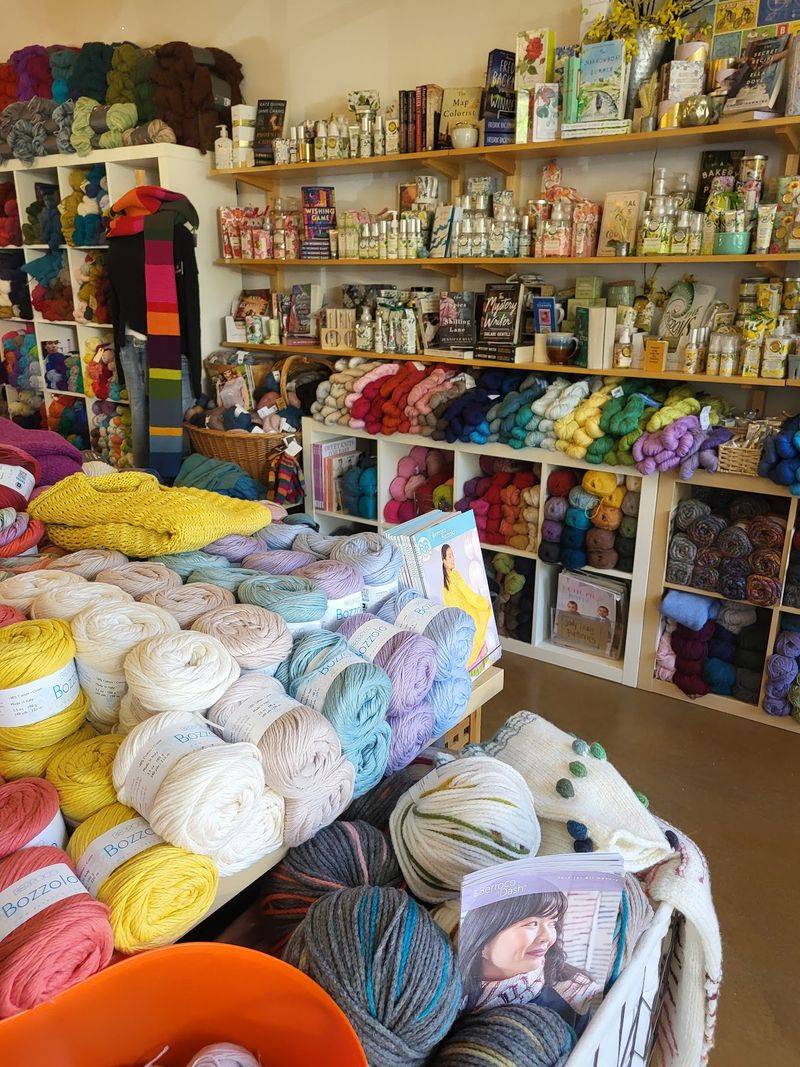
Notions drawers are where a quick errand quietly turns into thirty minutes of browsing.
The online catalog keeps separate categories for needles, hooks, notions, patterns and kits, and the physical shop reflects that same range.
Circular needles, straights, interchangeable sets and hooks in a spread of sizes cover most common projects without requiring a special order. Small items make a surprising difference in how a project goes.
Stitch markers keep pattern repeats honest, a row counter saves recounting a whole sleeve, and a proper tapestry needle makes seaming far tidier than improvising with something sharp.
Blocking pins and a flexible tape measure round out a starter kit that fits in a sandwich-sized pouch. Kits are worth a look for gift shopping or for testing an unfamiliar technique.
Pairing yarn, pattern and the right tools in one package removes the guesswork that stalls a lot of new crafters partway through.
Patterns available in print can be handy for anyone who prefers not to work from a phone screen while counting stitches.
One small habit that pays off is checking needle material before buying, since bamboo grips slippery yarns while metal speeds up sticky wool. Stock and sizes vary, so calling ahead is sensible for anything specific.
The Book Selection Makes It Feel Like Two Shops In One
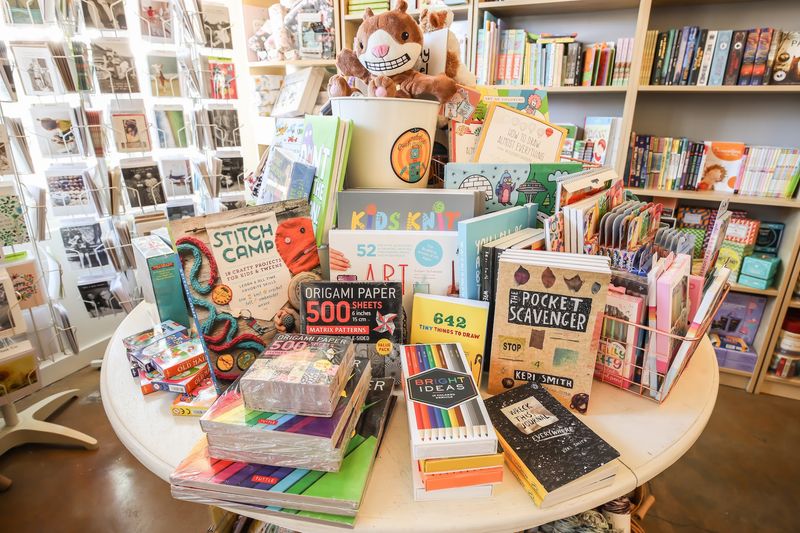
Books share the room with the yarn, and they are not a token shelf.
Novels sit near crafting titles, and the shop website keeps separate categories for books and children’s books, which hints at how much attention the section gets.
Visitors who arrive for fiber often leave with reading material too. Craft books tend to earn their keep in a way that internet tutorials sometimes do not.
Stitch dictionaries, technique guides and pattern collections stay open on a table without a screen timing out, and they hold up to being flipped through repeatedly across years of projects.
For a new knitter or crocheter, a well-organized beginner book can replace a dozen scattered video searches.
The children’s titles serve a second purpose beyond gift buying.
Families passing through Murphys can hand a young reader something to look at while an adult compares colorways, which lowers the pressure on everyone.
Picture books also pair naturally with the baby items stocked elsewhere in the shop for anyone shopping for a shower present.
Titles rotate, so the selection on any given visit reflects what has recently come in rather than a fixed permanent list.
Browsing slowly is the point here, and there is seating available if a book turns out to be hard to put down.
Mystery Boxes Add A Genuine Surprise Element
Few retail ideas hold up as well as a box that keeps its secrets.
Seasonal mystery boxes have been offered here in knitting-focused and reading-focused versions, giving crafters and readers each their own version of the fun.
Buyers can indicate a color preference, while much of what goes inside stays unknown until the box is opened. The appeal comes down to trust.
Handing over selection to someone who knows the inventory often produces a pairing a shopper would never have assembled alone, whether that means a yarn in an unexpected shade or a novel outside a usual reading habit.
People who feel stuck in the same three colorways year after year sometimes find a box shakes that loose.
Because the boxes are seasonal, availability depends on timing rather than being a permanent shelf item.
Checking the shop website or asking directly before making a trip specifically for one is the practical approach.
Anyone buying a box as a gift may want to note the recipient’s color preference at purchase, since that is the one detail the buyer gets to steer.
Contents differ from box to box and season to season, so two people ordering at the same time should not expect identical surprises inside.
You Can Wander Well Beyond Yarn And Books
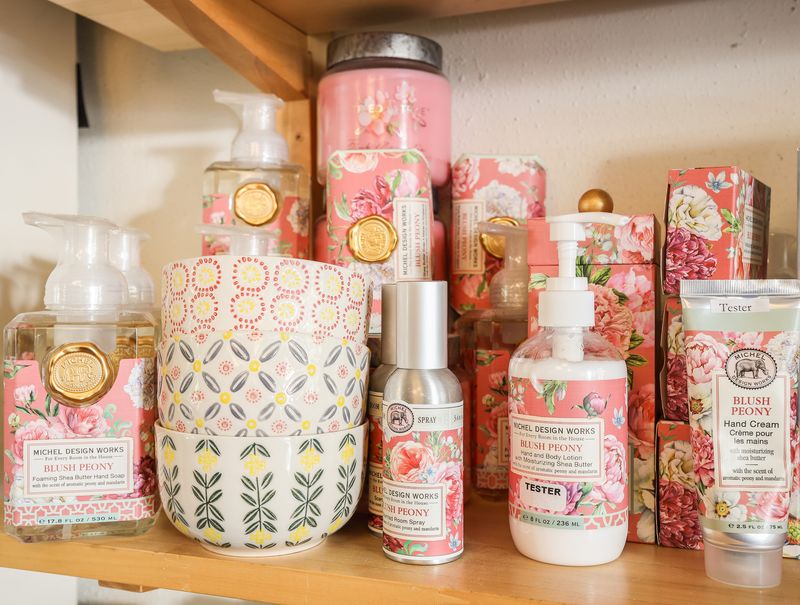
Gift merchandise fills a good share of the floor, which explains why plenty of visitors who do not craft still stop in.
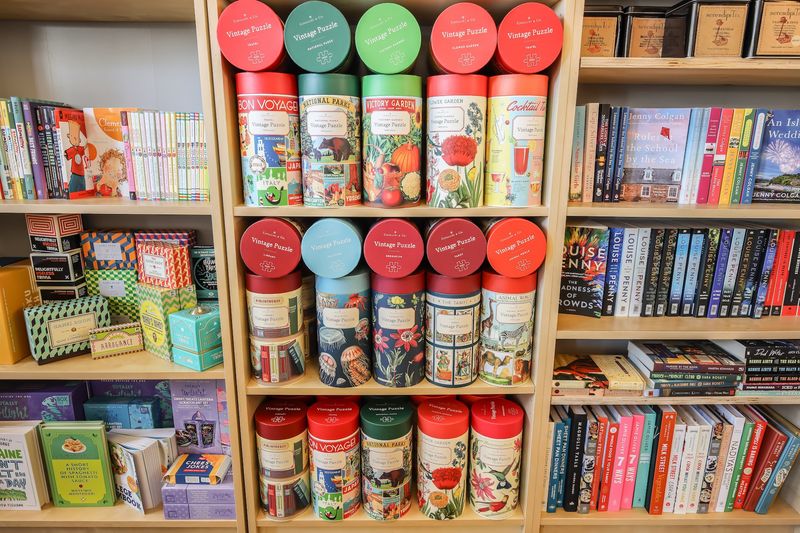
The current online catalog lists candles, cards, puzzles, games, stationery, baby items and bath-and-body products.
Scented soaps and lotions are frequently mentioned by shoppers, and the room carries a light fragrance because of them.
Describing Maisieblue as a yarn-and-gift shop is more accurate than calling it a specialty supply store.
The mix means one stop can cover a birthday card, a hostess gift and a puzzle for a rainy weekend without hunting down three separate businesses in town.
Stationery and notebooks tend to be popular smaller purchases for anyone wanting something easy to pack.
Shoppers watching a budget will find the range useful, since a card or a bar of soap costs far less than a sweater’s worth of wool.
Baby items work well for travelers picking up something for family back home, and games suit groups staying in a nearby rental.
Stock changes with the seasons, so holiday visits usually look different from a quiet weekday in spring.
Anyone short on time should still allow twenty minutes, because the shelves reward a second pass.
Friday Comes With A Free Crafting Hangout
Fridays bring a different energy to the shop.
A free drop-in crafting session runs from noon to 2 p.m., described as a friendly window to socialize, get help with a project or simply work quietly alongside other people.
No registration or purchase is presented as a requirement to join.
Group crafting solves problems that solo crafting drags out.
A dropped stitch three rows back, a pattern instruction that reads like a riddle, or a decision between two yarn substitutions all get easier when someone else can look at the work in person.
Newcomers who feel shy can bring a simple project and mostly listen, which is a perfectly normal way to start.
Regular gatherings like this are a big part of what keeps independent yarn shops going, and they give the space a living-room quality rather than a purely transactional one.
Conversation tends to stay low key, with people working at their own pace.
Anyone planning around it should note the shop closes at 4 p.m. daily, so the session sits in the middle of the open hours.
Bringing a portable project, a small notions pouch and the relevant pattern makes the two hours more productive.
It Sits Just Off Murphys’ Main Street
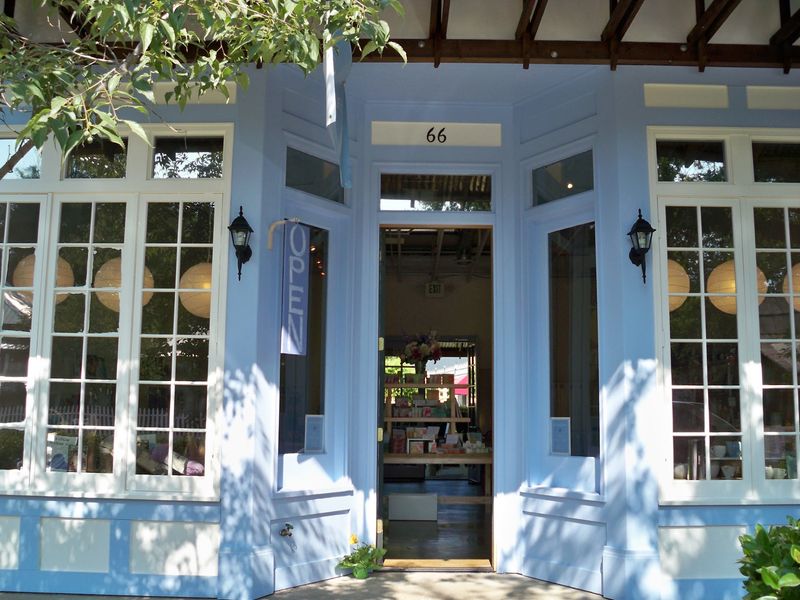
Finding the place takes almost no effort once a visitor is in the historic district.
Maisieblue is located at 66 Scott St, Murphys, California 95247, a short walk off the Main Street stretch that anchors the town.
The slightly hidden position keeps the interior quieter than a storefront sitting directly on the busiest sidewalk.
Drivers should know that the shop’s own information notes parking behind the businesses off Jones Street.
Main Street spots fill up quickly on weekends and during town events, so heading straight for the rear lots usually saves circling. Once parked, the surrounding blocks are flat and easy to cover on foot.
Murphys works well as a half-day stop, and the shop fits naturally into a loop that includes other small businesses within a few minutes’ walk.
Sidewalks are narrow in places, and the historic buildings mean uneven surfaces here and there, which is worth keeping in mind for anyone with mobility considerations.
Weekdays feel calmer than Saturdays, when the town draws more visitors.
The shop’s phone number is 209-728-8261 for anyone needing directions or wanting to confirm something before making the drive up from the valley.
Seven-Day Hours Make It Easy To Work Into A Murphys Visit
Scheduling around a five-hour daily window is the main thing to plan for.
Current listings show the store open 11 a.m. to 4 p.m. every day of the week, which is unusually consistent for a small independent business.
No day gets skipped in the regular schedule, so a Sunday visit works the same as a Wednesday one.
Holiday closures are noted for Thanksgiving, Christmas, Easter and July 4.
Anyone traveling around those dates should build alternatives into the itinerary rather than counting on the doors being open.
A quick phone call remains the surest way to confirm before a long drive.
The short daily window has a practical upside for visitors.
Arriving around opening or shortly after tends to mean a calmer room and more chances for an unhurried conversation about yarn substitutions or pattern questions.
Late afternoon arrivals close to 4 p.m. leave very little browsing time, especially in a shop with this much to look at.
Pairing the stop with lunch in town works nicely, since the hours overlap the middle of the day.
Anyone hoping to catch the Friday crafting session should plan to be settled before noon so the full two hours are available.