California’s Oak-Fired Steakhouse Turns An Ordinary Night Into A Road-Trip-Worthy Dinner
Steak night should not feel like a backup plan. It should feel earned.
The kind of dinner people mention early in the day because waiting quietly would be impossible.
Oak-fired cooking brings its own drama. The smoke gets involved. The grill does real work. A good cut of beef starts tasting like the reason everyone got in the car.
In California, a steakhouse can become a road trip plan fast when the fire is part of the flavor.
Nothing feels overly polished here nor does it have to be dressed up with too much fuss.
The charm comes from heat, smoke, and a plate that makes regular weeknight food look nervous.
A dinner like this does not ask for a special occasion. It creates one on its own.
You sit down hungry. You leave already thinking about who should come with you next time.
Smoke Greets You Before The First Bite
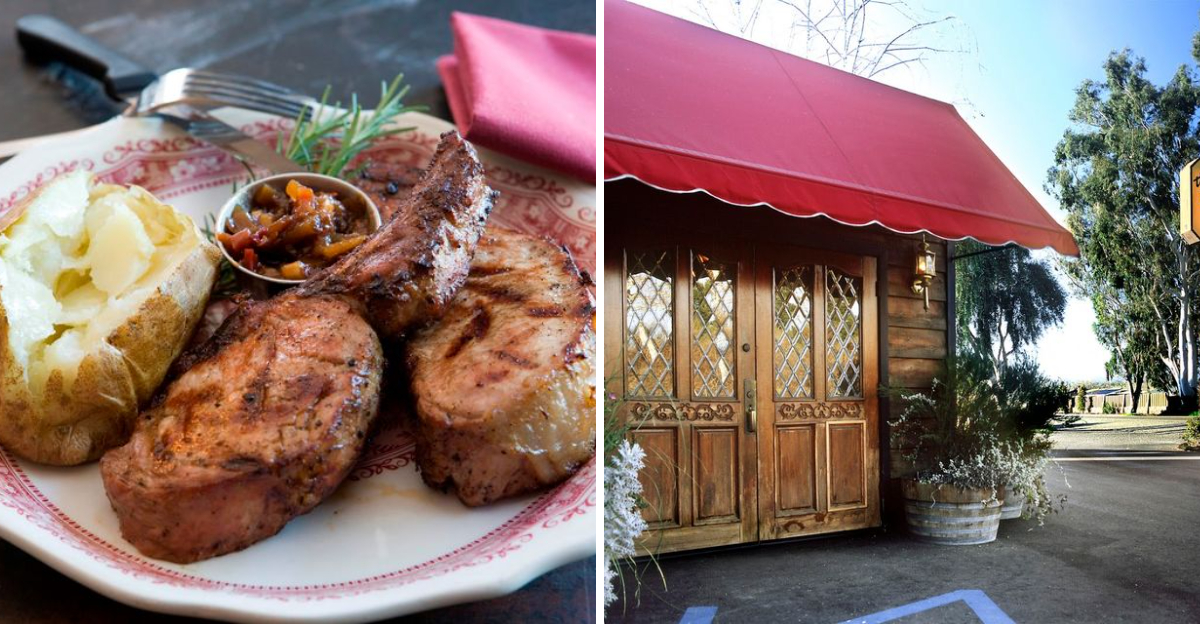
Arriving at The Hitching Post II tends to involve a sensory moment that most restaurants cannot replicate.
The scent of red oak barbecue can be detected from the parking lot before anyone even reaches the front door, and that detail immediately signals that the cooking here is the real kind.
There is something grounding about a smell that announces the meal before the menu does.
Located at 406 E Hwy 246 in Buellton, the restaurant sits in a setting that already feels removed from everyday routines, which makes that first impression land even harder.
The combination of a Central Coast location and the unmistakable fragrance of burning oak wood creates an arrival experience that feels genuinely different from pulling up to a city steakhouse.
That sensory greeting also sets the tone for the meal ahead. Guests tend to walk in already expecting something specific, and the kitchen delivers on that expectation consistently.
For anyone planning a road-trip dinner along the California coast, the parking-lot moment alone tends to confirm that the detour was the right call.
Red Oak Gives Dinner Its Signature Drama
Wood matters more than most people realize when it comes to grilling, and the choice of fuel at The Hitching Post II is not accidental.
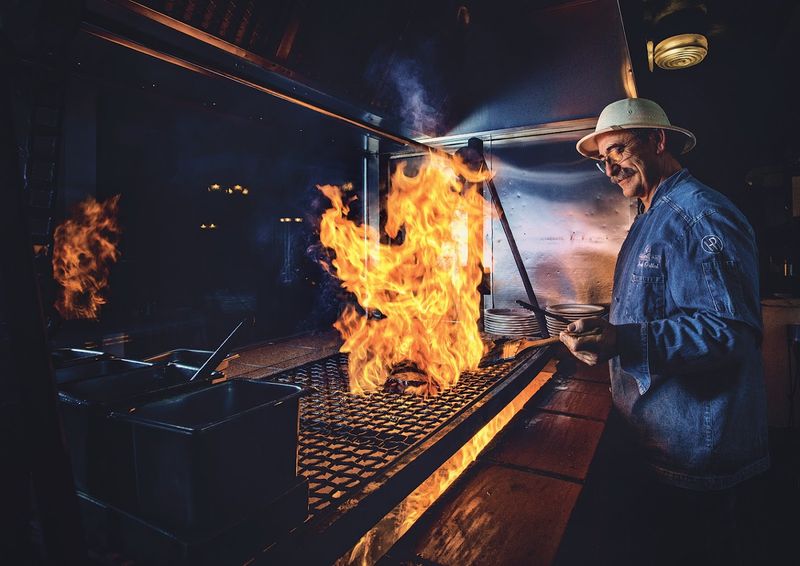
The restaurant uses local Coast Live Oak to fire its open grill, which is the foundation of the Santa Maria-style barbecue tradition along California’s Central Coast.
That single detail separates the experience from most steakhouses where gas flames do the quiet, invisible work.
Red oak burns hot and clean, producing a smoke that clings to the surface of the meat without overwhelming it.
The result tends to be a crust with depth and a faint smokiness that comes through in every bite.
Guests who pay attention will notice the flavor builds gradually rather than hitting all at once, which keeps the experience from feeling heavy.
Santa Maria-style barbecue is a regional cooking tradition, and the restaurant treats it with genuine respect rather than using it as a marketing angle.
The grill is central to how every protein on the menu is prepared, from steaks to seafood to vegetables.
That consistency means the oak flavor carries through the entire meal, giving the evening a cohesive identity that feels rooted in place.
Grill-Watching Turns The Meal Into A Show
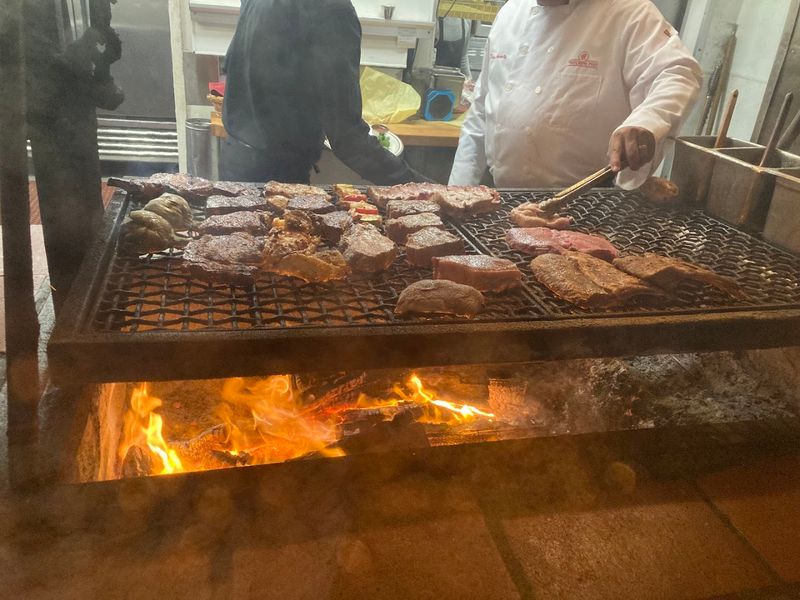
How often do steakhouses let guests watch their food being made? It’s quite a rare ocassion.
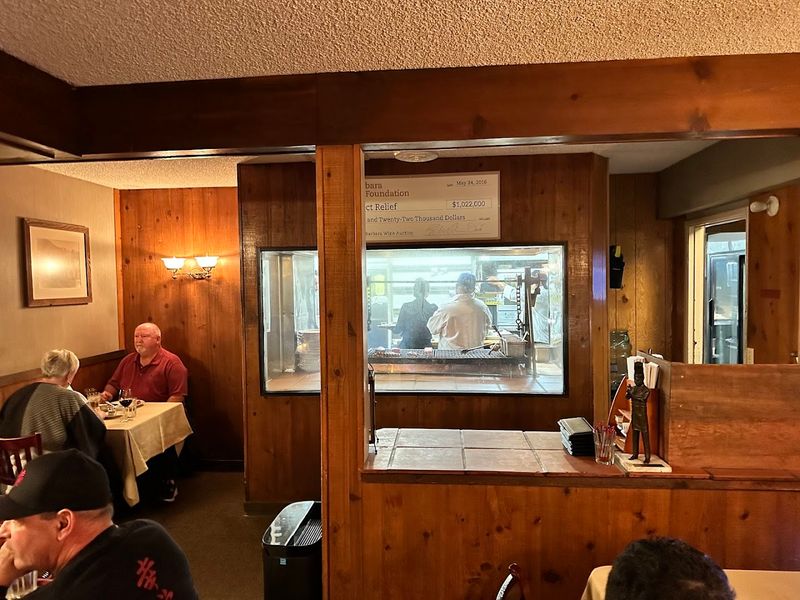
But at The Hitching Post II the open grill is visible behind glass from the dining room.
Watching steaks and chops cook over a live fire adds a layer of engagement to the meal that no amount of table decor could replicate.
The fire moves, the smoke rises, and the timing of each cut becomes something guests can actually observe.
For families with kids or anyone who enjoys understanding how food is prepared, that visual access makes the dinner feel more interactive.
There is a natural curiosity that comes with watching a skilled cook manage multiple cuts over an open flame, adjusting position and timing without any digital controls involved.
The process looks exactly as old-school as it sounds.
The dining room itself carries a rustic, ranch-style atmosphere with dark wood tones, black-and-white photographs depicting ranching life, and a general sense of lived-in comfort.
The lighting stays warm and low, which keeps the mood relaxed without making the space feel formal or stiff.
Noise levels tend to be lively, especially on busy evenings, but the energy feels communal rather than chaotic, and the grill view gives everyone something to look at between bites.
Family Roots Go Back To 1952
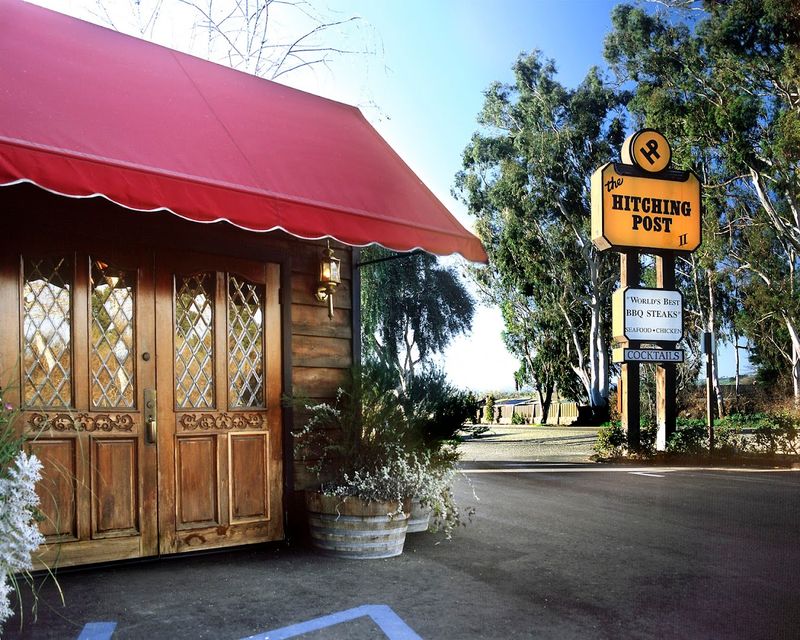
Few restaurants carry a family history that spans more than seven decades, but The Hitching Post II belongs to a lineage that began in 1952 when the original Hitching Post opened in Casmalia, California.
That first location was started by the Ostini family, and the tradition of oak-fired cooking has remained at the center of the operation ever since.
The Buellton location opened in 1986 and has been run by the family continuously.
There is a specific kind of comfort that comes from eating at a place with that much history behind it.
The recipes, the seasoning blend, the wood sourcing, and the general approach to the meal have been refined across generations rather than assembled quickly for a trend.
That accumulated knowledge tends to show up in the consistency of the food.
The interior reflects that long history with black-and-white photographs of ranching life covering the walls, giving first-time guests a sense of the region’s agricultural past.
The overall atmosphere feels like it was built slowly over time rather than designed all at once.
For anyone who values the kind of restaurant that earns its reputation through decades of steady cooking rather than social media buzz, this background adds genuine meaning to the meal.
Buellton Makes It Feel Like A Detour With Purpose
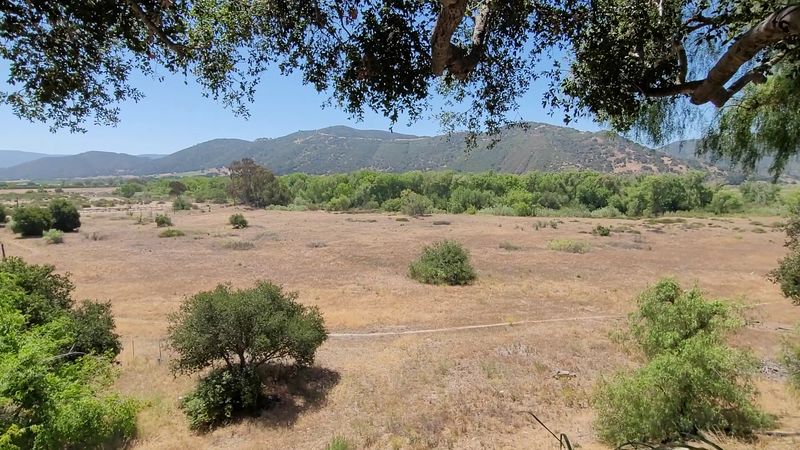
Sitting about 30 miles north of Santa Barbara, Buellton occupies a stretch of the Central Coast that feels genuinely unhurried.
The town does not demand attention the way a major city does, which is part of what makes a dinner destination there feel like a deliberate choice rather than a default stop.
Pulling off the highway for a specific meal gives the evening a sense of intention that is hard to manufacture.
The surrounding Santa Ynez Valley landscape adds to that feeling, with rolling hills and open ranchland visible from the restaurant’s outdoor seating area.
Guests who arrive before dark can take in a view of the neighboring valley that turns the meal into something closer to a full experience.
The setting earns the road-trip framing without needing to oversell it.
For visitors driving up the California coast or cutting through the interior from Los Angeles, Buellton sits at a convenient midpoint that rewards a planned stop.
The drive itself tends to be scenic depending on the route, and arriving at a place with this kind of culinary reputation makes the extra miles feel productive.
A dinner here tends to become the anchor memory of the trip rather than just one stop among many along the way.
Steaks Are The Star, But Not The Whole Menu
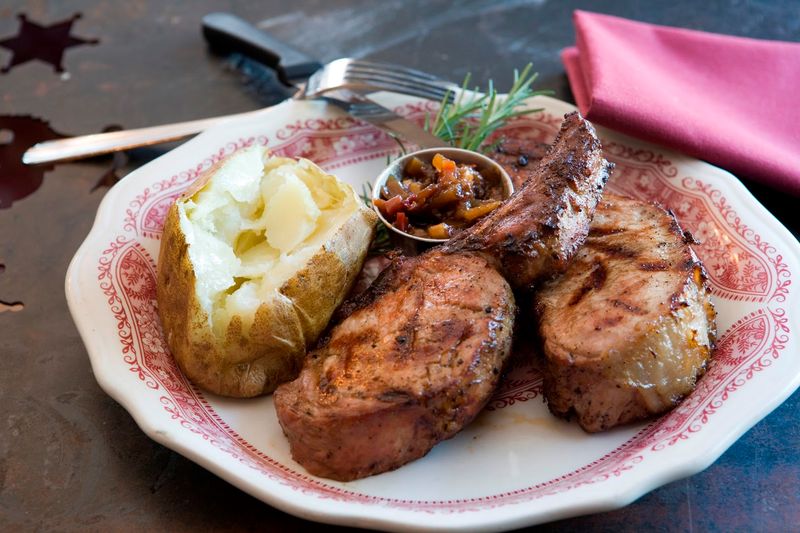
Top sirloin, filet mignon, Angus rib chop, rack of lamb, quail, and duck all appear on the dinner menu at The Hitching Post II, which means the kitchen is working with a wider range of proteins than the steakhouse label might suggest.
Grilled fish and shrimp round out the options for guests who want the oak-fire experience without ordering beef. That range makes the menu practical for groups with different preferences.
Appetizers include a grilled artichoke served with spicy smoked tomato mayonnaise, which has become one of the most consistently mentioned items among guests.
Santa Barbara mussels and shrimp cocktail also appear on the starter list, keeping the seafood presence strong from the beginning of the meal.
A complimentary tray of pickled vegetables arrives at the table upon seating, which gives guests something to snack on while they settle in.
Soup and salad round out the supporting menu, and the bean soup has been noted as a vegetarian-friendly option with genuine flavor.
Baked potato and French fries appear as side options depending on the cut ordered.
The menu does not try to be everything, but it covers enough ground to feel genuinely accommodating without losing its identity as a wood-fired meat-focused kitchen.
Grilled Artichoke Makes A Strong First Move
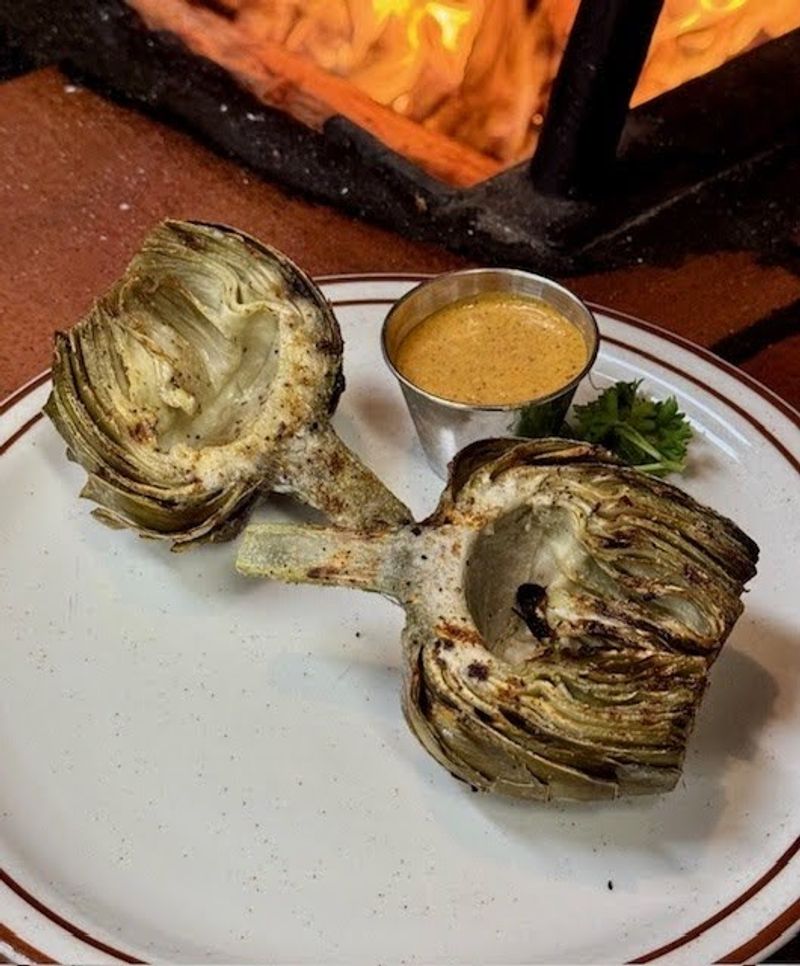
Appetizers at a steakhouse often feel like a formality, something to occupy the table while the main event is being prepared.
The grilled artichoke at The Hitching Post II tends to change that expectation quickly.
Served with a spicy smoked tomato mayonnaise, it arrives with visible char marks and a flavor that already carries the signature oak-fire quality of the rest of the meal.
Artichokes are a natural fit for Central Coast cooking, and grilling one over live hardwood transforms the texture in a way that steaming or boiling simply cannot.
The outer leaves pick up a slight crispness at the edges while the heart stays tender, and the smoked tomato dipping sauce adds a tangy, slightly spicy contrast that keeps the combination interesting from the first leaf to the last.
Starting the meal with something this specific and regionally appropriate sets a tone that carries through the rest of the dinner.
It signals that the kitchen is paying attention to every course rather than treating the appetizer as an afterthought.
For guests visiting for the first time, ordering the grilled artichoke tends to be one of the most reliable ways to understand what makes the cooking here feel different from a standard steakhouse experience.
Sideways Fame Adds A Pop-Culture Hook
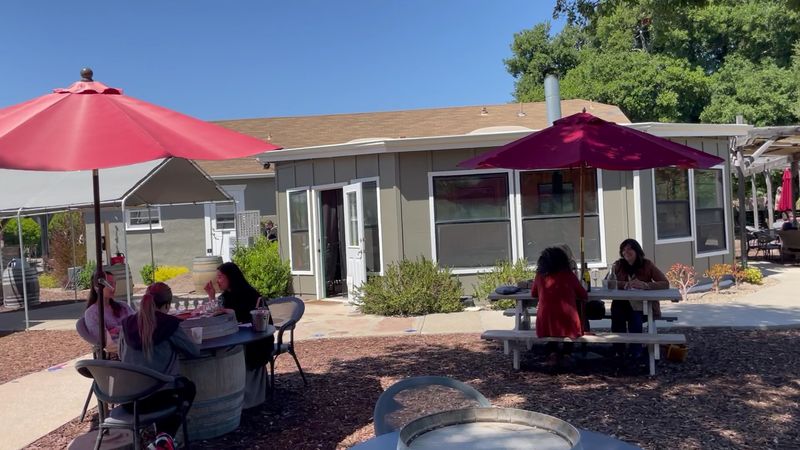
The 2004 film Sideways brought The Hitching Post II into a much wider spotlight than most regional steakhouses ever reach.
The restaurant appears prominently in the Academy Award-winning movie, and that exposure introduced the location to an international audience that might never have found it through a food publication alone.
The connection to the film has remained part of the restaurant’s identity in the years since.
What keeps the pop-culture angle from overshadowing the food is the fact that the restaurant was already well-established before the cameras arrived.
It had been operating since 1986 and building its reputation on oak-fired cooking for nearly two decades before the film came out.
The Sideways connection adds a layer of recognition without changing what the kitchen actually does.
For guests who arrive because of the film, the experience tends to hold up beyond the novelty.
The food is the same as it was before the movie, the atmosphere is unchanged, and the cooking method has not been adjusted to accommodate tourist expectations.
That consistency is part of what makes the location feel genuine rather than performative.
The pop-culture connection gives first-timers a reason to seek it out, but the oak-fired cooking is what gives them a reason to come back.