This Nebraska Italian Restaurant Makes Its Lasagna With Fresh Pasta And Housemade Ricotta
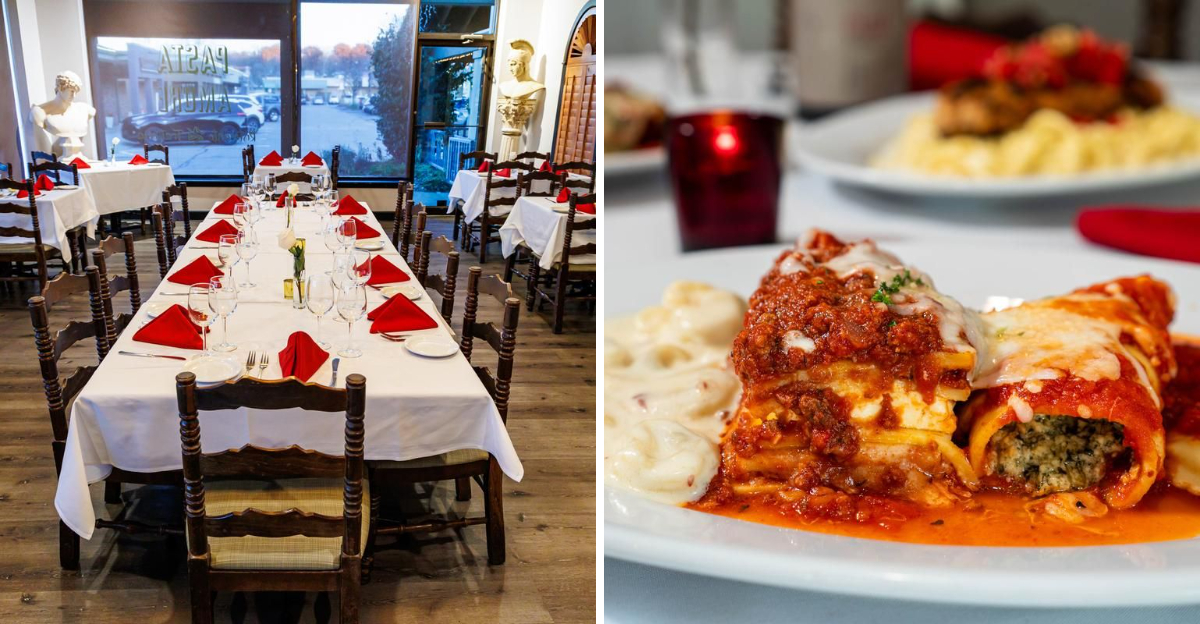
Lasagna usually announces itself by weight. This one makes a different first impression.
Fresh pasta keeps the layers tender, housemade ricotta gives the filling a softer richness, and the whole plate feels more carefully built than the heavy casserole version many people expect.
It is still comfort food, just with a little more finesse behind it.
This Nebraska Italian restaurant puts extra work into a dish most kitchens could easily simplify. That effort shows up quietly rather than dramatically.
You notice it in the texture of the pasta and the way each forkful holds together without becoming dense. Nothing needs to be oversized to feel satisfying.
Order the lasagna if you want to understand what the kitchen does best.
A familiar dish becomes much more interesting when nearly every layer starts from scratch.
The Lasagna Really Does Start With Fresh Pasta
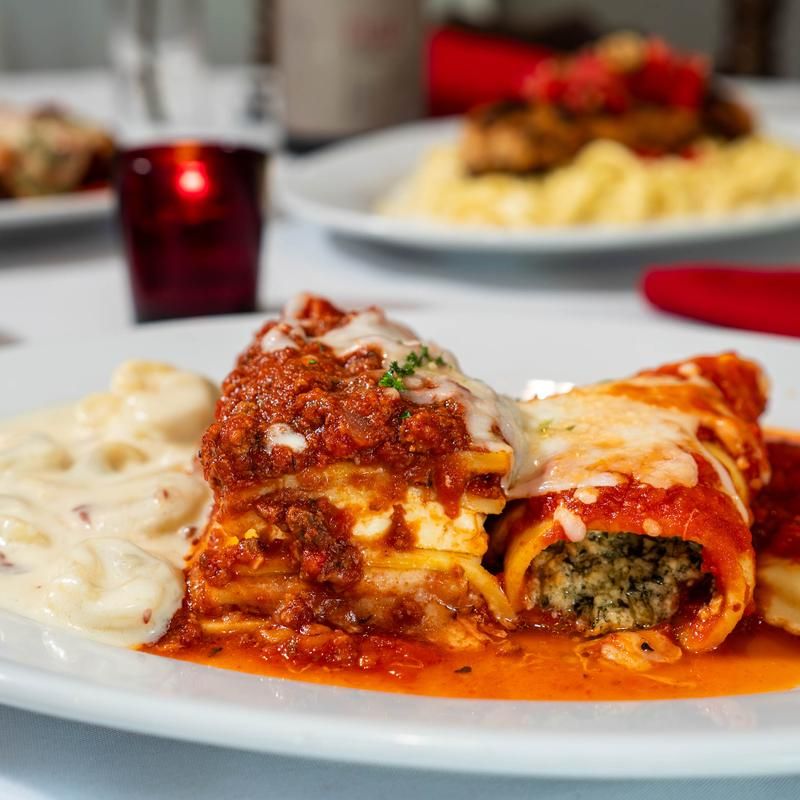
Dried noodles are the norm in most kitchens, which makes the wording on this menu worth a second look.
The lasagna at Pasta Amore is described as being made with fresh pasta, not boxed sheets pulled from a shelf.
Fresh pasta behaves differently once it goes into the oven. It softens faster, holds sauce in a gentler way, and gives each layer a tender bite rather than a firm chew.
The edges stay distinct instead of turning rubbery, and the whole slice holds together when a fork goes through it.
Diners who grew up on heavier, denser versions may notice the contrast right away. Layered pasta made this way often feels lighter on the plate even when the portion is generous.
Ordering it is straightforward, since the lasagna sits on the main entrée section of the dinner menu. The kitchen opens at 4:30 p.m. daily, so it is strictly an evening dish rather than a lunch option.
Anyone hoping to compare textures might consider a second pasta dish for the table and trading forkfuls.
The difference between fresh sheets and dried ones becomes much easier to appreciate side by side, and it explains why the restaurant chose to call out the detail on the menu in the first place.
Housemade Ricotta Anchors The Filling
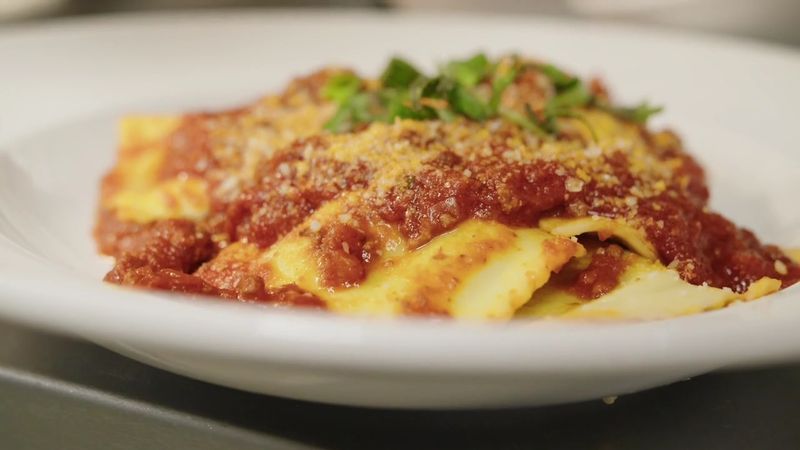
Ricotta can go one of two ways in a lasagna: grainy and bland, or soft and lightly sweet. Making it in house shifts the odds toward the second outcome, and that is exactly what happens here.
The filling brings housemade ricotta together with beef Bolognese, mozzarella, Romano, and basil. Each piece plays a role, with the ricotta softening the meat sauce and the Romano adding a sharper, saltier note near the top.
Basil keeps the whole thing from feeling too heavy. A little fresh herb goes a long way once cheese and slow-cooked beef are involved, and it brightens the finish of each bite.
Pricing currently sits at $23 for the lasagna, which places it in the same range as most other pasta entrées on the menu. Portions are described by many diners as substantial, so leftovers are a realistic possibility.
Cheese-heavy dishes like this tend to arrive very hot from the oven. Letting the plate rest for a minute or two before the first bite is a small habit that pays off, since the layers settle and the flavors read more clearly.
For anyone who has only met lasagna made with dried noodles and store-bought ricotta, the comparison here is genuinely interesting.
Four Decades In Business Arrive In 2026
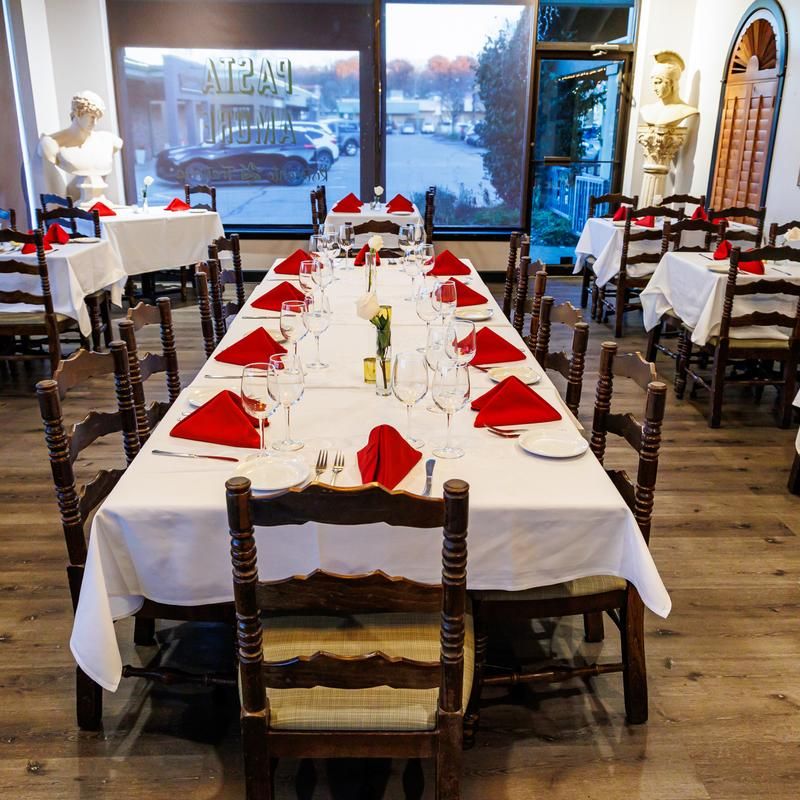
Restaurants rarely last forty years, which makes 2026 a notable marker for this one. The doors first opened in 1986, and the kitchen has been turning out Italian food ever since.
Longevity like that changes how a place feels. Recipes have been refined, regulars have their preferred tables, and the rhythm of service has settled into something predictable in the best sense.
Four decades also means several generations of Omaha families have marked birthdays and anniversaries in the same dining room. Plenty of guests arrive already knowing what they plan to order.
Anyone visiting during the anniversary year might want to book ahead, especially on weekend evenings. Reservations are accepted, and the dining room can fill quickly once dinner service gets going.
Weeknights often feel calmer than Fridays and Saturdays, which is worth remembering for a quieter meal. Early seatings just after opening also tend to move at a gentler pace.
Staying open this long in a competitive dining market usually comes down to consistency rather than reinvention. The menu still leans on classic Italian dishes instead of chasing trends, and the housemade pasta program remains the centerpiece.
Milestones like this offer a good excuse for first-time visitors to finally make the drive out to southwest Omaha.
Sicilian Roots Shape The Whole Menu
Behind the fresh pasta sits a personal history that started far from Nebraska. The founder was born in San Cataldo, Sicily, in 1956 and immigrated to the United States with his parents in 1972.
That background became a core part of the restaurant’s identity rather than a decorative detail. Sicilian cooking tends to favor bold, straightforward flavors, and the menu reflects that leaning.
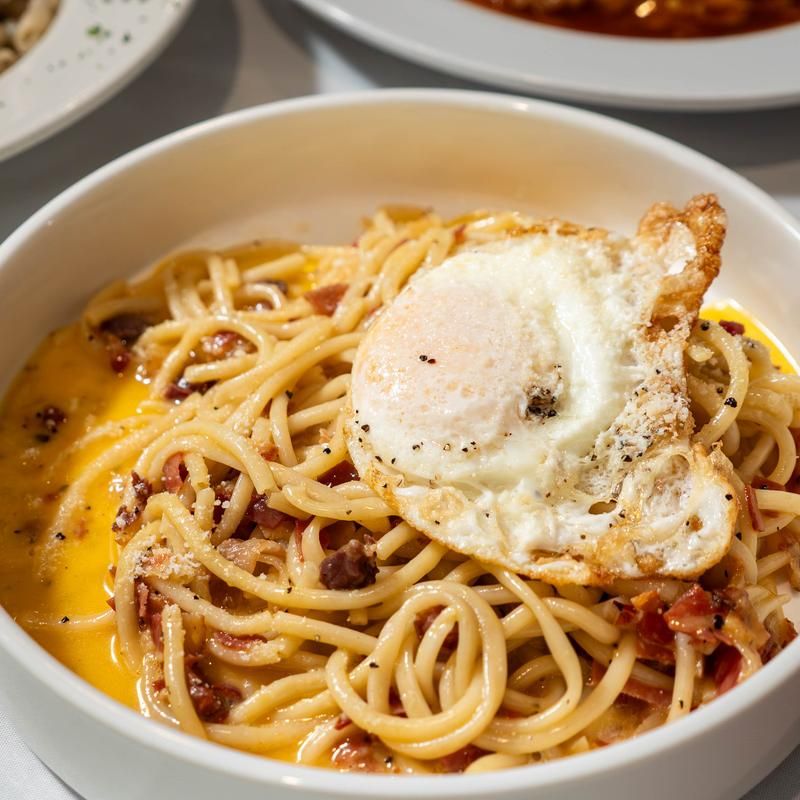
Guests often notice the influence in the sauces and the way pasta takes center stage instead of playing a supporting role. Housemade shapes appear throughout the menu rather than in a single corner of it.
Understanding the origin story also helps explain the presentation style and the emphasis on making things from scratch. Both habits trace back to a specific place and a specific way of cooking.
For diners curious about regional Italian food, asking a server about the Sicilian-influenced dishes is a reasonable way to narrow down a large menu. Staff are generally familiar with how the dishes are prepared.
Authenticity claims get thrown around freely in the restaurant world, so a documented family history carries more weight than marketing language.
Housemade Pasta Goes Well Past Lasagna
Lasagna gets the spotlight, but it shares the kitchen with several other scratch-made options. A dedicated Signature Housemade Pasta section appears on the current menu, featuring potato gnocchi, tortellini, and ravioli.
Potato gnocchi are soft and pillowy rather than dense when made carefully, and they soak up sauce differently than a flat noodle would.
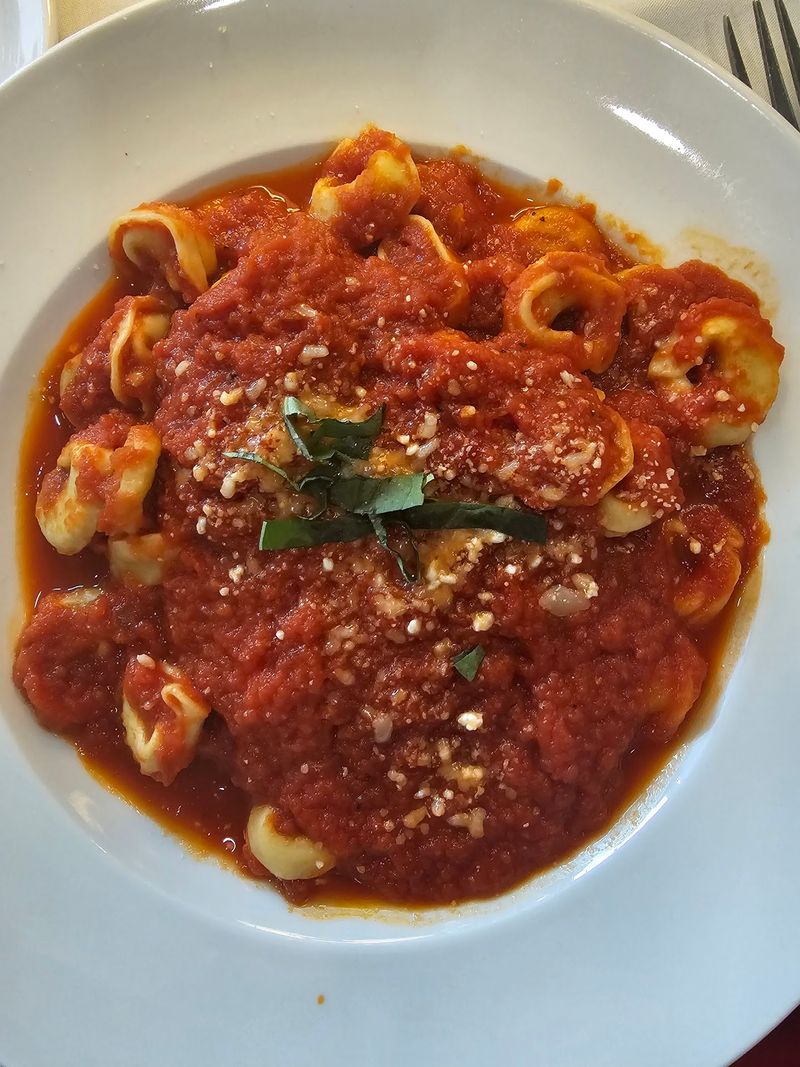
Tortellini bring a filled bite in a smaller package, while ravioli sit somewhere between the two in size and heft.
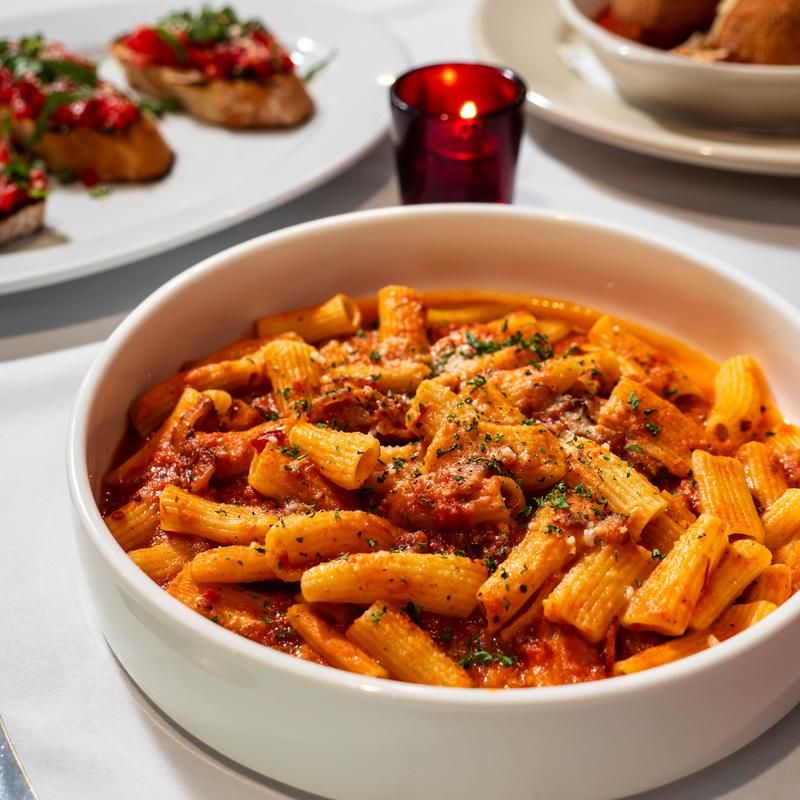
Housemade rigatoni also shows up elsewhere on the menu. Tube shapes like rigatoni catch chunkier sauces inside their ridges, which is part of why they earn a spot alongside the filled pastas.
Having a whole section built around handmade shapes signals where the kitchen puts its effort. It also gives return visitors a reason to order something different on a second or third visit.
Diners deciding between options might think about sauce first and shape second, since the two work together. A lighter cream sauce and a heavier meat sauce call for different textures underneath.
Sharing is another practical approach for a table of two or more. Ordering across the housemade section and passing plates around gives everyone a broader sense of what the kitchen does well.
Guests Assemble Their Own Pasta Plate
Picky eaters and particular pasta fans both get an option here. The Pasta by Request section lets guests choose a shape and then pair it with a housemade sauce.
Shape choices are wide, covering linguine, angel hair, fettuccine, penne, spaghetti, bucatini, rigatoni, orecchiette, and gnocchetti sardi. Gluten-free penne and gluten-free gnocchi also appear on the list.
Sauces run from marinara and Bolognese to pesto and sugo, with additional options beyond those four.
Mixing and matching means the same section can produce dozens of different plates.
Pricing for a build-your-own plate currently sits at $23. Anyone with dietary needs will appreciate that gluten-free shapes are built into the standard menu rather than treated as a special request.
A simple rule helps when choosing: thinner strands suit smoother sauces, while ridged or cupped shapes hold chunkier ones. Orecchiette and rigatoni catch heartier sauces well, while angel hair works better with something light.
Parents dining with kids may find this section especially useful, since a plain shape with marinara is easy to arrange. Guests with allergies are generally encouraged to mention them when ordering so the kitchen can be informed.
Flexibility like this makes a long menu feel less intimidating and more welcoming.
Recognition From Omaha’s Culinary Community
Awards do not cook the food, but they do mark a career worth noting. The founder received the Golden Toque, a well-regarded honor in professional cooking circles.
He was also inducted into the Omaha Restaurant Association Hospitality Hall of Fame in 2009.
Recognition from a local industry group carries a particular kind of weight, since it comes from people who understand the daily grind of running a kitchen.
Honors like these help explain why the restaurant became a fixture rather than a passing venture. Decades of steady work tend to be what earns that kind of acknowledgment.
For diners, the practical takeaway is context. Knowing a restaurant has deep roots in the local hospitality community sets reasonable expectations for consistency and care.
The dining room itself does not lean heavily on trophies or plaques as decoration. The focus stays on the food and the room rather than the accolades.
Guests interested in Omaha food history will find the restaurant part of a broader story about immigrant chefs shaping local dining. Similar patterns show up in cities across the country.
History gives a meal a bit of extra texture, especially when the recipes on the plate connect directly back to the person being recognized.
Dinner Only In Southwest Omaha
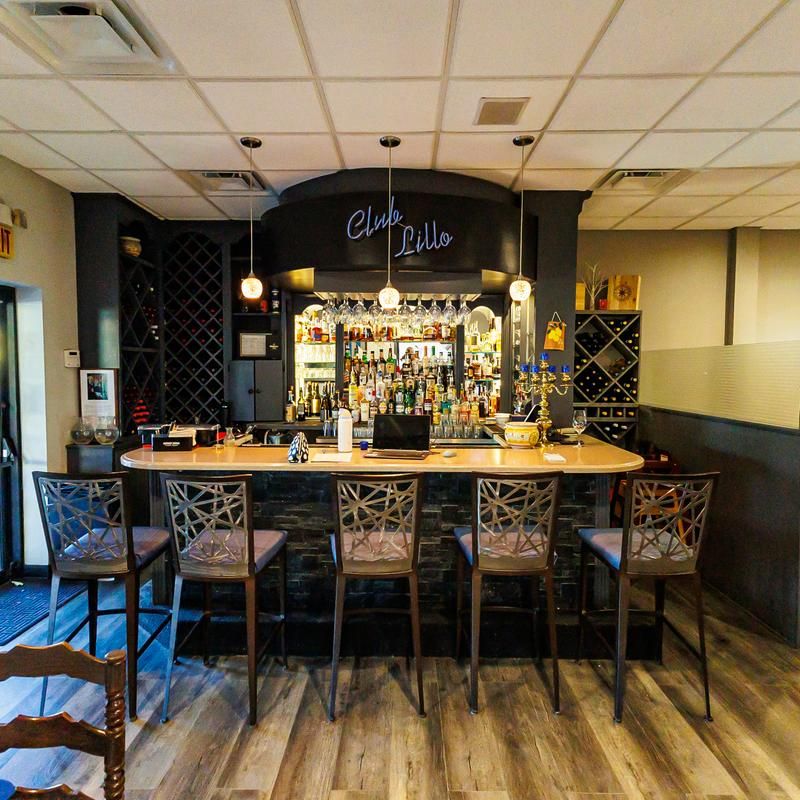
Planning a visit takes a little attention, since this is not an all-day operation. Pasta Amore sits at 11027 Prairie Brook Rd, Omaha, NE 68144, tucked into a southwest Omaha shopping area.
Doors open at 4:30 p.m. every day of the week. Closing times run to 9 p.m.
Monday through Thursday, 10 p.m. on Friday and Saturday, and 8 p.m. on Sunday.
Reservations are accepted, and online ordering is available for anyone who prefers to eat at home. The phone number listed is 402-391-2585.
Parking is available on the side of the building, and the main entrance is marked on the west side. First-time visitors sometimes circle the building before spotting it.
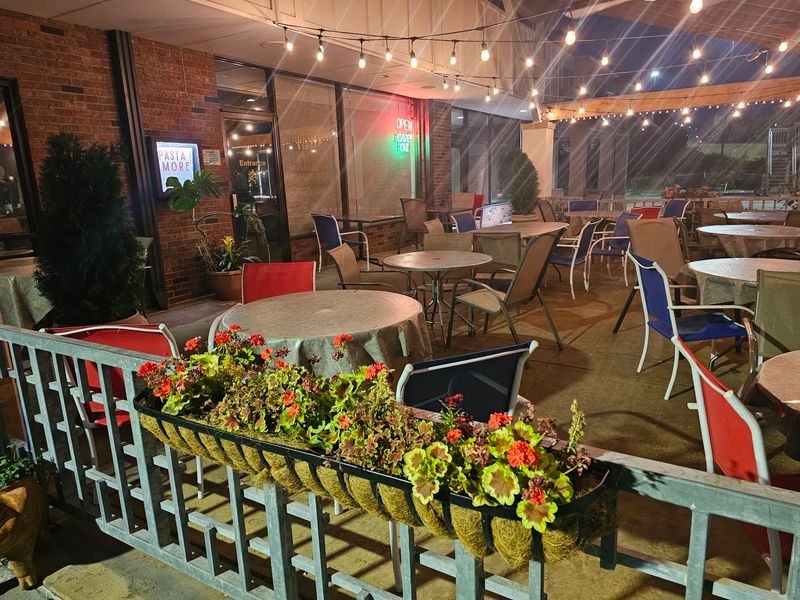
Patio seating is part of the setup, which becomes appealing during mild Nebraska evenings. String lights add a soft glow once the sun drops.
The interior can feel snug during peak hours, with tables placed fairly close together. Early seatings or weeknight visits usually offer more breathing room.
Because service starts in the late afternoon, this is strictly a dinner destination rather than a lunch stop. Arriving shortly after opening is one of the calmer windows for anyone who prefers a quieter meal.