This 2.5-Mile Connecticut Hike Deserves A Spot On Your Bucket List
Connecticut has a short hike that somehow manages to feel much bigger than its mileage suggests.
The route starts simply enough, but the scenery gradually makes the outing feel more adventurous. A few steeper stretches keep things interesting without turning the day into a serious endurance test.
That balance is exactly what makes this trail so easy to remember.
You get the satisfaction of a real hike, yet there is still plenty of energy left for whatever comes next. The woods keep the setting quiet, and the occasional opening in the trees hints that a better view is waiting ahead.
Nothing here needs to shout for attention. The trail simply keeps rewarding you for going a little farther.
At about 2.5 miles, it is the kind of outing that fits neatly into a morning but still leaves you feeling like you actually went somewhere.
Short on distance does not have to mean short on adventure.
1. Short Mileage Packs In Big Scenery
Short trail. Big attitude. Pine Knob Loop packs a surprising amount into roughly 2.5 miles. The climb starts quickly and keeps hikers working.
Around 800 feet of elevation gain is squeezed into the route, so the mileage can be misleading. Some sections feel moderate.
Others make the trail earn its tougher reputation.
The scenery helps distract from the effort. Dense woods give way to rockier ground as the trail climbs.
Open viewpoints eventually appear above the Housatonic River Valley. Part of the loop also overlaps with the Appalachian Trail, adding another fun detail to a relatively short hike.
Most hikers should allow around two hours. A steady pace can shorten that, but stopping at the overlooks is part of the appeal.
Photos can easily stretch the outing longer.
The highest point reaches about 1,150 feet, depending on the map used.
Bring water and wear shoes with solid grip. Rocks and steeper stretches can slow things down.
This is not the kind of loop to judge by distance alone. It feels bigger, steeper, and far more rewarding than its compact mileage suggests.
2. Above The Housatonic Near Cornwall Bridge
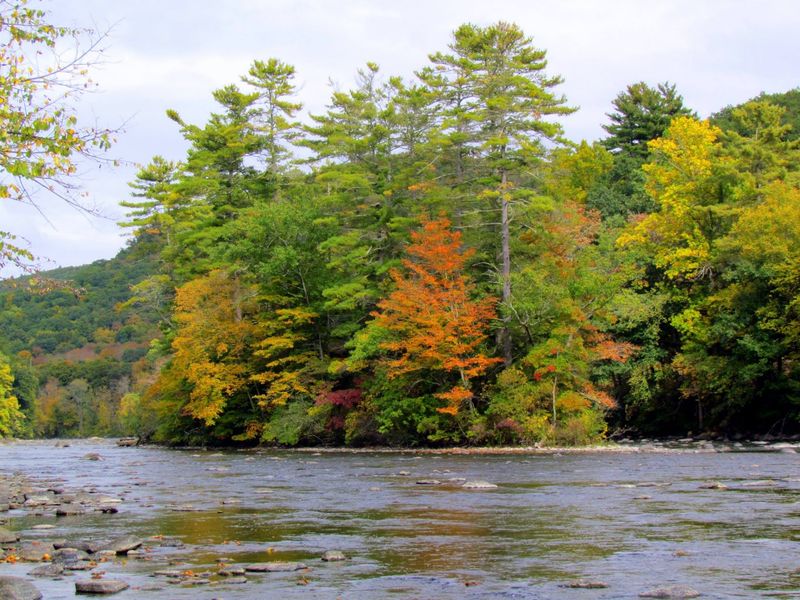
The views arrive sooner than expected. Steep hills rise sharply above the Housatonic River, making this short hike feel much bigger than its elevation suggests.
Much of the appeal comes from the setting. The trail runs through Housatonic Meadows State Park and Housatonic State Forest, just north of Cornwall Bridge.
Wooded ridges crowd the valley, and the overlooks open across a surprisingly dramatic stretch of countryside.
Pine Knob reaches about 1,158 feet, yet the scenery feels loftier. Another viewpoint appears lower along the route, giving hikers more than one reason to slow down.
The shifting angles over the valley make the loop especially rewarding in clear weather.
Early starts are smart on weekends. Parking can fill quickly during busy seasons, while weekday mornings often feel much quieter.
State park hours generally run from 8 a.m. until sunset, so afternoon hikers should leave enough time to finish comfortably.
The main trailhead uses a gravel parking area along Route 7 in Sharon. Restrooms and extra parking are available near the state park picnic area about a mile away.
Between the river below and the ridges ahead, the hike delivers far more scenery than its compact footprint suggests. It is an easy trail to underestimate until the first overlook comes into view.
3. Blue Blazes Lead Into Rocky Terrain
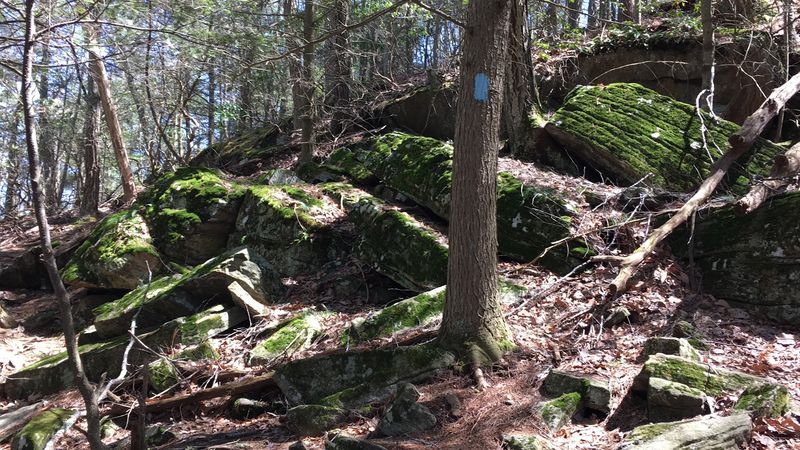
Look for the blue paint. Pine Knob Loop belongs to state’s Blue-Blazed Hiking Trail System, and those rectangular blue marks on trees and rocks are your guide for most of the route.
The trail wastes little time getting interesting. Rugged, rocky ground shows up early, with steep pitches both up and down, plus stretches where you pick your way across large stones and slabs rather than walking on smooth dirt.
There are moments when hands come in handy alongside feet, particularly on the steeper rocky sections. Nothing here requires technical climbing skill, but it does demand attention to where you put each step.
Footwear matters more than usual. Boots or trail shoes with genuinely grippy soles make a real difference, because wet or icy rock along this loop can be hazardous.
Many hikers also bring trekking poles for extra stability on the descent.
Blazes are generally well maintained and easy to follow, though it helps to pause at junctions and confirm the color before continuing. If you have not spotted a blaze in a while, backtrack rather than pressing forward.
Save the loop for a dry day if you can. The rock is friendlier that way, and the scrambles become fun instead of nerve-racking.
4. The Appalachian Trail Joins The Loop
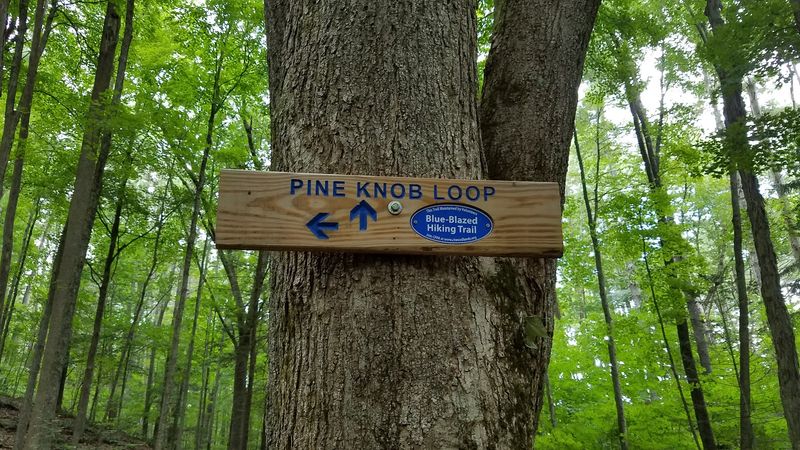
Here is the detail that surprises first-time visitors: part of this modest loop is also part of the Appalachian Trail. For roughly 0.7 to 1 mile, the blue-blazed Pine Knob Loop runs together with the white-blazed AT.
You will reach a clearly marked junction where the two paths meet, and along that shared stretch both blue and white blazes appear on the same trees. It is a small thing, but it makes the hike feel connected to something much larger, a footpath running from Georgia to Maine.
Thru-hikers pass through this section during the warmer months, so do not be surprised to meet someone carrying a heavy pack and covering serious daily miles. A friendly hello goes a long way.
The AT link also opens options for anyone wanting more distance. Hikers sometimes use the loop as the starting point for a longer day on the Appalachian Trail, and designated AT camping areas with bear boxes sit down the mountain on the opposite side of the parking area.
Pay attention when the trails split again. Following white blazes past the junction sends you off the loop, which is fine if intentional and confusing if not.
5. Pine Knob Opens To Valley Views
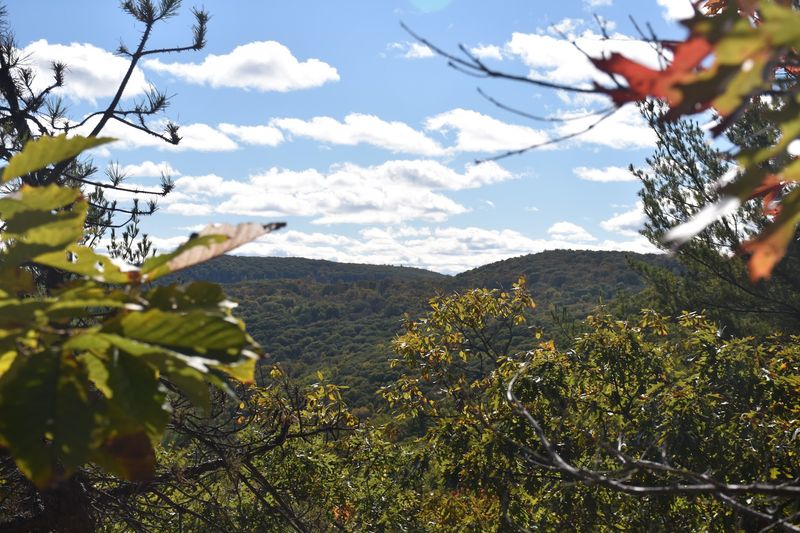
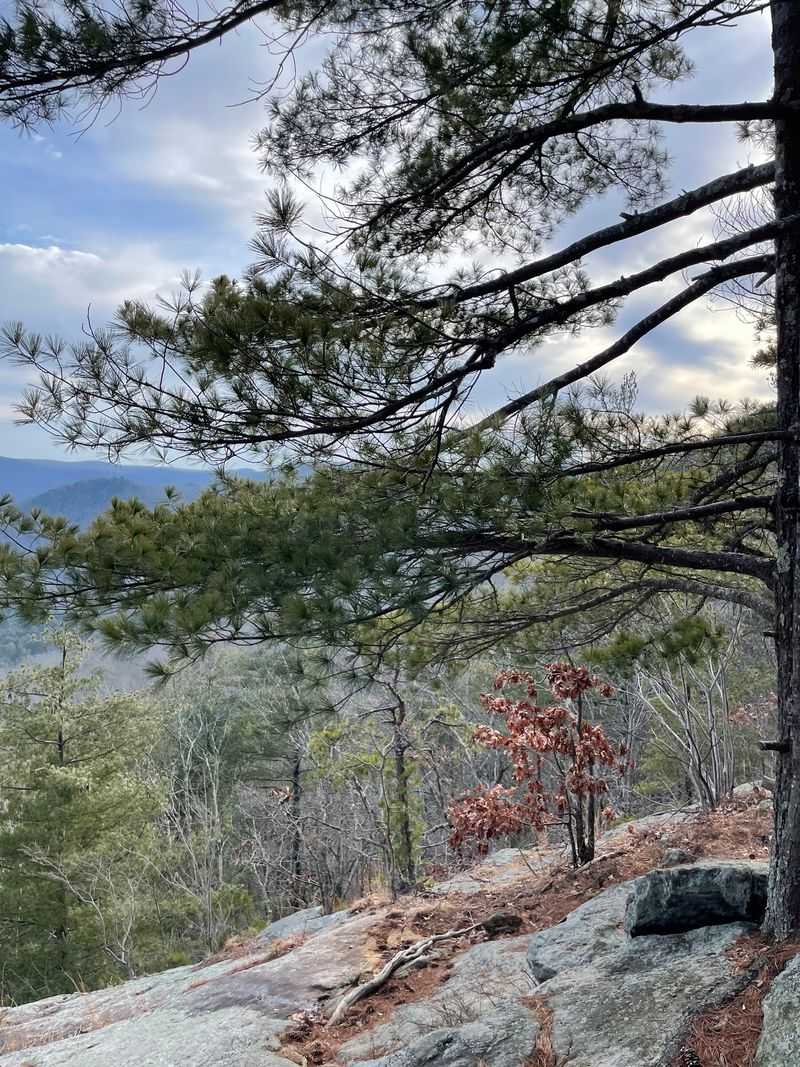
The payoff arrives all at once. After a climb through thick woods, the summit area of Pine Knob opens up and the forest simply falls away beneath you.
East-facing viewpoints look out over heavily forested hills, including Mine Mountain, Dean Hill, and Coltsfoot Mountain. The scene is classic northwest Connecticut, rolling ridgelines stacked behind one another with the Housatonic threading the valley floor below.
From these overlooks you also get a clear read on Housatonic Meadows State Park and the way the terrain climbs steadily up from the river. It is the kind of view that makes people sit down without meaning to.
Timing changes what you see. During the leaf-off months from late fall into early spring, the views stretch noticeably wider because bare branches no longer block sightlines.
In midsummer, the same lookouts feel greener and more enclosed.
Flat rock at the top makes a natural spot for a break, so consider packing lunch rather than eating in the car afterward. Wind can pick up on exposed ledges even on mild days, so a light layer is smart.
Give yourself twenty minutes here at minimum. Rushing the summit misses the whole point of the climb.
6. Rock Slabs Make The Climb Memorable
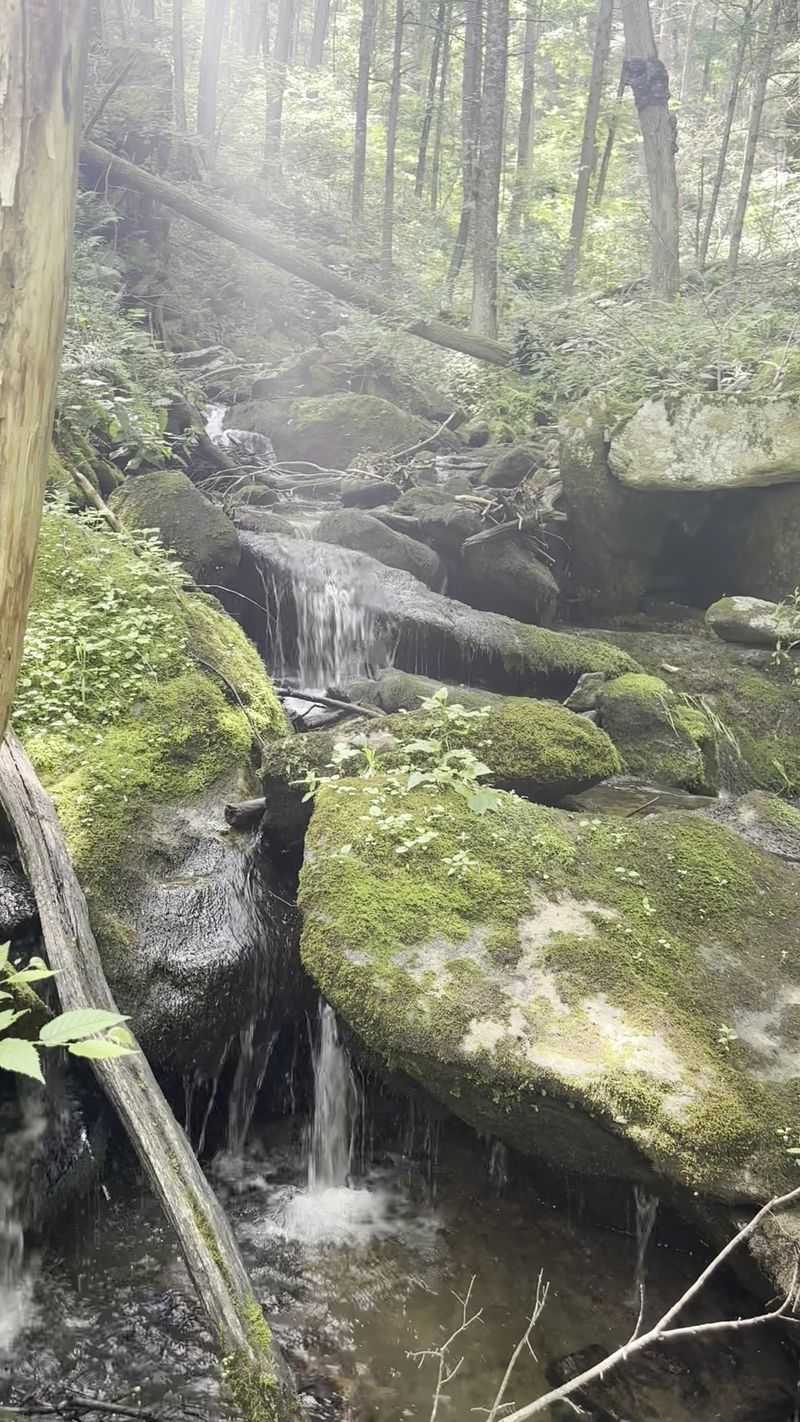
Ask anyone who has hiked this loop what they remember, and the rock usually comes up first. Big slanted slabs and open ledges define the ascent up Pine Knob, and they turn an ordinary climb into something closer to a puzzle.
Some sections are broad enough to walk across at an angle. Others tilt sharply enough that hands join in, and short scrambles appear where the trail pushes straight up through stone.
None of it is dangerous for a reasonably fit hiker taking things slowly. Steady footing and patience matter far more than strength or speed here.
Traction is everything on this terrain. Hiking boots with good gripping soles are the standard recommendation, because those same slabs turn slick and risky when wet or icy.
Direction changes the experience too. Many hikers suggest going counter-clockwise, which puts the steeper, rockier climbing early and leaves a gentler descent for tired legs and sore knees.
Clockwise reverses that, offering an easier ascent and a much sharper drop near the end.
Families do hike this trail, though younger children usually need a hand on the scrambles. Plenty of parents report that kids genuinely enjoy the rock, treating the slabs as the best part.
7. Seasonal Cascades Reward Wet-Weather Hikes
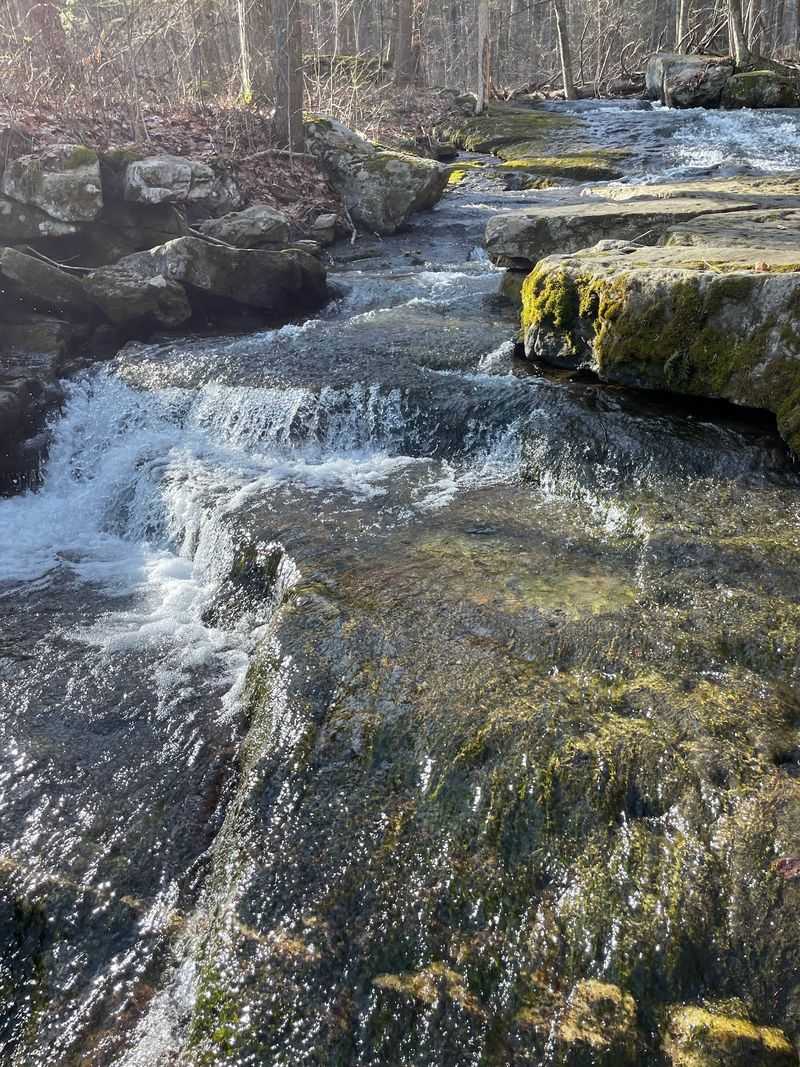
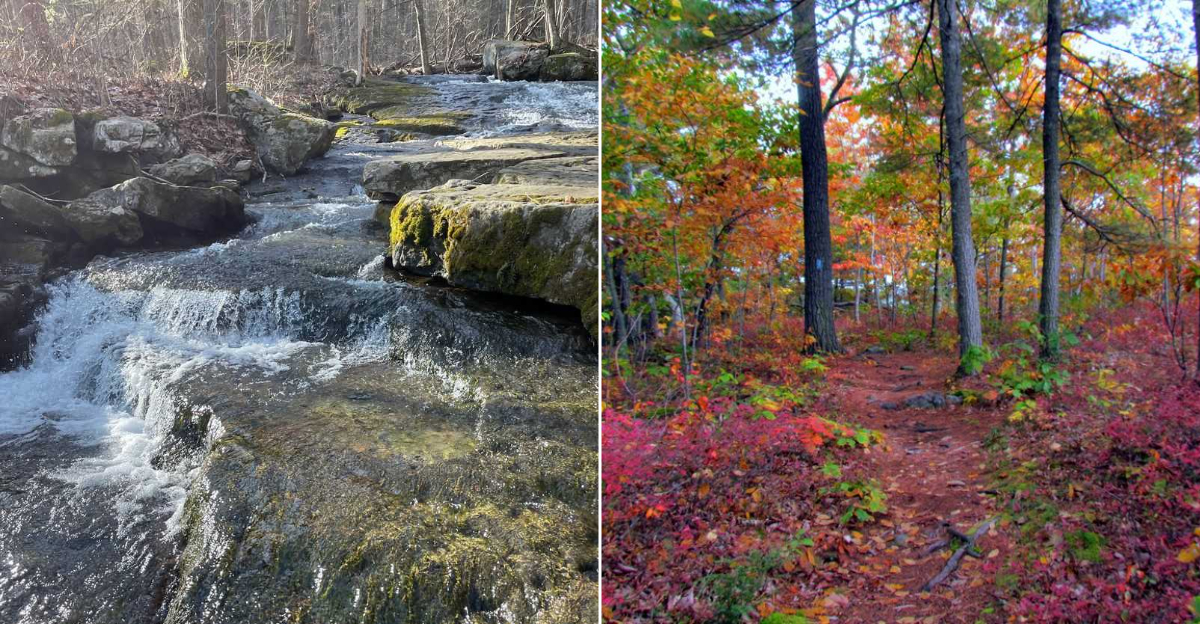
Water gives this loop its soundtrack. Near the start of the hike the trail crosses Hatch Brook, then follows alongside it for a stretch, so moving water accompanies you through the early woods.
Several stream crossings appear along the route, along with intermittent channels that stay dry much of the year. After a good soaking rain or during spring melt, those quiet gullies wake up.
That is when the cascades show themselves, tumbling down the slope in ribbons over rock and moss. Hikers frequently single out the falls and streams as the highlight of the whole loop, and it is easy to understand why.
Because the cascades depend entirely on recent weather, timing is the trick. Visit during a dry stretch in late summer and you may find only a trickle where the water once rushed.
Wet conditions do come with a trade-off, since the rock sections turn slippery. Waterproof footwear with solid grip helps, and taking the descent slowly is wise.
Hiking counter-clockwise saves the streamside walking for the final portion, which means finishing your day beside flowing water rather than starting there. It makes for a gentle, pleasant end to a demanding little hike.
8. Fall Color Takes Over The Valley
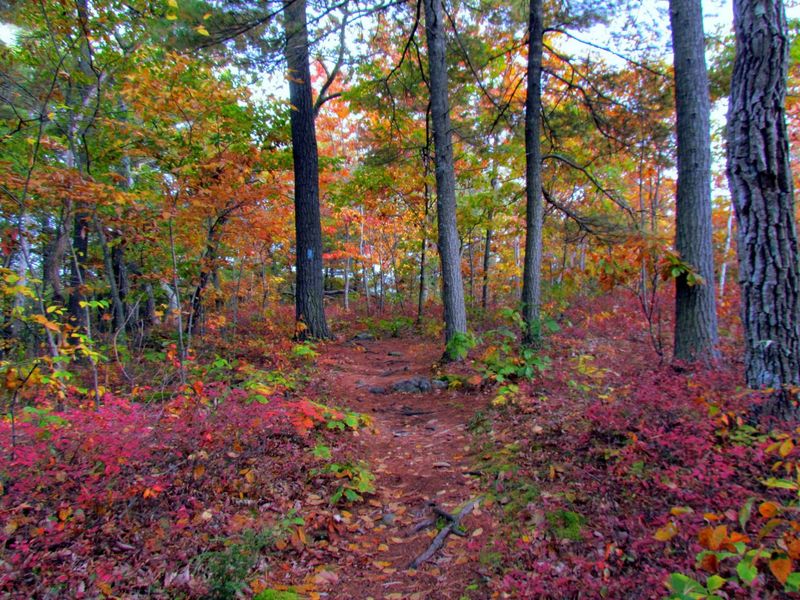
Fall gives this hike a completely different personality. The forest shifts from deep green to bright layers of red and gold, and the overlooks become much more dramatic as the season moves along.
Views stretch across the Housatonic Valley, where wooded ridges stack up in the distance. During peak color, the landscape feels broader and more textured.
Even before the leaves reach their brightest point, cooler air makes the climb more comfortable.
The trail itself changes too. Fallen leaves soften the forest floor and let more light reach the path.
Pine Knob Loop can feel especially crisp on clear autumn mornings, when visibility improves and the hills stand out sharply.
Extra caution helps once leaves begin covering rocks and roots. Footing can become less obvious, and shorter daylight means afternoon hikes need a little more planning.
Weekends tend to bring the biggest crowds during peak foliage. Early starts usually make the experience calmer, while weekdays can be noticeably quieter.
Later in fall, the scenery shifts again. Bare branches open sightlines that summer foliage normally blocks.
The color may be gone, but wider views and a quieter trail give the season a second kind of payoff.