One Of Connecticut’s Oldest Grocery & Deli Stops Dates Back To 1919 And Still Gets Busy On Weekends
How many delis can say they were already serving the neighborhood before radio became a household staple?
This Connecticut favorite opened in 1919, and somehow it still feels like a place people genuinely use rather than admire from a distance.
That is part of the charm. The history is impressive, but lunch is still lunch.
Weekends can get busy, especially when locals start piling in for familiar favorites. The whole place has that lived-in energy you only get after decades of people making it part of their routine.
Nothing about the experience feels museum-like. You are here to eat, chat, and maybe wonder how many sandwiches have crossed the counter since the doors first opened.
A century-plus sounds huge until you are standing there with lunch in front of you.
Then it just feels like a neighborhood spot that got very, very good at sticking around.
1. More Than A Century Of Shoreline History
Some shops become part of a neighborhood’s routine. This one has been doing it for more than a century, serving beachgoers and nearby residents from the same shoreline road.
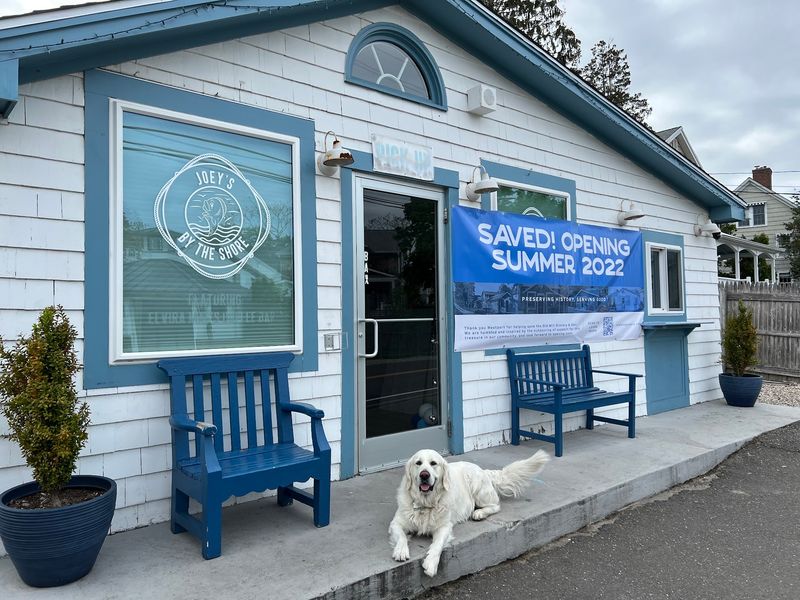
Old Mill Grocery & Deli began in 1919 as a small store for the growing Compo Cove neighborhood. Farmers and travelers once stopped here for everyday supplies.
As the decades passed, the building changed names, but its role stayed familiar. People still came in for food, conversation, and a quick stop before heading toward the water.
The structure carries plenty of history too. Its early twentieth-century design still fits naturally among the older homes near the coast.
Preservation groups have noticed. In 2023, the Westport Historic District Commission honored the business with a Legacy Business Preservation Award.
Preservation Connecticut also recognized the effort to save and reopen the store after its future became uncertain.
That community support may be the most memorable part of the story. Local residents helped protect a place generations had used as a neighborhood gathering spot.
Today, it remains Westport’s oldest continuously operating retail and food store. The surrounding historic districts only deepen the sense of place.
Come for a sandwich or coffee, and the century of history waiting behind the counter becomes part of the visit.
2. Across The Street From Old Mill Beach
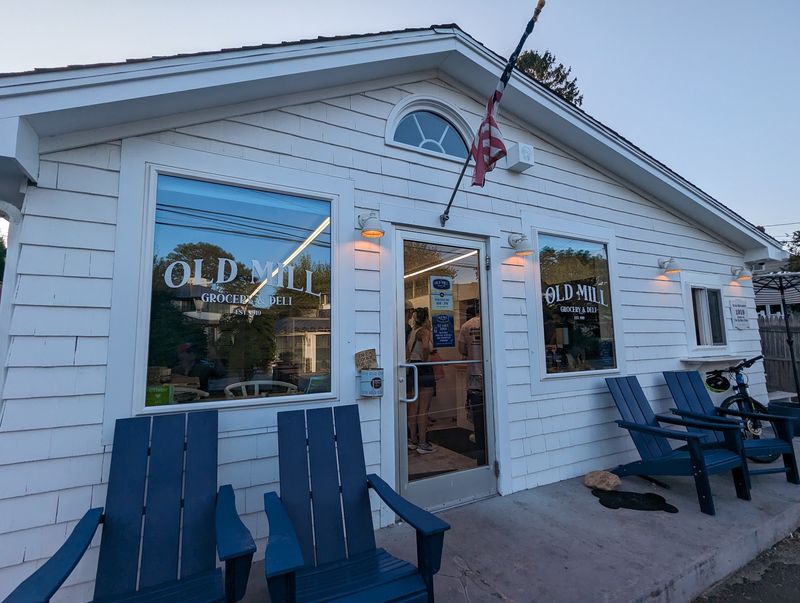
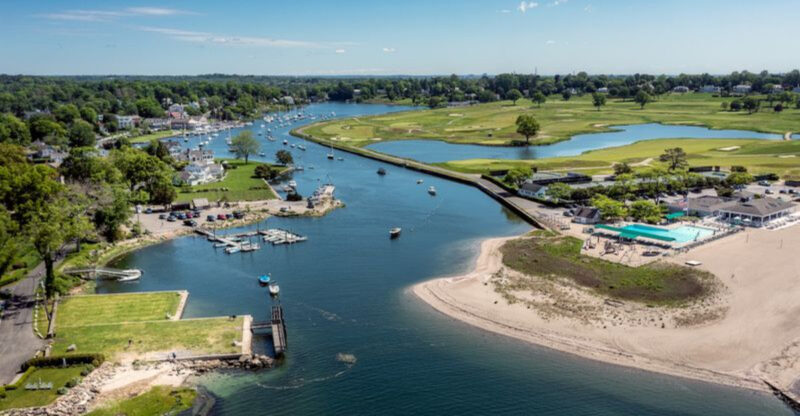
The beach is practically part of the experience here. Cross the road and the shoreline opens up, making it easy to turn a food stop into a relaxed afternoon by the water.
Some visitors grab their order and head straight for the sand. Others stay close and enjoy the slower neighborhood pace.
Old Mill Grocery & Deli sits at 222 Hillspoint Rd in Westport, just across from Old Mill Beach.
That location shapes the whole atmosphere. Beachgoers drift in throughout warmer months, while nearby residents use the shop as an everyday neighborhood stop.
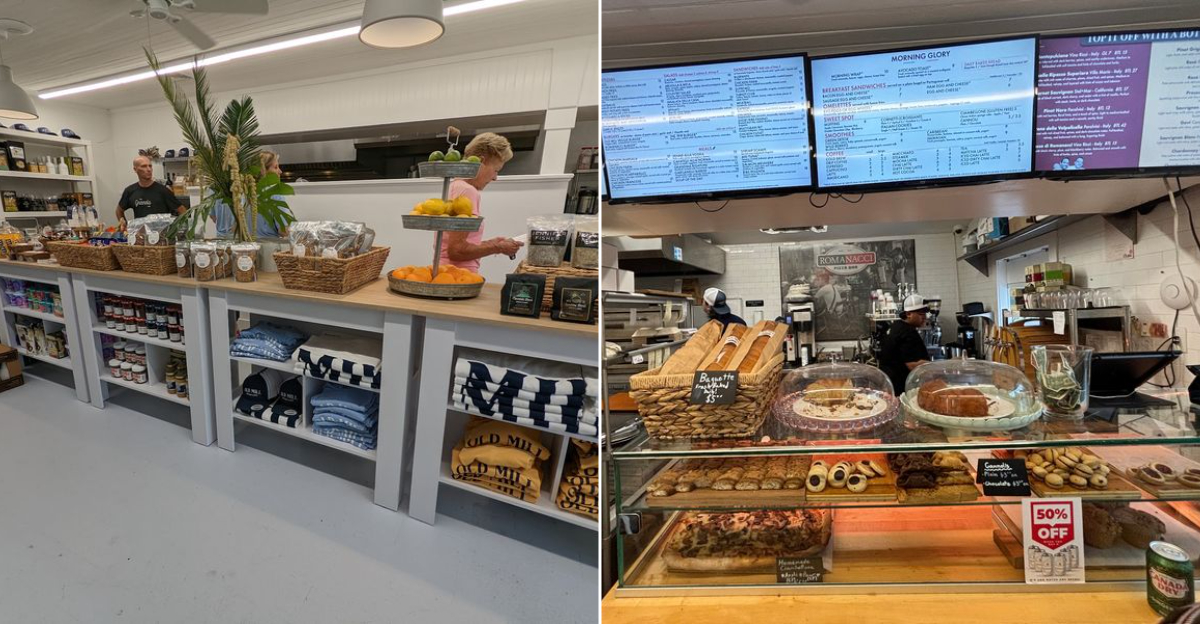
The menu currently leans Italian, with breakfast foods, coffee, sandwiches, and Roman-style pizza among the offerings.
Outdoor seating gives diners another reason to linger when the weather cooperates. Parking is limited around this busy shoreline area, so arriving earlier can make the visit easier.
The shop also keeps long hours for a beachside stop. Current hours run from 8 a.m. to 8 p.m. every day.
That makes it useful from breakfast through dinner. Grab something to eat, wander toward the water, and let the shoreline decide how long the stop lasts.
3. Italian-Style Sandwiches From Romanacci
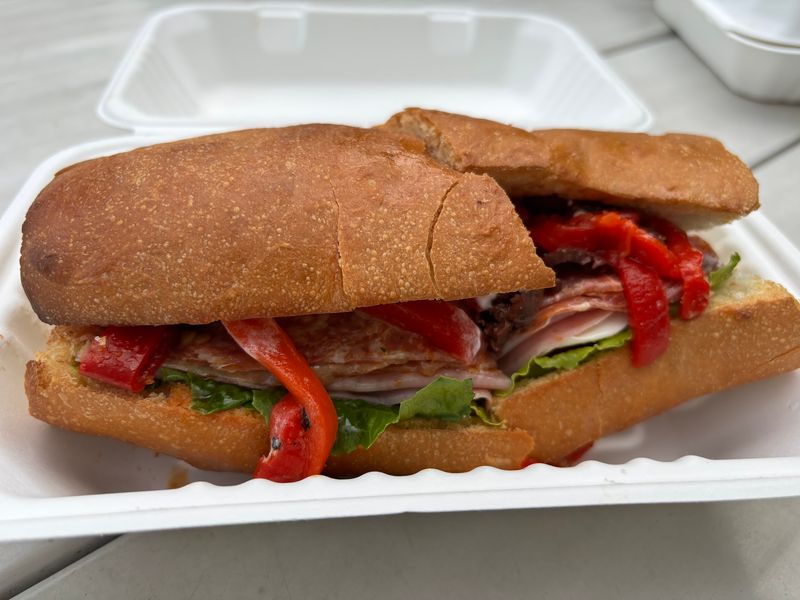
Ask regulars what to order and the sandwich list comes up fast. Since the Romanacci Restaurant Group took over operations in January 2024, the counter has leaned into Italian-style builds that carry through lunch and dinner.
The Caprese keeps things simple with mozzarella, plum tomatoes, and fresh basil. The Supremo goes richer, stacking prosciutto, mozzarella, and arugula, while the Chicken Parm Sandwich and the Meatball Sandwich handle bigger appetites.
There is also the Ruspante, made with grilled or blackened chicken for anyone who wants something lighter but still filling.
Mornings run on a different rhythm. Breakfast sandwiches, quiches, and fresh baked goods come out early, and the coffee moves steadily from the moment the doors open.
Portions get described as generous, and many visitors mention how quickly orders come together once the kitchen finds its groove. Ordering ahead is a smart move on warm weekends, when the line stretches toward the door.
Menus shift with the seasons, so the exact lineup can change, but the basic idea stays steady: deli food built with Italian technique, served in a building older than almost everything around it.
Salads round out the board for anyone who wants something cooler after a swim, and gluten-free rolls have been available for sandwich orders.
4. Roman-Style Pizza Near The Shore
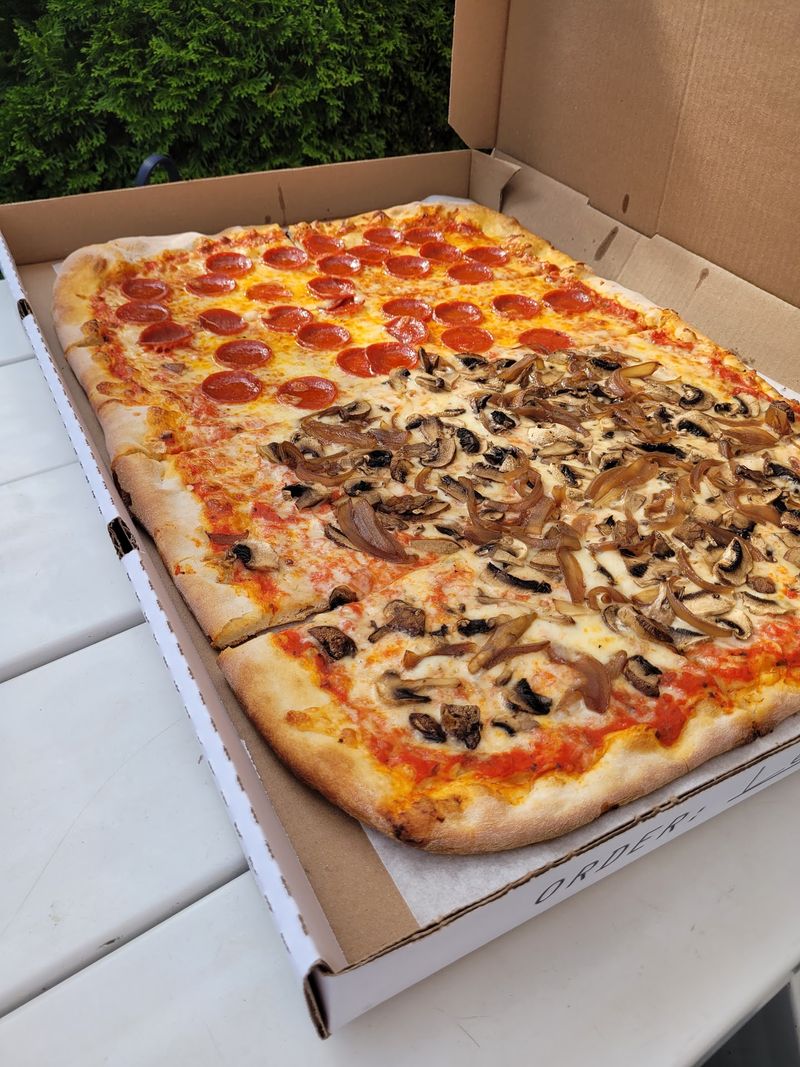
Roman-style pizza is the other headline here, and it comes in two sizes: personal, or an XXL built for sharing at a picnic table.
Classics anchor the list. The Classica is a straightforward cheese pie, and the Margherita arrives with fresh basil and extra virgin olive oil.
Heat seekers usually land on the Piccante, which pairs Calabria peppers with soppressata. The Carni piles on pepperoni, bacon, and sausage, while the Funghi keeps things earthy with wild mushrooms.
Vegetable lovers get the Campagnola, a mix of eggplant, zucchini, mushrooms, and roasted peppers. White pies show up too, including the creamy Cremosa Bianca and a Quattro Formaggi, plus occasional inventive options such as Clams Casino.
Roman-style dough is thinner and crisper than the thick, chewy crusts many people expect, which makes it easier to carry a slice down the road without it collapsing.
Pizza comes up often when people talk about this counter, and takeout is the most common choice by far. Boxes travel well the short distance to the shoreline, which is exactly how many evenings here end.
If you are feeding a group, the XXL is the practical pick, and ordering it before the dinner rush saves time on busy summer nights when the small lot and the counter both get crowded.
5. More Than 500 Donors Behind Its Rescue
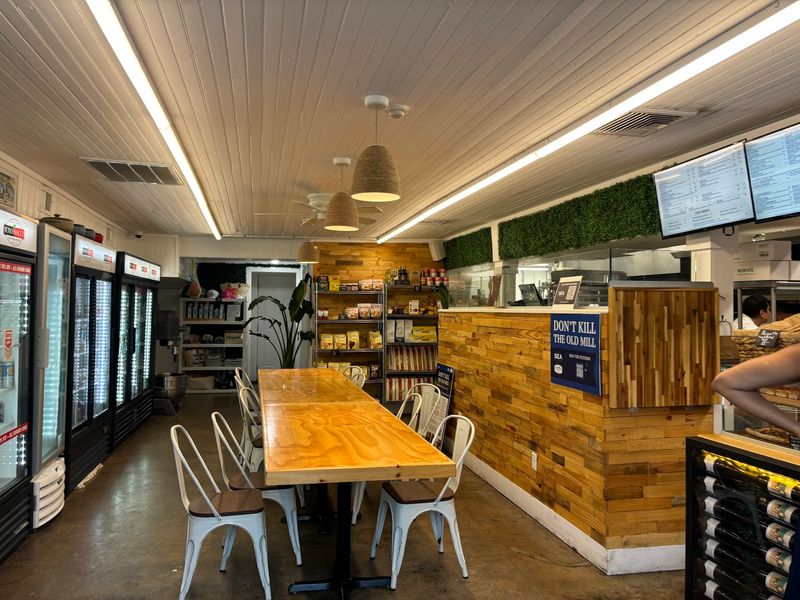
A for-sale sign in 2021 nearly changed this corner forever. With redevelopment and possible demolition on the table, neighbors decided the shop was worth fighting for.
Residents formed a nonprofit, the Soundview Empowerment Alliance, with a clear goal: buy the building and keep it working as a store.
The fundraising response was striking. Roughly 600 people contributed through donations and a public campaign, together raising more than 1.5 million dollars to purchase the property outright.
That figure says something about how the building is viewed locally. It is not a chain, not a novelty, and not a place people simply pass by.
The storefront has carried several names across the decades, including Elvira’s and Kenny’s, and each version added another layer to neighborhood memory. Older residents remember different counters, different signs, and the same salt air drifting through the door.
Preserving a small commercial building is harder than it sounds, since it has to keep earning its keep. That is why the nonprofit brought in an experienced restaurant operator rather than leaving the space idle.
Every sandwich sold now supports a building that hundreds of people paid to protect.
Few communities get a second chance at a landmark like this, and this one made sure to take it.
6. Inclusive Job Training At Its Core
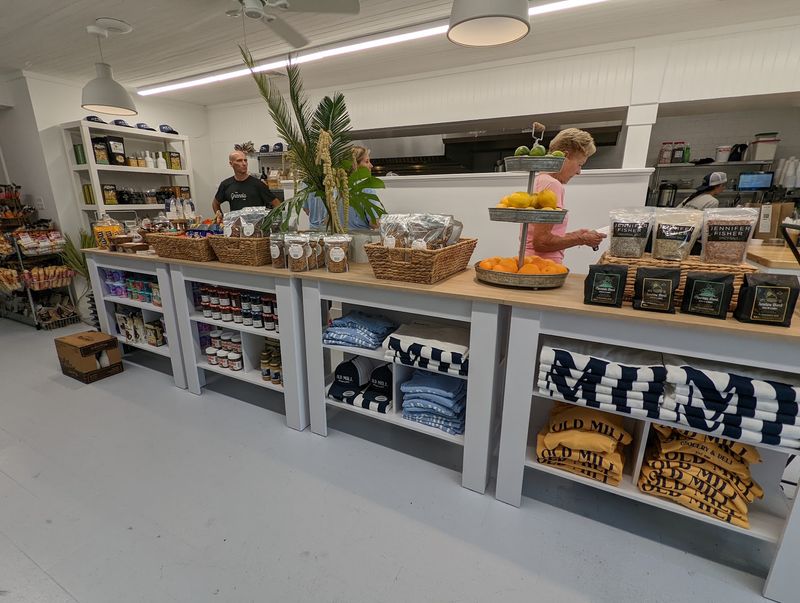
Saving the building was only half the plan. The nonprofit behind the purchase also set out to create inclusive job training opportunities for people with disabilities, using the shop as a real workplace rather than a classroom.
That mission shaped who was chosen to run the operation. When the group selected the Romanacci Restaurant Group as operators, the social component weighed heavily in the decision alongside food quality.
Progress has not been simple. Lengthy and expensive legal proceedings have limited how much the nonprofit can invest in expanding the training programs, and the organization has been open about that hurdle.
Working through those obstacles is described as essential to the dual mission: protect a historic structure and build genuine economic opportunity around it.
For customers, the practical takeaway is simple enough. Buying lunch here is not just lunch, since the revenue supports a nonprofit trying to do two difficult things at once.
Small shops with counters, prep work, stocking, and steady customer contact make good training grounds, which is part of why the model fits this particular space.
Visitors regularly describe the staff as friendly and welcoming, and that tone matters when a workplace is meant to teach as well as serve.
It is an ambitious idea for a shop this size.
7. Summer Weekends At Their Busiest
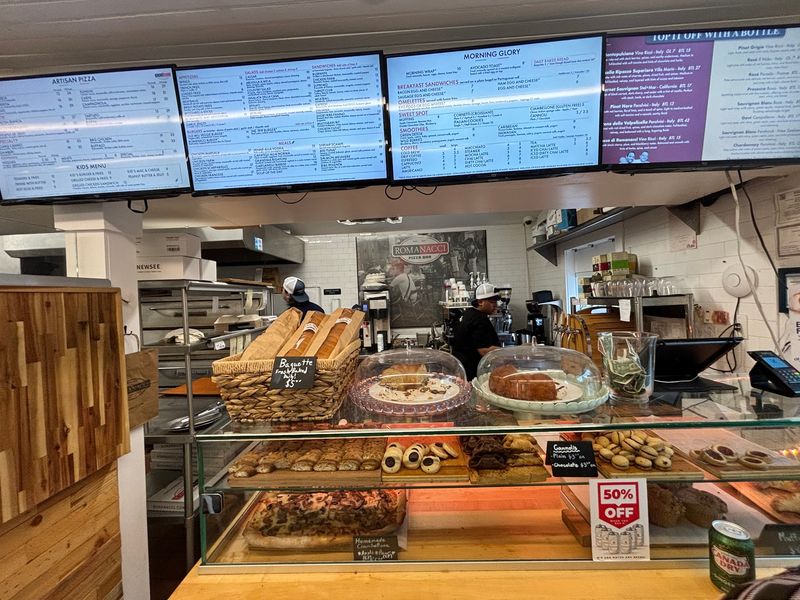
Warm Saturdays turn this corner into something close to a village square. Beach traffic, bikes, and neighbors on foot all converge, and the counter runs hard from mid-morning through dinner.
Summer has always been the busy season here, a pattern stretching back generations. Outdoor seating fills, iced coffee moves constantly, and pizza boxes head for the sand.
Timing helps if you would rather not wait. Early mornings and mid-afternoons tend to be calmer, and ordering ahead by phone can cut the wait considerably on peak days.
The flip side of a beach location shows up in the off-season. From roughly mid-September through mid-June, foot traffic thins out, and community campaigns have encouraged year-round support to keep the shop steady during quieter months.
Winter visits have their own appeal. The room is calmer, orders come out faster, and the shoreline outside looks completely different under gray light.
People often call places like this a third place, meaning somewhere that is neither home nor work but still part of daily life. That description fits, and it explains why so many neighbors treat a coffee run as a social errand.
Come on a busy weekend for the energy, or on a quiet Tuesday for the conversation. Either way, the place rewards a visit.