Black Bears Wander Through This Tiny Idaho Town So Often That Locals Know To Stay On Alert
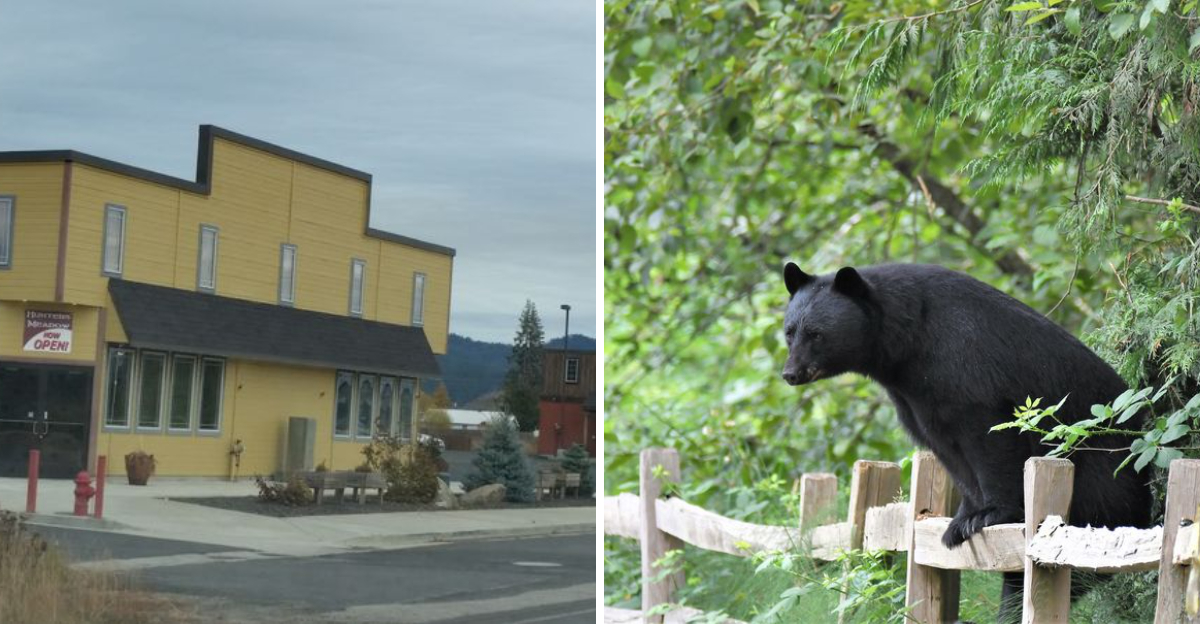
Taking out the trash gets a little more interesting when a black bear may be somewhere nearby.
In one tiny Idaho community of roughly 249 people, wildlife is not something residents only spot on a weekend hike. Bears sometimes wander close enough to town that everyday routines come with an extra glance toward the trees and a little more thought about what gets left outside.
That changes how people live.
Garbage needs more attention than usual, evening walks require awareness, and visitors quickly learn that “cute from a distance” is the only acceptable relationship with a bear.
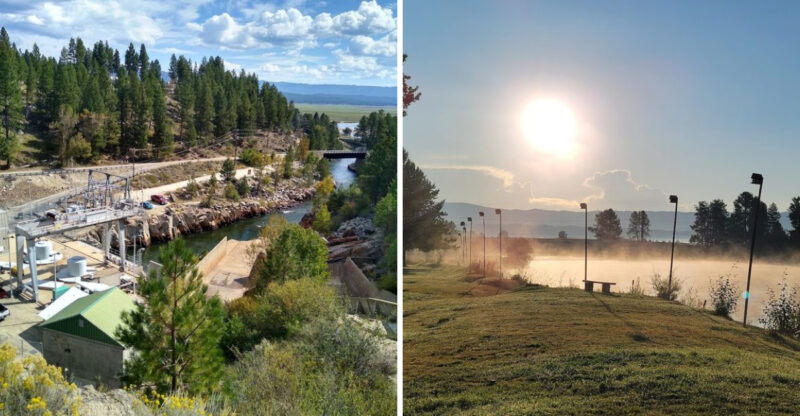
The setting makes the whole arrangement feel even wilder. Mountain ridges rise beyond a broad lake, while forest presses close enough to remind everyone who had the neighborhood first.
For travelers, that is part of the fascination.
This Idaho town may be tiny, but the locals occasionally come with paws.
Keep An Eye Out Even When You Are Just Walking Around Town
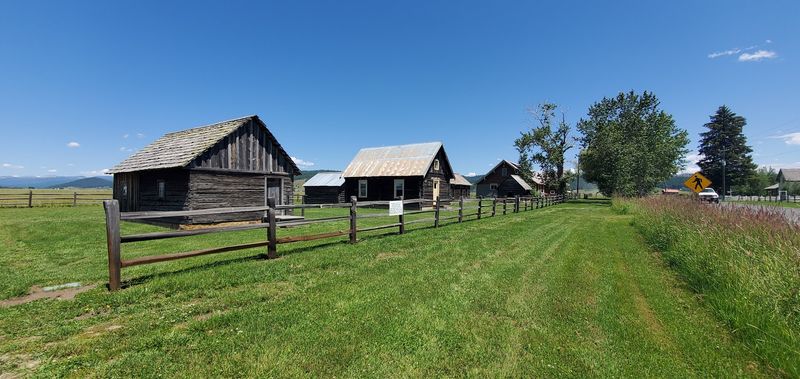
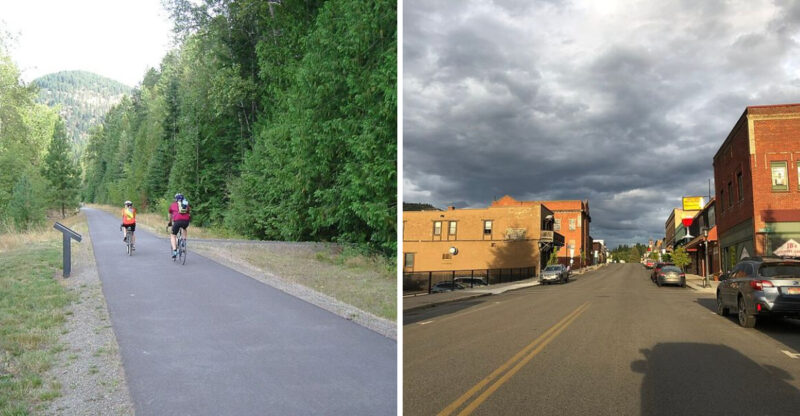
Walking the quiet streets of Donnelly feels wonderfully unhurried, with meadow air, mountain light, and the hush of Long Valley all around you. That same open landscape is why wildlife moves through town without much fuss.
Black bears are most active in the soft light of early morning and again near sunset, which happens to be when many visitors head out for a stroll. Keep your eyes up and your ears open, even on a short walk to grab coffee.
Simple noise helps a lot. Talking with a friend, humming, or clapping now and then lets a bear know you are nearby, and most will quietly leave before you ever spot them.
Idaho Fish and Game recommends staying at least 300 feet away from any bear you do see.
Never approach, feed, or try to scare one off. Keep children and pets close during dawn and dusk hours, and lock house and vehicle doors overnight, since curious bears have been known to test handles in mountain towns.
None of this makes a walk stressful; it simply makes you a more attentive guest in bear country.
You Can Spot Signs Of Bear Activity Before You Ever See The Animal
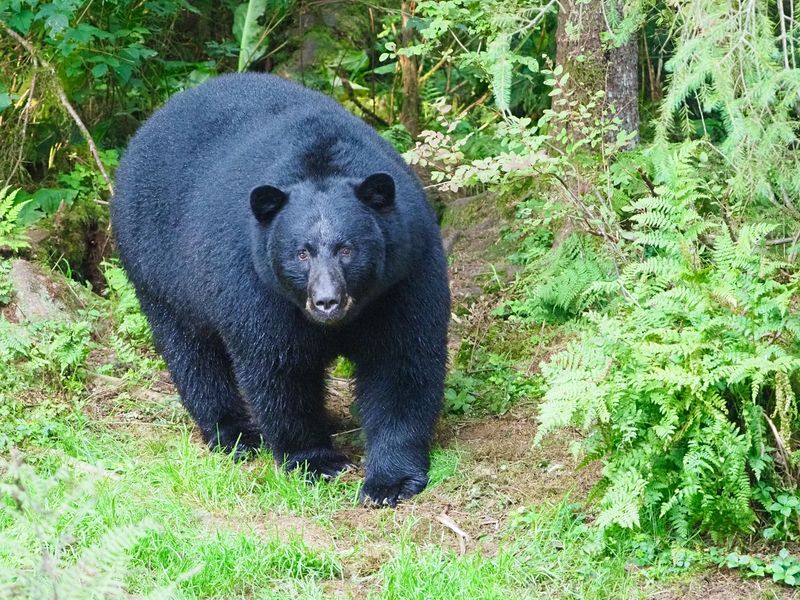
Clues usually arrive before the animal does. Along the trails and field edges near town, look for fresh tracks pressed into damp soil or spring snow, scat on the path, or ground that has been freshly dug.
Rolled rocks, shredded logs, and torn-open ant hills all point to a bear that was busy searching for insects. Those signs are worth reading like a weather report: recent activity means slow down, make noise, and choose a different route if the evidence looks very fresh.
A black bear’s nose does most of the work. Studies suggest they can pick up a food smell from more than five miles off, which explains why garbage cans, pet bowls, bird feeders, backyard gardens, fruit trees, and compost piles pull them toward homes.
Even a barbecue grill still coated with last night’s drippings sends out an invitation. Scrub the grates while they are warm, then store the grill in a closed shed or garage so the scent stays put.
Noticing these small details turns an ordinary walk into something closer to detective work.
Secure Food And Trash Before It Turns Into An Easy Meal

Ask anyone who has lived a winter here and you will hear the same rule: the tidiest yard is the safest yard. Removing easy calories is the single best way to keep bears out of driveways and back porches.
Store trash in bear-resistant containers or inside a hard-sided, locked building, and roll cans out only on the morning of pickup.
Bird feeders are pure high-calorie temptation, so take them down from April through mid-November and hang them only during hibernation months.
Pet food and livestock feed belong indoors or in a secure outbuilding, never on a step. Coolers, spare refrigerators, and freezers should not live outside at all, and burning or burying garbage still leaves scent behind.
Fruit trees need attention too. Pick ripe apples and plums promptly, rake up windfall, and consider electric fencing around orchards, beehives, or compost.
A five-minute evening walk around the property, checking for anything with an odor, becomes second nature after one season. Neighbors who follow the same routine make the whole street far less interesting to a wandering bear.
Expect More Movement As Late Summer Feeding Kicks Into High Gear
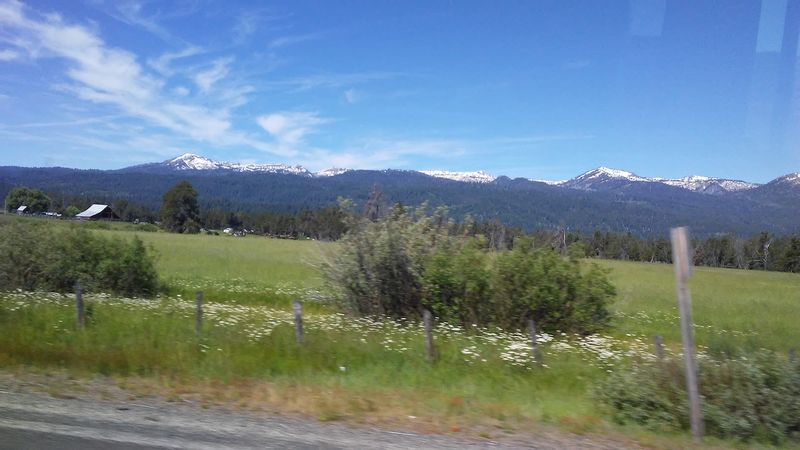
Late August in Long Valley brings ripe berries, cooler nights, and bears with a serious job to do. Biologists call the season hyperphagia, a stretch when a bear may take in around 20,000 calories a day.
All those calories go straight to fat reserves that carry the animal through winter sleep. Foraging becomes nearly nonstop, so bears cover more ground and show up in places they usually skip.
Dry summers make the push more noticeable. When huckleberries and grasses come in thin, bears widen their search, and neighborhoods with fruit trees or unsecured cans start looking like reliable stops.
Black bears are omnivores whose menu leans heavily on plants, berries, and nuts, yet they are practical eaters.
One raided trash bag can deliver more energy than a full afternoon of grazing in the timber, and that math is hard for a hungry bear to ignore.
Plan on extra vigilance from midsummer into early fall, when activity around Donnelly reaches its yearly peak. Campers, cyclists, and porch-sitters all benefit from the same habit of scanning their surroundings.
Stay Alert Around Forest Edges And Quieter Neighborhoods
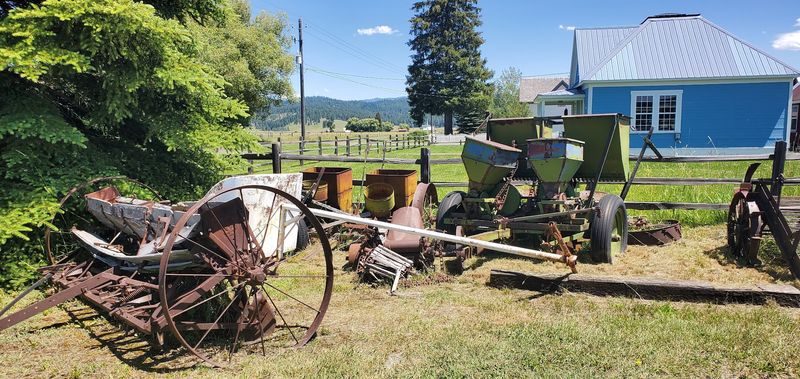
Where mowed lawns give way to lodgepole pines, wildlife has a highway. The town sits on the northeast shore of Lake Cascade at roughly 4,800 feet, wrapped by foothills and timber that bears use as everyday travel corridors.
Bears often follow the same paths people enjoy, especially routes leading to berry patches or creek bottoms. Streets on the outer edges of the community, where houses thin out and brush thickens, deserve a slower pace and a wider gaze.
Early risers walking toward the lake often notice how quiet those edges feel just after sunrise.
Thick willows along a stream bank can hide a feeding bear completely, and rushing water drowns out footsteps. Skip dense brush when a clearer route exists, and speak up as you go with a cheerful greeting so nothing gets surprised.
Sound travels poorly near noisy creeks, so repeat yourself often.
Fresh tracks, scat, or scratched-up soil are your cue to turn around or take a different loop. Those small courtesies keep both people and the black bears of central Idaho out of trouble.
Give Any Bear Plenty Of Space If One Wanders Through
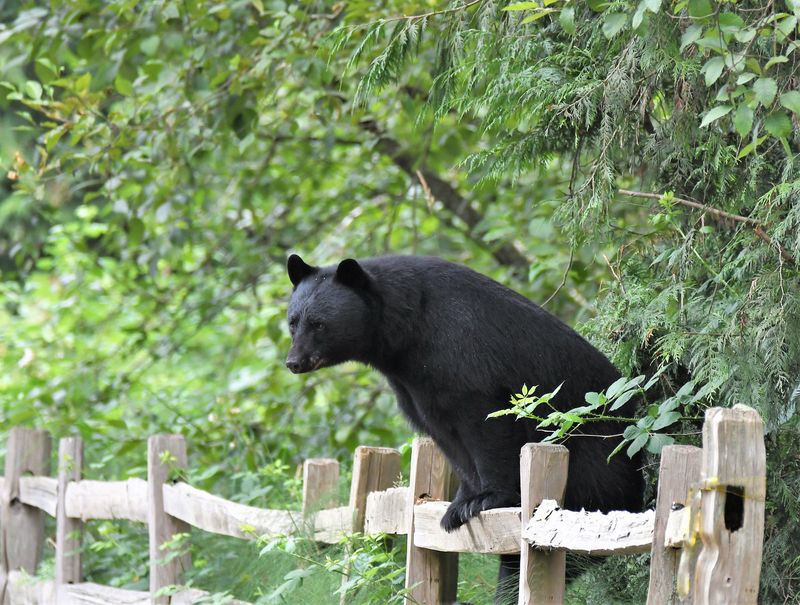
Seeing a black bear cross a meadow is the kind of moment travelers remember for years, and calm behavior keeps it a good memory. Stop, stay composed, and back away slowly while keeping the animal in view.
Running is the one thing to avoid, since a bear can move far faster than any person and a sprint may trigger a chase. Stand tall instead, make yourself look large, and speak in a steady, confident voice.
A bear rising onto its hind legs is usually just trying to see and smell better, not sizing you up for a fight. Aim for at least 100 yards of separation; Idaho Fish and Game suggests a minimum of 300 feet.
Hang onto your backpack rather than dropping it, because a pack full of snacks teaches a bear that people mean food. Carry deterrent spray where you can reach it quickly and know how it works.
Reporting unusual encounters to wildlife officials helps them track local activity and respond early. Photos taken from a distance make the safest souvenir.
Remember That A Curious Bear Can Become A Repeat Visitor Fast
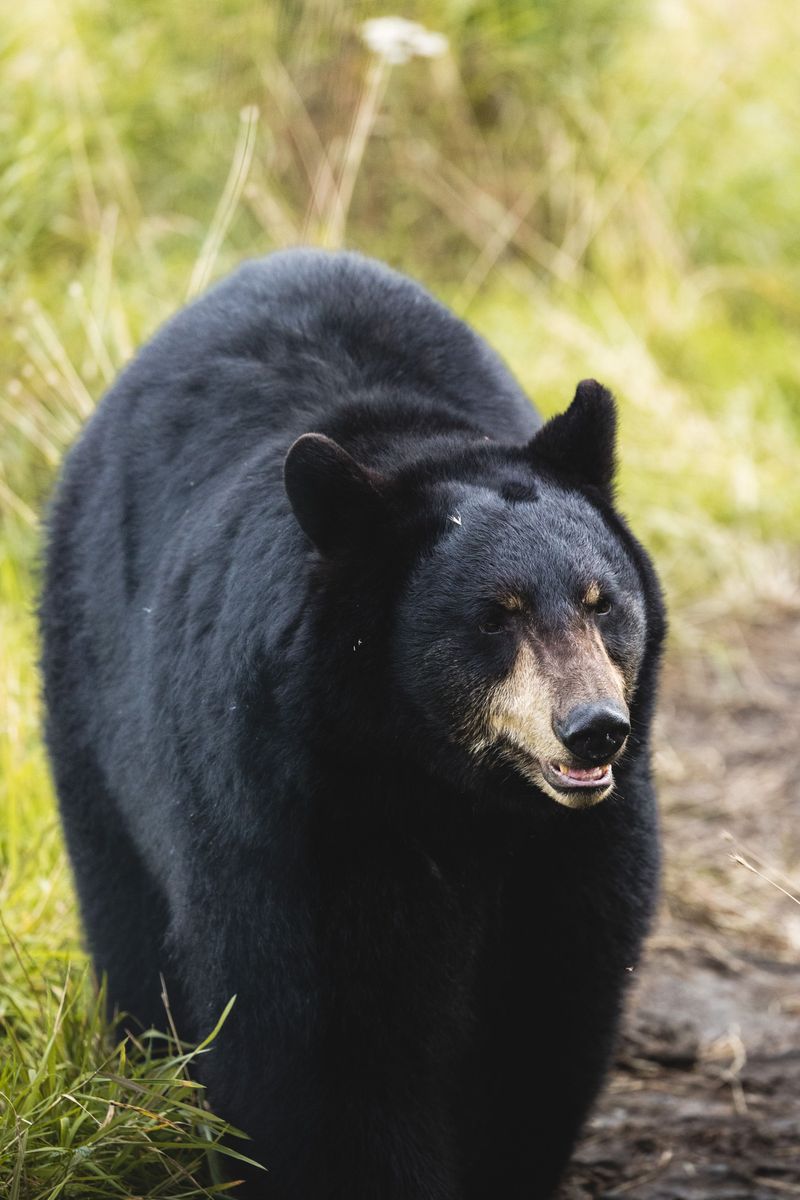
Bears keep mental maps, and a full trash can marks the spot in permanent ink. One easy meal of spilled birdseed or pet kibble is often enough to bring the same animal back the following night.
Memory is the reason a single careless bin can turn a whole block into a regular stop on a bear’s route. Human food is richer and quicker to find than forest forage, which makes the habit hard to break.
Renters and short-term visitors matter here too, since one unlocked bin undoes a neighborhood’s effort.
Repeated success wears away a bear’s natural caution, a change biologists call habituation. A relaxed bear may look harmless strolling past a mailbox, yet it has lost the wariness that keeps it alive.
Those stories rarely end well. Bears that grow dependent on neighborhood food often cannot be relocated successfully, and prevention costs a few minutes while the alternative costs a bear.
Keeping attractants locked up is not just tidy housekeeping; it is how a community protects the bears it enjoys watching from a distance.
See Why Living Near Idaho Wilderness Comes With Extra Responsibility
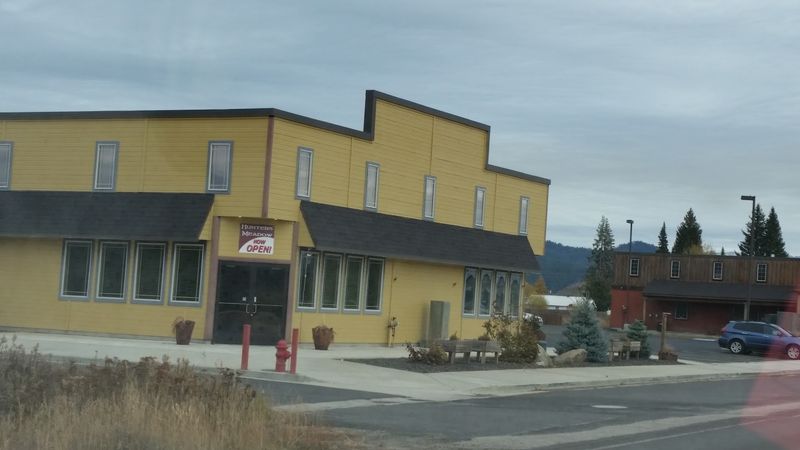
Population 249 at the 2020 census, this Valley County community shares its address with an enormous stretch of public forest. Statewide, an estimated 20,000 to 30,000 black bears roam the mountains, and Long Valley sits squarely inside that range.
More people moving into mountain valleys means more chances for paths to cross. Sharing habitat comes with a plain expectation: keep bears wild by keeping human food out of reach.
Visitors renting cabins near the lake carry the same duty as year-round neighbors.
Being bear aware is less a rulebook than a rhythm of daily life. Latch the shed, rinse the cooler, bring in the dog dish, and glance at the tree line before letting the kids run outside.
The Idaho Department of Fish and Game publishes practical guidance for residents and visitors, and the agency stresses that whole-neighborhood effort works better than one careful household. Free resources cover fencing, storage, and reporting.
What you gain in return is remarkable: alpine water, quiet meadows, and wildness that stays genuinely wild.