Moose Wander Through Idaho Willow Bottoms This Month, So Give Them A Wide Berth On The Trail
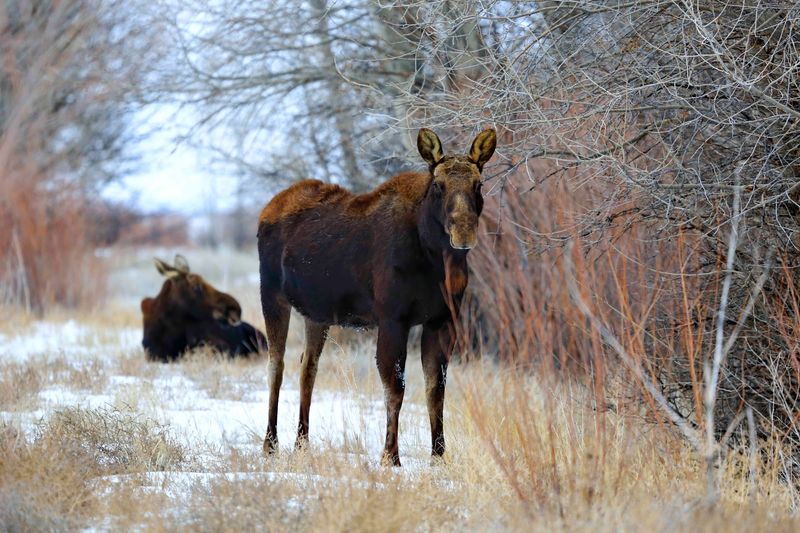
More people get hurt by moose each year than by bears. That fact surprised me, and it should change how you hike in Idaho this fall.
October lands right in the middle of the moose rut. Bulls thrash brush with their antlers and chase cows, and their patience runs thin.
Mothers with calves stay protective too, so the whole family is on edge.
Idaho holds an estimated 10,000 to 12,000 Shiras moose, the smallest of North America’s three subspecies. Small is a funny word for them, though.
A grown Shiras moose still stands taller at the shoulder than most hikers, and it loves the same creek-side willows where our trails wander.
I love that you can spot them without a long expedition. The trick is knowing where they browse and how much room to give them.
So which willow bottom will you be scanning at sunrise?
1. Kootenai National Wildlife Refuge
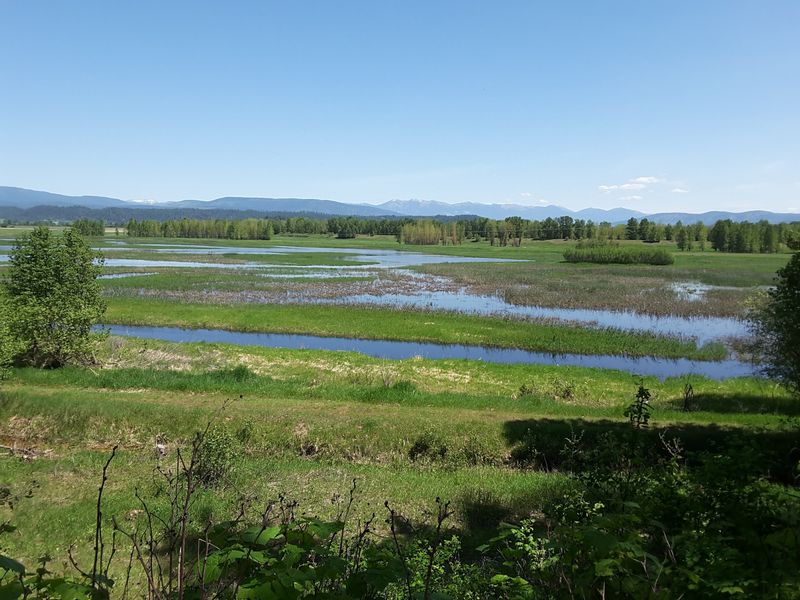
Few places in Idaho put moose on the calendar quite this reliably. Moose live on the refuge year-round, and the biggest gatherings show up in the willow bottoms during fall and winter.
That timing makes October a prime month for a visit to the Panhandle. The refuge sits in the Kootenai River valley near Bonners Ferry, with the Selkirk Mountains rising to the west.
Bring binoculars and plan your arrival for early morning or late evening. Moose are crepuscular, which means they move most around dawn and dusk.
Here’s your first rule for the season: stay at least 75 feet away. If a moose changes its behavior because of you, you’re already too close.
A long lens beats a short walk every single time out here. Let the willows do the hiding, and let your camera do the reaching.
The refuge also hosts plenty of waterfowl, so your outing still pays off on a quiet moose day. Check conditions before driving, since fall weather in North Idaho can turn quickly.
Patience is the main gear you need. Scan the edges where willow meets open water, then wait.
Address: 287 Westside Rd, Bonners Ferry, ID 83805
2. Harriman State Park
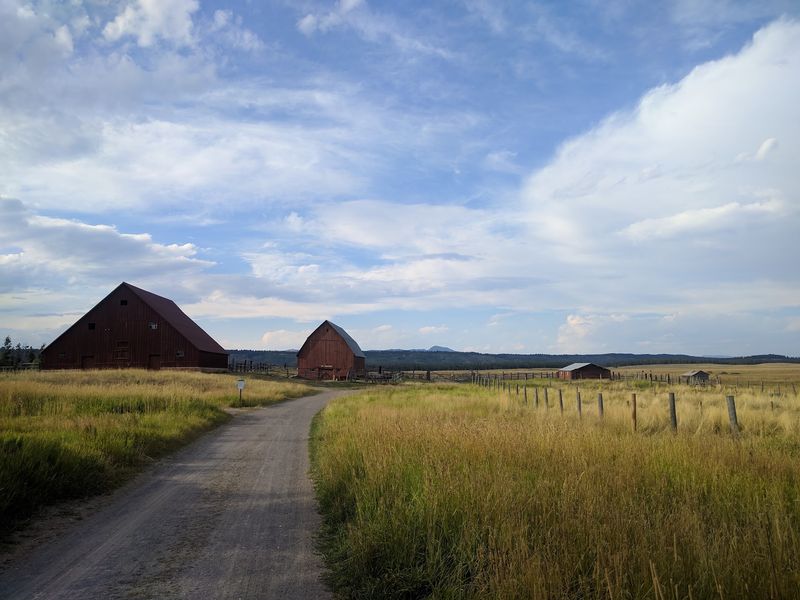
Once a private retreat known as the Railroad Ranch, this eastern Idaho park now belongs to the wildlife and the rest of us. The Henry’s Fork of the Snake River winds right through it.
River willows and open meadows make prime moose country. Trumpeter swans add a little extra drama on the water too.
You’ll find miles of trails here for hiking, biking, and horseback riding. That’s great news for you, and also for the moose who share those paths.
So learn the warning signs before you lace up. A lowered head, pinned ears, and raised hair along the neck all mean back off now.
Lip smacking and showing the whites of the eyes belong on that list as well. Some moose even toss their heads upward when they’re annoyed.
Picture a moose sending you a strongly worded letter. Those signals are the letter, and you should read it from a polite distance.
A park entry fee applies, so check before driving over from Island Park. Early fall mornings here often bring frost on the meadows and a quiet that makes any rustle in the willows feel loud.
Address: 3489 Green Canyon Rd, Island Park, ID 83429
3. Henrys Lake State Park
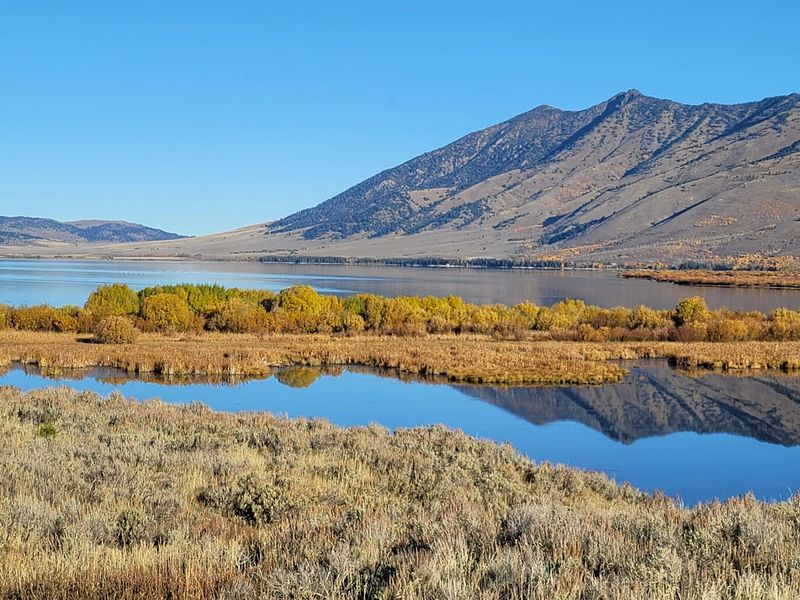
Anglers know this lake for big trout, but moose seem to know it for the shoreline salad bar. The park sits high in the Island Park area, close to the Montana line.
Creeks feed the lake through grassy flats and willow patches. That mix of water and browse is exactly the kind of setting moose favor in Idaho.
Cows with calves deserve extra space during any visit. Mothers stay fiercely protective, and a calf hiding in the brush may be closer than you think.
If you spot a calf alone, look around before you look closer. Mom is rarely far away, and she won’t appreciate your curiosity.
Talk as you walk, especially near thick cover. Wildlife experts suggest calling out something simple like hey moose to avoid surprising anyone.
Yes, you may feel silly saying it to the willows. Feeling silly beats meeting an annoyed moose at arm’s length, though.
The camping season here generally winds down in the fall, so check before driving up late in the month. The elevation means cold mornings, so pack layers along with that binocular strap.
Address: 3917 E 5100 N, Island Park, ID 83429
4. Grays Lake National Wildlife Refuge
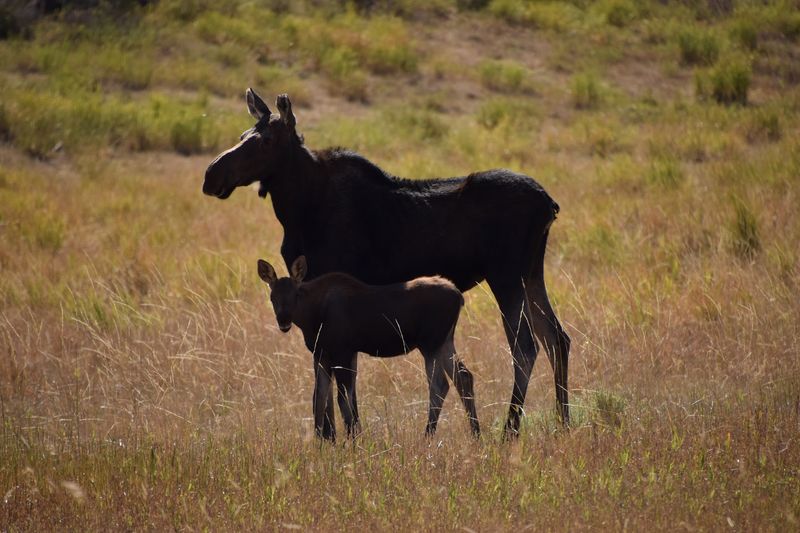
Southeast Idaho hides one of the largest hardstem bulrush marshes in North America at this high-mountain refuge. The wetland stretches across a broad valley near the Caribou Mountains.
Sandhill cranes get most of the headlines here. Moose also use the refuge, so keep an eye on the brushy edges.
Big open views make this a viewing spot rather than a bushwhacking spot. You can scan from the road and overlook areas without pushing into the marsh.
That approach suits moose season perfectly. Distance keeps you safe, and it keeps nesting and resting wildlife undisturbed.
So what happens if a moose charges anyway? Run, and put something big between you and the animal, like a tree, a car, or a building.
Unlike with some predators, running from a moose is the recommended move. Most charges are warnings, and moose rarely chase far.
Roads to the refuge are rural and remote, so fill your tank and check conditions before driving. Fall weather at this elevation can change quickly, and services are sparse around Wayan.
Address: 74 Grays Lake Rd, Wayan, ID 83285
5. Camas National Wildlife Refuge
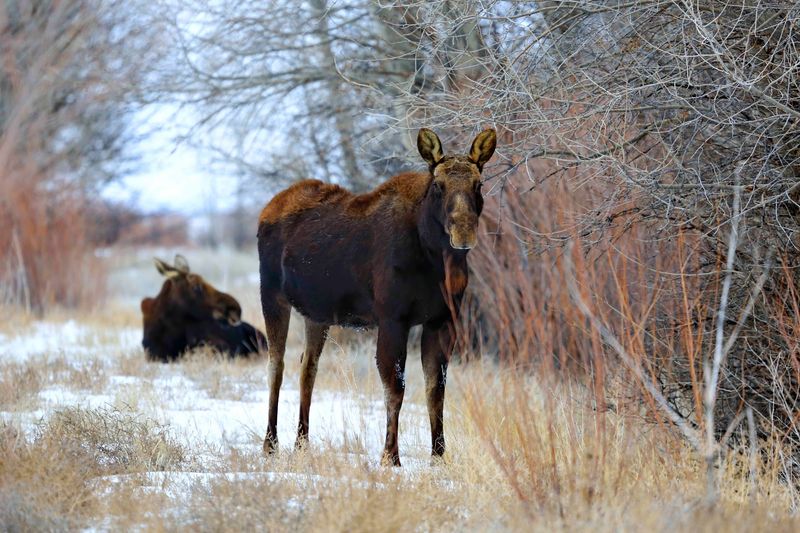
Out on the flat Snake River Plain, you might not expect moose at all. Camas Creek changes the math by threading willows and cottonwoods through the sagebrush country.
Riparian willow and cottonwood stands like these give southern Idaho moose a place to browse. The refuge also has ponds, marshes, and meadows that draw waterfowl.
A driving route and walking areas let you look without wandering deep into cover. Stick to them, and you’ll naturally keep more room between you and any big browser.
Dog owners, here’s your moment. Keep pets leashed anywhere moose may be present, since a barking dog can provoke a charge.
Worse, a dog that runs off can bring an angry moose straight back to you. That’s not the souvenir anyone wants from a fall hike.
Late October and November often push moose toward lower drainages as snow arrives up high. That shift can make sightings more predictable in valley spots like this one.
Hamer sits just off Interstate 15 north of Idaho Falls. That makes the refuge an easy half-day trip for eastern Idaho families.
Address: 2150 E 2350 N, Hamer, ID 83425
6. Bear Lake National Wildlife Refuge
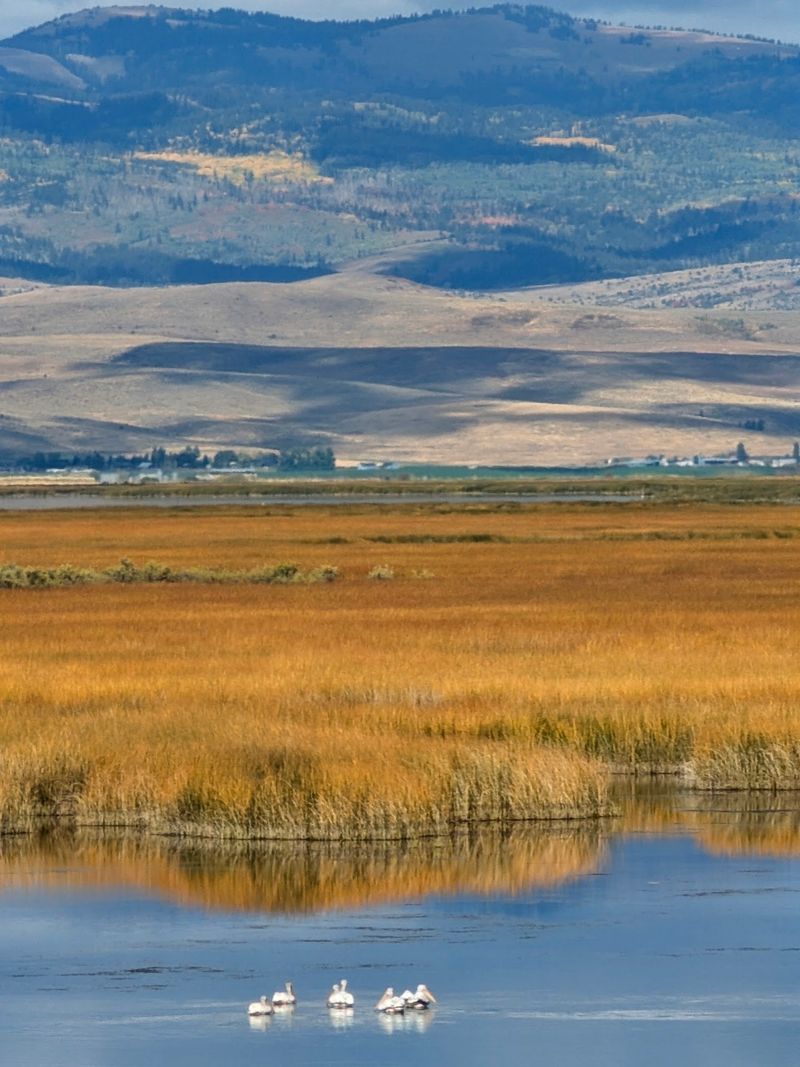
Turquoise Bear Lake gets the postcards, but the marsh north of it gets the moose. The refuge spreads across wetlands in the Bear Lake Valley near Montpelier.
Bear River water feeds the marsh, and willow edges offer moose plenty of browse. Waterfowl and wading birds share the space through the fall.
October bulls here behave like teenagers with new antlers. During the rut, they thrash brush, chase cows, and act far bolder than usual.
The rut usually runs from late September through mid-October. After that, bulls turn their focus to eating heavily before winter arrives.
Either way, a busy bull doesn’t want company. Give him the whole willow patch and enjoy the show from far back.
And if the worst happens and a moose knocks you down? Curl into a ball, protect your head, and stay still until it moves well away.
That sounds scary, and it should be rare with smart spacing. Knowing the plan ahead of time still helps.
The address below is the refuge office in town. Check before driving for directions to viewing areas and seasonal access.
Address: 322 N 4th St, Montpelier, ID 83254
7. Ponderosa State Park
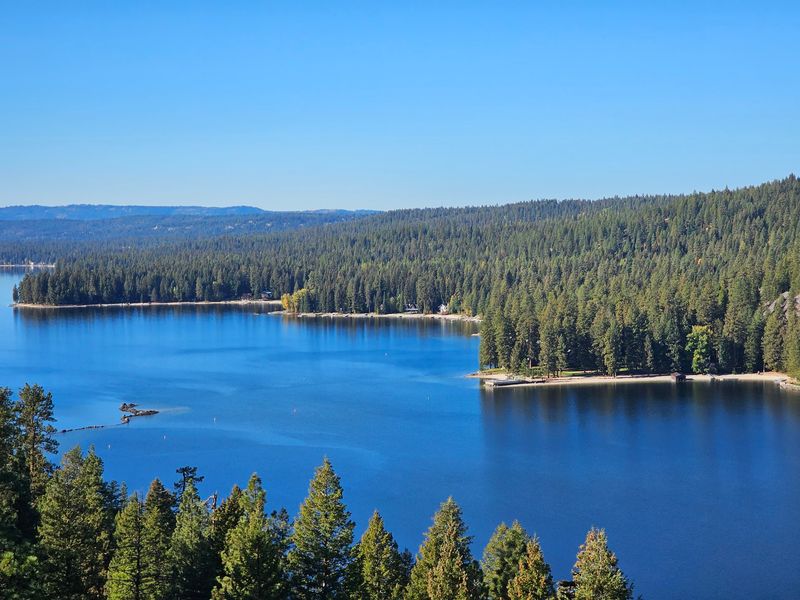
A peninsula poking into Payette Lake gives McCall one of the prettiest moose-watching backdrops in Idaho. Tall ponderosa pines cover much of the park, with marshy meadows tucked between them.
Those wet pockets attract moose, along with deer and plenty of birds. Trails loop through the forest and along the lake, so wildlife and walkers often overlap.
Here’s a sneaky truth about moose: they’re quicker than they look. Those long legs carry them fast, and they move easily through brush that slows you down.
Don’t treat a calm, chewing moose as a friendly one. Calm can change in seconds if you crowd the space.
Morning and evening walks offer the best odds of a sighting. They also come with lower light, so keep your eyes up and your earbuds out.
Fall colors around McCall make this an easy pick for a timed day-out from the Treasure Valley. A state park entry fee applies, so check before driving north.
Bring a jacket, since lake breezes bite this time of year. A thermos of cocoa never hurts either.
Address: 1920 N Davis Ave, McCall, ID 83638
8. Farragut State Park
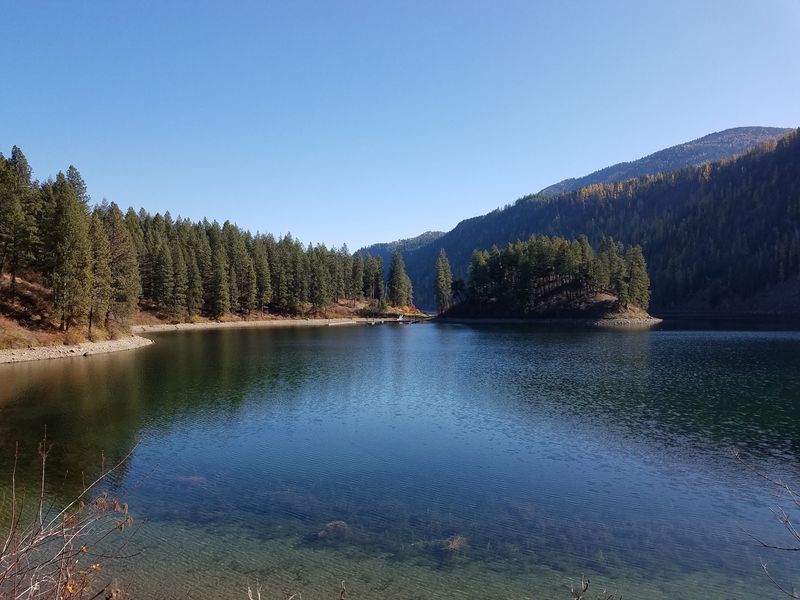
During World War II, thousands of Navy recruits trained on this ground at the southern tip of Lake Pend Oreille. Today the old Farragut Naval Training Station is a sprawling state park.
Forest, meadows, and lakeshore give North Idaho moose plenty of room to roam. Trails crisscross the park, and disc golf courses draw crowds too.
With so many people moving around, surprise encounters can happen. Round a blind corner slowly, and keep your voice going in thick timber.
If a moose blocks the trail, you don’t win that argument. Turn around or wait at a generous distance until it wanders off on its own schedule.
A small museum on site tells the naval training story. It’s a fun stop if the moose stay shy that day.
Fall in the Panhandle often brings golden larch to the hillsides. That makes this a solid pick for an easy Coeur d’Alene area day trip.
An entry fee applies, so check before driving for current details. Then go enjoy the woods, and let the moose keep their personal space bubble.
Address: 13550 E Highway 54, Athol, ID 83801