This South Carolina Warehouse Is Packed With Remarkable Architectural Antiques
I lost track of time somewhere between a hundred year old door and a fireplace mantel that looked like it belonged in a museum. Nobody else was rushing me.
Nobody else was even close by, just rows and rows of history stacked floor to ceiling. South Carolina hides some unexpected finds behind plain looking buildings, and this warehouse might be the best example.
Carved mantels, iron gates, stone urns, salvaged pieces from homes and buildings that no longer exist. Every item carries a story, even if nobody working there knows the full details anymore.
South Carolina rewards people who wander off the obvious path, and this place proves it completely. I walked in looking for one small piece and left three hours later, still not done exploring.
If you love finding things nobody else has, this warehouse deserves an entire afternoon.
Four Thousand Square Feet Of Salvaged History
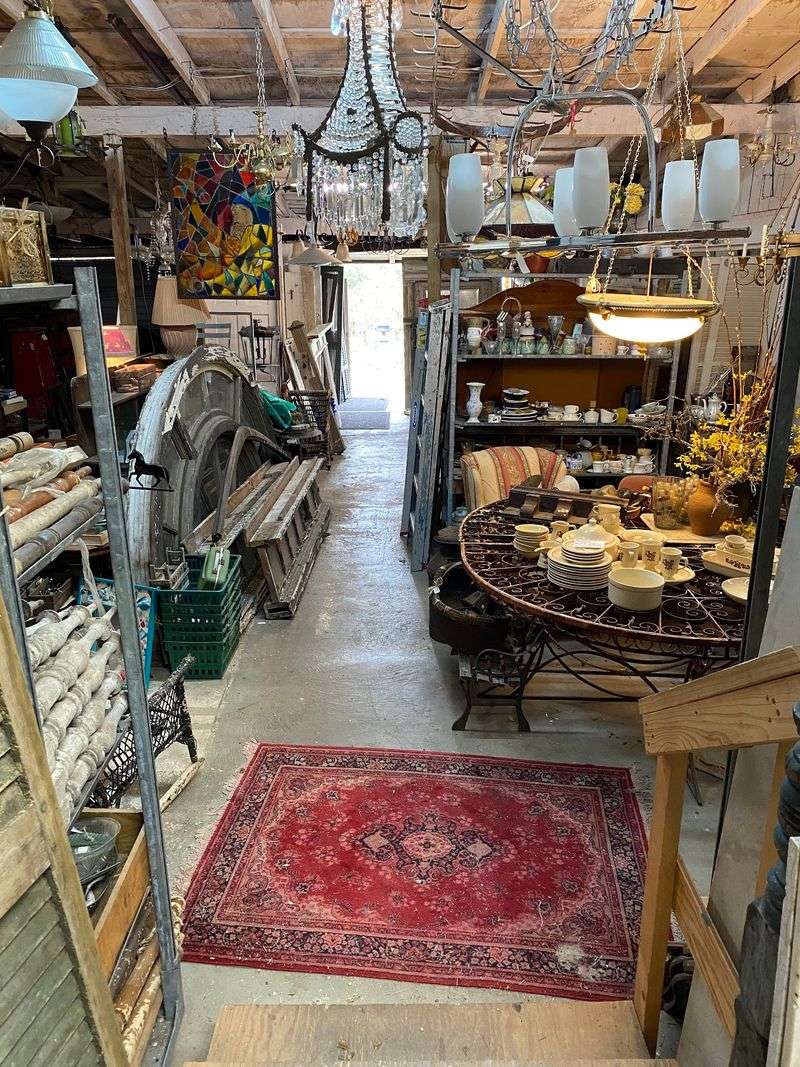
The front entrance is small, almost shy. Behind it sits roughly 4,000 square feet of salvaged architecture stacked floor to ceiling.
Doors lean in rows like books on a shelf. Windows, mantels, balusters, case trim, tiles, and columns fill every open wall.
Much of the collection was gathered over 25 years. Some pieces came from local historic homes, others traveled here from other countries.
Rooms open into more rooms, which is part of the fun. You think you have seen everything, then another doorway appears.
Bring a tape measure if you have a project in mind. Height and width matter more than looks when you are shopping for a door or mantel.
Photos help too, especially of the wall or room you are trying to fill. It saves a second trip across town.
Comfortable shoes are a smart idea because the floor plan rewards slow walking. Rushing here means missing the good stuff.
Plan for at least an hour, though many visitors stay longer. The address is 1011 St Andrews Blvd A, South Carolina, and the shop is Architectural Antiques & Design.
A Garden Yard Filled With Iron And Stone

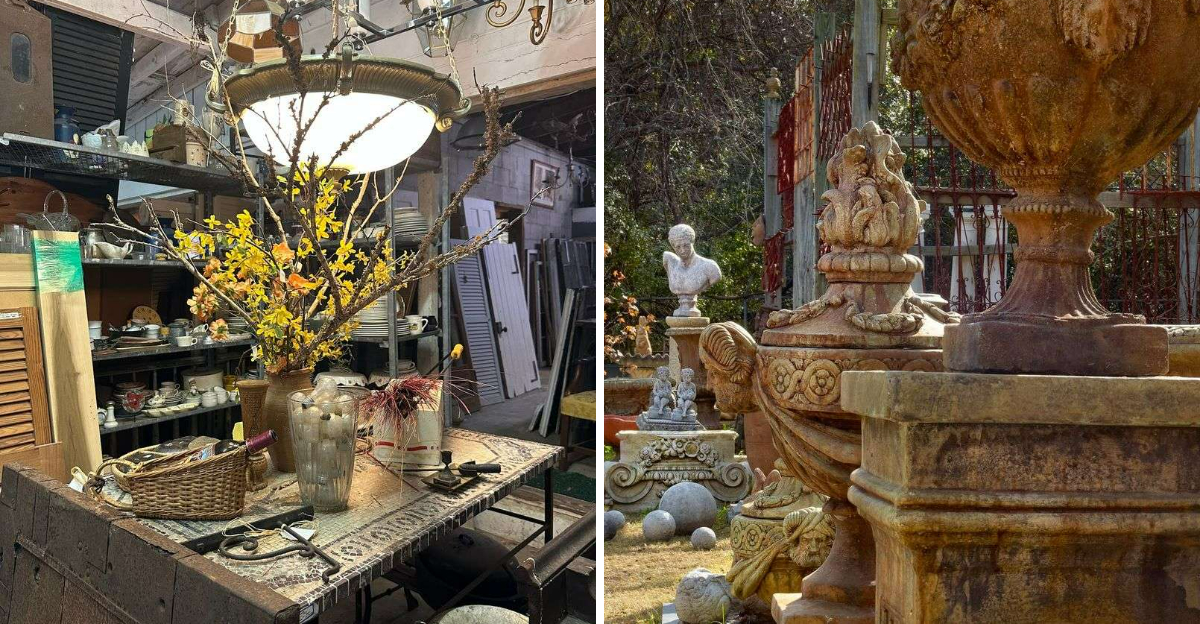
Skip the outdoor area and you miss nearly half the experience. Roughly two-thirds of an acre sits outside, loaded with antique iron and stone.
Urns, birdbaths, statuary, and fountains sit in loose rows. Weather has softened the surfaces, which is exactly what garden lovers want.
Cast iron pieces show real age, with texture you cannot fake. Stone items carry moss and patina earned over decades.
Birdbaths here are priced reasonably, which surprises a lot of first-time visitors. They make an easy starter purchase for a small yard.
Think about weight before you fall in love. Stone and iron are heavy, so plan your vehicle and helping hands ahead of time.
A flat, level base matters for tall urns and pedestals. Sinking or tilting ruins the look fast.
Pairs are worth watching for, since matched urns flank a doorway beautifully. Single pieces work better as a focal point in a bed.
Give yourself extra time outdoors, especially on a clear morning. The light makes the older surfaces look their best.
Lowcountry Doors And Mantels With Real Provenance
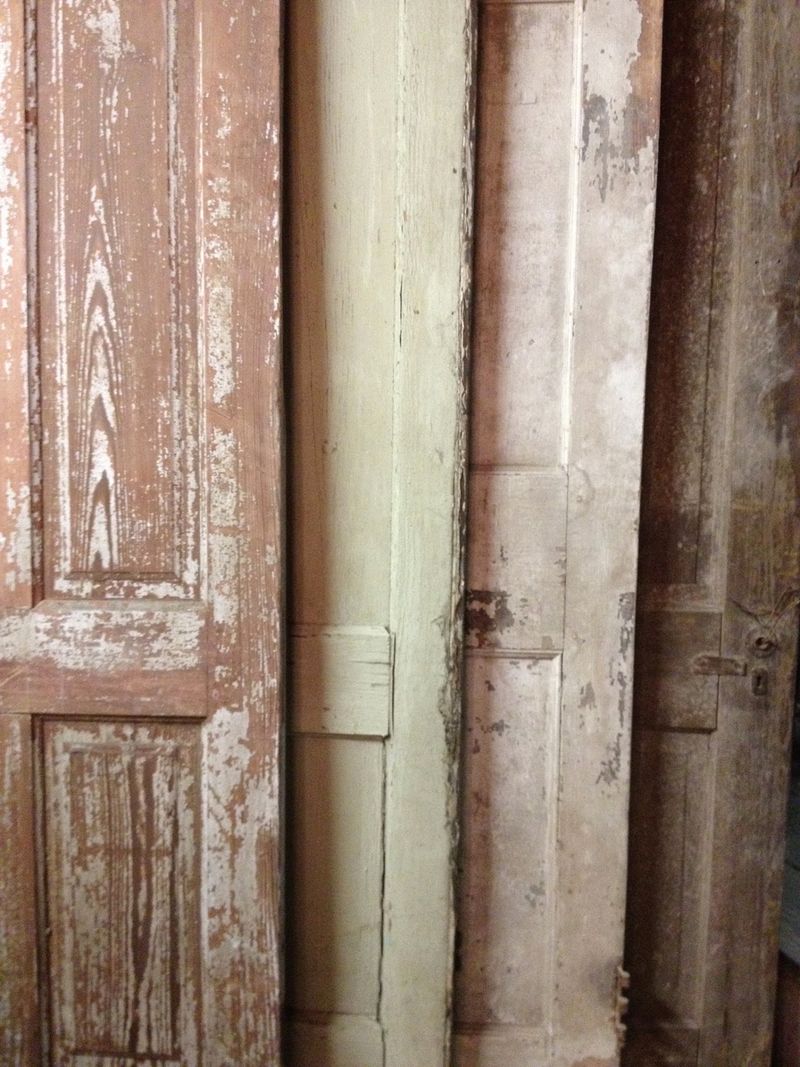
Every door here once belonged somewhere specific. Many were rescued from historic homes in this city, which gives them a story you can trace.
Mantels are a standout category. Some are simple and painted, others carved with detail that modern millwork rarely matches.
Layers of old paint show years of changing taste. Collectors often leave that finish alone on purpose.
If you are shopping for an exterior door, ask questions early. Exterior doors may need to meet current building and safety requirements, so consult a qualified contractor before installation.
Interior use opens up far more options. Old doors work as pantry doors, sliding barn-style panels, headboards, and tabletops.
Measure the opening, then measure it again. Older doors come in odd sizes that rarely match today’s standard frames.
Hardware is worth checking too, since original hinges and knobs add character. Sometimes they come with the piece.
Fireplace mantels need a proper clearance check before installation. A contractor can confirm the fit before you buy something heavy.
Ask about origin while you browse. Knowing the house a piece came from makes it far more meaningful.
A Philip Simmons Wrought Iron Gate
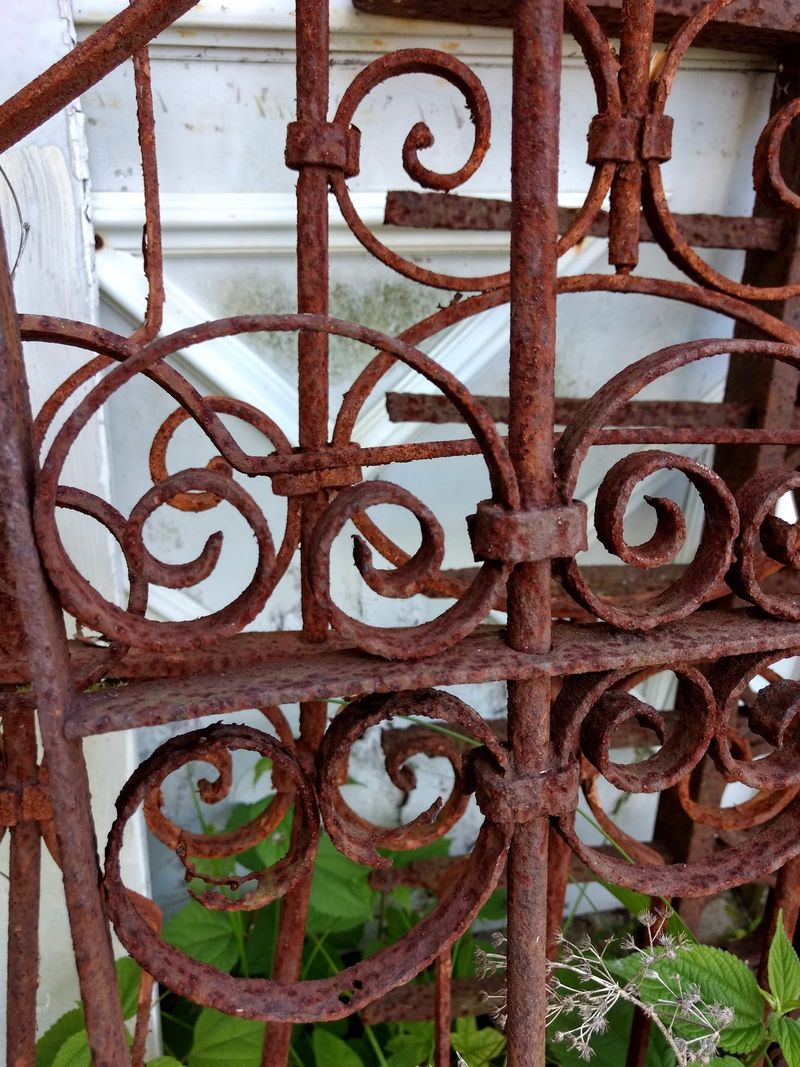
Some items stop you mid-step. The collection has included an authentic wrought iron gate by celebrated Charleston blacksmith Philip Simmons.
Simmons was the city’s famous late blacksmith, and his work is scattered across historic neighborhoods. Seeing one indoors, up close, feels unusual.
Hand-forged iron looks different from factory work. The curves are slightly uneven, and the hammer marks are visible.
That small irregularity is the whole point. It shows a person shaped the metal, one bend at a time.
Gates like this often get repurposed rather than reinstalled. Mounted flat on a garden wall, iron becomes sculpture.
Others use panels as headboards or turn them into table bases with glass tops. The shape holds up either way.
If you are new to iron, ask about care. A light protective coating slows rust without hiding the surface.
Provenance matters most with named craftsmen. The staff know their inventory well and share history without hesitation.
Even if you are not buying, take a good look. Pieces with that pedigree do not sit around forever.
Sparkle From Chandeliers To Mirrors
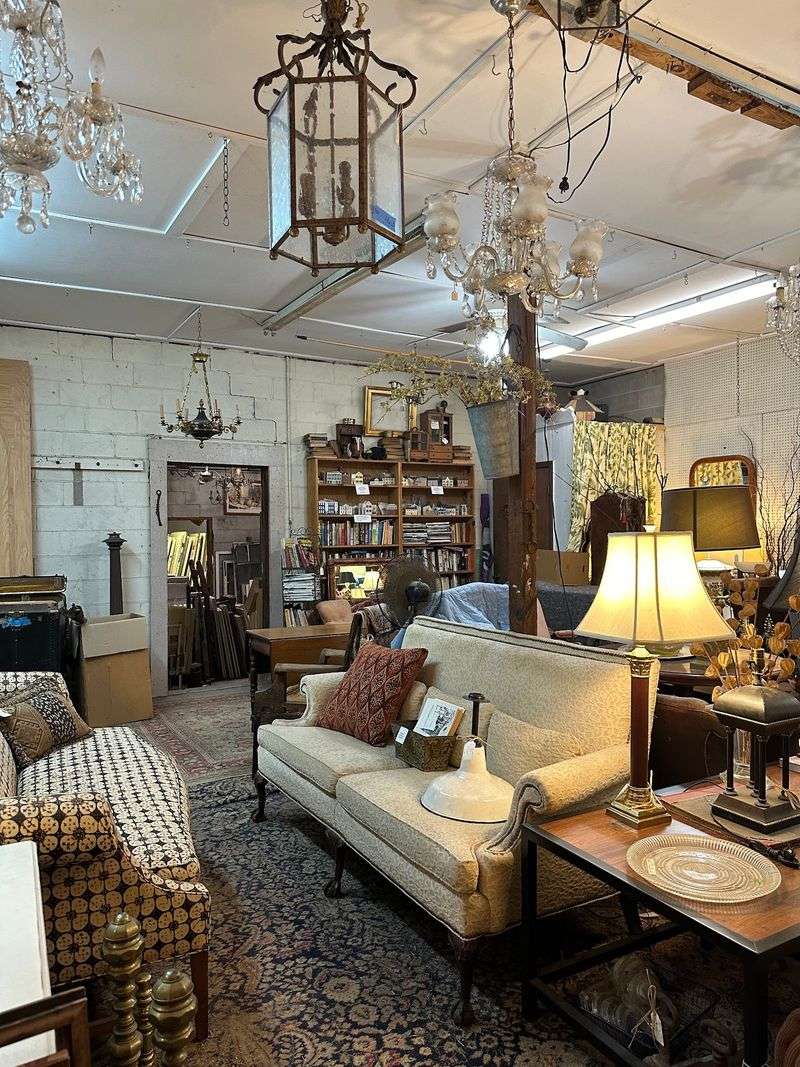
Look up while you walk. Lighting hangs overhead, and the crystal catches whatever sun sneaks through.
The changing inventory may include vintage chandeliers, lamps, mirrors, and other decorative pieces. It looked like something from a formal dining room in another era.
Lamps, mirrors, and rugs are mixed through the inventory too. Decorative arts sit alongside the heavy architectural pieces.
Mirrors are the easiest win for most homes. An old frame with a slightly cloudy glass adds warmth instantly.
For chandeliers, check the drop length before buying. Ceiling height decides whether a fixture feels grand or awkward.
Rewiring is common with vintage lighting, and an electrician handles it quickly. Ask whether the piece has already been updated.
Crystal cleans up with a soft cloth and patience. Skip harsh sprays that can dull metal finishes.
Smaller lamps make good first purchases if you are testing the antique waters. They travel home easily in a back seat.
Ask about the origin story of anything that catches your eye. The answers are usually better than expected.
Local Craftsmen Turning Salvage Into Furniture
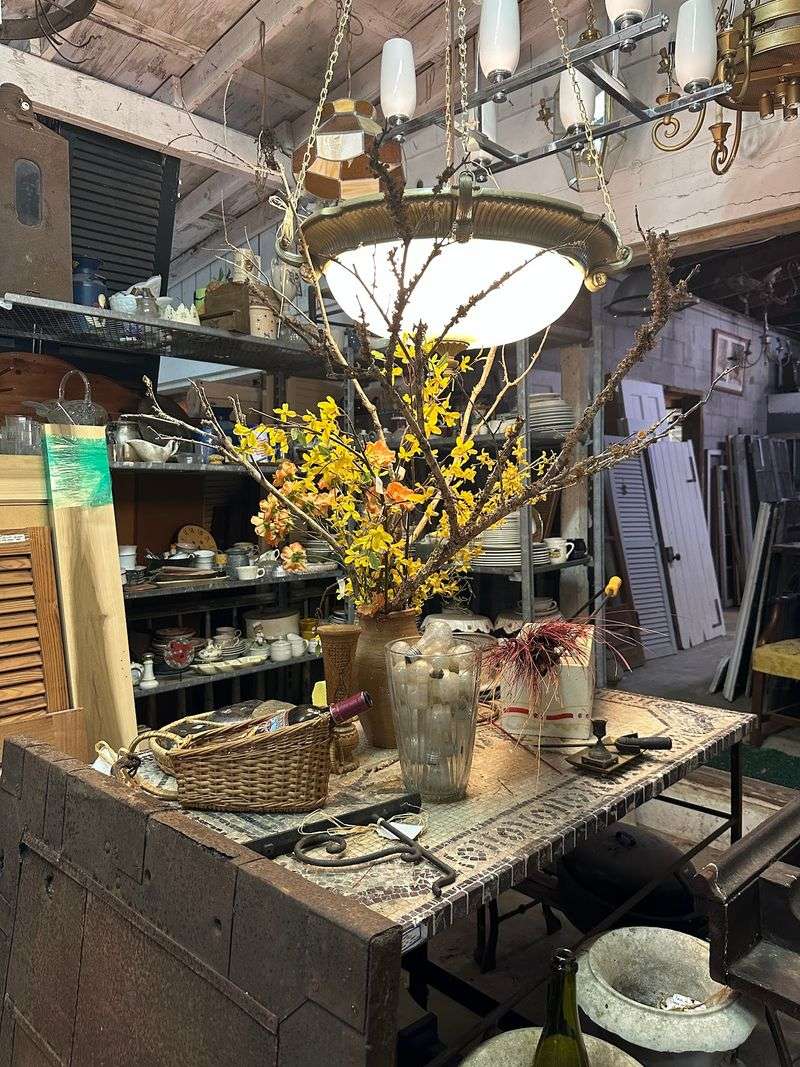
Salvage does not always stay in its original form. Local craftsmen here transform antique iron and found objects into tables and lamps.
An old iron base gets a new top and becomes a console. Odd hardware turns into a lamp with a shade.
Each finished piece ends up one of a kind. No factory is making a second one.
That approach appeals to anyone who dislikes matching furniture sets. Your table will not appear in a neighbor’s house.
Reuse is the driving idea behind it all. Materials that might have been discarded get decades of new life.
Bring your own idea if you have one. Visitors are encouraged to imagine how a piece could work in their space.
Sketches or phone photos help the conversation along. Talking through dimensions early avoids disappointment later.
Mixed-material pieces suit modern rooms surprisingly well. Old iron against clean white walls looks intentional, not dated.
Ask which items were made locally. Knowing a nearby craftsman built your table makes it feel personal.
Designer Fabrics At Prices Worth Knowing About
Here is the part most casual shoppers never discover. Special-order fabrics are priced at 35 percent above wholesale, which may still be below standard retail pricing.
Names like Donghia and Unique are part of that access. For anyone reupholstering a chair, the savings add up quickly.
Remnant bolts also show up at a fraction of wholesale cost. Small projects benefit most from those.
Pillows, cushions, and bench seats need very little yardage. A remnant can cover all three.
Bring a photo of your furniture and any existing color samples. Matching in person beats guessing from memory.
Ask about repeat patterns before ordering. Large repeats require extra yardage to line up correctly.
Durability ratings matter for anything that gets daily use. A pretty silk belongs on a decorative pillow, not a family sofa.
Special orders take time to arrive, so plan around your project deadline. Rushing fabric never ends well.
Pair a fresh fabric with an antique frame for a great result. Old bones, new skin, and a room that looks custom.
Cast Stone Backed By Serious Credentials

Not every garden piece needs to be centuries old. Fine cast stone is offered here for outdoor spaces, and the credentials behind it are impressive.
The cast stone partner company is a licensee for both The Historic Charleston Foundation and the Biltmore Collection. That is not a small detail.
They create cast-stone reproductions based on antique originals and historic designs. Designers working on period homes appreciate that precision.
Reproductions solve a common problem. Antique pairs are hard to find, but matching cast stone can be ordered.
Reproductions provide an alternative for buyers who cannot find matching antique pieces. Budget-minded gardeners get the look without the hunt.
Cast stone handles weather well when installed properly. A solid, level base prevents cracking and settling over time.
Mixing genuine antiques with accurate reproductions works beautifully. Guests rarely notice which is which.
Think about scale before ordering. A fountain that overwhelms a small courtyard is a common mistake.
Ask to see the available catalog styles. Options range from planters and finials to larger fountain designs.
A Door That Won On HGTV’s Rock The Block
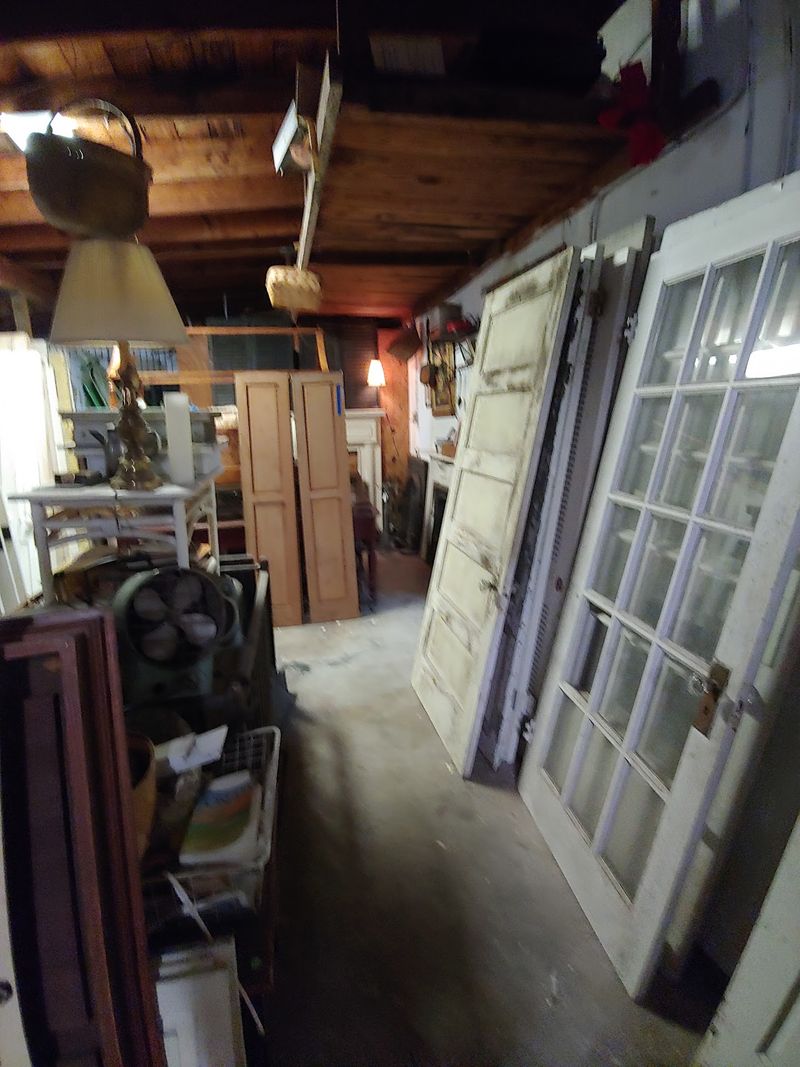
Television producers noticed this warehouse too. It appeared on Season 3 of HGTV’s Rock the Block.
Design team Jenny and Dave Marrs found a historic door in the inventory. They installed it as a kitchen pantry door and earned a design win.
The idea is easy to copy at home. An old door instantly gives a new kitchen some age and personality.
Pantry doors, closet doors, and laundry room entries all work. None of them need to meet exterior requirements.
Sliding hardware makes odd sizes easier to use. A door that does not fit a frame can still glide across an opening.
Keep the original finish if you can. Sanding away old paint often removes the very charm you bought.
Hours run Monday through Saturday, 10 a.m. to 5 p.m., with Sunday closed.
The drive from downtown takes about eight minutes. Look carefully in West Ashley, because the entrance sits back between neighboring businesses.