9 Little-Known Spooky Attractions In Idaho Worth Discovering
I am not saying every old building needs a ghost story, but it certainly makes the road trip more interesting.
Idaho has eerie attractions where mining history, old prisons, lava caves, and local legends give curious travelers plenty to investigate.
Some stops lean heavily on documented history, while others come with stories that have been passed around for years.
That mix keeps things fun without needing to decide what you believe.
You might tour a preserved site in daylight, then hear a tale that makes the same place feel completely different afterward.
Bring curiosity and a warm layer. These are the kinds of detours that give a regular weekend a little extra mystery.
1. Old Idaho Penitentiary, Boise
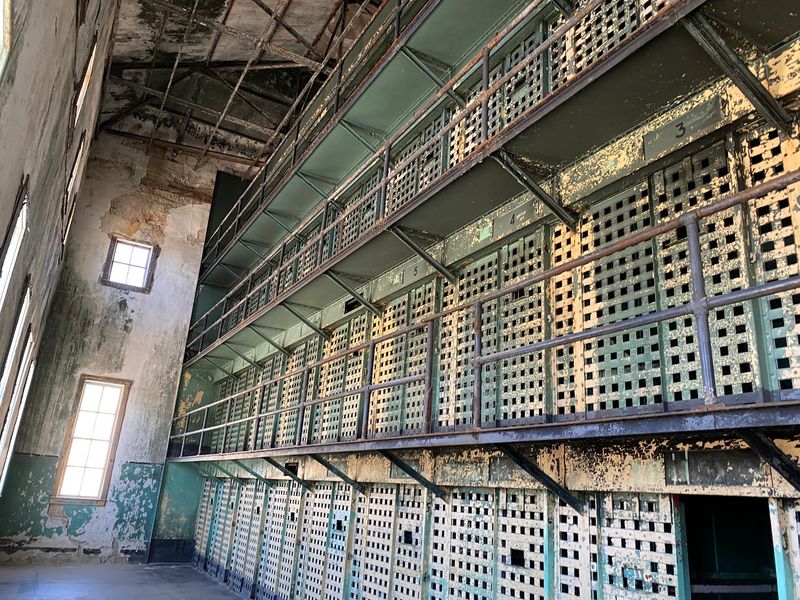
You could have knocked me over with a feather when I learned how far back this sandstone fortress goes. It opened in 1872, when Idaho was still a territory.
Prisoners quarried and stacked much of the stone themselves. Over roughly a century, more than 13,000 inmates passed through the gates.
A destructive riot finally closed the facility in 1973. Today the Old Penitentiary sits preserved as a museum you can wander at your own pace. Cell doors stand open, and paint peels in long curls off the walls.
Guests often describe a heavy, pressing feeling in certain corridors. Phantom footsteps get reported in halls that are clearly empty.
Disembodied voices show up in many accounts too. Some people say unseen hands have brushed or nudged them.
Cell Block 5 draws the most attention from the curious. That area held Raymond Allen Snowden before his final sentence.
Solitary confinement earned the grim nickname Siberia. Standing inside it, even skeptics tend to get quiet.
Bring a jacket, because the stone keeps the chill long after sunrise. Photographers love the rose garden framed against those tall walls.
Give yourself two hours minimum to see the exhibits properly. Special evening programs run in October and sell out early.
The site sits at 2445 Old Penitentiary Rd, Boise. Few historic attractions balance education and goosebumps quite this well.
2. Idanha Hotel, Boise
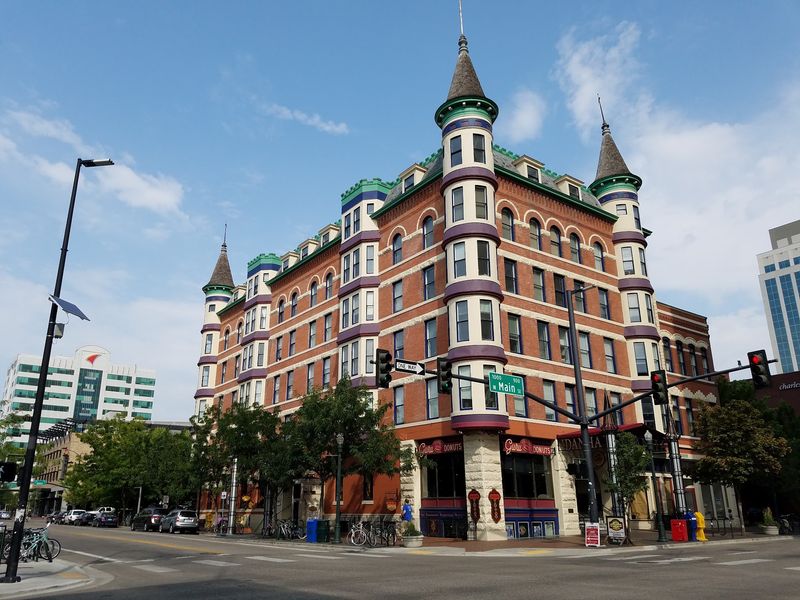
My jaw dropped reading about the elevator that reportedly runs itself. Built in 1900, this French chateau style landmark once welcomed the wealthiest travelers rolling through town.
Corner turrets and steep rooflines still make it one of downtown’s most photographed facades. For years it ranked as the fanciest lodging for miles.
Crews converting the Idanha Hotel into apartments reported odd events during the work. Lights flicked on and off with nobody near the switches.
Moaning sounds drifted between floors. A misty gray shape has been described inside the building more than once.
One enduring legend tells of a murdered bellman whose spirit supposedly still rides the elevator, though versions of the story differ on when and where his life ended.
The fourth floor gets named most often in those accounts. Another tale involves a woman said to linger in the basement levels.
Residents on the third and fourth floors describe a pushy presence. Some claim it has yanked sleepers right out of bed.
Since the building holds private apartments, respect the residents and admire it from the sidewalk. Evening light makes the brickwork glow beautifully.
Downtown walking tours often pause here to share the stories. Pair the stop with a stroll along Main Street for architecture spotting.
You will find it at 928 W Main St, Boise. Turns out some guests never bothered checking out.
3. Bayhorse Ghost Town, Challis
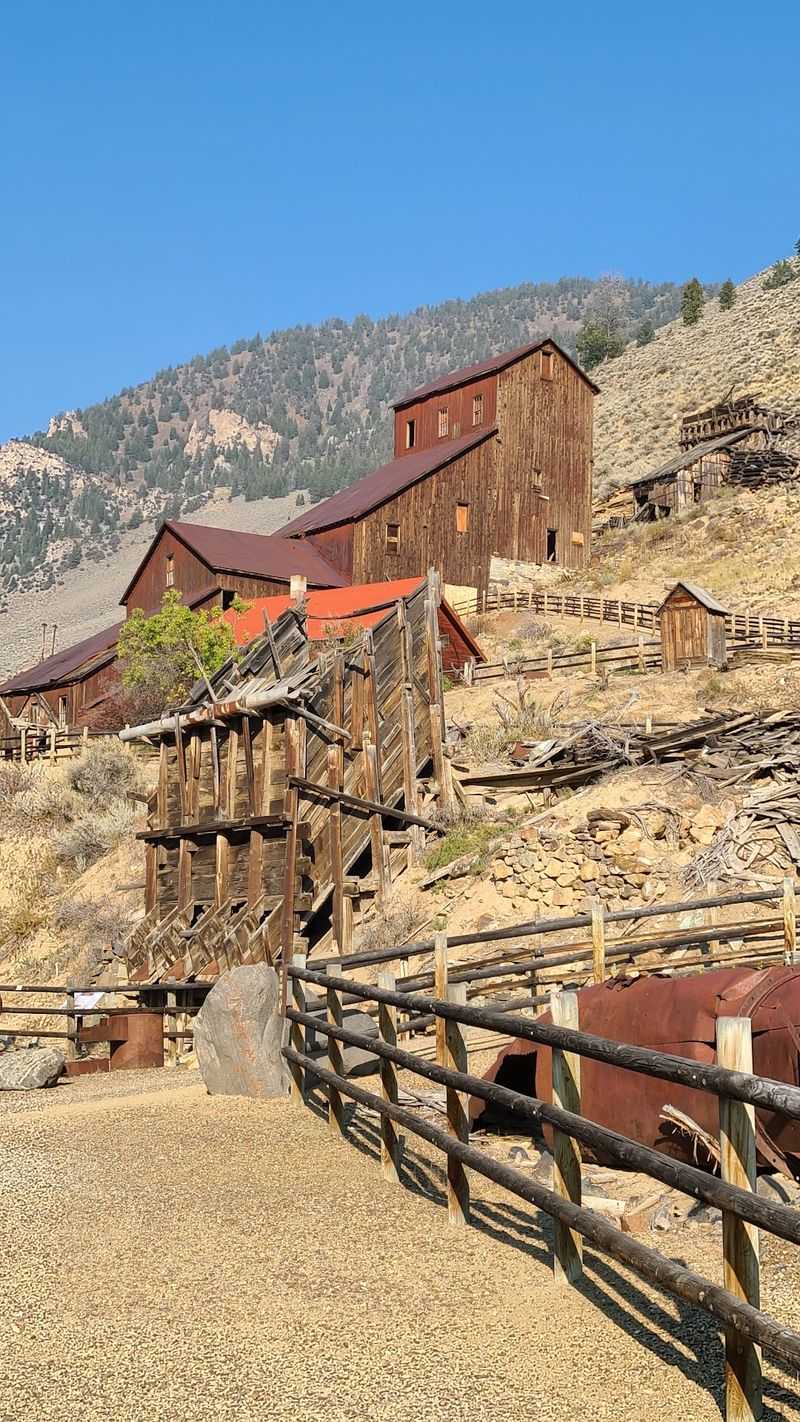
Just imagine gravel crunching underfoot while wind rattles the last panes of glass in a forgotten mill. Silver and lead built this camp starting in 1877.
Bayhorse Ghost Town sits in the mountains near Challis, quiet and remarkably intact. Roughly 300 to 400 people lived here at the peak.
The settlement had general stores, boarding houses, and the usual frontier services. A fire in 1889 destroyed several buildings, adding to a difficult year for the mining camp.
Rebuilding followed, but the ore ran thin. Metal prices sank, and residents packed up fast.
What remains today counts among the best preserved boomtown mill sites in the western United States. Stone walls, charcoal kilns, and rusting machinery line the hillside.
The site belongs to Land of Yankee Fork State Park. Interpretive signs explain what each ruin once did.
Access requires a narrow gravel road, so check conditions before driving up. Summer and early fall bring the most reliable weather.
Bighorn sheep sometimes appear on the surrounding slopes. Cell service disappears, which somehow makes the silence louder.
Bring water, sturdy boots, and a camera with a wide lens. The canyon light around late afternoon is spectacular.
Bayhorse Ghost Town sits near Challis. Stand still for a minute and the whole canyon starts whispering old business.
4. Silver City, Murphy
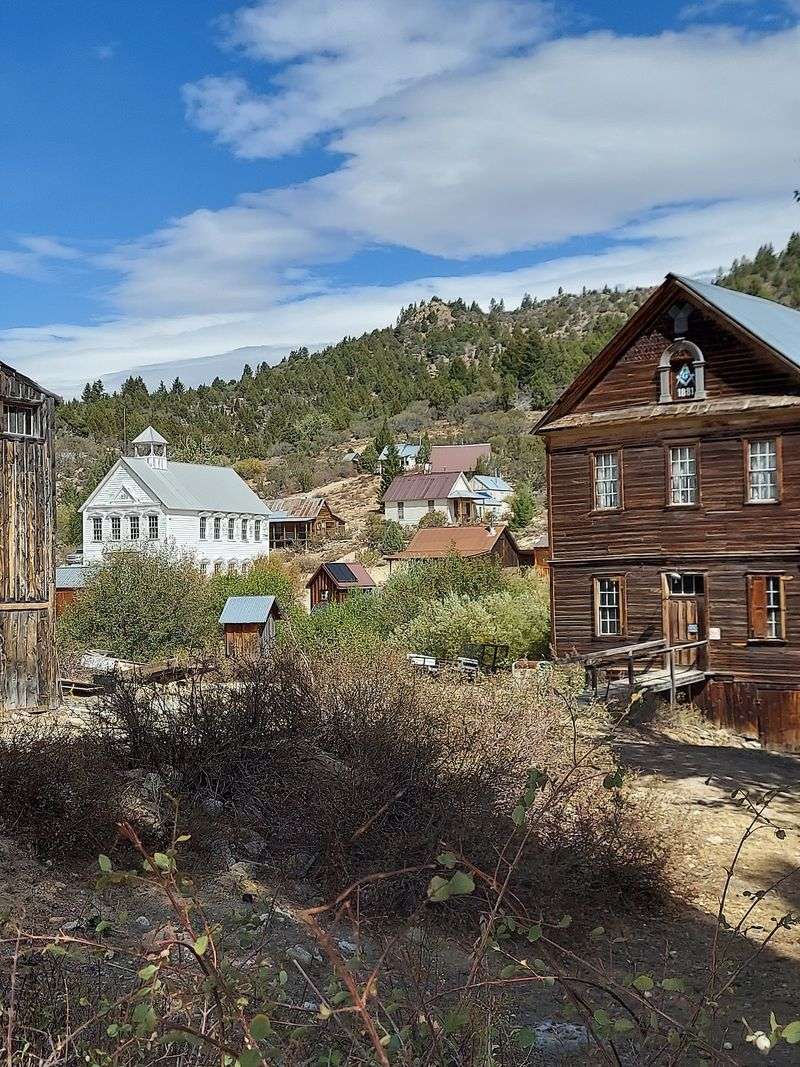
Have you ever wondered how a town of 2,500 simply goes quiet? Perched at 6,200 feet in the Owyhee Mountains, Silver City answers that question in wood and nails.
Prospectors founded it in 1864 after striking silver. Growth came fast and loud.
At its height the town claimed a dozen streets and 75 businesses. Around 300 homes filled the hillsides.
The state’s first newspaper printed here. Telephones arrived as early as 1880, which was remarkable for the era.
Roughly 70 original buildings from the 1860s through the early 1900s still stand near Murphy. Many have been carefully restored by dedicated caretakers.
The Idaho Hotel gathers most of the ghost stories. A large gentleman in a tuxedo and tails appears in several accounts.
Spectral children reportedly move through the halls. A woman in a white dress, called Screaming Alice, is said to have fallen down the stairs.
Floating orbs turn up in photographs taken inside. Guests swap these tales over breakfast without much prompting.
The access road is unpaved and closes with snow, so plan for late June through September. High clearance vehicles handle it best.
Cell coverage is basically nonexistent up there. Download your maps before leaving pavement. Few mountain towns wear their history quite so honestly.
5. Howells Opera House, Oakley
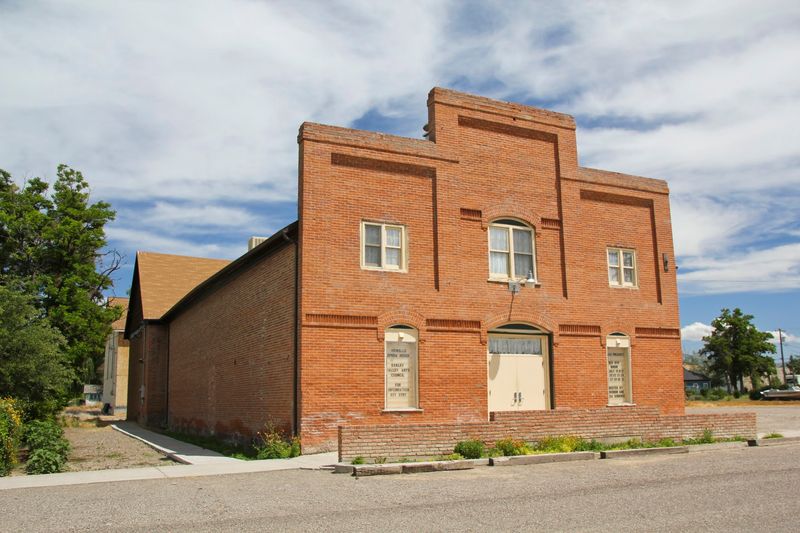
A working theater with resident spirits sounds almost too theatrical to be true. Judge B.P. Howells built this one between 1904 and 1907.
For a stretch it was among the only theaters between Salt Lake City and Boise. Performers traveled long distances to appear on its boards.
Local Oakley stone forms the walls. A square gable false front and segmental arched openings define the design.
The original performance floor seated around 300 people. Ownership changed hands several times over the decades.
Howells Opera House in Oakley now operates under the Oakley Valley Arts Council. Productions still run regularly on that historic stage.
Past seasons have included musicals such as Fiddler on the Roof and Oklahoma. The community turns out in force for opening nights.
Backstage stories mention a dark haired female apparition. She reportedly watches from the crowd and occasionally appears during rehearsals.
Another figure is believed to be Judge Howells himself. Staff describe him pacing the grounds like an owner checking on things.
Buy tickets ahead, since seating is limited and shows fill quickly. Arrive early to study the stonework and lobby details.
The surrounding town is a designated historic district worth a slow walk. Pioneer era homes line several quiet streets. Find it at 160 N Blaine Ave, Oakley.
Applause here may include a few hands you cannot see.
6. Rock Creek Station & Stricker Homesite, Hansen
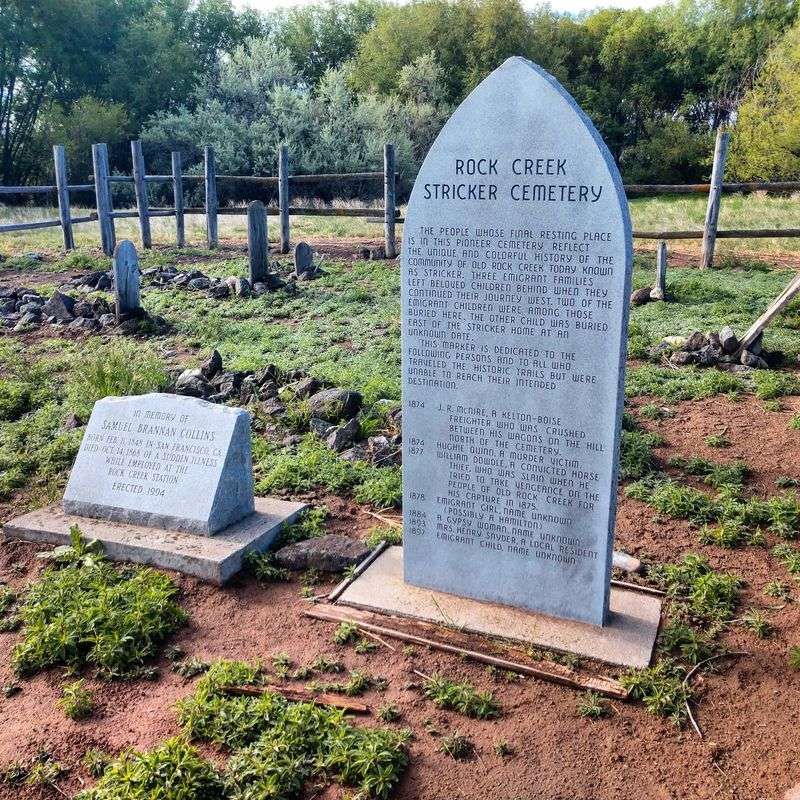
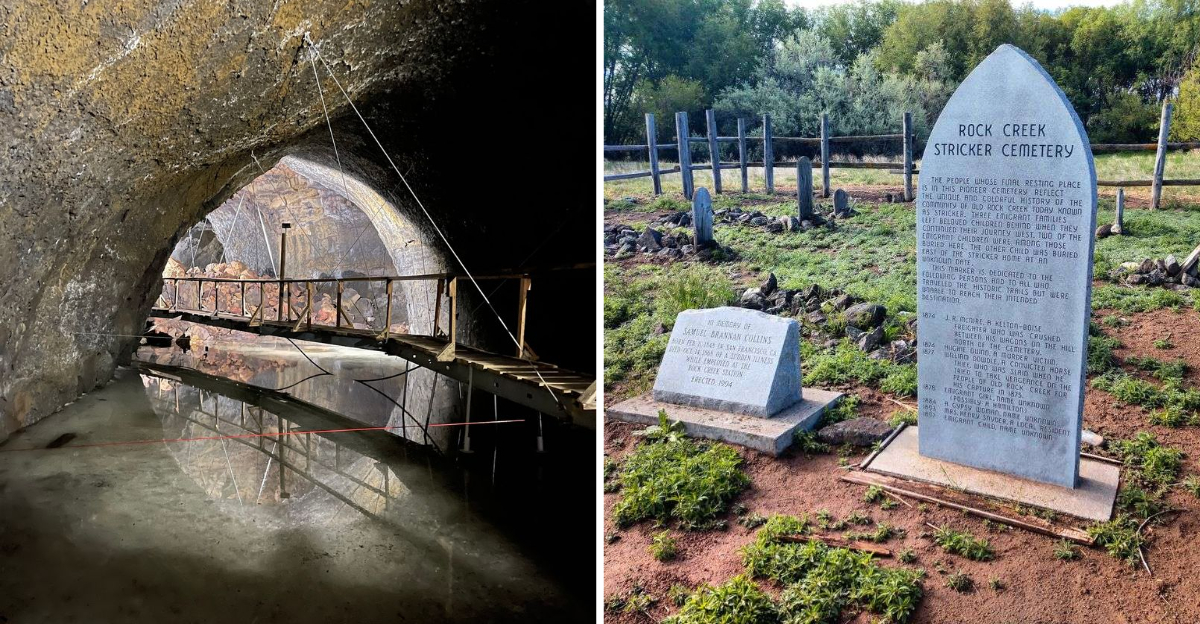
It came completely out of left field, discovering a homestead with its own protective guardian. The story starts in 1865 on the Oregon Trail.
Rock Creek Station and Stricker Homesite served travelers near present day Hansen. Wagons stopped here for rest, food, and supplies.
The property includes the Stricker House, an old store, and a pioneer cemetery. A wet cellar also survives on the grounds.
Beyond the emigrant road, the site served the Overland mail stage route. The Kelton Freight Road passed through as well.
The Idaho State Historical Society maintains what remains of the ranch. Time and weather claimed several original structures.
Legend holds that Lucy Stricker still keeps an eye on things. She reportedly alerts owners when trespassers wander in.
Shadowy shapes get reported near the small cemetery. Activity supposedly peaks right around dusk.
Interpretive panels explain daily life for pioneers crossing this stretch of desert. The old store interior is the highlight for history buffs.
Check seasonal hours before driving out, since staffing varies. Spring wildflowers make the grounds unexpectedly pretty.
Combine the trip with nearby Snake River Canyon overlooks for a full day. Bring sun protection, because shade is scarce.
The location is 3715 E 3200 N #5203, Hansen. Pioneer history and a watchful caretaker make an unusual pairing.
7. Shoshone Ice Caves, Shoshone
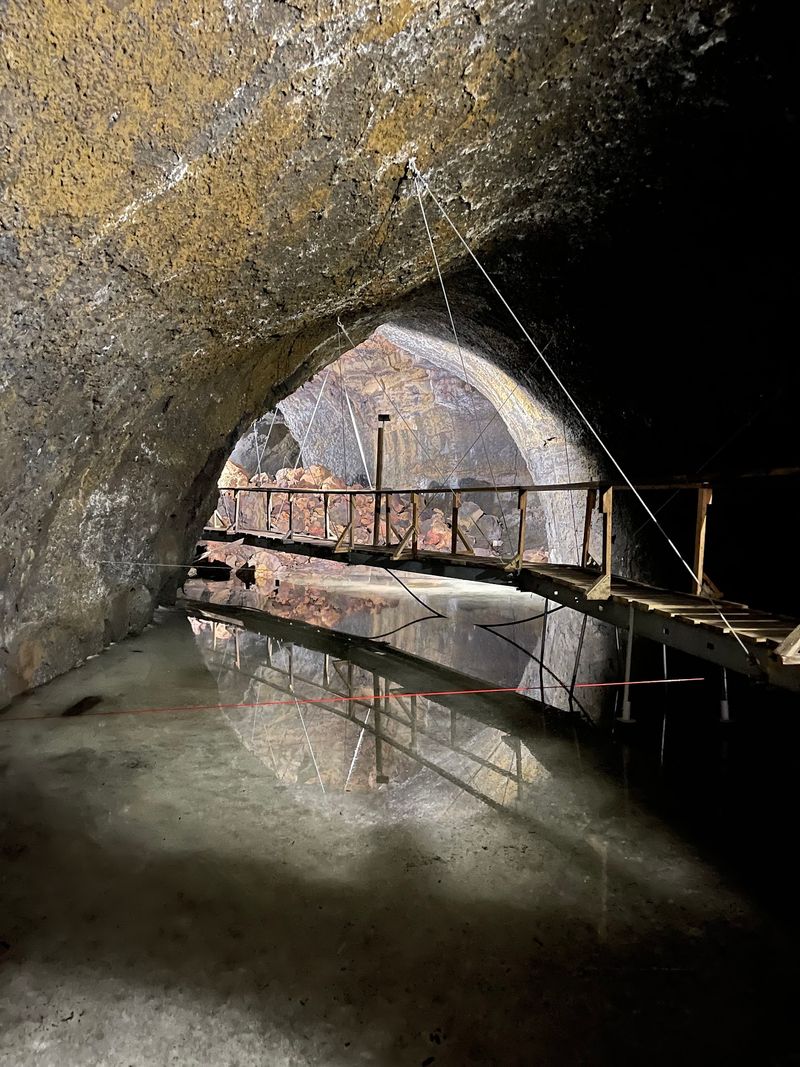
Call me crazy, but hiking into a frozen lava tube in July sounds like a brilliant summer plan. The Black Butte Crater Lava Field hides this one underground.
A boy searching for a lost goat stumbled onto the entrance in the 1880s. Locals soon harvested the ice for daily use.
Skaters even trained on the frozen floor. The Shoshone Ice Caves stretch roughly 1,000 feet through volcanic rock.
Temperatures hold between 24 and 32 degrees Fahrenheit year round. Cold winter air sinks in and freezes seeping water solid.
A wooden bridge carries you above the glittering ice floor. Guides explain the geology as you walk.
The chill is not the only thing raising goosebumps down there. Staff and guests report unexplained voices in empty passages.
Heavy footsteps get heard when nobody else is below ground. One legend describes Princess Edahow, a Shoshone princess said to rest in the ice.
Her whispers reportedly ask for release. Shadow shapes have been described behind the frozen walls.
Wear a real coat, because the temperature drop is immediate and serious. Closed toe shoes with grip are strongly recommended.
Tours run seasonally, typically May through September. The roadside museum and towering statue outside make a fun photo stop.
The caves sit at 1561 ID-75, Shoshone. Ice, lava, and legend rarely share the same address.
8. Frazier Hall, Idaho State University, Pocatello
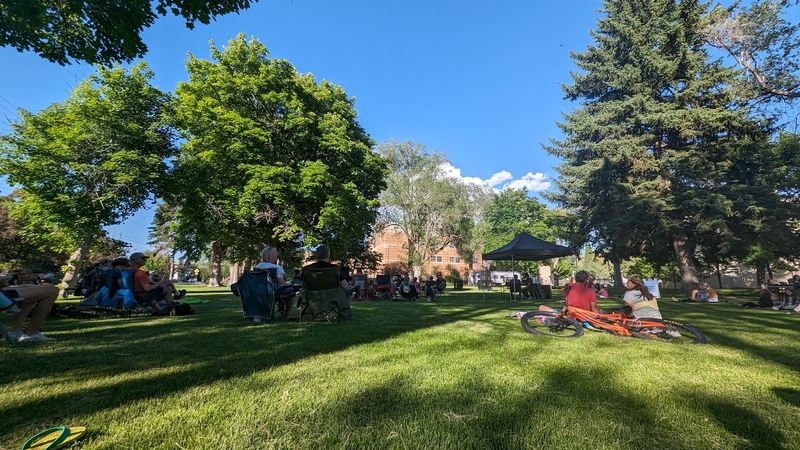
Let me be real for a second, campus life gets far more interesting with a ghost on the roster. Students here have traded these stories for generations.
Frazier Hall stands as the oldest building on the State University campus in Pocatello. Construction wrapped in 1924.
The theater and speech departments call it home. A dramatic setting suits its reputation perfectly.
A spirit nicknamed Alex gets the most credit for odd happenings. Phantom piano music tops the list of reports.
Some describe the murmur of a ghostly audience. Footsteps echo from the fourth floor hall with no source.
A translucent figure has reportedly crossed the balcony railing. Firsthand accounts come from students and staff alike.
Not everyone buys the Alex legend, though. Some researchers suggest a former janitor named Fritz, remembered for jingling keys. Disembodied whispers round out the catalog. Doors also open and close on their own schedule.
The university library and Graveley Hall report activity too. Together they give the campus a genuinely spirited reputation.
Catch a student production for the best access to the building. Performance schedules are posted online each semester.
Pair the trip with the Idaho Museum of Natural History nearby. Autumn on campus is especially photogenic.
The building sits at Frazier Hall, E Carter St, Pocatello. Studying history is one thing, hearing it play piano is another.
9. Burke
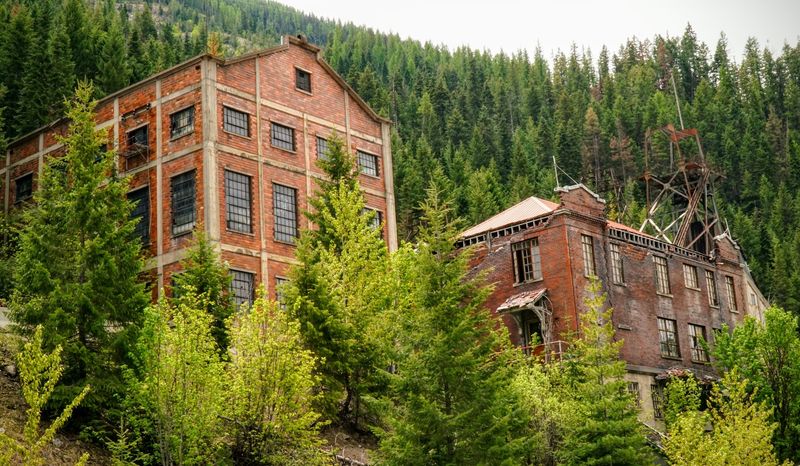
Food for thought: what happens when an entire town squeezes into a canyon 300 feet wide? Burke, in the northern part of the state, answers that with some of the strangest architecture in the west.
Founded in 1887, it mined silver, lead, and zinc for decades. Space was so tight that creativity became mandatory.
Trains once rolled directly through the lobby of the Tiger Hotel. Roads and rail lines shared the same main street. Labor history here ran hot in the late 1800s. Striking miners and company guards clashed repeatedly.
Avalanches struck in 1910. A major fire in 1923 destroyed much of town, including the famous Tiger Hotel.
Mine closures in the mid twentieth century drained the population. By the early 1990s only a handful of residents remained.
Now the canyon holds collapsing buildings and abandoned machinery. Twisted railroad tracks curl through the brush.
An unmarked cemetery sits nearby with most headstones broken. The atmosphere turns heavy fast, especially on gray mornings.
Drive up from Wallace on a clear day and go slowly. Structures are unstable, so photograph from the roadside rather than entering.
Fall color in the surrounding forest makes the ruins even more striking. Bring bug spray in summer months. Linger a while and you may sense you are not touring alone.