This Old-School Nebraska Steakhouse Has Been Serving Filet Mignon For Generations
There is something reassuring about a steakhouse that does not need to reinvent dinner every five years. The room already knows what it is. So does the menu.
For generations, this Nebraska favorite has kept filet mignon at the center of the experience.
It relies on careful cooking and the kind of old-school atmosphere that makes a steak dinner feel like an occasion without becoming overly formal.
Take the first cut slowly. A good filet does not need much distraction. The tenderness should do the work, and the plate should feel satisfying without being complicated.
That consistency is what gives a longtime steakhouse its pull.
People come back because the ritual still works: settle in, order the cut you trust, and let dinner feel comfortably unchanged for one evening.
Trends can have tomorrow. Tonight belongs to the steak.
The Tiny Club That Came Before The Steakhouse
Long before hand-cut steaks and half-round leather booths, the story started with a small club called Club 63, opened in 1963 by Bob and Grace Milton in the Havelock area of Lincoln.
Back then it was not a steakhouse at all. It operated as a bottle club, which meant members brought their own bottles because of the liquor laws in place at the time.
Food was not the point yet, and the space was far smaller than the dining room known today.
Understanding that beginning helps explain why the restaurant still feels rooted in a specific era.
The furnishings, the low lighting and the general layout follow a style that came out of mid-century Midwestern supper clubs rather than modern restaurant design trends.
Guests who like a little context before dinner may enjoy knowing the business changed identity more than once before settling into its current form.
The history is printed on the back cover of the menu, so there is something to read while waiting on an order.
For anyone curious about how neighborhood businesses grow, the jump from a members-only club to a full-service steakhouse is a good example of adapting slowly rather than all at once.
Sixty-plus years later, that original 1963 start date still anchors everything about the place.
How A Six-Burger Grill Changed Everything
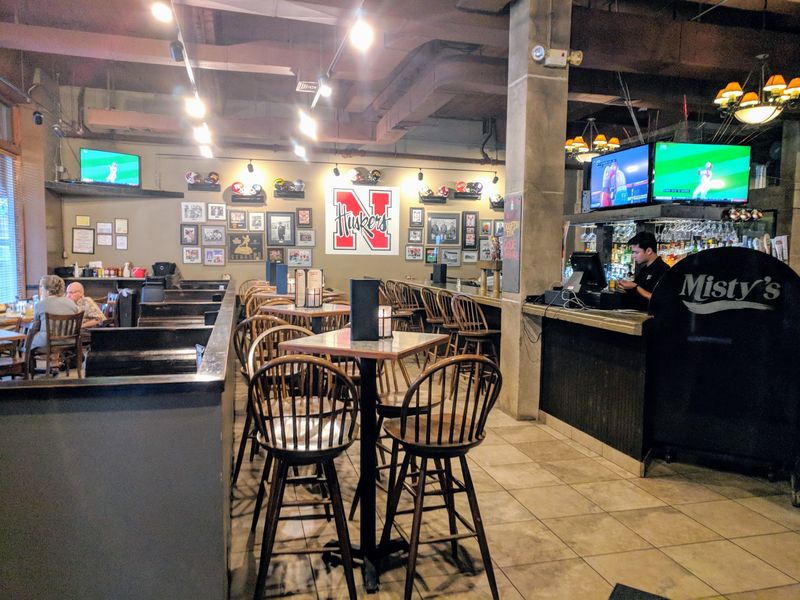
Nebraska liquor laws shifted in 1965, allowing sales by the drink, and that single change pushed the business toward serving food.
The first cooking setup was almost comically modest. A small propane grill was reportedly large enough to handle just six hamburgers or four small steaks at one time.
Anyone who has waited for a table on a busy night can appreciate how little capacity that really is.
Growth came in steps rather than leaps. The little grill was eventually swapped for bigger equipment, and the addition of a rotisserie moved the operation from a snack option into a genuine restaurant kitchen.
That slow build shows up in the menu today, which covers steaks, seafood, pasta, soups, salads, sandwiches and burgers instead of sticking to one narrow lane.
The range makes group dining easier when not everyone wants a large cut of beef.
Kitchens with long histories often have signature preparations that have been refined for decades, so ordering the items the place is known for usually gives a clearer picture of the cooking than choosing something unfamiliar.
Six burgers at a time is a humble starting point for a restaurant that now fills a large Havelock dining room most nights of the week.
The Story Behind The Misty’s Name
Plenty of restaurant names come from family surnames or street corners, but this one came from a song.
As the food side of the business grew, the founders renamed the operation Misty’s after a favorite rendition of the classic song “Misty.”
A jazz standard turned into a steakhouse name, which gives the place a surprisingly personal origin.
Small details like that tend to stick with guests longer than menu prices do. Knowing the name traces back to a piece of music the owners loved adds a warmer layer.
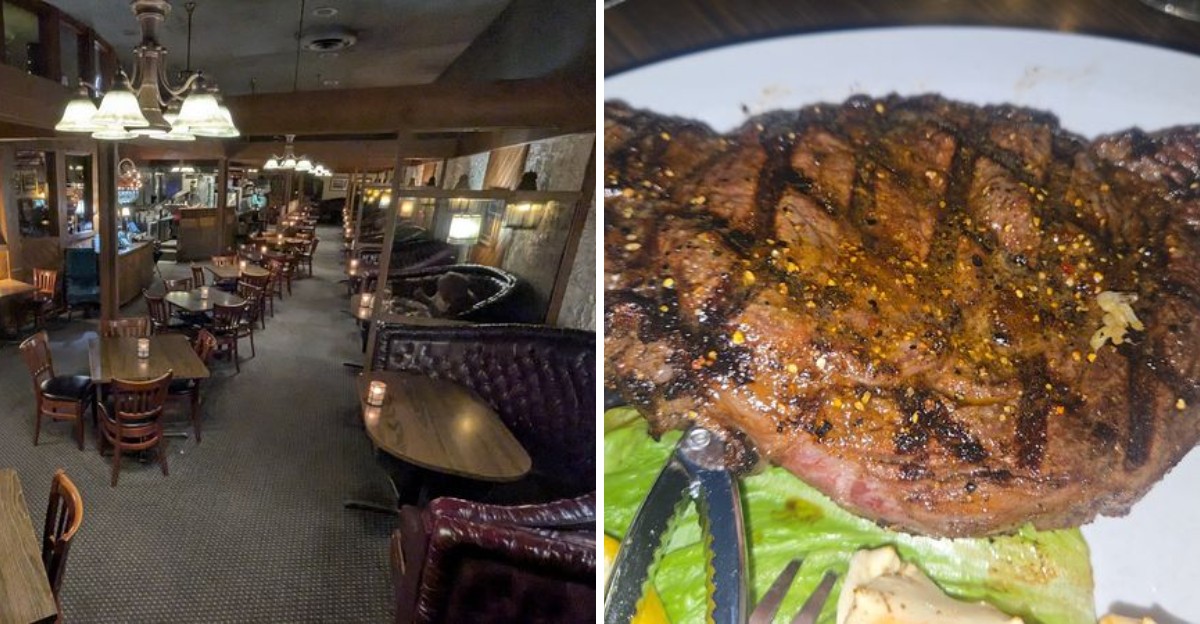
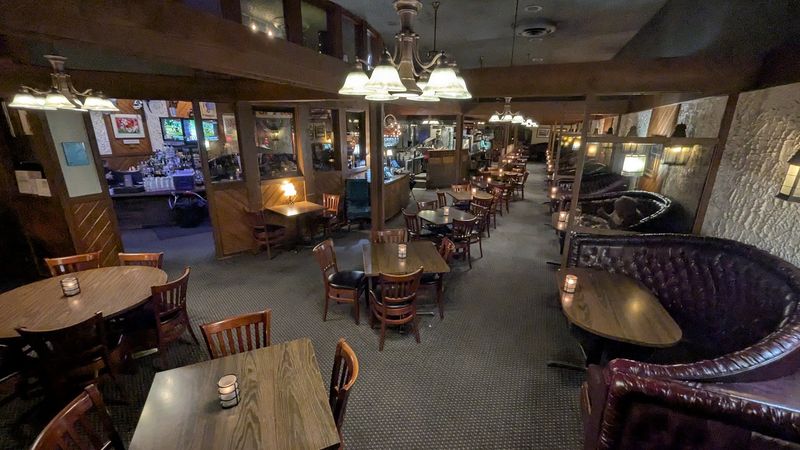
The mood inside matches the reference reasonably well. Soft music, dim lighting, wood surfaces and tufted leather booths create a setting that leans quiet and unhurried rather than bright and loud.
Diners hoping for that calmer feel may want to arrive closer to opening, since the room fills up as the evening goes on. Later seatings, especially on weekends, carry more energy and conversation.
A name with a story behind it also makes a decent conversation starter at the table.
For visitors who are meeting friends or clients in Lincoln, the small history lesson gives the meal a bit more character than a chain dining room would offer.
How The Havelock Location Became The Survivor
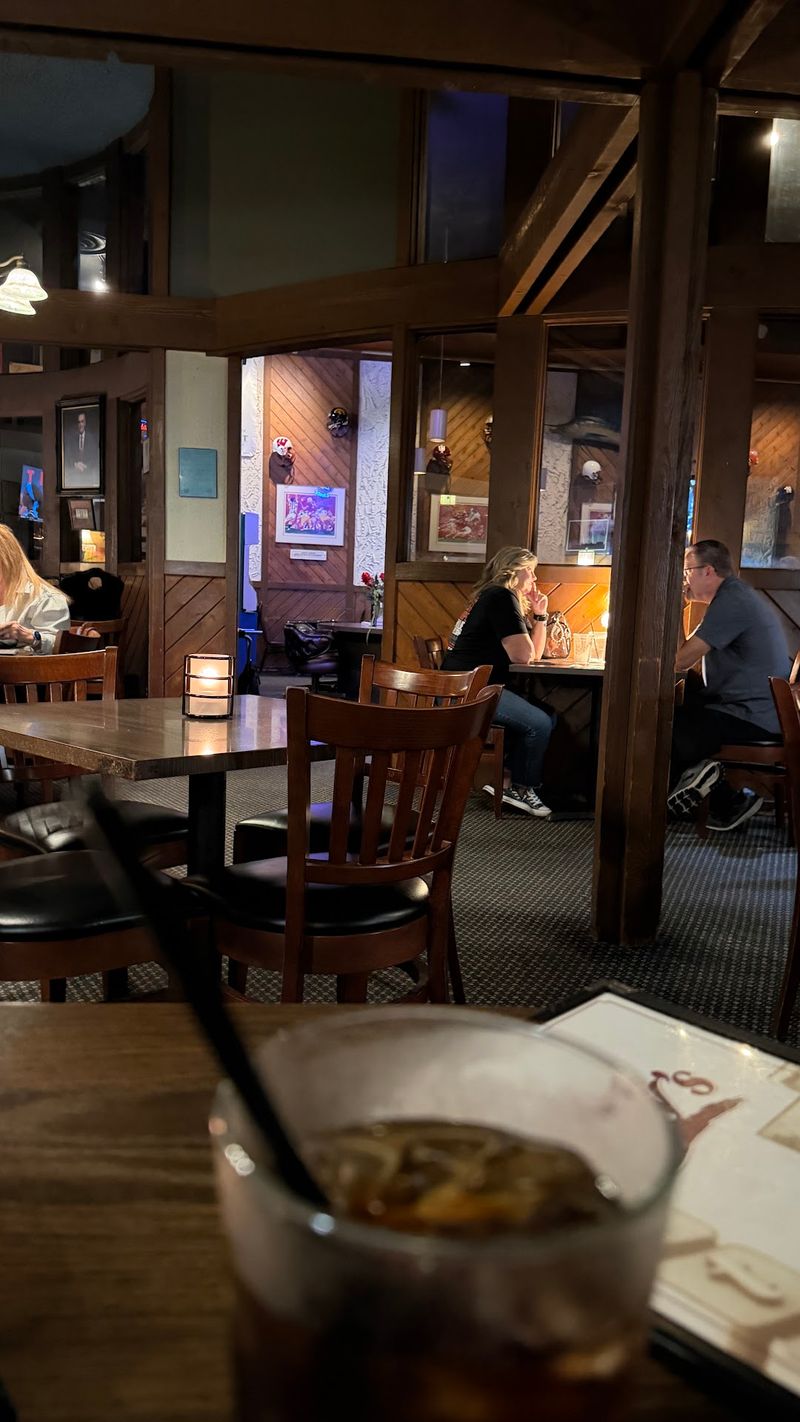
Fire changed the course of the business in 1976 when the original restaurant building was destroyed.
Misty’s Restaurant & Lounge reopened in its present home at 6235 Havelock Ave, Lincoln, NE 68507, moving into that building in 1977.
The structure had a previous life as a Safeway grocery store, which helps explain the generous footprint of the dining and lounge areas.
Reusing an old grocery space gave the restaurant room to spread out. The layout separates the dining room from the lounge well enough that quieter tables and livelier seating can coexist without one overwhelming the other.
Booths are the classic half-round style with tufted leather-look upholstery, and there are standard tables as well.
Seating can feel close together during busy stretches, so requesting a booth is worth doing when making a reservation.
Parking sits on-site, and the lot is not especially large. Checking the west lot near the door first is a reasonable strategy on a busy night.
Longevity in one location matters for a restaurant like this. Nearly five decades in the same building has allowed the space to collect memorabilia, regulars and traditions that a newer address simply could not replicate.
Filet Mignon As The Main Event
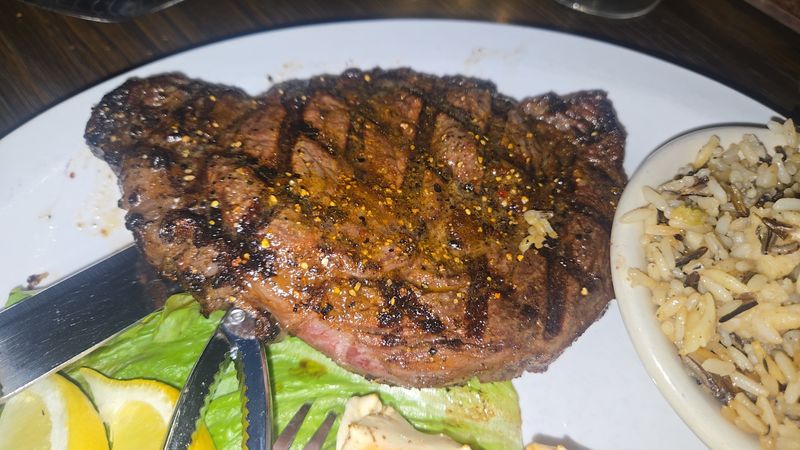
Generations of Lincoln diners have ordered the same thing here, and the filet mignon sits at the center of that habit.
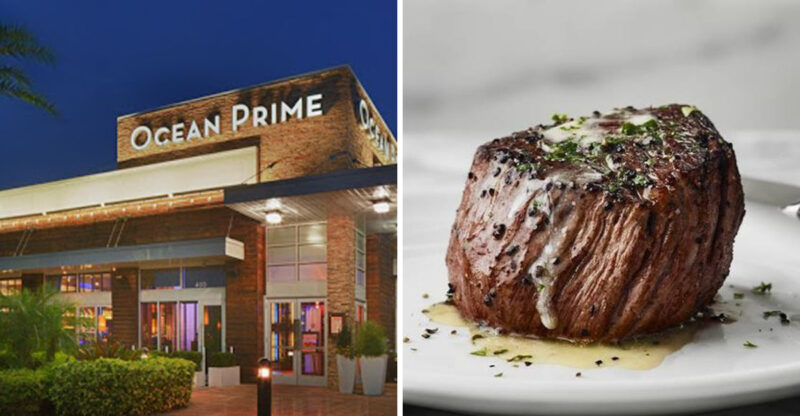
The current preparation is a center-cut tenderloin wrapped in hickory-smoked bacon. Wrapping the cut adds flavor and helps keep the lean tenderloin from drying out on the grill.
Portion choices come in 5-ounce, 7-ounce and 10-ounce sizes, which is genuinely useful. Smaller appetites are not forced into a large cut, and guests who want a substantial dinner still have the option.
Ordering etiquette at an old-school steakhouse is simple. Name the cut, the size and the doneness clearly, and speak up politely if the temperature arrives different from what was requested, since kitchens like this one are used to adjusting.
Sides lean traditional, with potato options accompanying steak dinners, so anyone hoping for a wide vegetable selection should scan the menu before settling in.
Dinner here is not a budget outing, and steak prices reflect the cuts being served. Setting expectations ahead of time makes the experience smoother, particularly for larger groups splitting a check.
Filet mignon has been the headline order for decades, and the bacon-wrapped version remains the version most people mean when they mention it.
Prime Rib Deserves Equal Billing
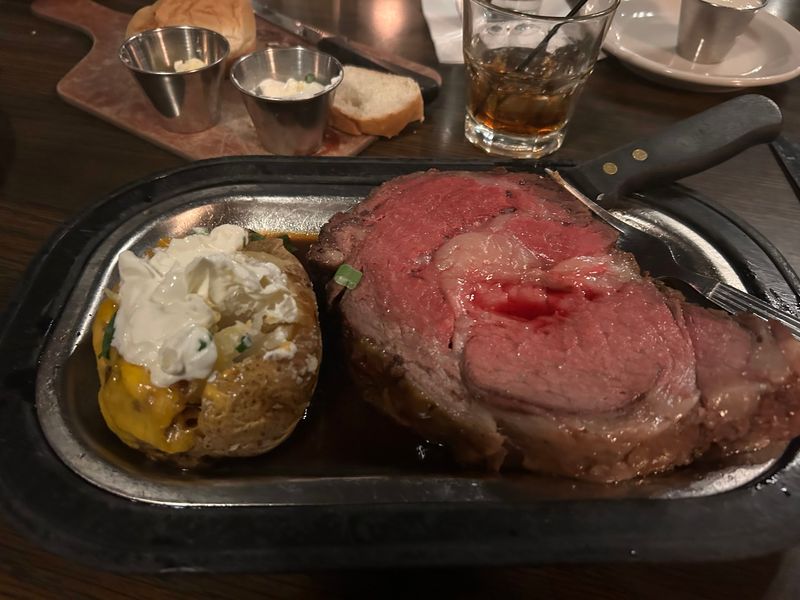
Ask around Lincoln about this restaurant and prime rib comes up at least as often as filet mignon.
Visit Lincoln describes the restaurant as known for its steaks and prime rib, and the kitchen leans into that reputation. The roast is seasoned with the house blend and slow-roasted in special ovens.
What makes the menu unusual is how far the prime rib travels beyond the entree section. Blackened prime rib shows up as an appetizer option, and a prime rib sandwich gives guests a lighter way to try it.
Flexibility like that helps when appetites vary at the table. Someone who does not want a full roast dinner can still taste the dish the place is known for.
Prime rib has been recognized among Lincoln’s best for many years, which speaks to consistency over a long stretch of time rather than a single strong season.
One planning note worth mentioning is that prime rib can sell out at restaurants that roast a set amount each day. Arriving earlier in the evening improves the odds of getting a preferred cut.
For a first visit, splitting an order between prime rib and a steak lets a table compare two very different approaches to beef.
Husker History Covers The Walls
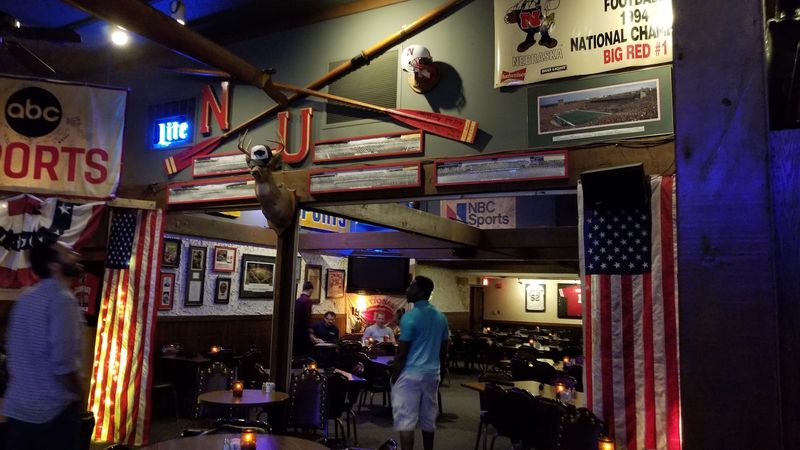
Football season has a way of taking over Lincoln, and this dining room has been part of that rhythm for a long time.
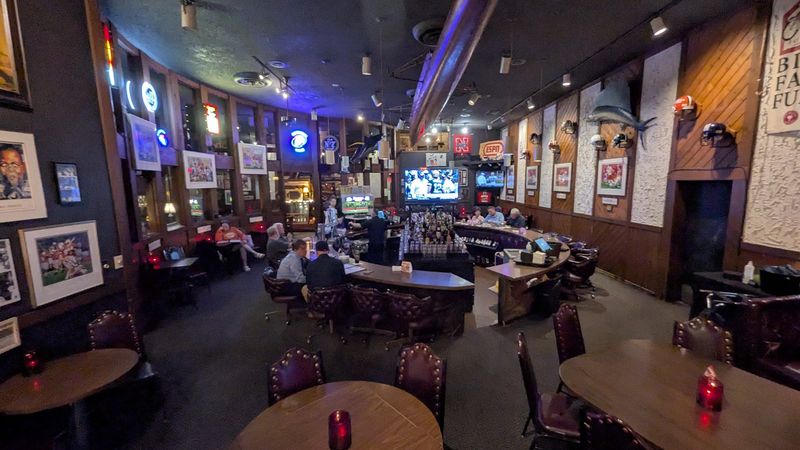
Visit Lincoln calls the restaurant a longstanding Husker hangout, and historical material notes Nebraska sports memorabilia displayed throughout the space. Framed photos, jerseys and team items fill the walls.
The connection runs deeper than decoration.
The founders actively supported the University of Nebraska and at one point employed Husker football players to greet and serve guests, which helped build the restaurant’s Big Red identity.
Game days bring a noticeably different energy. Waits are common when the Cornhuskers play at home, and the lounge side gets considerably busier than the dining room.
Guests who prefer a quieter meal have an easy workaround. Visiting on a weekday evening, particularly Tuesday through Thursday, usually delivers a calmer room and shorter waits.
The layout helps here as well, since the dining area and lounge sit far enough apart that a relaxed dinner and a lively crowd can happen at the same time.
Sports fans traveling through Nebraska often treat the memorabilia as part of the reason to come. Reading the walls between courses gives kids and adults something to do while waiting for entrees.
Havelock Adds To The Whole Experience
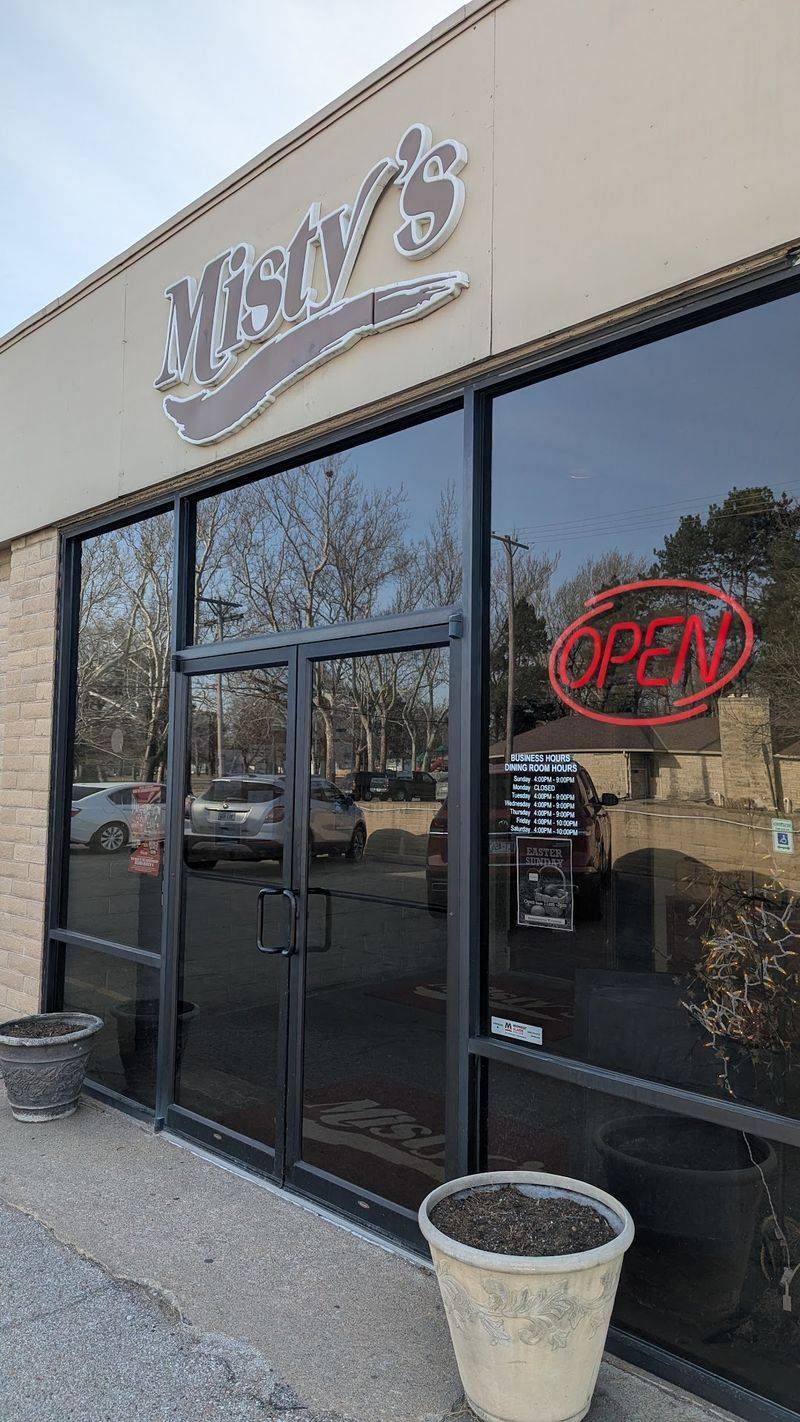
Getting to dinner here means driving into a corner of Lincoln that feels a little separate from the rest of the city.
Havelock has a historic commercial district that Visit Lincoln describes as nostalgic with a small-town character inside the larger city. Brick storefronts and walkable sidewalks set the tone along the main avenue.
The restaurant is one of the district’s longtime anchors, and arriving early leaves time for a short stroll past neighboring shops before a reservation.
Practical details help here. Hours run 4 p.m. to 9 p.m.
Tuesday through Thursday and Sunday, 4 p.m. to 10 p.m. Friday and Saturday, with Mondays closed.
Earlier seatings around opening usually mean a quieter dining room and easier parking. Weekend evenings and Husker game days bring bigger crowds and longer waits.
The neighborhood setting also makes the whole outing feel less like a quick stop and more like a small trip within the city. Visitors staying downtown will need a short drive out to reach it.
For an unhurried dinner in a room that has looked much the same for decades, a weeknight arrival shortly after four is hard to beat.