11 California Small Towns Perfect For A Labor Day Weekend Escape
Labor Day weekend does not need fireworks, packed resorts, or a three-page itinerary.
Sometimes the better move is a town small enough that parking is easy and the afternoon can drift between local shops, scenic streets, and whatever interesting detour appears next.
California is full of small communities that make the long weekend feel pleasantly removed from the usual rush.
Pick the one that matches your mood. Coastal air? Mountain scenery? Historic downtown? Quiet cafés and a place to disappear for two days without thinking too hard?
These 11 towns make all of those versions possible.
The trick is not trying to squeeze too much in.
Give one place the weekend, let the schedule stay loose, and enjoy the rare feeling that Monday is still far enough away to ignore.
1. Fort Bragg And The Paul Bunyan Days Tradition
Logging contests, a pancake breakfast, and a parade rolling straight down Main Street have been Fort Bragg traditions since 1939.
Paul Bunyan Days runs September 4 through 7 in 2026, landing squarely on Labor Day weekend. Families claim curbside spots early for the Monday parade, and admission to most events costs little or nothing.
The old lumber town keeps you busy even between festival events. Glass Beach still hides tumbled bits of sea glass among the rocks, and Noyo Harbor is a fine place to watch fishing boats unload.
The Skunk Train rumbles inland through redwoods on tracks first laid in 1885.
Early September on this stretch of coast stays cool and often foggy, so bring a jacket even when inland valleys are roasting.
Gray mornings usually burn off by early afternoon, and locals barely notice it anymore. Sunscreen still matters, since coastal fog can hide a surprisingly strong sun.
Rooms fill quickly during festival weekend, so reserve lodging or a campsite well ahead of time. Downtown parking gets tight before the parade, and walking a few blocks beats circling the same streets.
Mendocino Coast Botanical Gardens sits just south of town and offers a quiet break when the crowds start to feel like a lot.
Seventeen acres of paths wander past flowers and end on bluffs above crashing surf. Whale spouts sometimes appear offshore, a bonus nobody expects in September.
2. Mendocino, Where Bluffs Meet A Victorian Village
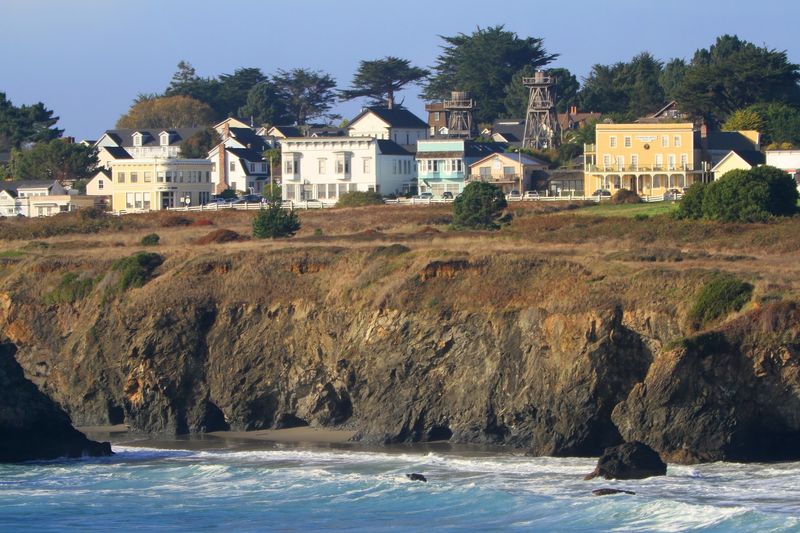
Perched on a headland with the Pacific wrapped around three sides, Mendocino looks like a New England village that wandered west.
Wooden water towers rise above Victorian rooftops, and the whole place can be crossed on foot in about twenty minutes.
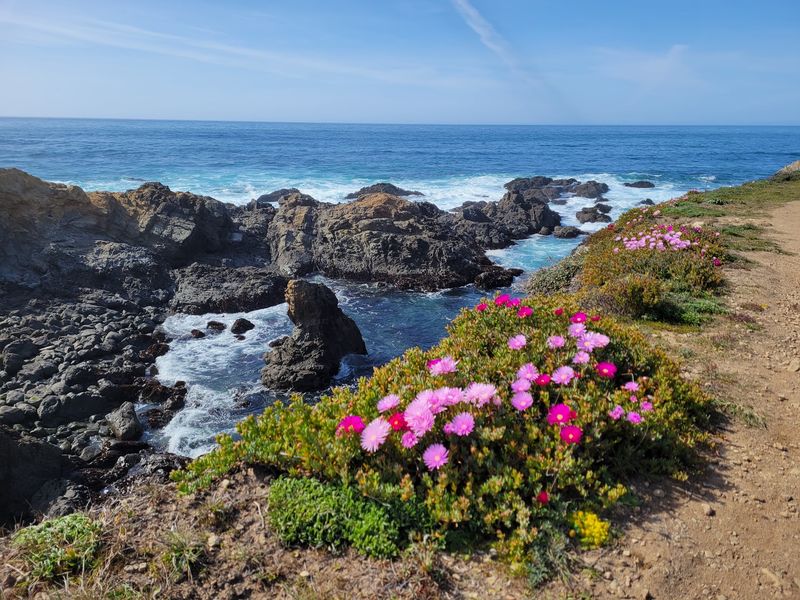
Mendocino Headlands State Park hugs the village, and its bluff trails deliver sea arches, blowholes, and hidden coves without much climbing.
Big River Beach sits at the bottom of a short path and works well for wading or paddling a kayak upriver. Portuguese Beach offers a smaller, more sheltered patch of sand.
Redwoods are close too. Russian Gulch State Park has a waterfall hike and a famous collapsed sea cave called the Punch Bowl.
Navarro River Redwoods State Park lines Highway 128 with a tunnel of towering trees.
Shops and galleries fill the historic storefronts downtown, selling everything from handmade ceramics to used books.
Dinner reservations are smart on holiday weekends, since the village hosts far more visitors than it has restaurant tables.
Traffic on Highway 1 slows to a crawl midday, so start early and explore before the tour buses arrive.
Layers matter here as well, because wind off the water can drop the temperature quickly. A thermos of something warm is never a bad idea.
Stay two nights if you can, since driving up from the Bay Area eats a good chunk of a single day. Sunset from the bluffs is worth planning your entire evening around.
3. Ferndale, The Victorian Village Near The Redwoods
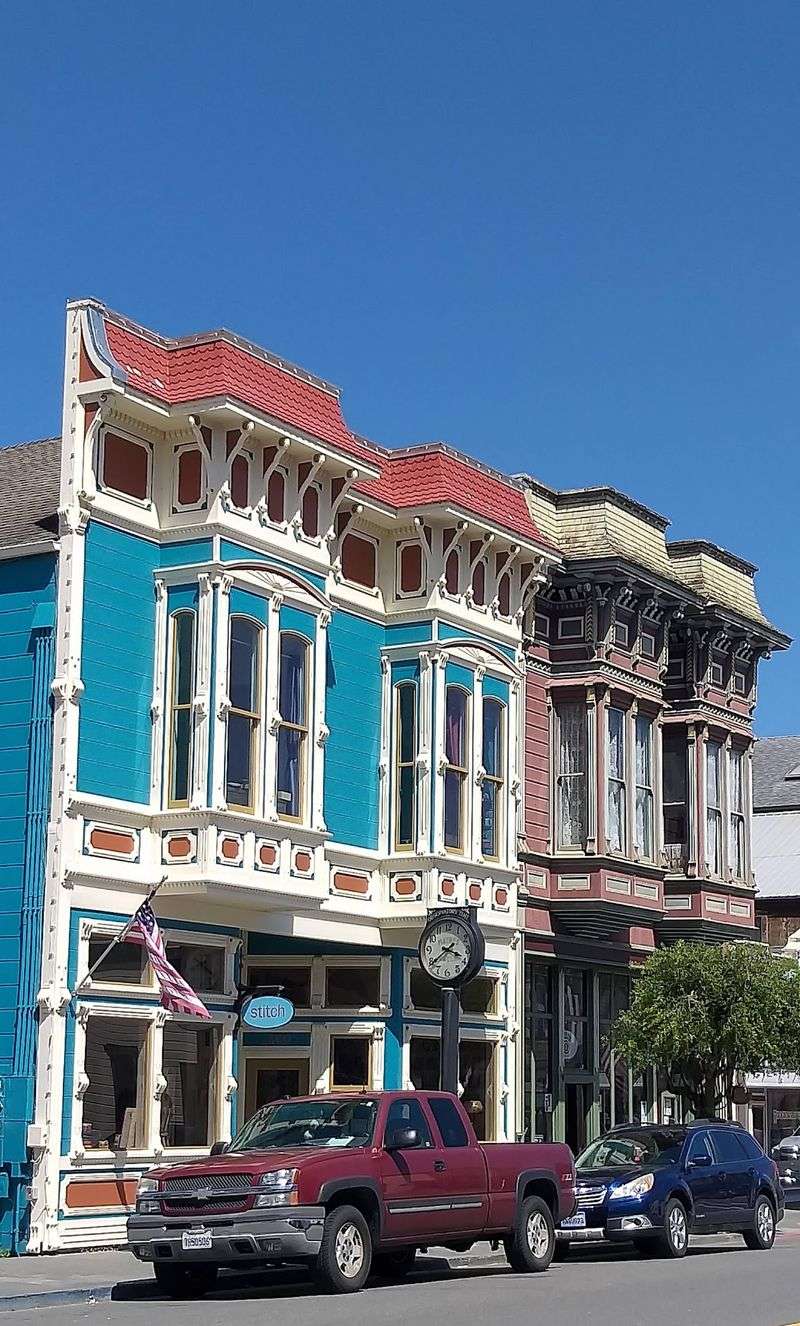
Ferndale earned the nickname Victorian Village honestly.
The entire town is designated California Historical Landmark No. 883, while the Ferndale Main Street Historic District is listed on the National Register of Historic Places.
The gingerbread trim on its houses looks freshly painted year after year. Photographers wander the sidewalks constantly, and nobody minds.
Main Street runs about five blocks and holds bakeries, a soda fountain, a working blacksmith shop, and family run stores.
On Saturday, September 5, 2026, the Ferndale Concours brings classic cars, awards, and architecture tours to those same blocks. Parking is free and rarely a headache.
Weather cooperates in early September, with highs near 62 degrees and little chance of rain. Fog usually rolls in overnight and lifts around lunchtime.
Cool air feels like a gift if you drove in from Central Valley heat.
Redwood groves sit a short drive away, and Humboldt Redwoods State Park with the Avenue of the Giants makes an easy half day trip.
Closer to town, the Lost Coast headlands and Centerville Beach give you five miles of driftwood and wind.
Skip nothing about the hillside cemetery, where marble monuments and ocean views share the same slope. It sounds like an odd recommendation, yet visitors call it a highlight again and again.
Lodging is limited to inns and small hotels, so book early for a holiday weekend. Cell service can be patchy, which many people count as part of the charm.
Bring a book for the porch swing.
4. Nevada City For Gold Rush Streets And River Swims
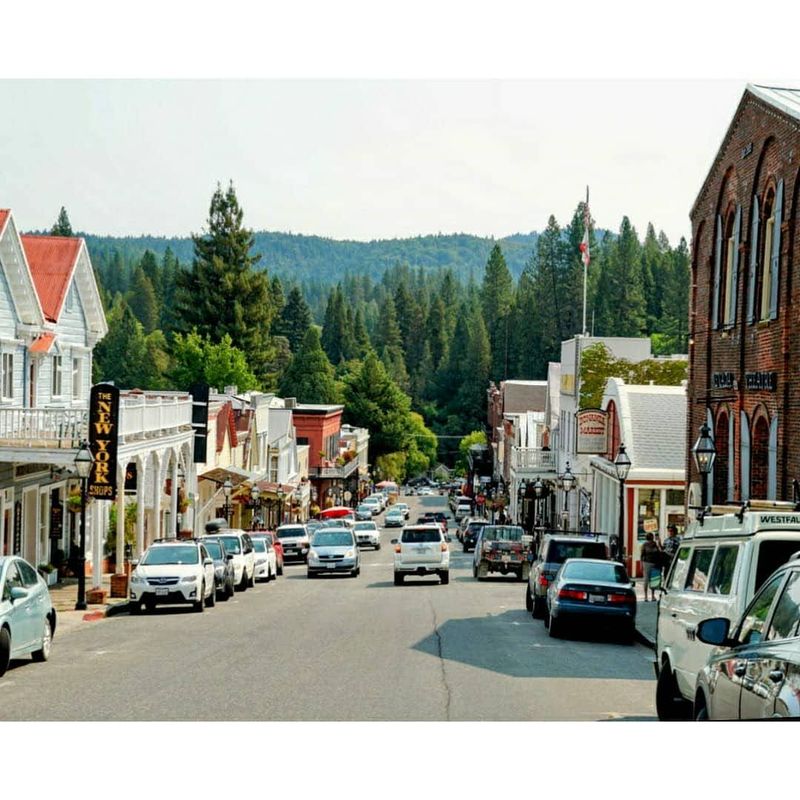
Gas lamps, brick storefronts, and a fire bell tower from 1861 give Nevada City the feel of a movie set nobody bothered to dismantle.
Miners founded the town in 1849, and the downtown is now a national historic landmark. Autumn color arrives later, so September still feels like summer here.
Broad Street climbs a hill lined with bookstores, coffee roasters, galleries, and shops selling odd treasures.
The National Exchange Hotel has hosted guests since 1856 and deserves a peek even if you sleep somewhere else. Parking garages sit just off the main streets.
Pine covered hills surround everything, and the Yuba River is close enough for an afternoon swim. South Yuba River State Park has swimming holes, historic bridges, and trails that suit both serious hikers and lazy waders.
Foothill days can reach the nineties, so plan hiking for morning and save shops or a shaded patio for afternoon. Evenings cool off nicely.
Bring a water bottle and a hat.
Live music and theater happen most weekends, and the small venues make tickets easy to grab. Ask a shop owner what is on that night, because word of mouth beats any website here.
Grass Valley sits four miles away with Empire Mine State Historic Park, where you can peer down a real mine shaft. Two towns for one trip is good math.
5. Sutter Creek, The Jewel Of The Mother Lode
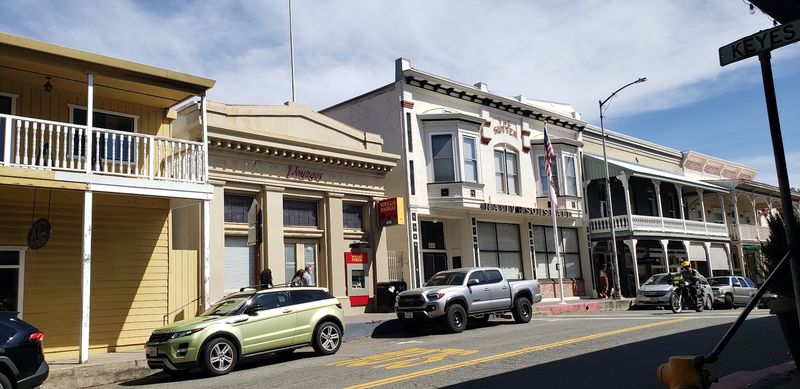
Locals call it the Jewel of the Mother Lode, and one walk down Main Street explains the nickname.
Wooden balconies with lacy iron railings hang over the sidewalk, survivors of rebuilding after fires in the 1860s and 1870s. Photographs from that era look nearly identical to the view today.
Founded in 1848, the town grew rich on hard rock mining rather than panning for flakes.
The Knight Foundry, the last water powered foundry in America, still stands here and opens for tours on select days. The old schoolhouse makes another easy stop.
Antique stores, boutiques, olive oil tasting rooms, and a candy shop fill the historic buildings. Shopkeepers like to talk, and their stories usually beat the plaques on the walls.
Bring a tote bag, because you will fill it.
Amador County wine country begins just outside town, with many tasting rooms within a fifteen minute drive. Zinfandel is the local specialty.
Choose a designated driver and take your time.
Summer heat lingers into September in the foothills, with afternoons often in the low nineties.
Early mornings on the sidewalks are quiet and pleasant, and shade trees help. Ice cream counts as a legitimate cooling strategy.
Bed and breakfast inns dominate the lodging scene, so reserve early for three days.
Volcano sits up the road for a scenic detour, but nearby Daffodil Hill has been closed to the public indefinitely since 2019.
6. Cayucos And One Last Classic Beach Weekend
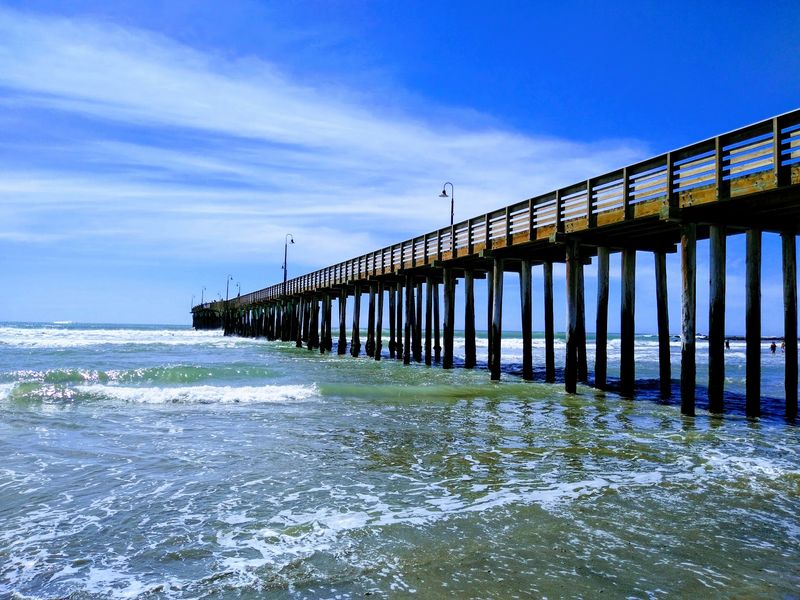
Some people call Cayucos the last of the old California beach towns, and the description sticks. No high rises, no arcades, just a pier, a wide beach, and a short main street.
Population hovers around 2,500.
The Cayucos Pier dates to the late 1800s and still draws anglers, walkers, and anyone hoping to spot a whale spout.
Cayucos State Beach spreads out on either side with soft sand and room to breathe even on holiday weekends.
Ocean Avenue holds antique shops, a famous butcher counter, a taffy and candy store, and casual cafes. Breakfast burritos and sandwiches serve as the local currency.
Lines move fast and prices stay reasonable.
Surf here is gentle enough for beginners, and board and wetsuit rentals sit right in town. Tidepools appear at the north end during low tide, full of anemones and small crabs.
Check a tide chart before you walk out.
Morro Bay is ten minutes south, with Morro Rock towering over the harbor and kayaks for rent. Cambria sits a short drive north, so day trips are simple.
Traffic on Highway 1 stays light compared with busier stretches.
Fog often hangs around in the morning and burns off by noon, and afternoons rarely climb past the low seventies.
Bring a sweatshirt for the evening, because wind picks up after sunset. Sunsets over the pier draw a small, happy crowd nightly.
7. Cambria, Pine Forest Above The Tide Pools
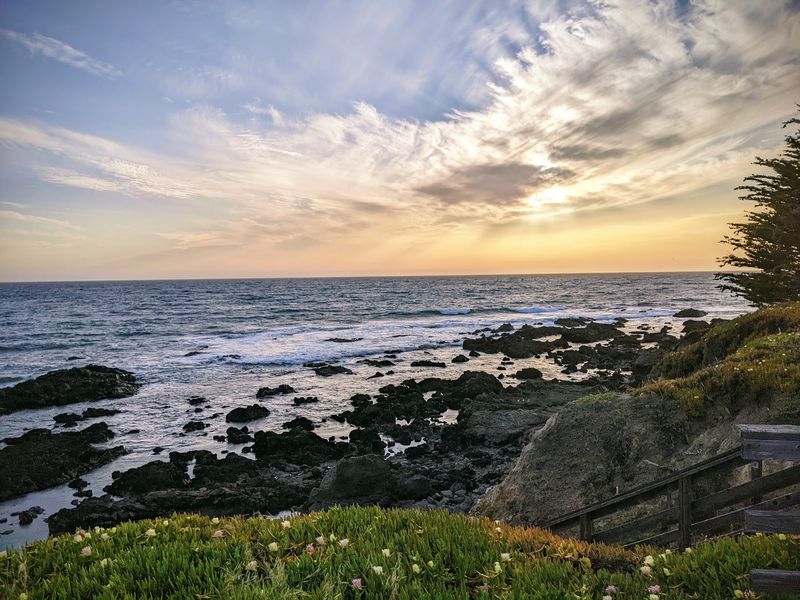
Pine trees meeting the sea is a rare sight in California, and Cambria has it. Monterey pines cover the hills right down to the bluffs, and the air smells like salt and sap at the same time.
Moonstone Beach is the headliner. A wooden boardwalk runs above the shoreline for an easy stroll, and the sand below is scattered with smooth, milky stones that gave the beach its name.
Collecting stones is discouraged, so bring a camera instead.
Fiscalini Ranch Preserve offers miles of trails across coastal bluffs and through forest, all free and open to the public.
The Bluff Trail stays flat, is paved in places, and often delivers whale and otter sightings. Dogs are welcome on leash.
Downtown splits into East Village and West Village, both packed with independent shops that lean delightfully strange.
Expect fossils, vintage postcards, handmade soap, and at least one store devoted to something you never knew existed. Nitt Witt Ridge, a house built from salvaged junk, tops the oddity list.
Ocean air keeps temperatures mild all summer, usually in the sixties and low seventies. Elephant seals gather at Piedras Blancas twenty minutes north, and Hearst Castle tours leave from nearby San Simeon.
8. Los Alamos, Tiny Town With Big Flavor
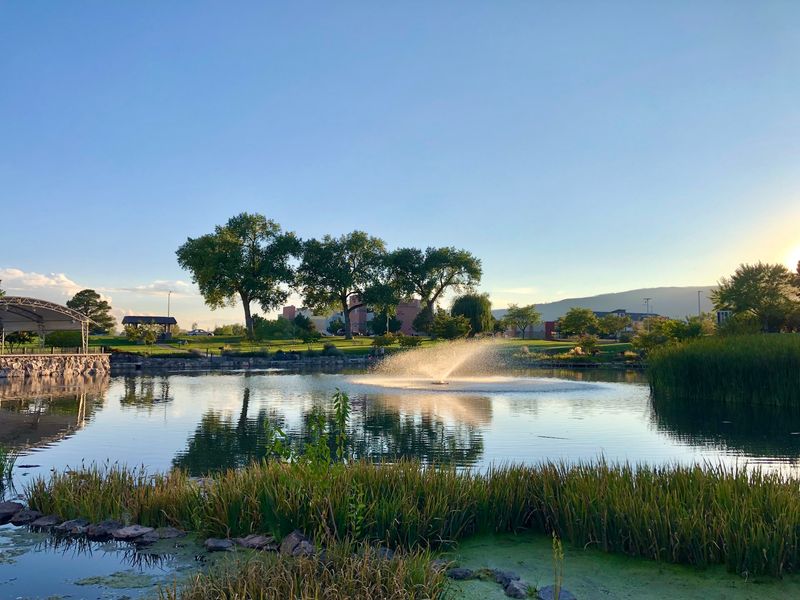
Fewer than 2,000 people live in Los Alamos, and its seven block main street still looks like a Western film location.
Bell Street holds false front buildings, faded signs, and the Union Hotel, which opened its doors in 1880.
The old Pacific Coast Railway no longer runs through town; its surviving Los Alamos depot now houses the Depot Mall.
The surprise is the food. This tiny Santa Ynez Valley town has attracted serious chefs, including the Michelin starred Bell’s, plus wood fired pizza, farm driven bistros, and a bakery worth setting an alarm for.
Antique hunting is the other main sport. The Los Alamos Depot Mall and a handful of eclectic shops spill furniture, records, and oddities onto the sidewalks.
Prices tend to be friendlier than in bigger towns, and most shops open late morning.
Santa Barbara County vineyards surround the valley, and many pour their bottles right on Bell Street. Pour sizes are generous.
September afternoons run warm and dry, then cool off sharply after dark. Pack a light jacket for evening strolls.
Stars look astonishing with so few streetlights around.
Book dinner reservations before you drive over, because a few dozen seats disappear fast on a holiday weekend.
Lodging is limited to small inns, so consider Solvang or Buellton as backups. Both sit about fifteen minutes away.
9. Ojai, Mountains Behind Every Storefront
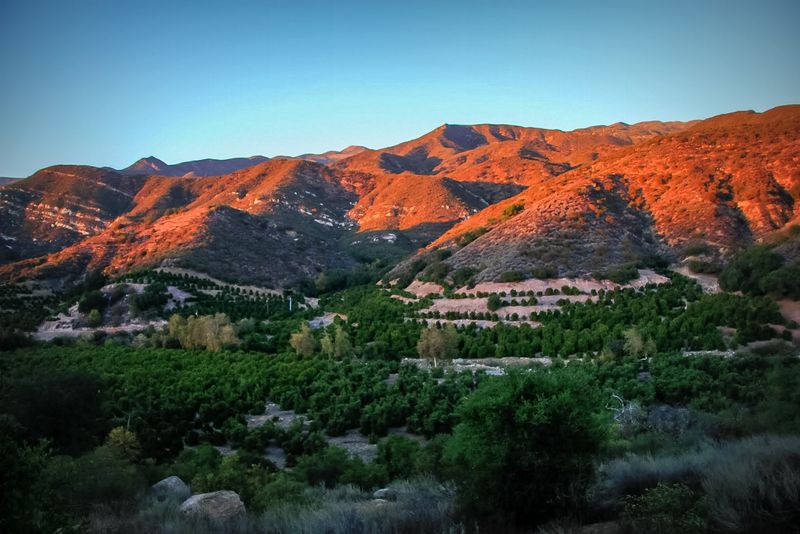
Around sunset, the Topatopa Mountains above Ojai turn a glowing pink that locals call the pink moment. People stop mid conversation to watch it happen.
Photographers plan entire trips around it.
The town holds roughly 7,500 residents and a walkable downtown of arcades, boutiques, artisan shops, and galleries.
Bart’s Books is the star attraction, an outdoor bookstore where shelves line the walls under open sky and honor system boxes wait after closing. Free parking sits behind the arcade.
Trails start close by. The Ojai Valley Trail runs nine mostly flat miles and welcomes bikes, walkers, and horses.
Steeper routes climb into Los Padres National Forest for wide valley views, though rattlesnakes live here, so watch your step and stay on the path.
Heat is real in early September, often reaching the nineties. Hike at dawn, then retreat to shade, a bookstore, or a spa in the afternoon.
Carry more water than you think you need.
Farm stands sell local olive oil, honey, and lavender, and the Sunday farmers market draws growers from around the valley. Chat with them about the famous pixie tangerines, which ripen in spring rather than fall.
Ojai sits about ninety minutes from Los Angeles, which explains its popularity as a quick escape.
Traffic on Highway 33 stays manageable, and Ventura beaches are twenty minutes downhill if you want mountains and ocean in one weekend.
10. Idyllwild, A Pine Scented Mountain Hideout
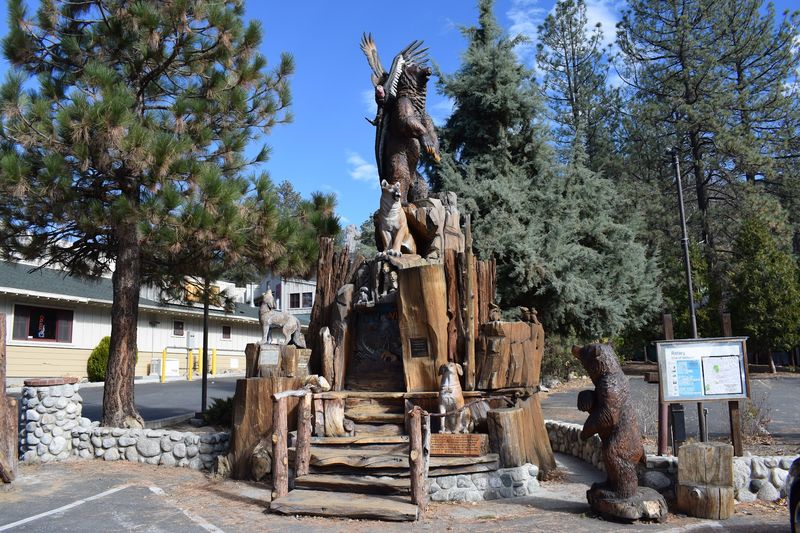
The 2020 Census counted 4,163 residents in the Idyllwild-Pine Cove census-designated area, which sits above 5,000 feet in the San Jacinto Mountains.
Ponderosa and Jeffrey pines shade nearly every street, and the bark smells like vanilla if you lean in close. Stargazing improves the moment the sun drops.
Temperatures usually run fifteen to twenty degrees cooler than Palm Springs below, which explains the Labor Day appeal.
Desert dwellers have escaped up here for more than a century. Afternoon thunderstorms can pop up, so watch the sky.
The town works as an artist colony, with galleries, studios, and a summer arts academy. Wander the small commercial center and you will meet woodcarvers, painters, and possibly the mayor, a golden retriever. Yes, really.
Hiking ranges from the easy Ernie Maxwell Scenic Trail to the strenuous climb up Tahquitz Peak with its fire lookout. Permits are required for some wilderness trails and are free at the ranger station.
Roads up from Banning or Hemet twist constantly, so allow extra driving time and check conditions before leaving. Cell service drops in spots. Fill your gas tank first.
Cabins are the standard lodging here, many with fireplaces and porches built for sitting.
Nights get chilly even in September, so pack long sleeves and something warmer than a sheet. Firewood rules change with fire danger, so ask your host.
11. Julian, Where Apple Season Begins
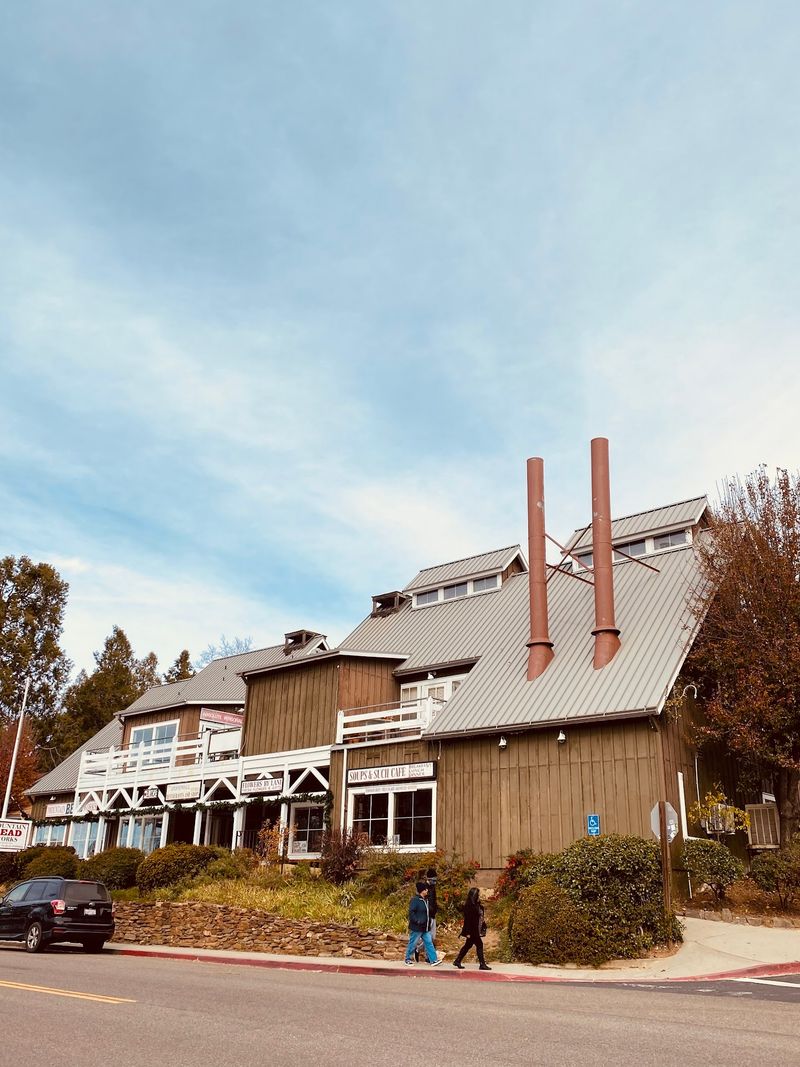
September in Julian means apples. Picking season starts in late August or early September and runs into late October, which puts Labor Day weekend right at the front of the pie line.
The whole town smells faintly of baked sugar.
Bakeries sell whole pies and warm slices topped with cinnamon ice cream, and lines form by mid morning. Cider donuts disappear fast.
Arrive early or plan a late afternoon snack instead of lunch, and bring cash for smaller stands.
Gold, not fruit, built the place. Miners struck it in the 1870s, and the Eagle Mine still runs underground tours where guides point out old veins and rusted equipment.
Main Street keeps its wooden storefronts, an old hotel, and shops selling jams, candles, and hard candy, and kids usually love the mine tour.
At more than 4,200 feet in the Cuyamaca Mountains, Julian runs noticeably cooler than San Diego about an hour away.
Volcan Mountain and Cuyamaca Rancho State Park offer trails through oak and pine with long views. Bring a jacket for the evening.
Weekend traffic on the two lane roads gets heavy, and downtown parking fills by ten in the morning. Arrive early, park once, and walk everywhere.
Weekday visits are much calmer.
Some orchards allow pick your own, but call ahead since harvest timing shifts each year. Inns book out weeks in advance, and evening stargazing rewards anyone who stays.