People Travel For Hours Across Southern California To Eat At This Massive All-You-Can-Eat Buffet
A buffet has to be doing something serious when people turn it into a road trip.
Nobody drives hours for sad trays and lukewarm ambition. The spread needs range. The plates need purpose.
A massive all-you-can-eat spot can make Southern California dinner plans feel wonderfully unreasonable.
People come hungry, but curiosity does half the work. One section pulls them in. Another makes them rethink the first plate.
Then dessert starts acting like it deserves its own strategy.
A place this big turns dinner into a choose-your-own-feast situation. That is exactly why diners keep showing up with stretchy expectations.
The meal is about seeing what the next counter is hiding.
By the time everyone leaves, the drive home feels quieter for a very obvious reason.
A City Of Industry Buffet Built For Big Southern California Appetites
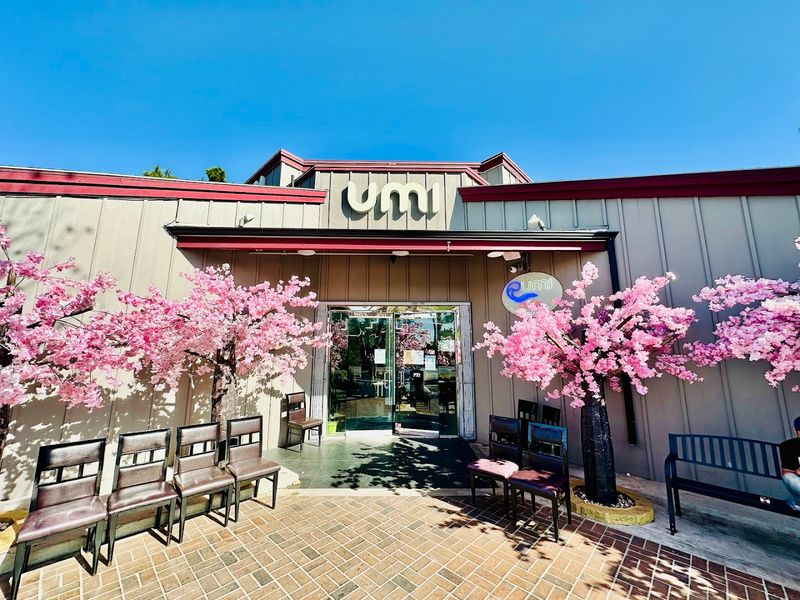
Not every buffet earns the kind of loyalty that sends people crawling through Southern California traffic just to eat dinner, but UMI Hotpot Sushi & Seafood Buffet has managed to do exactly that.
The restaurant is located at 18061 Gale Ave, City of Industry, CA 91748, sitting in a busy commercial corridor that makes it surprisingly accessible from multiple freeways.
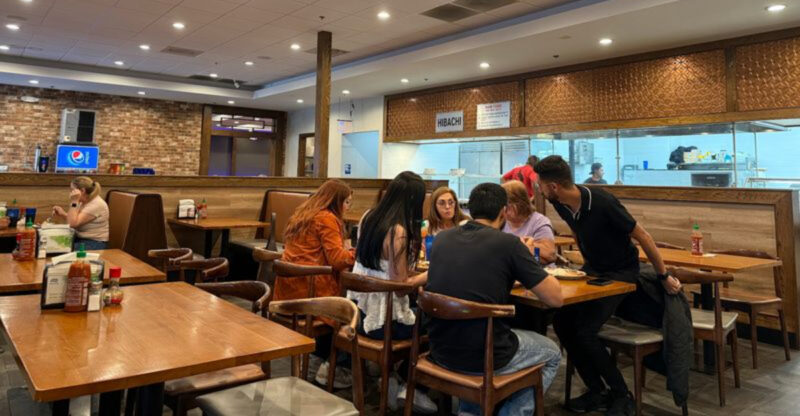
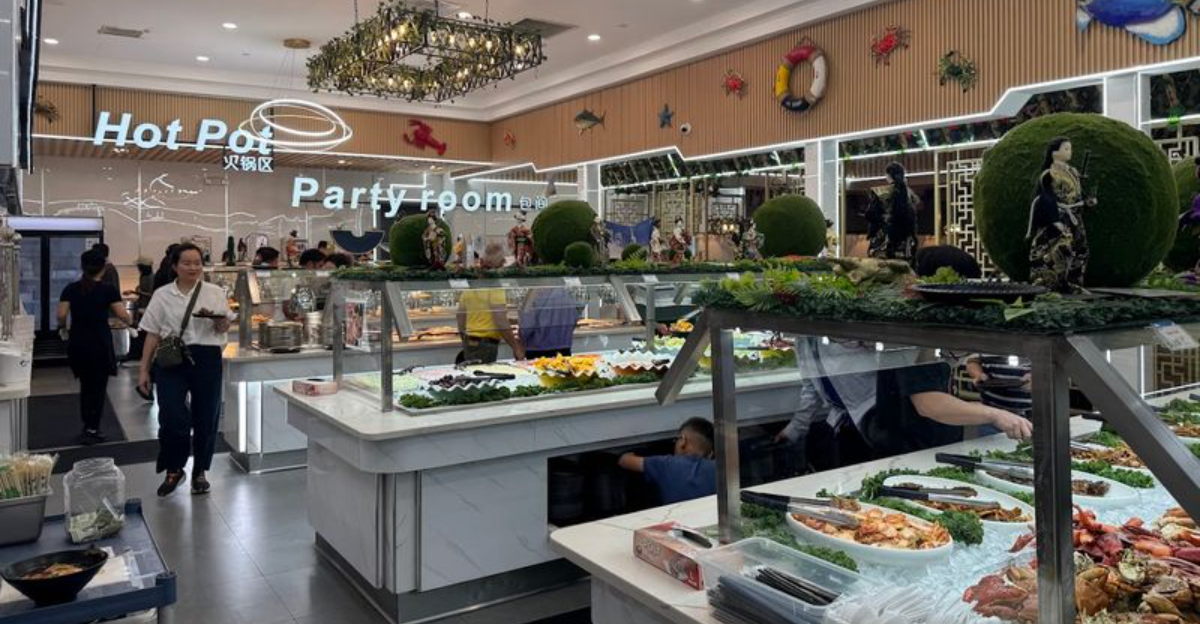
The space inside is bright, modern, and noticeably spacious, with dining areas spread across the floor to accommodate large groups and families without feeling cramped.
The atmosphere tends to feel lively rather than overwhelming, with the kind of steady energy that comes from a genuinely busy restaurant rather than one that manufactures excitement.
Seating is plentiful, the lighting is clean and inviting, and the overall layout gives the impression of a place that was designed with high-volume dining in mind from the start.
For anyone arriving from farther parts of the region, the combination of easy freeway access and a well-organized interior makes the trip feel worthwhile before the first plate even lands on the table.
The flat-fee pricing structure removes the usual stress of ordering and lets guests simply focus on eating well.
Over 200 Daily Items Make The Selection Feel Almost Endless
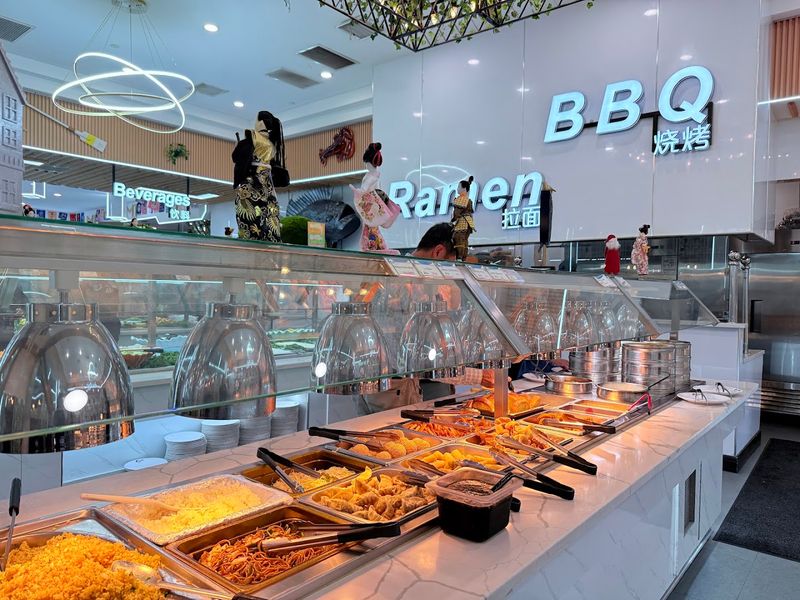
The sheer number of options spread across the warming trays, cold displays, and live cooking stations adds up to over 200 items on any given day, covering a range wide enough to satisfy nearly every preference.
From Chinese-style stir-fries and steamed dishes to grilled meats, dim sum, and American comfort items like fries and chicken wings, the variety feels less like a buffet and more like a curated food hall.
Trays tend to be refilled at a fairly consistent pace during busy hours, which means the food arriving on most plates is hot and recently prepared rather than sitting under heat lamps for extended periods.
The selection spans multiple cooking styles and flavor profiles, so the experience of moving from station to station rarely feels repetitive.
Pricing currently sits at around $25.99 per person for weekday lunch, running from 11 AM to 3:30 PM, while dinner and weekend visits run approximately $38 to $42 per person.
All pricing is subject to change, so checking with the restaurant directly before visiting is always a good idea.
Hot Pot Turns The Meal Into A Table-Side Feast
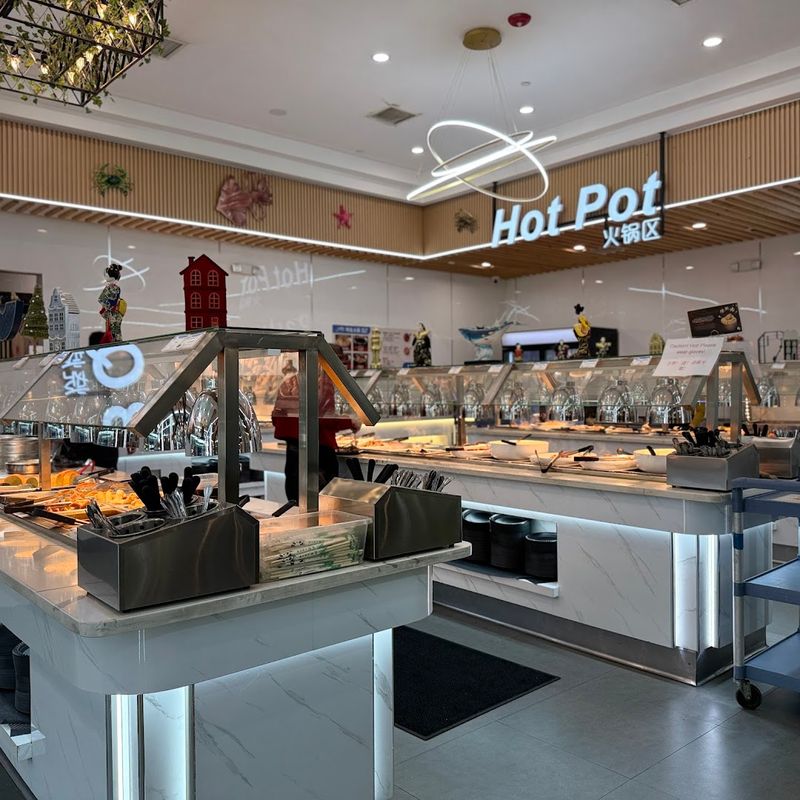
Hot pot dining has a rhythm to it that feels different from any other style of eating, and having it available inside an all-you-can-eat buffet adds a layer of flexibility that most restaurants simply cannot match.
At UMI, guests can opt into the hotpot experience as part of the same flat-fee buffet price, selecting from available broths and loading up on fresh ingredients from the buffet stations to cook table-side at their own pace.
The setup works especially well for groups who enjoy a more interactive meal.
The broth options tend to lean toward bolder, spicier profiles, so guests with a preference for milder flavors may want to confirm available options when seated.
Ingredients that pair well with the hotpot format include thinly sliced meats, leafy greens, mushrooms, tofu, and various seafood items pulled directly from the buffet spread.
What makes the hotpot addition genuinely useful here is that it does not replace the rest of the buffet but rather layers on top of it.
A table could theoretically spend the first half of the meal cooking hotpot and the second half grazing through the sushi and seafood stations, which is exactly the kind of flexibility that keeps people coming back.
Sushi And Sashimi Give The Buffet A Fresher Edge
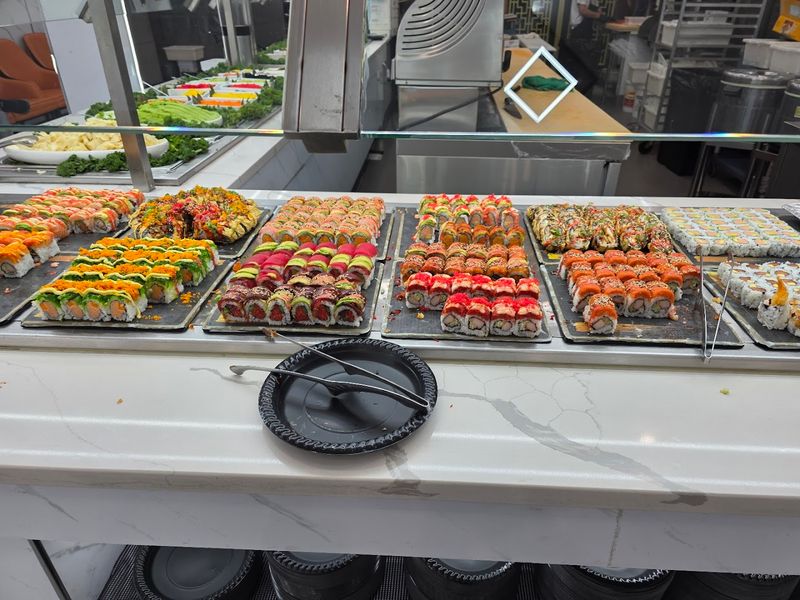
A buffet that takes its sushi seriously stands out quickly, and the sushi and sashimi station at UMI tends to be one of the most consistently mentioned highlights across visitor accounts.
The selection includes nigiri, a variety of rolls, and sashimi cuts, with the freshness holding up well during busier service periods when turnover keeps the display moving at a steady pace.
Arriving earlier in a service window generally means catching the station at its most fully stocked.
The range of sushi options covers both familiar rolls and some less common combinations, giving guests room to explore beyond the standard California roll.
Sashimi cuts tend to be cleanly sliced and presented without excessive filler, which adds a sense of quality that can feel unexpected at an all-you-can-eat price point.
For anyone who prioritizes fresh Japanese-style preparations in their buffet experience, the sushi station alone tends to justify a significant portion of the entry price.
It pairs naturally with the seafood section nearby, allowing for a tasting-style approach where smaller portions of each item can be sampled without committing to a full plate of any single dish.
The combination of variety and freshness makes this corner of the buffet genuinely worth multiple visits during a single sitting.
Seafood Fans Get Plenty Of Reasons To Circle Back
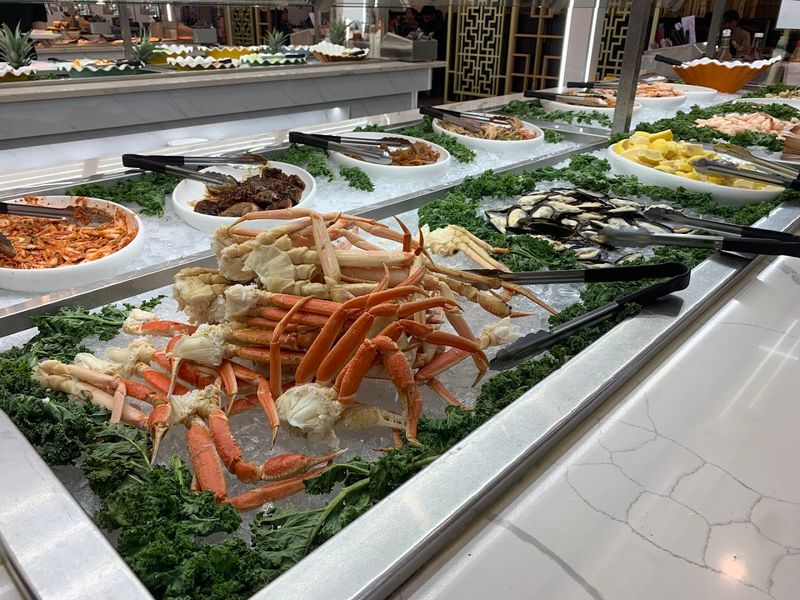
The cooked seafood section is where UMI tends to separate itself most clearly from a standard Chinese buffet.
Snow crab legs, shrimp, oysters, mussels, clams, softshell crabs, scallops, crawfish, and abalone all appear in the regular rotation, giving the seafood-focused diner a genuine range to work through during a single visit.
Availability of specific items can vary by day and time, so not every item on that list may be out simultaneously.
Snow crab legs in particular tend to draw significant attention, with guests gravitating toward the station whenever a fresh batch arrives.
Having crab crackers on hand helps with the process, and asking a staff member for them when seated saves time once the crab comes out.
The salt and pepper crab preparation has also been noted as a standout among the cooked offerings.
Because the restaurant operates at high volume, especially on weekends, popular seafood items can move quickly.
Keeping an eye on the stations and returning for fresh trays as they arrive tends to produce a better experience than loading up all at once from an older batch.
The seafood spread alone gives the buffet a profile that punches above what the price point might initially suggest, and it remains one of the clearest reasons visitors make the drive from farther parts of Southern California.
Ramen And Staples Keep The Choices Comforting
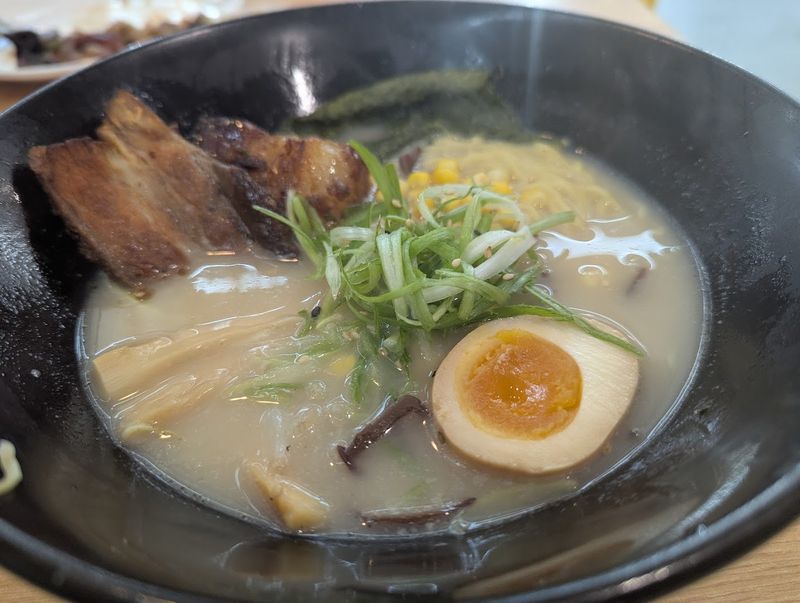
Somewhere between the seafood towers and the sushi display, the ramen bar at UMI offers a quieter kind of satisfaction.
Made-to-order ramen is available as part of the buffet experience, giving guests a warm, customizable bowl that contrasts nicely with the heavier protein-forward stations elsewhere in the restaurant.
The broth at the ramen station has received mixed feedback, with some finding it flavorful and others describing it as relatively mild or flat, so expectations going in should remain flexible.
Beyond ramen, the buffet includes a range of Chinese-style staples including braised meats, noodle dishes like chow mein, soups, and dim sum items that provide a familiar comfort layer for guests who want something reliable between more adventurous plates.
Pork belly and braised beef have been specifically noted as enjoyable options within the cooked food section.
The presence of these comfort-oriented staples matters most for groups with mixed preferences, where not everyone at the table is focused on seafood or sushi.
Having accessible, filling options alongside the more premium stations ensures that no one at a group table ends the meal feeling like the buffet was not built for them.
Lunch Hours Can Make The Feast Feel More Budget-Friendly
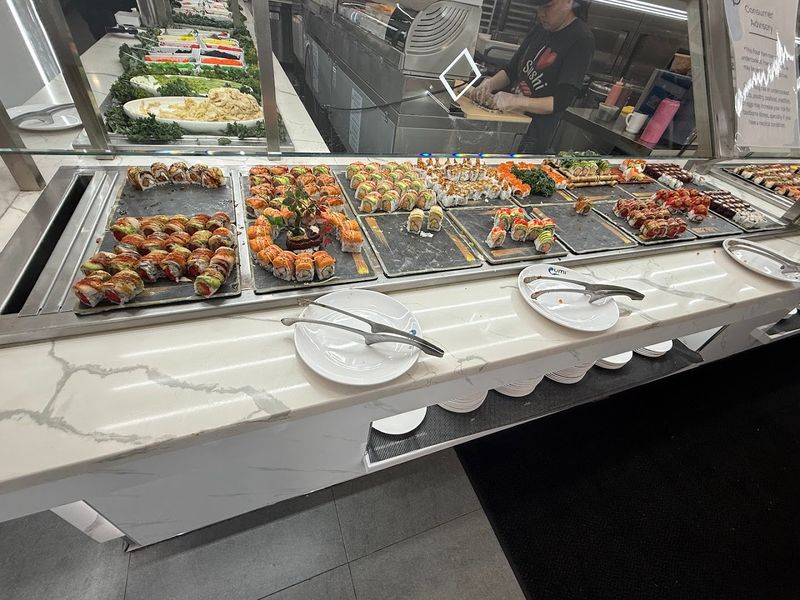
Weekday lunch at UMI runs from 11 AM to 3:30 PM and is currently priced at around $25.99 per person, making it one of the more accessible price points for an all-you-can-eat experience.
For anyone with scheduling flexibility, the lunch window offers a way to experience the full buffet at a noticeably lower cost than the dinner or weekend price tiers.
Arriving during the lunch window on a weekday can also reduce wait times compared to weekend dinner service, though busy periods can still produce lines even at lunch.
The check-in process uses a self-service kiosk inside the restaurant, which sends a text notification when a table is ready.
One thing to keep in mind is that the lunch pricing applies specifically to the weekday afternoon window, and arriving near the 3:30 PM cutoff may result in being charged at the dinner rate instead.
Confirming the current pricing tier with the host stand upon arrival removes any uncertainty.
The restaurant currently adds a 12% gratuity to the bill automatically, which is worth factoring into the total budget before sitting down.
Weekend Dinner Brings The Biggest Buffet Energy
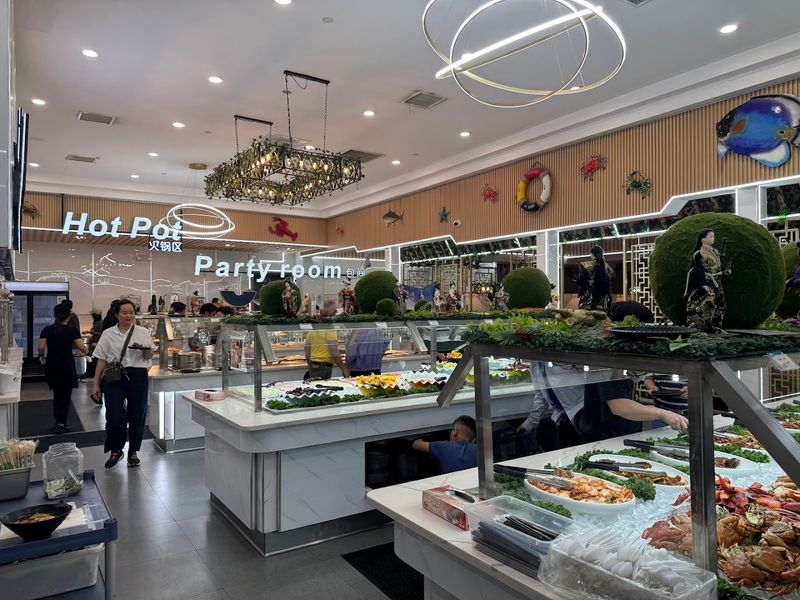
Friday and Saturday evenings at UMI run until 11 PM, giving weekend visitors an extended window to work through the full buffet at a more relaxed pace.
The energy during weekend dinner service tends to be the most vibrant of any time slot, with the restaurant operating at or near capacity and the food stations cycling through fresh trays at a consistent rate driven by high demand.
Popular items like snow crab legs and premium seafood tend to move quickly, so timing trips to the stations right after restocking produces the best results.
Wait times on weekends can be significant, with some visitors reporting waits of an hour or more during peak hours.
Arriving before 6 PM on a weekend evening tends to reduce wait time, though availability can vary and there are no guarantees.
The self-service check-in kiosk allows guests to wait more comfortably, including from their vehicles, while monitoring their position in line via text updates.
Weekend dinner is currently priced at approximately $38 to $42 per person, with pricing subject to change.
The higher price reflects the broader selection and longer hours available during evening service.