11 Michigan Small Towns That Are Impossible Not To Love
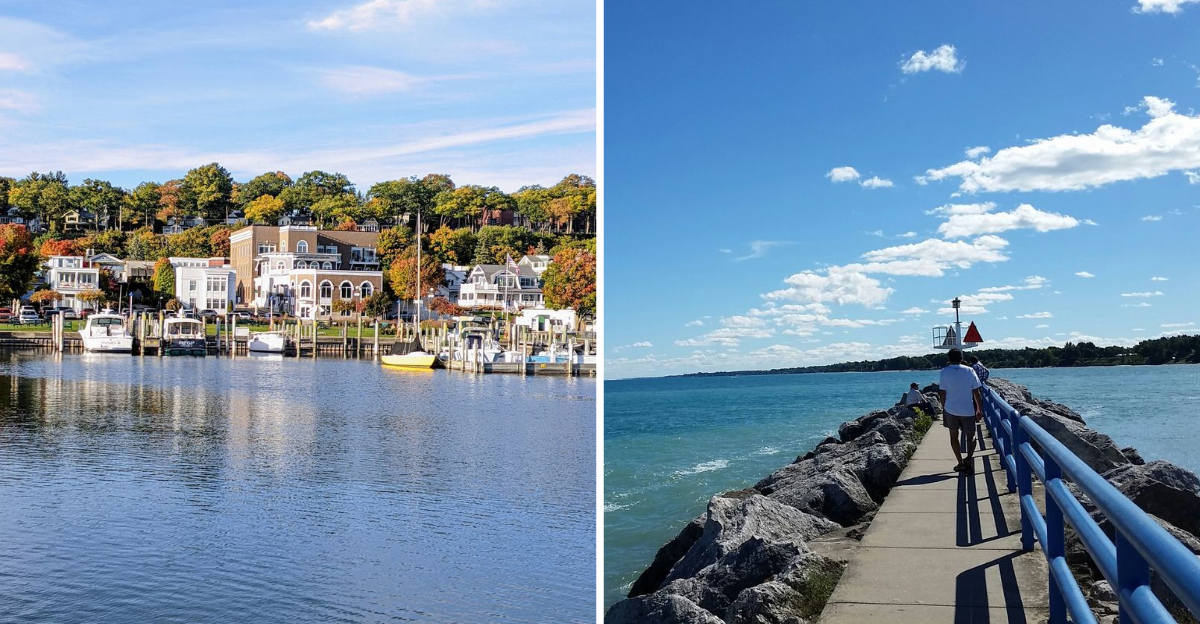
My favorite small towns are the ones that make a quick stop turn into an overnight stay.
Michigan has plenty of them, with harbors, dunes, quirky attractions, historic streets, and enough local flavor to keep plans flexible.
One town might win you over with a beach, while the next has architecture, outdoor adventure, or a downtown worth wandering slowly. That variety keeps a road trip from feeling repetitive.
You can chase lake views one day and stumble into something wonderfully unexpected the next.
I would leave some room in the schedule on purpose.
These places have a habit of giving you one more reason to stay before the car keys come out.
1. Saugatuck, Michigan
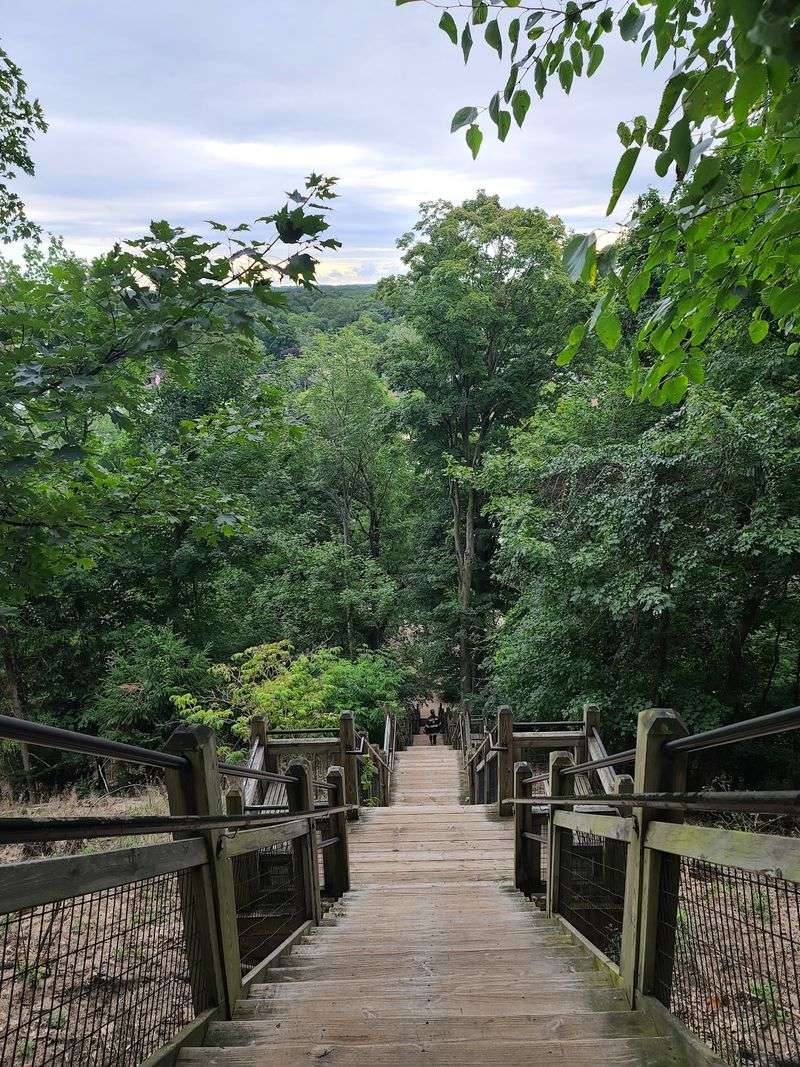
Art galleries and sand dunes rarely share the same zip code. Here they sit side by side, minutes apart.
Known as the Art Coast of Michigan, this harbor village hugs the state’s eastern Lake Michigan shore. Oval Beach ranks among the finest freshwater beaches in the country. Powdery sand and tall dunes frame every sunset.
Golden hour is the moment to claim your towel spot. The light turns the whole shoreline warm and pink.
Saugatuck Dunes State Park adds climbing hills and shaded woodland trails. Paddlers rent kayaks and boards for calm cruises on the Kalamazoo River. The hand-cranked chain ferry is one of the last of its kind nationwide.
Downtown rewards slow wandering with boutiques and studio windows. The Saugatuck Center for the Arts runs exhibits and stage performances year-round.
Summer brings sailboat and pontoon cruises for anyone wanting water views. Boating culture runs deep in this little community.
Try arriving midweek if crowds are not your thing. Parking near the beach fills fast on warm weekends. Few towns balance creativity and shoreline beauty so effortlessly, and this one nails it.
2. Charlevoix
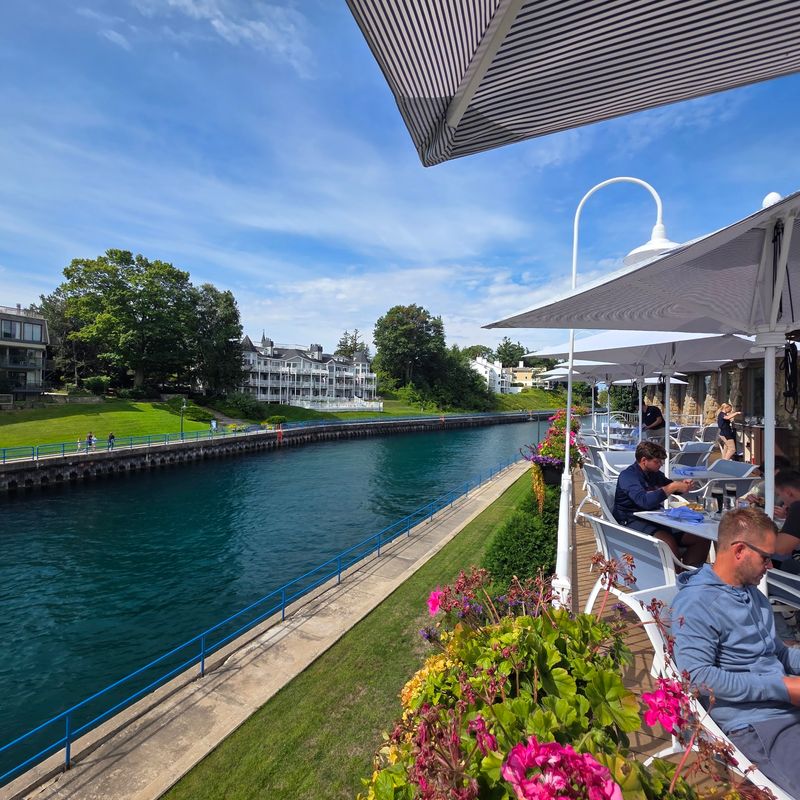
Cottages with wavy roofs and boulder walls look pulled from a fairy tale. They are completely real, and you can walk right past them.
Charlevoix sits between Lake Michigan and Lake Charlevoix, which means water on nearly every side. The famous Mushroom Houses, designed by architect Earl Young, are the town’s signature. A self-guided tour lets you find them at your own pace.
The downtown drawbridge lifts for passing boats, and everyone stops to watch. It has become a small daily ritual.
Fisherman’s Island State Park hides forest trails and quiet overlooks above Lake Michigan. Bring sturdy shoes and plenty of water.
Lake Charlevoix is a playground for swimming, fishing, and every water sport imaginable. Boat rentals stay busy through July and August.
The South Pier Light Station glows at sunset and draws camera-happy crowds. Evening walks out the pier are hard to beat.
Shops, galleries, and restaurants fill the compact downtown blocks. A seasonal ferry connects nearby Petoskey with Harbor Springs for easy coastal hopping. Storybook charm plus big-water scenery makes this town stubbornly unforgettable.
3. Petoskey
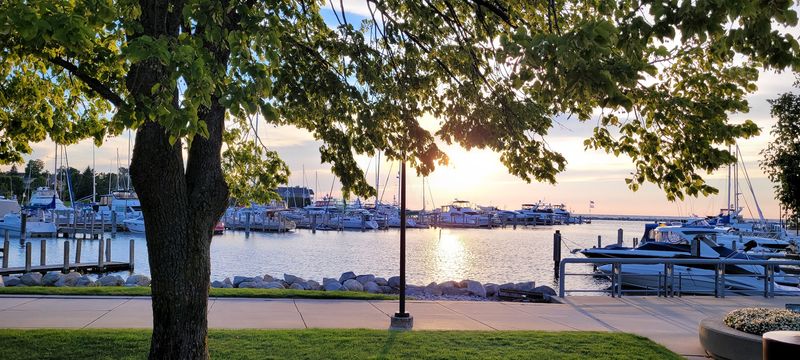
Some souvenirs cost nothing but patience and a bent back. Fossil hunting turns an ordinary beach walk into a treasure hunt.
Petoskey rests on Little Traverse Bay, where clear water meets one very stylish downtown. The town is famous for Petoskey stones, fossilized rugose coral found along Great Lakes shores.
Petoskey State Park is the go-to hunting ground. Search after storms or during the spring thaw for the best odds. Wet stones show their honeycomb pattern most clearly.
The historic Gaslight District packs boutiques, galleries, and restaurants into walkable blocks. Rainy afternoons vanish quickly here.
Bear River Valley Recreation Area brings trails, steep bluffs, and even whitewater paddling close to town. It is a surprising bit of wild energy.
Cyclists love the paved Little Traverse Wheelway, which links several lakeside communities. Rentals are easy to find in summer.
Bayfront Park and the marina make a fine sunset stop. A tour of the Kilwin’s chocolate factory keeps younger travelers happy. Between fossils, chocolate, and bay views, this bayside favorite earns repeat trips every single year.
4. Frankenmuth
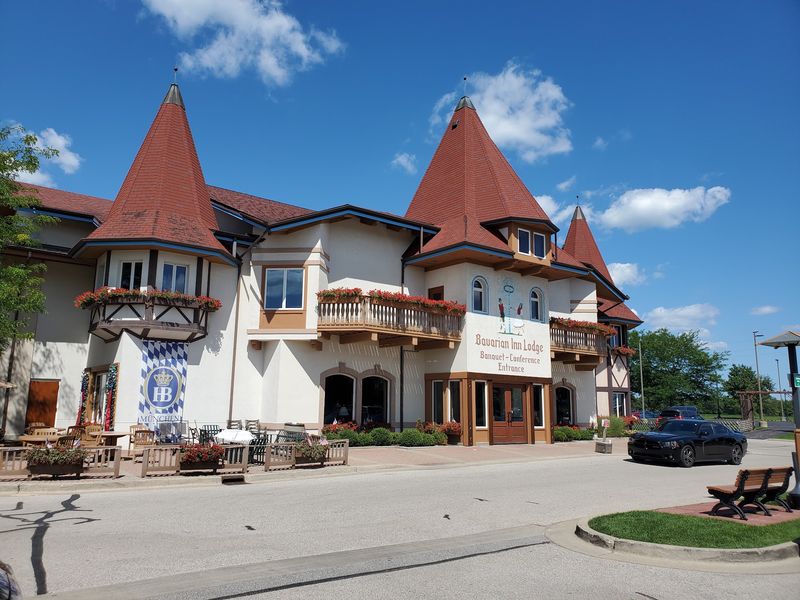
Timber-framed buildings and flower boxes greet you before the car door even shuts. Bavaria somehow landed in mid-Michigan.
Frankenmuth wears the nickname Michigan’s Little Bavaria proudly. Traditional architecture lines the main street, complete with painted murals and steep gables.
Bronner’s Christmas Wonderland is the world’s largest Christmas store. It stays open year-round, so July shoppers can browse ornaments in flip-flops.
Family-style chicken dinners are the local food tradition. Zehnder’s of Frankenmuth and the Bavarian Inn built their reputations on those enormous platters.
The Bavarian Belle riverboat cruises the Cass River for relaxed town views. It is an easy break from walking.
History fans should stop at the Frankenmuth Historical Museum for the community’s backstory. The covered bridge nearby is a favorite photo stop. Specialty shops sell German goods, candy, and keepsakes by the armload. Bring a tote bag or two.
Festivals fill the calendar, including the Bavarian Festival and Oktoberfest celebrations. Streets fill with music, dancing, and food stands. Odd, cheerful, and deeply committed to its theme, this town wins people over fast.
5. Marshall
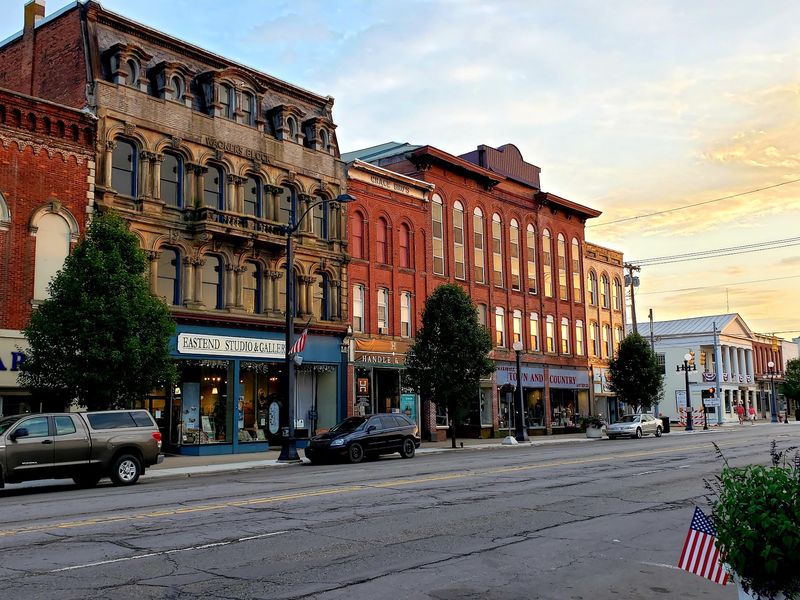
Nearly every block looks like a preserved page from the 1800s. Cameras come out within minutes of arriving.
Marshall holds the largest National Historic Landmark District in the nation’s small urban category. It once campaigned to become the state capital and lost, which oddly saved its old buildings.
The Honolulu House mixes Italianate, Gothic Revival, and Polynesian design in one wild structure. Nothing else looks quite like it.
The Governor’s Mansion and Capitol Hill School Museum round out the historical stops. Both explain how ambitious this town once was.
The Marshall Riverwalk stretches 1.6 miles on raised boardwalk along Rice Creek and the Kalamazoo River. Birdwatchers should bring binoculars.
Here is a fun one: the American Museum of Magic holds the largest public magic collection in the Western Hemisphere. Posters, props, and secrets fill the rooms.
Downtown keeps locally owned shops, cafes, and restaurants inside handsome brick storefronts. Lunch here is genuinely pleasant.
Self-guided tours like the Historic Homes Walk and Capitol Hill Walk cover the details. History nerds will lose an entire afternoon happily.
6. Manistee
Victorian storefronts and a working river channel share the same downtown. The combination is unusual and very photogenic.
Manistee is a historic port city where the Manistee River empties into Lake Michigan. Its downtown carries both national and state Historic District status.
River Street runs alongside the water, packed with small shops, antique stores, and restaurants. The buildings themselves are half the attraction.
The Manistee Riverwalk boardwalk makes morning strolls easy and evening ones prettier. Boats glide past close enough to wave at.
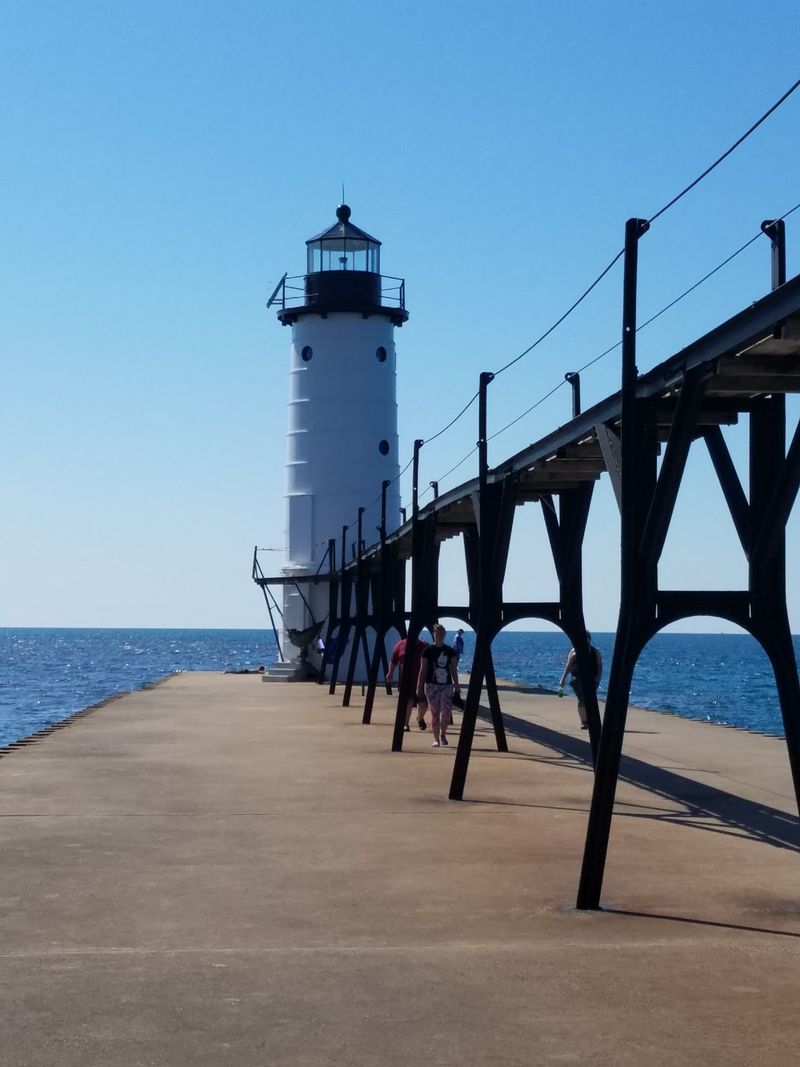
The Manistee County Historical Museum sits in the Lyman Building, with the Waterworks Museum open in summer. Both dig into local industry and shipping. Do not skip the North Pier Lighthouse and its historic catwalk, whose origins date to the 1870s.
The Ramsdell Regional Center for the Arts stages performances inside a beautifully preserved theater.
Twenty-five miles of freshwater shoreline give more than fifty beach access points, including First Street and Fifth Avenue. Manistee National Forest adds hiking, biking, and paddling on the Big Manistee and Pine Rivers.
7. Harbor Springs
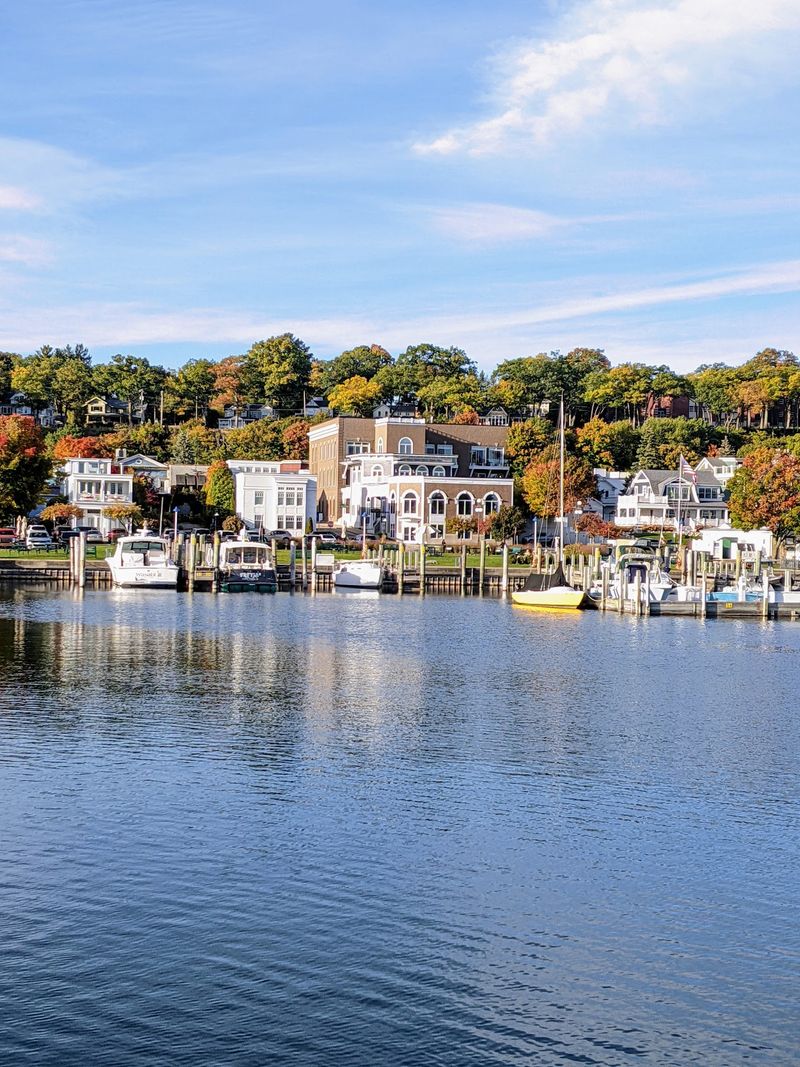
Polished but never stuffy, this waterfront community somehow stays relaxed. The bay does most of the heavy lifting.
Harbor Springs sits on the north shore of Little Traverse Bay, sheltered and deep enough for serious boats. The marina fills with masts all summer long.
Downtown streets stay compact and walkable, lined with boutiques, art galleries, and small eateries. Ice cream cones are practically required.
The Tunnel of Trees drive is the headline attraction for road trippers. Branches arch over the narrow road, with lake views flashing between trunks. Autumn colors here draw travelers from several states.
Cold months flip the mood completely. Nearby Nub’s Nob and The Highlands draw skiers and snowboarders throughout winter.
Snowshoe trails and quiet winter mornings appeal to anyone avoiding crowds. The town stays awake all year, which is not true everywhere up north.
Swimming, sailing, and shoreline lounging fill the warm season. Sunsets over the bay wrap up the day nicely. Elegance and easygoing northern energy meet here, and the mix keeps travelers coming back season after season.
8. Munising
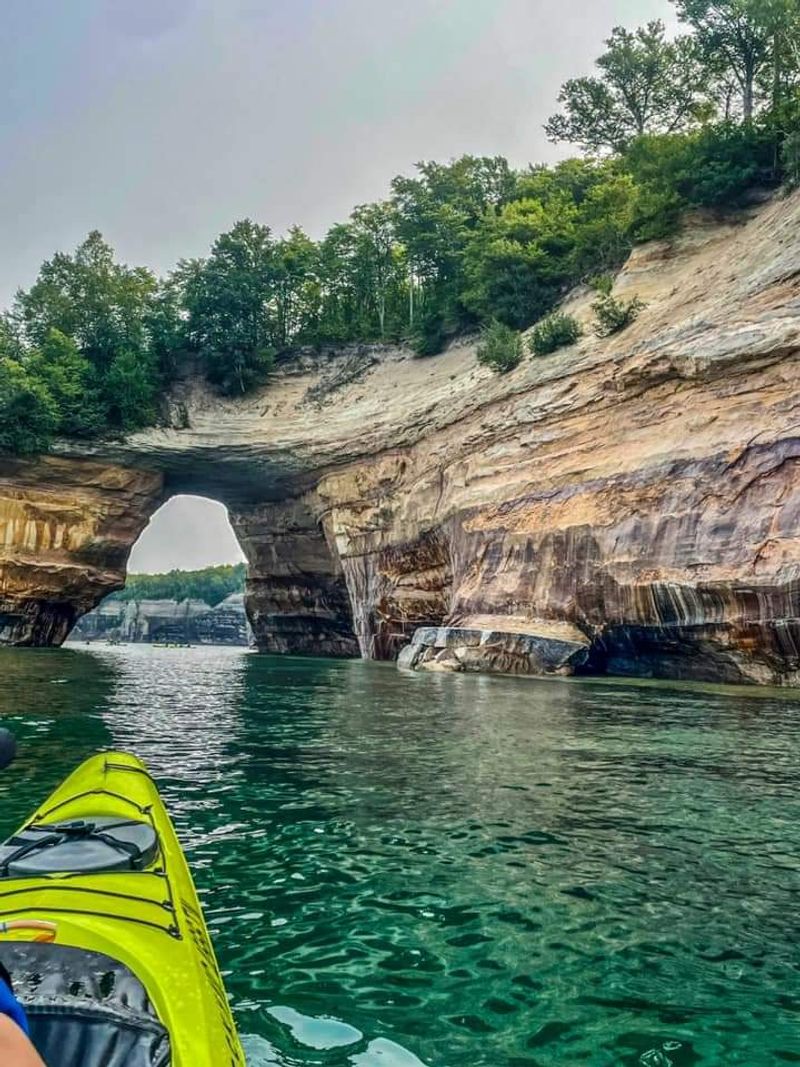
Mineral-streaked cliffs in orange, green, and rust rise straight out of Lake Superior. Photos never quite capture the scale.
Munising sits in the Upper Peninsula and serves as the main gateway to Pictured Rocks National Lakeshore. Colorful sandstone walls stretch for miles above impossibly clear water.
Waterfalls surround Munising, including Munising Falls, Miners Falls and seasonal Bridalveil Falls within Pictured Rocks, with Au Train Falls another popular stop in the surrounding area.
Hiking trails range from short strolls to long ridge routes. Boat tours and kayak trips reveal the cliffs and sea caves from water level.
Grand Island National Recreation Area lies just offshore, reached by ferry. Camping, biking, beaches, and historic lighthouses wait across the channel.
Winter turns the shoreline into an icy showcase. Towering ice formations and extensive snowmobile trails keep the cold season busy.
Glass bottom boat tours float above shipwrecks resting beneath Lake Superior. History and geology collide in one ride.
Pack layers, because Superior stays chilly even in July. Nature performs at full volume in this northern outpost.
9. Leland
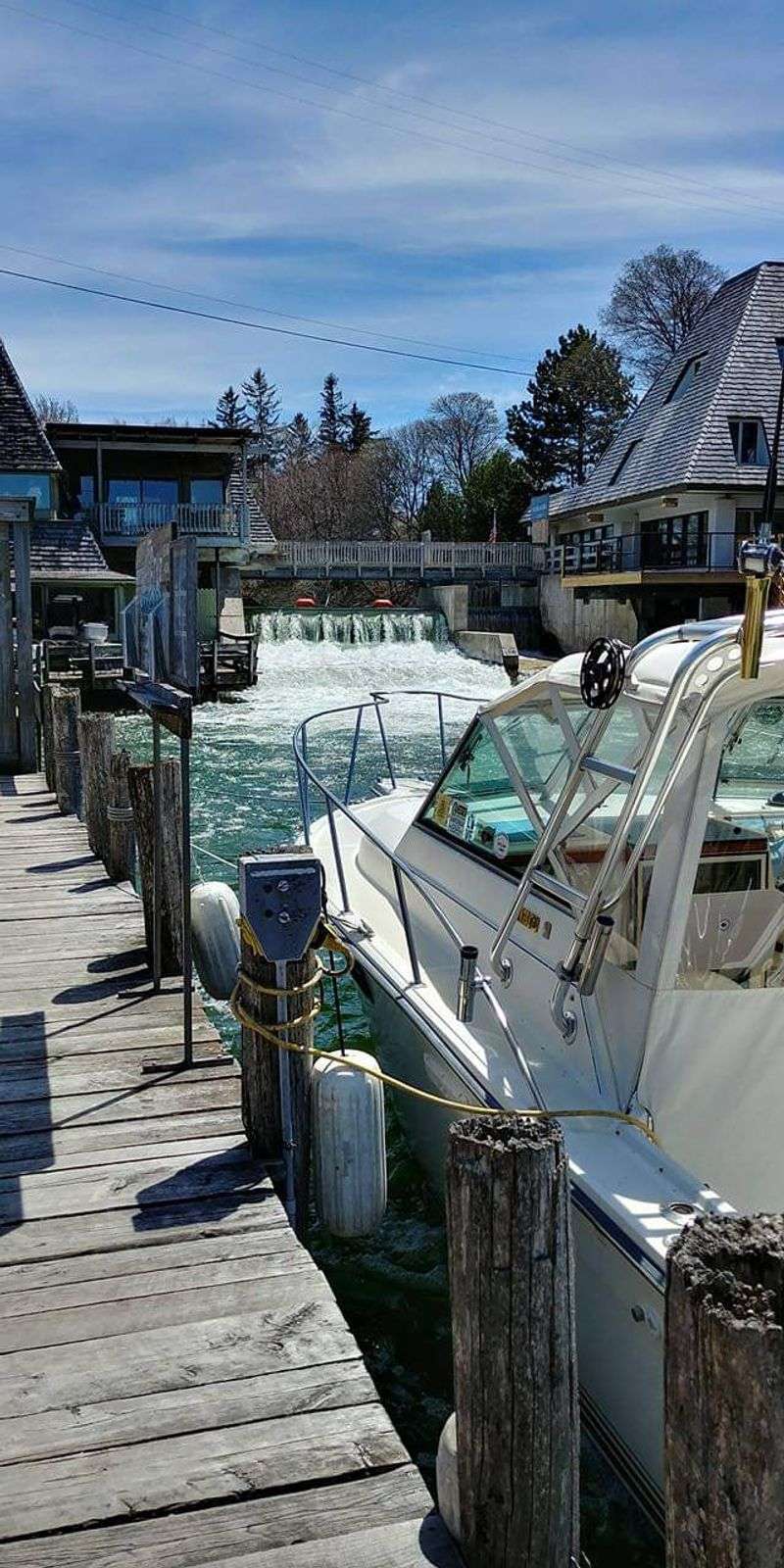
Weathered gray shanties still line a working river channel. Gulls circle overhead like they own the docks.
Leland rests on the Leelanau Peninsula, squeezed between Lake Michigan and North Lake Leelanau. Its heart is Fishtown, a historic fishing village with early 1900s roots.
Old boats, wooden boardwalks, and small shops fill the shanties today. The Leland River slides past on its way to the big lake.
Sleeping Bear Dunes National Lakeshore rises nearby with enormous sand hills. Climbing one earns you a panoramic Lake Michigan payoff.
Leelanau State Park caps the peninsula tip, adding trails and the historic Grand Traverse Lighthouse. Bring a picnic and stay through late afternoon.
Lake Leelanau delivers calm, clear water and sandbars made for paddleboarding. Kayaks and small boats float everywhere in July.
Vineyards spread across the peninsula’s rolling farmland, and tasting rooms welcome travelers with scenic patios.
Van’s Beach faces the Manitou Islands and rewards beachcombers with smooth stones and wide horizons. Old fishing heritage and dune country scenery make this little harbor town hard to leave.
10. Copper Harbor
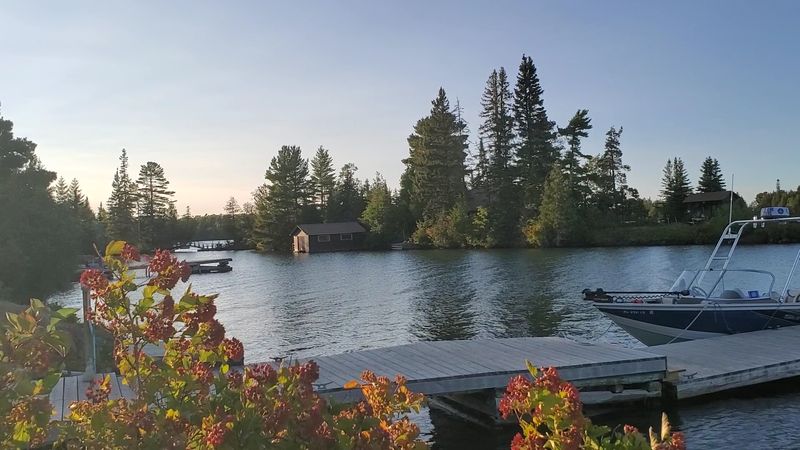
Drive north until the road simply stops. That is roughly where this rugged little community begins.
Copper Harbor anchors the northernmost tip of the Keweenaw Peninsula, wrapped in forest and Lake Superior water. Wilderness sits in every direction.
Brockway Mountain delivers sweeping views of the rocky shoreline and Lake Fanny Hooe. Sunrise up there is worth the early alarm.
Fort Wilkins State Park preserves a historic military outpost from the copper mining era. Costumed interpreters bring the old barracks to life in summer.
Mountain bikers consider these trails among the best in the Midwest. The network holds International Mountain Bicycling Association Epic Trail and Epic Ride Center recognition.
Sea kayakers paddle past dramatic rock formations in cold, deep blue water. Guides run trips for beginners too.
Hunter’s Point stretches into the harbor with pebbly beaches and a scenic loop trail. Manganese Falls hides just outside town.
Daily passenger ferry service connects here to Isle Royale National Park. Cell service fades quickly, which honestly improves the trip. Ancient copper mining shaped this remote corner, and the wild character remains fully intact.
11. Lexington
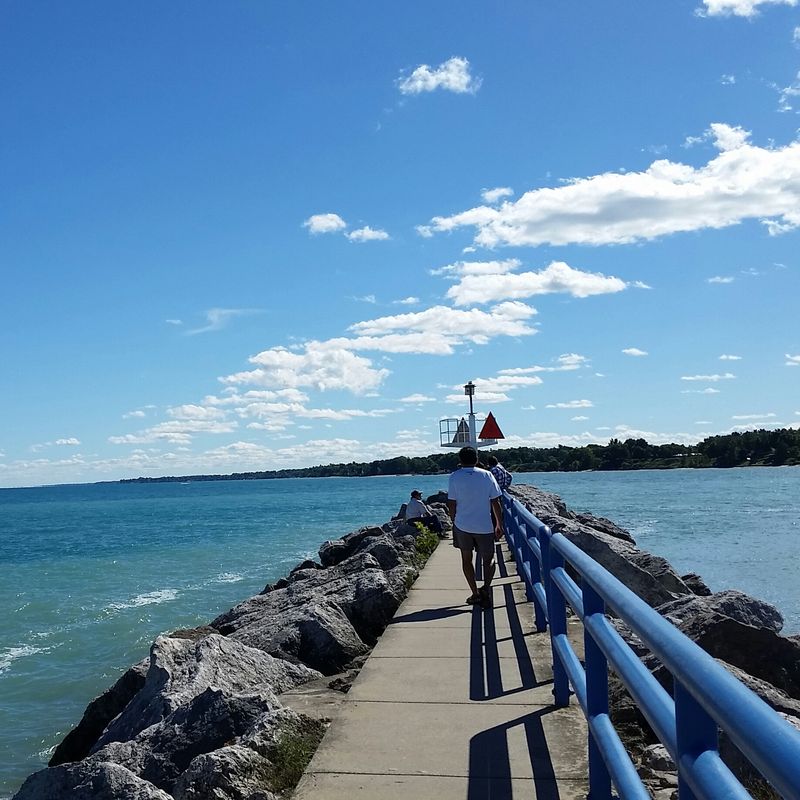
Sunrise over the water instead of sunset changes the whole mood of a morning. Lake Huron handles that job beautifully.
Lexington is a lakeside village on Michigan’s Sunrise Coast, roughly 80 miles north of Detroit. Access is easy, and the pace slows the moment you arrive.
Lexington State Harbor anchors things with public docks, a day-use beach, and plenty of benches. Walking the break wall at dawn is the local tradition.
The Lexington Village Theatre hosts live performances throughout the year. Music nights fill quickly.
Outdoor options include hiking at the Flynn Township Nature Center and cycling the Cros-Lex Bike Trail. Both suit casual explorers.
The Sanilac County Historical Village and Museum covers regional heritage across several preserved buildings.
Annual events keep the calendar interesting, including the Fine Arts Street Fair, Thumbfest folk music celebration, and the Lexington Bach Festival.
Boutique shops downtown reward slow browsing, and Tierney Park makes a fine picnic stop.
Quiet, friendly, and refreshingly unhurried, this Thumb-region village sends travelers home genuinely recharged.