This Michigan Sanctuary Gives Sick Cats A Second Chance And Their Stories Will Warm Your Heart
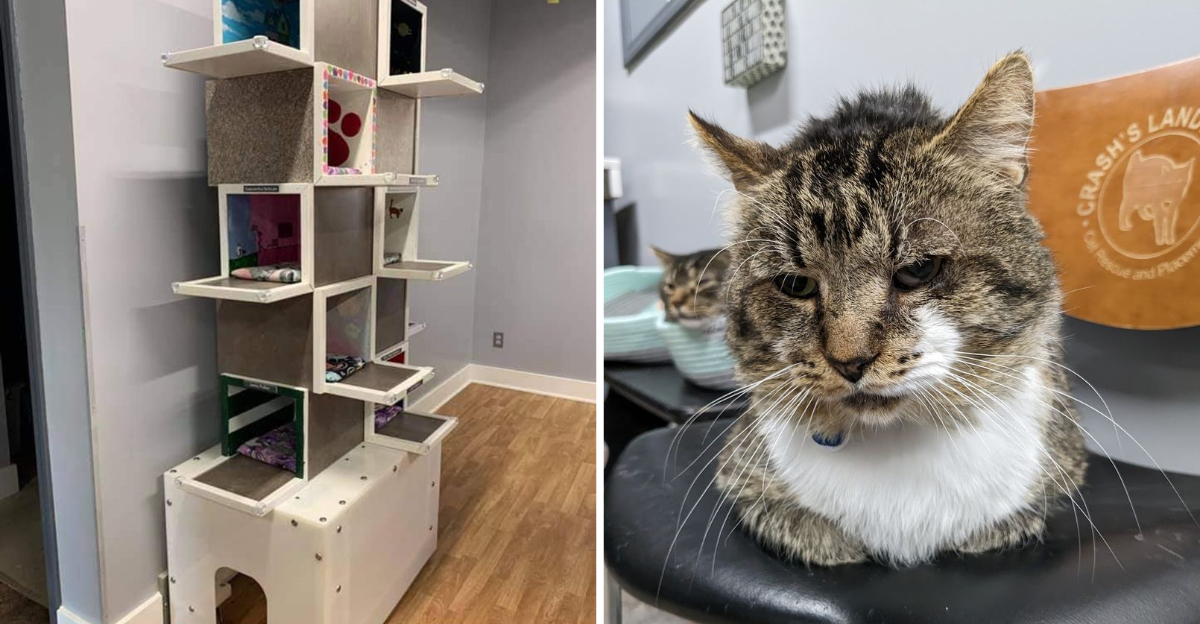
I am a complete pushover for a cat with a comeback story, and this place is full of them.
Michigan has a sanctuary where adult rescues, including cats with FIV and feline leukemia, get comfort, care, and room to roam.
Instead of rows of cages, residents move through shared spaces, nap where they please, and enjoy plenty of attention. That makes meeting them feel especially personal.
Every cat arrives with a different history, and learning those stories adds meaning beyond the cuddles.
Sunday meet-and-greet hours can give visitors a chance to connect with the residents directly.
Come for the cats. Their second chances are what stay with you.
Where The Purring Begins
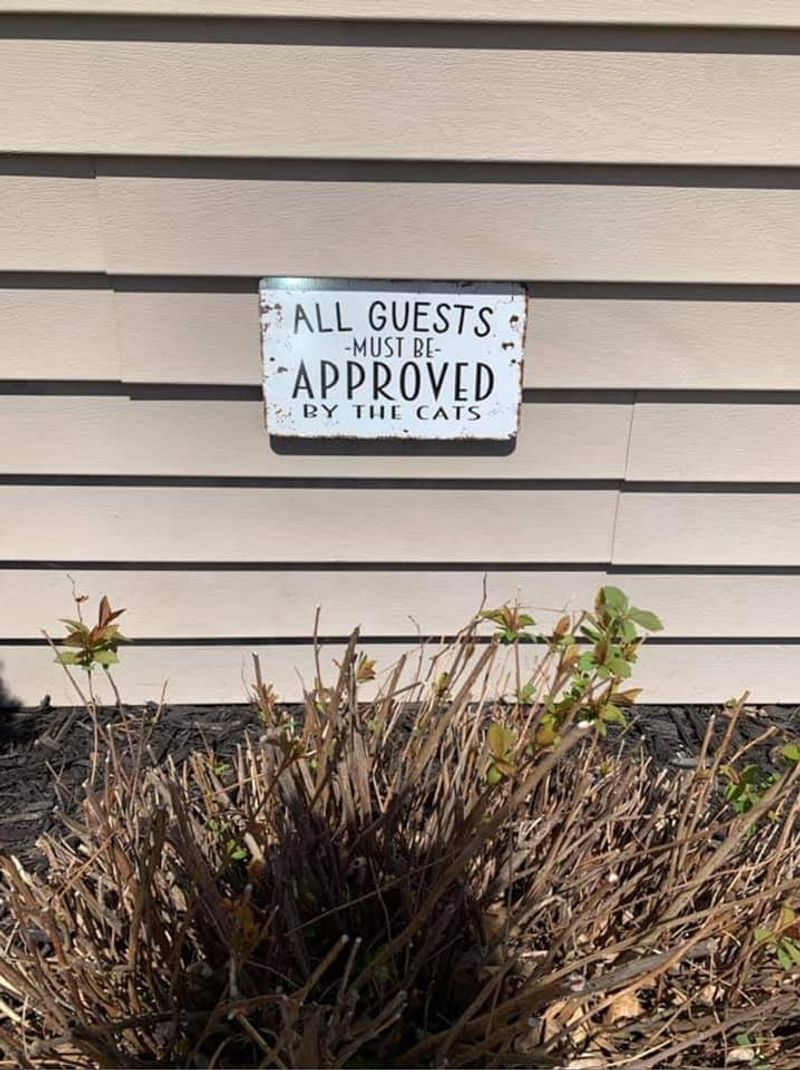
A quiet road on the west side of Grand Rapids leads to a building that hums with soft, contented sound. I heard purring before I even reached the front door.
Crash’s Landing opened in 2002 with one clear goal in mind. It rescues abused, abandoned, and neglected adult cats from the greater Grand Rapids area of Michigan.
The sanctuary runs entirely on donations and the kindness of people who believe every cat matters. There is no big corporate backing here, just steady community generosity.
Its sister facility, Big Sid’s Sanctuary, focuses on cats living with FIV or feline leukemia. Big Sid’s ranks among the largest shelters of its kind in the country.
Remarkably, it stands as the only facility of that specific type anywhere in Michigan. That fact alone makes this small operation nationally important.
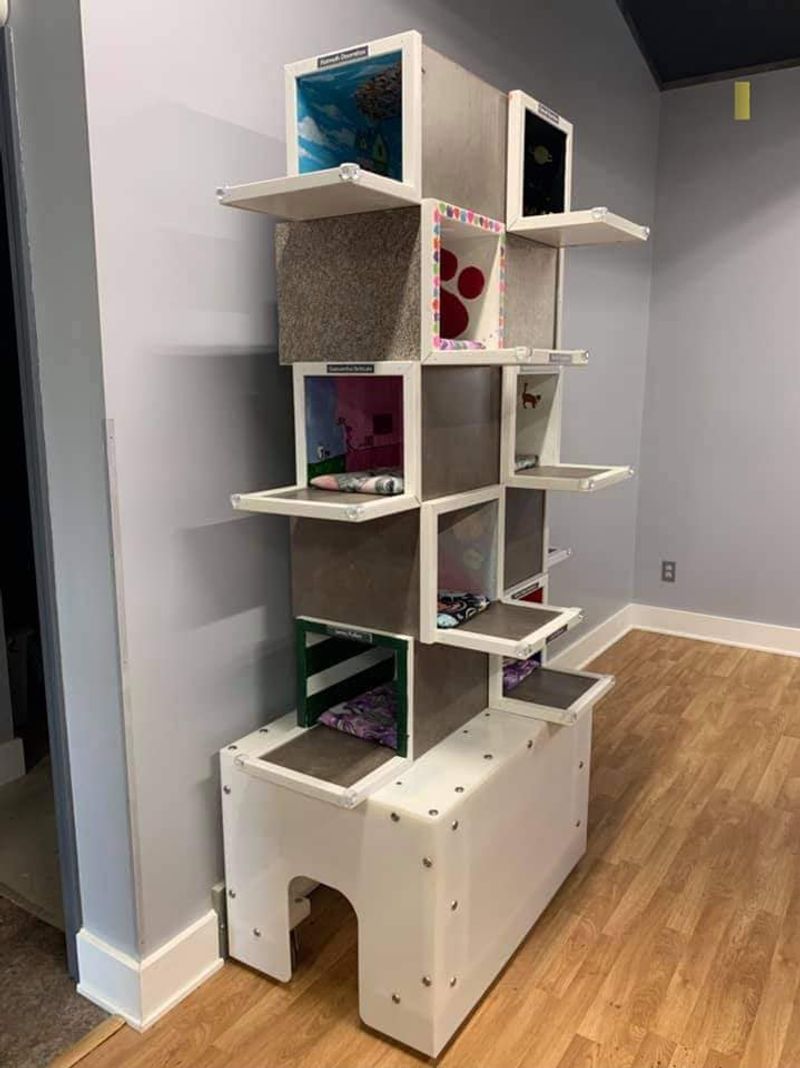
Cats arrive, receive full veterinary care, and then roam freely instead of sitting in cages. They wait for adoption in comfort, surrounded by climbing shelves and sunny windows. You will find this remarkable place at 3433 River Hill Dr, Grand Rapids.
Care For Tough Diagnoses
Two sets of letters change everything for a stray cat: FIV and FeLV. In many places, those results end the conversation before it starts.
Here, they simply signal that extra care is needed. The team treats those diagnoses as a reason to try harder, not a reason to give up.
Staff spend real time explaining that these cats can live long, happy, playful lives. Plenty of them become wonderfully affectionate housemates for the right adopter.
Every resident receives essential veterinary attention before anything else happens. That means spaying or neutering, microchipping, and ongoing medical monitoring.
The facility proudly operates as a no-kill shelter, a promise woven through everything it does. Euthanasia is considered only in the most extreme situations, when a cat is truly suffering.
So once a cat walks through these doors, safety is guaranteed. They stay cared for until adoption, or for the rest of their natural lives.
I watched one longtime resident stretch out on a heated perch without a care in the world. Nobody was rushing him toward the exit.
Salon Sinks And Sunbeams
Here is my favorite quirky detail: the building once operated as a hair salon. Some residents have claimed the old salon sinks as personal beds.
Picture a fluffy orange cat curled inside a shampoo basin, blinking at visitors like a spa guest. I laughed out loud, then took roughly twenty photos.
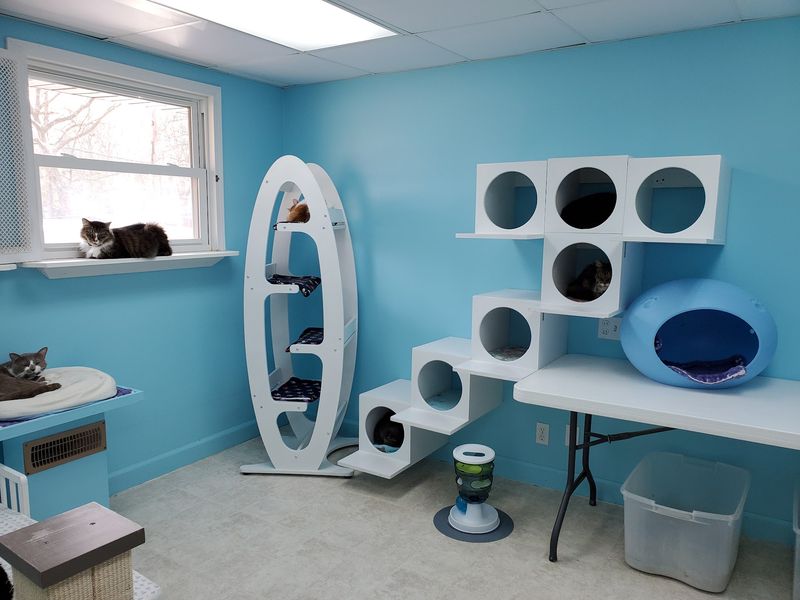
The layout splits into two distinct areas so every cat gets what it needs. Healthy adoptable cats occupy one side, full of chasing, wrestling, and general chaos.
Cats living with FIV or feline leukemia have their own dedicated space. That separation protects everyone while keeping the social atmosphere intact.
Free roaming is the rule rather than the exception at Crash’s Landing. Cages appear only when someone is recovering from surgery.
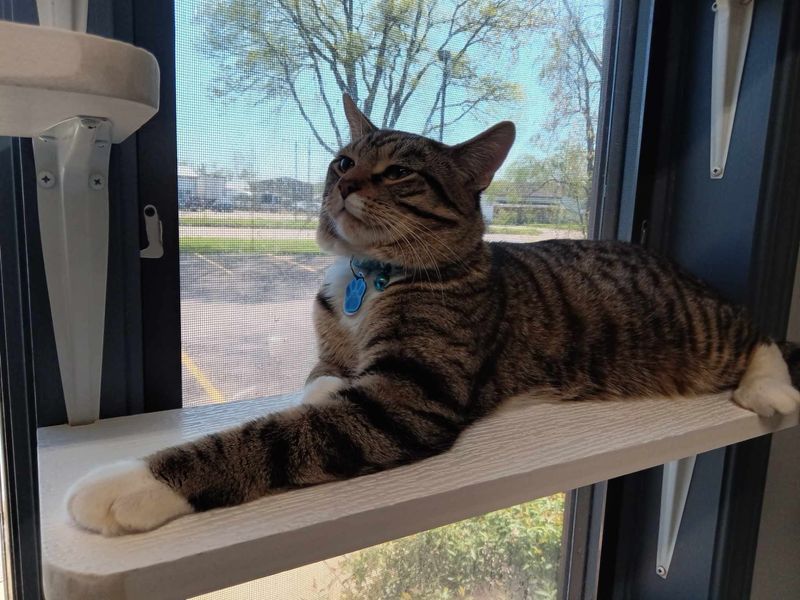
Window perches line the walls, angled for maximum sunbathing efficiency. Bird feeders outside provide entertainment that no toy can match.
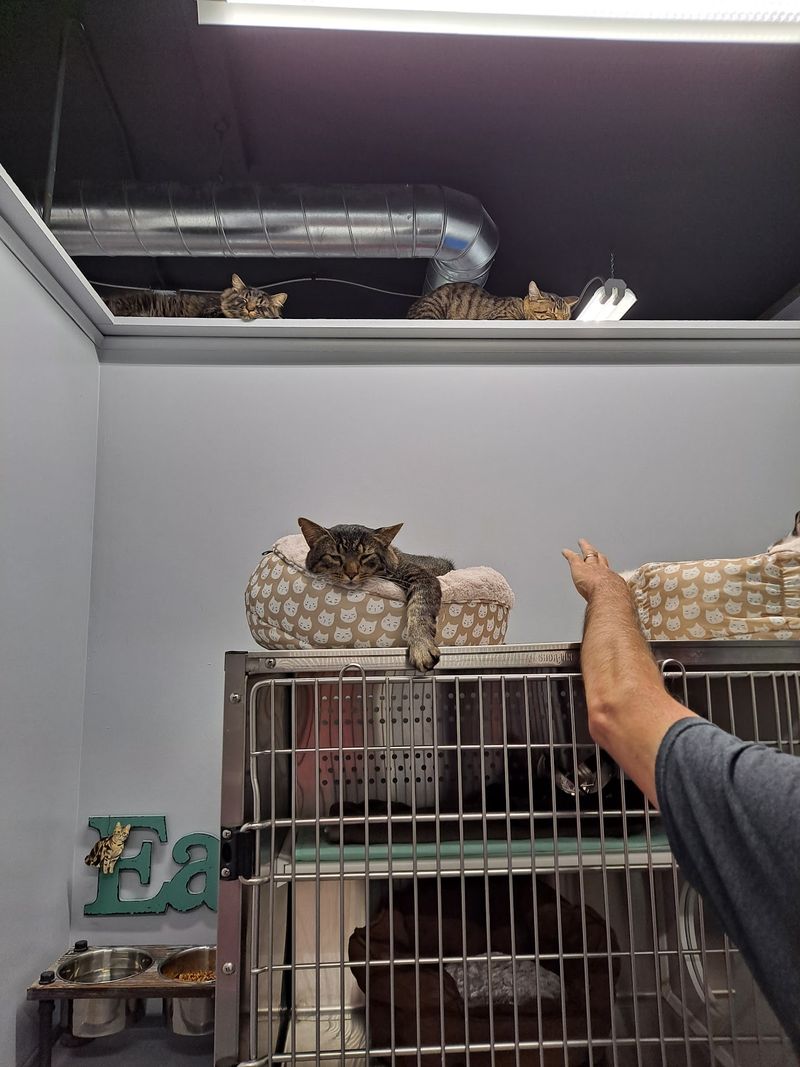
Climbing shelves stretch toward the ceiling, so cats greet you from three different heights at once. I got used to being watched from above.
Who Gets A Spot
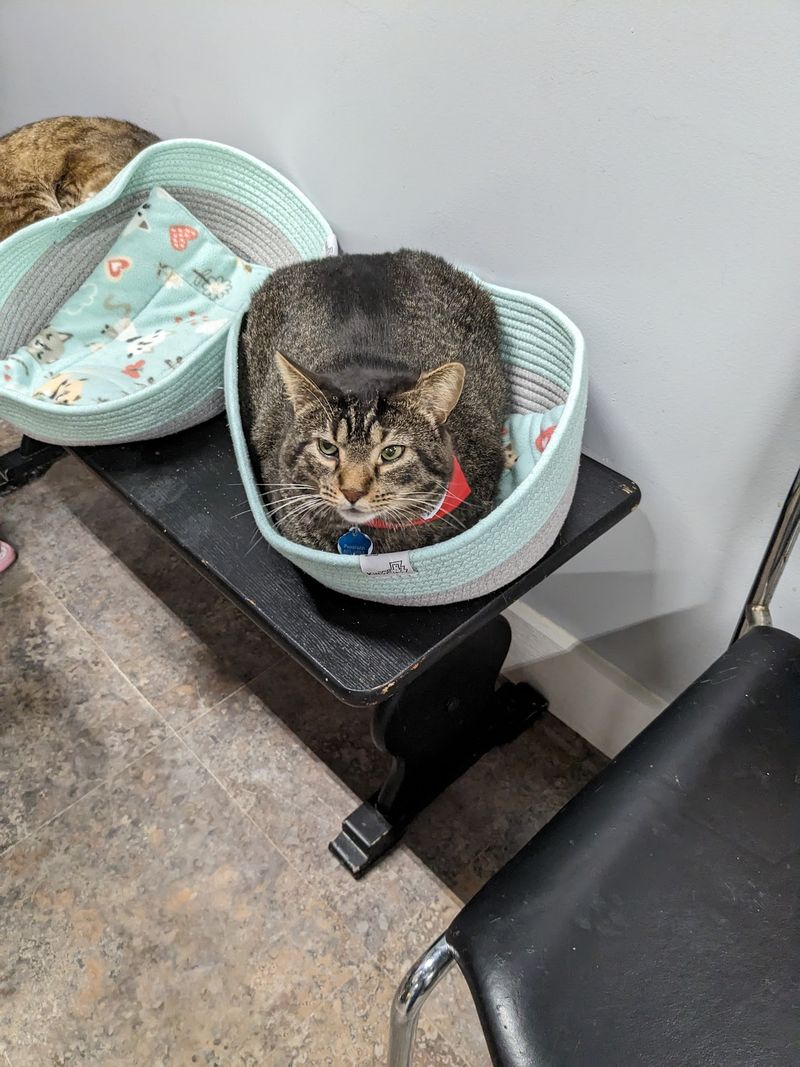
Space is limited, so intake decisions carry real weight. The focus falls squarely on adult strays who have been through the wringer out on the streets.
Cats testing positive for FIV or feline leukemia receive priority consideration. Other strays may be accepted under very specific conditions.
Owner surrenders and litters of young kittens generally are not taken directly from the public. That policy surprises some visitors, but the reasoning makes sense.
Fewer intakes mean better care for each cat already living there. Quality never gets traded away for quantity.
Even when the answer is no, help is still offered. Staff guide Grand Rapids residents toward resources for rehoming pets responsibly.
That advice alone keeps countless cats out of trouble across the region. It is quiet work that rarely gets credit.
Volunteers receive thorough training before handling anyone with whiskers. Screening is genuinely rigorous, which explains why the cats seem so relaxed around people.
Michigan has no shortage of animal charities, yet this focused approach stands out clearly. Choosing the hardest cases takes a special kind of stubborn optimism.
Numbers That Tell Stories
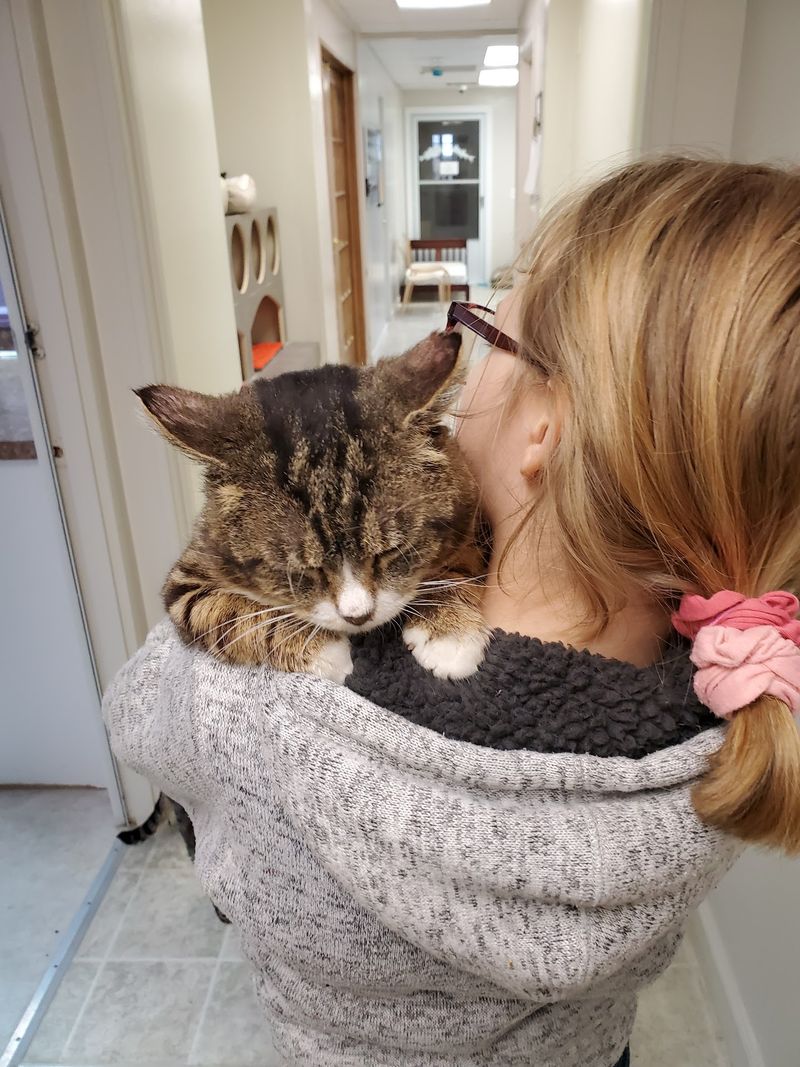
Statistics rarely make me emotional, but these did. In 2022 alone, 102 cats were rescued, and 80 of them found permanent families.
Zoom out across the years and the totals become staggering. Through 2025, roughly 4,670 cats have come into care.
Of those, about 3,753 went home with adopters. Each number represents a cat who once had nothing but a rough patch of pavement.
Cats with FIV or feline leukemia often wait longer for adoption because of stubborn myths. Their care never lessens during that wait.
Sunday Meet and Greet events let visitors sit with the residents and learn their personalities. Some cats audition aggressively for attention.
Same-day adoptions are not offered, and that is intentional. Matching takes thought, conversation, and a completed online application.
Partnerships with local groups such as Feral Cat Solutions extend adoption opportunities for socialized cats. Cooperation multiplies the impact across the region.
Anyone in Michigan searching for a mellow adult companion should start right here. Kittens are adorable, but grown cats know exactly how to love you back.
Volunteers Make It Run
Ask anyone what keeps this operation moving and the answer arrives instantly: volunteers. They handle feeding, cleaning, laundry, socializing, and enrichment day after day.
A Shelter Manager and Assistant Shelter Manager oversee daily operations. The rest of the work rests on unpaid, deeply committed shoulders.
During my visit, someone was brushing a shy long-haired cat with impressive patience. Another person restocked toys while narrating updates to nobody in particular.
Socialization matters as much as clean litter boxes here. Cats who receive daily affection show far better with potential adopters.
Partnerships stretch beyond city limits, including collaboration with Best Friends Animal Society. Those connections help save animals well outside Michigan borders.
Closer to home, the effort reduces the number of homeless cats around Grand Rapids. Responsible pet care education plays a big role in that.
Sponsoring a specific cat is another way to pitch in. Donations of supplies are always welcome and never demanded.
Interested helpers can email [email protected] for details about getting started. Training ensures newcomers know exactly what they are doing. Crash’s Landing proves what organized kindness can accomplish without fanfare.
A Midwest Standout
Bragging rights are earned here, not claimed. This ranks among the largest no-kill cat shelters anywhere in the Midwest.
Big Sid’s Sanctuary pushes that reputation further still. It counts among the biggest no-kill shelters nationally for cats with feline leukemia and FIV.
Within Michigan, it remains the only shelter of its exact type. That distinction draws inquiries from far outside the state.
What impresses me most is the deliberate focus on difficult cases. Injured, neglected, and chronically ill adult strays get first consideration.
A complicated diagnosis marks a beginning rather than an ending. Specialized care replaces the grim outlook these cats might face elsewhere.
Limiting intake feels counterintuitive for a rescue, yet it protects standards. Every resident receives real attention, proper medication, and daily enrichment.
The pioneering work here has influenced how other groups approach positive-test cats. Practical proof travels faster than any pamphlet.
I noticed enrichment items everywhere, from puzzle feeders to homemade kick sticks sold in the entryway shop. Boredom clearly is not permitted. Crash’s Landing has quietly reshaped expectations across Michigan animal welfare circles.
Sunday Visits Made Simple
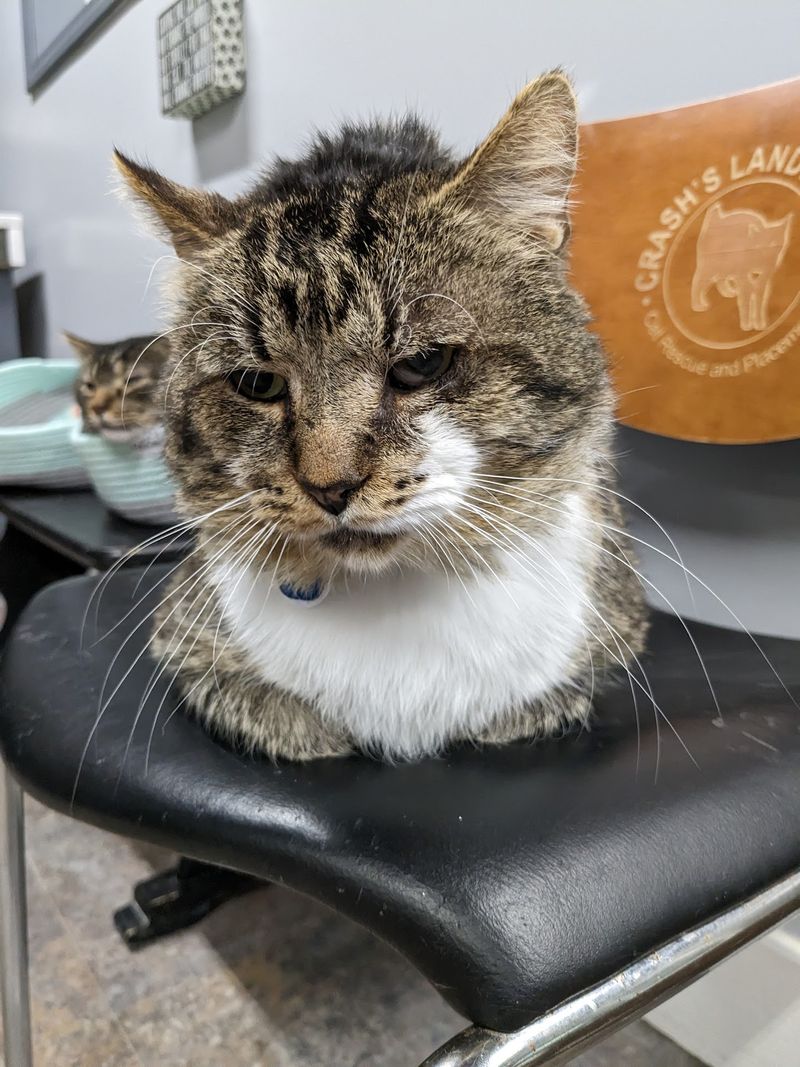
Timing matters, so write this down before you drive out. Meet and Greet events run Sundays from 1:00 PM to 3:00 PM.
Those two hours are your window to meet the residents in person. Arriving outside that time means a locked door and disappointed whiskers.
Visitors can chat with staff, learn about the mission, and drop off donations. Bringing supplies is appreciated, never required.
A small shop near the entryway stocks cat toys and homemade goodies. My own cats received kick sticks and approved enthusiastically.
Adoptions never happen on the spot, which keeps matches thoughtful. Fill out the online application first, then conversations begin.
Wear clothes you do not mind covering in fur. Sitting on the floor guarantees immediate feline company.
Move slowly, let cats approach you, and enjoy being thoroughly inspected. Confidence grows quickly once they decide you are acceptable.
Grand Rapids offers plenty of attractions, but few leave you smiling like this one. Anyone touring Michigan should pencil in a Sunday afternoon here and prepare to fall hopelessly in love.