10 Idaho Hiking Trails Locals Avoid In Summer But Return To Every Fall
The trail did not suddenly get better in September.
Everyone else just went home.
That is when some Idaho hikes finally start feeling like hikes again. The summer parade thins out, the air loses its oven setting, and those switchbacks that felt like punishment in July become surprisingly reasonable.
Then the aspens get involved.
Whole slopes begin flashing gold, and familiar mountain routes suddenly look like they have been secretly redecorated for weeks.
There is also a different kind of quiet once peak season fades. Footsteps sound louder.
Creek water carries farther. You can stop in the middle of the trail without accidentally creating pedestrian traffic.
That alone feels luxurious.
So let summer have its overflowing trailheads and sweaty uphill negotiations.
The smarter encore comes later, when Idaho cools down, the mountains change color, and hiking finally stops feeling like a group project.
10. Fishhook Creek Trail, Stanley
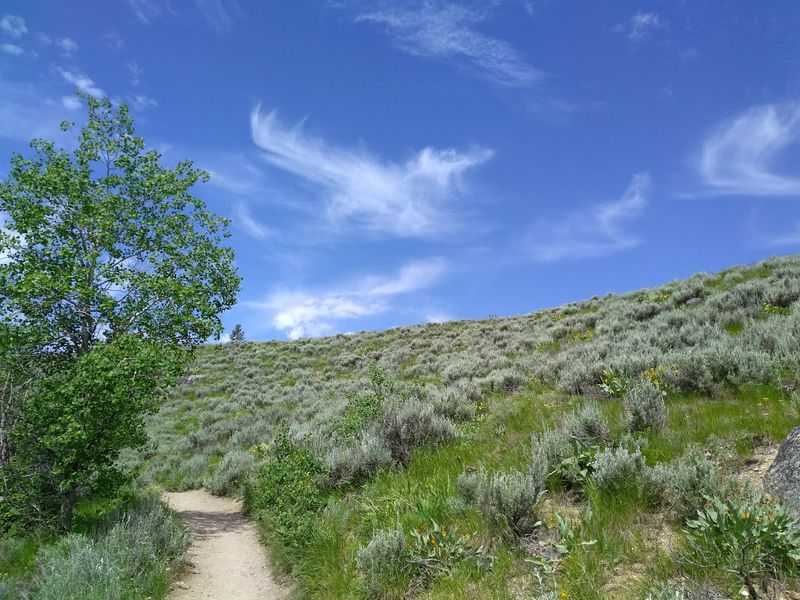
The Redfish Lake area can be lively during peak summer, but Fishhook Creek takes on a noticeably calmer character once autumn reaches the Sawtooths.
Beginning at the Redfish Lake Trailhead south of Stanley, the easy route follows Fishhook Creek toward an open meadow framed by some of the range’s recognizable summits.
Visit Idaho lists the outing at 4.2 miles round trip with only about 200 feet of elevation gain, keeping the walking approachable even with a few stops to enjoy the scenery.
Golden aspen on neighboring hillsides provides the seasonal highlight, while Fishhook Creek Meadow opens views toward peaks including Mount Heyburn and Horstmann Peak.
Fall visitation is also substantially lighter than summer according to Idaho tourism guidance, which makes the route especially appealing after the busiest weeks around Redfish Lake have passed.
Late September into early October is usually the most promising period, although elevation and yearly weather can shift the display.
Parking is available at the large Redfish trailhead area, and the modest grade leaves plenty of time for an unhurried look around the meadow before returning the same way.
9. Goose Creek Falls Trail, McCall
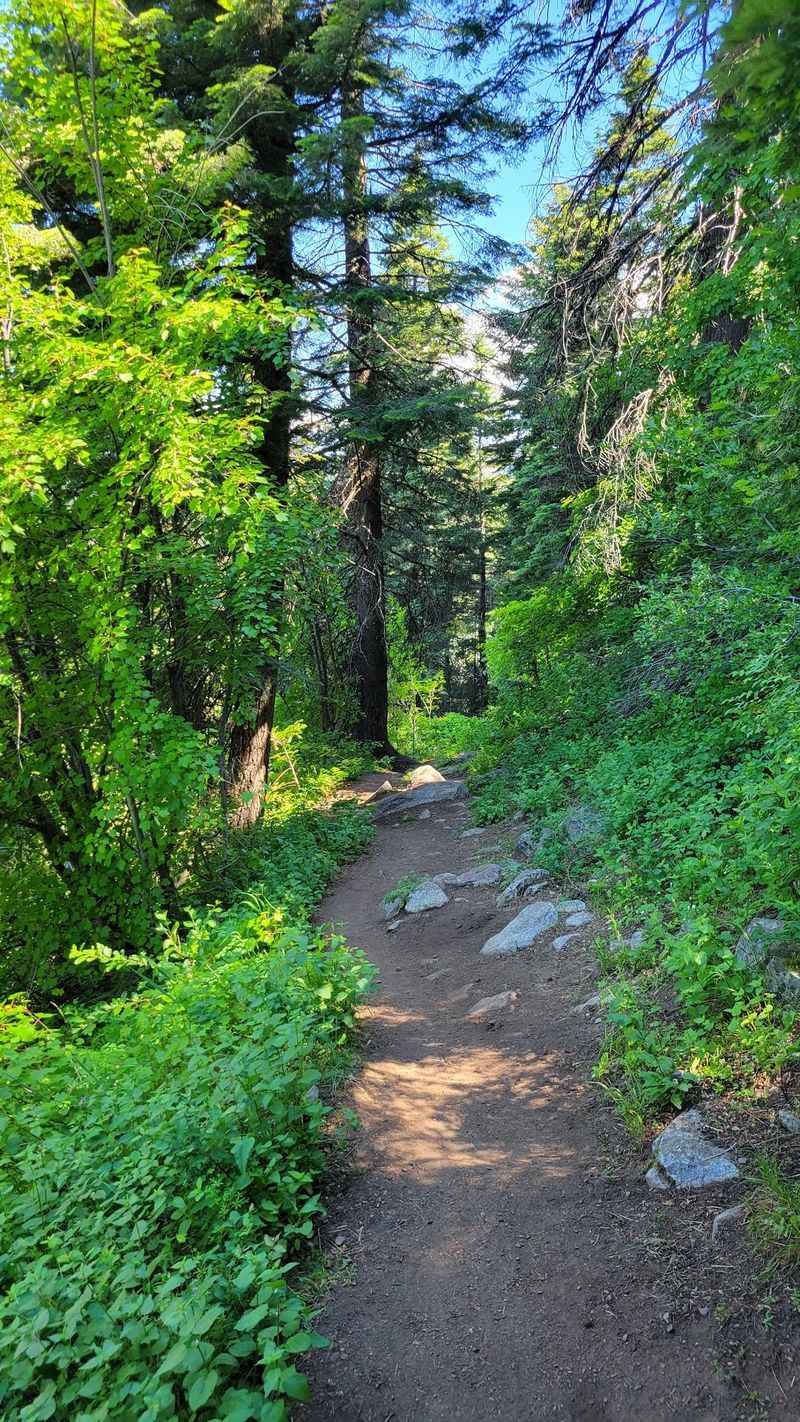
A waterfall waits below the forest near Brundage Mountain, and reaching it feels especially inviting when October begins changing the understory.
Goose Creek Falls is a popular warm-season outing near McCall, but Visit Idaho specifically recommends fall for hikers interested in lighter traffic and seasonal color.
Two approaches reach the area, including access near Brundage Mountain Resort and another from Last Chance Campground.
The Brundage route covers roughly three to four miles round trip and gains about 1,000 feet on the return because much of the first half descends toward the creek.
Douglas fir, pine, and spruce provide the taller canopy, while shrubs and ferns contribute much of the red, orange, and yellow color closer to the ground. Goose Creek eventually drops about 60 feet over granite into a pool, giving the short route a substantial destination.
Early October is commonly suggested for foliage, though snow can arrive early in the mountains around McCall. Checking the forecast before driving up is worthwhile.
The climb back to the trailhead requires more effort than the downhill approach, so a relaxed pace leaves enough energy for the return.
8. Scotchman Peak Trail, Clark Fork
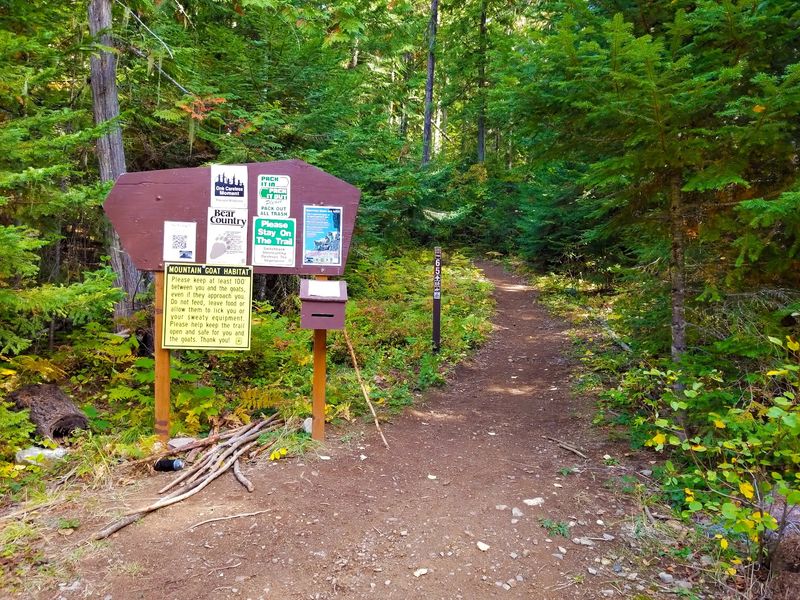
Serious climbing begins almost immediately on Scotchman Peak, making cooler weather one of autumn’s biggest advantages. Trail #65 rises to a 7,009-foot summit near Clark Fork and covers about 7.9 miles round trip.
The climb gains roughly 3,700 feet, placing it firmly among the most demanding hikes in this group. Friends of Scotchman Peaks Wilderness describes it as one of northern Idaho’s most popular peak hikes, with wide views extending toward Lake Pend Oreille, the Cabinet Mountains, and the Selkirks.
Much of the ascent is steep, and higher sections open beyond the denser forest, so a mild September or early-October day can feel far more comfortable than a hot afternoon in midsummer.
The summit area is also known for mountain goats, which are best enjoyed from a respectful distance without offering food or approaching them.
Conditions can change quickly at this elevation once autumn progresses, making a clear forecast particularly important. Plenty of water and extra layers belong in the pack.
Scotchman Peak does not offer the easiest fall day in Idaho, but the combination of altitude, distance, and sweeping views gives experienced hikers a memorable seasonal challenge.
7. Mores Mountain Trail, Near Boise
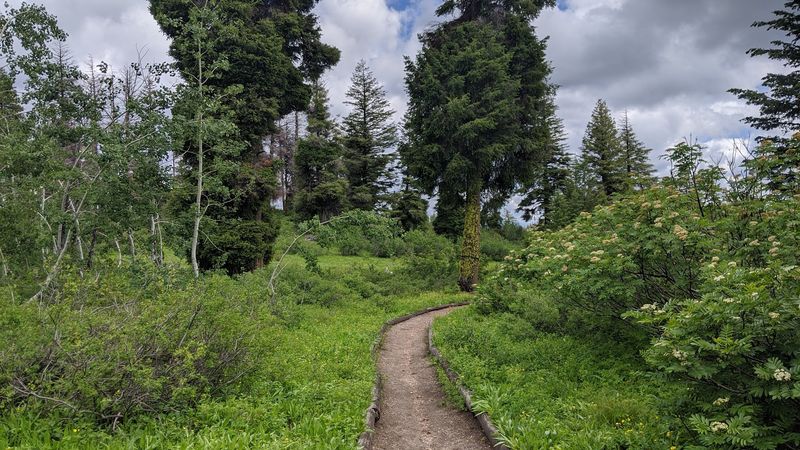
Twenty miles of climbing road separate Boise from the high country around Shafer Butte, where Mores Mountain offers a surprisingly compact trail with an alpine feel. The family-friendly interpretive route begins near Shafer Butte Campground at roughly 7,000 feet and covers about two miles.
Douglas fir and aspen surround much of the recreation area, providing partial shade and giving the landscape more seasonal variety than the drier foothills below.
Summer wildflowers are one of the area’s warm-weather attractions, while the aspens bring a different look as September gives way to October.
Scenic views extend toward Mores Mountain, Deer Point, Shafer Butte, and the broad valley below. The high elevation also means temperatures can differ sharply from downtown Boise, especially early or late in the day.
A layer that feels unnecessary when leaving the Treasure Valley can become useful at the trailhead. Shafer Butte has picnic areas and vault restrooms, although potable water is currently unavailable at the campground.
The final portion of the drive includes gravel road, and seasonal weather can eventually affect access. For a short outing with a substantial change of scenery, Mores Mountain makes good use of a fall afternoon.
6. Dry Creek Trail, Boise Foothills
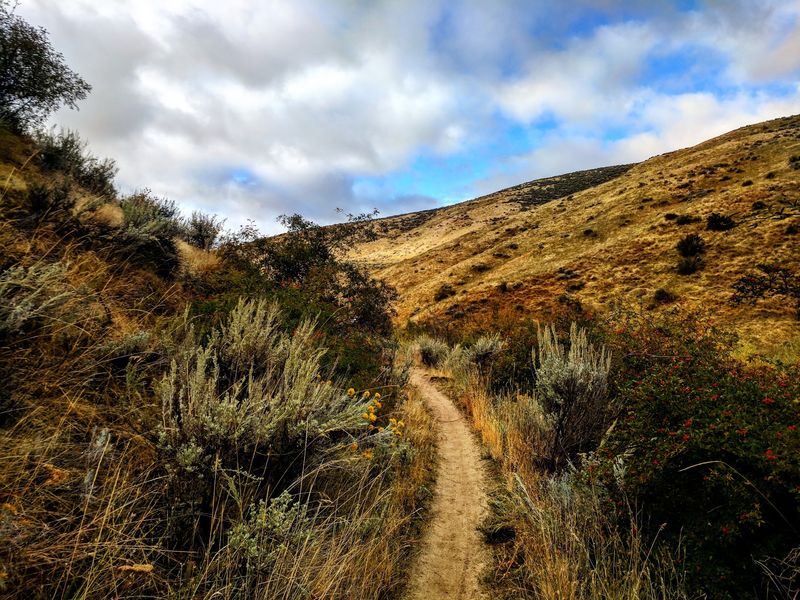
Running water gives Dry Creek a greener personality than many surrounding Boise Foothills routes.
Trail #78 extends about 7.5 miles through the Ridge to Rivers system, climbing from lower foothill country toward the Boise Ridge and allowing hikers to choose their own turnaround point rather than completing the entire distance.
Creekside vegetation brings much of the autumn interest, with cottonwoods and other leafy plants adding color beside the water while the upper portions move toward cooler forest.
The long route also benefits from dropping temperatures after summer, particularly on sections where climbing becomes more sustained.
Hikers share the corridor with cyclists, so staying aware at bends and narrower stretches keeps the experience comfortable for everyone. Dry Creek can be paired with neighboring trails for a much longer loop, though a simple out-and-back works well for anyone who wants a shorter day.
Boise’s official Ridge to Rivers system specifically promotes foothill trails for fall color and maintains current condition reports online, which are useful after rain because muddy trails can require temporary closures or a change of plans.
With flexible mileage and several landscape changes along the drainage, Dry Creek can be as short or ambitious as the afternoon allows.
5. Ten Mile Creek Trail, Near Lowman
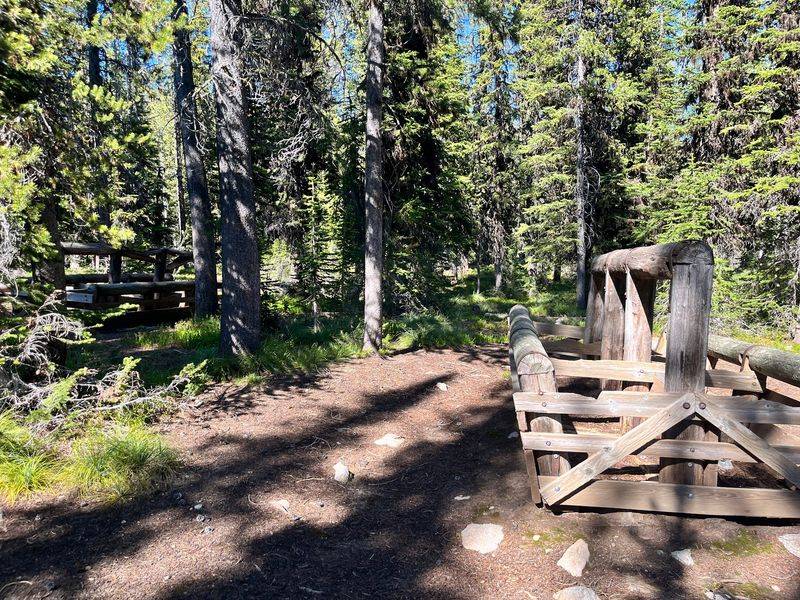
October color concentrates beside the water on Ten Mile Creek, creating one of the most reliable foliage-focused walks near Lowman.
The route begins near the creek’s meeting with the South Fork of the Payette River and continues through an open forest of pine, fir, and cottonwood.
Visit Idaho measures the hike at 4.2 miles round trip with approximately 400 feet of elevation gain, making it far gentler than the mountain summits elsewhere on this list.
Willows and shrubs line portions of the creek, and the first two weeks of October are typically highlighted as the best period for yellow and copper tones.
The timing can move slightly from year to year, but this lower-elevation corridor often stays appealing after higher routes begin feeling noticeably colder.
Water remains close to much of the walk, while the modest climbing keeps the focus on the surroundings instead of a strenuous destination.
Access begins from Idaho 21 east of Lowman, followed by Ten Mile Road and a short spur to the trailhead.
A forecast check still makes sense as the season progresses, but on a clear autumn day this is an easy place to trade a major climb for a few relaxed hours beside the creek.
4. Taylor Canyon Trail, Ketchum
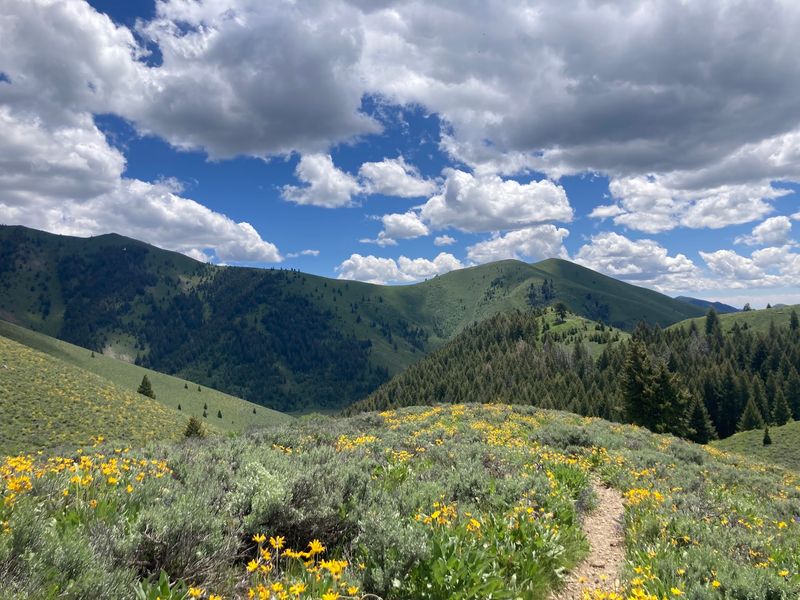
Just north of Ketchum, Taylor Canyon mixes a steady climb with some of the Wood River Valley’s most recognizable fall scenery. The loop is commonly described at about four miles, and Visit Idaho places the elevation gain near 1,000 feet.
Starting from the Taylor Canyon Trailhead, hikers follow a gradual climb beside the creek before gaining higher ground and broader views.
Aspen on the slopes supplies the seasonal color, with yellow and orange leaves standing out against the sagebrush and evergreens.
Hiking the loop counterclockwise is recommended for a particularly satisfying progression of viewpoints. The route falls into an easy-to-intermediate range by local standards, but the sustained uphill sections still make sturdy footwear and water worthwhile.
Taylor Canyon sits close enough to Ketchum for a morning or afternoon outing without requiring a long drive into the backcountry.
Fall is also considered Sun Valley’s quieter shoulder season, leaving many trails around the valley noticeably different from their midsummer rhythm.
September and early October usually offer the best balance of color and comfortable conditions before colder mountain weather settles in. For hikers who want aspen scenery without committing to an all-day route, Taylor Canyon fits neatly into an autumn weekend.
3. Adams Gulch Loop, Ketchum
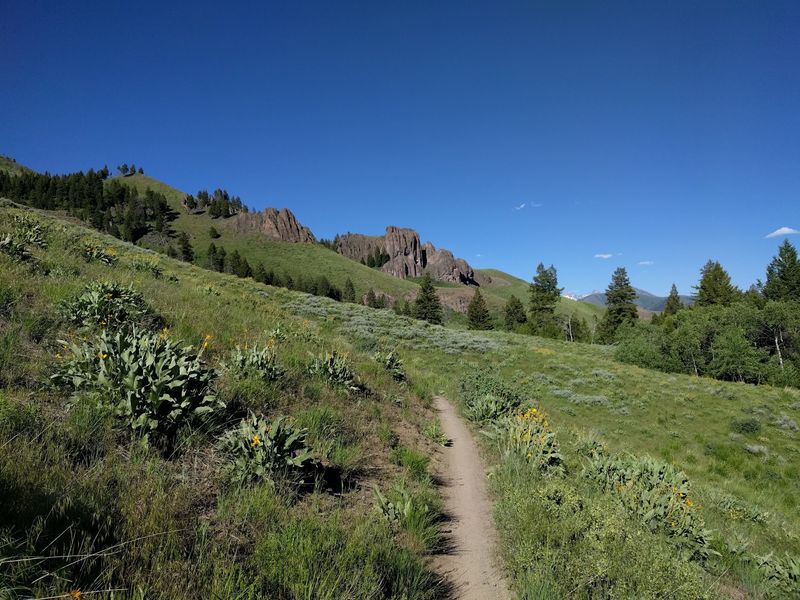
Families can turn Adams Gulch into anything from a short stroll to a longer loop, thanks to a network of connected trails immediately north of Ketchum.
One popular autumn combination covers about six miles and follows the main Adams Gulch corridor before using Lane’s Sunnyside Trail and neighboring connectors to circle back toward the trailhead.
Aspen groves provide bright yellow color along portions of the route, while pine forest gives the upper stretches a different character. Visit Idaho identifies the six-mile loop as a local fall favorite and estimates roughly two and a half to three hours for the outing.
Shorter choices are available as well. The Sunnyside to Shadyside Loop, for example, covers about three miles and pairs rolling terrain with mountain views, making the area easy to adapt for younger hikers or a quicker morning outside.
Cyclists also use these trails regularly, so shared-trail awareness matters throughout the network. A large trailhead and proximity to town add to the convenience.
Instead of requiring a single destination or viewpoint, Adams Gulch works because the route keeps changing between open slopes, wooded sections, and colorful pockets of aspen.
2. Snake River Trail, Hells Canyon
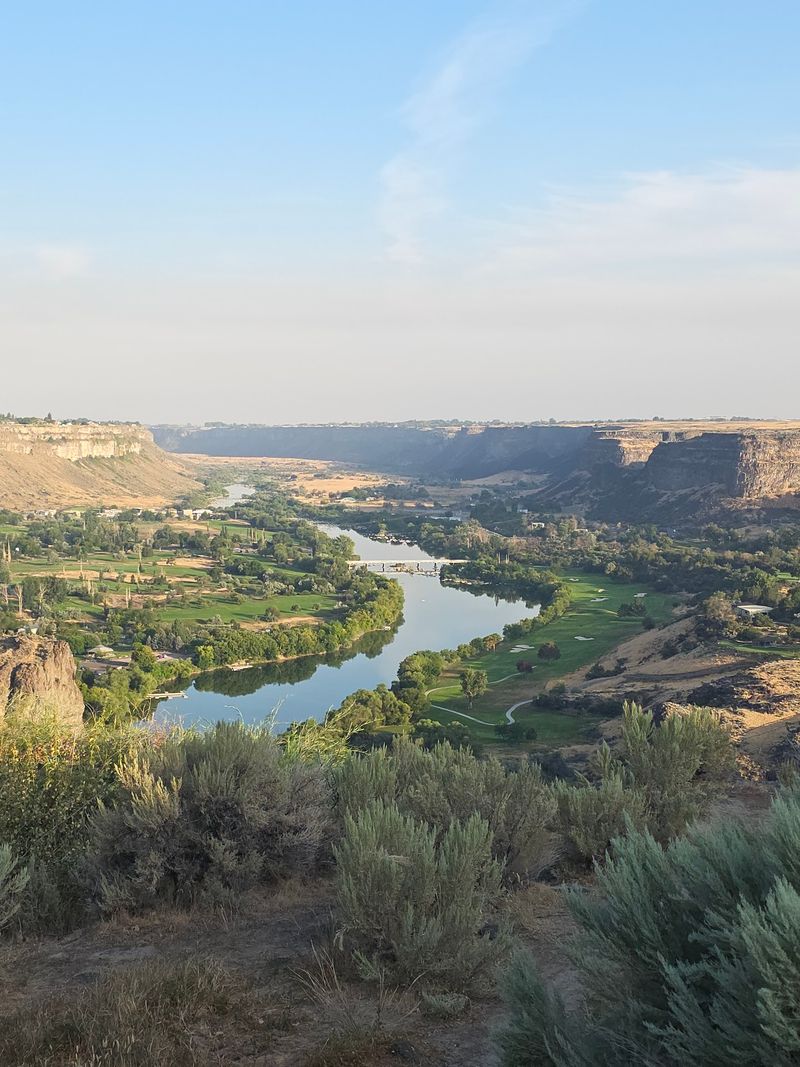
Hells Canyon changes character once the strongest summer heat begins to fade, opening a much more comfortable window for exploring the Snake River on foot.
The Snake River National Recreation Trail begins near Pittsburg Landing on the Idaho side of the canyon and extends for roughly 26 miles according to current Forest Service wilderness information.
Day hikers can sample a much shorter portion rather than treating the full route as the goal. Kirkwood Historic Ranch sits about six miles from Pittsburg Landing and makes a natural destination for a longer out-and-back.
Along the way, the trail crosses rocky slopes, passes beneath cliffs, and follows grassy canyon sections beside the Wild and Scenic Snake River.
Elevation changes are modest compared with a summit hike, but uneven surfaces and short steeper sections keep the terrain varied.
Autumn’s main advantage here is temperature rather than brilliant foliage. Forest Service guidance notes that the canyon becomes especially warm during spring and summer, so a mild fall day can make the riverside route considerably more pleasant.
Pittsburg Landing is reached by a winding Forest Service road from the White Bird area, and current road conditions are worth checking before the trip.
1. Bumblie Trail To Lost Arrow, City Of Rocks
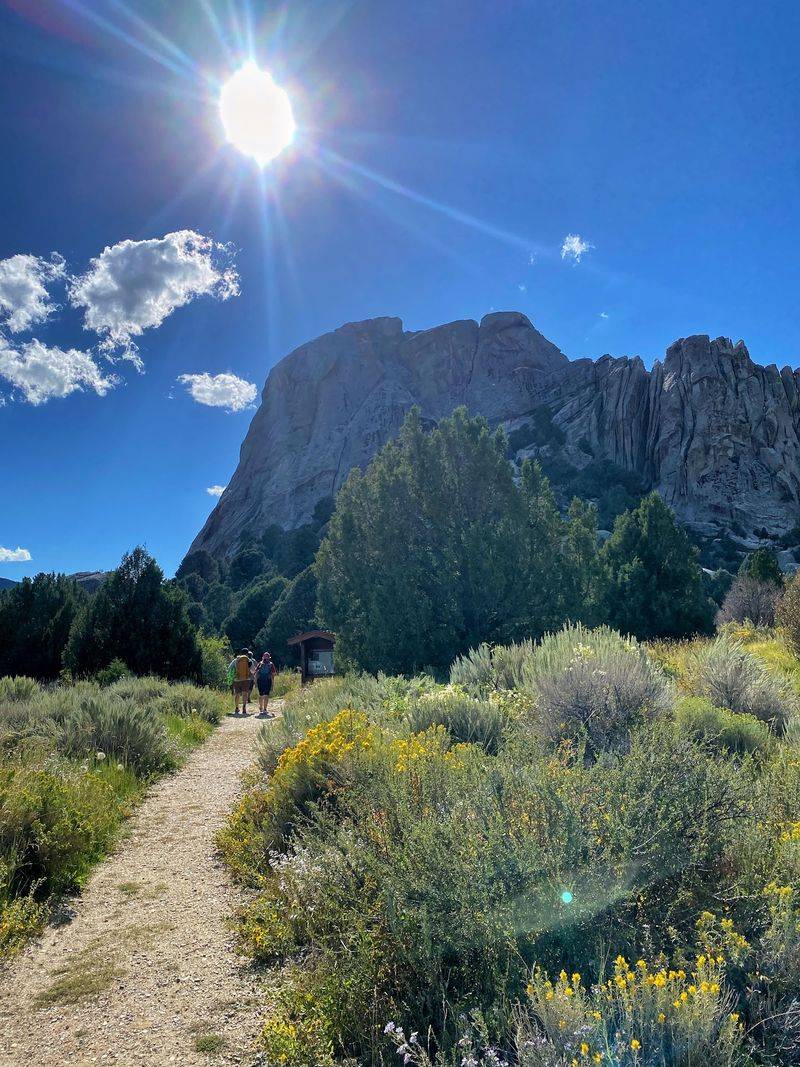
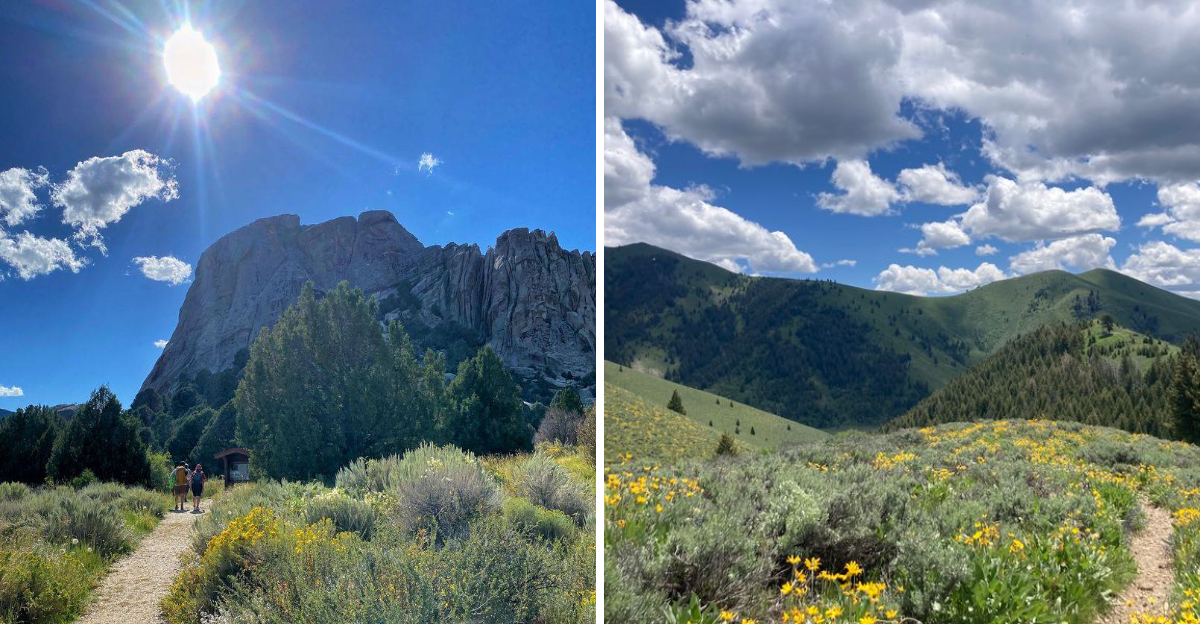
Granite takes center stage at City of Rocks, but a scattering of aspen gives the reserve an entirely different look in October.
Visit Idaho recommends the Bumblie Trail toward Lost Arrow specifically for mid-to-late fall, when yellow foliage brightens pockets between the reserve’s enormous rock formations.
Beginning at Flaming Rock Trailhead, hikers connect with Bumblie and follow the route toward Lost Arrow for an outing of about 2.5 miles round trip with approximately 600 feet of elevation gain.
The National Park Service confirms that Bumblie passes Lost Arrow Spire and connects with a larger trail system around Circle Creek, so anyone wanting more mileage has additional options nearby.
Natural surfaces can be narrow, steep, and uneven in places, giving the compact distance more variety than its numbers suggest. The surrounding scenery shifts constantly between sagebrush flats, granite walls, pine, and aspen.
Cooler days make the exposed rock country especially pleasant after summer, while the October foliage adds a brief seasonal contrast to all that pale stone.
For hikers who have already seen Idaho’s fall colors against mountain forest, City of Rocks provides a completely different backdrop to finish the season.