This Idaho Bakery Has Turned A Humble Sourdough Into Something Special
Sourdough this good feels almost forgotten today. Most store loaves cut every corner. Commercial yeast strips the real magic.
Somewhere quiet, one bakery does it right. Long fermentation and patience change everything. Idaho grows artisans who refuse shortcuts.
You smell the tang before the door opens. I lined up early just to watch. People wait long before they even open.
The crust crackles with honest character. Real bread takes time and skill. Steam rises off the loaves.
The tang hits at the counter. You tear into the warm crust. Patience bakes into every batch.
Word spreads among bread lovers, so come hungry and a little early.
Where Tradition Meets Modern Idaho
The building itself catches your eye before you even know what’s inside.
Pure white walls and big windows create a space that feels both European and distinctly modern. Some might call it stark, but there’s intention behind every design choice that becomes clear once you understand the philosophy.
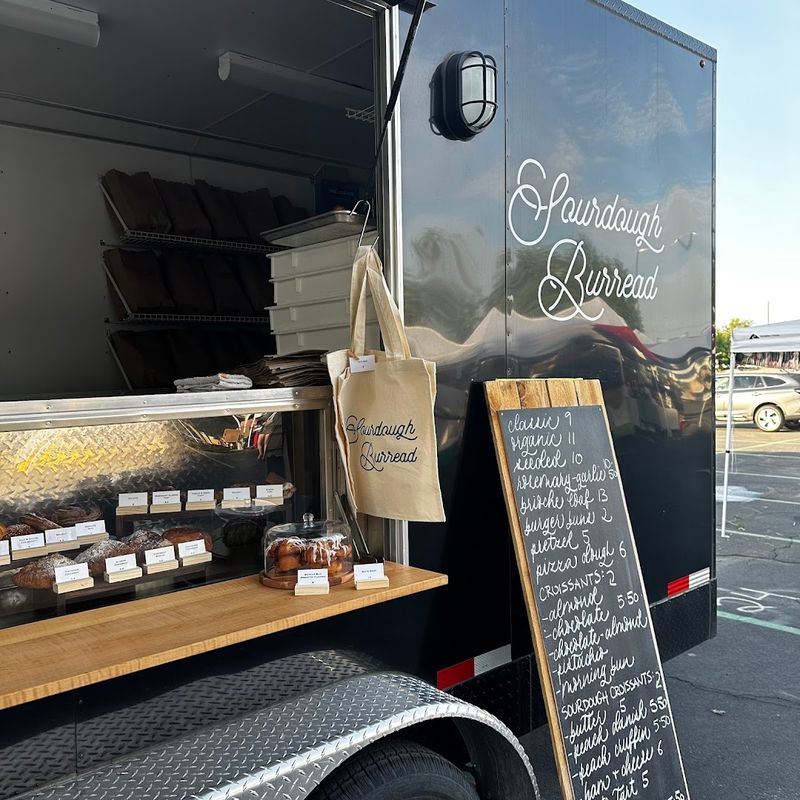
Burread Bakery operates out of a compact space that maximizes every square inch. The owners chose function over flash, creating a jewel box environment where the baked goods become the focal point.
You won’t find cluttered displays or unnecessary decorations here, just beautifully crafted pastries and loaves arranged like edible art.
The bakery opens its doors Thursday through Saturday from nine in the morning until two in the afternoon. That limited schedule isn’t about convenience but about maintaining quality standards that simply can’t be rushed.
You’ll find Idaho’s Burread Bakery at 600 S 9th St in Boise, tucked into a neighborhood that’s becoming known for its food scene.
The Sourdough That Started Everything
Real sourdough starts with a living culture that gets fed and maintained like a pet.
The starter at this Idaho bakery contains wild yeasts and beneficial bacteria that develop complex flavors impossible to achieve with commercial yeast.
Every loaf begins with this foundation, fermented slowly over many hours to break down gluten and develop that signature tang.
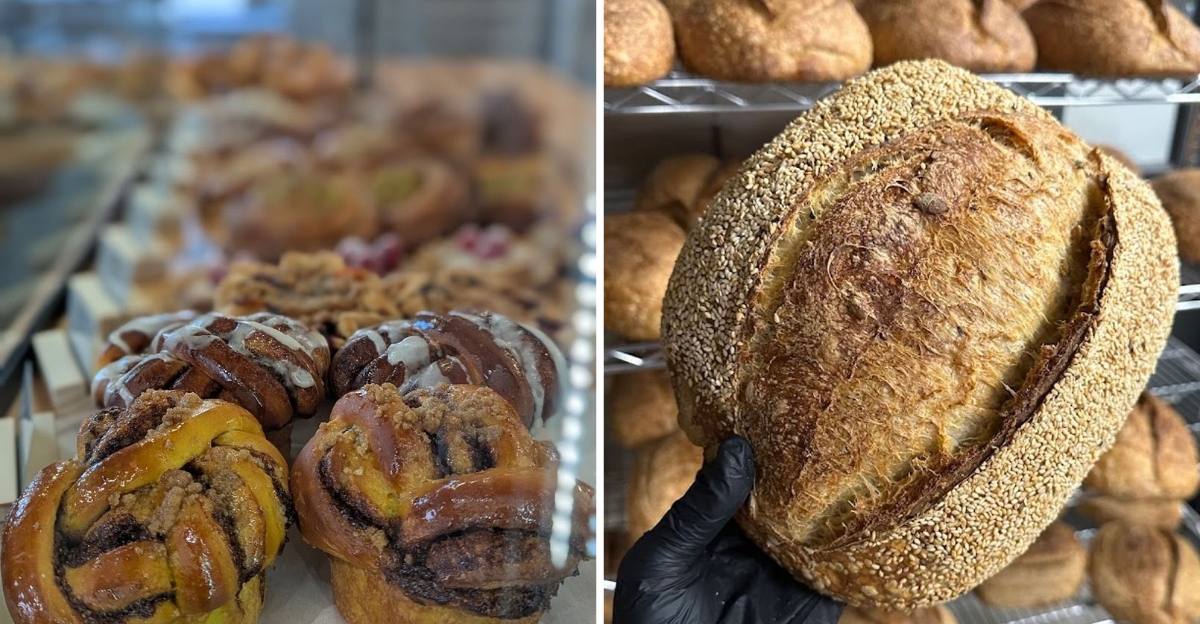
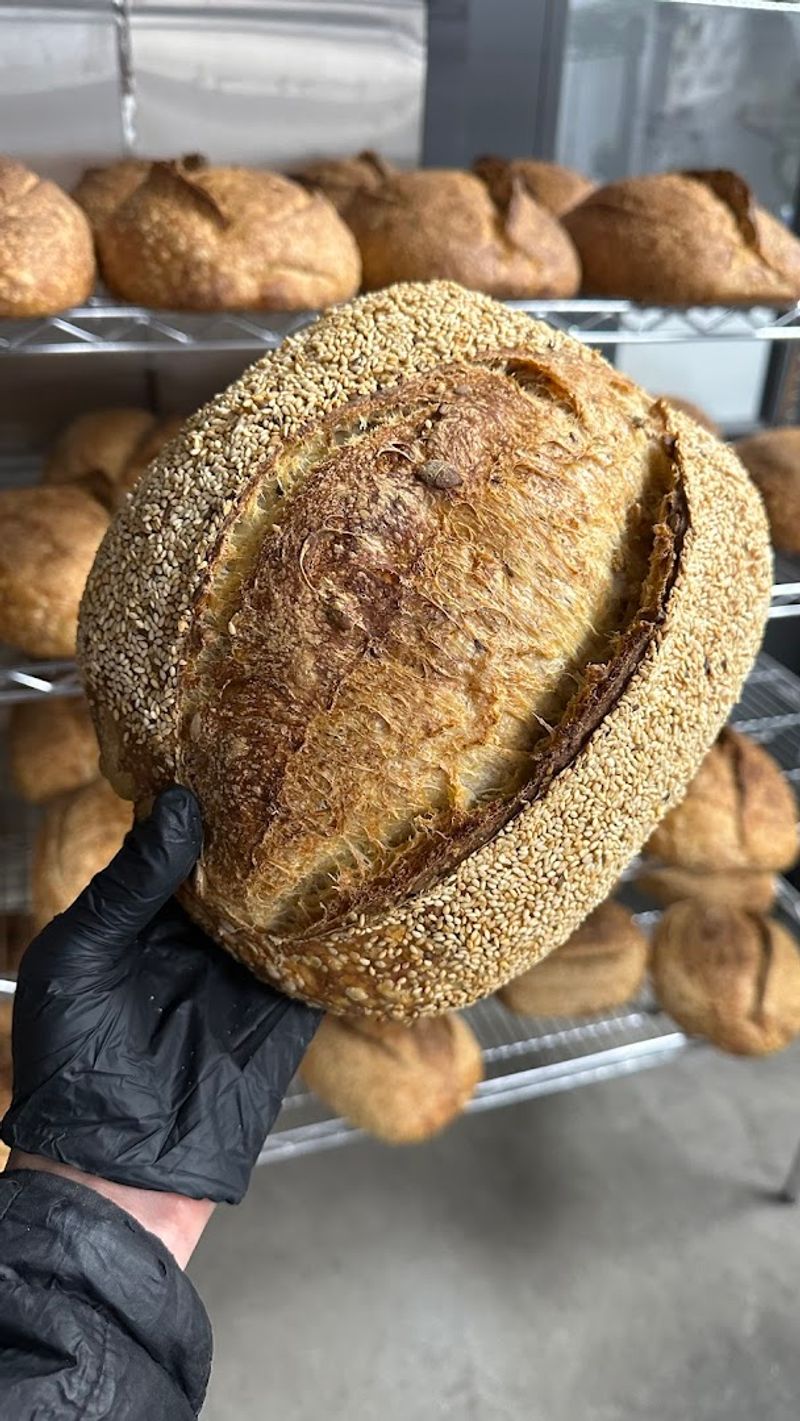
The crust comes out darker than what you’ll see at most bakeries. Some folks prefer lighter bakes, but that deep caramelization brings nutty flavors and satisfying crunch.
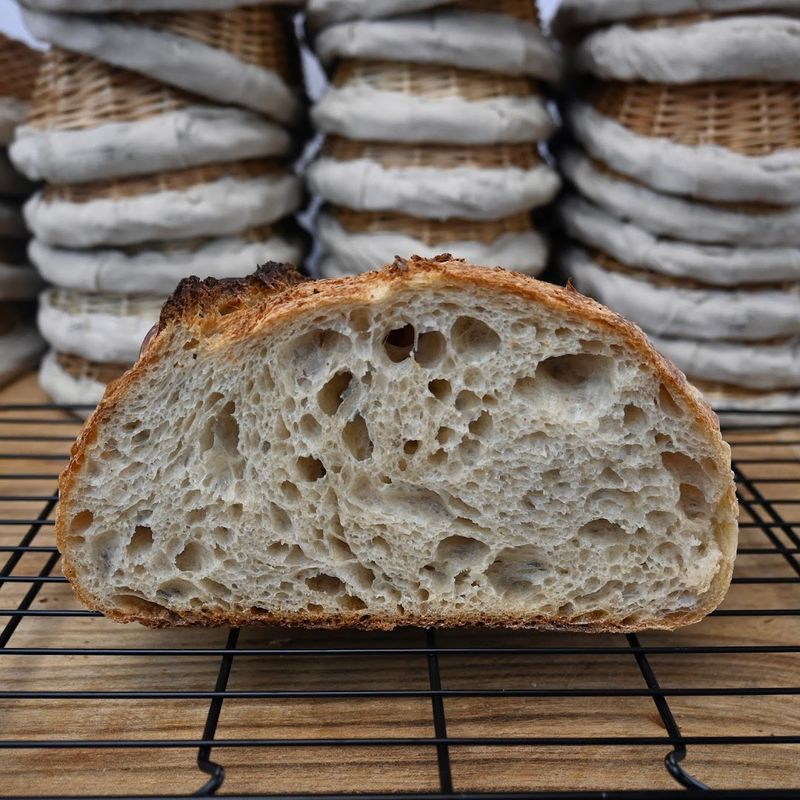
The interior stays soft and chewy with an open crumb structure full of irregular holes that prove proper fermentation happened.
I grabbed a loaf and felt the weight of it, substantial but not dense. The crust crackled slightly under my fingers, a good sign of freshness.
Later that day, I toasted a thick slice and watched it turn golden, the edges crisping up perfectly while the center stayed pillowy.
This bread keeps longer than conventional loaves because the fermentation process acts as a natural preservative.
Morning Buns Worth Waking For
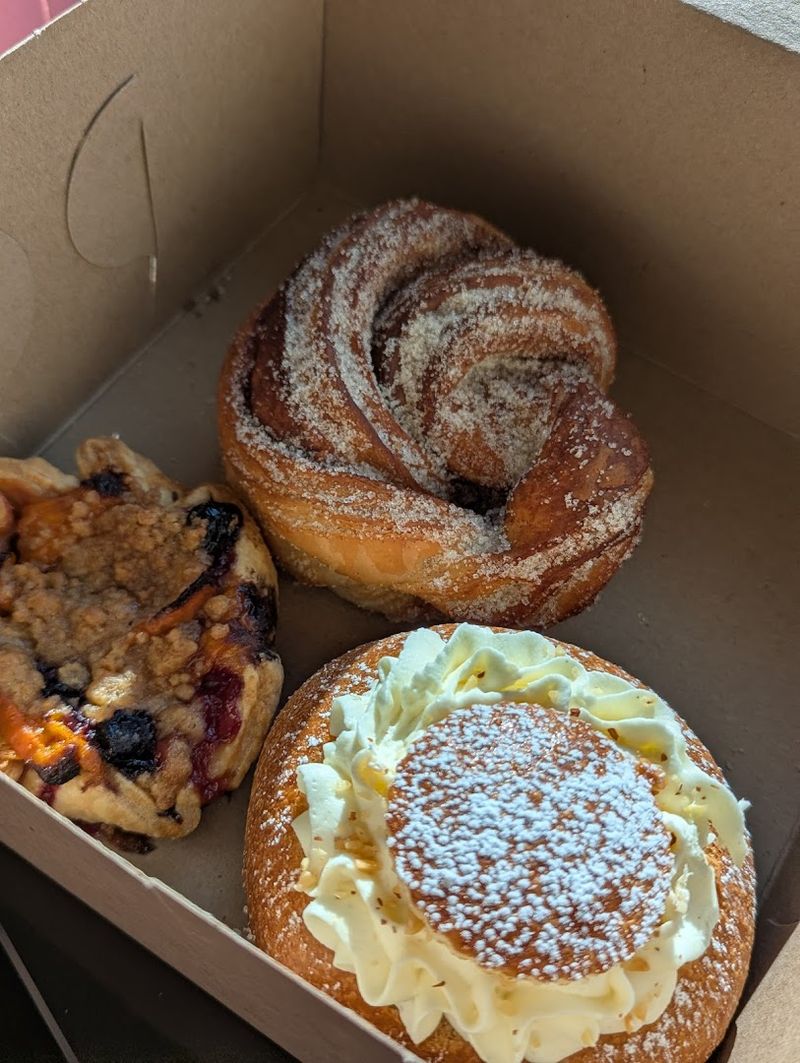
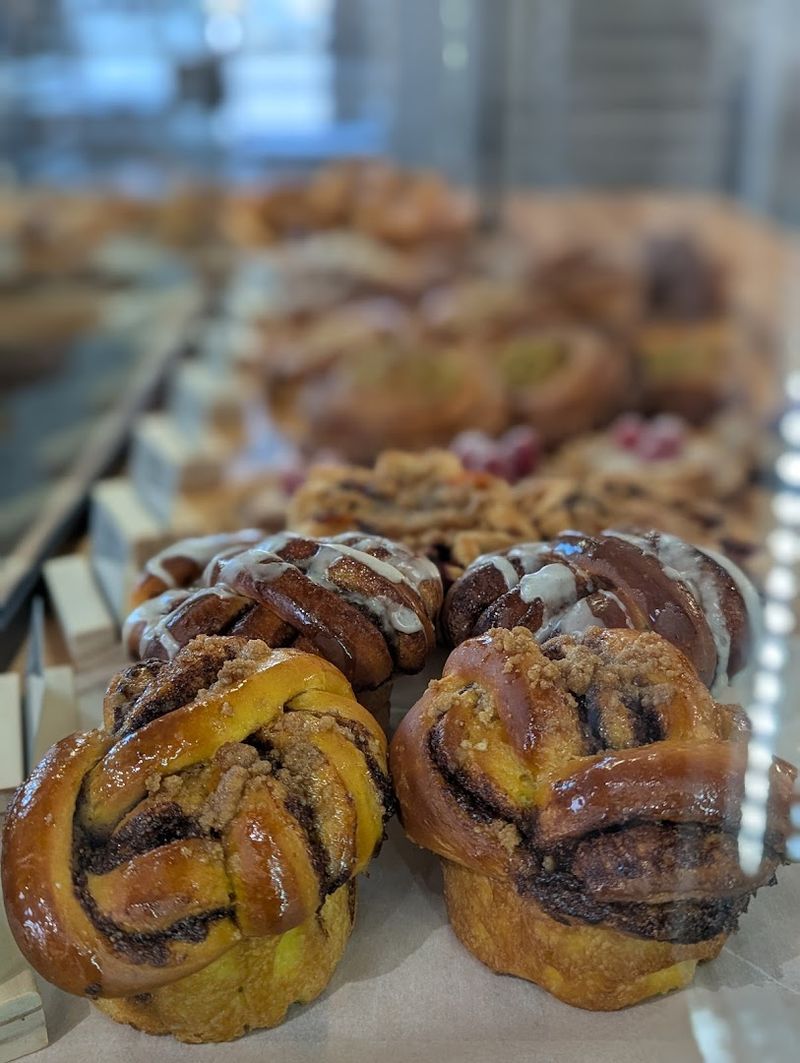
These aren’t your average cinnamon rolls. Morning buns pack serious crunch on the outside from caramelized sugar that forms a candy shell during baking.
Break one open and you’ll find layers of buttery dough swirled with cinnamon and sugar, each bite offering contrasting textures that make your taste buds do a little dance.
The technique comes from traditional French pastry methods but gets amped up with that sourdough base. Natural fermentation adds depth that regular sweet rolls just can’t match.
You taste butter and cinnamon first, then subtle tang from the fermentation cuts through the sweetness perfectly.
I watched someone ahead of me in line order three morning buns and immediately understood why. They’re the kind of pastry that makes you want backups because one never feels like enough.
The edges get especially crispy, almost like brittle, while the center stays tender and pulls apart in satisfying ribbons.
These sell out fast on weekend mornings, so early arrival pays off. The bakers know exactly how long to leave them in the oven to achieve that perfect balance between caramelization and burnt.
Croissants That Defy Convention
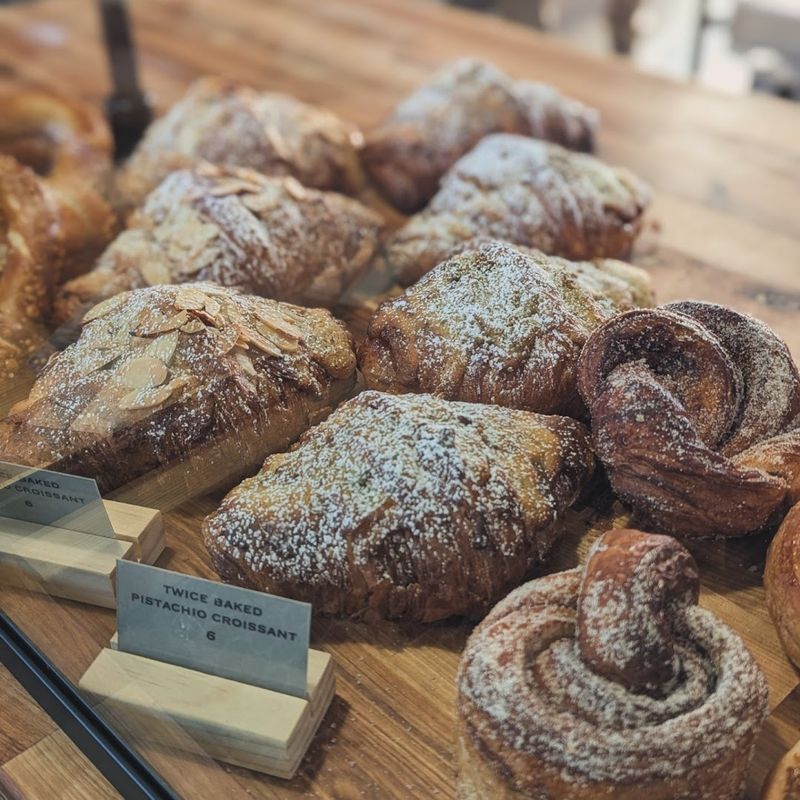
Forget everything you think you know about croissants.
The ones here taste different because they’re made with sourdough starter instead of commercial yeast. That means longer fermentation times and flavor notes that lean toward yogurt and cream rather than plain butter and flour.
The dough contains eggs and gets based on brioche techniques, creating a richer pastry than traditional French croissants.
Some people taste something almost cheese like from the lactic fermentation, which catches them off guard. It’s not a flaw but a feature of the natural process that develops a unique character.
I bit into an almond croissant and immediately noticed the difference. The filling tasted less sweet than expected, allowing the nutty almond paste and fermented dough flavors to shine through.
Flaky layers shattered with each bite, leaving buttery crumbs everywhere.
These croissants won’t win over purists who want classic French versions. They’re something entirely their own, a hybrid creation that showcases what happens when you apply sourdough techniques to laminated pastries.
Cruffins That Blur The Lines
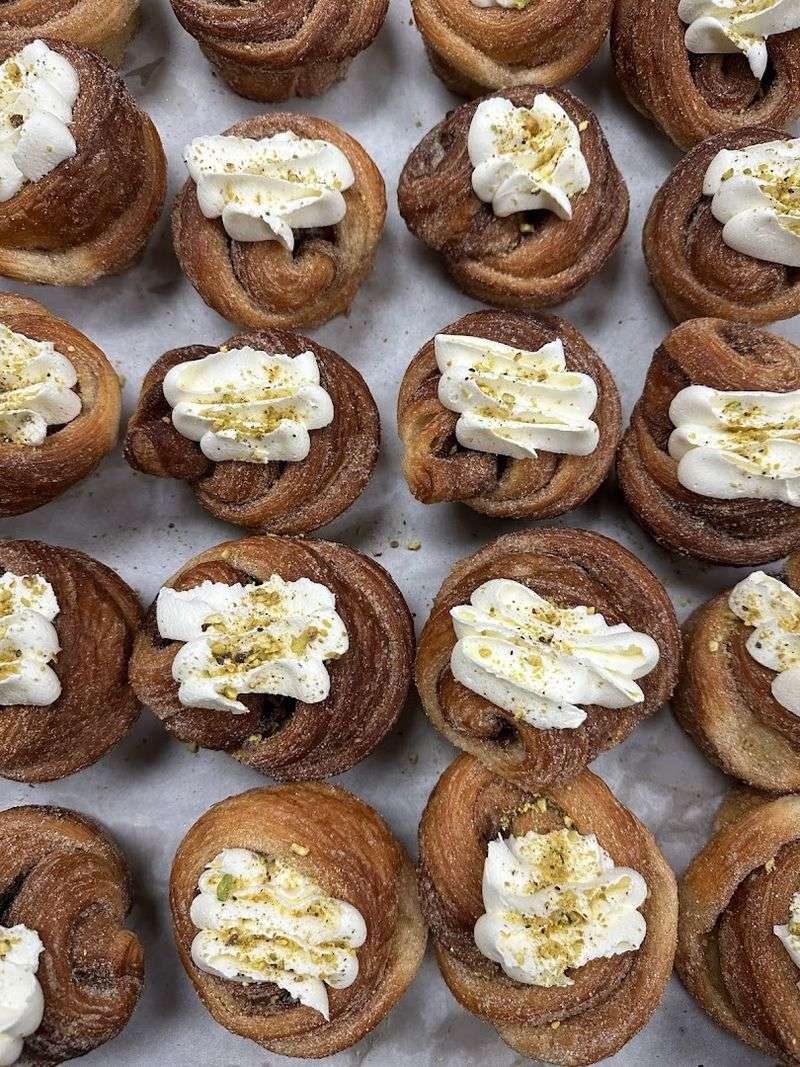
Someone brilliant decided to take croissant dough and bake it in a muffin tin, creating the cruffin.
This bakery fills them with rotating flavors that range from tiramisu to eggnog hazelnut, each combination more creative than the last.
The shape allows for maximum filling while maintaining structural integrity that straight croissants can’t achieve.
Tiramisu cruffins became my unexpected favorite during one visit. Coffee soaked layers alternated with mascarpone cream, all wrapped in buttery sourdough pastry that added subtle tang.
The filling stayed put instead of squishing out the sides like it would in a traditional pastry.
Each cruffin gets finished differently depending on the flavor profile. Some get dusted with powdered sugar, others topped with nuts or chocolate drizzle.
The bakers clearly have fun experimenting with combinations that sound wild but somehow work perfectly together.
These pastries demonstrate technical skill because laminated dough is tricky enough without trying to shape it into muffin cups.
The layers need to stay distinct while forming a cup shape that holds filling. Too much handling and the butter melts, ruining the flaky texture everyone wants.
Kolaches From Czech Tradition
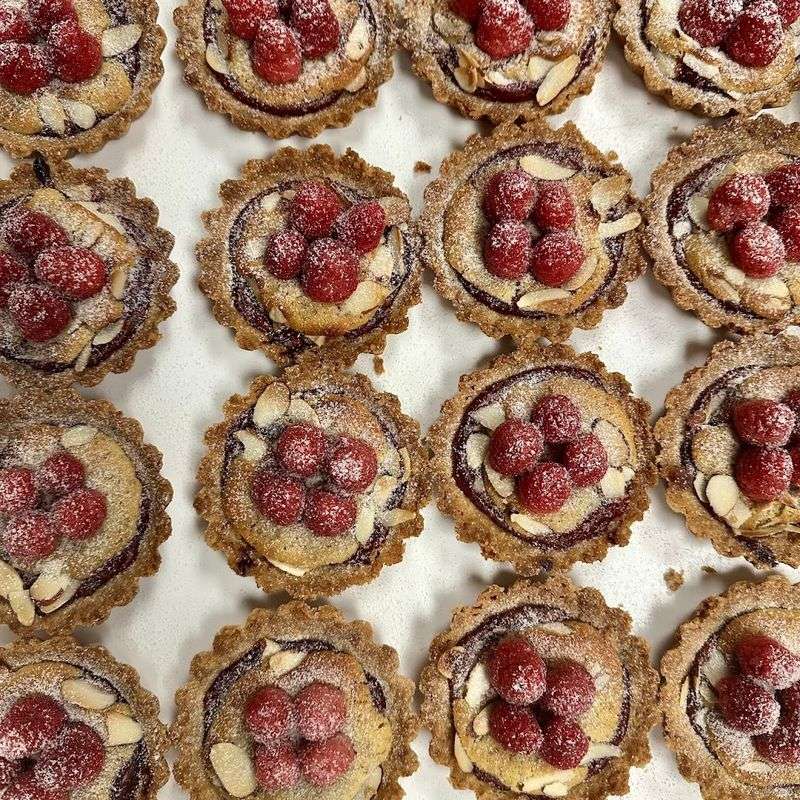
Kolaches trace their roots to Central Europe, specifically Czech communities that brought their baking traditions across the ocean.
These sweet buns feature fruit fillings cradled in tender dough that’s been enriched with eggs and butter. The version here honors that heritage while incorporating sourdough fermentation for added complexity.
Blueberry kolaches showcase fruit that tastes bright and fresh rather than overly sweetened. The dough surrounding the filling stays soft and pillowy, with just enough sweetness to complement without overwhelming.
Each bite balances fruit and bread in perfect proportion. The bakery’s connection to Czech traditions runs deep, with one owner hailing from Czechoslovakia.
These aren’t Americanized versions but the real deal, made the way generations of Czech bakers intended. I appreciated how the fruit filling didn’t leak everywhere or create a soggy bottom.
Proper technique keeps everything contained while allowing the flavors to meld during baking. The edges of each kolache develop slight caramelization that adds textural interest.
Apricot versions appear seasonally, taking advantage of fruit at peak ripeness. The bakers understand that great pastries start with great ingredients, so they adjust offerings based on what’s available and delicious.
Brioche That Breaks The Rules
Brioche typically relies on commercial yeast for its signature fluffy texture.
This Idaho bakery throws out that rulebook and uses sourdough starter instead, creating a brioche that tastes richer and more complex.
The fermentation adds a subtle tang that cuts through the butter and eggs, preventing the bread from feeling too heavy.
The texture stays incredibly soft, almost like cake but with more structure. Slice it for toast and it browns beautifully, developing crispy edges while the interior stays tender.
French toast made from this brioche reaches legendary status because the bread soaks up egg mixture without falling apart.
I bought a loaf specifically for making sandwiches and discovered it elevated even simple combinations. The slight sweetness and rich crumb make everything taste more special.
Grilled cheese reaches new heights when you start with quality brioche instead of regular sandwich bread.
This bread proves that sourdough techniques work for more than just crusty loaves.
The vanilla brioche buns deserve special mention for their perfect size and shape. They work equally well for burgers or pulled sandwiches, holding up to moisture without getting soggy.
The Philosophy Behind The Flour
Ingredient quality matters more than fancy equipment or trendy techniques.
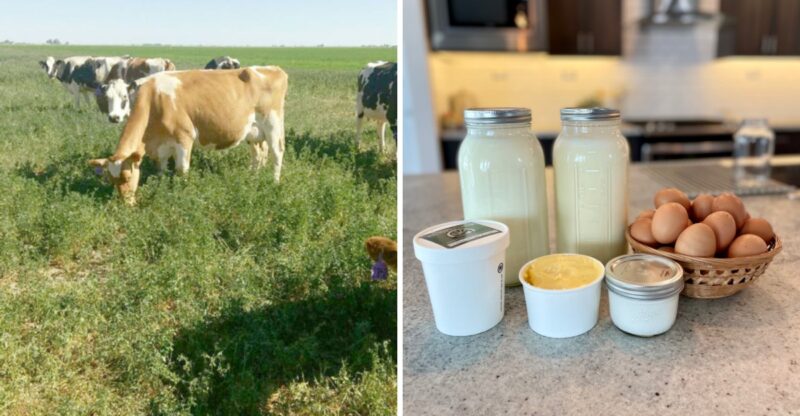
This Idaho bakery sources organic flour and refuses to compromise even when costs rise. The difference shows in the final products, where you can actually taste the grain rather than just bland starch.
Long fermentation times serve multiple purposes beyond flavor development. The process breaks down gluten proteins that cause digestive issues for many people.
It also reduces phytic acid, making minerals more bioavailable. These health benefits come naturally from traditional methods rather than requiring special processing or additives.
The bakers maintain multiple sourdough starters, each with different characteristics suited to specific applications. Pastry starters lean more lactic for creamy flavors, while bread starters develop more acetic acid for pronounced tang.
I learned that everything sold here contains only necessary ingredients. No dough conditioners, no preservatives, no artificial anything.
Just flour, water, salt, and time. Sometimes butter and eggs for enriched doughs, but never chemicals with unpronounceable names.