These 10 Idaho Dog Rescues And Shelters Are Worth Supporting In 2026
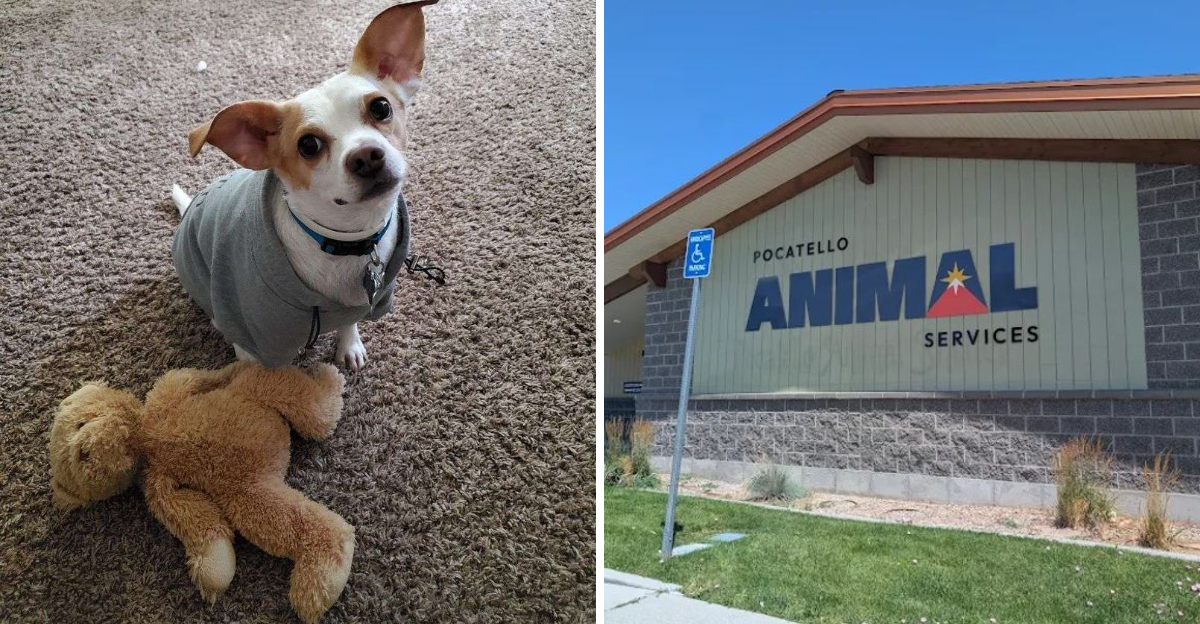
Somewhere in Idaho today, a dog is learning that a closing door does not always mean being left behind.
That change may begin with a quiet kennel, a patient foster home, or someone willing to sit nearby without asking for trust too quickly. Rescue work often happens in small moments, long before an adoption photo ever appears.
The dogs do not arrive knowing they are safe. They figure it out slowly.
A full bowl helps. So does a warm place to sleep.
What matters most is the steady care that teaches a frightened animal to relax again.
Behind every second chance is a group of people doing difficult, unglamorous work because walking away would be easier.
These ten rescues and shelters are worth knowing in 2026. Not because every story ends neatly, but because they keep showing up until more of them can.
1. Better Together Animal Alliance
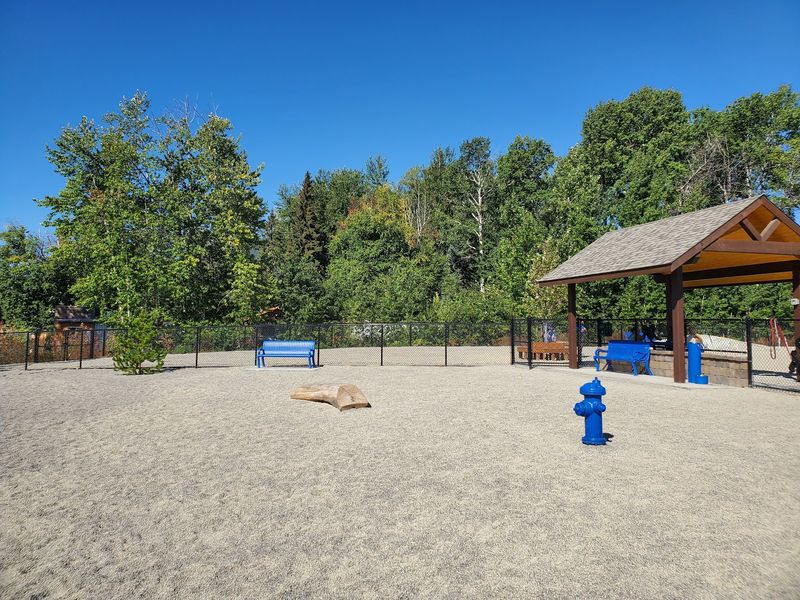
Keeping pets with the people who already love them is a major part of this northern Idaho organization’s work.
Better Together Animal Alliance operates its care center at 870 Kootenai Cutoff Road in Ponderay and serves Bonner, Boundary, and Kootenai counties.
Dogs and cats available through the center are only one part of its reach. The Home To Home network connects pets directly with potential new families when a shelter stay may be avoidable, while the helpline directs owners toward practical resources.
Temporary Loving Care provides short-term boarding during qualifying periods of hardship, and the Pet Food Bank helps households manage feeding costs.
Veterinary efforts include lower-cost spay and neuter services, vaccines, microchips, and outreach through Pets for Life.
Community-cat work and a Senior-to-Senior adoption program add still more ways to participate. Its 2025 report documented 1,471 animals placed in homes, 655 community spay and neuter services, and assistance for more than 400 cats through Trap-Neuter-Return.
People can support the mission by adopting, fostering, donating, shopping at its thrift store, or checking the organization’s current wish list.
Because programs have eligibility requirements and clinic appointments can fill, contacting the alliance before relying on a specific service is the most useful first step.
2. Companions Animal Center
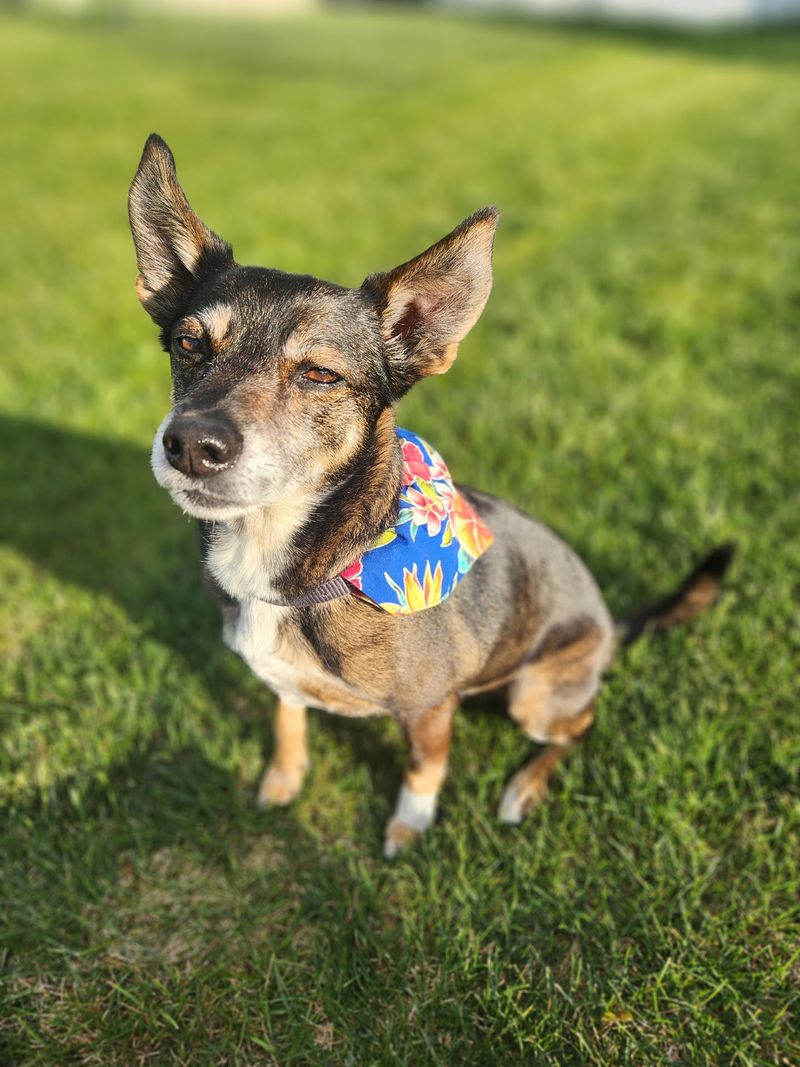
A no-harm philosophy here means animals are not given a deadline simply because they have been waiting longer than others.
Companions Animal Center welcomes the public at 10275 North Atlas Road in Hayden, with adoption hours Tuesday through Saturday from noon to 6 p.m. and Sunday from noon to 4 p.m.
The privately funded nonprofit, formerly known as Kootenai Humane Society, has served the region since 1979 and cares for dogs, cats, rabbits, and other small companion animals.
Adoption fees include spaying or neutering, initial vaccinations, rabies vaccination when appropriate, deworming, flea treatment, and a microchip.
Community services extend beyond adoption through lower-cost spay and neuter appointments, vaccination and microchip clinics, feral-cat sterilization, dog licensing, lost-pet resources, and a food pantry for qualifying Kootenai County residents.
Its Safe Haven Pets program also arranges temporary care in certain emergency situations.
Because the center is limited admission for owner surrenders, available space and waitlists matter, and calling first is essential. Supporters can volunteer, foster, donate supplies, shop at the organization’s thrift store, or contribute financially.
The strongest reason to support this center is the combination of long-term shelter care and preventive services that help animals remain safely in the community before they ever need a kennel.
3. Idaho Animal Rescue Network
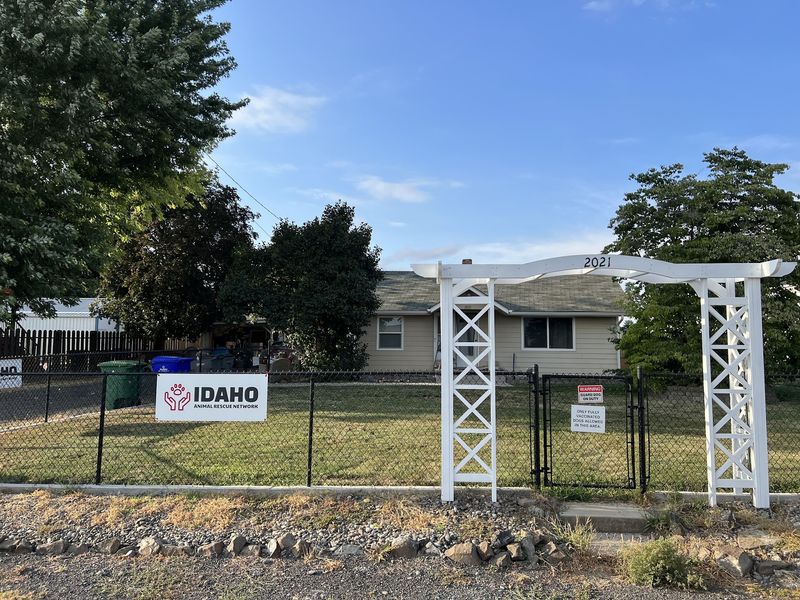
Not every rescue has a public building filled with kennels, and this Lewiston-based organization is an important example. Idaho Animal Rescue Network is an all-volunteer, foster-based nonprofit with a mailing and donation address at 2021 Ripon Avenue in Lewiston.
Visits and meetings with adoptable animals are arranged by appointment rather than through regular walk-in shelter hours.
Founded in 2019, the network supports animals involved in complex welfare cases. Its work brings together veterinary professionals, foster families, partner rescues, and public agencies across Idaho and parts of eastern Washington.
Foster homes give dogs and other animals a quieter place to recover, learn household routines, and receive medical attention while legal or placement questions are resolved.
The organization also promotes lost-pet resources, community pet pantries, spay and neuter clinics, education, and advocacy aimed at improving animal welfare.
Supporters should review current financial information rather than assume every donated dollar goes directly to animal care, since volunteer-run nonprofits may still have operating expenses.
Practical ways to help include approved fostering, donating through the official site, purchasing wish-list items, sharing verified adoption profiles, and supporting community programs.
Anyone hoping to adopt should begin with the application process instead of traveling to the listed address expecting an open shelter.
4. MCPAWS Animal Shelter
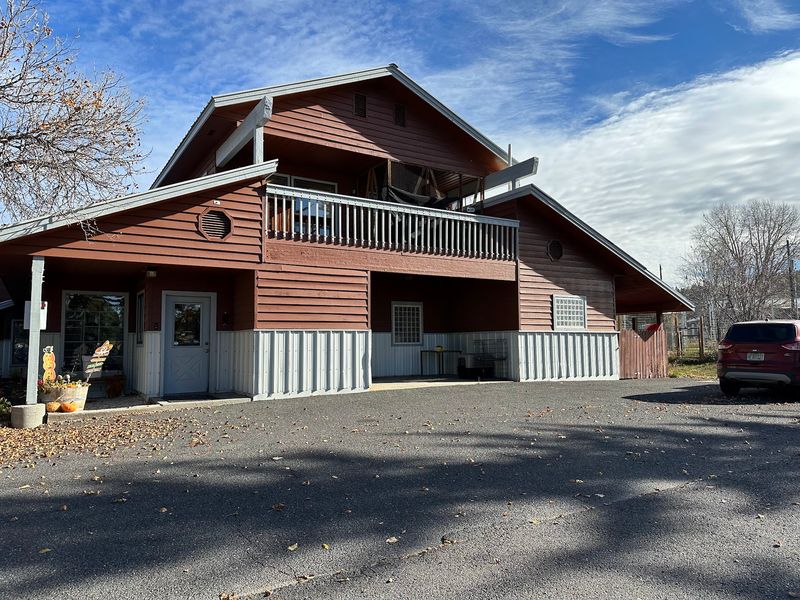
Mountain communities need more than a place where animals wait for adoption, and this McCall nonprofit has developed several connected services around that idea.
MCPAWS Animal Shelter is found at 831 South Third Street in McCall and currently welcomes visitors Monday through Saturday from 11:30 a.m. to 6 p.m., with no appointment required to meet adoptable dogs and cats.
The organization describes itself as the only nonprofit, no-harm animal welfare organization serving Idaho’s West Central Mountain region.
Its work includes adoptions, lost-and-found assistance, microchips and identification tags, community-cat support, foster care, rehoming guidance, and training assistance.
A Dog Day Out program lets approved participants take a shelter dog on a local outing, giving the animal enrichment and useful exposure beyond the kennel.
MCPAWS also operates a veterinary hospital at 8 Coho Lane and a thrift store at 301 Lenora Street, where purchases help fund shelter programs.
The Backdoor at the Thrift Store program provides assistance during certain emergencies and periods of economic difficulty.
Gracie’s Fund and other community services may help eligible pet owners, but availability and qualifications should be confirmed directly.
Support can therefore mean adopting, fostering, volunteering, donating, shopping secondhand, or joining a Dog Day Out.
Checking the shelter’s current requests before giving supplies prevents well-intended donations from creating storage problems.
5. Idaho Humane Society
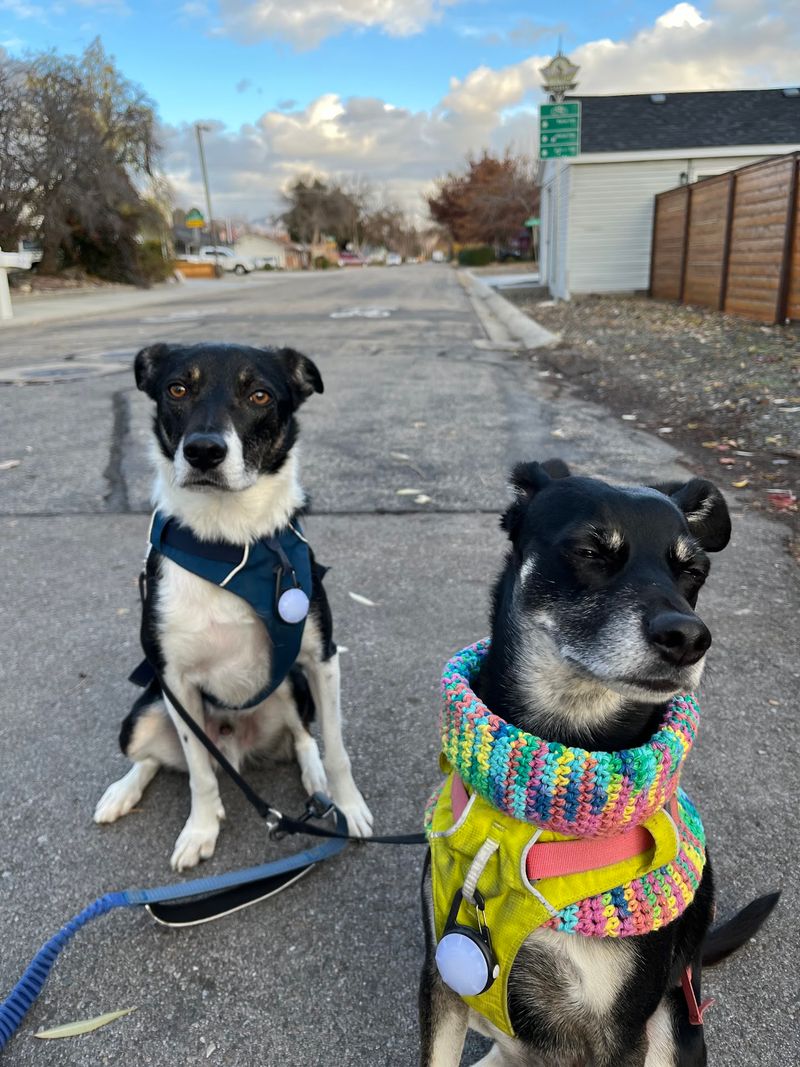
Scale allows this Boise organization to combine adoption, veterinary medicine, education, foster care, and pet-retention work under one nonprofit structure.
The Idaho Humane Society’s adoption center, education facilities, and Veterinary Medical Center are located at 1300 South Bird Street in Boise, replacing the outdated Dorman Street address for its main adoption services.
The organization describes itself as Idaho’s oldest and largest animal welfare organization and veterinary charity, with its 2025 impact report outlining a no-harm commitment and support for complex medical and behavioral cases.
Adoptable dogs receive care from shelter staff, veterinary teams, volunteers, and foster caregivers, while public veterinary services include wellness care, surgery, dentistry, and spay and neuter appointments.
Humane education programs reach classrooms, homeschool students, and young volunteers. The Pet Food Pantry continues at the Dorman Campus, 4775 West Dorman Street, on scheduled distribution dates rather than as a daily walk-in service.
Lost-pet assistance, animal protection work, transfer partnerships, and programs intended to keep pets in their homes broaden the impact beyond adoption.
People can help through fostering, volunteering, wish-list donations, financial gifts, pantry contributions, or participation in fundraising events.
Anyone planning a visit should check which Boise campus provides the needed service, since adoption, public veterinary care, intake functions, and food distribution do not all operate from one address.
6. West Valley Humane Society
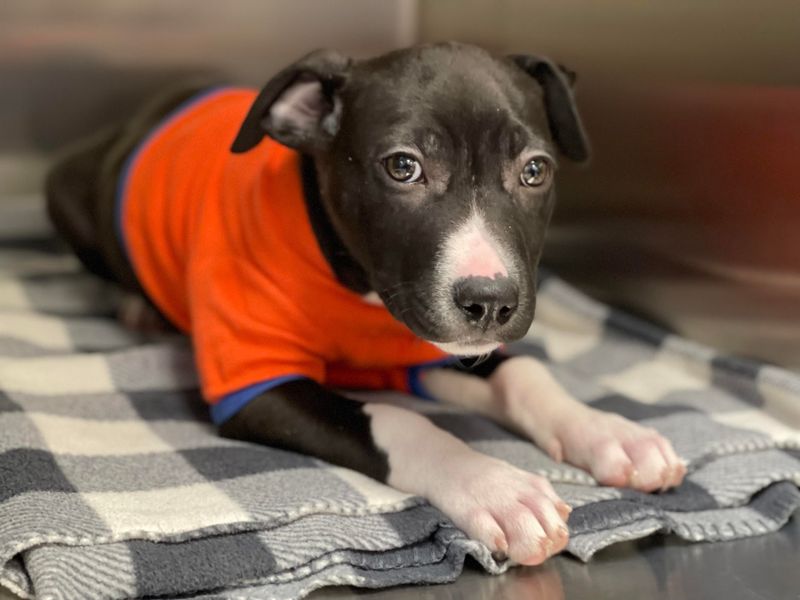
Reuniting lost animals with their families is just as important here as finding new homes for pets that cannot return to their previous households.
West Valley Humane Society operates at 5801 Graye Lane in Caldwell and provides temporary housing, food, enrichment, medical attention, behavior support, and adoption services for animals in its care.
The original description called it an open-admission shelter serving all of Southern Idaho, but that wording was too broad.
Intake responsibilities, municipal contracts, surrender procedures, and available capacity determine which animals the shelter can accept, so owners and finders should contact the staff before arriving.
Adoption hours currently run from 11 a.m. to 5 p.m. most days, with the adoption floor closed on Thursdays, while stray drop-off and redemption follow a separate schedule.
Adopted animals receive core preparation that includes health checks, vaccines, microchipping, and spaying or neutering.
The organization also provides affordable vaccinations and microchipping through its public clinic, along with foster care, lost-and-found services, and the Safehaven planning program for future pet care.
Supporters can help by fostering, volunteering, donating, sponsoring medical needs, or completing the current adoption process.
Checking the live wish list is especially useful because food, cleaning supplies, enrichment items, and medical needs change with the shelter population.
7. Mountain Humane
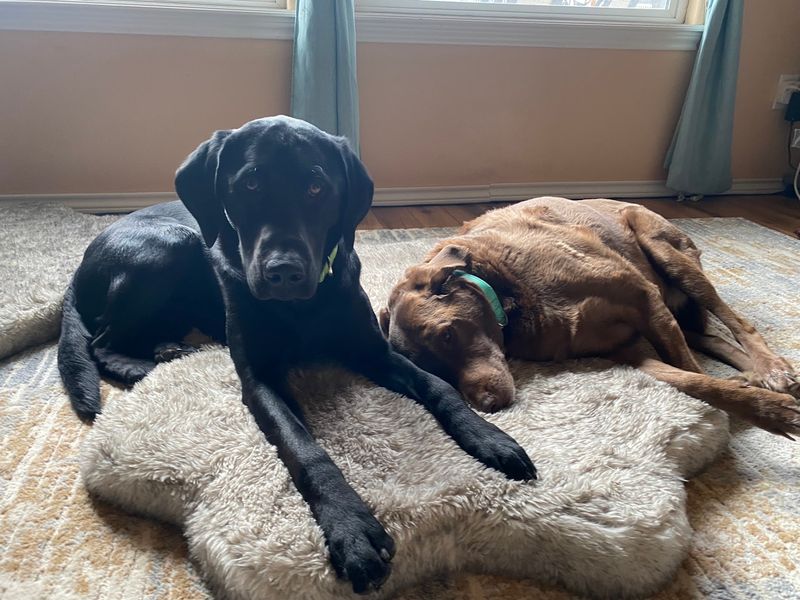
Preventing a difficult moment from becoming a permanent separation is central to many of the services offered in the Wood River Valley.
Mountain Humane is based at 101 Croy Creek Road in Hailey. Adoption meet-and-greets are available Tuesday through Saturday from 11 a.m. to 5 p.m., and visitors are currently asked to schedule an appointment with the adoption team.
Dogs and cats in the shelter are only one part of its work. Community Paws offers qualifying pet owners no-cost assistance that may include veterinary care, behavior and training support, food distribution, transportation, and surrender-prevention resources.
The monthly Pet Food Assistance program helps households manage feeding costs, while the public veterinary clinic provides appointments Monday through Thursday for wellness care and other services.
Behavior resources can support both newly adopted animals and pets already living with families.
The Barkin’ thrift store provides another way to contribute, with proceeds supporting Mountain Humane’s programs. The original draft was correct that financial and geographic barriers shape access to care, but it made the free-service offer sound universal.
Eligibility applies, and appointments and available funding can affect what is provided. People can adopt, foster, volunteer, donate food, shop at the thrift store, or contribute directly.
Calling first is the best way to learn which support option is currently most useful.
8. People For Pets Twin Falls Animal Shelter
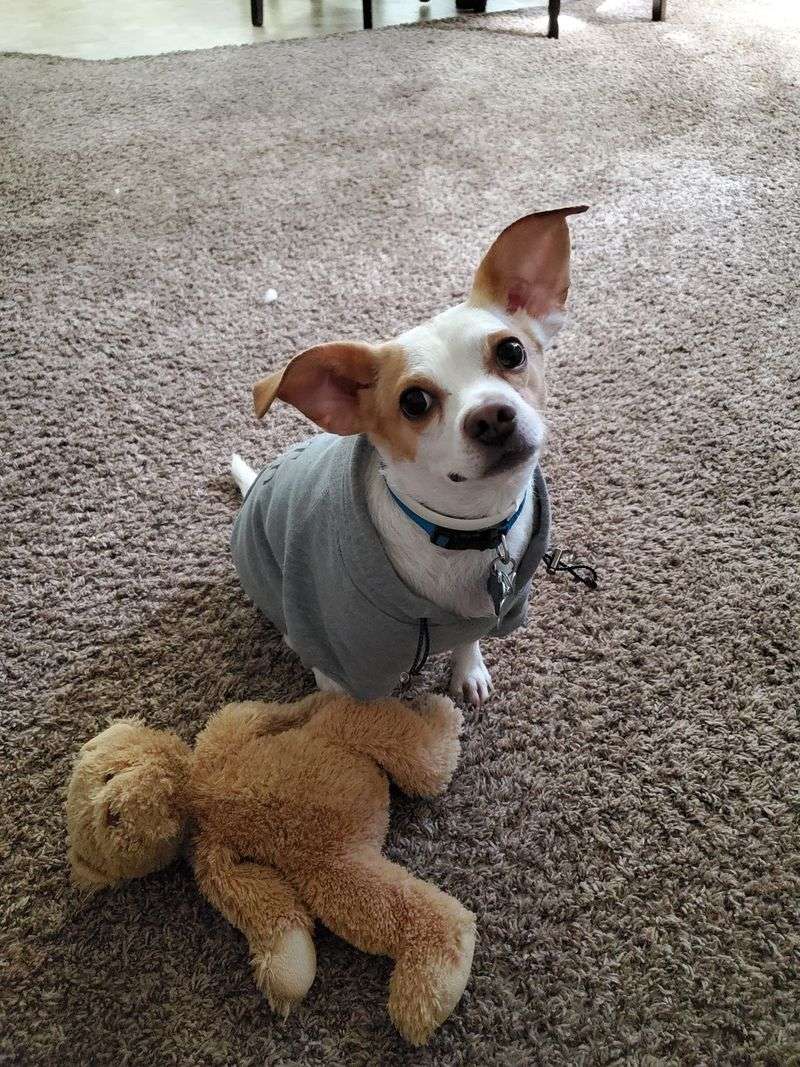
Community support keeps this Magic Valley shelter’s adoption, foster, medical, and pet-retention work moving.
People for Pets operates the Twin Falls Animal Shelter at 420 Victory Avenue in Twin Falls, with public hours Monday through Friday from 10 a.m. to 5 p.m., a daily closure from 1:15 to 2:30 p.m., and Saturday hours from 10 a.m. to 2 p.m.
Founded in 1988, the local nonprofit contracts to operate the shelter and reports serving approximately 1,200 adoptable animals in a typical year.
Dogs are behaviorally evaluated before placement, and adoption fees cover spaying or neutering, vaccinations, deworming, a microchip, and identification items.
Some pets may leave through a pre-adoption arrangement while a scheduled medical procedure remains pending, with adopters required to return for that appointment.
Community services include lost-and-found assistance, licensing, a Wednesday microchip clinic, owner-surrender resources, foster care, and a donor-supported pet food pantry for qualifying households.
The pantry is intended to supplement food during difficult periods and may have limited inventory. Volunteers help with shelter operations, events, and animal care after completing required training.
Supporters can also donate to the medical fund or attend fundraisers such as Pooch Splash. Because stray intake is limited to Twin Falls County and owner surrenders require appointments, calling before bringing an animal is essential.
9. Pocatello Animal Services
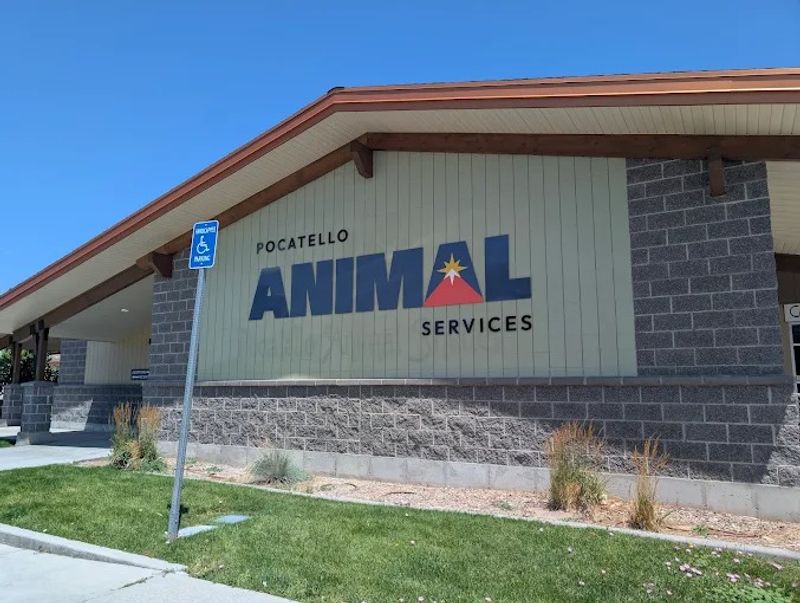
Municipal shelters have responsibilities that extend beyond adoption, and this city department handles animal-control work alongside daily care for pets at the shelter.
Pocatello Animal Services is based at 3100 Avenue of the Chiefs in Upper Ross Park, where the public shelter is currently open Monday through Friday from 10 a.m. to 5 p.m. and Saturday from 11 a.m. to 5 p.m.
The department coordinates animal-control activity within Pocatello, houses stray animals, reunites pets with owners, processes licenses, and offers dog and cat adoptions.
Adopted pets are spayed or neutered, microchipped, and brought up to date on core vaccinations before going home; current fees and promotional discounts can change, so adopters should confirm them directly.
Educational tours, public presentations, and volunteer opportunities give residents additional ways to engage with the shelter.
The original draft presented the Community Cat program as an active, settled service, but official city information does not currently provide enough confirmation to make that claim confidently.
It is better to ask the department about present community-cat resources rather than rely on an older description. Friends of the Pocatello Animal Shelter, a separate nonprofit support group, often helps with adoption promotions and shelter needs.
Residents can support the work by adopting, volunteering, donating approved items, licensing pets promptly, and reporting lost or found animals through the correct city channels.
10. Snake River Animal Shelter
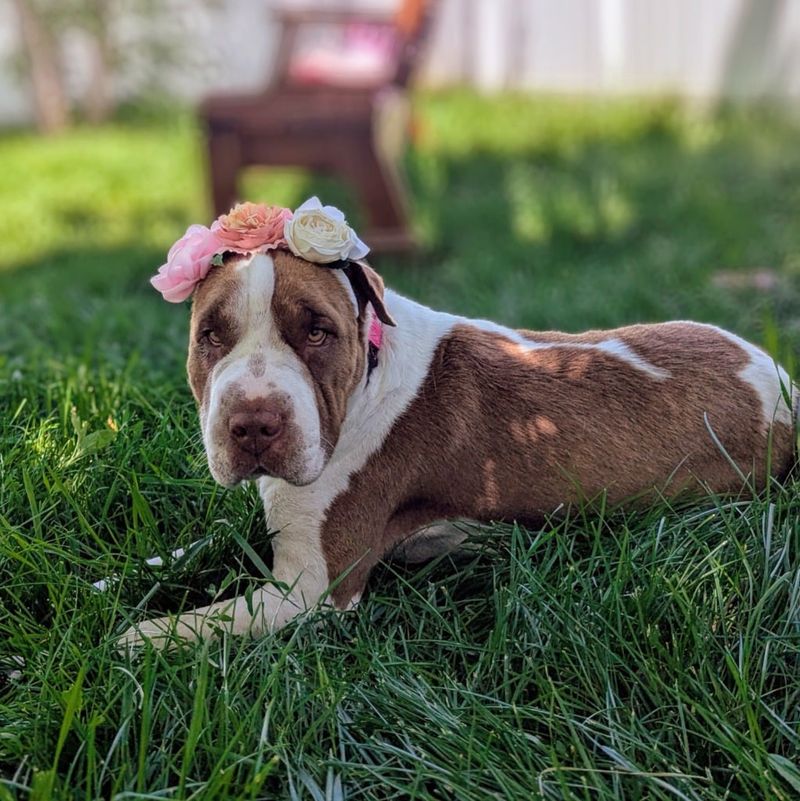
An unlimited length of stay distinguishes this East Idaho nonprofit from facilities that must make placement decisions under stricter time constraints.
Snake River Animal Shelter operates at 3000 Lindsay Boulevard in Idaho Falls.
Hours are Tuesday through Friday from 10:30 a.m. to 5:30 p.m., Saturday from 10:30 a.m. to 5 p.m., and Sunday from noon to 3 p.m., while Monday visits are reserved for prequalified adopters with private appointments.
The organization describes itself as the only no-harm nonprofit animal sheltering facility serving all of East Idaho. Adoption and humane education remain central, but its programs now reach beyond shelter placement.
Lower-cost spay and neuter appointments, core vaccines, microchipping, foster care, and owner-surrender guidance support animals across the region.
Additional services include community-cat Trap-Neuter-Return and dog training through the Idaho K-9 Academy.
Shelter dogs are generally shown to serious adopters rather than casual visitors because reducing kennel stress and disease exposure is part of the care plan.
Owner surrenders are managed through a list rather than accepted as walk-ins, and the free Home To Home service may help families search for a new placement while waiting. Volunteers assist with walking, enrichment, laundry, cleaning, events, and administrative work.
Support can also come through fostering, wish-list purchases, fundraising events, clinic use, or direct donations toward medical and daily care.