This 1.6-Mile Idaho Hike Passes Through A Little-Known Birding Reserve
Would you believe me if I told you that, hidden inside a busy neighborhood, there is a 53-acre wild escape waits where few think to look?
Winding paths loop past reeds, calm water, quiet overlooks, and shady resting benches.
Because it sits so quietly off the main road, plenty of people cruise right past. Idaho guards a pocket wetland world where the constant city noise simply melts away.
Serious hikers and casual weekend visitors both find more than enough nature to reset a whole day.
The reserve feels a world apart from the city, so deep calm arrives fast.
This peaceful little hideaway repays anyone curious enough to pull over and explore.
A Former Quarry Turned Wildlife Sanctuary
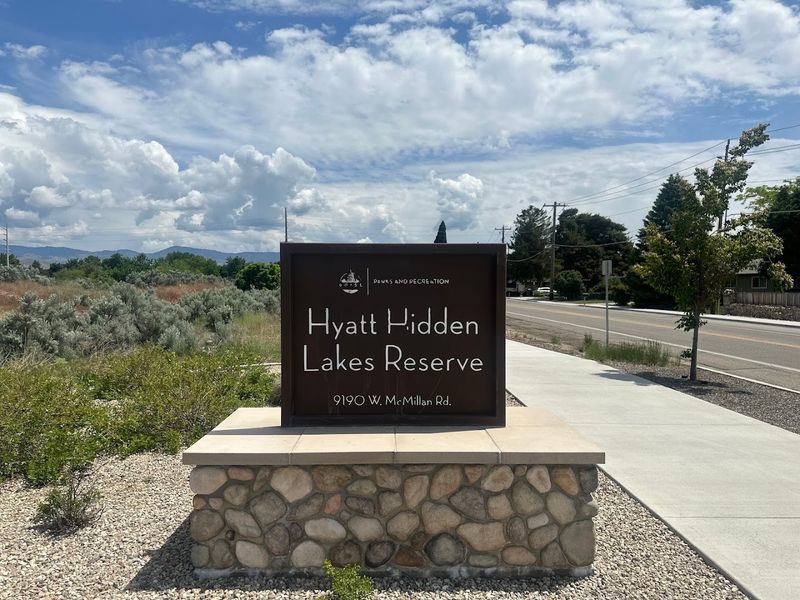
Not every park starts out as a park. Hyatt Hidden Lakes Reserve was once a quarry, and the City of Boise transformed that industrial site into one of the most thoughtful urban nature preserves in Idaho.
The result is a 53-acre sanctuary that now shelters birds, bats, deer, muskrats, turtles, and a wide range of wetland wildlife.
The ponds that fill the old quarry basins are the heart of the reserve. They give the landscape its reflective, almost dreamlike quality.
Water reeds line the edges, and the surface of each pond shifts with the movement of ducks, geese, and other waterfowl throughout the seasons.
Because the site was designed with wildlife in mind, it operates under specific rules. Dogs are not permitted, bikes are restricted, and fishing is prohibited in designated areas, all to protect the animals that call this place home.
You can find Hyatt Hidden Lakes Reserve at 5301 N Maple Grove Rd in Boise, right in the middle of a residential part of the city.
The Trail System And What to Expect
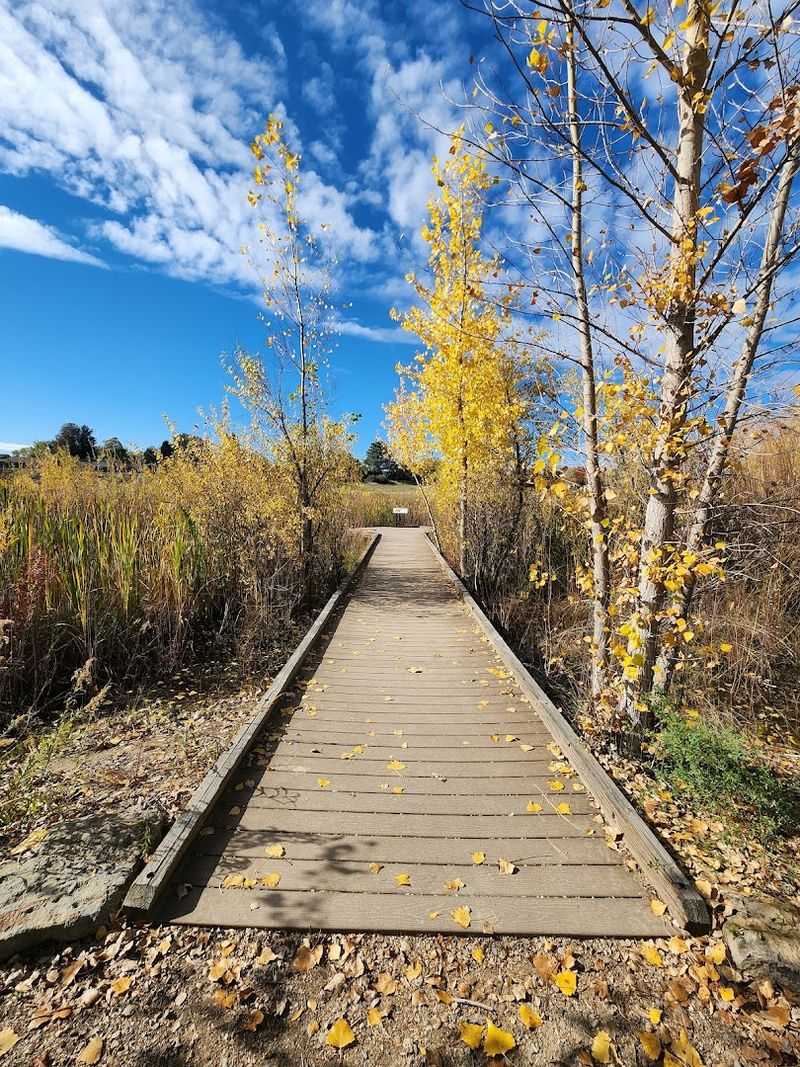
The trail network here is modest in length but rich in variety.
The main loop covers roughly 1.6 miles, and most walkers complete it in under an hour. The paths curve and branch in ways that invite slower exploration rather than a brisk workout pace.
Some sections of the trail are flat and smooth, while others rise onto small hills that offer elevated views of the ponds below.
Those uphill stretches are short but rewarding, giving you a wider perspective of the reserve and the mountain backdrop visible on clear days. Restrooms are available near the entrance, and trail signs are posted throughout to help you stay oriented.
Part of the route does connect to a sidewalk running along Maple Grove Road, so you will briefly walk beside traffic before re-entering the reserve.
It is a minor interruption in an otherwise peaceful experience. The trails are not designed for bikes or competitive cardio, but they do offer enough elevation change to get your heart rate up a little.
Birding At Its Most Rewarding
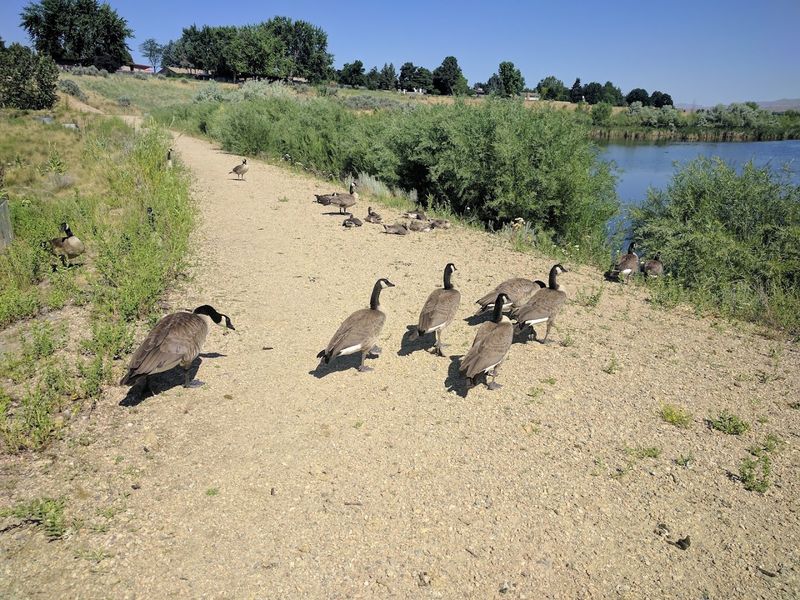
If you have ever wanted to understand why birders wake up before sunrise with binoculars and a thermos, a visit here will answer that question quickly.
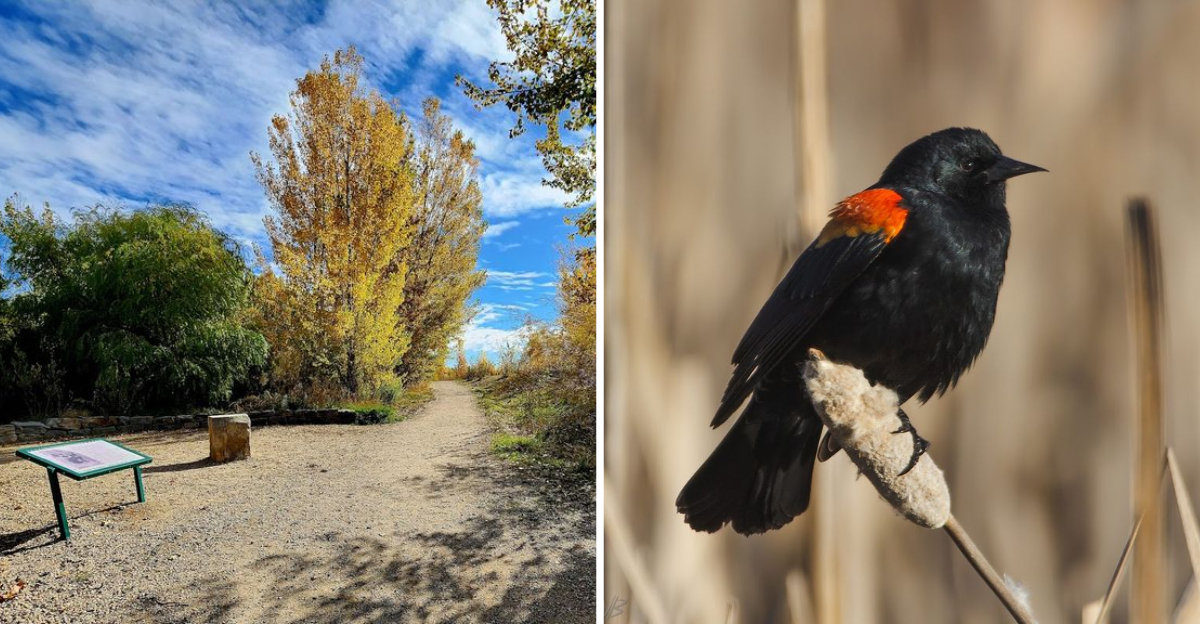
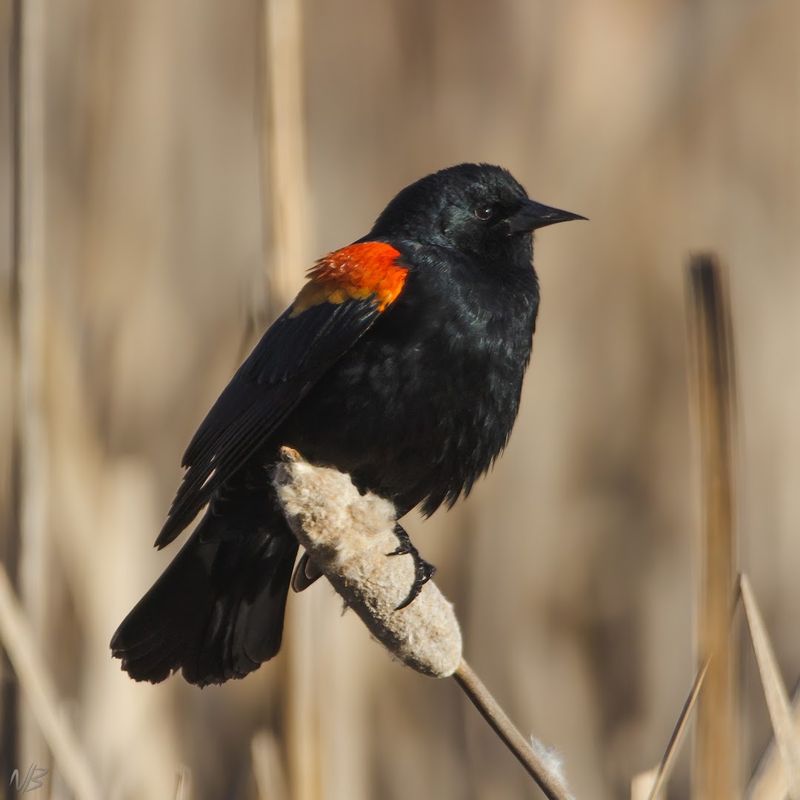
The reserve functions as a genuine birding destination, and the variety of species you can spot changes with every season. Red-winged blackbirds are among the most visible residents, perching on reeds and announcing themselves with that unmistakable raspy call.
Spring is the most active season for bird activity. Families of geese arrive with goslings in tow, ducks nest along the pond edges, and migratory species pass through on their way north.
The combination of open water, dense reeds, and surrounding vegetation creates a layered habitat that supports an impressive range of birds for such a compact urban space.
Photographers find the reserve particularly useful because the birds here are accustomed to quiet human presence. Getting a clean shot of a duck mid-landing or a heron standing still in shallow water is genuinely possible without specialized equipment.
The Atmosphere That Sets It Apart
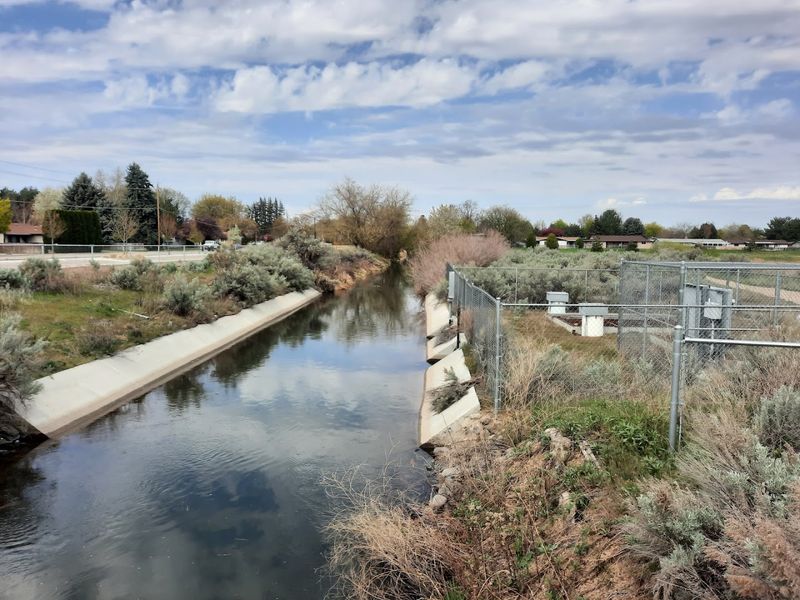
There is something specific about the mood inside this reserve that is hard to describe without sounding dramatic.
One moment you are on a busy Boise street, and the next, the noise fades and the air feels different.
The ponds create a kind of humidity that softens the surroundings, and the density of reeds and trees along the water’s edge blocks out the visual noise of the city almost completely.
Paths curve rather than cut straight lines, which means sightlines open gradually as you walk. You rarely see the whole reserve at once.
Instead, it reveals itself in stages, a new pond here, a bench overlooking the water there, a stretch of wildflowers you did not notice on the way in.
Public art is also installed throughout the reserve, adding quiet visual interest along the trail without disrupting the natural setting. The overall atmosphere is one of intentional calm.
Hyatt Hidden Lakes Reserve does not try to entertain you with loud features or busy amenities. It simply offers stillness, and in a packed city schedule, that turns out to be exactly enough to make the visit feel worthwhile.
Wildflowers, Plants, And Seasonal Changes
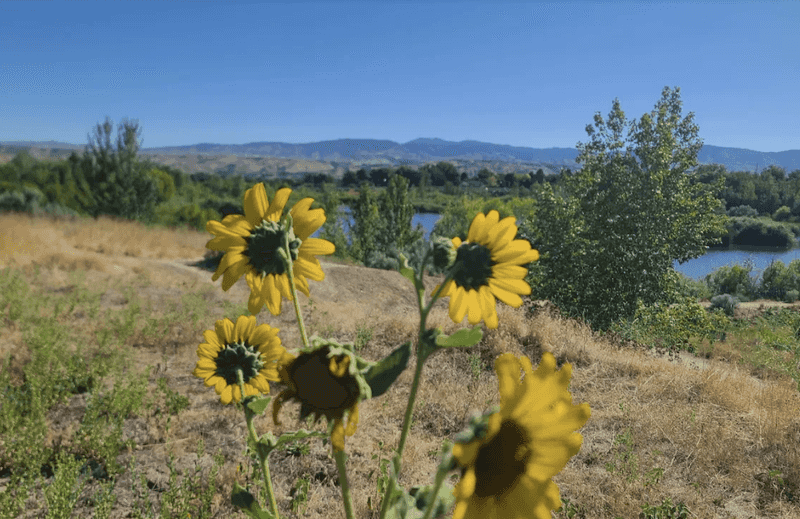
Spring transforms this reserve in ways that are worth planning a visit around.
Wildflowers push through along the trail edges, and the combination of blooms, new reeds, and returning migratory birds gives the whole place an energetic, freshly-switched-on quality.
The vegetation is dense enough to provide real shade in several sections, which matters more than you might expect on a warm Idaho afternoon.
The plant life here is not random. The reserve was designed to support wetland species that provide food and shelter for the animals that live here year-round.
Native grasses, cattails, and flowering plants create a layered habitat that changes texture and color as the seasons shift. In late summer, the reeds reach their full height and the ponds take on a greener, more enclosed feel.
Fall brings a different kind of beauty, with the vegetation turning gold and rust around the water’s edge. Even winter visits have their own appeal, particularly for birders who come to see which species stay through the cold months.
Wildlife Beyond The Birds
Birds tend to get top billing here, but the reserve supports a surprisingly full cast of other wildlife.
Deer have been spotted wandering through the preserve on a regular basis, sometimes in family groups that seem completely unbothered by nearby walkers.
Seeing a doe and fawn near the water’s edge on a quiet morning is the kind of moment that stops you mid-stride.
Bats are another highlight that most visitors do not expect. The reserve was specifically designed to support bat populations, and at dusk, you can sometimes watch them emerge and begin their nightly insect patrol over the ponds.
Muskrats are also present, swimming steadily along the pond edges and occasionally hauling reeds back to their dens. Turtles bask on logs and rocks when the sun is out, and butterflies move through the wildflower patches during warmer months.
Idaho’s urban wildlife often goes unnoticed because people simply are not looking for it. This reserve changes that by creating conditions where animals feel safe enough to behave naturally.
The absence of dogs and the general quiet of the space make a real difference.
Practical Tips For Your Visit
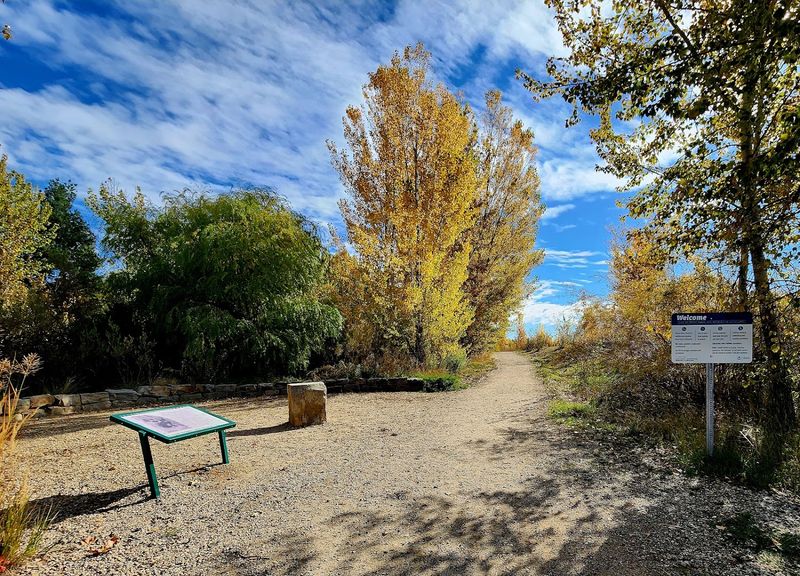
Getting the most out of a visit here comes down to a few simple choices. Morning is the best time to arrive, both for wildlife activity and for avoiding the midday heat during summer.
The reserve opens at 8 AM every day and closes at 6 PM, so there is plenty of time for a relaxed loop without rushing. Arriving early on weekdays almost guarantees a quieter experience than weekend afternoons.
Wear comfortable walking shoes with some grip, since the dirt sections of the trail can be uneven, and the hill portions require a little more footing awareness.
Bring water, especially if you are visiting between June and August when temperatures in Idaho can climb significantly.
The reserve sits in a wetland environment, so expect some humidity on warmer days, which can feel more intense than the surrounding neighborhood.
Binoculars and a camera will dramatically improve your experience if wildlife observation is your goal. The reserve is not stroller-friendly on all sections, but the paved portions near the entrance are manageable for small children.
Why This Reserve Keeps Drawing People Back
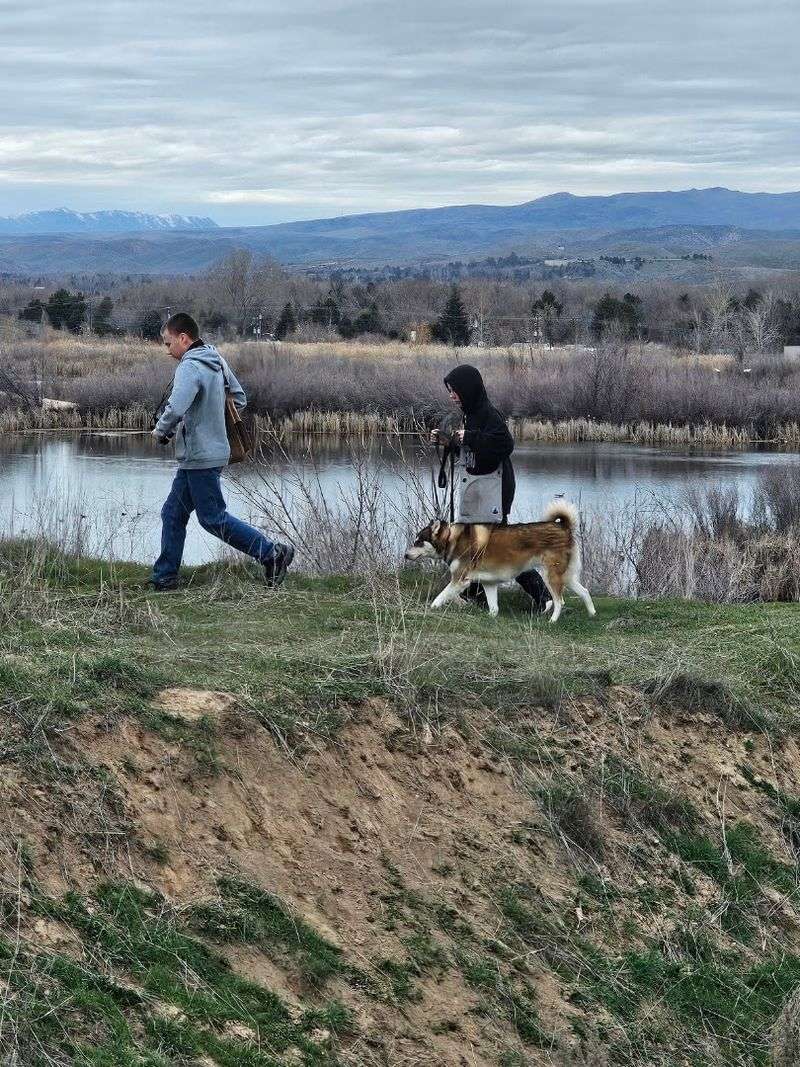
Some places earn repeat visits through novelty, offering something new to do each time.
Hyatt Hidden Lakes Reserve earns them through consistency, delivering the same reliable sense of calm and wildlife activity every single time you show up.
The reserve also benefits from being genuinely close to everyday life in Boise. You do not need to plan a weekend trip or pack a bag. A quick visit before work, during a lunch break, or after school is entirely realistic.
There is also something to be said for a place that asks very little of you. No entry fee, no guided tour required, no elaborate gear needed. Hyatt Hidden Lakes Reserve simply opens its gates at 8 AM and lets you figure out your own pace.
For a city that continues to grow quickly, having a protected natural space like this one tucked inside a residential neighborhood is something that residents and visitors alike have come to genuinely appreciate.
It earns its reputation quietly, the same way the best places always do.