This Park In Idaho Is Like An Oasis For Anyone Who Loves Fishing And Kayaking
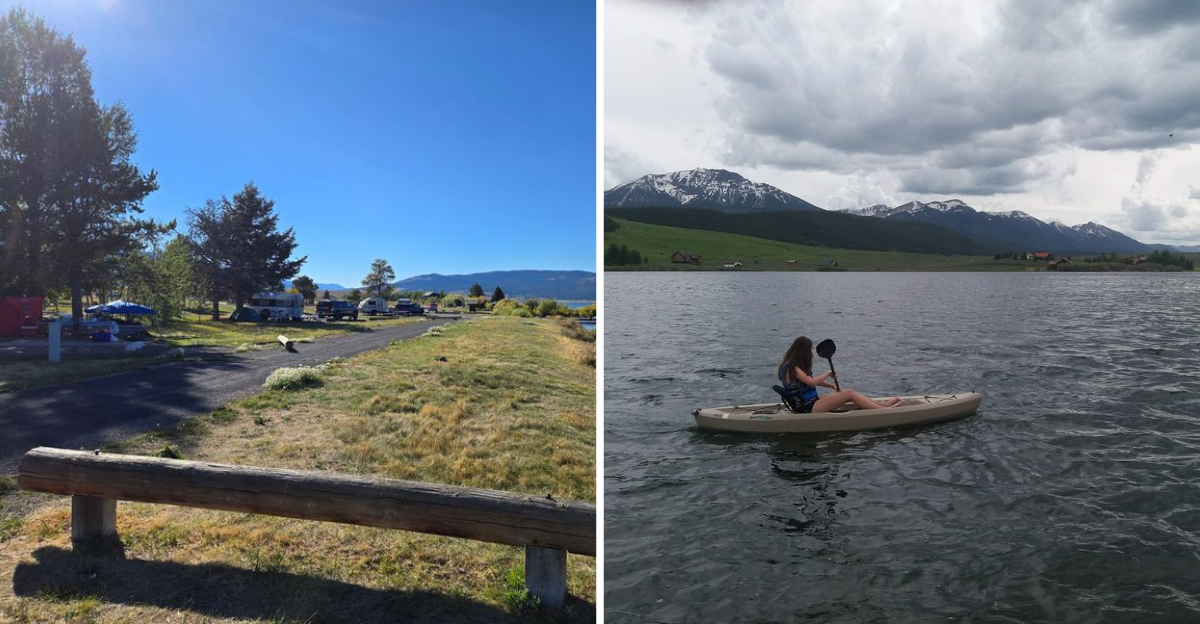
Fishing rod in one hand, kayak paddle in the other, and mountains filling the horizon.
An Idaho park turns that combination into an easy weekend around clear water, high-elevation scenery, campsites, trails, and abundant wildlife.
Anglers can focus on trout while paddlers explore quieter shoreline stretches. Early mornings often bring calm water and reflections worth getting up for.
No complicated itinerary required!
Later in the day, nearby peaks keep the view interesting even when camp becomes the destination.
Pack a warmer layer for evening and leave room for an unhurried paddle.
When the lake settles and the mountains catch the changing light, staying close to shore can feel like the only plan you need.
Mountains Framing The Water
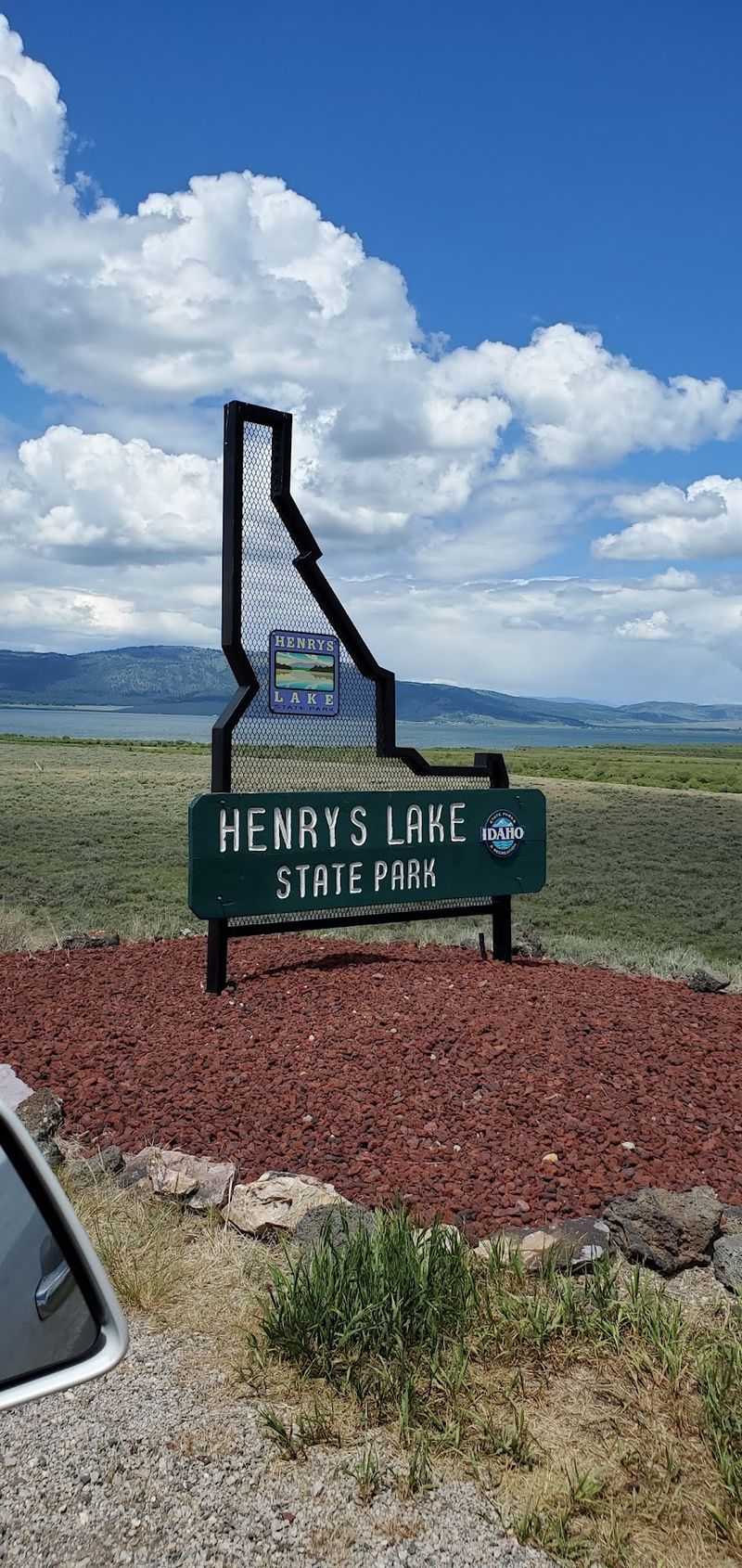
My first look at the lake came with a sharp intake of breath. The Centennial Mountains stand along the north edge like a stone wall.
Henrys Lake State Park occupies 585 acres along Henrys Lake, a roughly 6,000-acre high-mountain lake, with the park sitting at about 6,470 feet in elevation.
Mountain ranges rise around the lake, giving the shoreline broad views across sagebrush, wetlands, and high-country peaks.
The Centennial Mountains and Henrys Lake Range provide a dramatic backdrop, with the Continental Divide running through the surrounding high country.
Rocky shoreline areas give visitors direct access to the water, while the lake itself is shallow and nutrient-rich enough to support abundant aquatic life.
Sagebrush fields spread out below the entrance road, scenting the air. That smell alone convinced me to roll the windows down.
The park covers 585 acres of protected shoreline and meadow. Every corner offers a different frame for your camera. You will find it at 3917 E 5100 N, Island Park, in eastern Idaho.
Trophy Trout Waters Await
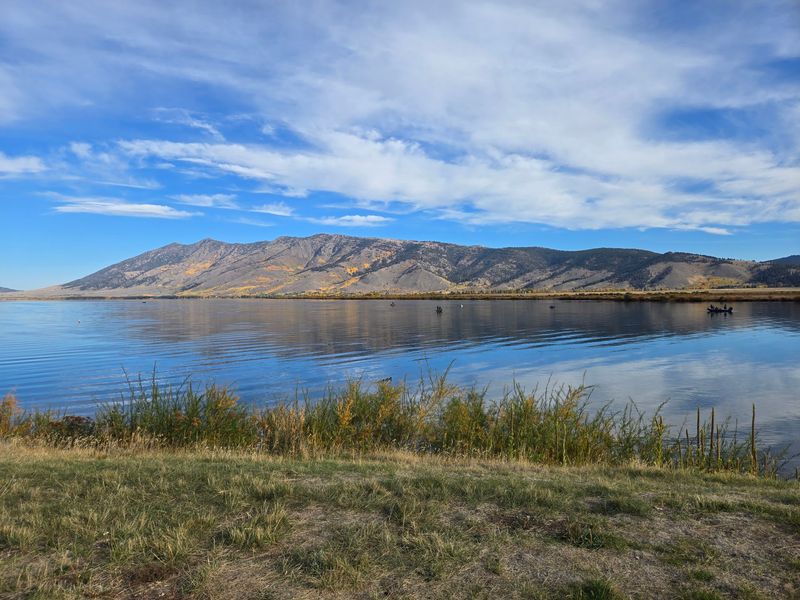
Anglers whisper about this water across the American West. The reputation is earned, not invented by tourism brochures.
Three headliners swim here: Yellowstone cutthroat, brook trout, and cut-bow hybrids. Each fights differently, and each has its own fan club.
Henrys Lake is known for fast-growing trout, with Idaho Fish and Game continuing to document large Yellowstone cutthroat, brook trout, and hybrids.
Hybrid trout can reach trophy sizes, with Idaho Fish and Game documenting occasional fish above 10 pounds even though typical fish are considerably smaller.
Eighteen-inch fish are routine rather than remarkable around here. The lake’s rich food supply pushes rapid growth every season.
Current fishing rules allow catch-and-release trout fishing from February 15 through the Friday before Memorial Day weekend.
A two-trout harvest limit applies from Memorial Day weekend through February 14, with designated areas remaining closed.
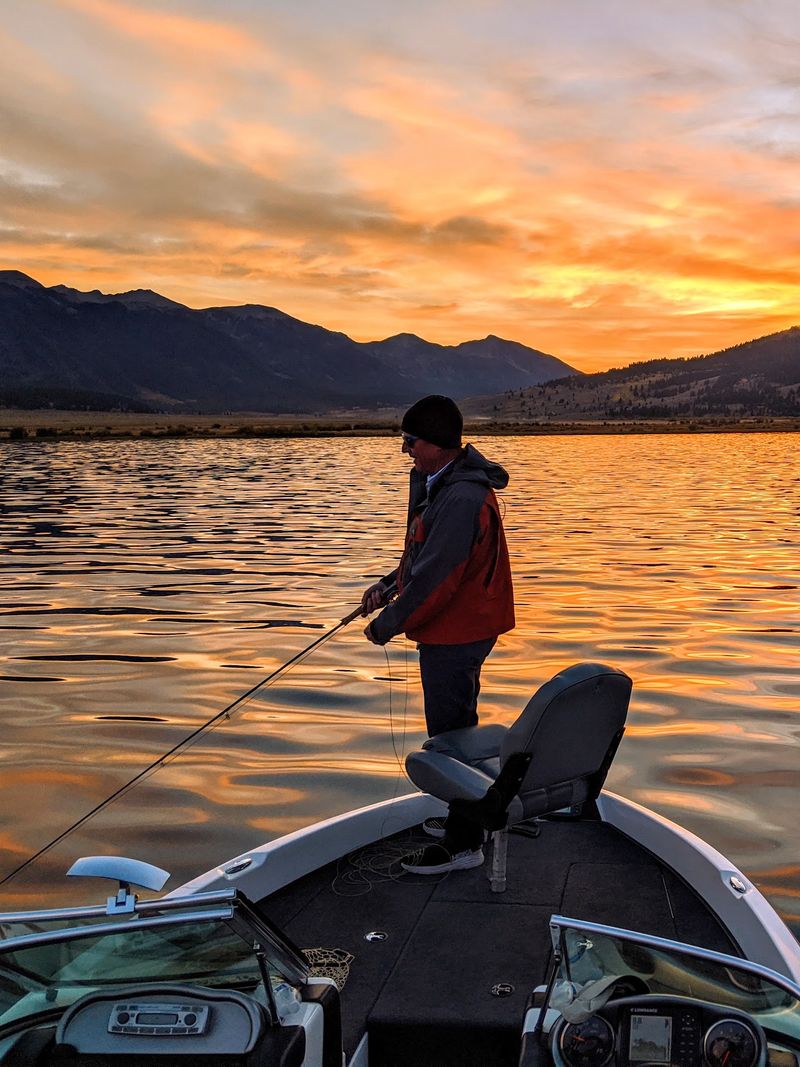
I had my best luck right at first light. Evenings, just before the sun drops, run a close second.
A fish cleaning station sits near the boat ramp for convenience. Cleaning up takes minutes instead of becoming a messy chore.
Calm Mornings For Paddlers
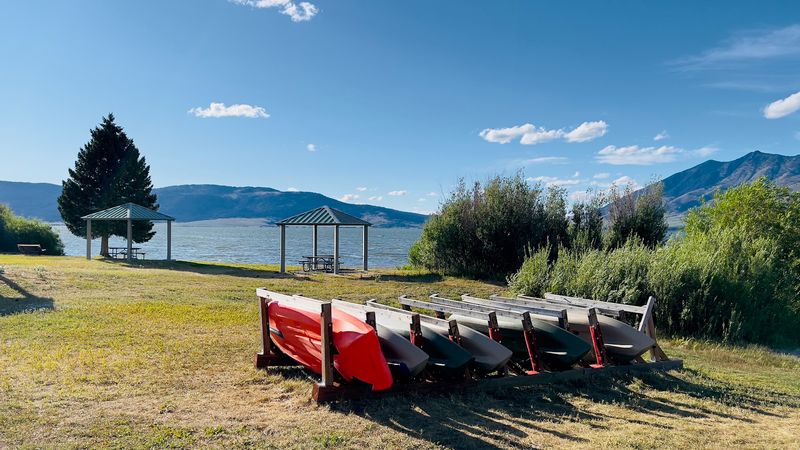
Glass. That is the only word for the water at 7 a.m.
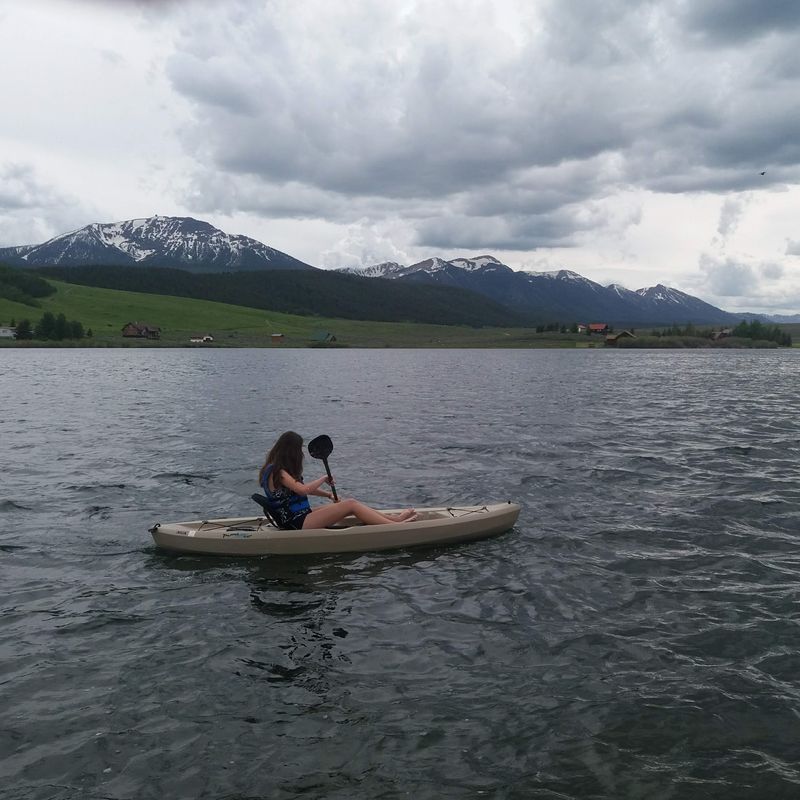
Kayaking, canoeing, and stand-up paddleboarding all work beautifully on this lake. The launch process could hardly be simpler for newcomers.
A public boat ramp and accessible dock make getting afloat painless. I had my boat wet within ten minutes of parking.
Paddlers can use the park’s boat ramp and launching dock, but changing mountain weather and wind can make lake conditions more demanding later in the day.
A life-jacket loaner station is currently available at the park, while paddlers should confirm any current kayak-rental options before arriving.
Afternoon wind is the honest catch nobody advertises loudly. Breezes often kick up and chop the surface considerably.
Locals joke the place could become a windsurfing capital. Having paddled into that gust, I understand the joke completely.
Plan your paddle before lunch and you will thank yourself. Evening lulls sometimes return the calm for a golden-hour float.
Watch the sky, since mountain weather changes without much warning. A dry bag and a layer of fleece earn their keep.
Moose, Swans And Eagles
Nothing wakes you up faster than a moose outside your window. Two of them wandered near the campsites during my stay.
Marshy inlets attract moose that browse on lush water plants. Early morning offers the highest odds of a sighting.
Deer move through the sagebrush regularly and barely glance your way. Smaller critters, including pocket gophers, keep the meadows busy.
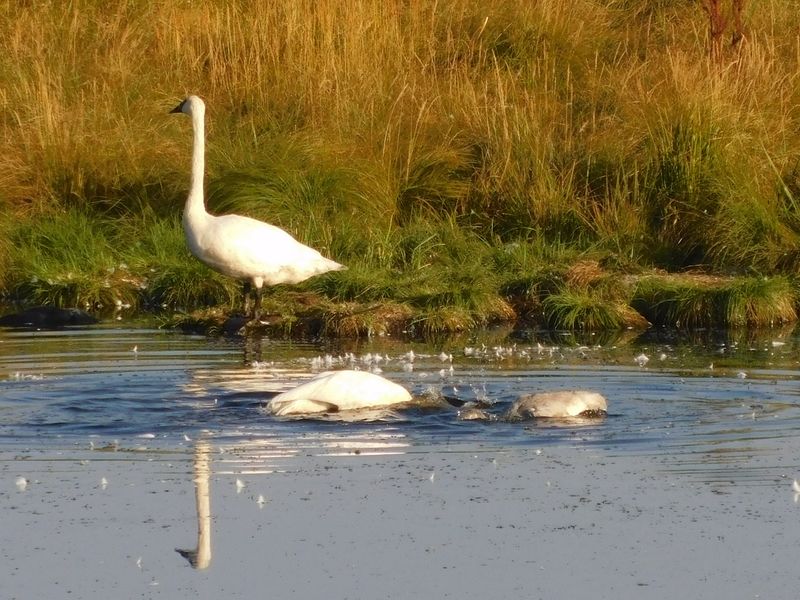
Birders treat this shoreline as serious business. Trumpeter swans glide past, sometimes trailing a line of gray cygnets.
Grebes, coots, gulls, and terns fill the shallow bays with motion. Bald eagles and ospreys patrol overhead, scanning for careless fish.
American white pelicans gather in surprisingly large squadrons on open water. Watching them fish cooperatively beats most television.
The surrounding Henrys Lake Flat wetlands host sandhill cranes and long-billed curlews. Great blue herons stalk the edges with infinite patience.
Binoculars belong in your daypack, not back in the car. I learned that lesson the hard way on day one.
Drive slowly on nearby roads, especially after sunset. Wildlife crosses without checking traffic, and caution protects everyone.
Lakeside Campsites And Cabins
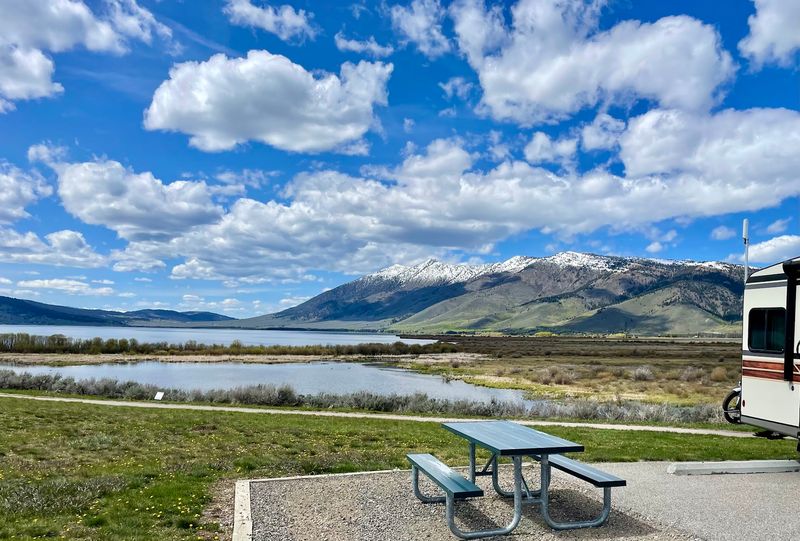
Sleeping beside an alpine lake changes your idea of a good night. The stars over this basin are ridiculous in the best way.
The current Idaho Parks and Recreation page lists 83 serviced campsites along with three camper cabins, including an ADA-accessible cabin.
Many spots include water and electrical hookups, and some offer full hookups. Picnic tables and fire pits come standard for evening gatherings.
Three heated cabins are available if canvas and rain do not mix for you. Switching to a cabin mid-trip saved friends of mine from a downpour.
Warm-season camping includes serviced sites and cabins, while the park has also recently offered limited dry RV camping and heated cabins during winter.
Facilities here earn their reputation for cleanliness. Flush restrooms, hot showers with roomy stalls, and drinking water are provided.
Indoor restrooms, showers, vault toilets, and drinking water are among the park’s listed warm-season amenities.
The dump station has been temporarily closed for maintenance work. RV travelers without full hookups should plan an alternative stop.
Easy Trails, Big Views
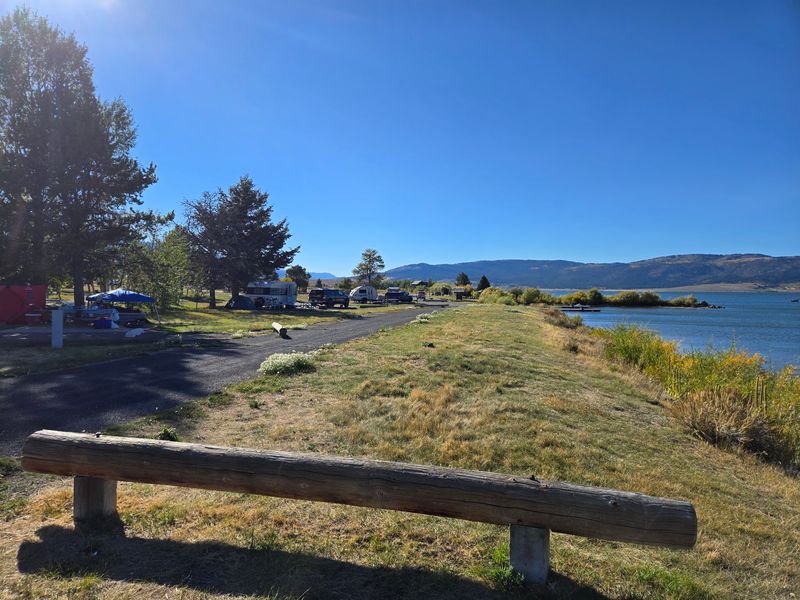
Not every hike needs to punish your knees. The park offers roughly three miles of nature trails through shoreline, wetland, and meadow habitat, with routes open to hiking and biking.
Paths welcome both hikers and cyclists, with minimal elevation gain throughout. Kids and grandparents can manage them comfortably.
A popular mapped route is often described by hiking apps as a roughly three-mile loop, while Idaho Parks officially promotes a network of nature trails rather than a single named 3.1-mile circuit.
The trail network passes through open high-country terrain near the lakeshore, wetlands, sagebrush, and meadow habitat.
Late spring and early summer bring wildflowers in scattered bursts of color. Purples, yellows, and whites dot the green expanses.
An interpretive trail shares details about natural and cultural history. Reading those panels gave my walk unexpected context.
Wildlife often appears right beside the path, so stay alert and give space. Moose deserve a wide berth, always.
Exposure is real out here, with little shade and steady wind. Layers, a hat, and sunscreen make the difference. Few places in Idaho pack this much view into so little effort.
Choosing Your Perfect Season
Timing shapes your whole experience at this lake. Late spring through early fall counts as the prime window.
Summer delivers reliable road access and the widest range of activities. Daytime highs sit in the mid-60s to mid-70s Fahrenheit.
Nights drop hard, often into the 30s or 40s. Pack a warm sleeping bag even in July.
Mid-June hits a sweet spot with pleasant weather and thinner crowds. July and August bring the busiest stretch of the calendar.
Wind is a near-constant companion at this elevation. Tent campers should expect flapping fabric most afternoons.
Early May and late September serve crisp mornings and occasional light snow. Those shoulder weeks feel wonderfully quiet.
The current park page notes recent winter operations with maintained roadways, about a dozen dry RV sites, and three heated cabins, though visitors should verify the upcoming winter schedule before booking.
Ice fishing draws a dedicated crowd once the surface freezes solid. Seeing the entire lake locked in ice is genuinely startling.
The park’s winter notice states that water is unavailable during winter operations, so visitors should check which facilities are operating before arrival.
Smart Tips Before Arriving
A little planning turns a good trip into a great one. Staff at the entrance booth are famously helpful with local advice.
Bug spray ranks above almost everything else on the packing list. Mosquitoes thrive here, especially near the marshy edges. Water shoes can make rocky shoreline areas more comfortable for visitors entering the water.
The rocky beach is fun for kids hunting interesting stones. Shallow water stays clear and pleasant on warm afternoons.
Picnic shelters and a handicap accessible picnic area sit near the shoreline. Shade is limited, so those pavilions get popular fast.
Indoor showers are listed among the park amenities, though day-use visitors should check with park staff about current access and seasonal availability.
Drive under the limit at night, watching constantly for wildlife. Moose on pavement is not a fair fight. Henrys Lake State Park handles visitors well when they arrive prepared.