Idaho Lands Two Cities On The Best-Run List In America, One Of Them Nearly At The Top
Two Idaho cities just quietly outscored almost everyone.
A national ranking of the best-run cities dropped, and the state showed up near the very top.
One of them landed second overall, barely missing first. That is not luck, it is low debt, safe streets, and steady income growth.
I keep an eye on this list every year. The numbers this time really impressed me.
A mid-size city out west suddenly deserves your attention. You feel it in the clean budgets and calm pace. People are already relocating for exactly this reason.
Smart money notices things like this early. Maybe it is time you did too.
Why This City Landed At Number Two

Not every city gets to sit at the number two spot on a national best-run list.
Nampa earned that position in WalletHub’s 2026 ranking, and the reasons behind it are grounded in real, measurable data.
WalletHub evaluated cities across the country using metrics like city finances, public safety, education quality, and economic health. Nampa performed strongly across several of these categories, which pushed it near the very top of the list.
The city is located in Canyon County, about 20 miles west of Boise along Interstate 84. What stands out most in the ranking is how consistently the city scored. It was not just one strong category that lifted the result.
A combination of low debt, low crime, and rising income levels worked together to produce a ranking that few mid-size American cities can match.
For a city that crossed the 100,000 population mark at the 2020 census, this kind of recognition signals that growth and good management can happen at the same time.
The Debt Story Behind The Score
One of the biggest reasons Nampa climbed so high in the WalletHub ranking is its remarkably low city debt per capita.
Many American cities carry enormous financial burdens that quietly affect everything from road conditions to public services.
Nampa has kept that burden unusually low. When debt is spread across a growing population, the per-person figure stays manageable.
City budgets reflect priorities, and Idaho has a history of leaning toward cautious, conservative financial management at the local level. Nampa fits that pattern well, and the WalletHub data backs it up clearly.
Low debt per capita also means the city has more room to invest in infrastructure and services without raising taxes sharply. Residents benefit from that breathing room in practical, everyday ways.
For anyone thinking about relocating or starting a business, a city’s financial health is one of the first things worth examining. A city that manages its books well tends to be more stable over time.
Crime Rates That Caught Attention
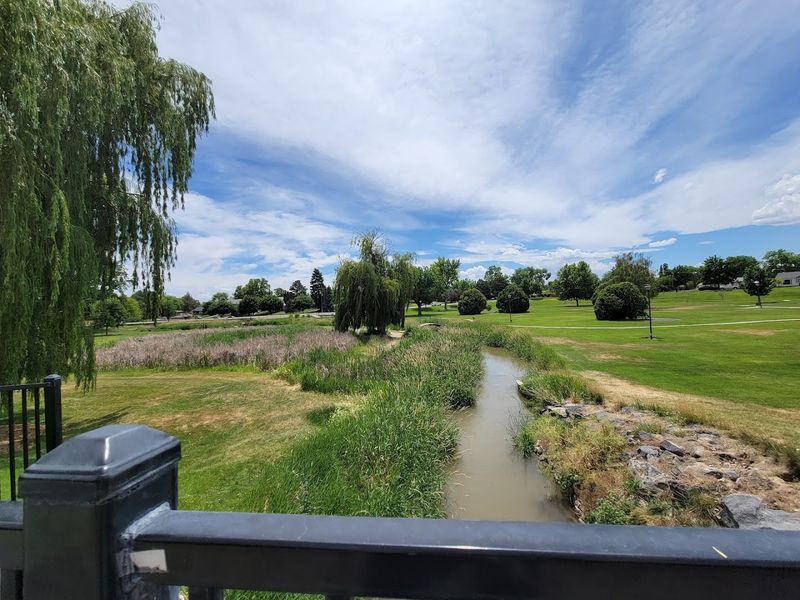
Public safety is one of the categories WalletHub weighs heavily in its best-run city rankings.
On this measure, Nampa posted numbers that placed it well ahead of many cities of similar size across the country.
Low crime rates have a compounding effect on a community. When people feel safe in their neighborhoods, they invest more in their homes, spend more time outside, and generally engage more with local life.
That kind of social confidence is hard to manufacture.
Idaho as a whole tends to rank favorably on public safety compared to national averages, and Nampa reflects that broader trend at the city level. The data behind the WalletHub ranking confirms this rather than simply asserting it.
For families considering a move, safety statistics often sit near the top of the checklist. Nampa’s performance in this category gives it a genuine advantage over many competing cities in the Mountain West region.
It is also worth noting that managing crime effectively in a fast-growing city is not simple. Population growth can strain police resources and shift neighborhood dynamics quickly.
The fact that Nampa has maintained low crime rates while growing past 100,000 residents says something meaningful about how the city has handled that growth.
Income Growth And Economic Momentum
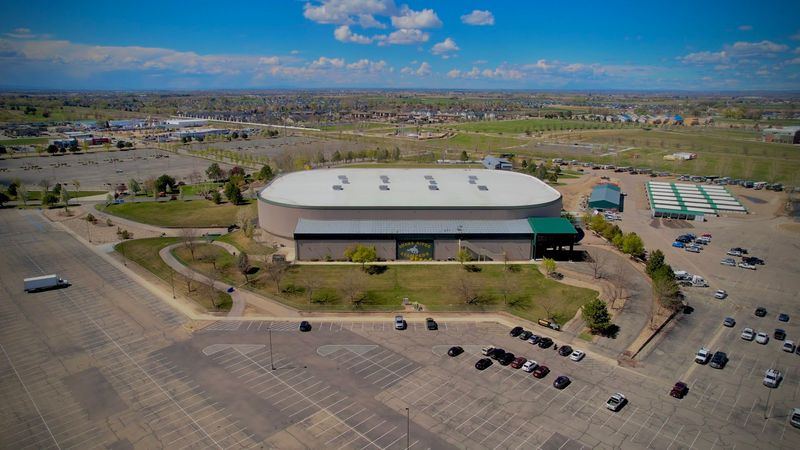
Strong income growth was another factor that helped push Nampa toward the top of the WalletHub list.
When residents are earning more over time, it signals a healthy local economy and a labor market that is actually working.
The city sits within the broader Boise metropolitan area, which has been one of the fastest-growing regions in the country over the past decade.
Manufacturing, healthcare, retail, and agriculture all contribute to the local economy. Idaho’s business-friendly environment has encouraged companies to expand operations in Canyon County, and Nampa has been a primary beneficiary of that trend.
Rising incomes also tend to support stronger local tax bases, which circles back to the city’s ability to maintain services without accumulating excessive debt.
For job seekers and entrepreneurs, a city with rising incomes and active business growth is a more attractive destination than one where wages have stagnated.
Nampa’s economic trajectory over recent years has made it increasingly competitive, not just within Idaho, but on a national scale worth paying attention to.
Boise At Number Four, Close Behind
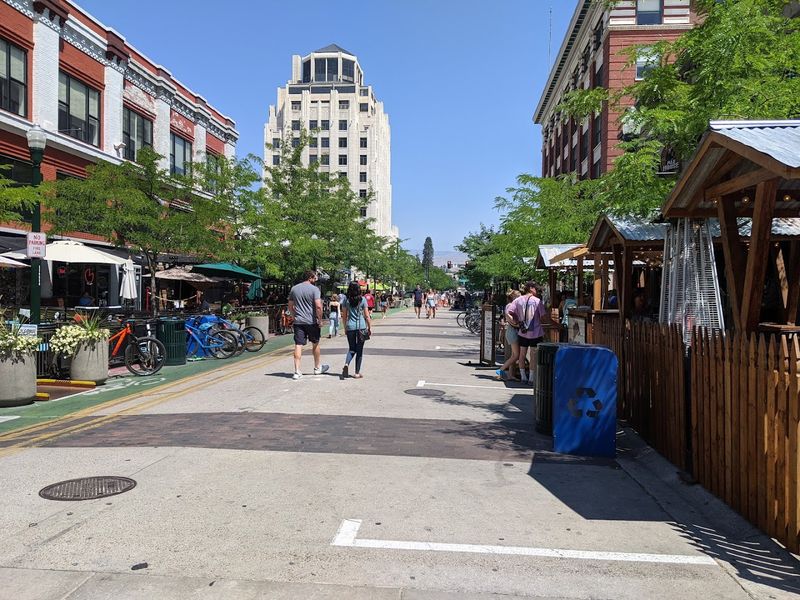
While Nampa grabbed the number two position, Boise held its own at number four on the same WalletHub list.
Having two Idaho cities in the top five of a national ranking is a result that is hard to overlook.
Boise has been a well-known high performer in livability and city management rankings for several years. Its placement at number four confirms that the capital city continues to run efficiently even as it manages rapid population growth and rising housing costs.
The proximity of Boise and Nampa along Interstate 84 means the two cities share economic and cultural connections.
Idaho placing two cities in the national top five reflects something broader about how the state approaches local governance.
Fiscal responsibility, public safety investment, and support for economic development appear to be consistent priorities across both cities. Boise is the larger, more urban option.
Nampa offers a somewhat smaller-city feel with its own distinct identity, while still benefiting from the same regional energy that has made this corner of Idaho one of the more closely watched places in the American West.
What Makes Nampa Worth Visiting
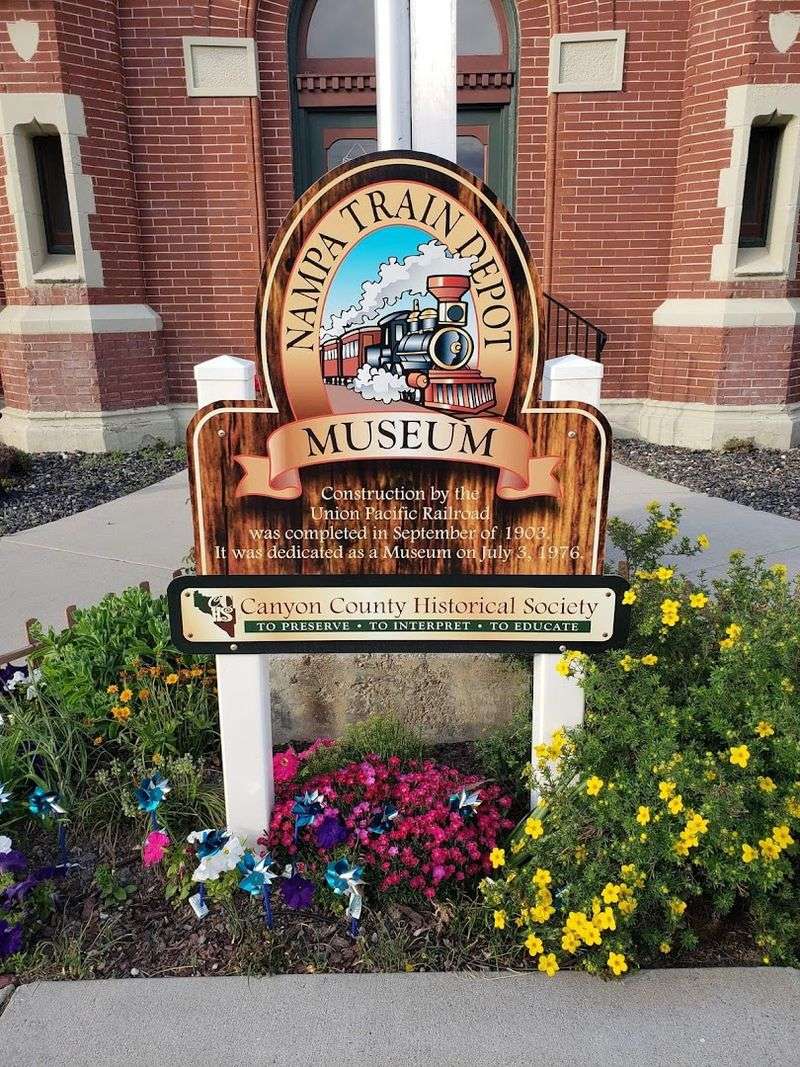
Beyond the rankings and the data, Nampa is a place with its own character worth exploring firsthand.
I spent time walking through the downtown area and was struck by how functional and unpretentious the city feels.
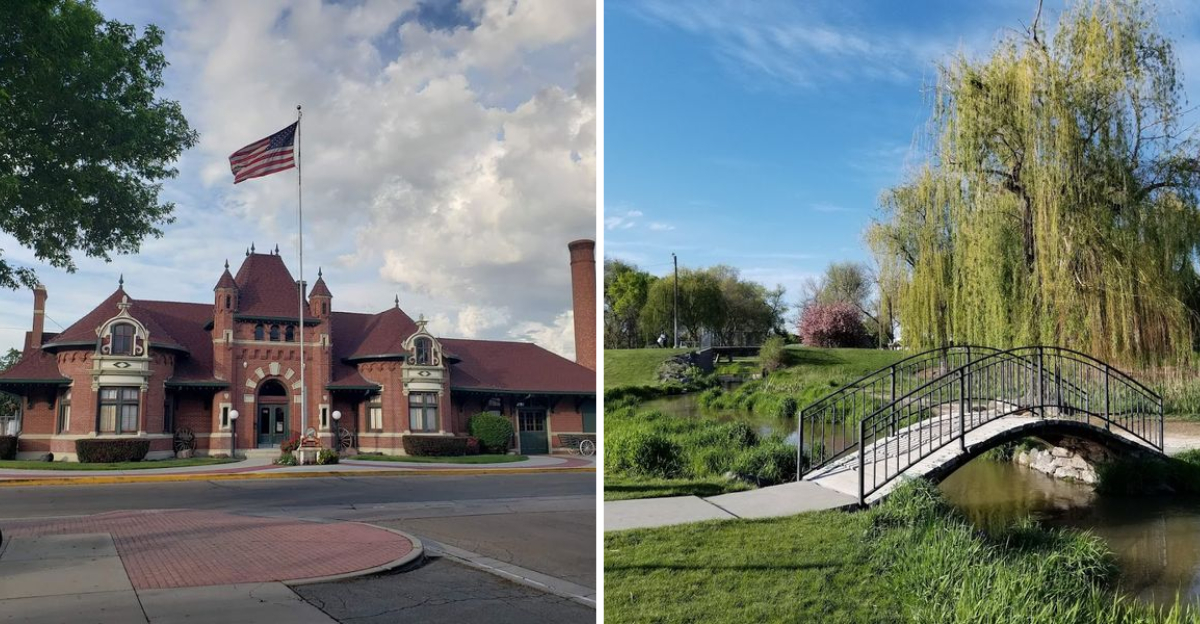
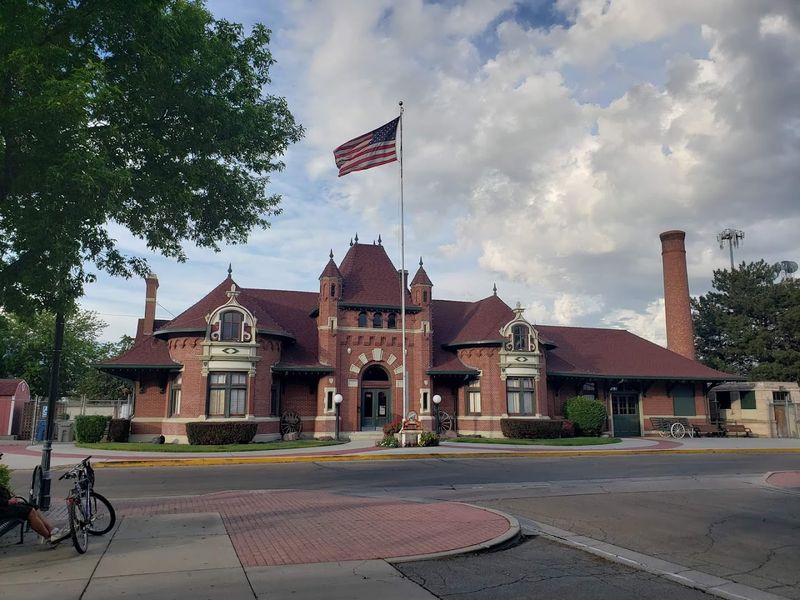
The historic downtown district has a mix of older brick buildings and newer commercial development. It does not feel like a city trying too hard to reinvent itself.
The Idaho Center, a multi-use venue in Nampa, hosts concerts, rodeos, and trade shows throughout the year. It draws visitors from across the region and gives the city a cultural anchor that goes beyond the typical small-city offerings.
The Snake River Plain surrounds the area, offering access to outdoor activities including hiking, bird watching, and cycling. The landscape is open and expansive in a way that feels distinctly western without being remote.
Nampa also sits close to the Deer Flat National Wildlife Refuge, which borders Lake Lowell. That kind of natural access, combined with the city’s urban amenities, creates a balance that outdoor-minded travelers tend to appreciate.
The City’s Growth And How It Feels
Growth is one of the defining stories of Nampa over the past two decades.
The city crossed the 100,000 population threshold at the 2020 census, making it Idaho’s third-most populous city and the largest in Canyon County.
That kind of growth can be disorienting for long-time residents if it is not managed well. New roads, schools, and services all need to keep pace with an expanding population.
From what I observed during my time there, the city has handled the pressure with more grace than many comparable places.
New residential developments have spread outward from the older core, which is typical of fast-growing western cities. The challenge is maintaining community cohesion as the geography of daily life spreads out.
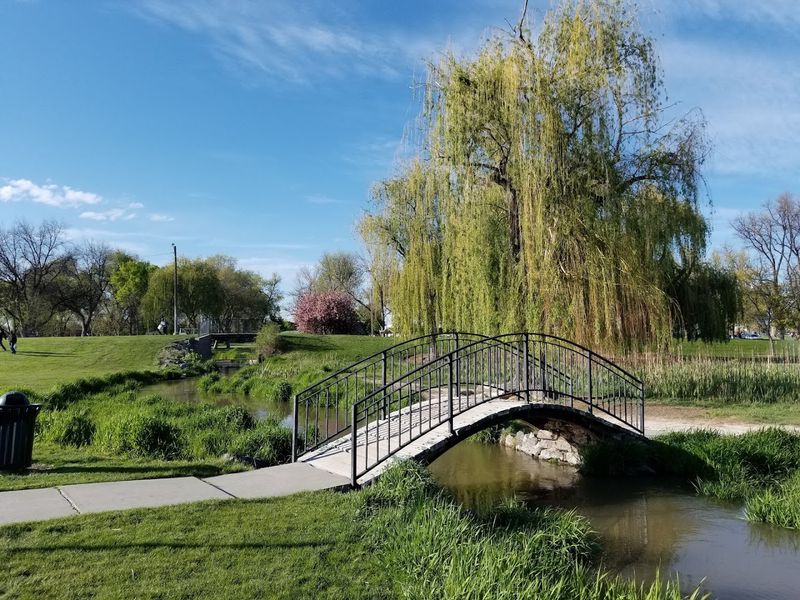
Local parks and community spaces are well maintained, and the city’s investment in public infrastructure is visible. These are not glamorous details, but they matter enormously to the everyday quality of life for residents.
The growth story also explains why income figures and business activity have trended upward. More people arriving means more demand for services, housing, and goods.
Practical Tips For Your Nampa Trip
Getting to Nampa is straightforward.
The city sits directly on Interstate 84, about 20 miles west of Boise and six miles west of Meridian. If you are flying in, Boise Airport is the most convenient option, with a short drive west along I-84 from there.
The best time to visit is late spring through early fall. Summers in this part of Idaho are warm and dry, which suits outdoor exploration well.
Winters can be cold and occasionally snowy, though the city remains fully functional year-round.
Accommodation options include national chain hotels clustered near the freeway exits as well as smaller lodging options closer to downtown.
For food, the city has a range of casual dining options reflecting its agricultural roots and its growing population.
Farm-to-table concepts have gained ground here, as you might expect from a city surrounded by productive farmland in one of America’s most agricultural states.
Give yourself at least a full day to walk downtown, visit Lake Lowell, and get a feel for the neighborhoods.