This Nebraska Nursery Hides Behind A Gas Station With A 10,000-Square-Foot Greenhouse Full Of Garden Finds
The gas station is not the destination. Keep going.
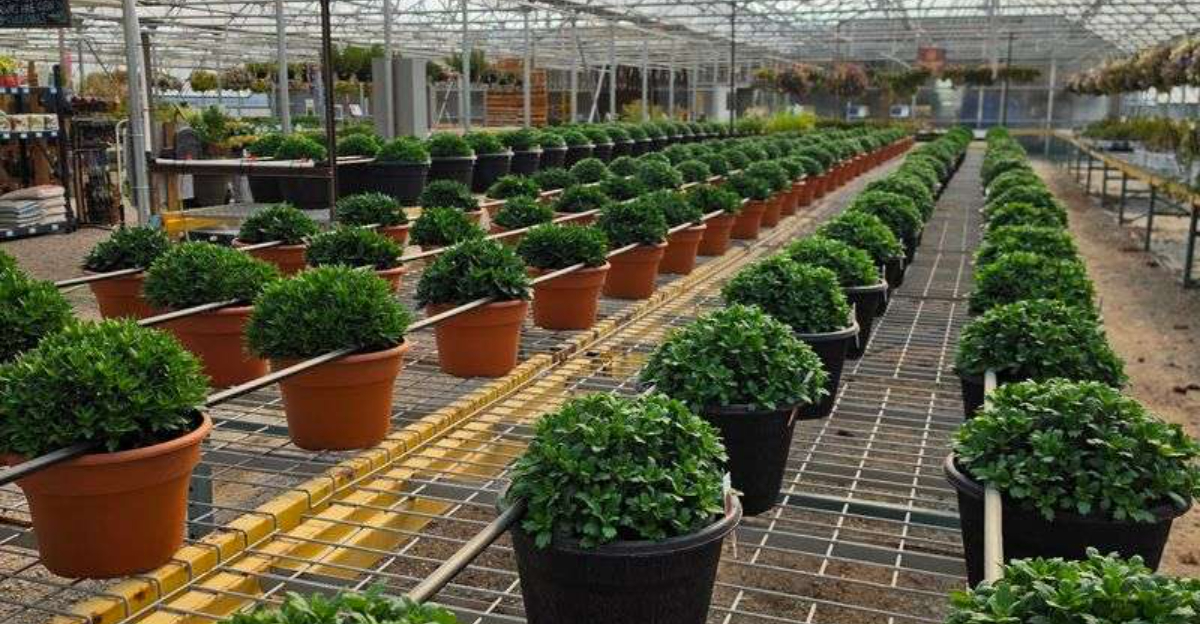
Behind it, a 10,000-square-foot greenhouse opens up like a completely different world, packed with plants, seasonal color, and enough garden inspiration to turn a fuel stop into a much longer detour.
This Nebraska nursery hides one of western Nebraska’s more unexpected shopping surprises in plain sight.
The contrast is what makes the place memorable. Outside, the setting feels ordinary.
Inside, rows of greenery stretch much farther than you would guess from the road, with new corners constantly pulling your attention away from whatever you originally came to buy.
A single planter can become three. A quick browse can become an hour. And the person who insisted they were only waiting in the car may eventually come looking for you.
The greenhouse is the giveaway. Once you see how much is hiding back there, the gas station starts feeling like camouflage.
Find The Nursery Hiding Just Behind A Shell Station
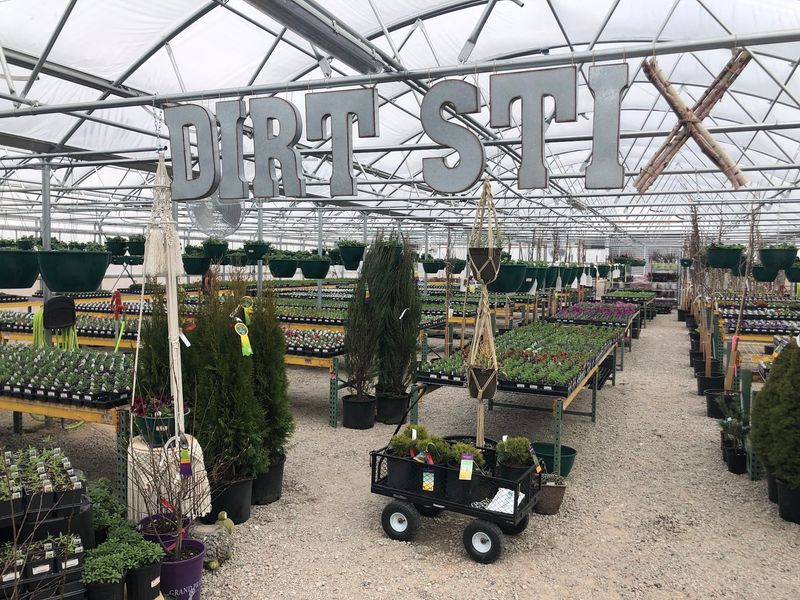
Plenty of drivers pass the spot without ever realizing a full garden center sits a few yards off the pavement. Dirt Stix Nursery can be found at 2648 10th St, Gering, NE 69341, directly behind a Shell convenience store.
Access also works from Lockwood Road, which helps when the front approach feels busy with fuel traffic.
The first impression is ordinary commercial pavement, and then a short turn opens onto greenhouse walls and rows of plants.
Reaching the lot is simple for most vehicles, and there is room to park close enough that carrying flats back to a car does not turn into a long haul.
Anyone hauling a trailer or a truck bed full of shrubs will appreciate how open the surrounding ground stays.
Hours run Tuesday through Saturday from 9 AM to 5 PM, with Sunday and Monday closed, so a weekday morning visit usually feels calmer than a Saturday afternoon.
Calling ahead helps if a specific plant matters, since seasonal stock shifts quickly through spring and summer.
The sense of discovery is part of the appeal here, and finding it once tends to make the second trip feel like visiting a familiar neighbor rather than hunting for an address again.
Step Inside The Massive 10,000-Square-Foot Greenhouse
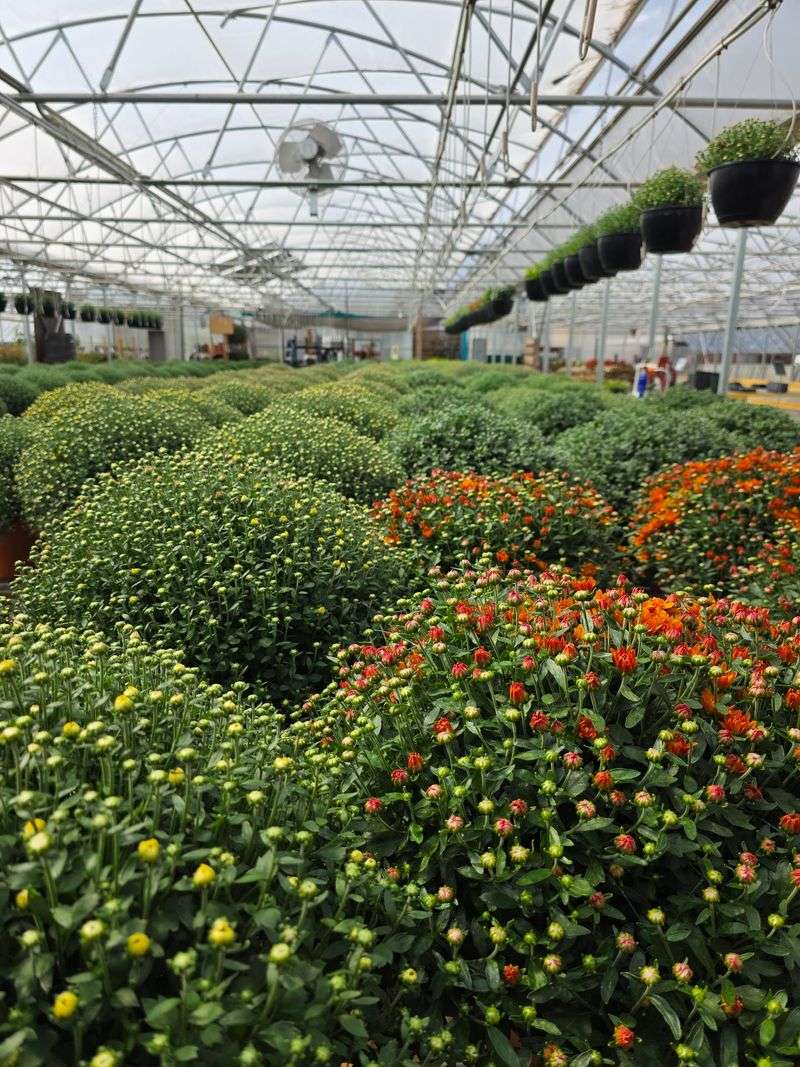
Size is the first thing that registers once the door closes behind a visitor.
The main greenhouse covers roughly 10,000 square feet, sometimes described closer to 10,800 square feet, built with an open design rather than a maze of separate small houses.
Sightlines run long, which makes it easy to spot a color across the room and walk straight toward it.
Light filters through the roof panels and spreads evenly, so plants look like themselves instead of washed out under harsh fixtures.
Air inside usually feels warm and slightly humid, a noticeable change from the dry outdoor air common in western Nebraska.
That earthy smell of damp potting mix hangs around the benches, and the only real sound tends to be footsteps, quiet conversation and water moving through hoses.
Walkways are wide enough for a cart, and there is no pressure to keep moving along.
For anyone visiting in early spring, the sheltered environment means bloom and greenery well before yards outside have woken up.
Cool, blustery days often feel like the best time to come, since the greenhouse offers a comfortable break from the wind.
Plan on more time than expected, because the scale invites a slow second lap.
Browse Rows Of Colorful Annuals
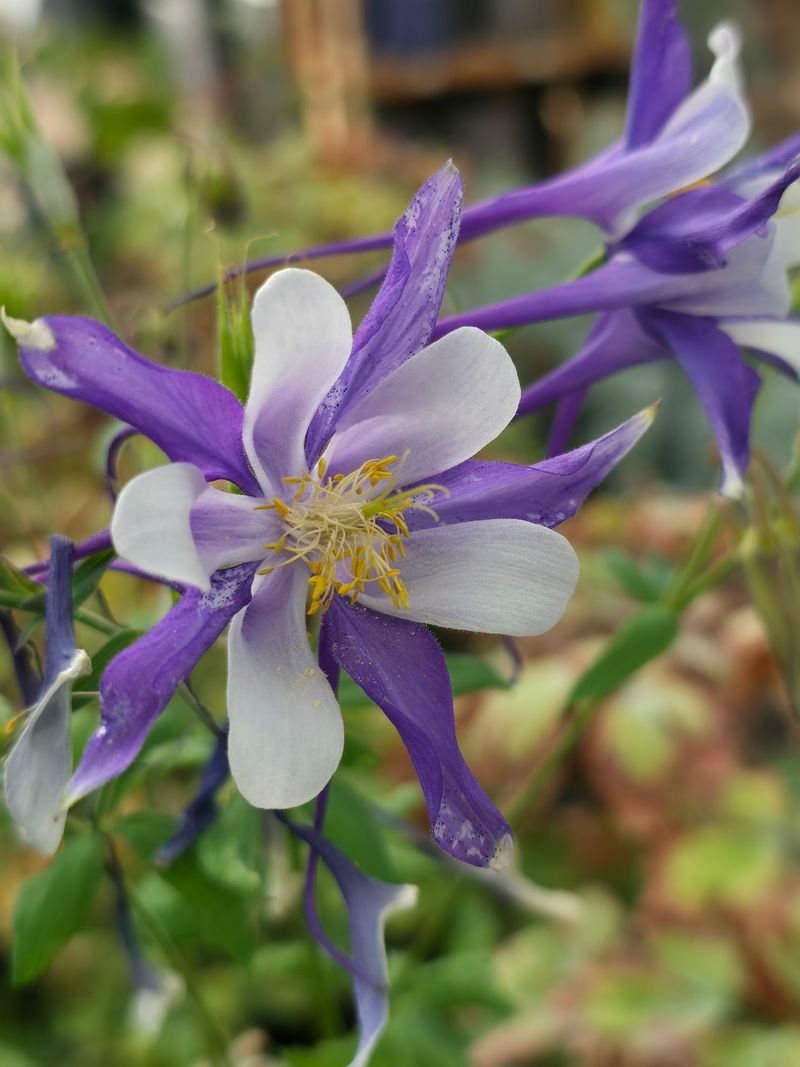
Color arrives all at once in the annual section, and it is hard not to slow down there.
Rows of flats sit at comfortable height, arranged so shoppers can compare shades side by side instead of digging through a jumble. Labels are clear, which helps when sun and shade needs matter more than looks.
Annuals live for a single growing season, and that is exactly why gardeners use them for steady color from late spring through the first frost.
A practical trick is to bring a photo of the porch or bed being planted, since color choices read differently against brick, siding or stone.
Thinking about light is just as useful, because a plant labeled for full sun handles Panhandle afternoons far better than one meant for filtered shade.
Filling in around perennials with annuals keeps a bed looking finished while slower plants mature.
Stock changes through the season, so early visits usually offer the widest selection and later ones can turn up larger, already-blooming plants.
Watering matters most for these, especially in containers, where hot wind dries soil faster than most people expect.
Stock Up On Vegetable Starts And Pepper Plants
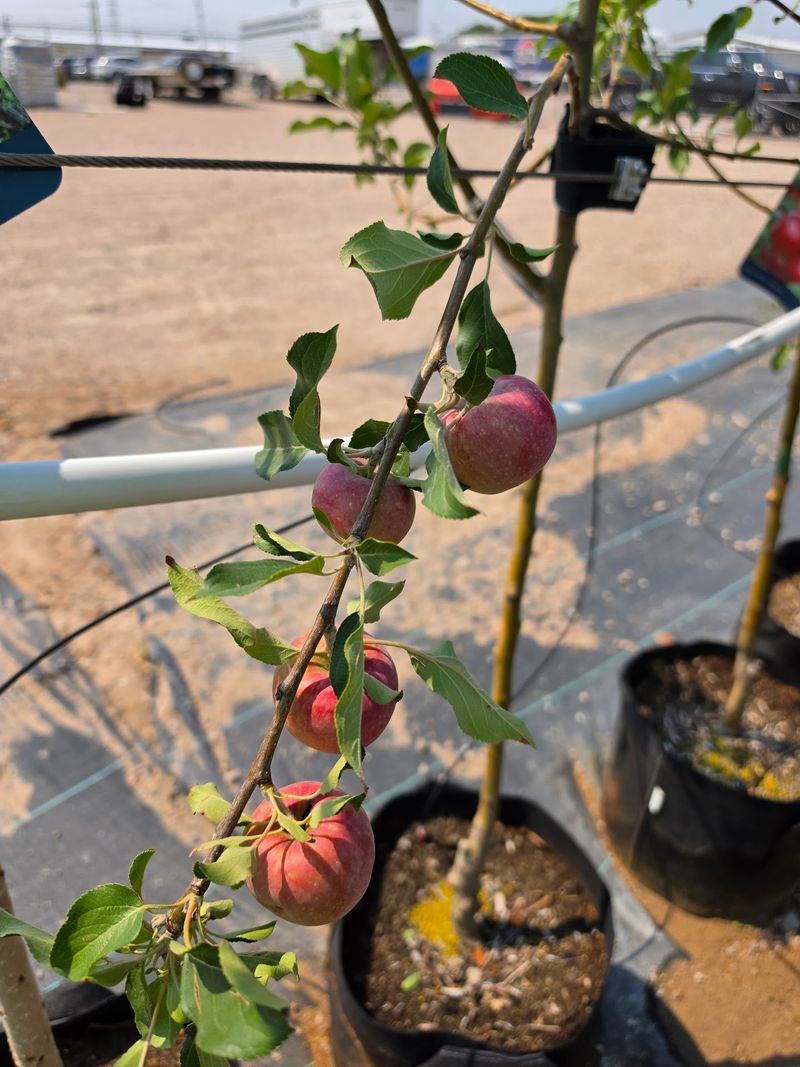
Growing food gets a lot easier when someone else handles the fussy seedling stage.
Vegetable starts and pepper plants fill a section of the greenhouse, sturdy enough to move into a garden without the constant babysitting seeds require.
Choosing among pepper types alone can take a few minutes of honest thinking about how much heat a kitchen actually wants.
Starts also buy back weeks of the growing season, which counts in a region with a shorter window than gardeners farther south enjoy.
Timing is the main thing to get right. Warm-season crops like peppers and tomatoes sulk in cold soil, so waiting until nights stay reliably mild pays off more than planting early does.
Hardening off helps too, meaning a few days of gradual outdoor exposure before anything goes in the ground.
Buying a couple of extra plants is rarely wasted, since late frost, hail and hungry rabbits all happen out here. Spacing deserves attention as well, because crowded peppers produce less than fewer plants with room to breathe.
Anyone new to vegetable gardening can start with three or four plants rather than a full row, and still end up with more produce than expected on a single patio.
Take Home A Ready-To-Hang Flower Basket
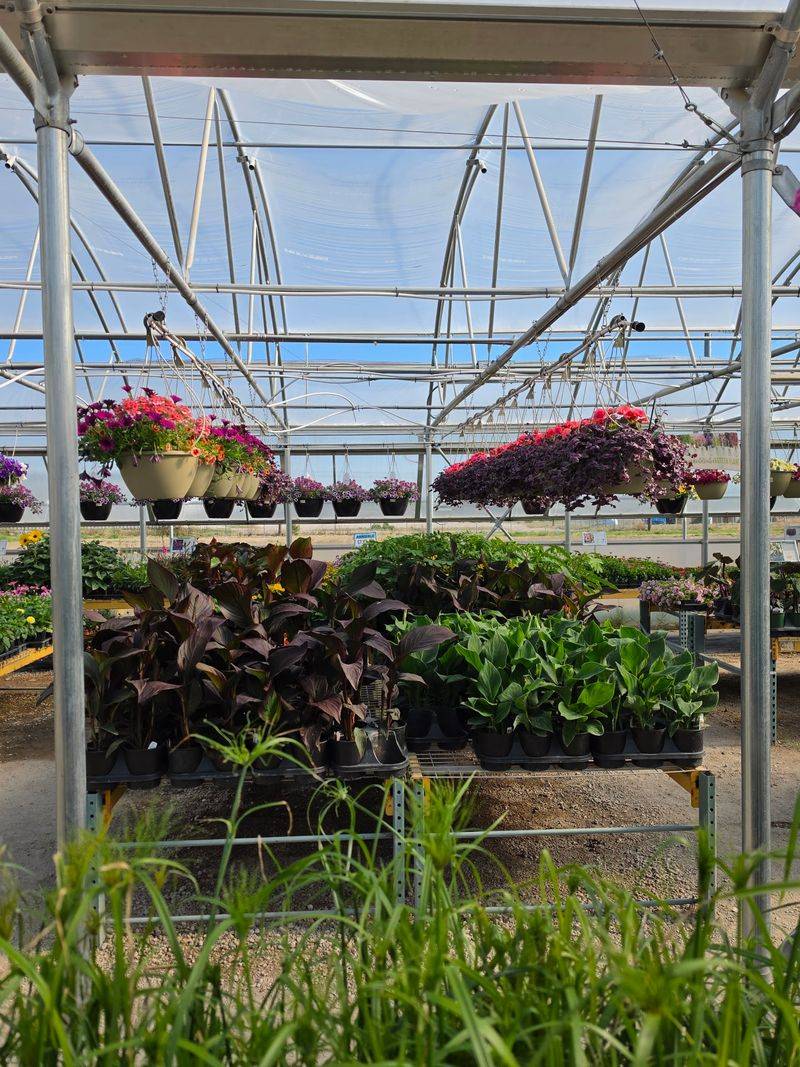
Hanging baskets are the shortcut for anyone who wants a finished look by dinnertime.
Baskets here come planted and grown out, combining flowers that trail over the edges and fill in toward the center. Hooking one up takes a minute, and the porch looks completely different afterward.
The appeal is honest convenience, with no potting soil bag to haul and no waiting weeks for plants to knit together.
Care is where these succeed or fail. Baskets dry out faster than beds because roots sit in a small volume of soil exposed to wind on all sides, so daily watering is often necessary during hot stretches.
Lifting a basket to feel its weight is a quick way to judge whether it needs water yet.
Choosing a spot with the right light matters as well, since a sun-loving mix hung in deep shade slowly gives up on blooming. T
urning the basket every week or so keeps growth even instead of lopsided toward the light.
A light feeding schedule through midsummer helps flowers keep coming rather than fading by August.
Two matched baskets flanking a door make an easy, tidy statement without any design planning at all.
Skip The Planting With Pre-Planted Containers
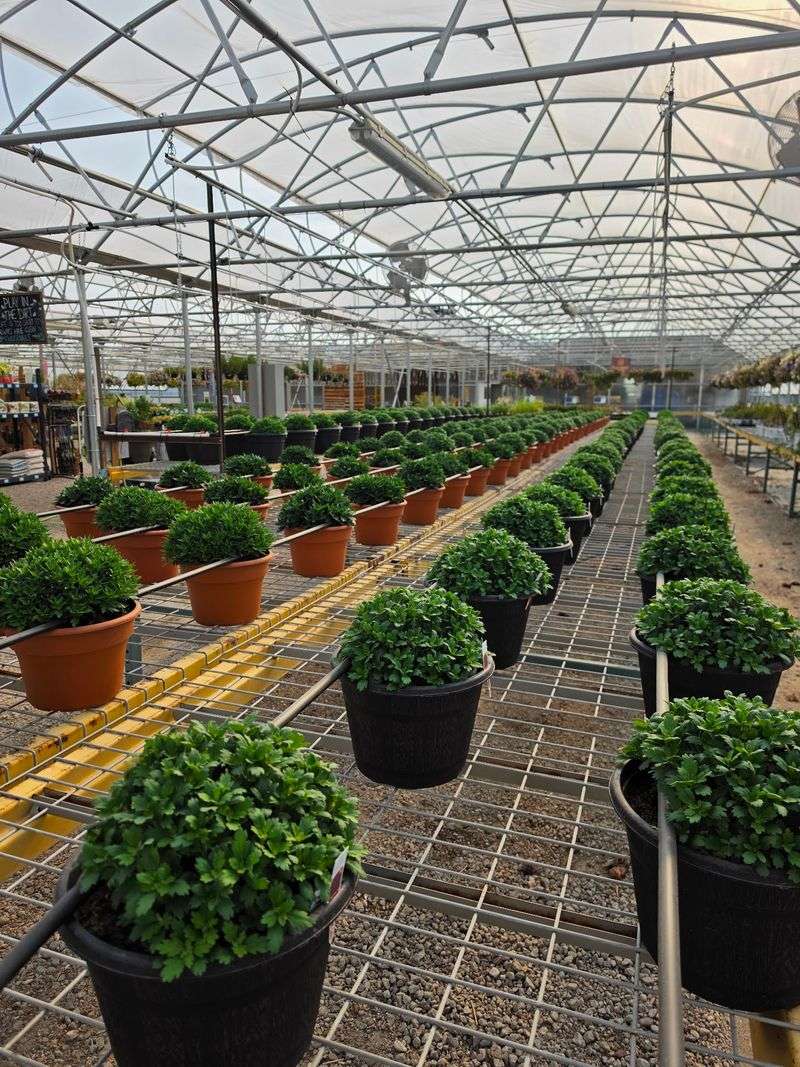
Not everyone enjoys the planting part, and that is a perfectly reasonable position.
Pre-planted containers sit ready to carry out the door, already combining plants that grow well together and balance in height and texture. Choosing one means picking a look instead of guessing which four plants will get along.
Sizes vary, so a small container can brighten a step while a larger one anchors a patio corner.
The real advantage is time. Someone with a busy stretch of weekends can still have a well-arranged planter without shopping for soil, pots and individual plants across three different stops.
Placement is worth thinking through before buying, especially the light the intended spot receives through the afternoon.
Weight is another practical consideration, since a fully planted and watered container can be heavy enough to need two people or a cart. Setting it in its final location before the first deep watering saves some strain.
Drainage holes should stay unblocked, which means avoiding flat saucers that trap water during rainy weeks.
Grouping two or three containers of different heights near a seating area creates a more relaxed look than lining them up in a row, and it takes no extra effort at all.
Get Help Choosing Plants That Can Handle Nebraska Conditions
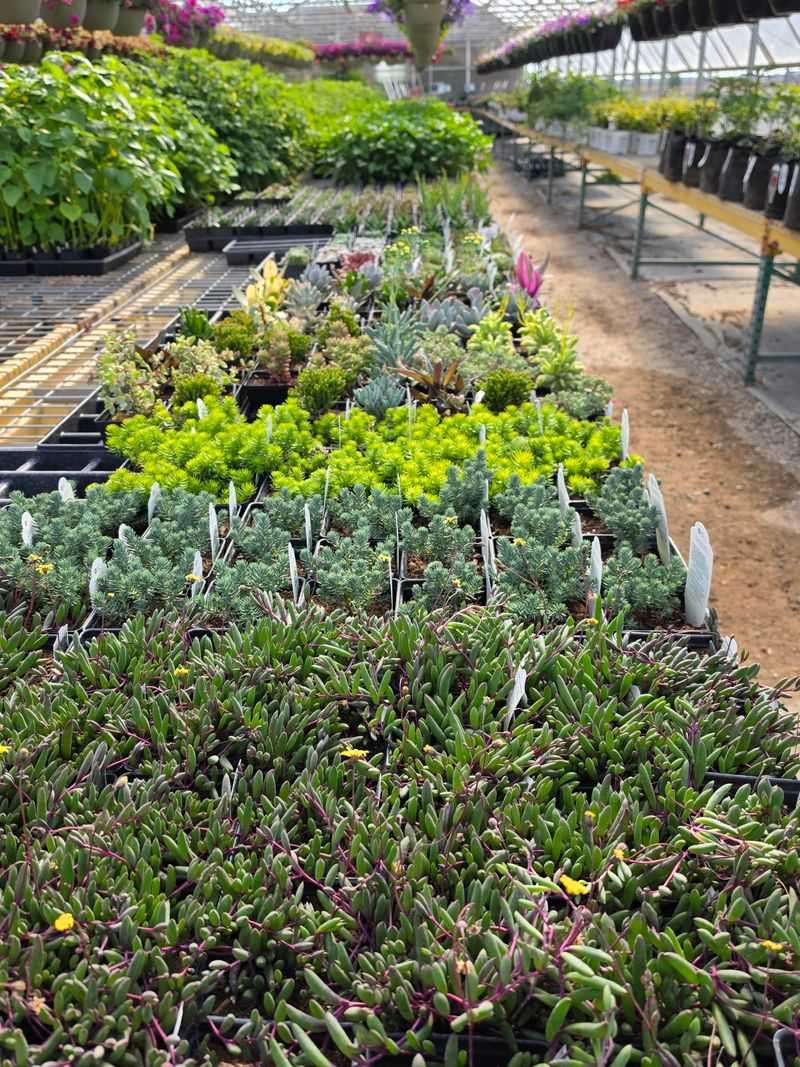
Good advice can save more money than a sale price ever will.
Staff here regularly help visitors choose plants suited to actual local conditions instead of what looks nice on a tag. Guidance covers hardiness, watering habits and the soil quirks that trip up newcomers.
Feedback about the team has been consistently positive, with helpful knowledge coming up often.
The zone conversation matters most.
The USDA lists the Nebraska Panhandle as Zone 5a, though Zone 4 varieties are frequently recommended because of colder winters, less rainfall and very low humidity.
Soil is the second piece, since Nebraska soils commonly run high in pH, which can lock up nutrients unless amendments are added.
Bringing details along makes any conversation more productive, including photos of the site, notes on how many hours of sun it gets and any history of plants failing there.
Honest information about how much upkeep someone wants to do leads to better recommendations than aiming for the most impressive plant.
Weekday mornings usually allow more relaxed conversation than a busy spring Saturday, which is worth keeping in mind when questions run long.
Browse Garden Decor Before Heading Home
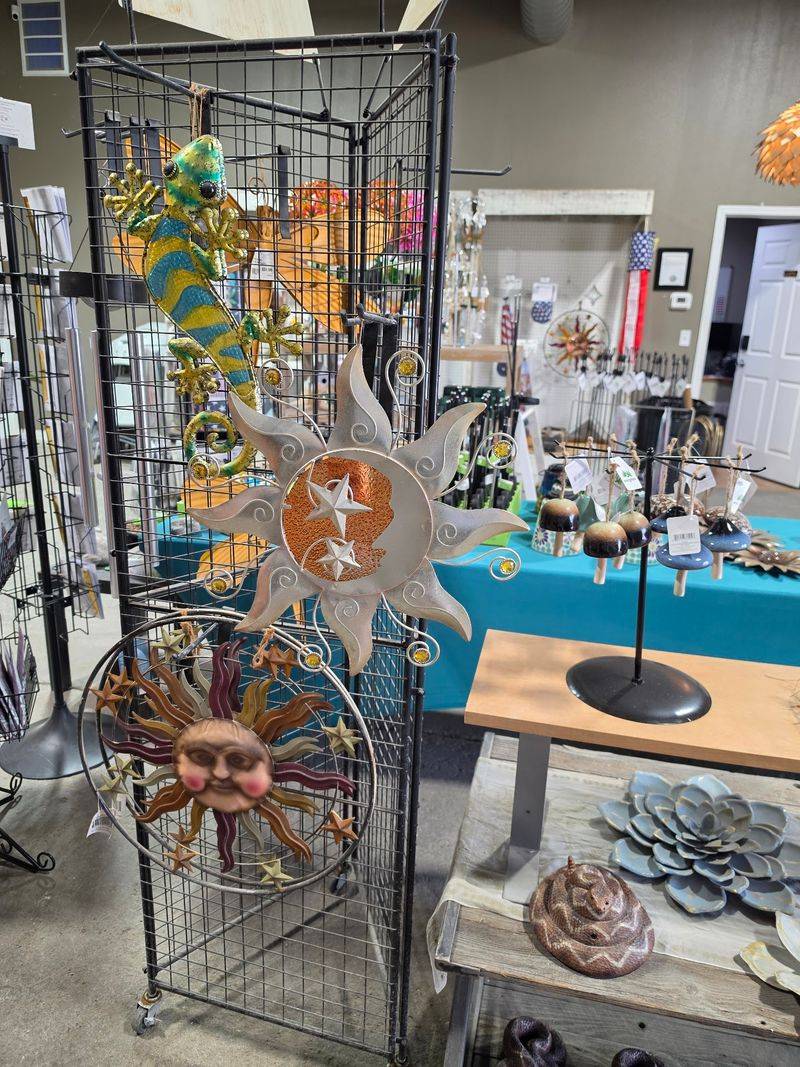
The last stop before checkout is where plenty of visitors linger longer than planned.
Garden decor fills a section of the nursery with home accents, gifts, wind chimes, decorative flags and welcome mats.
Candles and soaps sit nearby, adding a different kind of pleasant smell to a building already full of soil and greenery.
A separate Dirt Stix Boutique carries garden accents along with decorative geese dressed in seasonal outfits, which is exactly the sort of small-town charm that sticks in memory.
Outdoor furniture may also be available, giving a practical reason to think about where seating would go in a freshly planted yard.
Shopping here works well as a finishing step after plants are chosen, since a flag or chime can tie a color scheme together.
Gifts are easy to find too, especially for someone who gardens and already owns every tool imaginable.
Checking material durability matters for anything left outside year-round in a windy region.
Wind chimes deserve a listen before buying, because tone varies widely and a neighbor’s opinion counts.
Setting aside ten extra minutes for this section is a reasonable plan, and it makes the drive home feel like the end of an outing rather than an errand.