This Northern California Restaurant Is Ranked Among North America’s Best Yet Still Flies Under Many Visitors’ Radar
The funny thing about truly great restaurants is that they do not always look like they are trying to prove anything.
No giant entrance. No spectacle spilling onto the sidewalk. Just a quiet dining room and the sense that every course has been thought through long before it reaches the table.
Northern California has a restaurant earning serious recognition without becoming the kind of place every visitor automatically knows by name.
That makes discovering it feel a little more satisfying.
The experience unfolds slowly, with precise cooking, seasonal ingredients, and the kind of attention to detail that rewards anyone willing to settle in rather than rush through dinner.
You may arrive because of the ranking.
The more interesting question is whether, halfway through the meal, you forget about the ranking entirely.
A Fresh Spot On North America’s 50 Best Restaurants List
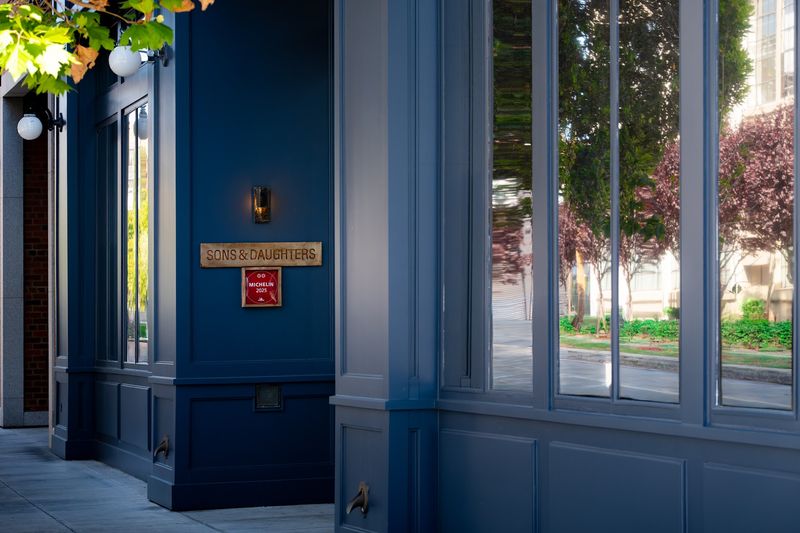
Recognition arrived in a big way when the restaurant earned a place on North America’s 50 Best Restaurants list.
Lists like that one pull from votes across the continent, which means a spot on it puts a kitchen in conversation with places in New York, Mexico City, and Toronto.
For a restaurant that seats a modest number of guests each night, that kind of attention is unusual.
Bigger names with louder marketing often dominate these rankings, so a smaller San Francisco dining room breaking through says something about consistency.
What makes the whole thing interesting is how little the restaurant advertises the honor on the street. There is no banner outside and no crowd gathering to take photos of the entrance.
Visitors walking through the Mission District might pass by without a second glance, which explains why the place still feels like a discovery rather than a landmark.
Anyone planning a food-focused trip to the Bay Area may want to add it to the shortlist early, since awards usually push reservations into higher demand.
Booking windows can shift after news like this, so checking the official website well ahead of a trip is the practical move. Waiting until the week of a visit rarely works out at places carrying this level of attention.
Two Michelin Stars Backing Up The Cooking
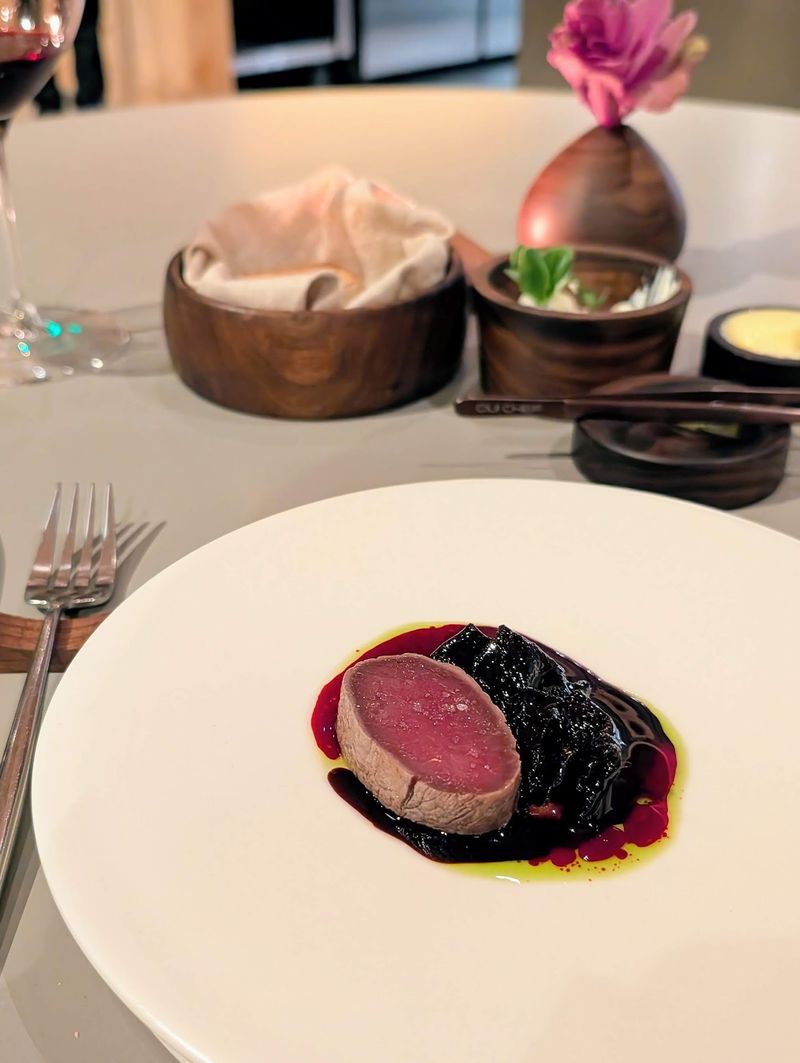
Two Michelin stars sit alongside the newer accolades, and the second one arrived in 2024.
Earning a second star signals that inspectors found the cooking worth planning a trip around rather than simply worth a visit.
Very few restaurants in the state hold that distinction, which puts this one in a small group. The stars also help explain the pacing and precision guests notice from the first course onward.
What that means for a diner is a meal built with real structure. Courses arrive in a deliberate order, plates are cleared without fuss, and the rhythm rarely feels rushed or stalled.
People who have never eaten at a starred restaurant sometimes worry about feeling out of place, and that concern is understandable.
Reports from guests suggest the staff here handles first-timers and solo diners with the same warmth extended to regulars.
Dress leans toward smart casual, and there is no need for anything formal. Arriving a few minutes early gives time to settle before the first bites appear.
Asking questions about a dish is welcome, since much of the service involves explaining where ingredients came from.
A 24-Course Tasting Menu That Fills An Entire Evening
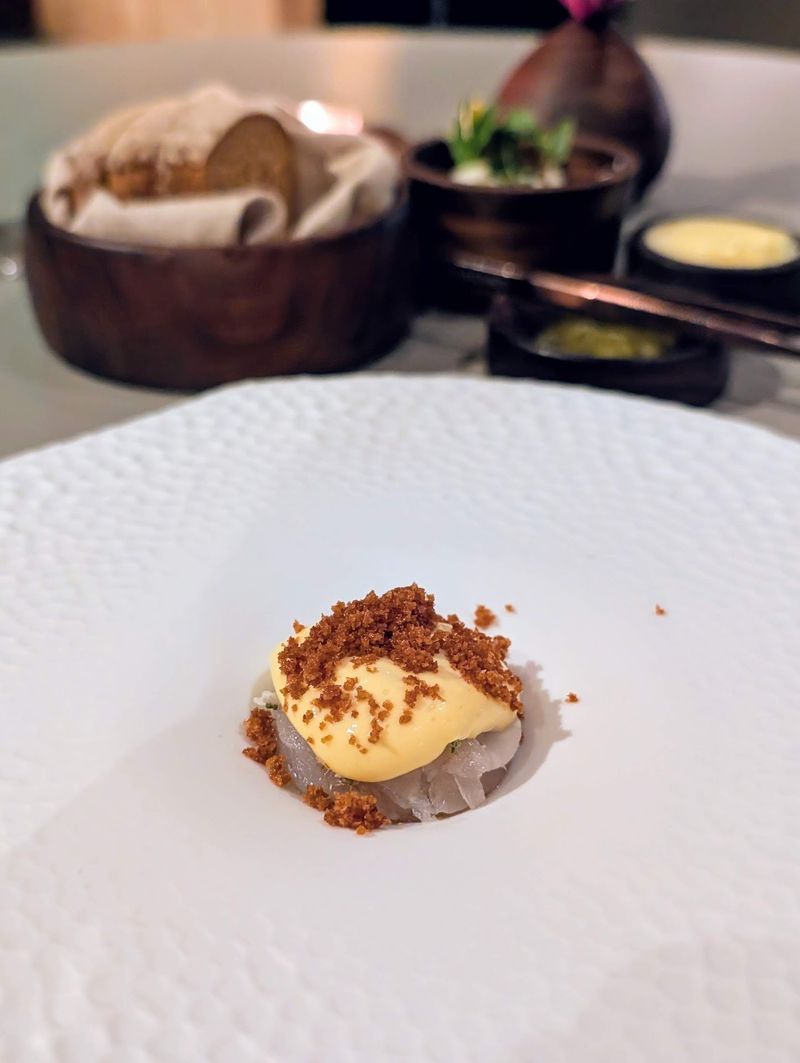
Twenty-four courses sounds enormous until the plates start arriving. Many of them are small, single-bite preparations designed to build on each other rather than fill a stomach on their own.
The menu unfolds over roughly three to four hours depending on the night and the size of the party. Guests should plan the whole evening around it rather than squeezing it between other commitments.
Pacing is the thing to understand before booking. Early seatings work better for anyone who does not want to finish close to midnight, and a 5:30 arrival leaves plenty of room on either side.
Booking a later table can push the final courses well past ten o’clock, which some diners have found tiring. Choosing the earlier slot is a small decision that changes the whole experience.
Comfort matters over a meal this long, so loose clothing beats anything restrictive. Sitting for hours is easier when the seat suits the length of the visit.
Eating a light lunch that day makes sense, though showing up hungry is not necessary. Portions add up gradually, and most guests report leaving satisfied rather than uncomfortably full by the end of the sequence.
Northern California Ingredients Steering The Whole Menu
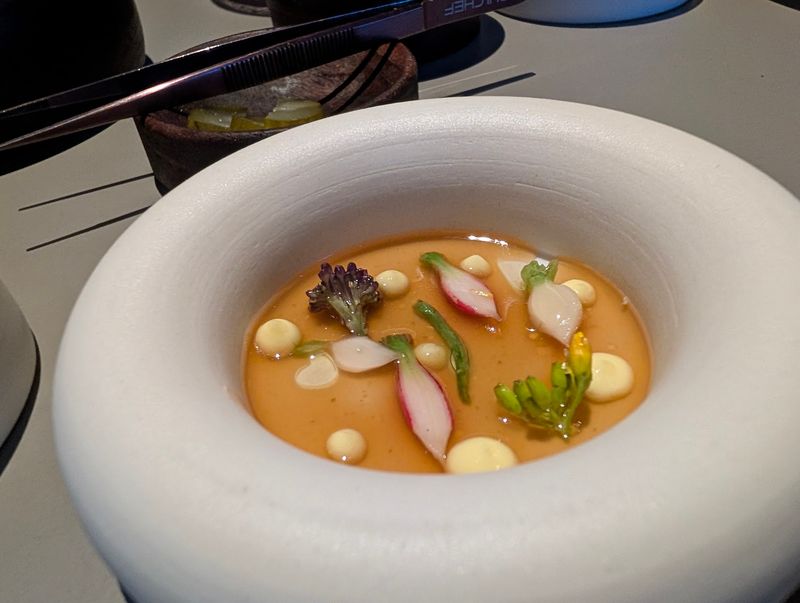
Regional sourcing shapes nearly everything that reaches the table.
Produce, seafood, and meat come from Northern California growers and fishers, which keeps the menu tied to whatever the season is actually offering.
Guests visiting in autumn will eat a different meal than those arriving in spring. Nothing on the menu stays fixed year-round, and that turnover is intentional.
Freshness gets talked about constantly in restaurants, but here it shows up in specifics. Diners have described seafood arriving the same day it was caught, with staff able to name the source.
Hearing those details during a course changes how the food registers. A plate of fish becomes a story about a boat and a morning rather than an anonymous item.
For travelers, the seasonal approach is worth considering when choosing dates. Late summer and early autumn bring one range of ingredients, while winter leans harder on preserved and stored items.
Neither version is better, though they feel noticeably different. Repeat visitors sometimes return in a different season specifically to see how the kitchen handles the shift.
Asking what is at its peak during a visit usually gets an enthusiastic answer from the team. That kind of question fits the spirit of the place well.
New Nordic Ideas Reshaping Familiar California Produce
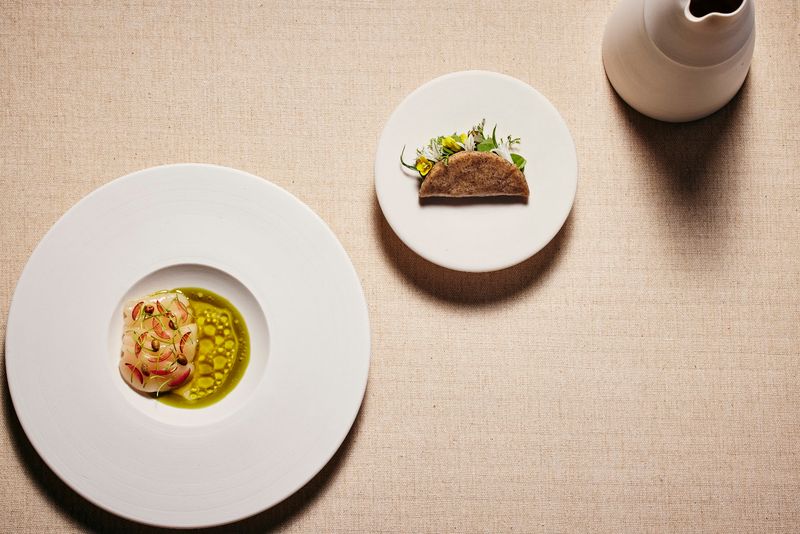
New Nordic cooking arrived in the Bay Area through this kitchen in a way few other restaurants have attempted.
The style favors restraint, clean flavors, and letting single ingredients carry a dish rather than burying them under sauce.
Applying those ideas to California produce creates results that surprise people. A root vegetable most diners have cooked at home can end up tasting almost unrecognizable.
Acidity and brightness run through much of the menu. Guests often mention tangy, herbaceous, and sour notes that keep the long sequence from feeling heavy.
That lightness is one reason a 24-course meal remains manageable. Richness gets used sparingly rather than layered course after course.
Anyone unfamiliar with Nordic cooking should know that the flavors can feel unusual at first. Vinegar, salt, and fermented notes appear regularly, and some diners find them assertive.
Going in with an open mind helps more than arriving with fixed expectations. The staff explains the reasoning behind each preparation, which makes the unfamiliar easier to appreciate.
Ingredients that rarely appear on American menus get real attention here, and that curiosity is part of what sets the cooking apart from other tasting menus nearby.
A Dining Room With Modern Scandinavian Cabin Character
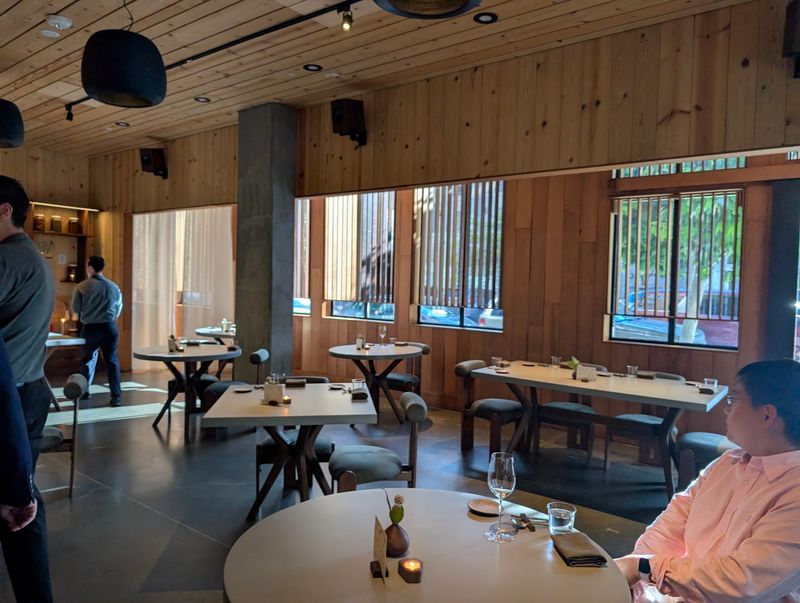
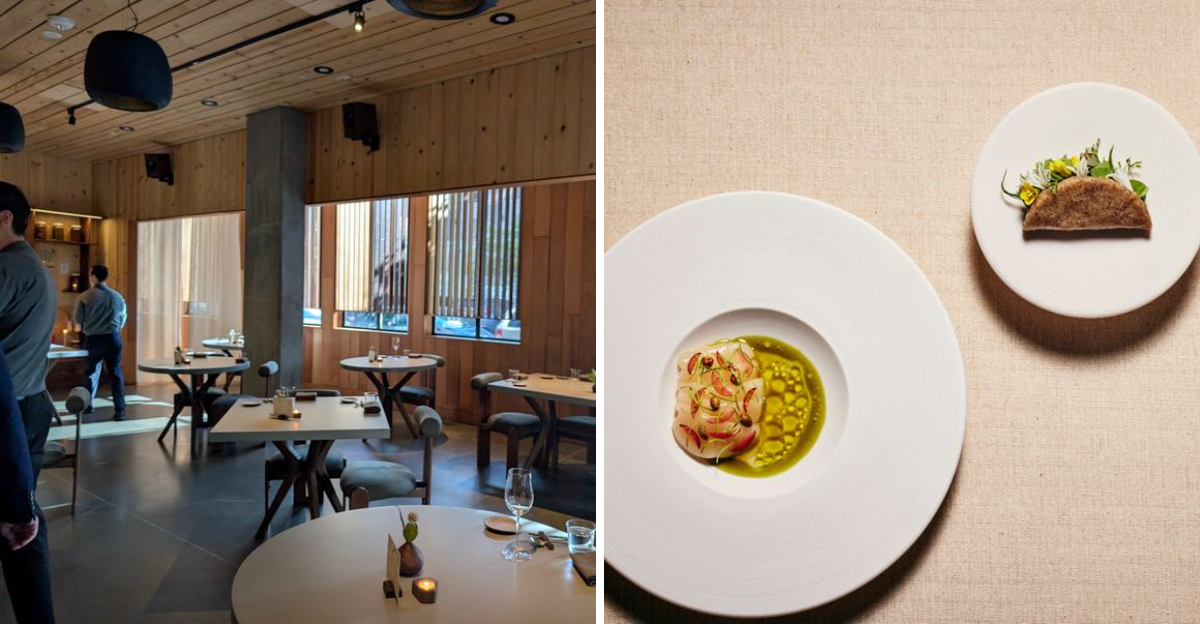
Wood dominates the room, from paneling to furniture, and the effect lands somewhere between a Swedish summer house and a modern cabin.
High ceilings keep the space from feeling closed in despite all that timber.
Lighting stays soft and warm rather than bright, which flatters both the food and the room. Nothing about the design shouts for attention.
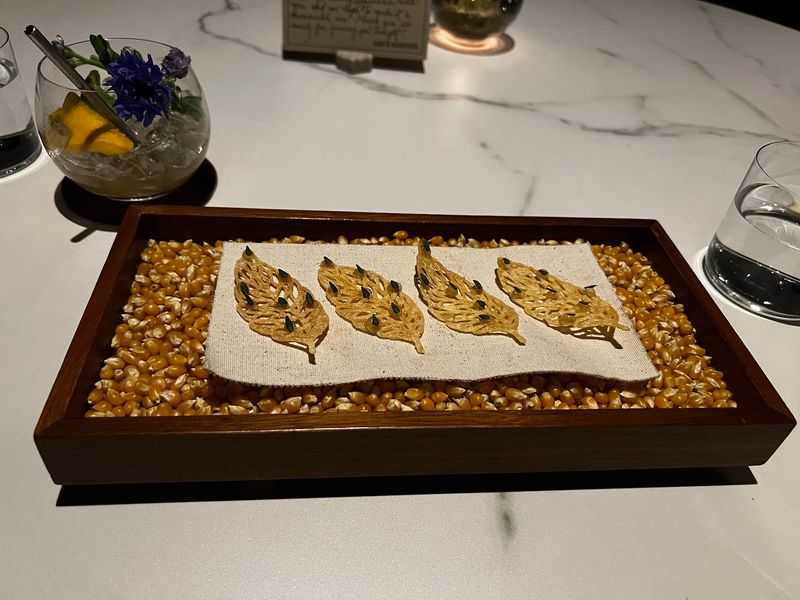
Guests have described the atmosphere as homey and calming, particularly in the waiting area where the first small bites are served. Starting the evening there eases people into the pace before they reach the table.
The transition from street to dining room feels gradual rather than abrupt. That sequencing seems deliberate.
Seating comfort holds up over a long meal, which matters more than it sounds. Chairs need to work for three hours or more, and the room appears built with that reality in mind.
Temperature and noise both stay steady through service.
Anyone photographing the space should know the low lighting can be challenging.
Most guests seem content to put phones away and simply look around instead, which keeps the mood relaxed for everyone in the room.
Dinner Service Runs Just Five Nights Weekly
Five nights of service means Tuesday through Saturday, with Sunday and Monday closed. A limited schedule lets the team focus on preparation, fermentation projects, and sourcing during off days.
Guests planning a trip should build those closures into the itinerary. Showing up on a Monday evening will not work regardless of how far someone traveled.
Seatings run from 5:30 PM to 8:30 PM according to posted hours, meaning the last tables are seated within that window rather than finishing then. A meal beginning at 8:30 will run late into the night.
Choosing an earlier arrival keeps the evening from stretching past comfort. Several guests have suggested exactly that after finishing near eleven o’clock.
Weekend tables tend to book out first, so weeknight visits sometimes offer better availability. Tuesday and Wednesday evenings may also feel slightly calmer in the room.
Hours can change, and confirming before a visit is always sensible. The restaurant’s website and phone line carry current information, and reservations are handled online through the booking platform linked there.
Planning around the schedule rather than against it makes the whole experience smoother.
Finding The Restaurant On 18th Street
Getting there is straightforward once the address is clear.
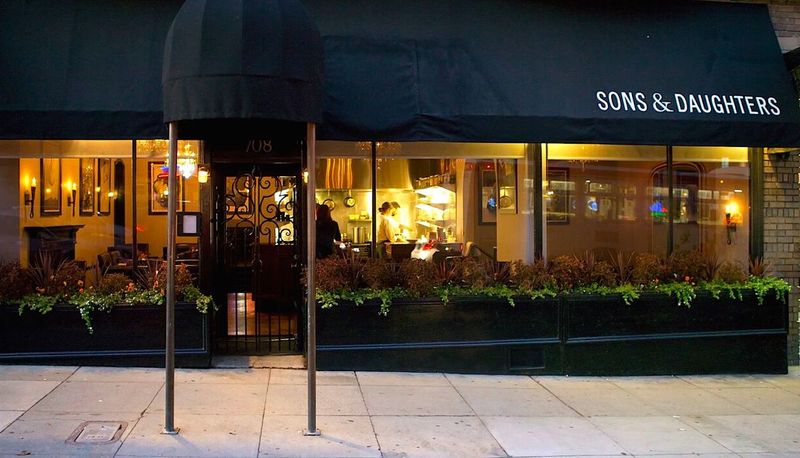
The dining room occupies a spot at 2875 18th St, San Francisco, CA 94110, which places it in the Mission District rather than downtown where the restaurant previously operated.
Older listings sometimes still reference the former location, so double-checking before departure saves trouble.
Surrounding streets are flat and walkable, which is a relief in a city known for hills. Cafes, shops, and murals fill the blocks nearby, making an early arrival worthwhile.
Foot traffic picks up in the evenings, particularly on weekends.
Public transit reaches the neighborhood reasonably well, and rideshare drop-offs are simple. Street parking exists but fills quickly, and garages are limited in the immediate area.
The entrance is understated, which is part of why the restaurant stays under the radar despite its accolades. Guests looking for something flashy may walk past it.
Watching the address rather than the signage is the practical approach, and arriving a few minutes early leaves room to settle in before the first bites arrive.