This Kentucky Basilica Holds Art Gifted By A Pope And A King Of France
Kentucky is not the first place you think of when someone mentions European royal art. That is why this story is fun.
There is a church in this state that owns paintings sent as gifts. The senders were not wealthy local families.
They were a pope and a king of France.
Picture the logistics for a moment. Someone crated up canvases in Europe.
They crossed an ocean. Then they traveled inland to a frontier town that barely existed yet.
The congregation building this place had big ambitions and very little money. Word of that ambition traveled surprisingly far.
Important people in Europe decided to help.
So the art arrived, and it stayed. It has been hanging in the same building ever since.
You can go see it yourself, free of charge. There are no velvet ropes and no ticket line.
It is just a quiet building holding a genuinely unlikely collection.
A Frontier Church That Beat The Skyline To It
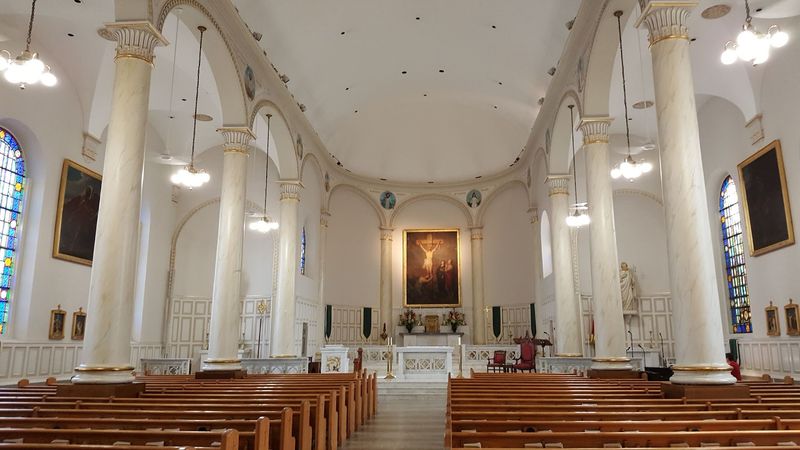
The Basilica of Saint Joseph Proto-Cathedral was the first Catholic cathedral built west of the Allegheny Mountains. That fact alone makes the front lawn feel heavier than it looks.
Construction started in 1816 and finished in 1819. Kentucky was still rough country then, with more mud roads than paved ones.
Local people supplied nearly everything. Bricks were fired on the property, and timber came from surrounding forests.
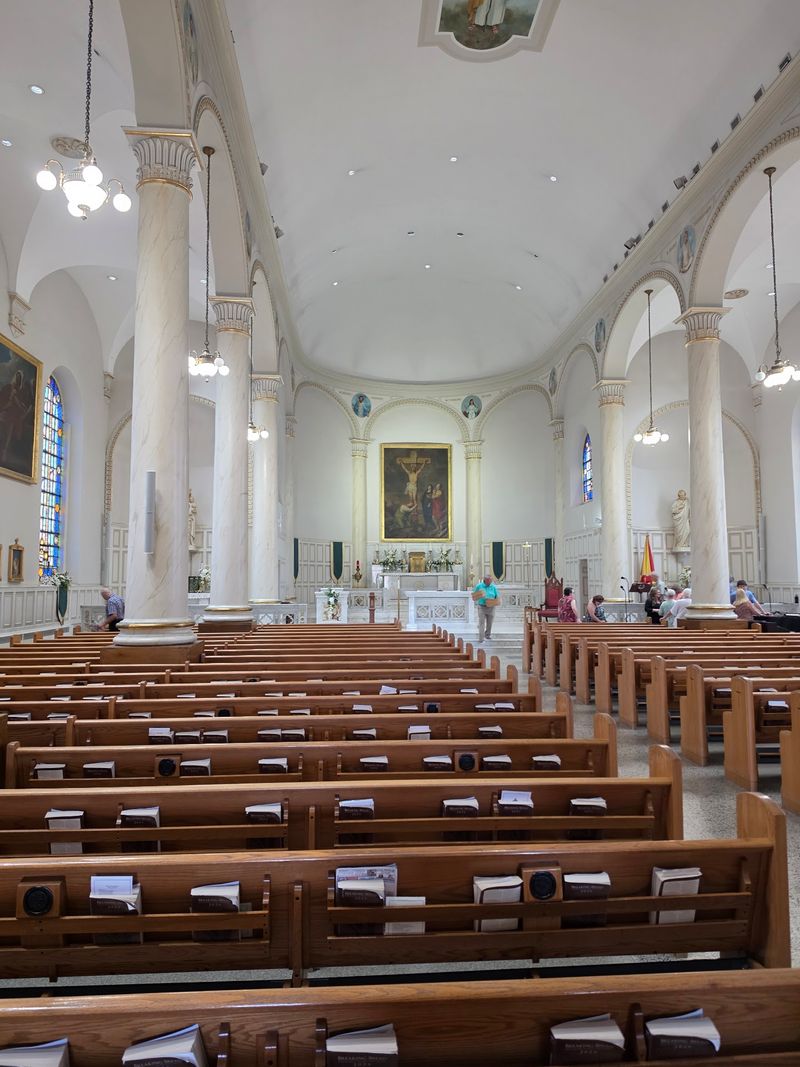
The towering columns are not marble. They are poplar trunks, shaped and painted to look like stone.
I ran my hand along one and felt wood grain under the finish. It is a small detail that says a lot about ambition on a budget.
Bishop Benedict Joseph Flaget led the effort. He arrived with almost no funding and a diocese the size of several states.
The word Proto-Cathedral simply means first cathedral. Bardstown held that title before the seat moved to Louisville in 1841.
In 2001, during the pontificate of Pope John Paul II, Saint Joseph Proto-Cathedral was granted the title and dignity of a minor basilica.
That honor puts it in a short list of American churches.
You will find it at 310 W Stephen Foster Ave, Bardstown, Kentucky, right along the main stretch downtown.
Paintings With A Royal Return Address
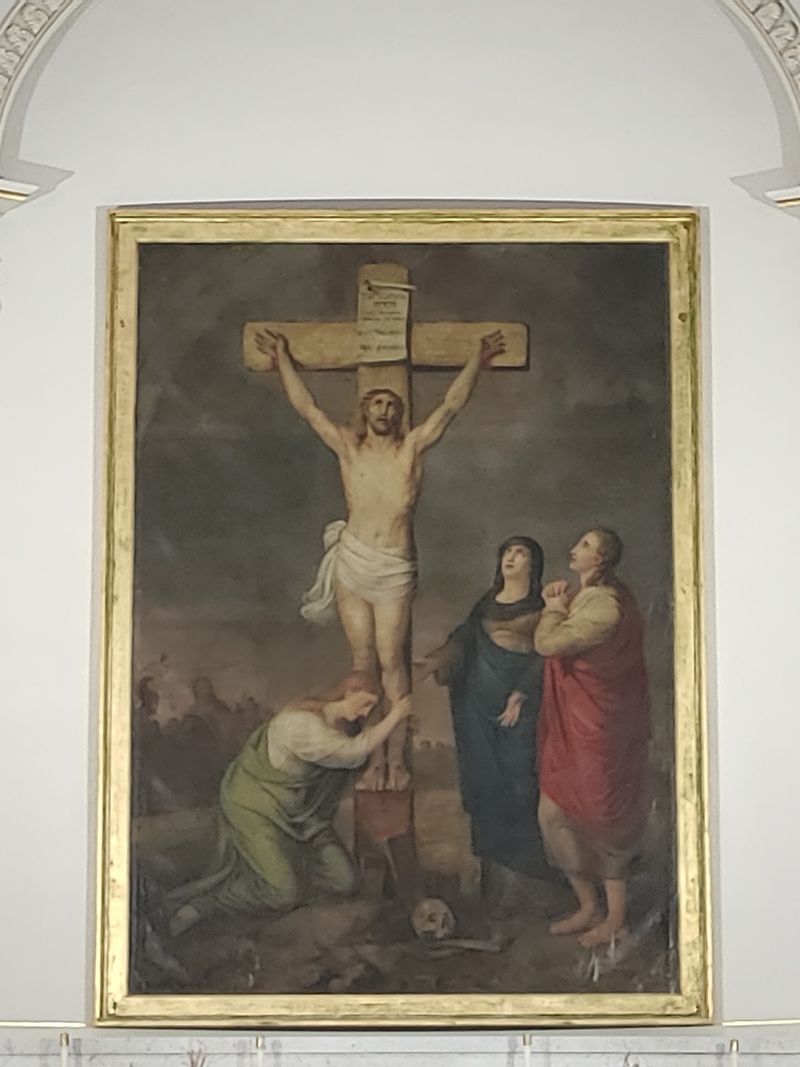
Here is the part that made me pull out my phone to check if I misheard the guide. Several paintings inside were gifts connected to King Louis Philippe of France.
Louis Philippe had traveled through Kentucky years before he became king. The region apparently stuck with him.
When word reached Europe about a cathedral rising in the American backcountry, art followed. Francis I of Austria and King Ferdinand VII of Spain are also credited with contributions.
Pope Leo XII is named among the donors as well. That is a guest list most cathedrals in major cities cannot claim.
The collection includes works attributed to European masters and their schools. Attribution debates have followed some pieces for generations.
Honestly, the debate is part of the fun. Standing in a small Kentucky town, looking at canvases from another continent, feels slightly unreal.
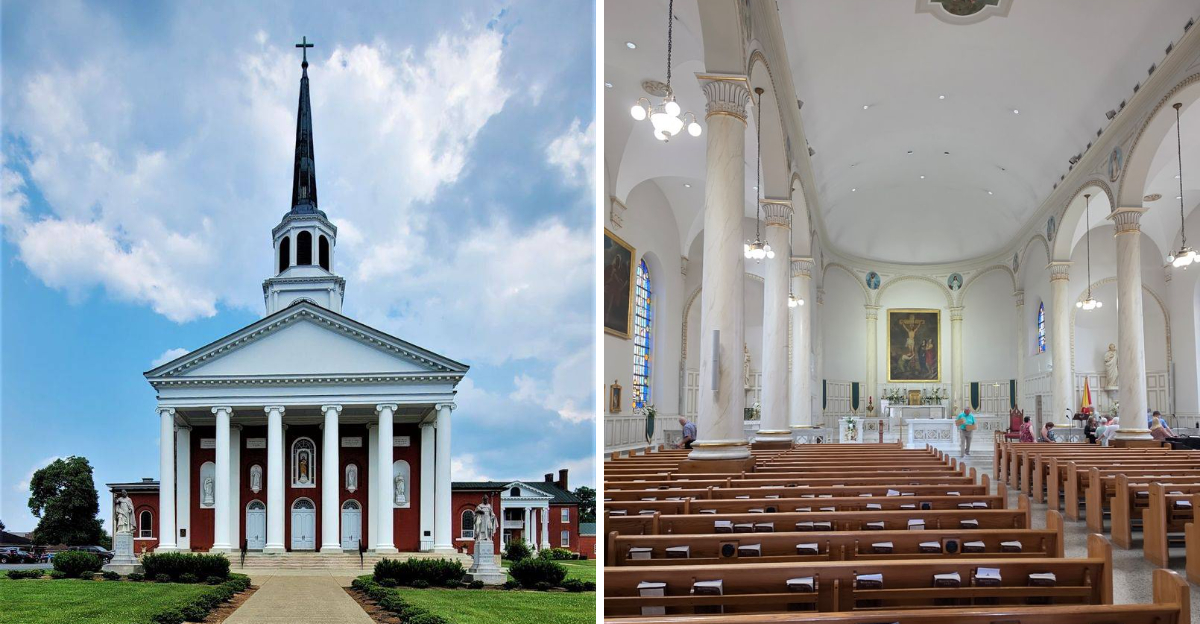
The frames are large and gilded. The colors have darkened with age, which somehow makes them look more serious.
Look up and around, not just straight ahead. Pieces hang in spots you might walk past while heading toward the altar.
Take your time here. Rushing through would be a waste of a very long journey these paintings already made.
Bishop Flaget, The Man With A Very Long To-Do List
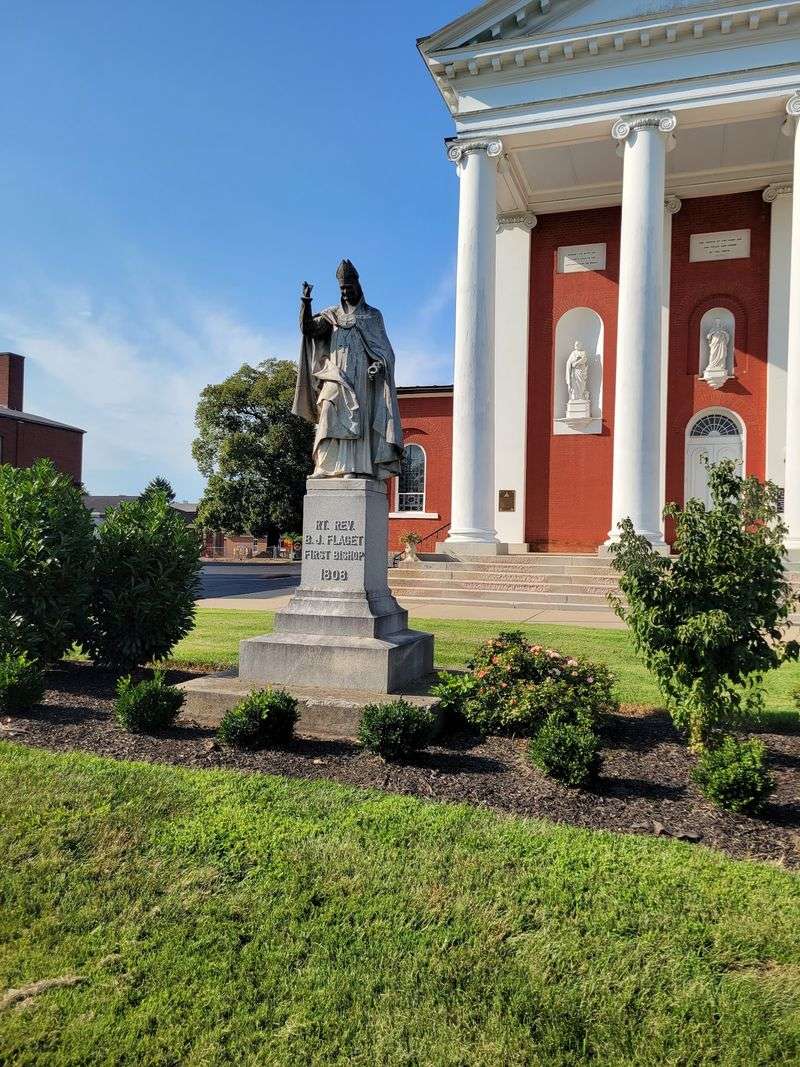
Imagine being handed a diocese that stretched across much of the American interior. That was Benedict Joseph Flaget’s assignment in 1810.
He was born in France and came to America as a missionary priest. He reportedly tried to refuse the bishop role.
Rome insisted. So he traveled by flatboat and horseback across enormous distances to reach his scattered parishes.
Bardstown was chosen as his seat because Catholic families from Maryland had settled the area. They wanted a proper church.
Flaget lived simply while pushing the cathedral project forward. Reports describe him borrowing money and begging for materials.
His European connections mattered enormously. Fundraising trips abroad helped bring in both money and the artwork now hanging inside.
He also founded schools and seminaries in the region. The man clearly did not believe in idle afternoons.
Flaget is remembered warmly in Bardstown even today. His name appears on buildings and plaques throughout the county.
Standing in the nave, I kept thinking about the logistics. No trucks, no cranes, no hardware stores.
Everything came from local hands or long ocean crossings. That context changes how the room feels.
Ask a docent about him if one is available. The stories are better told out loud.
Poplar Columns Dressed Up As Marble
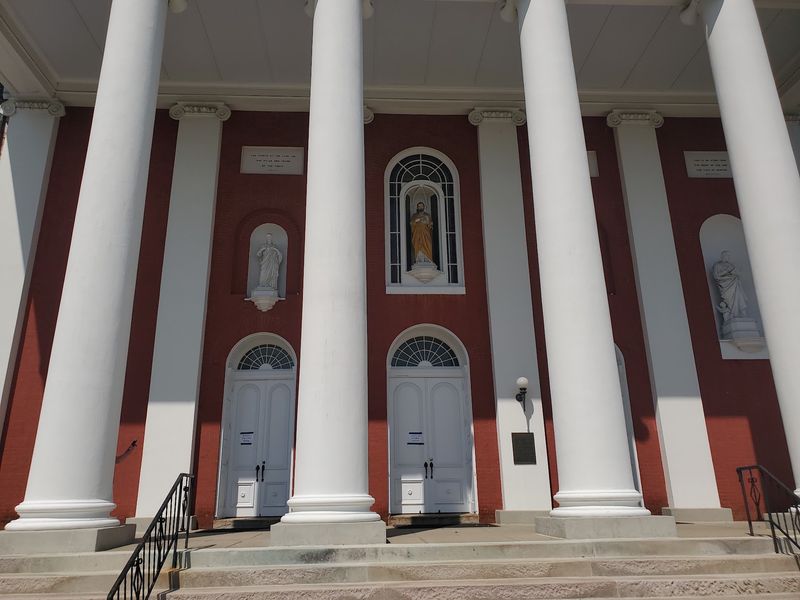
The columns look like they were shipped from an Italian quarry. They were actually cut from Kentucky poplar trees.
Craftsmen shaped each trunk and applied a faux marble finish. From a few feet away the illusion holds up beautifully.
That technique was common in early American building. Real marble was expensive and nearly impossible to transport inland.
What impresses me is the confidence. Nobody said the project should be smaller because the budget was thin.
They just found local answers to European problems. Wood replaced stone, and the effect stayed grand.
The brick walls came from clay dug on the property. Neighbors reportedly pitched in with labor and hauling.
Interior proportions feel taller than the exterior suggests. The columns pull your eyes upward the moment you enter.
Light through the windows shifts across the finish during the day. Morning and late afternoon give different moods.
I visited on a bright weekday and had the place mostly to myself. The quiet made the details easier to notice.
Run your eyes along a column base and then up to the capital. The handwork is visible if you look closely.
Small choices like these tell the real story. Ambition plus limited resources produced something genuinely original.
Why The Word Basilica Matters
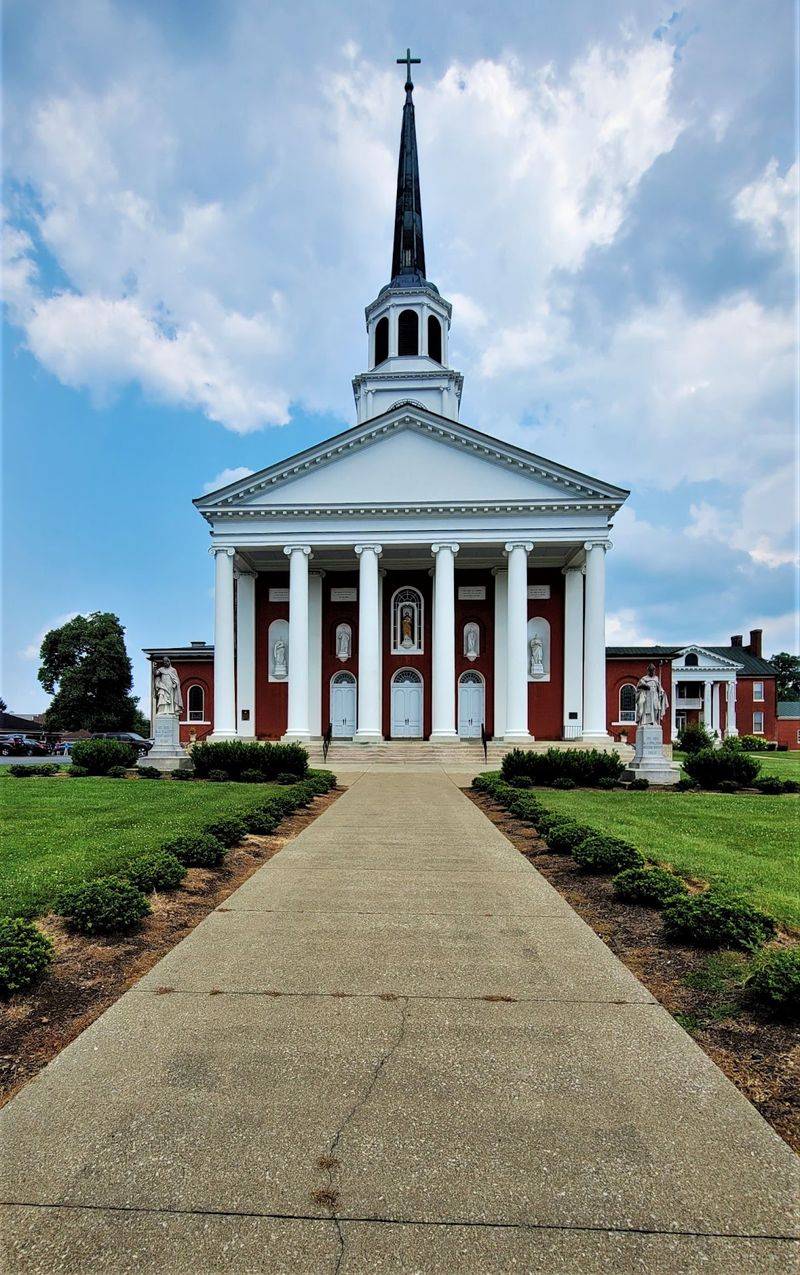
Basilica is not just a fancy word for a big church. It is an honorary title granted by the pope.
Minor basilicas often display two traditional symbols. One is a canopy called an ombrellino, the other a small bell on a pole.
Look for those items near the sanctuary. They are easy to miss if nobody points them out.
The Proto-Cathedral part of the name is separate. It marks the building as the first cathedral of the region.
Bardstown’s diocese covered a staggering territory in the early 1800s. Cities like Detroit and Chicago fell under its reach.
The seat later moved to Louisville as population shifted. The Bardstown church kept its historical honors.
Fewer than a hundred minor basilicas exist in the United States. Most sit in large metropolitan areas.
Finding one on a small town main street feels wonderfully out of order. I like that Kentucky got there first.
Read the plaques near the entrance before you go in. They give useful context in about two minutes.
Then step inside and let the room do the rest.
Timing Your Visit Without Stepping On Toes
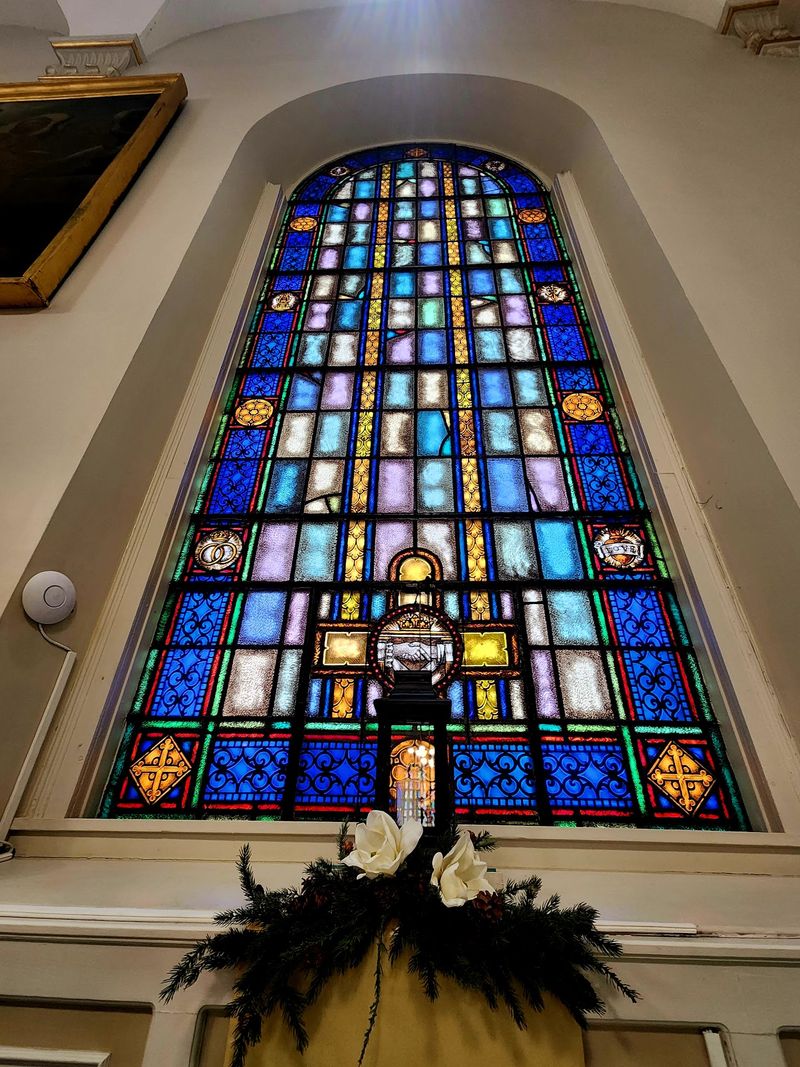
Remember that this is an active parish, not a museum with a gift shop attitude. Services happen regularly throughout the week.
Weekday mornings and early afternoons tend to be calmer. I found the sanctuary nearly empty around eleven o’clock.
Check current visiting hours before driving over. Schedules shift with the liturgical calendar and parish events.
Docent-led tours are sometimes offered seasonally. A guide adds details you will never get from a plaque.
Dress comfortably but respectfully. Nobody expects formal clothing, though shorts and loud shirts feel out of place.
Keep voices low, even if the room seems empty. Sound carries under that high ceiling.
Photography is often permitted without flash. Ask first if anyone from the parish is present.
Bring a light jacket. Older masonry buildings hold cool air even in warm months.
Allow at least thirty minutes inside. An hour is better if you want to study the paintings.
Restrooms and parking are nearby downtown. Street parking was easy on the day I stopped.
If a service is starting, you can stay quietly or return later. Both options are perfectly fine.
Small courtesies make the visit better for everyone in the building.
The Cemetery And Grounds Worth A Slow Loop
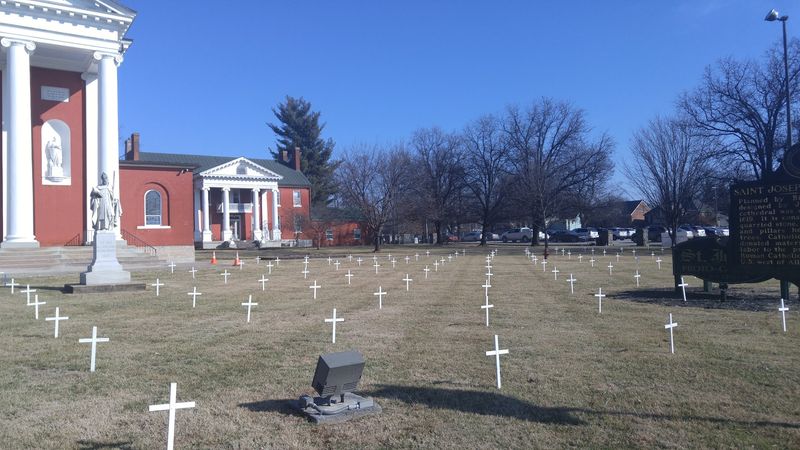
Step outside and the story keeps going. Historic graves and markers sit near the building.
Names on the older stones connect to founding Catholic families of Nelson County. Many arrived from Maryland in the late 1700s.
Mature trees shade parts of the lawn. It is a pleasant place to sit for a few minutes.
The exterior brickwork rewards a slow walk. You can see where repairs and restorations happened over two centuries.
Look at the clock tower from across the street. The proportions read differently from a distance.
Historical markers stand near the sidewalk. They summarize the frontier diocese story in plain language.
I circled the building twice without meaning to. Details kept showing up on the second pass.
Spring and fall are especially nice for grounds walking. Summer afternoons get warm and humid in central Kentucky.
Bring water and comfortable shoes. The surfaces are uneven in spots.
Photographers should try late afternoon light. The brick warms up beautifully then.
Nothing here is flashy or staged. That is exactly what makes it feel authentic.
Give yourself fifteen extra minutes outdoors. The building looks better once you understand what surrounds it.
Pairing The Stop With The Rest Of Downtown
The best part about this stop is how easily it fits into a bigger day. Downtown Bardstown starts right outside the door.
Historic buildings line the nearby blocks. Many date to the nineteenth century.
Local shops, cafes and bakeries sit within short walking distance. I grabbed coffee and a pastry before heading inside.
Bardstown has been recognized repeatedly as one of America’s most beautiful small towns. The recognition is not accidental.
Stephen Foster Avenue itself is named for the songwriter behind My Old Kentucky Home. The connection runs deep here.
Museums and historic homes are close by. You could fill a full day without moving your car.
Parking downtown is generally simple. Street spots and small lots are available.
Weekends bring more foot traffic and open shops. Weekdays bring quiet and shorter waits.
Plan the basilica visit first thing. The interior feels more powerful before the day gets busy.
Then wander. Downtown rewards aimless walking better than a strict itinerary.
I came for one building and stayed three hours. That is usually a good sign.
Bardstown does not oversell itself, which is refreshing. The town lets the buildings and stories do the talking.