This Georgia County Has The Fewest Smokers, Lowest Obesity Rate And Longest Lives In The State

A stranger once told me the longest lives in Georgia are not found near mountains or coastlines. I laughed at first.
Then I checked the numbers myself and stopped laughing. One county quietly beats every other part of the state on nearly every health measure that matters.
Fewer smokers. Lower obesity.
Longer lifespans than anywhere else in Georgia. No dramatic scenery, no famous wellness retreats, nothing you would notice driving past.
I expected some secret formula, maybe a strict diet or a rare mineral in the water. What I found instead were small, ordinary habits repeated by thousands of people, day after day, year after year.
Nothing flashy. Nothing complicated.
Just consistency that adds up over decades. I left with a completely different idea of what actually keeps people healthy and living long.
A Decade Long Streak At The Top Of The State
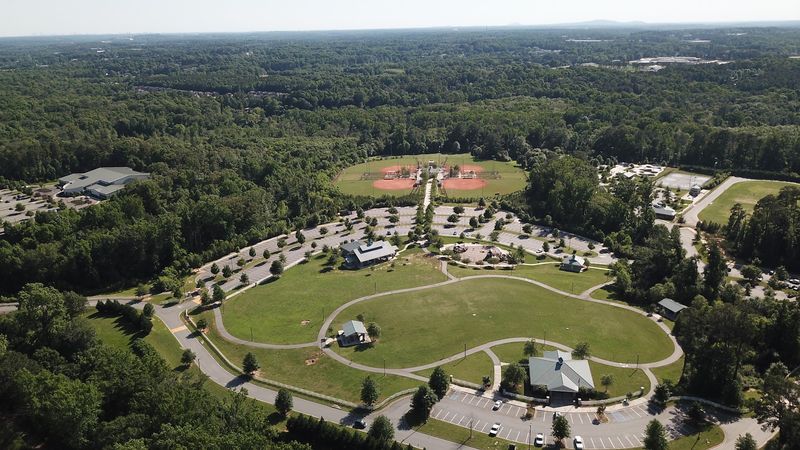
Rankings rarely hold steady for a decade, yet one county keeps claiming the same top spot. Forsyth County has repeatedly ranked among the healthiest counties in the state over the past decade.
The state has 159 counties, which makes that streak genuinely striking. Finishing first once can be luck, but finishing first repeatedly is a pattern.
County health rankings measure far more than checkups. They weigh habits, income, schooling, and the everyday conditions that shape how people feel.
National attention followed the local praise. In 2024, the county landed 33rd on the U.S.
News list of Healthiest Communities.
Only two counties in the state cracked the national top 50 that year. That puts a quiet suburban area in serious company.
About 251,283 people lived here at the 2020 census. The area sits in the northeast region of the state, inside the Atlanta metropolitan area.
Numbers this consistent usually have deep roots. Strong schools, steady jobs, and active routines all feed the same result.
Lakes, trails, and busy ball fields sit near most neighborhoods. Easy access to movement quietly shapes the statistics.
So which place keeps topping these lists? The answer is Forsyth County.
Life Expectancy That Runs Five Years Ahead

Life expectancy works like a scoreboard for community health. Recent estimates put life expectancy in Forsyth County at roughly 81 years, among the highest in Georgia.
Georgia’s statewide average sits at 75.8 years. The gap works out to 5.2 extra years, which is no rounding error.
An earlier figure from 2021 put the local number even higher, at 82.3 years. Either way, this county leads every other county in the state.
Researchers track this measure closely because it summarizes so much at once. Nutrition, activity, income, and medical access all fold into a single number.
Long lives rarely come from one magic habit. They come from stacked advantages that build on each other over decades.
Steady incomes make doctor visits and fresh groceries easier to manage. Safe sidewalks and parks make daily walks a normal thing.
Lower rates of diabetes and heart disease show up in local data too. Those two conditions shape longevity more than almost anything else.
There is a practical lesson here for anyone, anywhere. Small daily choices, repeated for years, move the needle more than occasional bursts.
Five extra years means grandchildren, hobbies, and second careers. That is what the statistic really represents.
One Of Georgia’s Lowest Smoking Rates

Only about one in ten adults here smokes. The rate was measured at 9.8% in 2022, among the lowest anywhere in the state.
Georgia’s overall rate runs much higher. The local figure sits roughly 39% below the state average.
That single difference explains a lot about longevity. Hearts, lungs, and blood vessels all benefit when smoke stays out of the picture.
Doctors point to this measure first when explaining regional health gaps. It touches cancer risk, breathing problems, and heart function all at once.
Culture matters more than most people expect. When neighbors, coworkers, and classmates mostly skip the habit, starting feels less normal.
School programs reinforce that message early. Prevention costs far less than treatment later on.
Clean indoor air adds a quiet benefit for everyone else. Fewer smokers means less secondhand exposure in shared spaces.
Employers across the area often support wellness plans. Coaching, screenings, and incentives help people stick with healthier routines.
Health rankings count adult smoking as a core behavior measure. This county finishes first statewide in that whole category.
The takeaway is simple and copyable. Communities shape habits, and habits shape lifespans.
Obesity Numbers Well Below The State Curve
Weight statistics rarely make cheerful reading in the South. This county still posts an adult obesity rate of 30.0%.
Statewide, the figure sits at 38.0%. An eight point gap across a quarter million residents adds up quickly.
Nobody local is claiming perfection. Three in ten is a serious number, and health groups here treat it that way.
Grocery access helps more than willpower speeches. When fresh produce is close and affordable, cooking at home gets easier.
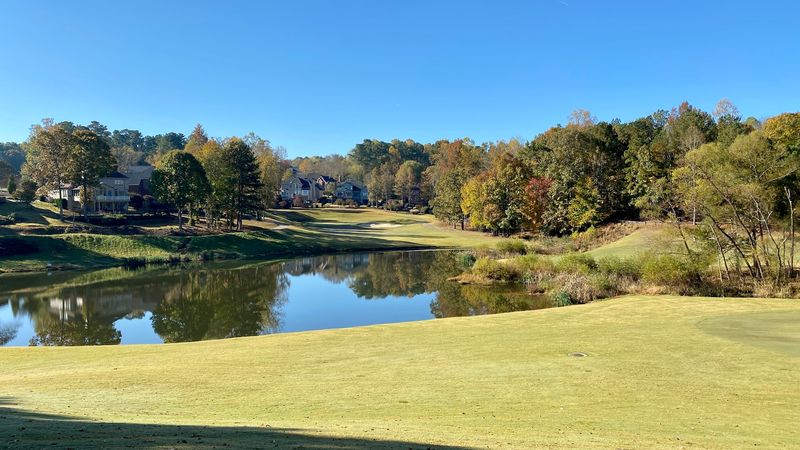
Recreation options matter just as much. Greenways, lakeside trails, and community fields invite movement without a gym membership.
Youth sports leagues stay busy through every season. Kids who grow up active often keep those routines as adults.
Schools shape eating patterns early too. Cafeteria choices and physical education time influence habits that last decades.
Lower obesity connects directly to fewer cases of diabetes and heart disease. Both appear less often in local health data.
Rankings fold obesity into the behaviors category, alongside smoking and teen births. The county leads Georgia in that grouping.
For readers elsewhere, the model is repeatable. Build places where walking, playing, and cooking are the convenient choice.
Among Georgia’s Leaders For Healthy Behaviors

First place out of 159 counties is hard to argue with. That is exactly where this area lands for health behaviors.
Behaviors cover the daily choices people make. Smoking, weight, activity levels, and teen births all count.
Rankings separate behaviors from clinical care for a good reason. Doctors treat problems, while habits prevent them.
That distinction explains much of the local success. Prevention happens long before anyone reaches a waiting room.
Teen birth rates run low here, which shapes long term outcomes. Young parents face steeper economic and health challenges nationwide.
Geography gives physical activity a boost. Lake Lanier’s shoreline, rolling hills, and park trails sit close to most neighborhoods.
Behavior scores reward consistency rather than intensity. Communities win by making healthy defaults easy all year.
Local wellness campaigns keep the message visible. Screenings, fitness challenges, and school programs run through the calendar.
Habits also spread socially, for better or worse. They travel through families, workplaces, and friend groups.
Borrow one idea from all this if you can. Make the healthy option the convenient option at home.
Education Levels Play A Quiet Role Here

Diplomas and health records tell surprisingly similar stories. About 94% of adults age 25 and older have a high school diploma or higher.
Graduation gaps often predict health gaps decades later. Researchers treat education as a core health indicator, not a side note.
More than half of adults hold a bachelor’s degree or higher, at 57.1%. That share is unusual for any county this size.
Education shapes income, and income shapes access to care. The chain is well documented across the country.
Better educated populations tend to use preventive services more often. Screenings, vaccines, and checkups get scheduled instead of skipped.
Health literacy grows in classrooms as well. Reading nutrition labels and following medical advice starts early.
Families move here specifically for the school system. Demand keeps standards high and neighborhoods invested.
Adult learning matters too. Job training and continuing education keep earnings and stability moving upward.
The county ranks second statewide for social and economic conditions. Schooling carries much of that weight.
Think of a diploma as a long term health tool. It opens doors that affect meals, housing, and medical bills.
Steady Paychecks Support Better Health Outcomes

Money is not health, but it buys options. The median household income here is $143,784, the highest in Georgia.
Unemployment stayed low at 2.5% in May 2026. The statewide rate that month was 4.1%.
Steady work usually means steady coverage and fewer skipped prescriptions. Financial stress eases too, which helps sleep and blood pressure.
Income inequality runs lower here than in most of the state. Fewer children live in poverty as well.
Child poverty is one of the strongest predictors of adult health. Reducing it pays off for decades.
Proximity to the Atlanta job market helps enormously. Commuters bring metro salaries back to suburban neighborhoods.
Local employers span technology, healthcare, retail, and construction. That mix cushions the area during slow years.
Wealth alone does not guarantee wellness, though. Plenty of high income places still struggle with activity and stress.
What matters is how resources get used. Here they flow into parks, schools, and preventive care.
Budgeting lessons apply anywhere. Protecting a small health fund keeps minor problems from becoming expensive ones.
Strong Coverage Meets A Shortage Of Doctors

Not every category earns a first place finish. Clinical care ranks seventh in the state, which still beats most counties.
Insurance coverage explains part of that showing. Only 7.9% of residents lack coverage, compared with 12.6% statewide.
Coverage changes behavior in small, practical ways. People schedule the checkup instead of waiting for symptoms to worsen.
Employer plans cover a large share of local workers. High employment and high coverage tend to travel together.
One weak spot stands out honestly. There are fewer primary care physicians per resident than the state average.
Rapid population growth may be one factor contributing to pressure on local provider capacity.
Longer appointment waits push some residents toward neighboring areas. Metro Atlanta hospitals sit within a reasonable drive.
Urgent care clinics have multiplied across the region. They handle minor injuries without a hospital trip.
Booking a primary care visit early in the year is smart advice anywhere. Calendars fill faster than most people expect.
The lesson cuts both ways. Strong habits can carry a community even when access lags behind.
Parks And Clean Air Invite People Outside
Clean air is easy to ignore until it disappears. Annual fine particulate levels here average 8.1 micrograms per cubic meter.
That counts as good air quality by federal standards. Lungs notice the difference over a lifetime.
Tree cover across neighborhoods helps filter the air. Shade also makes summer walking realistic.
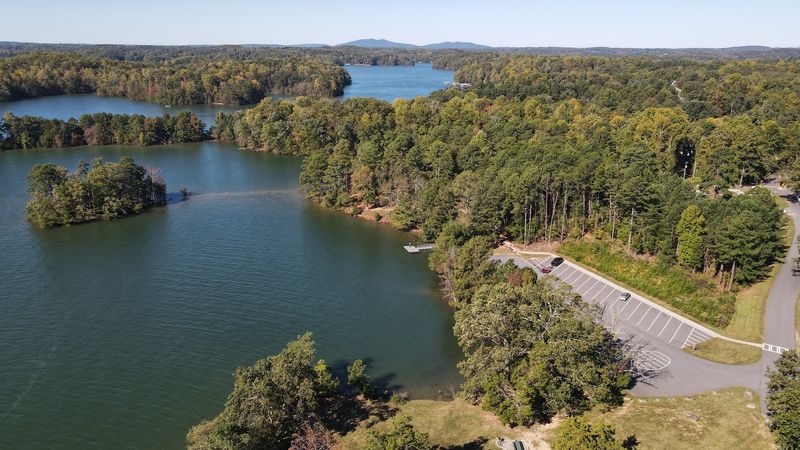
Parks do the heavy lifting for daily movement. The recreation system includes trails, ball fields, and lakeside access points.
Lake Lanier borders the eastern edge of the county. Boating, paddling, and shoreline walking stay popular most of the year.
Greenway projects keep expanding across the region. Connected paths turn exercise into simple transportation.
Community centers host classes for every age group. Options run from youth swim lessons to senior fitness sessions.
Weekend mornings fill the parking lots at trailheads. Movement here looks social rather than punishing.
Public investment matters more than luck. Parks budgets and land planning shaped these results over many years.
Rates of diabetes and heart disease sit below state averages here. Environment and habits both deserve credit.
Anyone can borrow the approach. Find the nearest trail and use it twice a week.