This Overlooked Washington Town Has A Downtown Straight Out Of The 1950s
Somewhere in this state exists a main street that time genuinely forgot. I did not believe it until my GPS rerouted me through it by accident.
Neon signs buzzed above storefronts that looked untouched for seventy years. Diner booths sat empty in the afternoon light, waiting for a lunch rush that felt like it belonged to another generation.
I parked without thinking twice and wandered past a barber shop with a spinning pole still turning. An old movie theater marquee listed showtimes in letters that looked hand placed, one at a time.
Locals nodded as I passed, unbothered by a stranger clearly out of place. Washington hides small towns like this one in plain sight, waiting for someone to slow down enough to notice.
I spent the whole afternoon there, completely unwilling to rush. Washington clearly kept something the rest of the country left behind decades ago.
A Main Street That Skipped The Modern Makeover
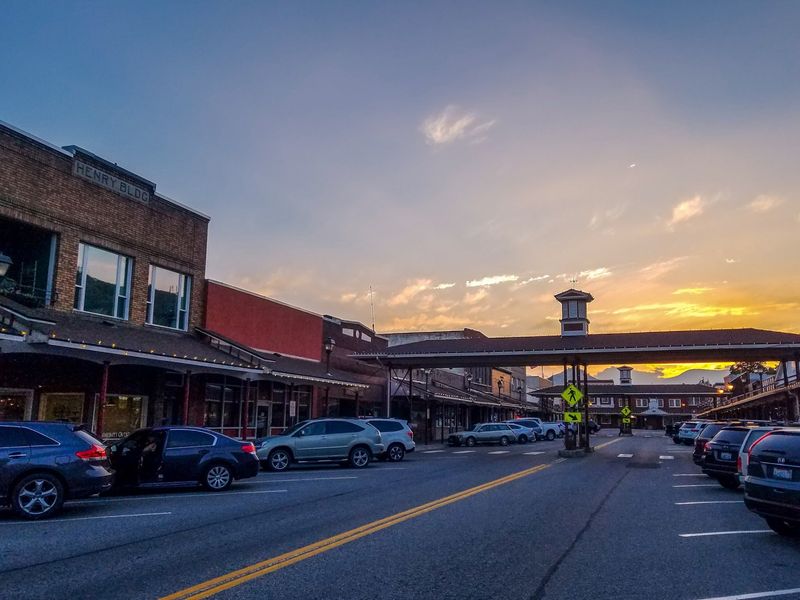
Some downtowns fight hard to look old. Here, the vintage look never left in the first place.
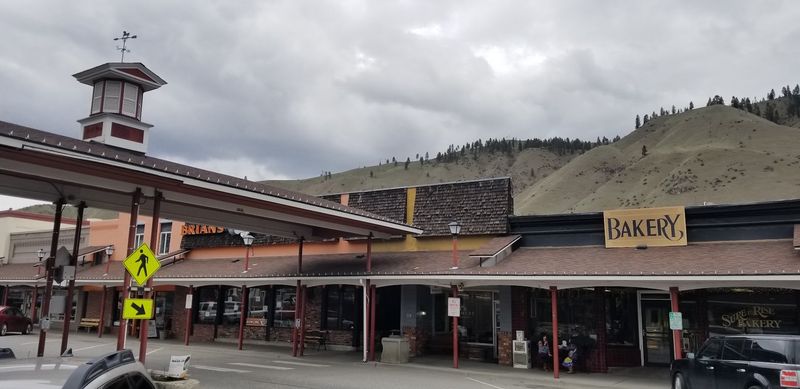
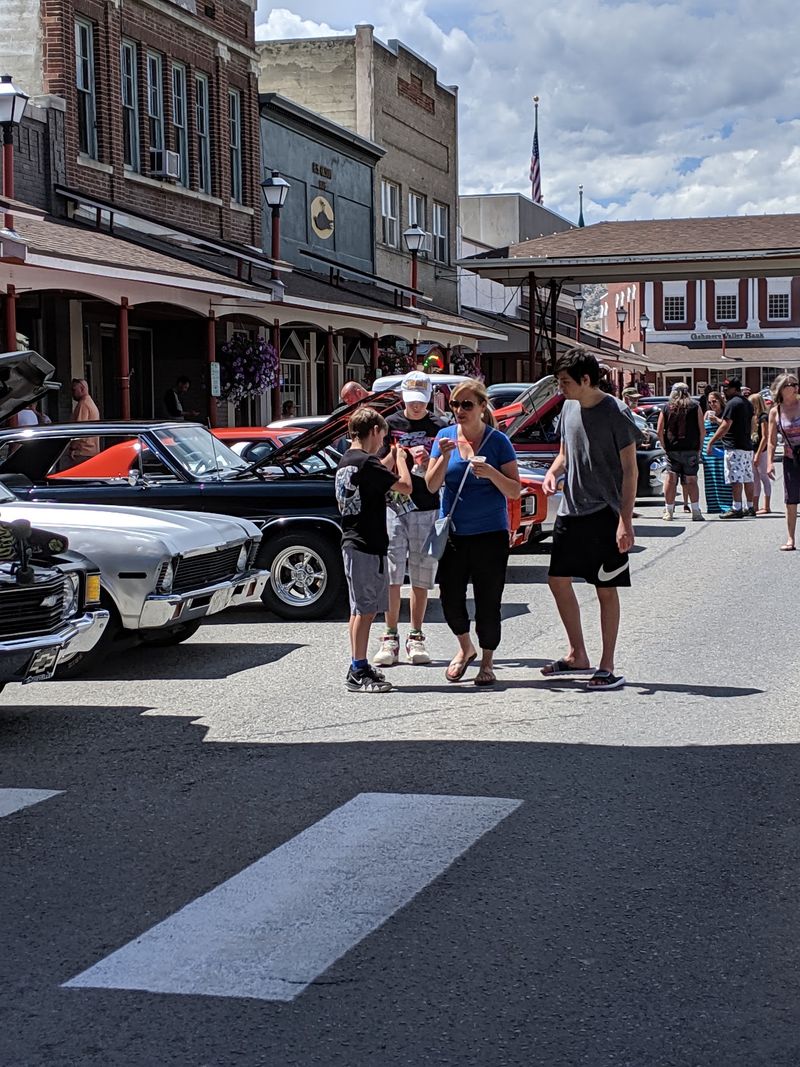
Brick buildings line the street with painted signs and simple awnings. There are no giant chain logos competing for your attention.
Sidewalks feel wide and unhurried, and traffic moves at a pace that lets you cross without a sprint. I noticed people actually nodding hello, which is rarer than it should be.
Flower baskets hang from posts in the warmer months. The mountain ridges sit right behind the rooftops, framing every photo you take.
The whole business district covers just a few walkable blocks. That compact size is exactly why it works so well for a spontaneous stop.
You can park once and see everything on foot. No shuttle, no parking garage, no confusing one-way maze.
Bring cash for the smaller shops and comfortable shoes for the sidewalks. Mornings are quietest if you want the street mostly to yourself.
The population sits around 3,400 people, which helps preserve the town’s small-town feel. It is part of Chelan County, along the Cascade Loop route.
If you want the coordinates, aim for 98815 in central Washington. Welcome to Cashmere, Washington.
An Old-Fashioned Soda Fountain Still Doing It Right
My first stop was a pharmacy, which sounds boring until you see the counter. A working soda fountain sits inside, and it is not a decoration.
Doane’s Valley Pharmacy still builds ice cream sodas the traditional way. Watching the process is half the fun of ordering one.
The traditional preparation adds to the old-fashioned soda fountain experience.
The result is layered instead of mashed together. Fizzy soda water meets syrup at the bottom, and the ice cream rides on top.
Chrome, tile, and a long counter set the scene. It feels less like a themed diner and more like a room that simply kept its job.
Prices are reasonable, and the portions are generous enough to share. Kids tend to get very cooperative once a glass lands in front of them.
Go on a weekday afternoon if you want a seat at the counter. Weekends bring more visitors passing through the valley.
Aplets And Cotlets Bring A Century Of History
A candy recipe from 1920 is still running strong in this valley. Liberty Orchards has been producing Aplets and Cotlets since then.
The candy is a soft, chewy square made from fruit and nuts. Apples go into Aplets, apricots into Cotlets, and powdered sugar coats both.
Free samples greet visitors, which is a dangerous but delightful policy. I tried both flavors and immediately understood the local loyalty.
Short tours run about ten minutes and explain how the candy is made. That length is perfect for restless kids and impatient travelers.
The factory sits at the corner of Aplets Way and Mission Ave. Yes, the street is named after the candy, which tells you everything.
Boxes make excellent gifts because they travel well. The candy does not melt into a puddle like chocolate does in a hot car.
Texture is closest to Turkish delight, but the fruit flavor is brighter. It is sweet without being overwhelming.
Check hours before you drive out, especially in the off-season. Tour times can shift depending on production schedules.
Buy an extra box for yourself. I did not, and I regretted it before I reached the highway.
Antique Hunting On A Serious Scale
Seventy thousand square feet of antiques is not a shop. It is a sport.
Apple Annie’s Antique Gallery holds that much inventory under one roof. Plan on losing track of time somewhere between the vinyl and the vintage kitchenware.
The Antique Mall at Cashmere adds more than 90 vendors to the mix. Between the two, browsing easily fills an entire afternoon.
Booths are packed with glassware, tools, furniture, signs, and toys. Every aisle turn brings something you did not expect to see.
Apple Annie’s even has a 1950s-themed restaurant inside. That means you can refuel without leaving the treasure hunt.
My advice is to walk the whole floor once before buying anything. Prices vary between dealers, and the same item may appear twice.
Smaller collectibles make smarter souvenirs for road trips. Postcards, pins, and old cookbooks slide easily into a bag.
Weekday visits mean shorter checkout lines and calmer aisles. Weekends draw shoppers from across the region.
Wear layers, since the large buildings can feel cool in the corners. Comfortable shoes matter more than you think.
Twenty Pioneer Buildings You Can Actually Walk Through
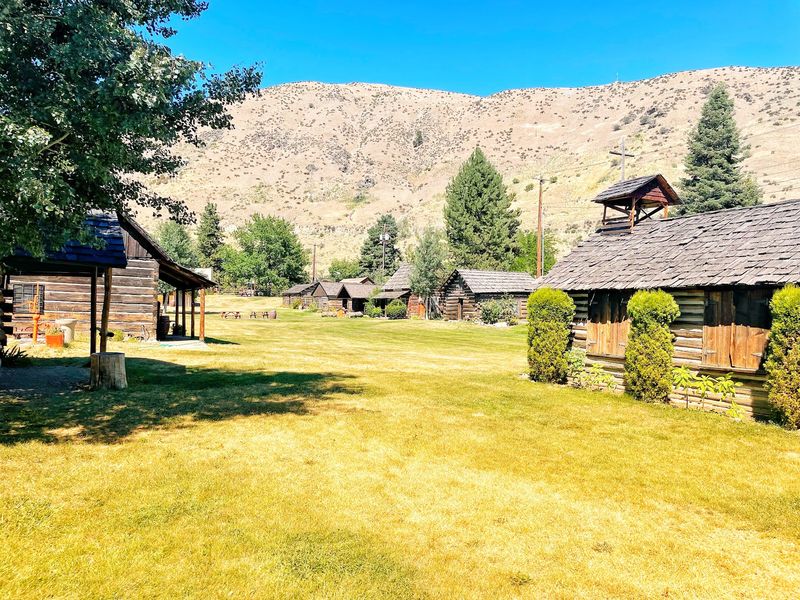
Most history museums keep the past behind glass. Across the river, you can walk right into it.
The Cashmere Museum and Pioneer Village includes twenty original pioneer buildings. Each one is furnished with real antiques from the era.
A blacksmith shop, a schoolhouse, and a doctor’s office are part of the lineup. Peeking through the doorways feels like reading a diary entry.
Native American artifacts are also on display inside the museum. Some pieces are around 9,000 years old, which is hard to wrap your head around.
The address is 600 Cotlets Way, an easy drive from the main business district. Parking is simple, which is always a relief.
Give yourself at least an hour to see the village properly. Rushing through defeats the entire purpose.
Kids respond well to the schoolhouse and the blacksmith setup. Both feel tangible in a way that textbooks never manage.
Shade is limited between buildings, so a hat helps in summer. Water bottles are a smart addition too.
Photography is rewarding here because of the weathered wood and old signage. Morning light makes the buildings look especially good.
Confirm seasonal hours before you go.
Cottage Avenue And Its Craftsman Bungalows
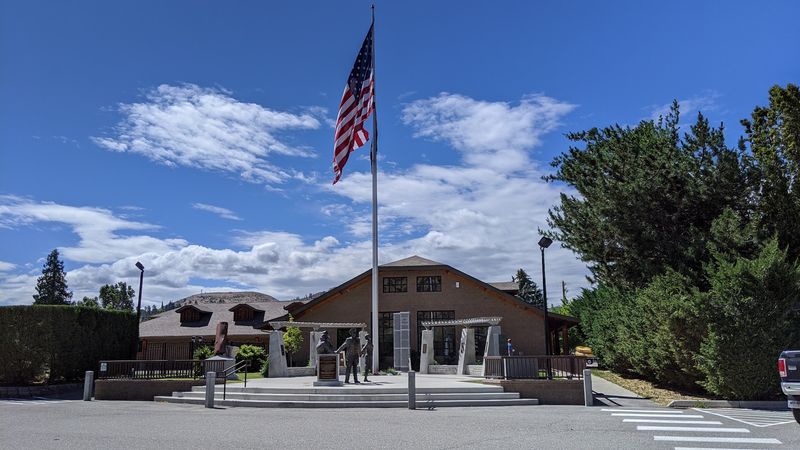
Two blocks off the shops, the sidewalks get quieter and greener. That is where the residential history lives.
The Cottage Avenue Historic District is lined with early 1900s Craftsman bungalows. Low porches, wide eaves, and thick wooden columns define the style.
Picket fences and tall shade trees complete the picture. It looks like a movie set, except people genuinely live there.
The district developed between 1892 and 1949. It is listed on the National Register of Historic Places.
The wider community also earned a Tree City USA designation. Once you see the canopy overhead, that award makes perfect sense.
A slow stroll here takes maybe twenty minutes. It is the best free activity in the area.
Keep your voice down and stay on the public sidewalk. These are private homes, not exhibits.
Fall is my favorite time for this walk because of the leaf color. Spring brings blooming yards and fresh paint.
Architecture fans will notice the variety within the Craftsman style. No two porches are quite the same.
Pair the walk with a coffee from downtown. Holding a warm cup while looking at century-old houses is a simple pleasure worth planning for.
A Warehouse Block Reborn As A Gathering Spot
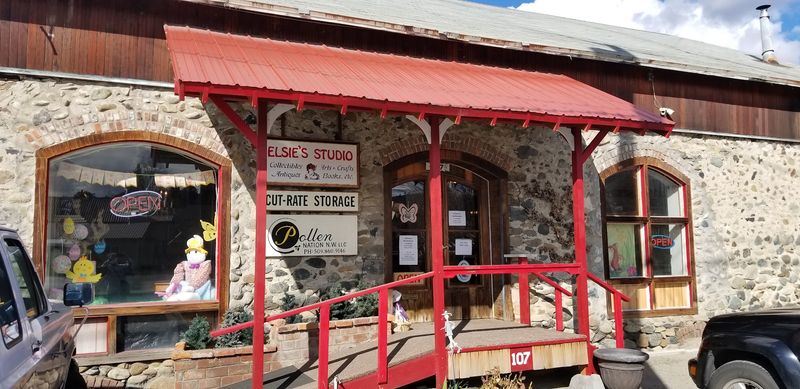
Old warehouses usually sit empty and forgotten. Not on Railroad Ave.
Side Street Cashmere took a historic building and turned it into a community hub. Local coffee, small shops, and artisans now fill the space.
Freddy’s Kitchen serves authentic Mexican food inside the block. It is the kind of lunch that fixes a long driving day.
Another local business adds to the mix of small shops and gathering spaces inside the block.
Cashmere Records brings vinyl and CDs to the valley. Flipping through crates while sipping coffee is a strong way to spend an hour.
The address is 101-111 Railroad Ave, right near the old rail line. That location is not an accident.
Exposed beams and worn brick give the interior character. New paint sits next to old timber without clashing.
Weekend afternoons bring the most energy to the block. Weekday mornings are better for a quiet coffee.
Vendor hours vary, so check ahead if one shop is your main goal. Some businesses keep shorter schedules in winter.
Come hungry and leave time to wander. The block rewards people who linger instead of rushing.
Orchards That Help Define The Wenatchee Valley
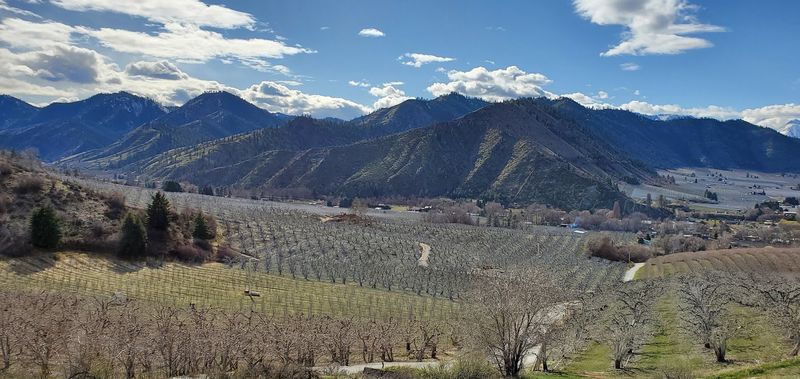
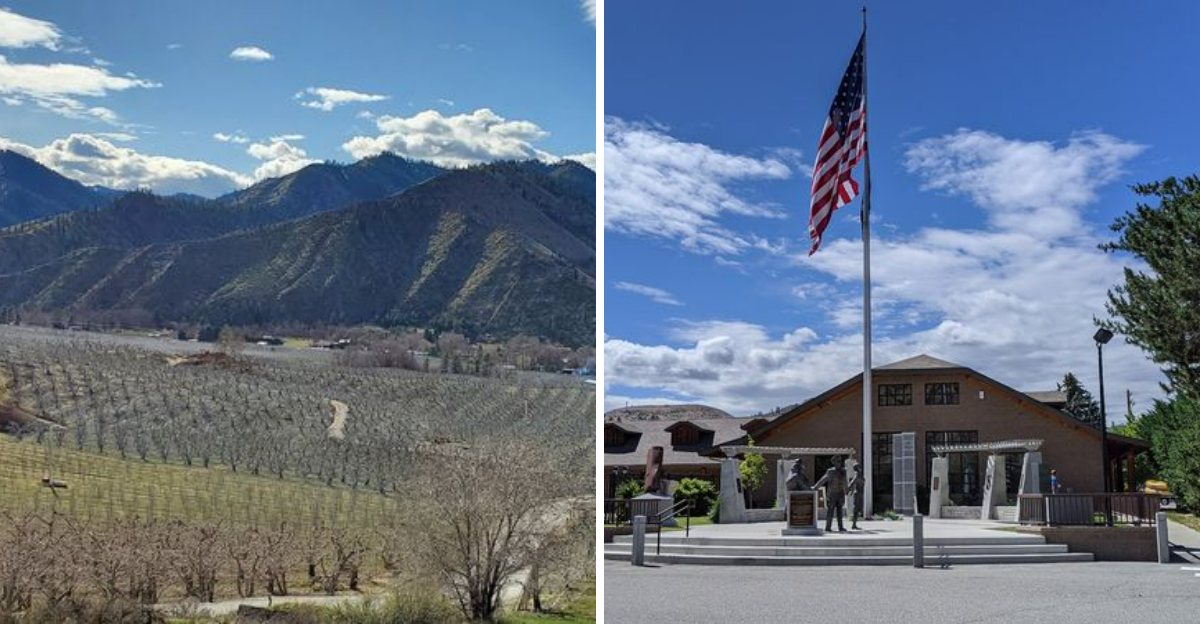
Look past the rooftops and you will see the real industry. Pear and apple orchards blanket the surrounding hillsides.
Fruit grown here gets packed and shipped worldwide. The surrounding Wenatchee Valley is an important fruit-growing region known for apples and pears.
The rows of trees change character with the seasons. Blossoms in spring, heavy branches in late summer, bare limbs in winter.
Driving the roads just outside the business district gives the best views. Pull over safely and take a moment.
Harvest season fills the valley with truck traffic and activity. It is a working landscape, not just scenery.
Roadside fruit stands appear when the crop comes in. Buying a bag straight from the source spoils you for grocery store fruit.
Ask which variety is at peak ripeness that week. The answer changes constantly and the staff know it well.
The Wenatchee River runs right through the area. Its water and the surrounding soil are a big reason the orchards thrive.
Photographers should aim for late afternoon light on the rows. Long shadows across the trees look wonderful.
Understanding the fruit business here changes how you see the downtown. Those old brick buildings were built on apples and pears.
Mountains And River Give It A Basecamp Feel
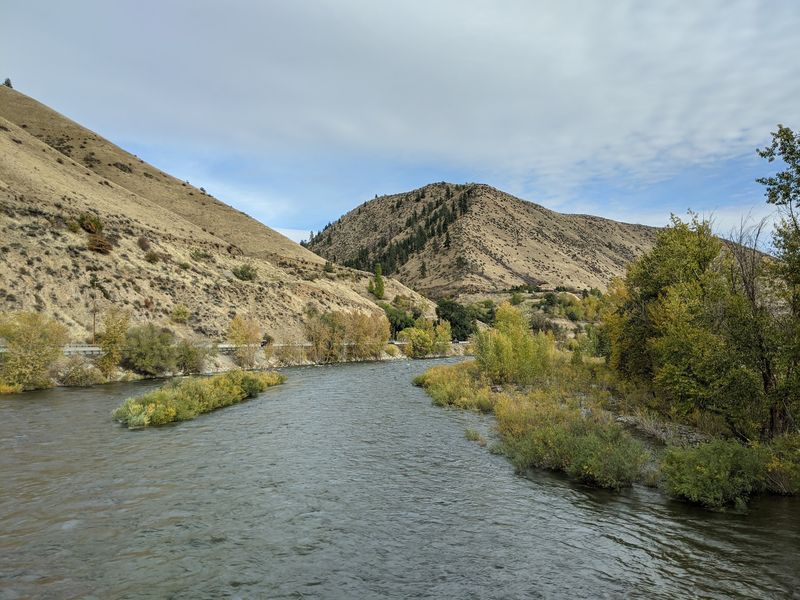
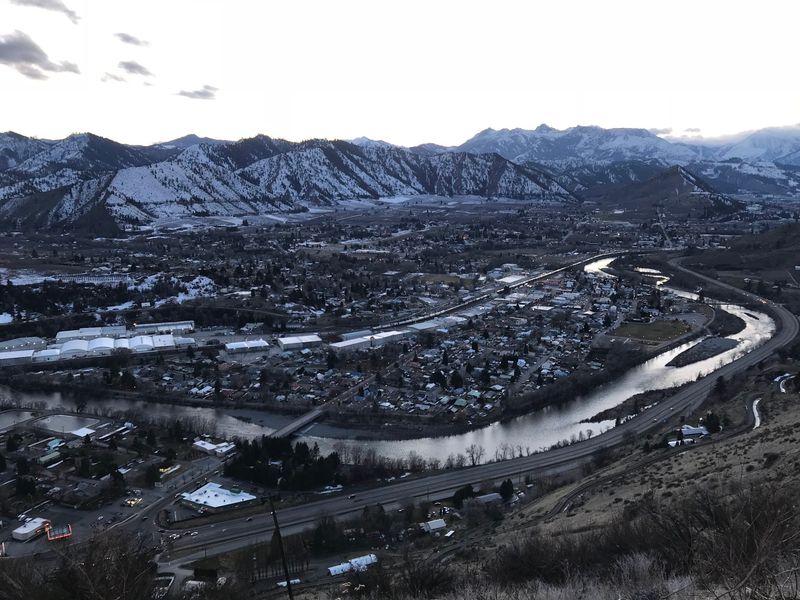
Geography did this place a serious favor. It sits at the base of the Cascade Mountains with a river running through.
The Wenatchee River provides water, views, and cool air on hot days. Riverside spots are ideal for a picnic break.
Summers here are warm and dry, unlike the rainy side of the state. That climate is a big part of the appeal.
Winter brings a quieter, snow-dusted version of the same streets. Fewer visitors means more room at the counter.
The location works well as a basecamp for wider valley exploring. Highway 2 puts you close to plenty of other stops.
Lodging options are limited compared to bigger towns nearby. Booking ahead in peak season is the smart move.
Traffic on Highway 2 gets busy during holiday weekends. Leaving early saves real frustration.
Gas up before heading into the mountains. Services thin out quickly once you climb.
What sold me was the balance of the place. Real history, real fruit, real people, and no tourist gloss layered on top.
Give it half a day and it will earn a spot on your return list. Mine already has it circled.