Just Down The Road From A James Beard Winner, This Small Nebraska City Restaurant Serves 20+ Wing Flavors
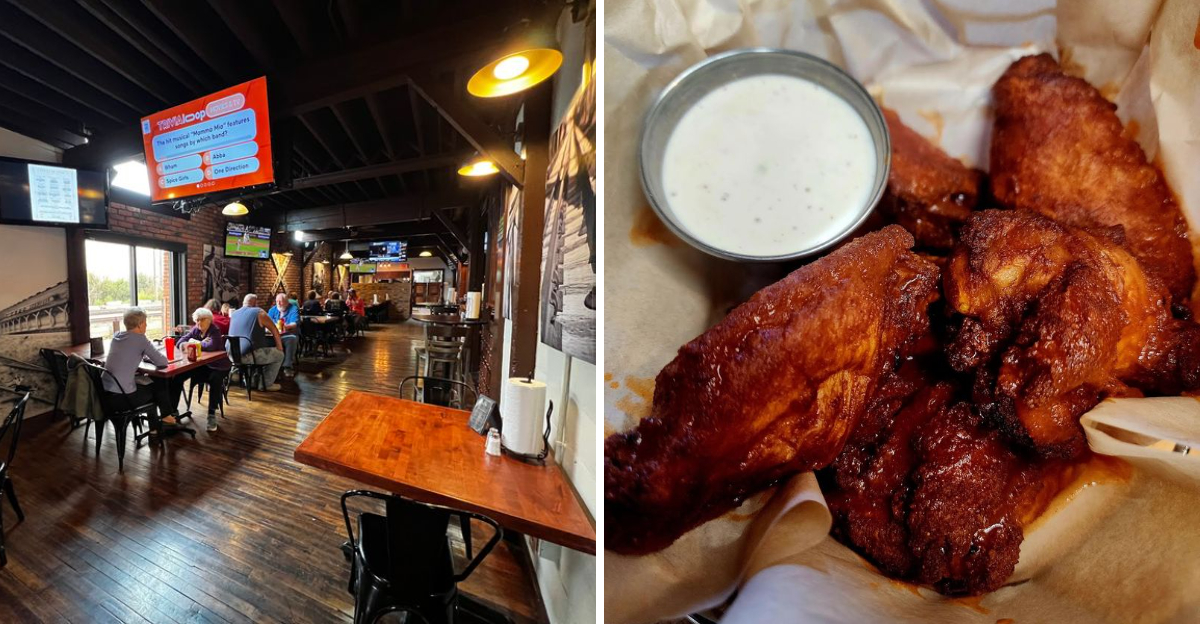
Twenty-plus wing flavors create a problem nobody is particularly upset about having.
Do you play it safe with something familiar, chase heat, go sweet and sticky, or order several flavors and turn the table into a full comparison session?
At this point, choosing may take longer than eating. That kind of menu is an unexpected find in a small Nebraska city already attracting serious food attention.
Just down the road from a James Beard Award winner, another kitchen is building its own following with wings that refuse to stick to one personality.
The sheer number of options makes repeat visits almost inevitable. Bring somebody willing to trade. One flavor is research. Four flavors is dinner.
And with more than 20 possibilities waiting on the menu, finishing the experiment could take quite a few trips.
Start With Those 20-Plus Wing Flavors
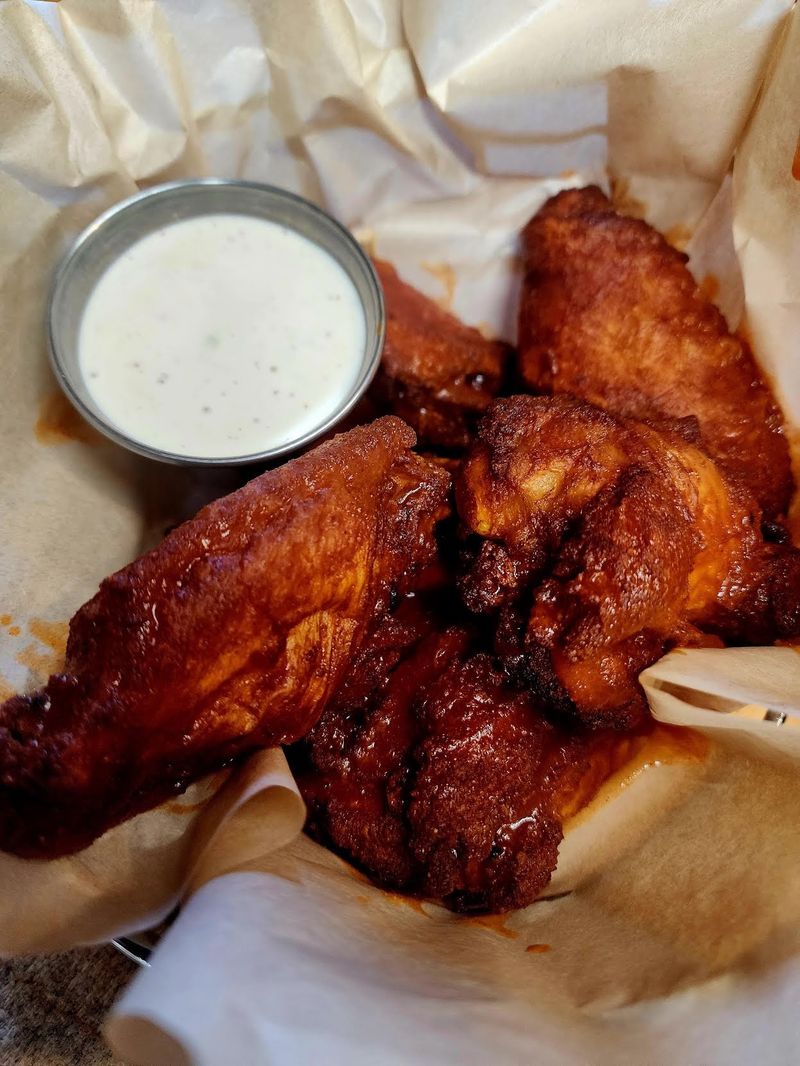
Counting past twenty sauces and dry rubs sounds like marketing until the menu actually lands on the table.
Boneless wings and smoked bone-in wings both come with that long list of finishes, so the real question is less about availability and more about mood.
Familiar picks hold their ground here, with Garlic Parmesan and Sweet Thai giving first-timers an easy landing spot.
The list keeps rolling into Blackberry BBQ, Spiced Pear, Coffee Molasses BBQ and a Tikka Masala dry rub.
Ordering strategy helps once a group settles in. Splitting an order across two or three flavors turns the table into a tasting lineup, and it keeps anyone from committing a whole basket to something unexpected.
Sweet and smoky rubs generally feel milder than the sauces built around heat, so asking about spice level before ordering is a reasonable move.
Flavor lists at any restaurant shift over time, so checking the current menu keeps expectations accurate.
Wings arrive as a shareable plate, which suits the relaxed pace of the dining room. They also work well as an opener before a pizza or burger, especially for a table that cannot agree on one thing.
A single visit will never cover the whole lineup, and that is part of why regulars keep circling back for another round.
The Dalton Is A 28-Inch Pizza Challenge
A pizza measuring twenty-eight inches across does not fit on a normal plate, and that is exactly the point.
The Dalton is the restaurant’s eating challenge, built for teams willing to face a pie more than two feet wide inside a one-hour limit.
Two toppings of choice are included, which turns topping selection into part of the game plan. Difficulty is not exaggerated either, since only two teams have finished it across thirteen years.
Anyone hoping to try needs to give twenty-four hours notice and leave a deposit, because a pie that size takes preparation and serious oven space. Calling ahead is not optional here.
Groups that have no interest in competing sometimes order it simply to feed a large table, which is a friendlier way to enjoy the spectacle.
Watching an attempt unfold tends to become an event for the whole room, and the pace of everyone’s meal slows down a bit.
Timing matters as well, since an attempt during a packed weekend evening feels very different from a quieter weekday afternoon.
Choosing a slower service window gives the kitchen room to work and gives the group space to spread out.
Rules, pricing and availability for challenges like this can change, so confirming the details before the drive is worth the phone call.
Signature Pizzas Wander Far Past Pepperoni
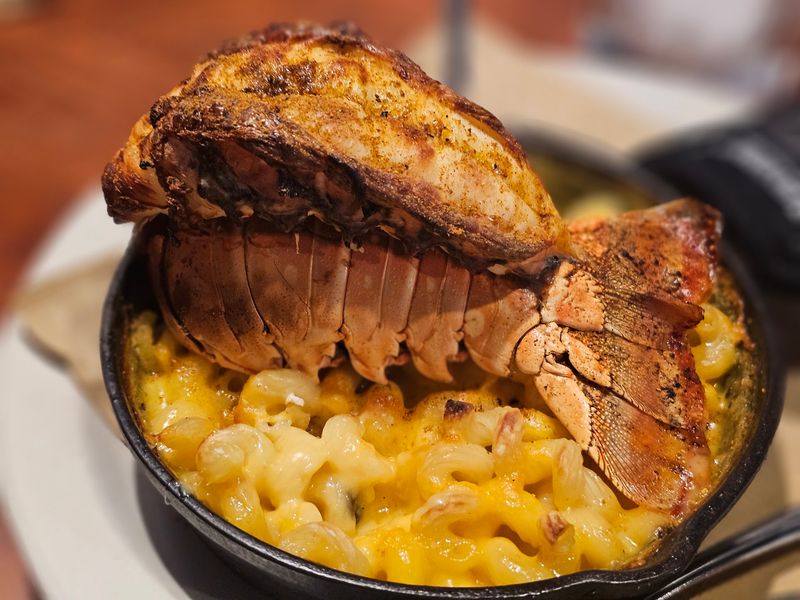
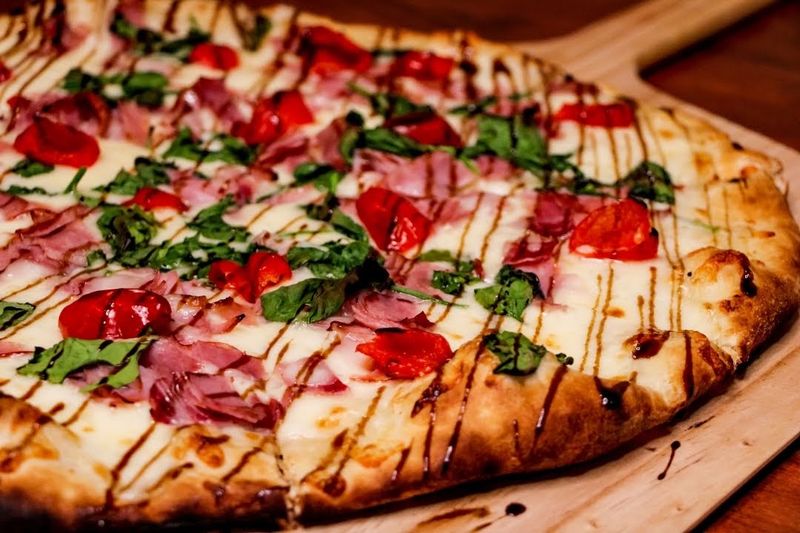
Pepperoni exists, but it is nowhere near the most interesting thing on this pizza list. The signature section leans into ideas borrowed from sandwiches, barbecue and street food.
The Birria Bomb builds on seasoned birria beef, while the BBQ Brisket layers slow-smoked brisket over a barbecue sauce base.
A French Dip pizza echoes the classic sandwich, and an Asian Chicken option rounds out the more adventurous end of the menu.
Sizing gives tables some flexibility, since both small and large pies are offered.
Calzones show up for anyone who wants the same flavors folded into something handheld, and a gluten-free crust option appears on the menu as well.
Brisket-heavy and birria-style pizzas tend to eat richer than a standard cheese pie, so a lighter appetizer or a salad balances the meal nicely.
Splitting two smaller pizzas across a group also beats committing to one large choice when opinions differ.
Menu lineups rotate at restaurants that cook this way, so a favorite from last year might not be listed today. Asking what the kitchen is proudest of that week usually leads somewhere good.
Slices from a large pie travel well, which makes leftovers a genuine perk for anyone staying overnight nearby with a small refrigerator in the room.
Burgers Built On Nebraska-Raised Beef
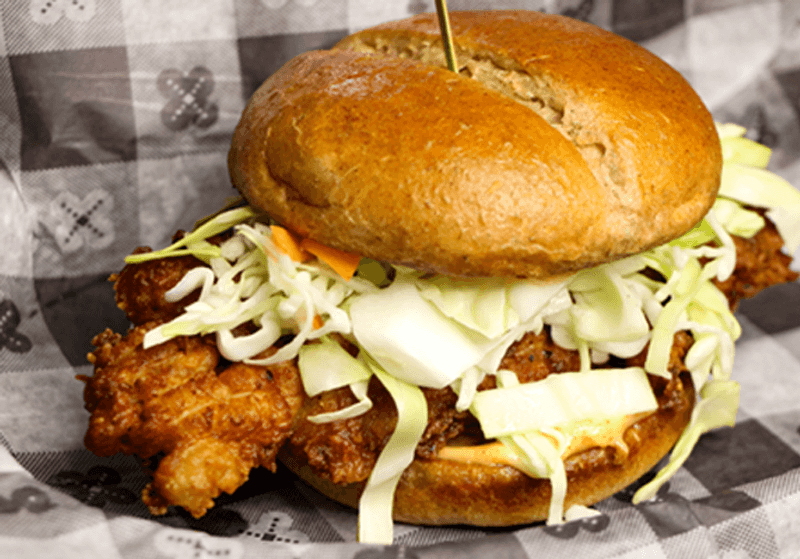
Beef sourcing carries real weight in cattle country, and the signature burgers here are made with Nebraska-raised beef. That detail matters in a state where plenty of guests grew up around the industry.
The Classic keeps things straightforward with a six-ounce all-Nebraska patty and cheddar. From there the list gets busier, starting with Big Al’s and its chipotle ranch, al pastor pork, pepper jack and fried onion.
The Boiler stacks jalapeno cream cheese, thick-cut bacon, pepper jack and jalapeno relish for anyone chasing heat.
The Southwestern pairs bacon and cheddar with guacamole and chipotle ranch, while the Boursin Burger goes softer with sauteed onion, mushrooms, balsamic glaze and Boursin cheese.
Toppings this generous mean a knife and fork are not a defeat, especially with the loaded versions. Ordering a lighter side helps too, since the burgers themselves are filling on their own.
Sides are listed separately rather than bundled in, so building a plate takes one extra decision at the table. Factoring that into the budget prevents any surprise when the check arrives.
Burgers also tend to move quickly through the kitchen, which makes them a practical choice for travelers on a schedule. A quick lunch stop can still feel like a proper sit-down meal.
The Building Started Out As An Ice House
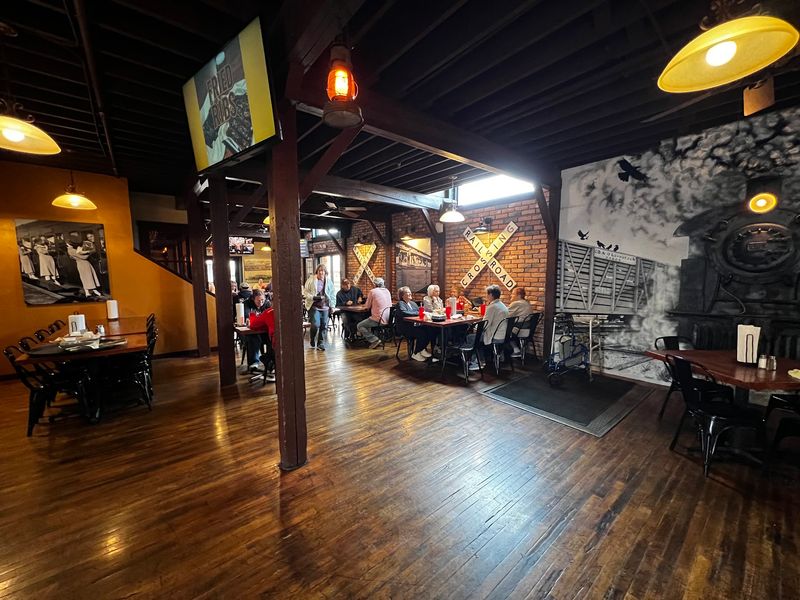
Old buildings tend to keep their bones, and the structure holding this restaurant used to store and distribute ice for the community before modern refrigeration spread.
That history shows up in the shape of the space rather than in a plaque on the wall.
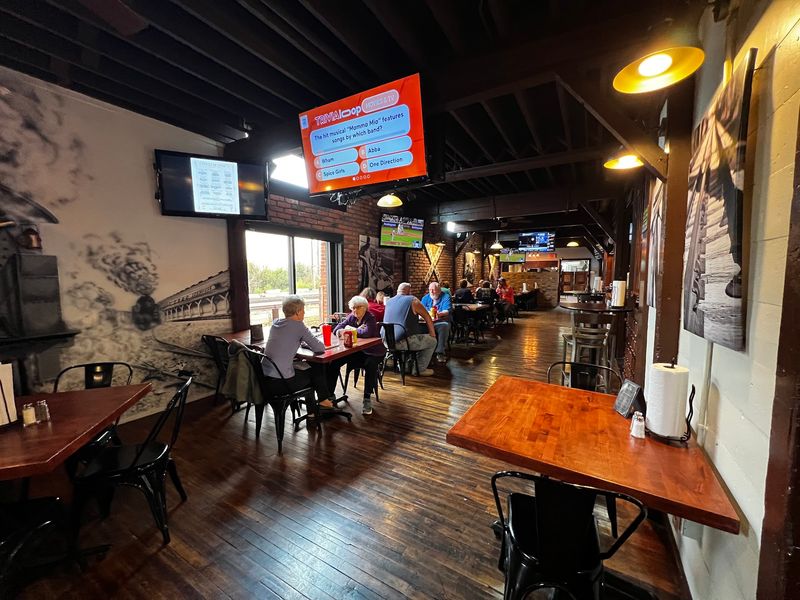
Thick walls and an industrial footprint give the dining room a solid, grounded feel. Hard surfaces do carry sound, so a full house on a weekend evening runs livelier than a quiet weekday lunch.
Lighting leans warm and moderate, which makes the room comfortable without feeling dim. Seating is arranged for both small groups and larger tables, so families and pairs both fit without much rearranging.
Guests who prefer a calmer meal usually do better arriving early in the dinner window or during the middle of the afternoon. Conversation carries more easily then, and orders reach the table at a steadier rhythm.
Repurposed buildings often come with quirks like uneven floors or narrow paths between tables, so anyone with mobility needs may want to call ahead about seating.
Knowing the ice house story does add something to the meal. Sitting where blocks of ice once stacked to the ceiling gives an ordinary weeknight dinner a small layer of local history.
Salads That Actually Hold Their Own
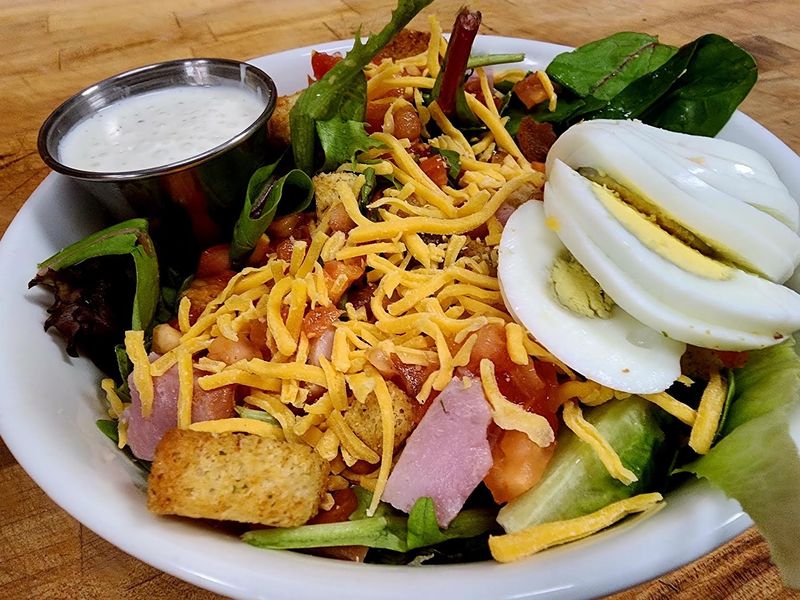
Ordering a salad at a wing and pizza restaurant sometimes feels like a compromise, and that is not the case here. Toppings do most of the heavy lifting.
A steak salad arrives built around a six-ounce ribeye, which puts it closer to an entree than a side plate. A honey-glazed salmon version pairs the fish with a lemon poppyseed dressing for something brighter.
A blackened shrimp caesar covers the middle ground, adding spice without turning into a heavy meal. Anyone splitting a large pizza with the table can add a salad and end up with a balanced plate.
Lighter options like these also help mixed groups. One person chasing the smoked wings and another wanting greens can eat together without either feeling stuck.
Dressings and toppings can usually be adjusted, so asking for dressing on the side is a simple request. Portion sizes on protein-topped salads run generous, which makes them reasonable value for a full lunch.
Seasonal ingredients shift, especially with seafood, so a specific salad might not be listed every month. Checking the current menu before arriving prevents disappointment.
Having real lighter choices is what moves this place from a wing joint toward a full-service local restaurant that works for more than one kind of appetite.
Gluten-Free Crust Widens The Door
Dietary limits can make small-city dining stressful, especially when pizza is the main draw.
A gluten-free crust option appears on the menu, which gives families with restrictions a real choice rather than a workaround.
Guests who need careful handling have reported that the kitchen uses separate pans and utensils for gluten-free pizza orders.
Practices at any restaurant can change over time, so confirming current procedures during the order is the responsible step.
Staff here have a reputation for walking guests through menu items when questions come up. Asking about specific ingredients tends to be more productive than assuming a dish is safe based on its name.
Calzones, wings and salads open up other paths for anyone avoiding certain ingredients, though sauces and rubs vary widely. Requesting details on a particular sauce is worth the extra minute.
Takeout works well for this kind of ordering, since a quieter phone call gives more time to talk through preparation. Peak dinner hours are the hardest window for detailed questions.
Restaurants that plan for dietary needs rather than treat them as an inconvenience earn loyal customers fast.
For travelers managing celiac disease or gluten sensitivity while crossing southwest Nebraska, having a verified option in town removes a genuine planning headache from the trip.
Hours, Address And Getting There Without Stress
Planning around the schedule saves a wasted drive, especially for anyone coming in from out of town.
The Station Taphouse & Eatery sits at 404 W A St, McCook, NE 69001, on the west side of town near the rail line.
Doors open Tuesday through Sunday from 11 a.m. to 9 p.m., with Monday closed. That single closed day catches travelers off guard more than anything else on the calendar.
Arriving right at opening usually means a quiet room and quick service, which suits anyone on a tight travel schedule. The dinner window between roughly 6 and 8 p.m. runs busiest, particularly Friday and Saturday.
Street parking is generally available nearby, and the surrounding area is far less congested than downtown dining in a larger city. Walking in from the car takes a minute or two.
Calling ahead helps for larger groups, since a small dining room fills quickly during peak hours.
Hours at independent restaurants shift with seasons and staffing, so a quick check of the website or a phone call before a long drive is simply good practice. Confirming beats hoping.