This Connecticut Store Is Packed With Mind-Blowing Architectural Antiques
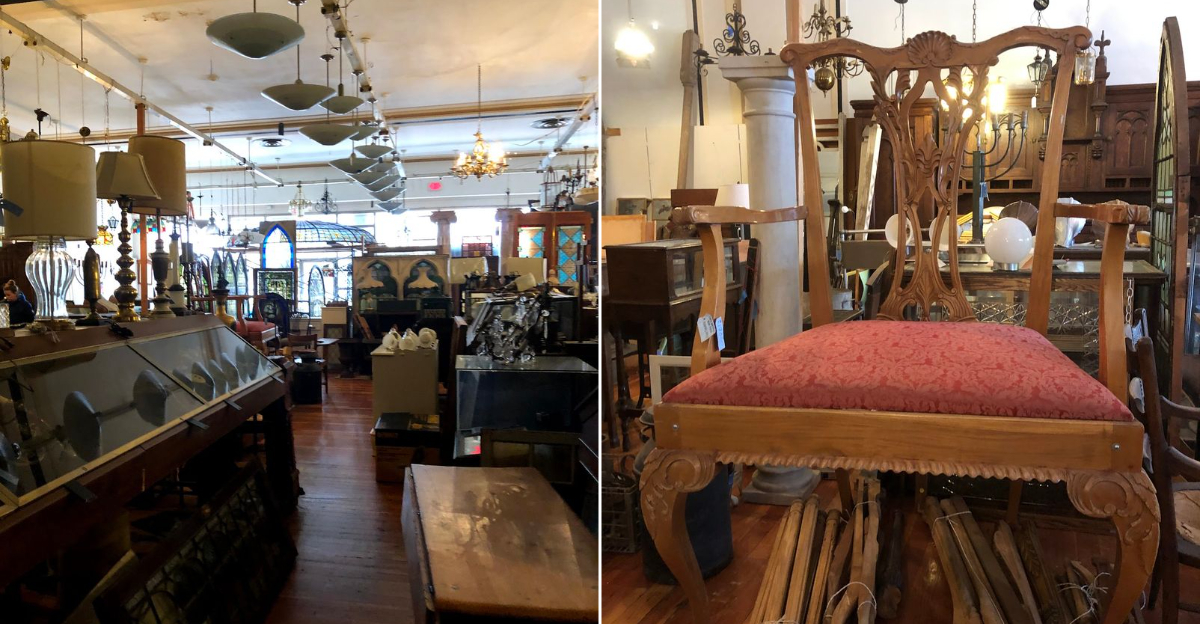
Old buildings have a habit of leaving behind pieces that feel far too beautiful to disappear.
That is where this enormous collection gets fascinating. Architectural details rescued from past eras fill the space, giving browsers the feeling that every few steps reveal another piece of someone else’s history.
At this Connecticut store, antique doors and carved details can make an ordinary shopping trip feel closer to exploring a giant design archive.
You do not have to be restoring a historic house to enjoy poking around.
The scale alone keeps curiosity moving. A single object can stop you long enough to start imagining where it once belonged and what kind of room surrounded it.
That is what makes browsing here so addictive.
These pieces were built for real places before becoming treasures in their own right. Now they wait for someone new to notice them.
It is part shopping trip, part history hunt, and completely unlike wandering through a modern home store.
1. Old Buildings Live On Inside This Huge Collection
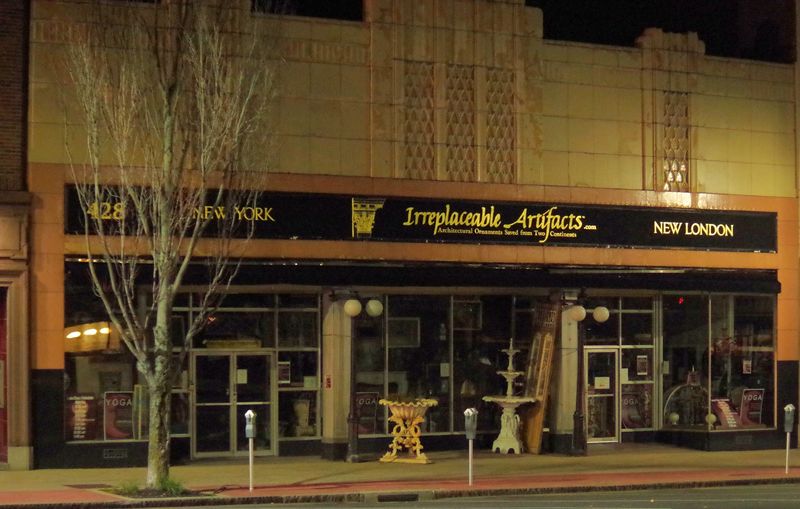
Old buildings leave plenty behind. The best pieces can get another life.
That idea drives this architectural salvage operation, where carefully reclaimed details are saved before structures disappear. Instead of ending up forgotten, distinctive pieces can return to homes, businesses, and restoration projects in completely new settings.
The collection ranges from antique doors and old windows to decorative railings, vintage plumbing fixtures, mantels, and architectural stone. Terracotta ornament and religious pieces also appear among the inventory.
Some items are small enough to carry away, while others once formed major parts of elaborate interiors or building facades.
That difference in scale makes browsing especially interesting. One corner might reveal a beautifully aged fixture, while another holds an enormous architectural element waiting for the right project.
Original materials also bring something reproductions struggle to copy. Weathered wood shows its age naturally, while old metal carries decades of character in every mark.
Many reclaimed pieces eventually become part of new residential or commercial projects. Others return to period properties during careful renovations.
Preservation works differently here. History is not simply displayed and admired.
It gets another chance to become useful, visible, and part of everyday life.
2. North Main Street Leads To A Massive Former Mill

Old buildings need big hiding places. This one has warehouse-sized room for them.
Norwich’s industrial past makes the setting feel fitting. Long brick buildings and former manufacturing spaces still shape parts of the city, giving this architectural salvage operation a backdrop that matches its oversized inventory.
The collection connected to Irreplaceable Artifacts spans more than 500,000 square feet across its facilities in the state. That scale matters when the merchandise includes towering doors, heavy stonework, large mantels, and other pieces never designed for neat retail shelves.
High ceilings and broad floors make more sense here than polished displays. Visitors can focus on the materials themselves, from aged wood to architectural fragments that once belonged to buildings with entirely different lives.
The industrial setting also makes a visit feel different from browsing a conventional antique shop. Comfortable shoes are a smart choice when exploring spaces filled with substantial reclaimed pieces.
The Norwich property is at 387 N Main St, Norwich, CT 06360, where the warehouse surroundings suit the collection naturally. Visits are best planned in advance, since access is by appointment rather than typical storefront hours.
For people fascinated by old buildings, the setting becomes part of the experience.
3. Decades Of Salvage Built This Unusual Store
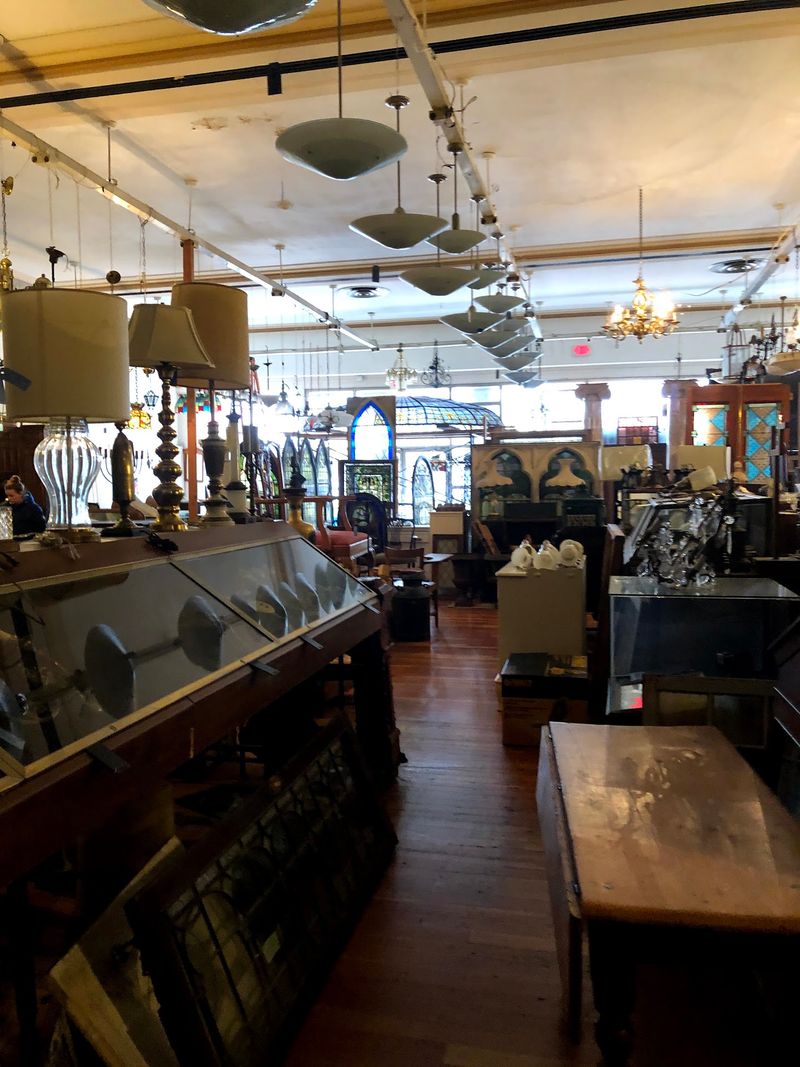
Thirty-five years is a long time to spend chasing endangered architecture. That is roughly how long this business has worked in architectural salvage, and the depth of the inventory shows exactly what patience accumulates.
The guiding idea is simple and stubborn: keep historical architectural pieces out of landfills. Demolition generates enormous waste, and much of what gets crushed was made by hand from materials nobody buys cheaply anymore.
Work often starts before a building comes down. The company acquires salvage rights to structures slated for deconstruction, which means getting in early enough to remove elements intact instead of scooping up fragments afterward.
From there, the services go well past buying and selling. The company provides professional dismantling and can connect clients with skilled tradespeople experienced in restoring, modifying, and installing architectural pieces.
That retrofitting detail is worth understanding if you are planning a renovation. Old openings were rarely standard sizes, and having someone who can adapt a piece properly saves enormous frustration later.
For anyone who has watched a beautiful old building disappear behind construction fencing, the work here offers a small comfort. Not everything is lost.
Some of it simply moves to Norwich and waits.
4. Antique Doors Fill Row After Row
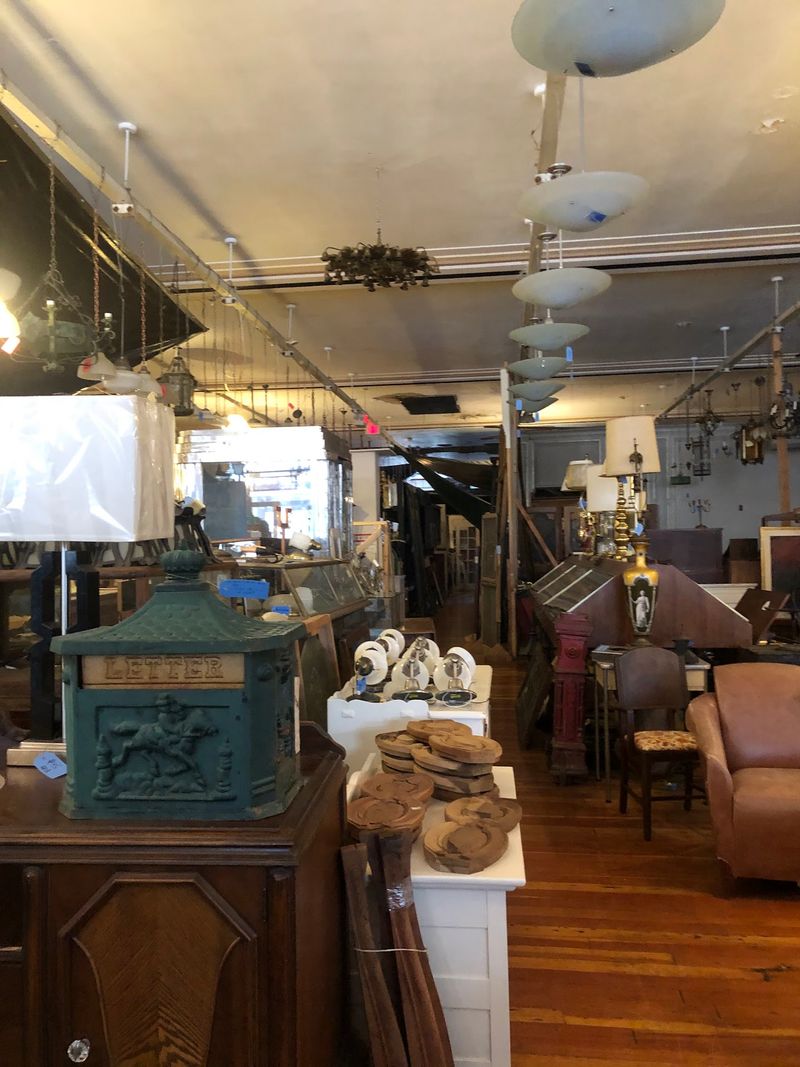
Doors dominate. They lean in ranks, edge to edge, some plain and heavy, others glazed and delicate, and flipping through them feels a bit like paging through an enormous catalog of past front entrances.
The range covers exterior doors built to face weather, French doors with slim glass panes, interior doors in every proportion, plus specialized fire doors and folding doors that solve unusual openings.
Look past the door aisles and the collection keeps unfolding. Windows, decorative shutters, railings, ornate gates, iron grills, and classic mantels all have their own territory.
Vintage plumbing fixtures turn up too, which surprises people. Old sinks, tubs, and hardware carry a weight and finish that appeals to anyone restoring a period bathroom.
Then there is the stone and terracotta, along with religious objects rescued from buildings that changed hands or closed. Carved details of that kind are almost impossible to commission affordably today.
A practical tip for door shopping: measure your opening before you come, including the frame, and bring the numbers written down. Vintage doors come in sizes that modern tape measures find charmingly inconsistent.
Photographs help as well. Showing what you are matching makes the conversation faster and far more productive.
5. Much Of The Collection Never Appears Online
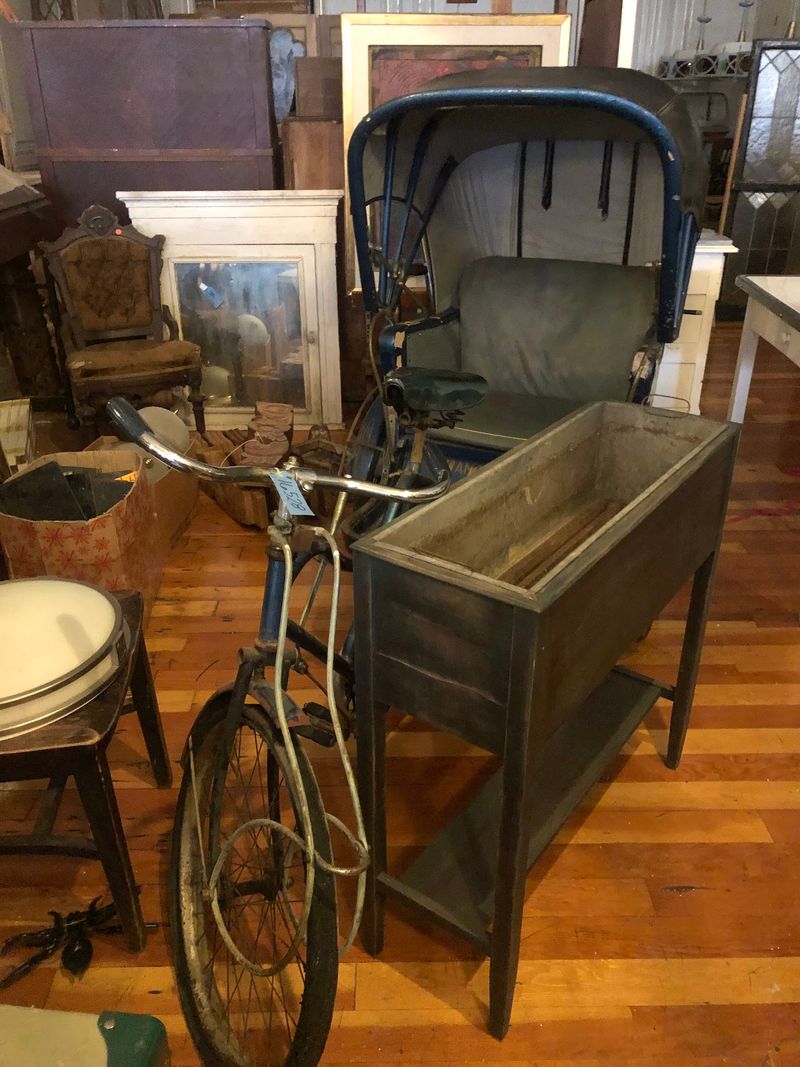
Half a million square feet is more than anyone can photograph. Even with an online presence, a large share of the inventory stored in the Connecticut facilities has never been cataloged digitally.
That gap between what you can browse from a screen and what actually exists on the floor is the whole point. Scrolling gives you a taste.
Walking the aisles gives you the meal.
Because of that, the smartest approach is to describe your project directly rather than assuming an item is unavailable. Something suitable may well be sitting in a back row, unphotographed and unlisted.
Come prepared with specifics. Dimensions, room style, era, material preferences, and photos of the space all help narrow an enormous field down to a workable handful.
Flexibility pays off too. Salvage rewards people who arrive with a clear need but an open mind about how it gets met, since exact matches are rare and near-perfect substitutes are common.
There is a certain charm in shopping somewhere that cannot be fully digitized. No algorithm suggests what you might like.
You simply look, and looking is most of the fun.
Call ahead with questions before making the trip.
6. New Salvaged Pieces Arrive Throughout The Year
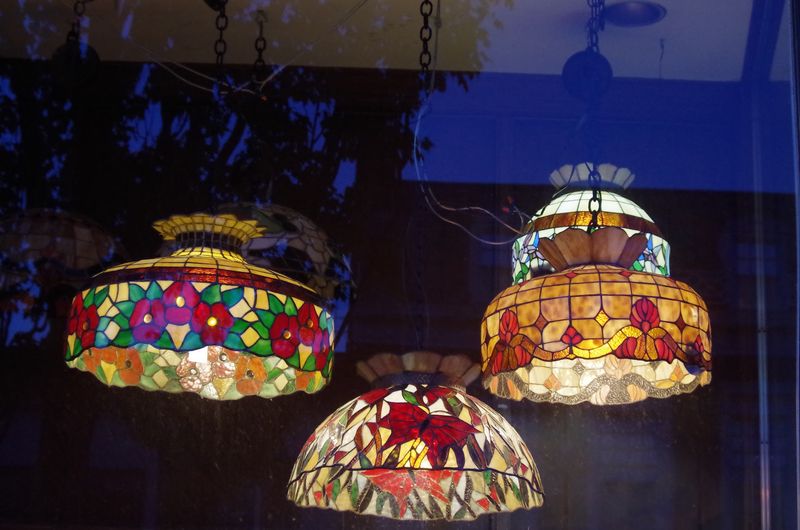
Nothing about this inventory sits still. Deconstruction projects and building content liquidations feed a steady stream of arrivals, so the floor plan of what is available shifts as the months pass.
Each incoming project brings its own flavor. A church might supply carved details and fixtures, while a commercial building yields doors, railings, and hardware in matched sets.
Matched sets deserve a mention, actually. Salvage from a single structure sometimes arrives together, which is gold for anyone furnishing multiple rooms in a consistent style.
For repeat visitors, the turnover is the real draw. A trip six months after your last one can feel like an entirely different store, with corners you thought you knew holding something new.
Timing is largely unpredictable, since arrivals depend on which buildings come down and when. That unpredictability is worth accepting rather than fighting.
If you are working toward a deadline, start looking early. Salvage shopping rewards a long runway, giving you time to check back as fresh material comes through the doors.
Curiosity beats a rigid checklist here. Some of the best finds are things buyers never thought to search for until they saw them leaning against a wall.
7. Historic Finds Have Traveled Around The World
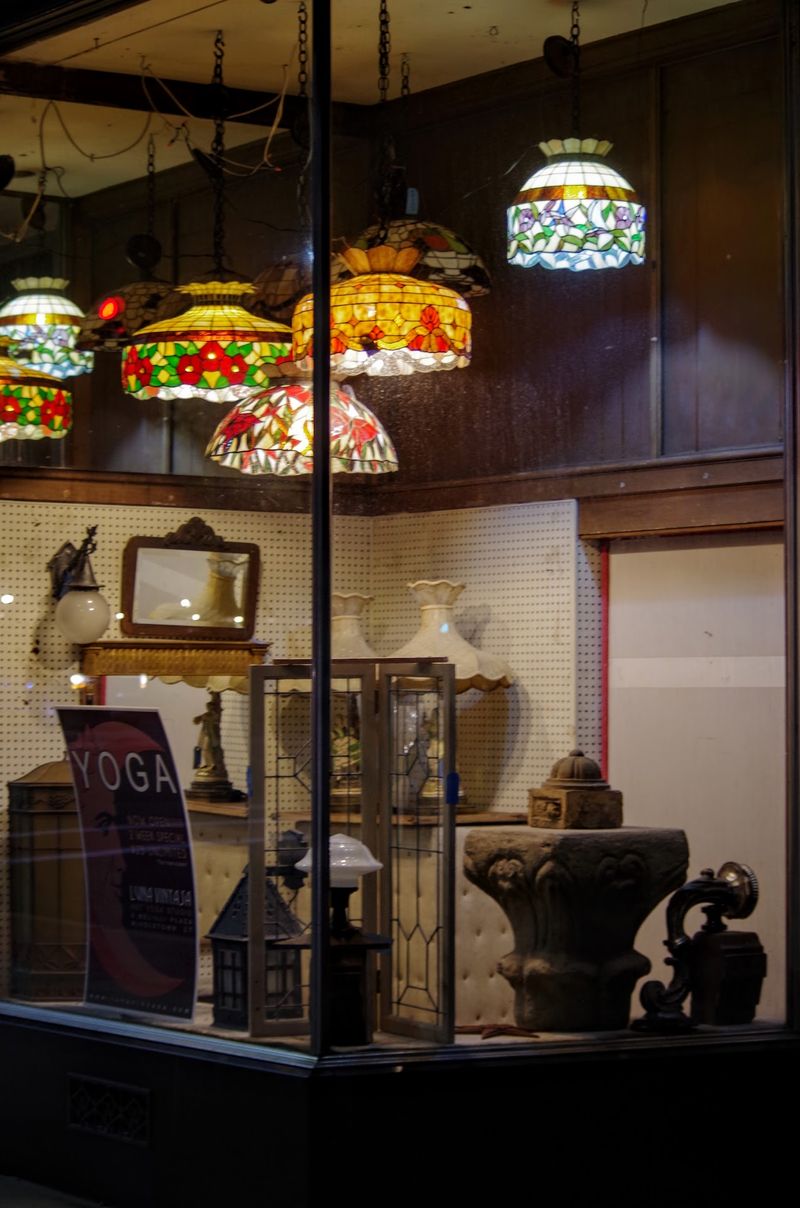
Pieces that pass through here rarely stay local. Items from this collection have found homes in museums around the world, along with thousands of private residences and commercial spaces.
The reach goes beyond buildings. Salvaged elements have appeared at notable events, turned up in music videos, and served as props in art productions where authenticity was the point.
Theater and film people understand the appeal instantly. A genuine antique door photographs differently than a built set piece, and no amount of paint effect quite closes the gap.
Provenance adds another layer. The affiliated New York operations have handled items tied to former residences of notable figures, the kind of detail that turns an object into a conversation.
For ordinary shoppers, all of this signals something reassuring. The material here has been judged worth saving by museums and professional designers, which is a decent quality filter.
It also explains the pricing on standout pieces. Rare carved stone or one-of-a-kind ironwork is valued for what it is, not by the square foot.
Plenty of practical items exist alongside the showstoppers, though. Sturdy interior doors, plain shutters, and workaday fixtures serve real renovations without drama.
8. Every Visit Feels Like A Serious Treasure Hunt
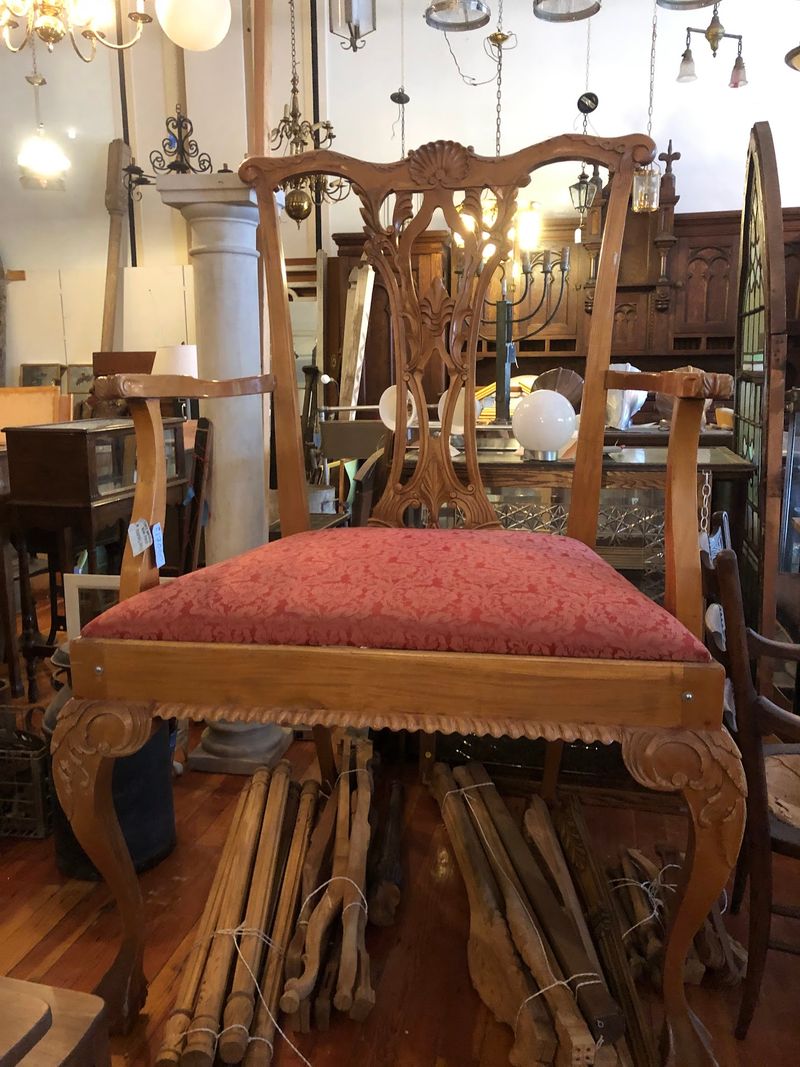
Plan on an hour or two, then expect to lose track of time anyway. Most visitors move through the showroom at a browsing pace that stretches longer than intended, which is exactly how salvage hunting works.
One planning detail matters more than any other. The Norwich location is open by appointment only, so arranging a visit before driving over is essential rather than optional.
Confirm your visit ahead of time and the experience improves dramatically. Arriving with an appointment means someone can point you toward the material that fits your project instead of leaving you to guess.
Visitors often describe the atmosphere as museum-like, and that comparison fits. Rows of rescued architecture, unusual scale, and the quiet of a big industrial space combine into something more absorbing than typical shopping.
Practical preparation helps. Bring measurements, a camera, a flashlight if you like peering into shadowed corners, and a rough sense of your budget before you fall in love with a mantel.
Photographers and set designers find plenty to enjoy even without buying. So do people who simply like old buildings.
Go in curious. The best discoveries here belong to whoever bothers to look closely.