One Of Connecticut’s Most Unique Free Parks Feels Like A Giant Treehouse
Parks are a lot more exciting when the trail starts feeling like it was designed by someone who never quite outgrew climbing things.
Wooden features and elevated sections give the outing a playful edge, while the surrounding woods keep the whole adventure feeling wild enough to satisfy curious explorers.
At this free Connecticut park, the experience can feel like roaming through a giant natural playground built for people who would rather scramble than stroll. How often does a simple afternoon walk make you feel like you accidentally discovered an oversized treehouse?
That sense of surprise is what makes the place so memorable. You can follow the trails, test your balance, and keep wondering what waits around the next bend without needing a ticket or complicated plan.
The park manages to feel adventurous without turning the day into a serious expedition. It is the sort of place that brings out your inner kid very quickly.
And once that happens, ordinary walking starts to seem terribly boring.
1. Woodland Adventure Spreads Across 649 Acres
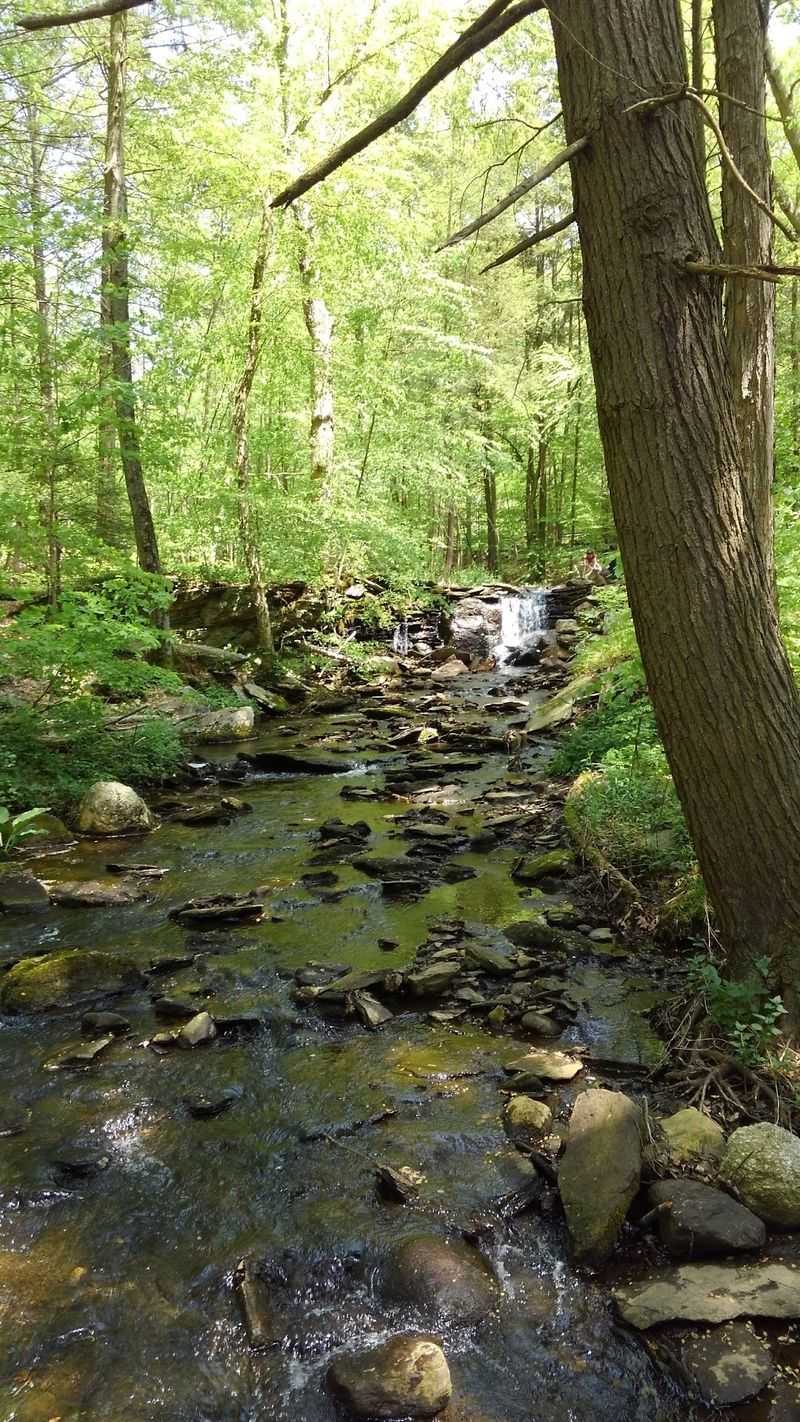
Six hundred forty-nine acres gives a town park plenty of room to surprise you, and this one rarely feels repetitive. Rockland Preserve spreads across a rugged section of North Madison, where wooded hills rise around exposed rock and steep ledges.
Even a short outing can feel much farther removed from town than expected.
The forest itself adds to that sense of space. Long-established roads and an extensive trail network cross the property, giving hikers plenty of options while the rocky Connecticut landscape keeps changing underfoot.
Large glacial boulders appear among the trees, and quieter stretches can feel remarkably expansive.
Coan Pond provides one of the preserve’s most memorable landmarks. Part pond and part fen, it brings a softer edge to the surrounding woods and gives visitors a scenic place to slow down for a while.
Rockland Preserve is the kind of park that deserves more time than a quick loop. Routes can be combined into longer outings, and the terrain ranges from approachable paths to much more demanding singletrack.
Comfortable shoes with dependable grip are worth wearing here. Bring water too, then leave enough time to explore without turning the visit into a race.
2. North Madison Keeps It Close To The Durham Line
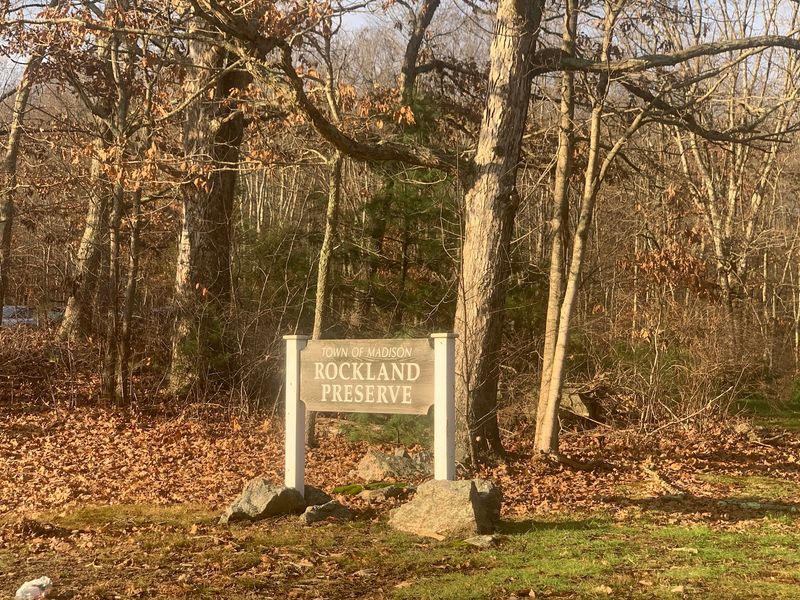
Picking the right entrance makes a bigger difference here than you might expect. The preserve covers a broad section of North Madison, close to the Durham line and west of Route 79.
Its inland setting also gives the landscape a quieter feel than the busier shoreline side of town.
Rockland Preserve has several access points, but the best starting spot depends on what you plan to do. Hikers and newer mountain bikers will usually have an easier time beginning from the Renee’s Way side, where beginner-friendly routes are readily accessible.
Families visiting mainly for the natural playground should instead head toward the Route 79 parking area across from Samantha Lane. Accessible paths connect with the playground from this side, while cyclists can also reach more demanding sections of the trail system nearby.
With such a large property, starting from the wrong side may add an unnecessary drive before the exploring even begins.
The main physical address is 99 Renee Way, Madison, CT 06443. Checking the preserve map before setting out is also worthwhile, especially if you already know which trail or feature you want to reach.
Choosing your entrance ahead of time leaves more of the visit for enjoying the woods rather than figuring out where to begin.
3. The Natural Playground Blends Straight Into The Woods
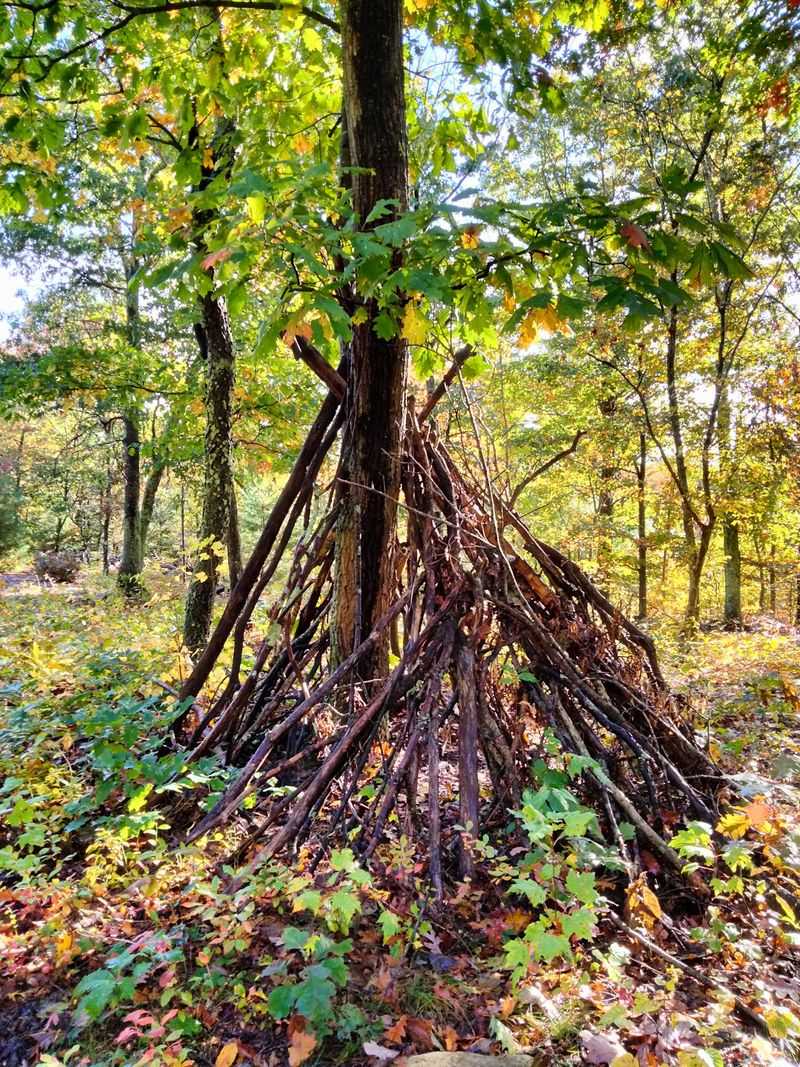
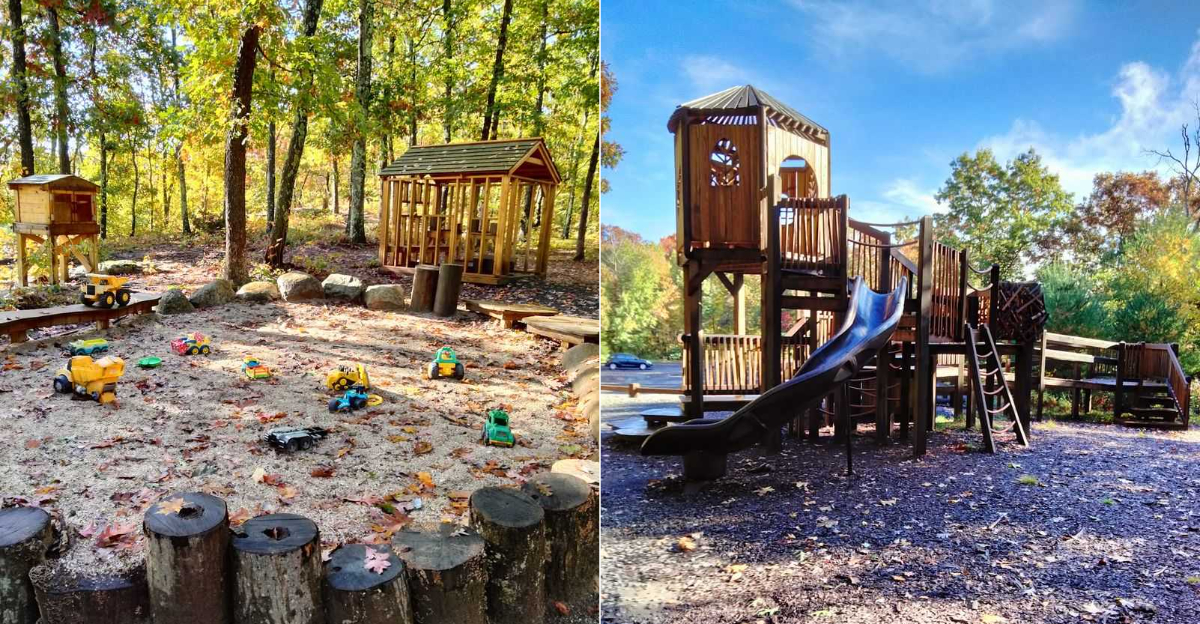
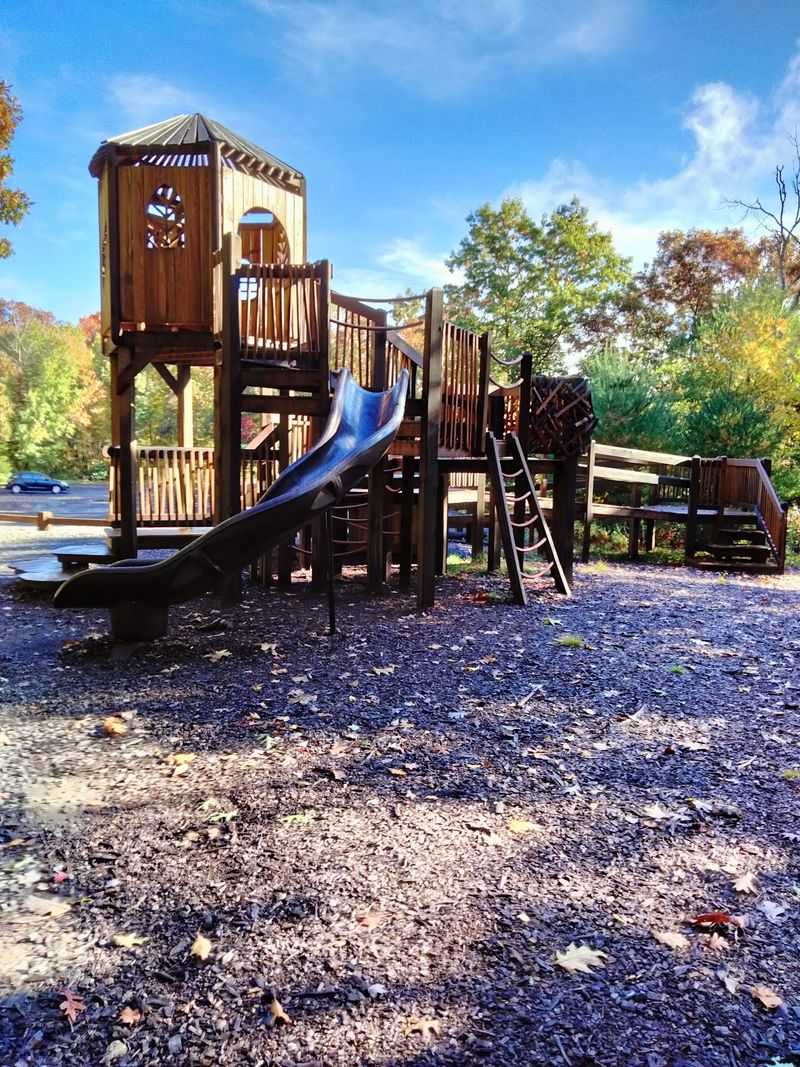
Most playgrounds announce themselves with bright plastic and metal poles. The Accessible Natural Playground at Rockland does the opposite, using wood and natural materials so the whole thing seems to belong among the surrounding trees.
Opened in 2020, the play area was designed to blend into the woodland rather than sit on top of it. Real trees stand nearby, shade shifts across the structures as the day moves along, and the boundary between play space and forest is deliberately soft.
That design choice changes how children behave in it. Instead of a quick lap around fixed equipment, kids tend to invent longer games, weaving between the built features and the natural setting without noticing where one ends and the other begins.
Parents appreciate the shade on warm afternoons, since the tree canopy keeps things noticeably cooler than an open field playground. Bringing a blanket or claiming a bench nearby makes an easy base while the kids explore.
Visitors frequently describe the atmosphere as relaxed and unhurried, which fits the surroundings. The sound here is mostly birds, footsteps on wood chips, and laughter, rather than traffic.
4. Layered Treehouse Slides Turn Playtime Into An Adventure
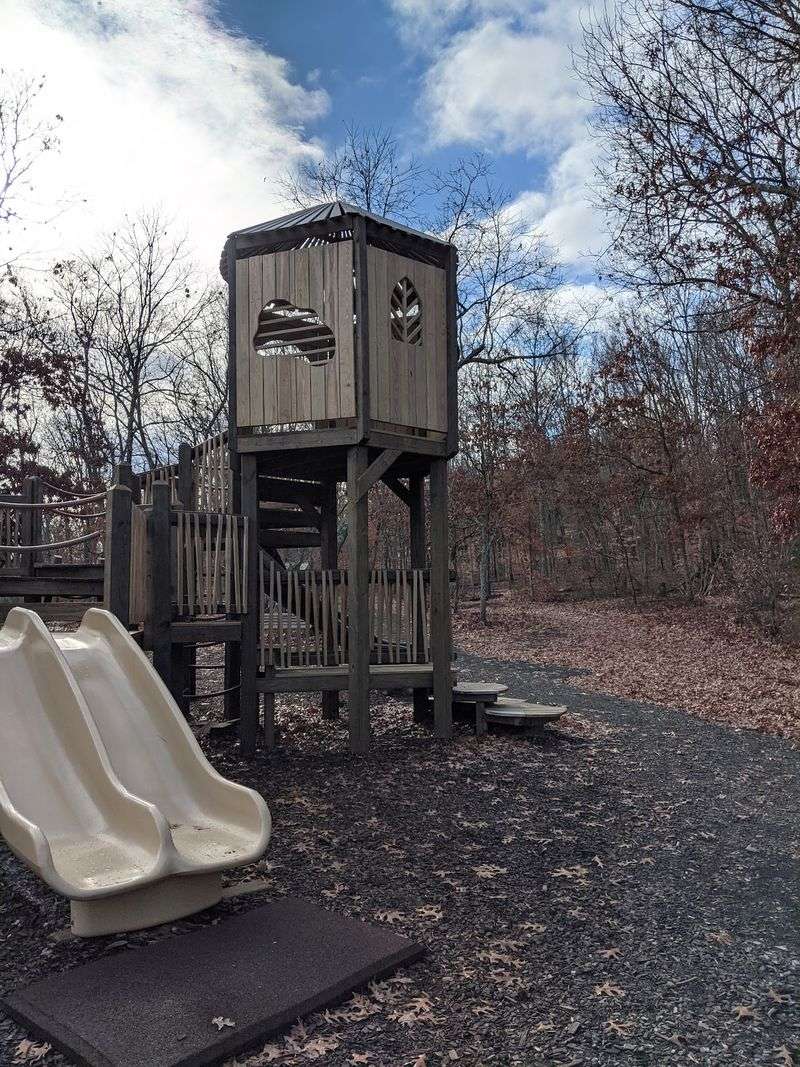
The centerpiece is the reason this park earns treehouse comparisons. Slides emerge from several different levels of the structure, so reaching the top is not the end of the game but the start of choosing how to come back down.
Climbing features lead all the way up to the peak, which gives the whole thing a proper sense of progression. Younger kids may prefer the lower exits, while more confident climbers can head for the higher platforms and longer slides.
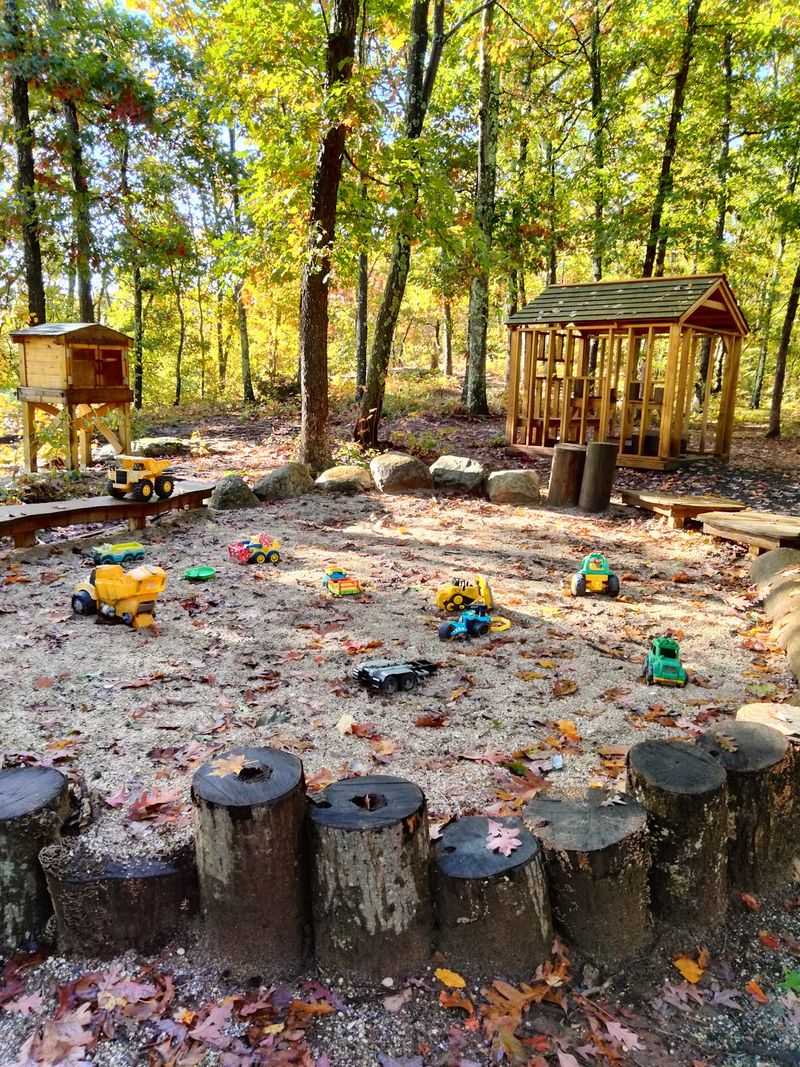
A creative play zone rounds out the area, adding a different kind of activity for children who would rather build, arrange, or invent than climb. Having both options nearby helps when siblings want completely different things.
Fun detail worth knowing: the vertical layering means a group of children can be using the structure at once without crowding a single ladder or slide entrance. Traffic spreads out naturally.
Dress accordingly, because kids will absolutely end up covered in wood chips and dust by the time they leave.
5. Accessible Paths Open The Main Play Area To More Families
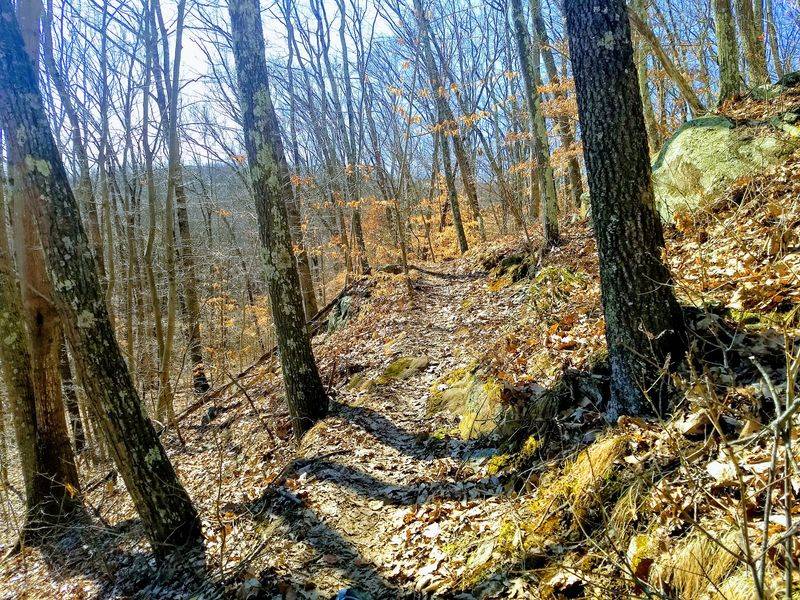
Calling something an Accessible Natural Playground sets an expectation, and this one was built with that promise in mind from the start. Accessible paths connect visitors to both the main play structure and the creative play zone, rather than stopping short at a curb or grassy edge.
For families using wheelchairs, walkers, or strollers, that continuous route makes a real difference. Getting close to the action instead of watching from a distance changes what a park visit actually feels like.
Grandparents benefit too, along with anyone recovering from an injury or simply tired of uneven footing. Firm, level surfaces mean the trip from car to play area does not become the hardest part of the day.
Proximity helps as well. The playground sits close to the Route 79 parking lot, so the walk in is short, which matters when you are carrying gear, snacks, or a small child who has already decided walking is optional.
Design like this quietly widens who gets to enjoy the woods. A forest playground that only some children can reach would be a missed opportunity, and the layout here reflects a deliberate effort to avoid exactly that outcome.
6. Singletrack Loops Give Older Explorers More Ground To Cover
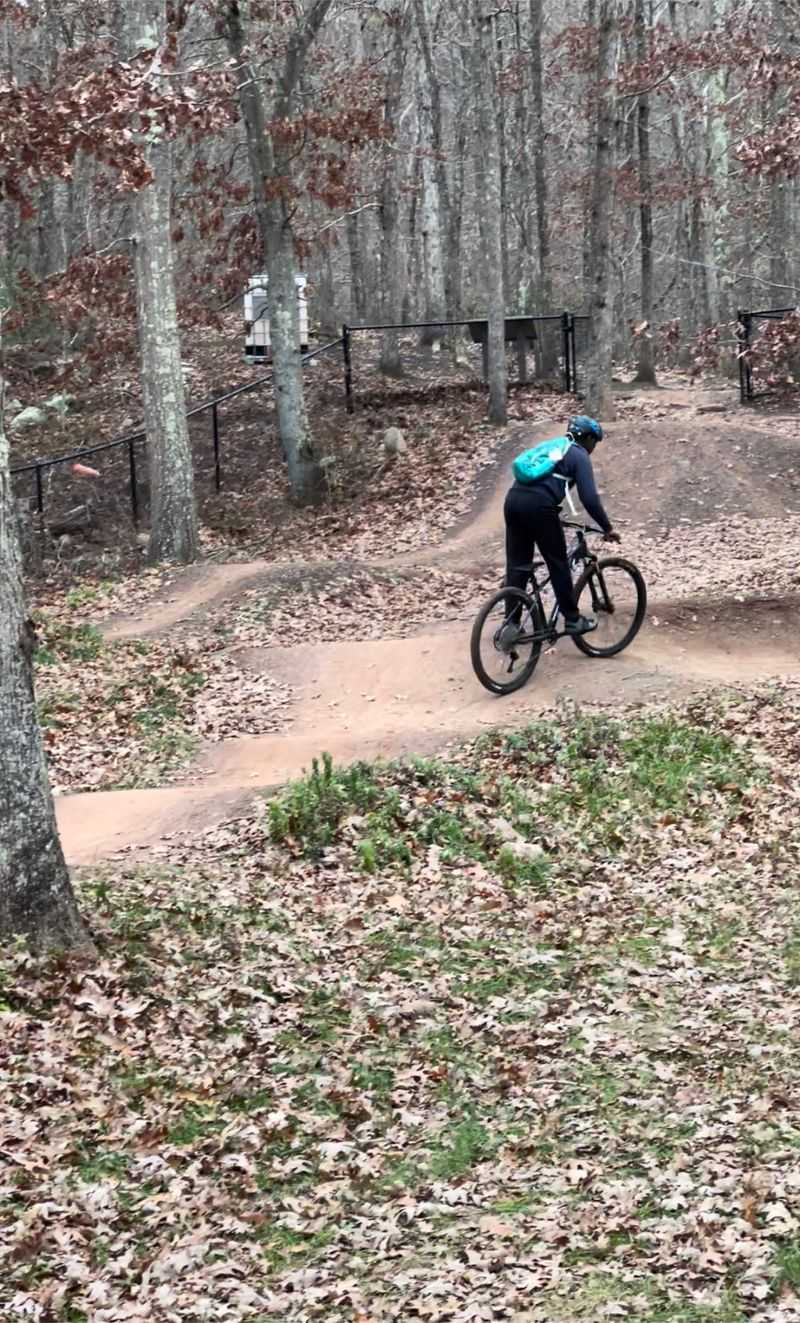
Trail choices multiply fast here. What begins as a quick ride can easily turn into a much bigger outing once another loop starts looking tempting.
Rockland Preserve has about 20 miles of cross-country trails, much of it created and maintained by volunteers who have contributed thousands of hours since 2012.
The stacked-loop design makes the system especially flexible. Newer riders can start with Erratica, where obstacles can be bypassed while optional features raise the difficulty for those who want more of a challenge.
The trail itself runs at least three miles.
From the Route 79 side, the East Loop covers about three miles and begins with a gradual climb before opening into a longer downhill section. Riders wanting more distance can connect with the 5.5-mile Summit Loop.
Mag-5 changes the mood considerably. Its two-plus miles bring some of the preserve’s toughest terrain, with rocky ridges and demanding climbs along the route.
The Rockland Challenge goes much farther, linking roughly 15 miles of singletrack.
These volunteer-built paths are also used for trail running and other non-motorized recreation. With so many junctions and connecting loops, checking the official map or loading the trail map before heading out makes a first visit considerably easier.
7. Old Roads Reveal How People Once Crossed These Woods
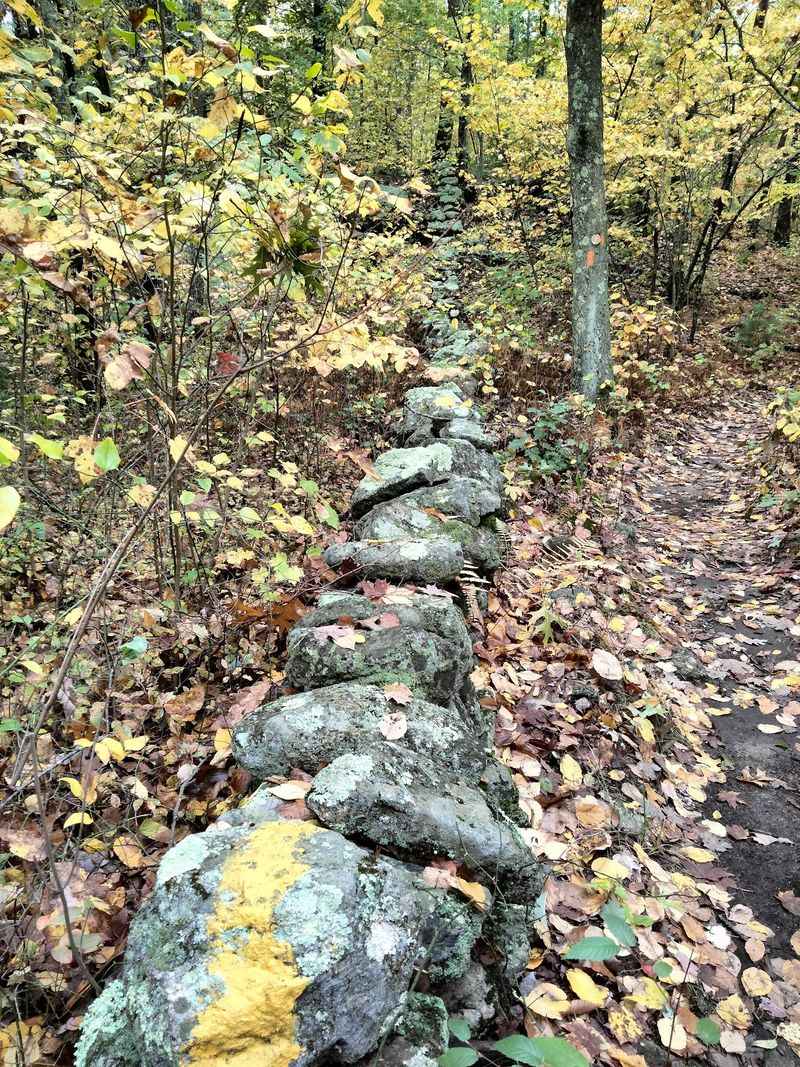
Long before anyone thought about mountain bikes, people walked and drove wagons through these woods on roads that no longer appear on modern maps. Several of those old routes still cut through the preserve, and they make some of the easiest walking on the property.
Crooked Hill Road, Poole Road, and Dead Hill Road once carried foot traffic and horse-and-wagon travel for earlier residents of the area. Following them today gives you wider, gentler footing than the narrow singletrack, which suits casual walkers and anyone pushing a sturdy stroller.
The forest also holds traces of a working past. Circular charcoal pits, roughly 30 to 40 feet across, show up as flat spots with distinctly blackened soil, evidence of the slow burns that once turned local wood into charcoal.
Nearby stone fireplaces mark where the colliers who tended those burns built their huts. Once you know what to look for, these features start appearing in places you would otherwise walk right past.
Bringing that historical awareness along turns an ordinary hike into something closer to a treasure hunt. Kids in particular tend to get invested once they realize the woods used to be someone’s workplace.
8. Playground Energy Gives Way To Miles Of Quiet Trail
Noise fades fast once you leave the play area. A few minutes down the trail, sounds from the playground often fade as the surrounding woods become more noticeable.
Coan Pond makes a natural destination for that shift. It was a fen until 2002, when beavers built a dam and turned it into open water, and today it serves as the scenic centerpiece of the preserve.
The blue-blazed Mattabesett Trail, part of the larger New England Trail, passes through Rockland, which links this local park to a long-distance route stretching well beyond Madison. Walking even a short section of it feels like joining something bigger.
Marked hiking options include the white-blazed Coan Pond Trail, the red-blazed Houston Trail with its ten interpretive signs and a restored charcoal pit, and the orange-blazed Boundary Trail, where a large glacial erratic boulder waits as a payoff.
Because the understory is thin, sightlines stay long and the woods feel airy rather than closed in.
A practical rhythm many families settle into: let the kids burn energy at the playground first, then head out for a slower walk while everyone is pleasantly worn out and willing to look around.
9. Planning A Visit That Works For Everyone
A little planning turns Rockland from overwhelming into easy. Start by deciding what the day is really about, because the playground crowd and the long-distance trail crowd generally want different parking lots and different amounts of time.
Free entry means there is no pressure to squeeze value out of a ticket, so short visits are perfectly reasonable. Come for forty minutes of climbing and slides, or build a half-day around a loop hike and a stop at the pond.
Weather shapes the experience considerably. Spring and fall bring comfortable temperatures and good footing, summer benefits from the shade of the canopy, and winter opens the door to snowshoeing and Nordic skiing when conditions cooperate.
Pack water, snacks, and bug protection in warmer months, and check yourself for ticks afterward as you would anywhere in wooded New England.
Trail navigation deserves attention. Junctions come often, and even experienced visitors sometimes backtrack, so a downloaded map or trail app beats relying on memory.
Above all, treat the place gently. Volunteers put enormous effort into these trails, and staying on marked routes keeps the preserve in good shape for the next family pulling into the lot.