One Connecticut College Just Took The No. 1 Spot Among Regional Colleges In The North
Fall changes a forest in obvious ways, but sometimes the best part is something you hear rather than see. Leaves rustle underfoot while an unmistakable call can suddenly carry between the trees.
That sound belongs perfectly to a cool autumn walk. You may never spot its owner, yet hearing it somewhere above can make the woods feel instantly more mysterious.
Keep listening as you wander and the usual forest soundtrack starts taking on a completely different personality.
Barred owls help give one Connecticut forest an especially memorable voice when autumn settles over the trees.
Their calls can seem almost conversational, which makes hearing one unexpectedly even more fun. Suddenly, a quiet walk has a soundtrack you definitely did not create yourself.
The leaves may provide the seasonal color, but the owls bring something harder to photograph. Maybe that is exactly why hearing them feels so special.
1. Military Tradition Shapes Life Across This Waterfront Campus
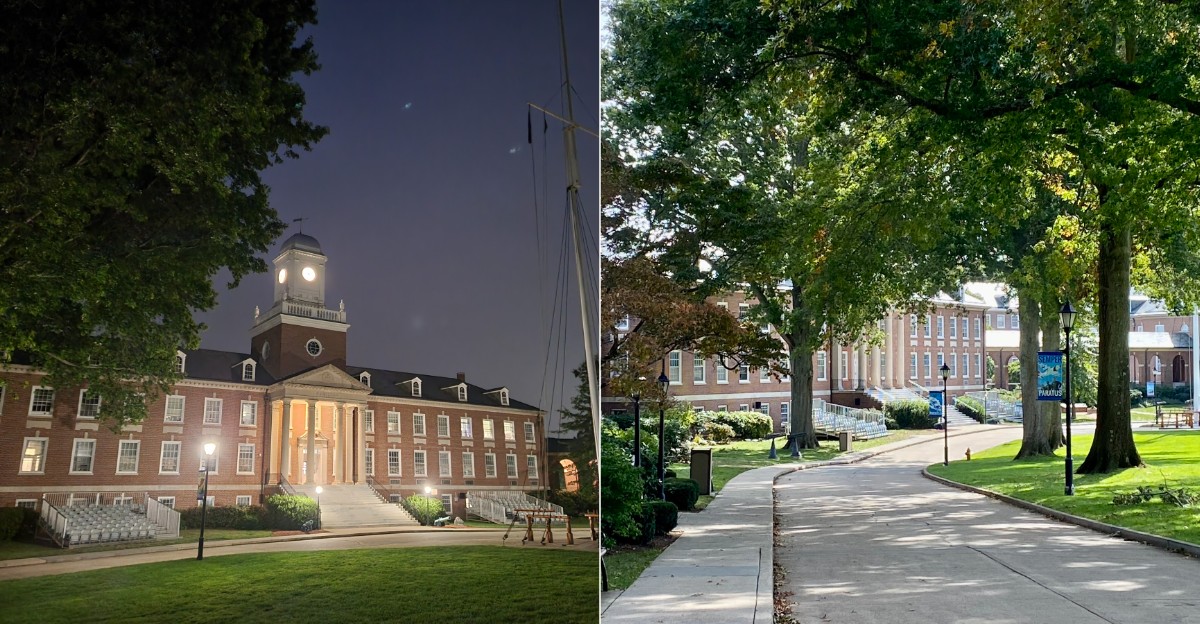
Six o’clock comes quickly here. Reveille sounds, and cadet life is officially moving.
At the United States Coast Guard Academy in Connecticut, an ordinary college morning looks very different from sleeping through an alarm and hurrying to class.
Morning formation begins around 6:20 a.m., bringing companies together for announcements and uniform inspections. Fair weather puts formations outdoors, while rougher conditions move them inside.
Military training also appears throughout the week, helping cadets develop professional and leadership skills alongside their academic work.
Then come the traditions, and some are wonderfully unusual. During the Ring Dance, class rings are dipped into a bowl containing water from the world’s seven oceans.
On 100th Day, fourth-class cadets temporarily become “kings for a day,” turning the usual hierarchy upside down.
Graduation has its own memorable ritual. Newly commissioned Ensigns carry two silver dollars, giving one to the lowest-ranking graduating cadet and another to the first person who salutes them.
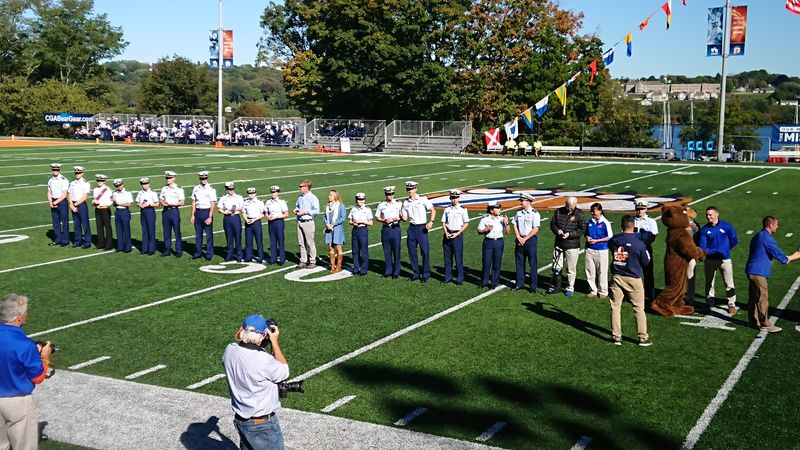
Even the mascot has personality. Objee, a black bear, has represented the Academy since 1926, and the campus statue is often dressed for major games and events.
It is a demanding routine, but traditions keep plenty of character woven into cadet life.
2. Cadets Train For Careers Protecting The Nation’s Waters
Every spring, roughly 200 to 250 graduates leave this campus with the rank of Ensign and a commitment to at least five years of active duty. That is the whole point of the place: producing officers ready to handle maritime safety, security, and stewardship for the country.
The Academy’s mission statement asks for graduates with “sound bodies, stout hearts and alert minds, with a liking for the sea and its lore,” plus a grounding in seamanship, the sciences, and leadership. It is old-fashioned wording for a very practical goal.
Career paths run wider than most people expect. Graduates work in navigation, communications, environmental protection, law enforcement, intelligence, administration, and command roles.
About ninety percent head straight to sea duty as Deck Watch Officers or Engineers in Training, while the rest go to flight school or operational shore units. Responsibility arrives fast here, and some graduates reach their first command within a couple of years of commissioning.
Academically, the Academy awards bachelor of science degrees in ten majors, including Civil and Environmental Engineering, Electrical Engineering, Cyber Systems, Interdisciplinary Engineering, Mechanical Engineering, Naval Architecture and Marine Engineering, Operations Research and Data Analytics, Marine and Environmental Sciences, Management, and Government.
All cadets also complete a broad core curriculum alongside their chosen major, combining academic study with professional and maritime training.
3. Mohegan Avenue Leads To The Thames River Campus
Prepare for some hills. The views make them worthwhile.
With the Thames River forming a dramatic backdrop, the United States Coast Guard Academy combines military precision with a campus that feels surprisingly scenic.
The Academy has called this part of New London home since 1932, when it moved from its previous location at Fort Trumbull. Today, the campus covers more than 100 acres, with academic buildings, athletic facilities, cadet housing, and monuments spread across the property.
Getting there is relatively straightforward. Interstate 95 passes nearby, and New London’s transportation center provides Amtrak rail service and access to the Cross Sound Ferry terminal.
Once on campus, visitors should expect slopes and plenty of walking, so comfortable shoes are a smart choice.
Access requires a little preparation. Because this is an active military installation, visitors must follow federal identification and security requirements at the gate.
Vehicles can also be subject to inspection.
Special occasions can change the usual routine. Major events such as graduation may bring separate traffic, parking, and shuttle arrangements, making advance planning especially useful.
The Academy’s main entrance is at 31 Mohegan Avenue in New London.
Visitors should check current access requirements before arriving, particularly for large events.
Once through the gate, the riverfront setting quickly becomes part of the experience.
4. The Eagle Serves As Its Famous Floating Classroom
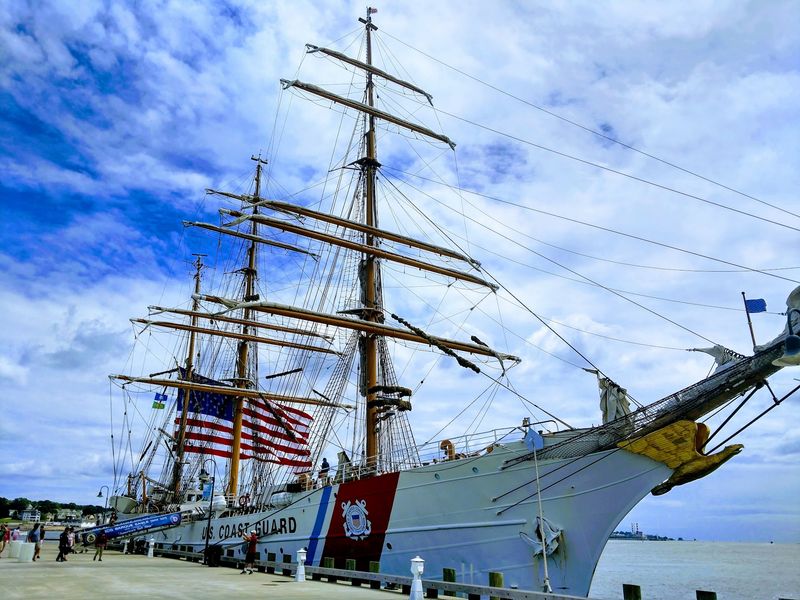
Picture a 295-foot barque with cadets climbing high into the rigging, and you have the most photographed thing on campus. The USCGC Eagle is the flagship of the U.S.
Coast Guard and the only active-duty sailing vessel in America’s military, sharing commissioned sailing status with the USS Constitution alone.
Its job is teaching. Aboard the Eagle, cadets and Officer Candidate School candidates take classroom lessons in navigation, ship-handling, and engineering and apply them at sea, where wind and current do not follow a syllabus.
Training here is demanding on purpose. Cadets work the decks, climb aloft, and learn traditional celestial navigation with a sextant, plotting courses by sun, moon, and stars.
Leadership roles rotate by class. Upper-class cadets fill positions normally held by junior officers, while underclass cadets take on enlisted crew duties, including standing helm watch.
Sailing under canvas creates situations a modern ship simply cannot reproduce, and the lessons in decision-making and teamwork tend to stick. The Eagle is homeported at the Academy, and when the ship is in port it draws steady public interest from people hoping to walk its decks.
Considered a national treasure, the barque remains the clearest symbol of what this school teaches.
5. Chase Hall Sits At The Heart Of Cadet Life
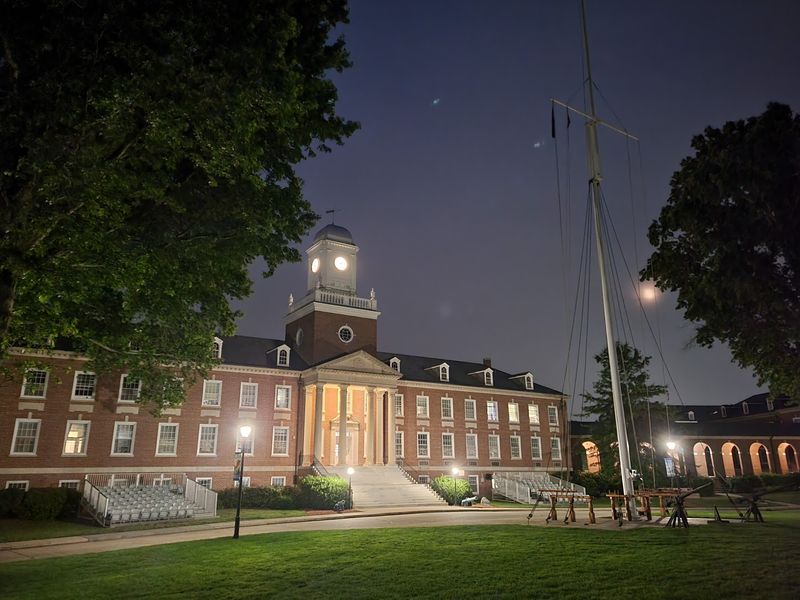
Over 1,000 cadets and officer candidates sleep under one roof here, making Chase Hall the largest barracks in the entire Coast Guard. Every cadet lives in it for all four years, which means the building holds most of the memories anyone takes away from this school.
It is far more than a dormitory. Inside are the Commandant of Cadets’ office, the Cadet Watch Office, the wardroom that serves as the dining hall, and a small arms range.
The Quarterdeck carries the most weight. It houses the Hall of Heroes, with a wall of remembrance for Coast Guardsmen who gave their lives, a memorial wall for cadets who passed away while enrolled, and a wall of gallantry and valor recognizing heroic acts.
Inlaid into that same Quarterdeck are the words “Who Lives Here Reveres Honor, Honors Duty.” Cadets pass them daily, which is exactly the idea.
The building is named for Salmon P. Chase, Secretary of the Treasury under President Abraham Lincoln, a nod to the service’s Treasury Department roots.
Investment continues as well. A $51 million renovation contract for Chase Hall Annex A was awarded in August 2026, with completion anticipated in August 2028.
6. Maritime Training Goes Far Beyond The Classroom
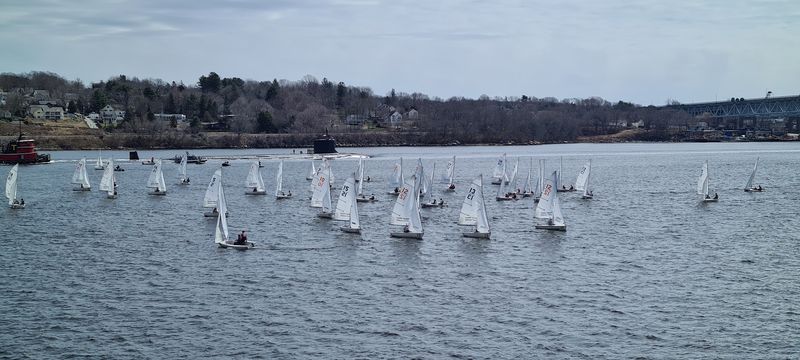
Simulators, small boats, aircraft, and operating cutters all count as classrooms here. Professional development runs across all four years, built around hands-on learning that turns textbook theory into something a cadet can actually do under pressure.
Summers belong entirely to training. Cadets take focused classes in navigation, seamanship, communications, and aviation, and often sail to domestic and international ports along the way.
The academic side backs it up with a Nautical Science Curriculum worth up to 16 credits, covering Fundamentals of Navigation, Applications in Navigation, and Maritime Watch Officer duties.
Facilities include ship simulators such as the Shipboard Control and Navigation Training Simulator, known as SCANTS, plus waterfront assets numbering more than 130 boats, sailing vessels, and trainers.
Underway voyages happen aboard training vessels like the T/V Shuman. The payoff is substantial: most graduates earn the Master 100 gross tons near coastal license, a recognized maritime credential, along with certifications in International and Inland Navigation Rules.
Career exploration weeks bring in leaders from aviation, sea-based, and shore-based roles each year. Specialized summer programs cover aviation, marine safety, naval engineering, and maritime security response.
Upper-class cadets also help guide newcomers through Swab Summer, teaching what they learned only a year or two earlier.
7. Parades And Ceremonies Showcase Academy Tradition
Some college traditions involve a mascot or a song. These come with military precision.
At the United States Coast Guard Academy, ceremonies mark everything from a cadet’s first major milestone to the moment seniors discover where their careers will begin.
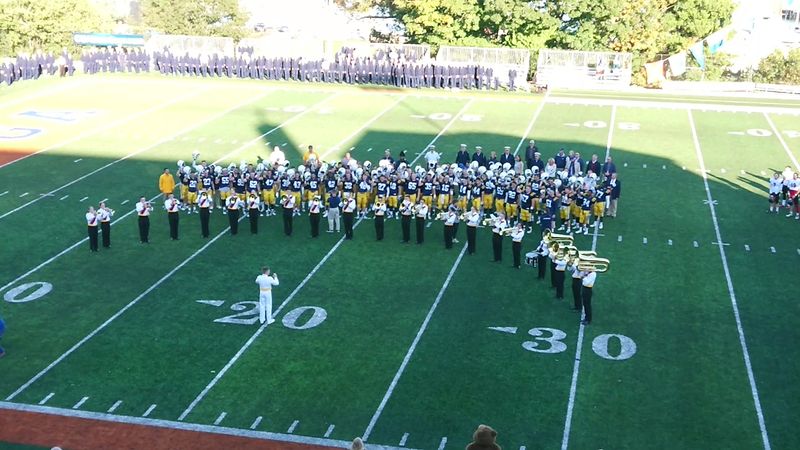
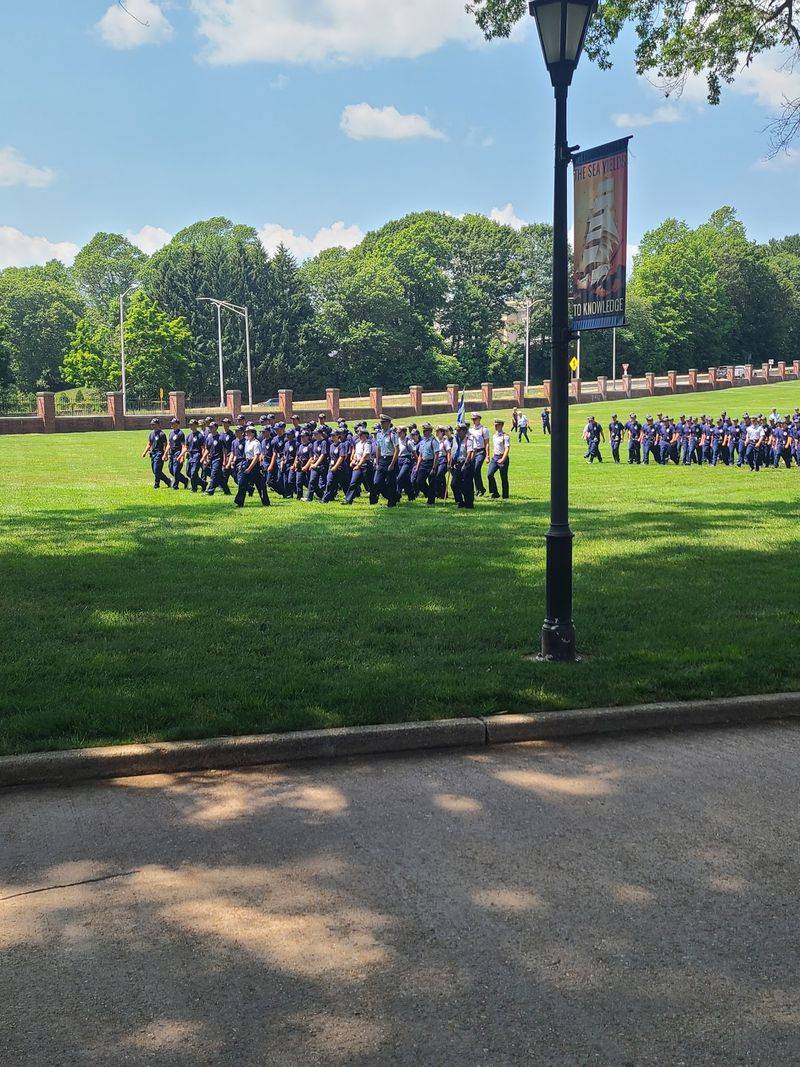
Regimental reviews are among the most striking. Held on Washington Parade Field during the academic year, they bring the Corps of Cadets together for close-order drill and formal military movements.
Reviews can also honor distinguished visitors and other special guests.
Other traditions feel far more personal. During the Ring Dance, Second Class Cadets receive the opportunity to wear their class rings.
The rings are later christened at the Ring Monument using water collected from the seven oceans, symbolically connecting cadets with the worldwide service awaiting them.
Billet Night brings another eagerly awaited moment. First Class Cadets learn their initial assignments, revealing where they will begin serving after graduation.
Even an ordinary day includes ceremony. Morning and evening Colors mark the raising and lowering of the national flag, reinforcing the military rhythm of campus life.
Graduation brings its own collection of longstanding customs and formal events.
Together, these rituals make the Academy experience feel distinctly different from life at a typical college.
They also connect each new class with generations of Coast Guard officers who followed many of the same traditions.
8. Thames River Views Give The Campus Its Distinctive Setting
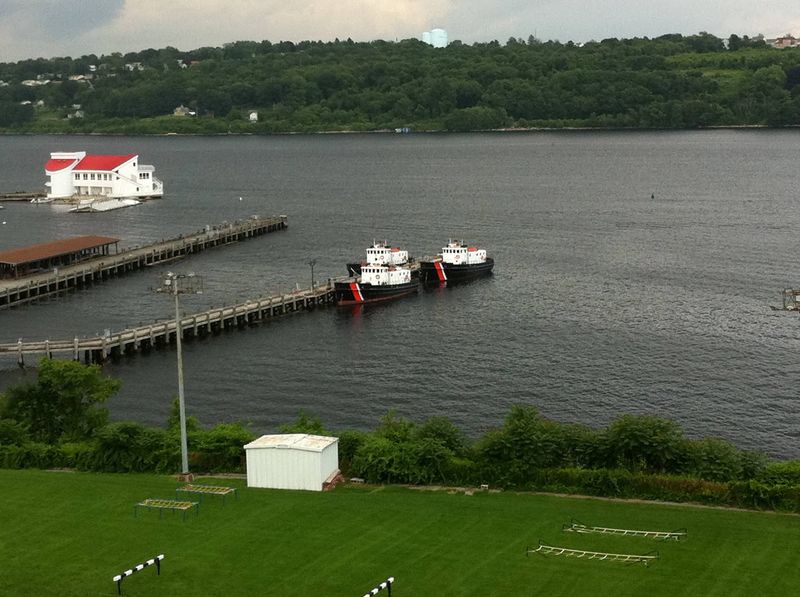
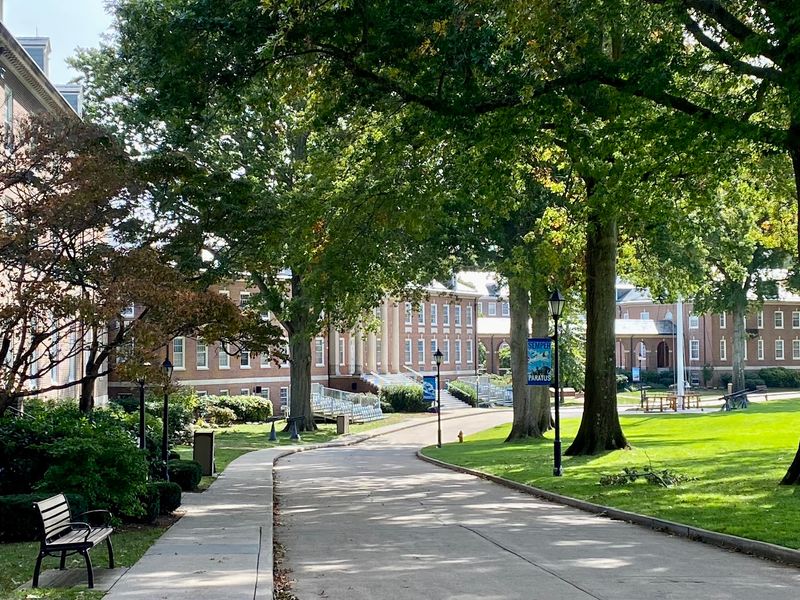
Sloping lawns, traditional New England architecture, and water glinting below make this one of the prettier campuses in the state. The grounds cover roughly 103 to 110 acres with 34 buildings, and the Academy is recognized as a historic landmark within New London.
The school settled on this riverfront site in 1932. Since then the layout has grown around a few defining points: Chase Hall, Leamy Hall, and the pier that serves as home for the Eagle.
The chapel deserves a mention of its own. Built in 1952, it stands at the highest elevation on the grounds and carries a working lighthouse beacon in its spire, a quiet symbol of guiding ships toward safe harbor.
Washington Parade Field stretches wide and well kept, named for President George Washington and used for regimental reviews. Its flagpole is a replica of the mast from the CGC Alexander Hamilton.
Surrounding woods add to the sense of calm, and visitors often comment on how much natural beauty frames the campus. Tours are offered, though availability can be limited, so planning ahead helps.
Nearby, the National Coast Guard Museum is under construction along the downtown waterfront, giving the area another maritime landmark to look forward to.