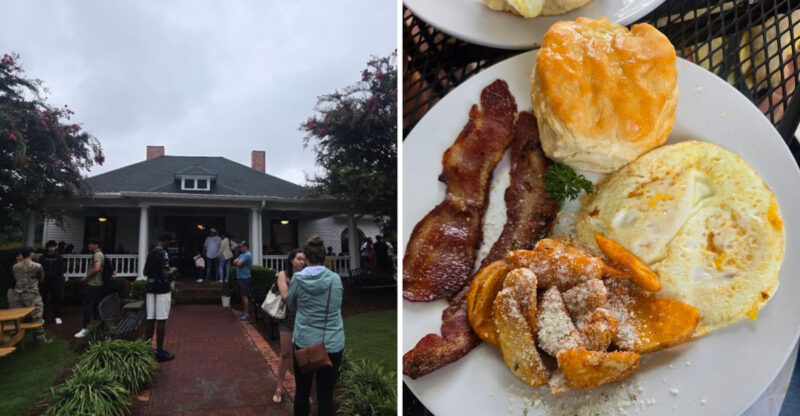
This Charming North Georgia Mountain Town Was Named The Best In The State
Some detours change your whole weekend plan. I only meant to stop for coffee and stretch my legs before getting back on the road.
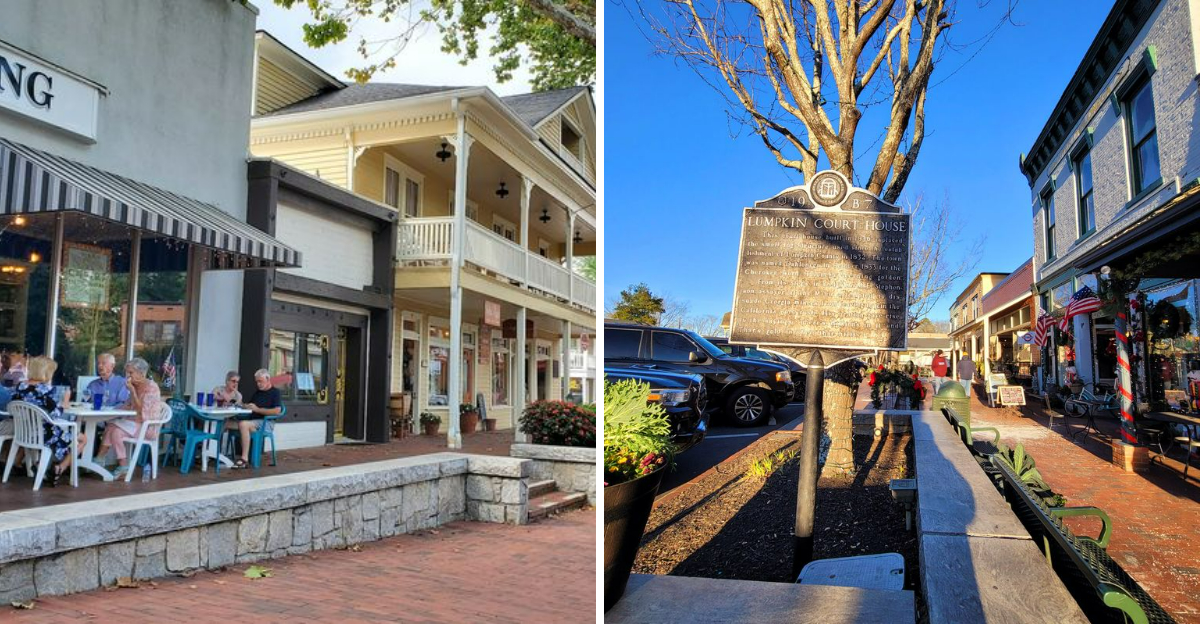
Instead I found cobblestone streets, old storefronts with real history behind them, and mountains rising up on every side. I parked the car and just started walking, no real plan, no map.
Every corner had something else worth stopping for, a bakery smell here, a live guitar there, a view that made me stop mid sentence. Locals waved like they already knew me.
Two hours turned into an entire afternoon before I even noticed the time. This small mountain town in Georgia just earned a title most places spend years chasing.
Georgia has no shortage of pretty towns, but this one apparently beat them all. If you love wandering somewhere new with zero plans, keep reading.
A Small Town With Big Awards
Awards usually go to loud, flashy cities. Not this time.
Southern Living named this place Georgia’s Best Small Town in 2023. It also landed at number four on the magazine’s larger South’s Best small towns list.
Then came another nod. The same magazine included it on the 2024 list of best mountain towns in the South.
Reader’s Digest went even further. The publication ranked it number one among the 25 Most Stunning Mountain Towns in America.
Main streets rarely get trophies, but this one did. The town won a Great American Main Street Award back in 2016.
What surprised me most was how normal it all feels. Nobody brags on every corner or plasters banners across the square.
People simply go about their day. Shopkeepers sweep porches, students walk past, and visitors wander with ice cream cones.
That quiet confidence is the real charm here. The recognition feels earned rather than manufactured.
If you want proof that small can win big, book a weekend. Welcome to Dahlonega, Georgia.
Where America’s First Gold Rush Began
Long before California made headlines, gold fever hit north Georgia. The rush here started in 1828 and 1829.
That makes it America’s first major gold rush. Thousands arrived hoping to change their luck overnight.
The story still shapes the streets today. Shop names, sidewalk plaques, and museum exhibits all point back to those years.
Standing on the square, I tried to picture the chaos. Wagons, mud, and hopeful strangers filling every inch of space.
The reality was hard work, not easy riches. Most miners found small flakes instead of fortunes.
Still, the discovery changed the region forever. A federal mint once operated here, turning local gold into coins.
You can feel that history without reading a single sign. Older buildings lean into their age instead of hiding it.
Gold even sits above the town in a symbolic way. Local gold has been used to gild a famous Georgia dome in Atlanta.
History lovers should give themselves extra time. One hour turns into three very quickly.
My advice is simple. Start with the story, then explore everything else.
The Gold Museum Inside One Of Georgia’s Oldest Courthouses
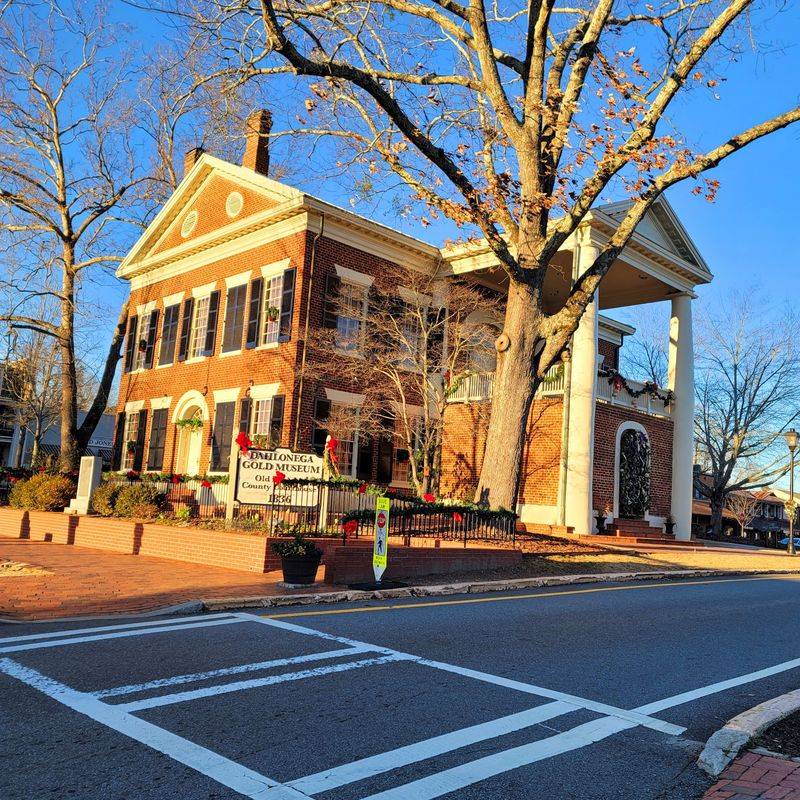
Museums can feel stuffy. This one feels like stepping inside a story.
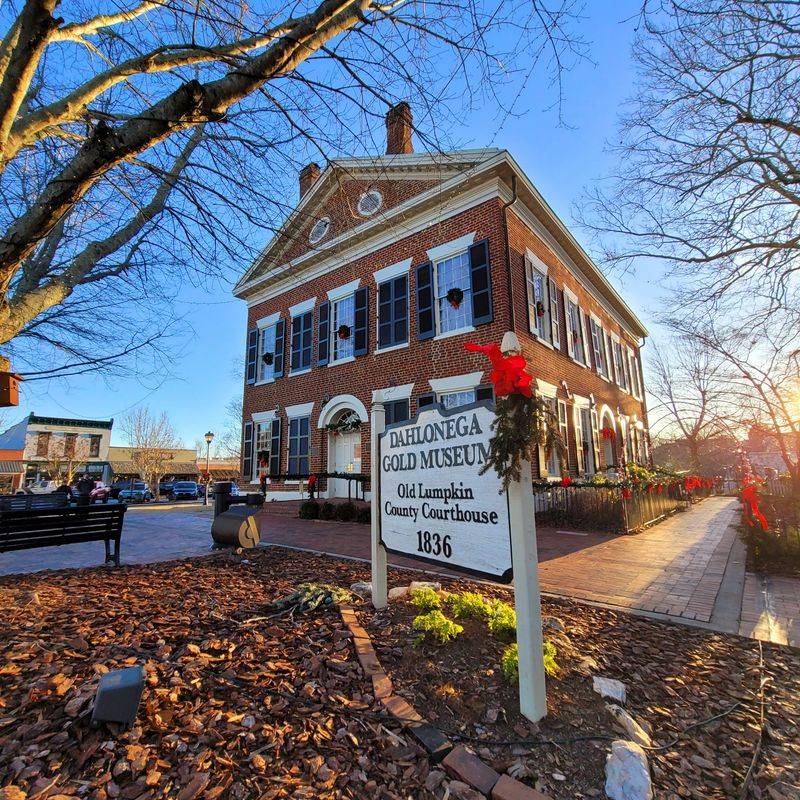
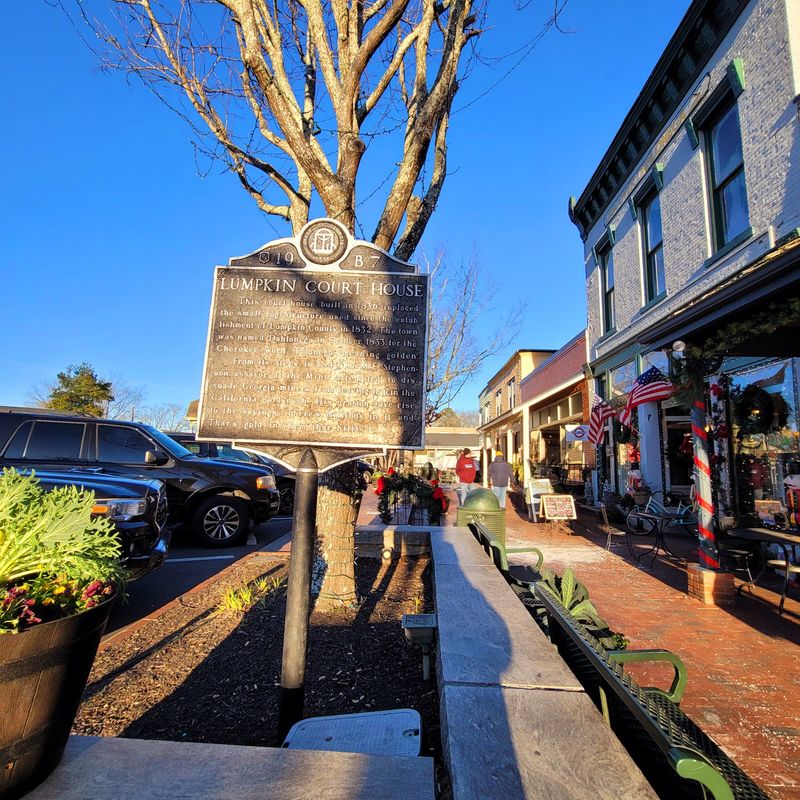
The Gold Museum State Historic Site sits inside the 1836 Lumpkin County Courthouse, one of Georgia’s oldest standing courthouse buildings. The building alone is worth the visit.
Inside, exhibits explain how the rush unfolded. Artifacts, tools, and photographs fill the rooms.
I lingered near the gold samples the longest. Seeing real nuggets makes the history click in a way words cannot.
Staff answer questions without rushing anyone along. Kids get plenty of hands-on details to hold their attention.
The courthouse itself has survived plenty of change. Brick walls, worn floors, and a small cupola give it real character.
Plan for about an hour if you read everything. Fast walkers can breeze through in thirty minutes.
Admission is affordable, which makes it easy for families. It is also a smart rainy day backup plan.
Windows on the upper level offer a nice view of the square. I snapped a few photos from there.
Anyone curious about how the region formed should start here. Context makes the rest of your visit richer.
Bring your curiosity and comfortable shoes.
Exploring Dahlonega’s Historic Gold Mines
Hard hats make everyone look slightly ridiculous. Wear one anyway.
Two local attractions let visitors explore Dahlonega’s mining history and pan for gold. Consolidated Gold Mine offers underground tours, while Crisson Gold Mine features an outdoor mining museum, gold panning, and gem sifting.
The Consolidated tunnels date back to around 1900. Cool air hits you the moment you step inside.
Guides explain how miners worked in tight, dark spaces. Their stories make the tunnels feel alive.
Panning afterward is the part kids love most. Swirl the pan, tilt it, and watch for the glint.
My own pan held tiny flakes and one hopeful pebble. The pebble was not gold, sadly.
Gemstone panning is also available at Crisson. Bright stones show up more often than gold does.
Bring a light jacket even in summer. Underground temperatures stay steady and chilly.
Wear shoes you do not mind getting muddy. Water and dirt come with the territory.
Tours run year round, but weekends get busy. Arriving early saves waiting time.
What makes these mines special is the participation. You are not just looking at history behind glass.
You are holding a pan and testing your luck.
Cobblestone Square Shopping And Sweet Shops
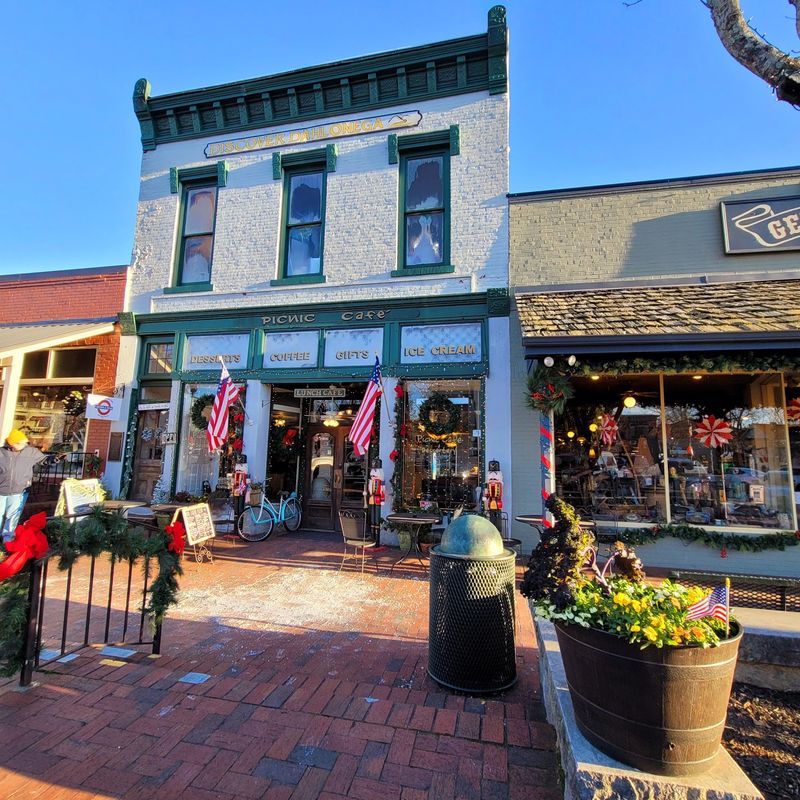
Shopping here does not involve a mall. It involves porches, brick walkways, and open doors.
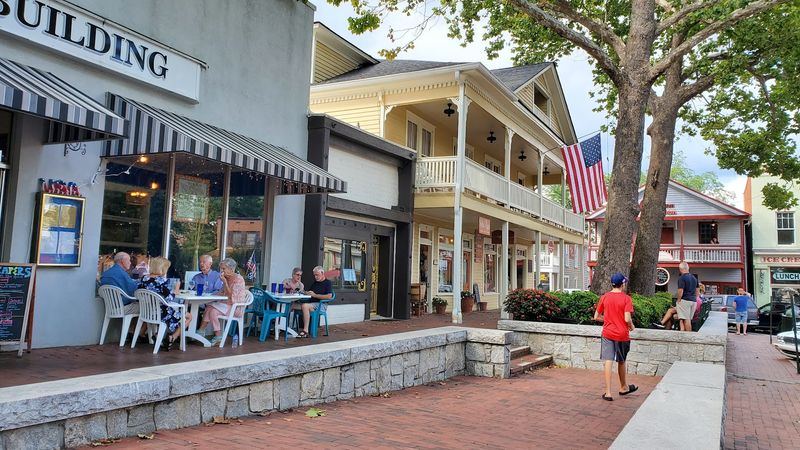
The 19th century public square holds the whole scene together. Cobblestone streets and Southern-style porches set the mood.
Boutiques sell pottery, jewelry, candles, and mountain crafts. Many items come from artists working nearby.
Sweet shops are the real trap. Fudge counters and candy displays sit right in your path.
I walked in for a look and left with a bag. No regrets whatsoever.
Bookstores and general stores add to the mix. Browsing feels unhurried because nobody hovers.
Restaurants ring the square too, with more than 50 dining options across town. Southern comfort plates and international dishes both show up on menus.
Benches let you rest between stops. Locals and students pass by constantly.
Parking sits close, though spots vanish on festival weekends. Side streets usually solve the problem.
Winning a Great American Main Street Award in 2016 explains the polish. Preservation clearly matters to the community.
Give yourself two hours minimum. Shops are small, but there are many.
Come hungry and leave room for dessert.
Waterfalls And Trails Right Outside Town
Mountains sit right at the edge of town. That changes everything about a weekend here.
The Blue Ridge foothills surround the area. Trails start closer than most visitors expect.
Sections of the Appalachian Trail run nearby. Day hikers can sample it without committing to a thru-hike.
Amicalola Falls State Park is a short drive away. Georgia’s tallest waterfall drops 729 feet there.
Stairs climb alongside the falls, and yes, they are steep. My legs remembered them the next morning.
Viewing platforms make photos easy for everyone. Shorter paths exist for anyone skipping the climb.
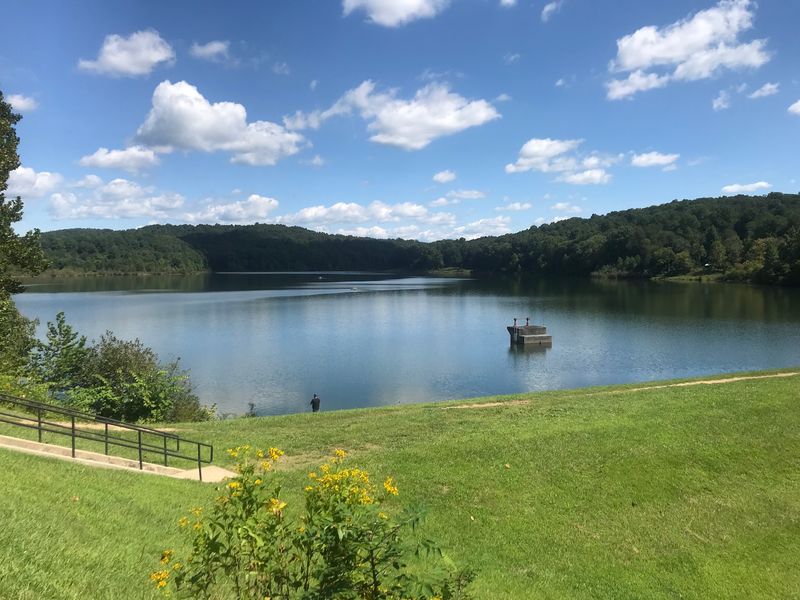
Lake Zwerner offers a calmer option. Walking paths, fishing, and picnic spots fill the space.
The Chestatee River draws paddlers all summer. Kayaking, canoeing, and tubing are all popular.
Local parks add easy green space too. Yahoola Creek Park works well for families with young kids.
Fall brings the heaviest crowds and the best color. Spring offers wildflowers and quieter trails.
Pack water, snacks, and real shoes. Mountain weather shifts quickly.
Outdoor time balances out all the tasting rooms perfectly.
Festivals And A True College Town Vibe
Empty squares are boring. This one rarely stays empty.
Mountain festivals fill the calendar throughout the year. Music, crafts, and food vendors take over downtown.
Fall events pull the biggest crowds. Arriving early is the only parking strategy that works.
The historic Holly Theatre hosts performances in an intimate space. Comedy, music, and drama all appear on the schedule.
Sitting in an older theater feels different than a big venue. Every seat stays close to the stage.
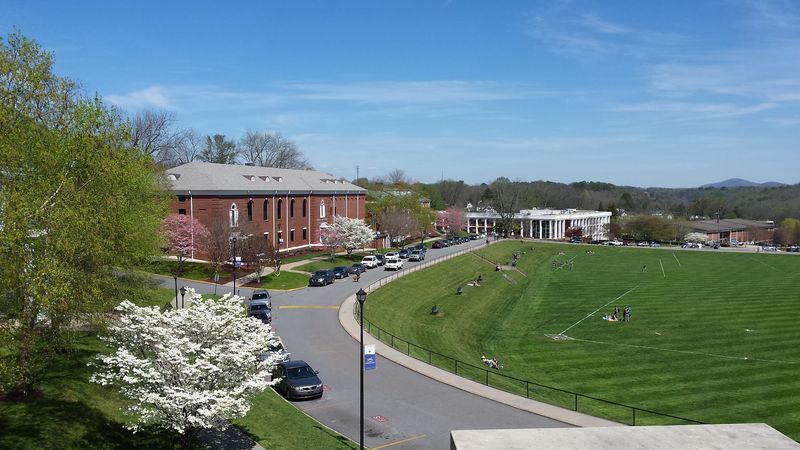
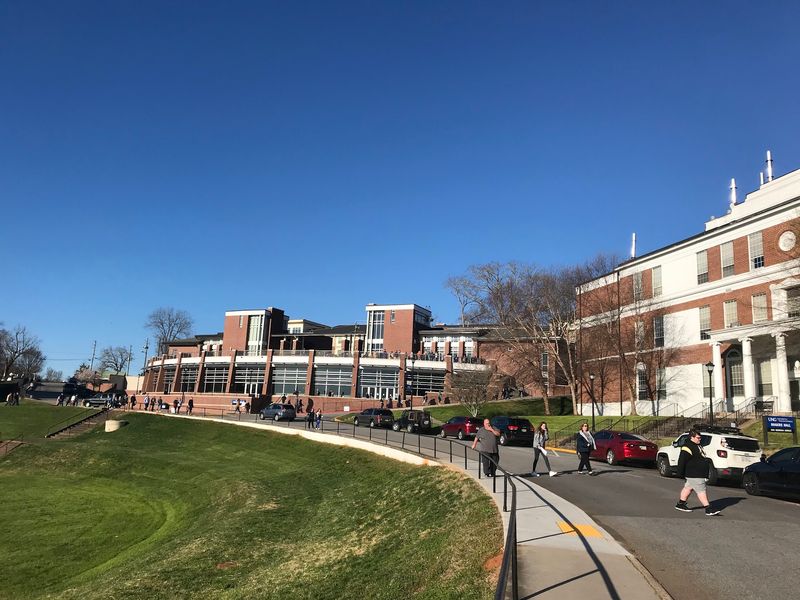
The University of North Georgia adds steady energy. Students bring events, cafes, and a youthful buzz.
Weekend markets and gallery walks show off local talent. Artists chat directly with visitors.
Community pride shows up in small ways. Flower baskets, clean sidewalks, and friendly greetings add up.
Checking the event calendar before you drive up is wise. A festival can transform your entire trip.
Quieter weekdays have their own appeal. Shops feel roomier and restaurants seat you faster.
City offices sit at 465 Riley Road if you need visitor information. Staff can point you toward current happenings.
Either way, something is usually going on.
Planning The Perfect Weekend Getaway
Day trips work, but weekends work better. Two nights let the place unfold properly.
Atlanta sits close enough for an easy drive. Many visitors arrive in under two hours.
Start with the square on your first afternoon. Shops, history, and dinner fit neatly together.
Save vineyards for the following day. Views taste better without a rushed schedule.
Morning is the smartest time for mines and museums. Crowds build steadily after lunch.
Hiking fits best on a cool morning too. Waterfall stairs are kinder before the heat arrives.
Fall is peak season for color and events. Book lodging well ahead if you want October dates.
Spring and early summer feel more relaxed. Room rates often drop during quieter weeks.
Cabins, inns, and bed and breakfasts fill the surrounding hills. Downtown stays put you within walking distance of dinner.
Pack layers regardless of season. Mountain evenings cool off faster than you expect.
My favorite part was the pace. Nothing here pushes you to hurry.
Awards brought attention, but the atmosphere keeps people returning. Give it a weekend and you will understand why.