This Nebraska Harvest Festival Turns One September Saturday Into A Full Day Of Fall Fun
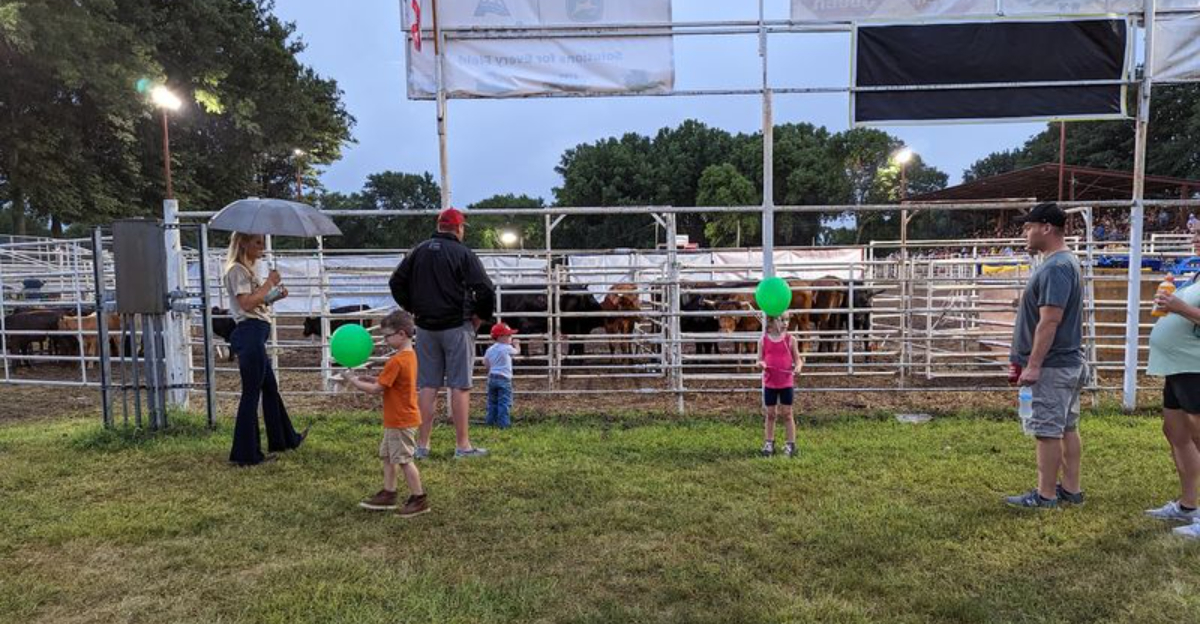
One Saturday can carry a surprising amount of fall.
By midmorning, the fairgrounds are no longer just open space.
Families are moving between activities and the whole place takes on the easygoing energy of a community gathering that knows exactly what time of year it is.
This Nebraska festival turns an ordinary September weekend into a full day built around autumn.
There is enough happening to keep the pace lively without making the event feel overwhelming.
You can wander, stop when something catches your eye, and let the day unfold without needing much of a plan.
That simplicity is a big part of the appeal. It feels local, cheerful, and refreshingly uncomplicated.
One September Saturday Packs In Plenty
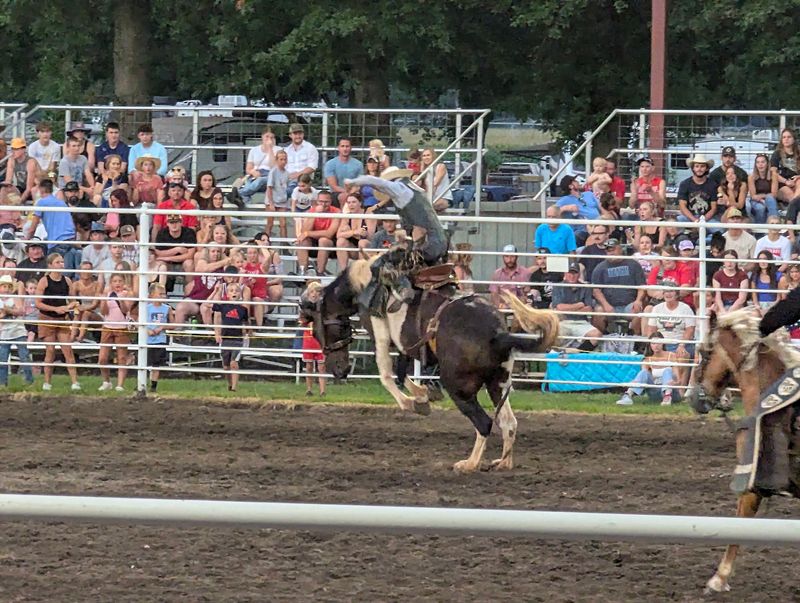
Seven hours sounds modest on paper, but it turns out to be plenty for a festival built around wandering.
The Wahoo Harvest Moon Fest 2026 runs Saturday, September 19, from 9 a.m. to 4 p.m. Central time.
A single-day format keeps things simple, since there is no need to choose between two days or worry about missing the better one.
Arriving near opening usually means thinner crowds and vendors with full tables. Showing up closer to noon puts visitors in the middle of the busiest stretch, when food lines and music tend to overlap.
Anyone with a tight schedule can realistically cover the grounds in two or three hours.
Those who want a slower day can stretch things out, sit down with lunch, and circle back to booths they liked the first time through.
The seven-hour window also helps families with young kids, since it allows for a mid-day break without missing everything. Naps, snacks, and a return trip are all possible within that span.
Weather in mid-September can swing between warm afternoons and cool mornings, so layers make sense.
A light jacket early in the day often gets tied around a waist by lunchtime, which is a small detail worth planning for.
The Saunders County Fairgrounds Become Fall Central
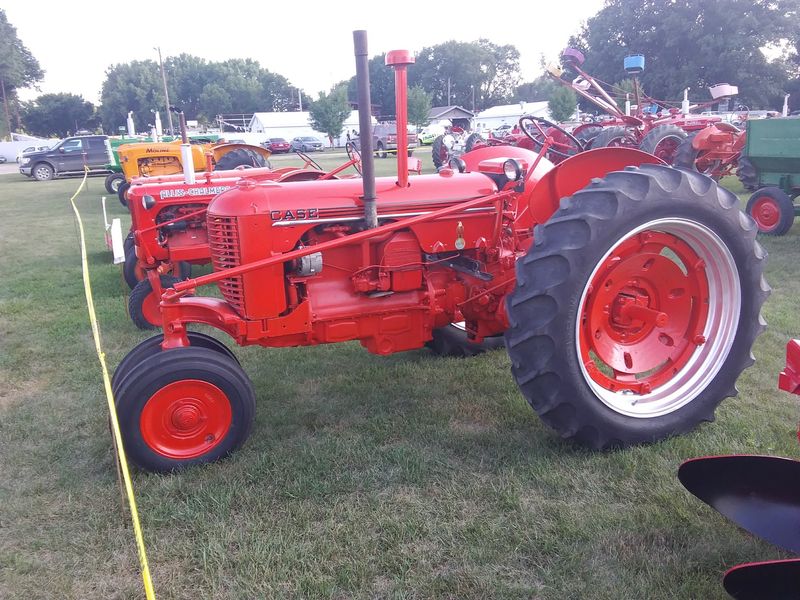
Fairgrounds have a certain lived-in quality that suits a harvest event, and that holds true here.
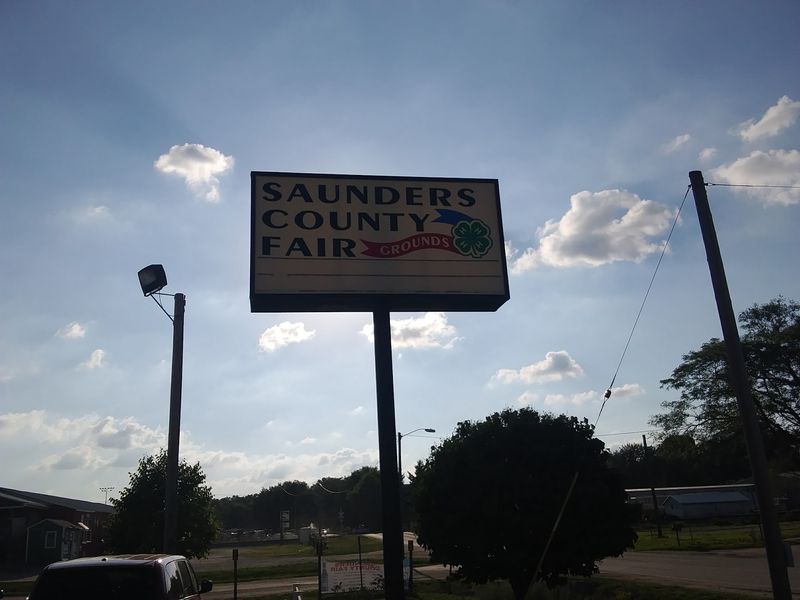
The Saunders County Fairgrounds sit at 635 E 1st Street, Wahoo, NE 68066, serving as the home base for the entire festival.
Open lanes, exhibition buildings, and grassy areas give the day room to spread out instead of squeezing everything into one crowded row.
Fairground surfaces are usually a mix of gravel, packed dirt, and grass, so closed-toe shoes with decent soles are the practical choice.
Strollers and wagons can work, though the ride may be bumpier than a paved sidewalk.
The venue hosts events throughout the year, including the county fair itself, which means the layout is already set up for foot traffic and vendor space.
Wahoo sits roughly a half hour northwest of the Omaha metro area and a similar distance from Lincoln, putting the grounds within easy reach for a large chunk of eastern Nebraska.
Highway access is straightforward, and the drive passes through farmland that looks its best in September.
The Farmers Market Brings Harvest Season To The Grounds
Nothing signals harvest quite like a table stacked with produce that was in the ground a day or two earlier.
A farmers market is listed as part of the 2026 festival, folding fresh and locally produced goods into the larger event.
The addition makes sense for a celebration built around the season, and it gives visitors something to bring home beyond crafts.
Mid-September in Nebraska falls during a generous stretch for growers.
Squash, apples, peppers, tomatoes, and early pumpkins are all typical for this point in the calendar, though availability depends on the growing year and which producers attend.
Shopping a market inside a festival calls for a bit of strategy. Buying produce early means carrying it around, while waiting until the end risks a thinner selection.
A cooler left in the vehicle solves most of that problem, especially on a warm afternoon. Reusable bags help too, since produce and baked goods do not travel well in thin plastic.
Talking with growers is one of the underrated parts of a market visit. Questions about storage, ripeness, or how something is best prepared usually get honest and useful answers, and that kind of exchange is hard to replicate at a grocery store.
Live Music Gives The Afternoon Its Soundtrack
Background music changes how long people stay somewhere, and festival organizers clearly know it.
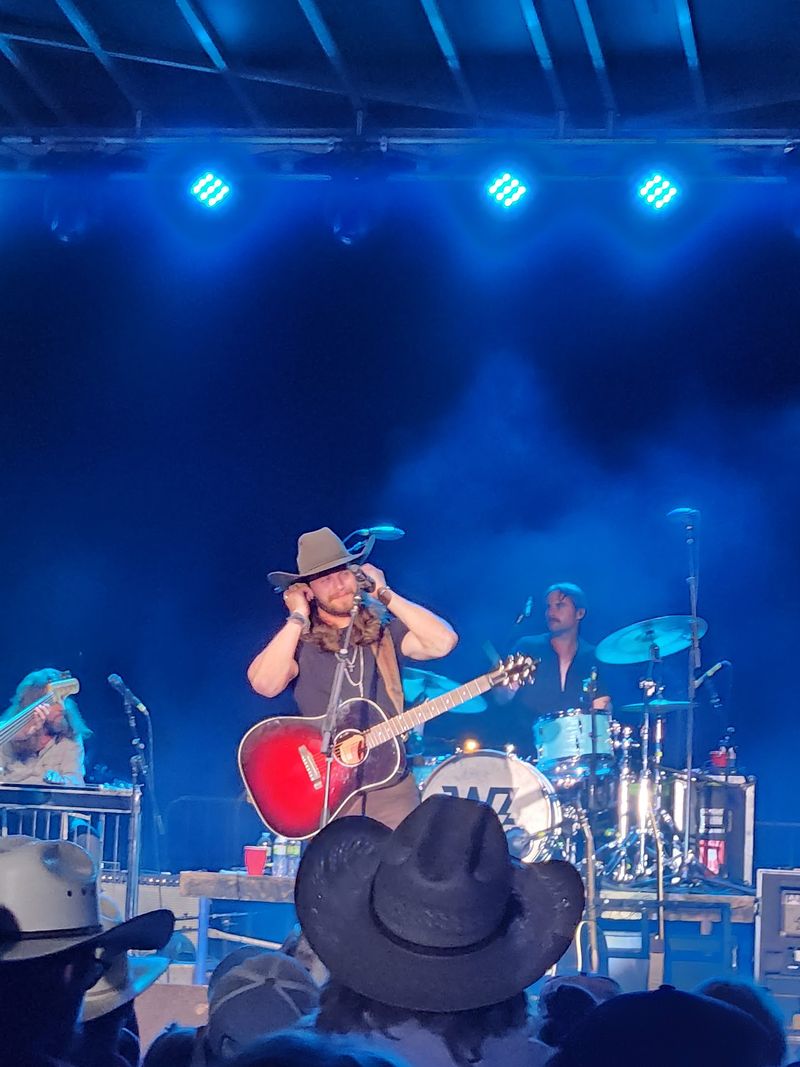
Live music is part of the official promotion for the event, giving the fairgrounds a soundtrack that encourages lingering rather than a quick loop through the booths.
Sitting down to listen for a while is an easy way to rest between rounds of shopping.
Outdoor acoustic sets tend to work well in fairground settings, where sound carries across open space without overwhelming conversation at nearby booths. Volume usually stays at a level where talking is still possible.
Bringing a folding chair or blanket may be worth considering, since seating at outdoor events is often limited. Even a small camp chair can make a half hour of listening far more comfortable.
Music also helps with pacing. A set gives the day natural chapters, breaking seven hours into segments instead of one long stretch of walking.
Live performances at community festivals frequently feature regional artists, which means hearing something unfamiliar is part of the draw.
Some visitors walk away having discovered a musician they had never come across before.
Standing near the stage tends to be louder, so families with small children may prefer a spot further back.
Kids Get Their Own Reasons To Stick Around
Bringing children to a shopping-focused event can go sideways fast unless there is something for them too.
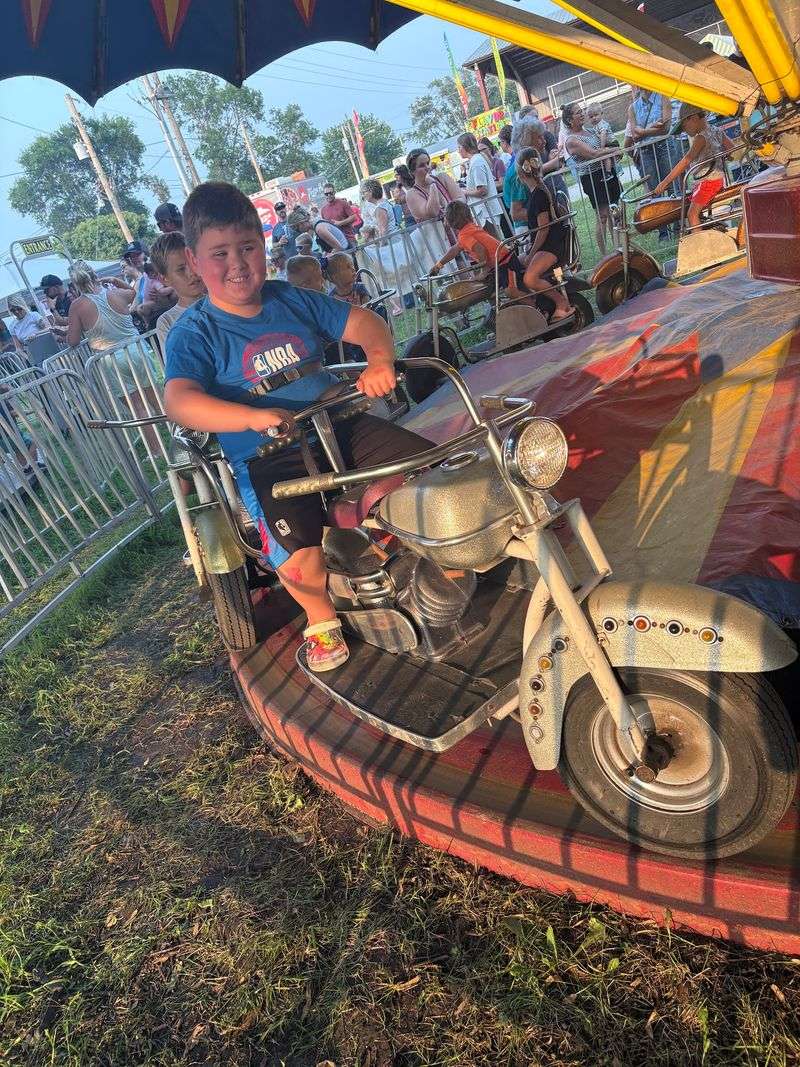
Children’s activities are promoted as part of the festival, which gives families a reason to treat the day as a group outing rather than an adults-only errand. Kids who have something to do tend to last much longer at events like this.
Fairgrounds settings help as well. Open space means room to move without bumping into crowded aisles, and the ground level layout is generally easy for small legs to handle.
Packing the basics still matters. Water bottles, sunscreen, a change of clothes for younger kids, and a wagon for tired feet all reduce the odds of an early exit.
Setting a meeting point when arriving is a simple safety habit worth using at any outdoor event. Older kids with a little independence benefit from knowing exactly where to go.
Morning hours often suit younger children best, since energy levels are higher and the grounds are less busy. Leaving before an afternoon meltdown is a perfectly good strategy.
Specific activity details may vary from year to year, so families planning around them should confirm through official event information before the date.
Designed For Wandering At Your Own Pace
Rigid schedules and festivals rarely mix well, which is why an open layout matters more than it sounds.
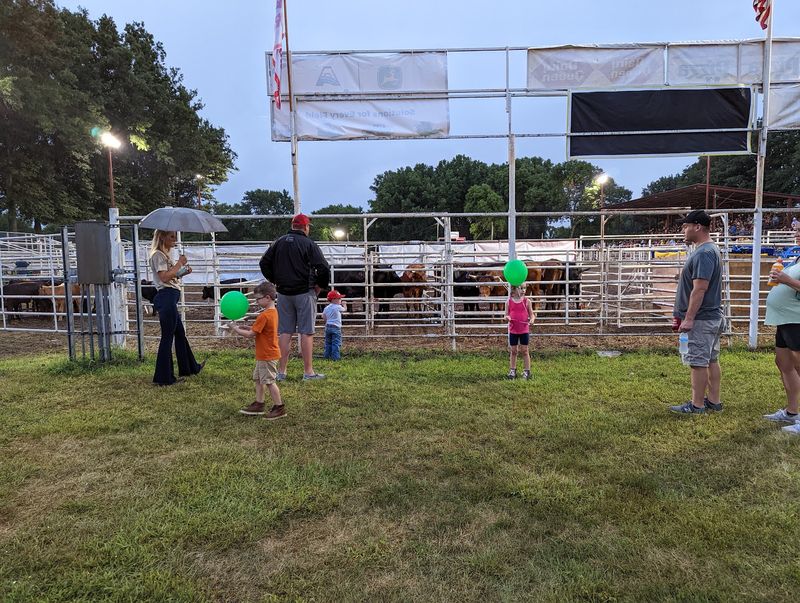
Shopping booths, food vendors, music, and market stalls all share the same fairgrounds, so moving between them takes minutes rather than planning.
Visitors can bounce around based on interest instead of following a timetable.
Some people prefer a full lap first to see everything before committing to purchases. Others start at one end and work through slowly, stopping wherever something catches attention.
Either approach works because the grounds are contained. Nothing requires a shuttle or a long walk between areas, which keeps the day low-effort.
Groups with different interests can split up and regroup easily. One person browsing crafts while another sits near the music is entirely realistic within a space this size.
Pacing also depends on crowd levels, which typically build through late morning and ease off in the last hour.
Late arrivals often find a calmer atmosphere, though some vendors may be packing up before the official close.
Comfortable shoes make the biggest difference in how long the day feels. Standing and slow walking on uneven ground wears people out faster than a brisk walk on pavement does.
Mid-September Timing Makes It An Easy Fall Kickoff
Late September usually gets all the attention for fall events, which leaves mid-month feeling refreshingly uncrowded.
September 19 lands just before the official start of astronomical fall in 2026, placing the festival right as the region begins its seasonal shift.
Corn is tall, evenings are cooling, and the heavy heat of August has mostly moved on.
Weather at this point can still surprise people. Afternoon temperatures sometimes climb into shorts territory while mornings call for a sweatshirt, so dressing in layers is the safest bet.
Rain is always a possibility at outdoor events. Checking the forecast the night before and tossing a light rain jacket in the car costs nothing and occasionally saves the day.
Attending an early-season festival also means beating the pumpkin patch and corn maze rush that arrives in October. Roads and small towns are quieter, and parking is generally less of a headache.
The drive itself is part of the appeal in September. Eastern Nebraska farmland looks particularly good under low-angle light, and the route to Wahoo passes through open country the whole way.
More Than Just A Festival Stop
Driving an hour for a two-hour visit feels lopsided, but the schedule here leaves room to fix that.
With the festival wrapping at 4 p.m., visitors coming from Omaha, Lincoln, or surrounding towns can build a fuller day around it.
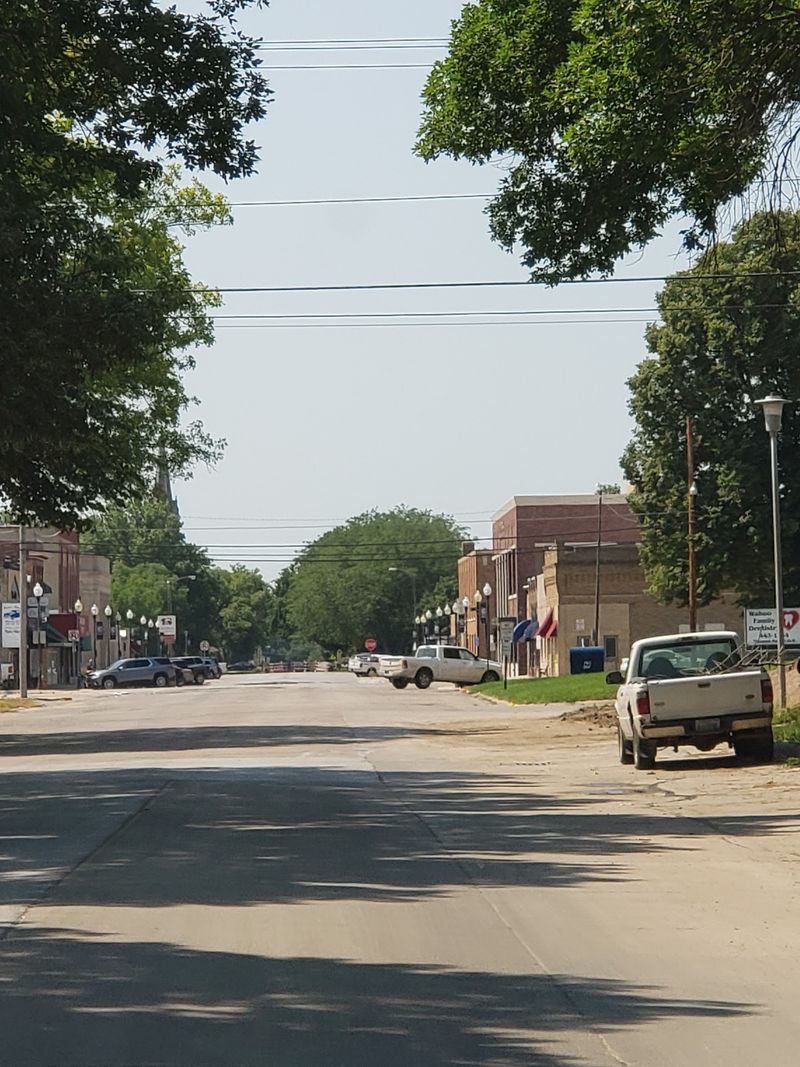
Arriving mid-morning, spending a few hours on the grounds, and then exploring elsewhere around Wahoo turns a single stop into an actual day trip.
Small-town main streets often hold shops and cafes worth a short walk. Hours vary on Saturdays in smaller communities, so a quick check before leaving home prevents a wasted stop.
The surrounding countryside also lends itself to a scenic return route. Taking a different road home adds little time and changes the feel of the drive considerably.
Fuel and restroom stops are easier to plan when the day is not rushed. Ending at 4 p.m. leaves plenty of daylight in mid-September for a relaxed trip back.
Families might use the extra time for a park stop before the drive, which helps kids burn off energy before sitting in a car seat again.
Treating the festival as an anchor rather than the entire plan tends to make the whole outing more satisfying.