12 Connecticut Places Where You Can Volunteer And Make A Real Difference For Animals
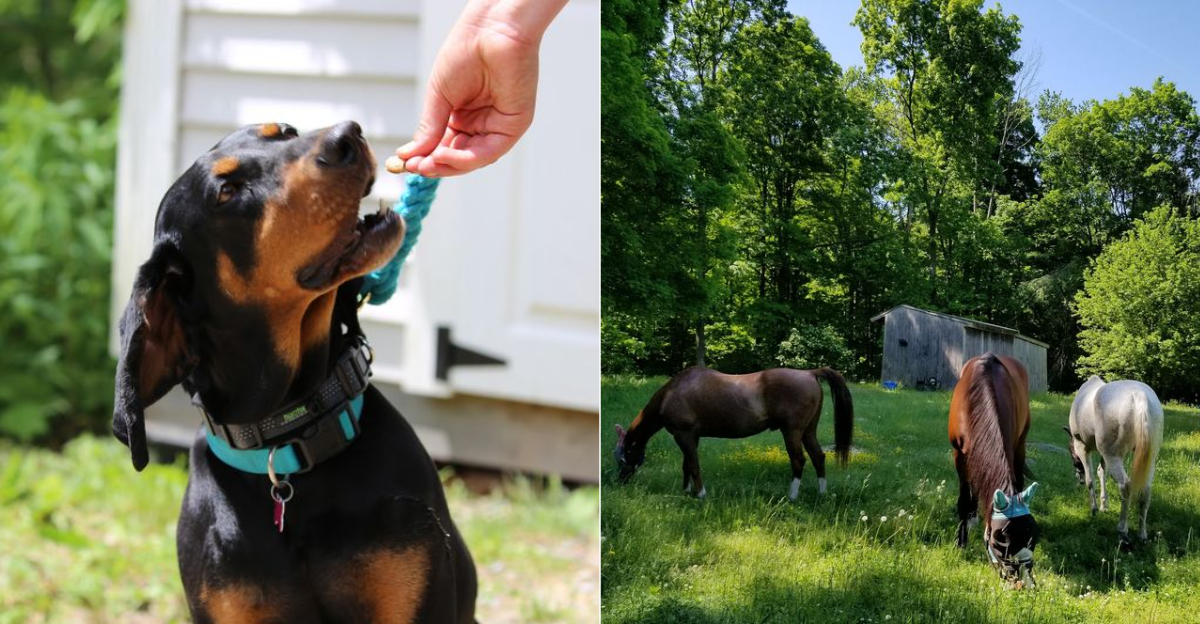
Sometimes helping an animal starts with something as ordinary as showing up. Across Connecticut, volunteer opportunities can put you close to animals that need patience, comfort, or simply another caring person in their corner.
That connection can hit harder than expected. Maybe it happens when a nervous dog finally relaxes beside you.
Maybe it is the quiet satisfaction of knowing a few hours of your time made an animal’s day noticeably better. The work is not always glamorous, but that almost makes it more meaningful.
You may help with daily care, lend a hand behind the scenes, or support organizations giving animals a safer path forward.
And then comes the part that is difficult to predict: which animal will be the one you keep thinking about afterward?
Volunteering can begin as a small commitment and turn into something deeply personal. Sometimes making a difference feels less like a grand gesture and more like simply being there when an animal needs someone.
1. PAWS (Pet Animal Welfare Society, Inc.), Norwalk
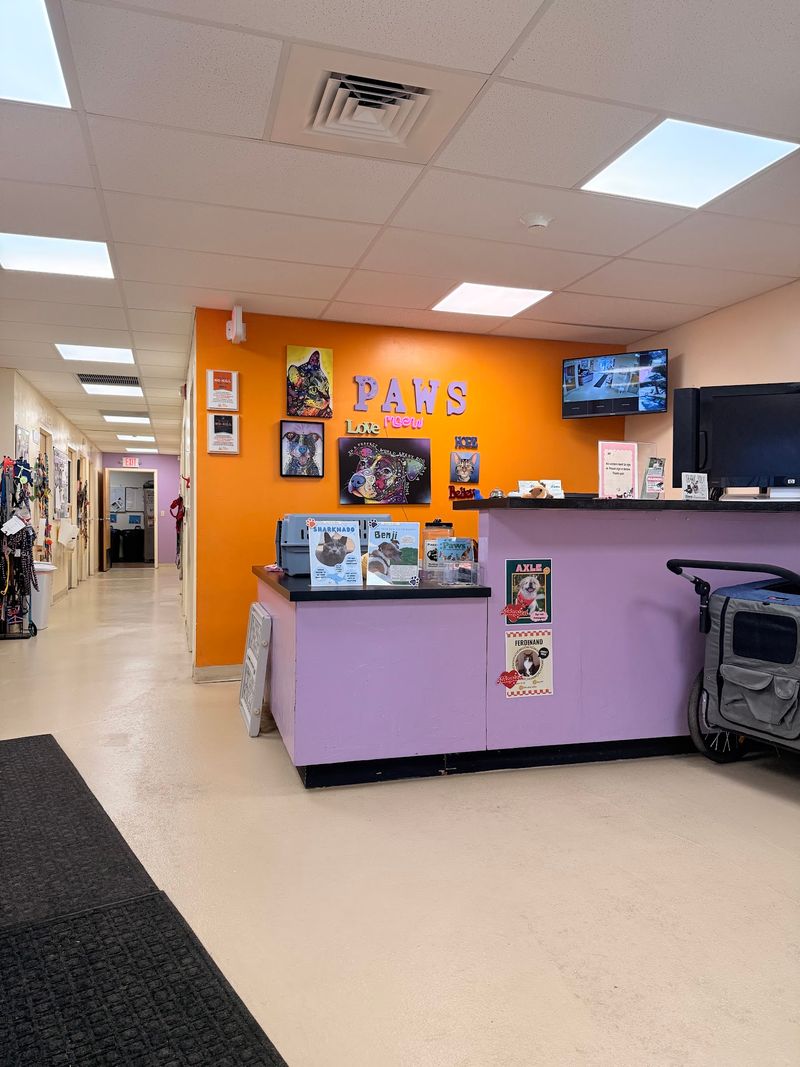
Helping an animal feel safe can be surprisingly rewarding. Here, volunteers get to make that difference every day.
PAWS began in 1962 after Betty Long started helping homeless dogs find homes. Cats became part of the mission in the early 1980s, and the organization moved from rented spaces into its own shelter in 2001.
Volunteer work reaches into daily care. Some people spend time exercising dogs or helping cats become comfortable around people.
Others assist with feeding and cleaning, giving shelter staff more time to focus on veterinary needs and adoption work.
Fostering offers a closer role. Temporary homes may care for young kittens, animals recovering from illness or injury, or pets that benefit from time in a home environment.
PAWS provides guidance and remains responsible for animals while they are in foster care.
The shelter helps hundreds of cats and dogs find homes each year. Its home base is 504 Main Avenue, Norwalk, CT 06851.
Volunteers can choose an involvement level that suits their schedule. Even time can make shelter life brighter for an animal waiting for a family.
2. Connecticut’s Beardsley Zoo, Bridgeport
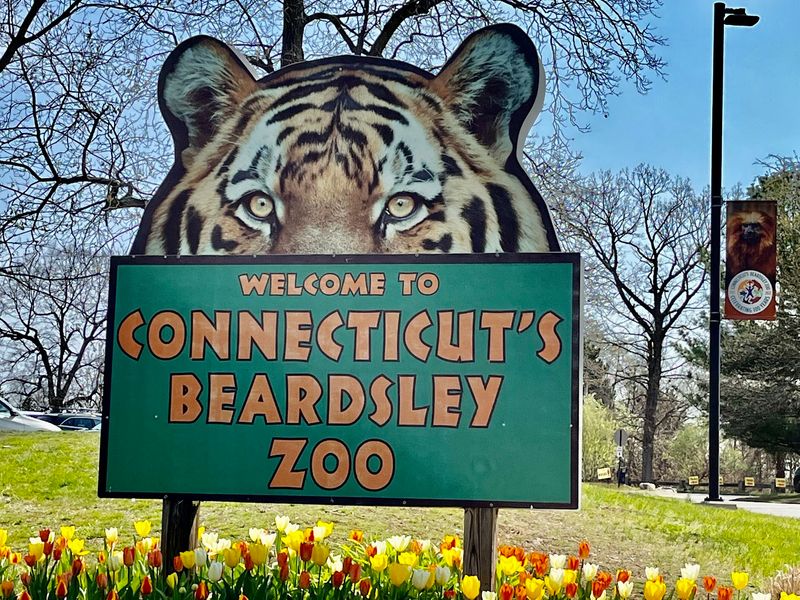
Wildlife feels much closer here. Volunteering makes the experience even more memorable.
For more than a century, the state’s only zoo has connected visitors with animals and conservation. Volunteers play a part, although most roles focus on education and guest interaction rather than keeper work.
Zoo Friends greet visitors, help with special events, and share information about animal habitats. Those who complete docent training can take on a deeper educational role, speaking with guests about wildlife and environmental issues.
Garden volunteers help care for the botanical collection and may support programs.
Training comes first, so volunteers know what their role involves. Current adult positions generally require participants to be at least 18.
Younger animal lovers have options too. The Zoo Career Explorers program is designed for teens ages 14 through 18 and introduces careers through workshops and job shadowing.
The zoo is at 1875 Noble Avenue, Bridgeport, CT 06610. Volunteers can expect plenty of interaction with families.
The work supports conservation education and the visitor experience. It is a lively way to turn an interest in wildlife into something useful.
3. The Animal Haven, Inc., North Haven
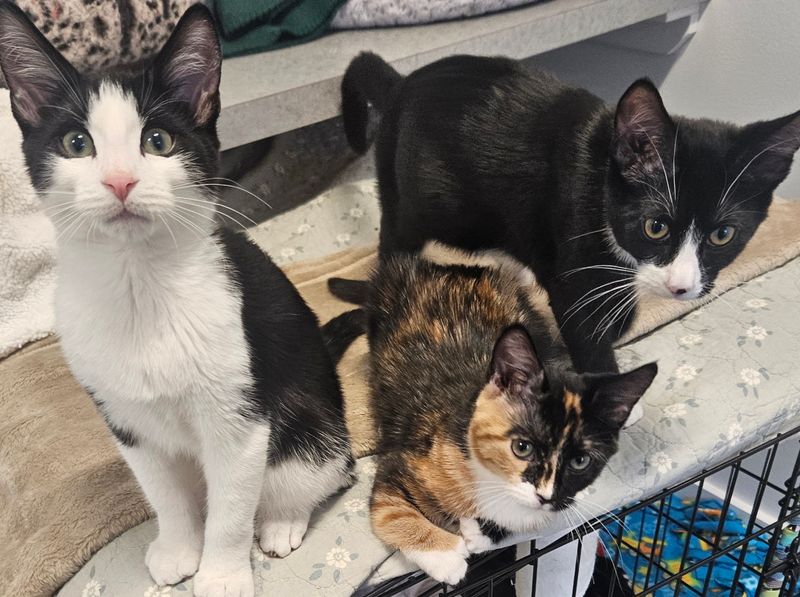
Some shelters feel like waiting rooms. The Animal Haven feels more like a long-term home, because animals here can stay until the right family shows up, no matter how long that takes.
The organization has served the greater New Haven area for decades from 89 Mill Rd in North Haven, caring for dogs and cats that arrive from many different situations.
Volunteer tasks lean practical. Dog walking, cat companionship, cleaning, laundry, dishes, and yard upkeep all keep the place running smoothly, and none of it requires special experience beyond a willingness to learn.
People who prefer working with humans instead of hoses can help at adoption events, tag sales, and fundraising drives, or assist with donation sorting when supplies arrive.
Because long-stay residents form strong bonds with regular helpers, consistency matters more than hours. Showing up the same morning each week does more good than one marathon visit.
Check current shift availability and any orientation requirements before your first day, since small shelters adjust schedules based on how many animals are in their care.
4. The Meriden Humane Society, Meriden
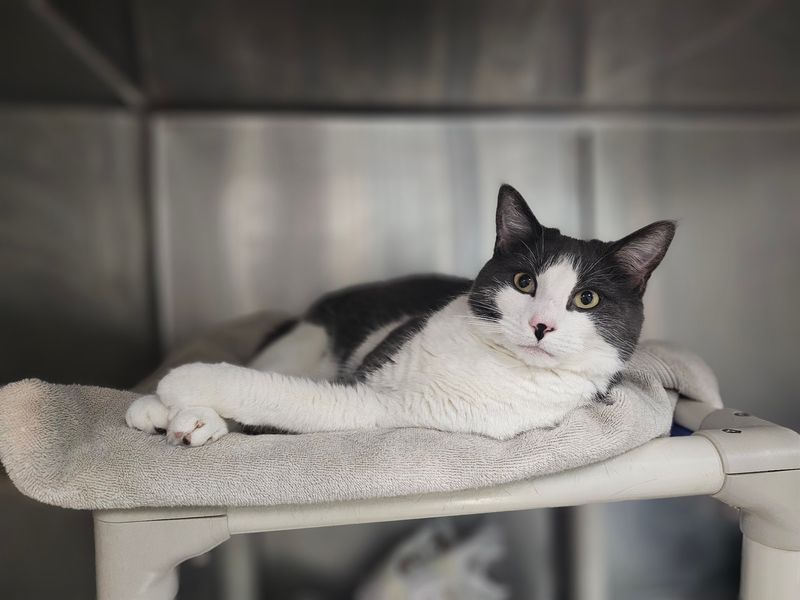
Busy shelters need dependable hands, and Meriden Humane Society is one of those places where an extra volunteer genuinely changes how the day goes. The shelter operates at 311 Murdock Ave in Meriden and takes in dogs, cats, and occasionally small animals from the surrounding area.
Dog walking tops the list of needs. Many residents are strong, energetic mixes who benefit enormously from leash time, basic manners practice, and a chance to sniff something new.
Cat rooms need attention too, from litter box duty to quiet lap time that helps nervous cats relax enough to greet potential adopters.
Volunteers also help with laundry, dishes, cleaning, and stocking donated supplies, plus tabling at community events around central parts of the state.
Fostering is another route, especially for kittens during the spring and summer months when intake climbs.
Volunteers under 14 must be accompanied by a parent or guardian at all times, and applicants under 18 need a parent or guardian to sign the required forms. Orientation and a short training walk with staff typically come before you handle animals on your own.
5. Protectors Of Animals, East Hartford
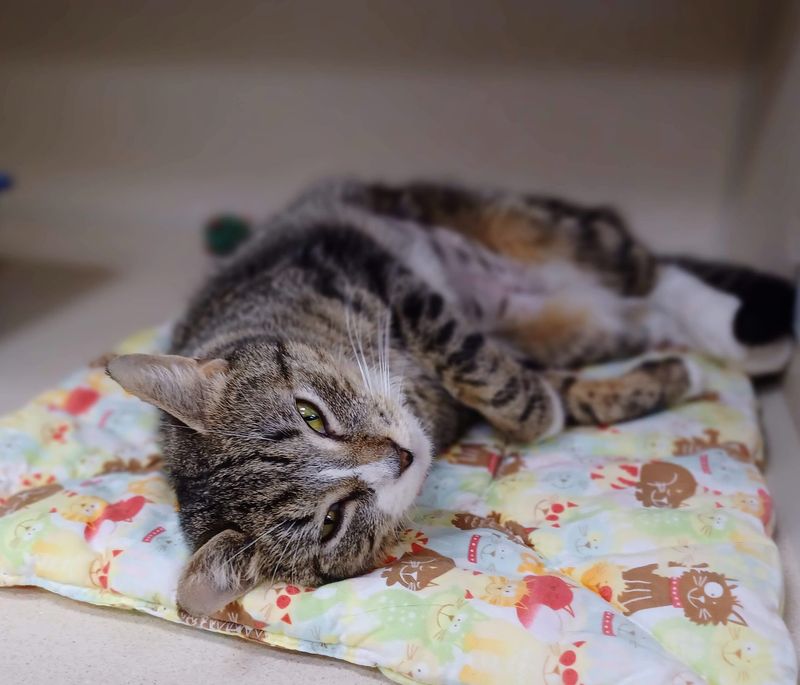
Rescue work does not always happen in a big building. Protectors of Animals was formed in 1975; its cat shelter is at 144 Main St Unit O in East Hartford, while its dog shelter locations are in East Hampton and Wethersfield.
Cat care makes up a large share of the volunteer schedule, with morning and evening shifts devoted to feeding, cleaning, medicating, and simply sitting with cats who need human contact.
Dog volunteers handle walks and enrichment, and experienced handlers sometimes assist with adoption meet-and-greets.
Foster families are the backbone of the operation. Bottle babies, pregnant mothers, senior pets, and animals healing after surgery all do better in a quiet house than in a kennel.
Behind the scenes, the organization needs help with transport runs, adoption paperwork, social media, and fundraising events held throughout the year.
Spay and neuter assistance programs are part of the mission as well, which means your time supports prevention, not just rescue.
6. Connecticut Humane Society, Newington
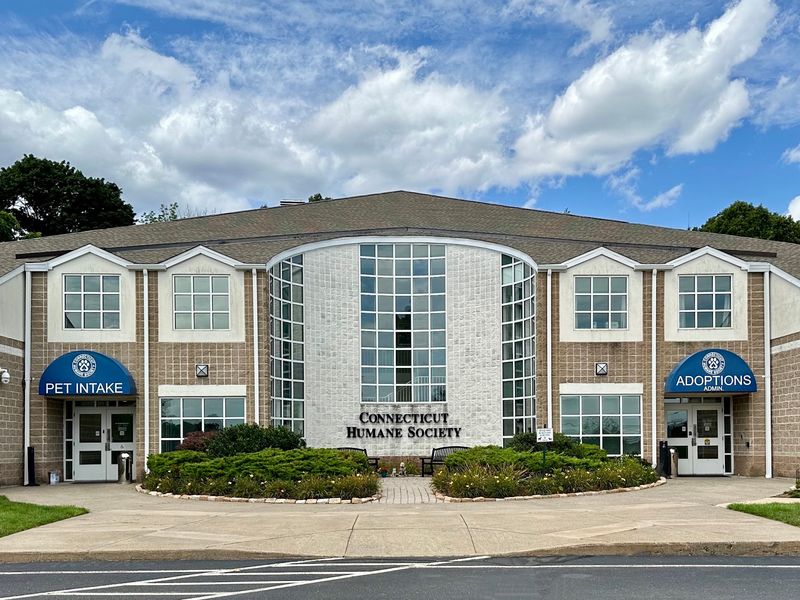
Helping pets can become part of your routine. Here, a small commitment can make a real difference.
Founded in 1881, the Connecticut Humane Society is the state’s oldest animal welfare organization. Its Newington campus combines adoption services with veterinary care, creating a busy setting where volunteers support needs.
On-site opportunities are structured, and most volunteers must be at least 18. Positions are updated regularly, so applicants can choose openings that match their experience and schedule.
The process begins with a virtual open house and online application, followed by training for the role.
Fostering offers another way to help. Temporary homes may care for pets awaiting medical treatment or animals that need more time before adoption.
The organization provides supplies and continues supporting foster animals throughout their stay.
The Newington campus is at 701 Russell Road, Newington, CT 06111. Foster applications are currently being accepted there, although specific needs can change quickly.
Checking current openings before applying makes it easier to find the right fit. Whether volunteering on-site or fostering at home, the work gives animal lovers a way to contribute.
7. Our Companions Animal Sanctuary, Ashford
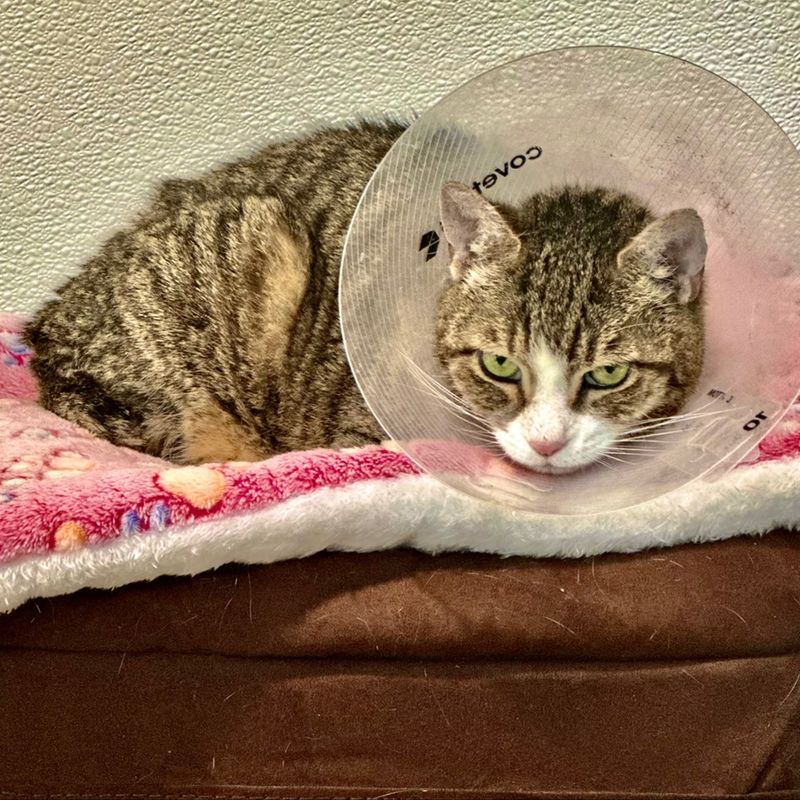
Picture cottages spread across rolling farmland in the quiet eastern hills, each one housing a handful of dogs or cats instead of rows of metal kennels. That is the setup at Our Companions Animal Sanctuary, whose campus sits at 46 Floeting Rd in Ashford.
The sanctuary specializes in animals who need extra patience, including pets with behavior challenges or medical needs that make traditional shelters a poor fit.
Volunteers assist with feeding, cleaning, enrichment, and gentle training work guided by staff, and the low-stress design means shifts feel calm rather than chaotic.
Grounds and maintenance help is genuinely valuable on a rural property, from gardening to painting to seasonal cleanup projects.
Other opportunities include helping with the organization’s education programs, events, and helpline support for families trying to keep their pets at home.
Because training is thorough and animals here follow individual care plans, expect orientation before hands-on work. Anyone who enjoys open space and slower-paced animal care will feel at home.
8. The Riley Farm Rescue, Canterbury
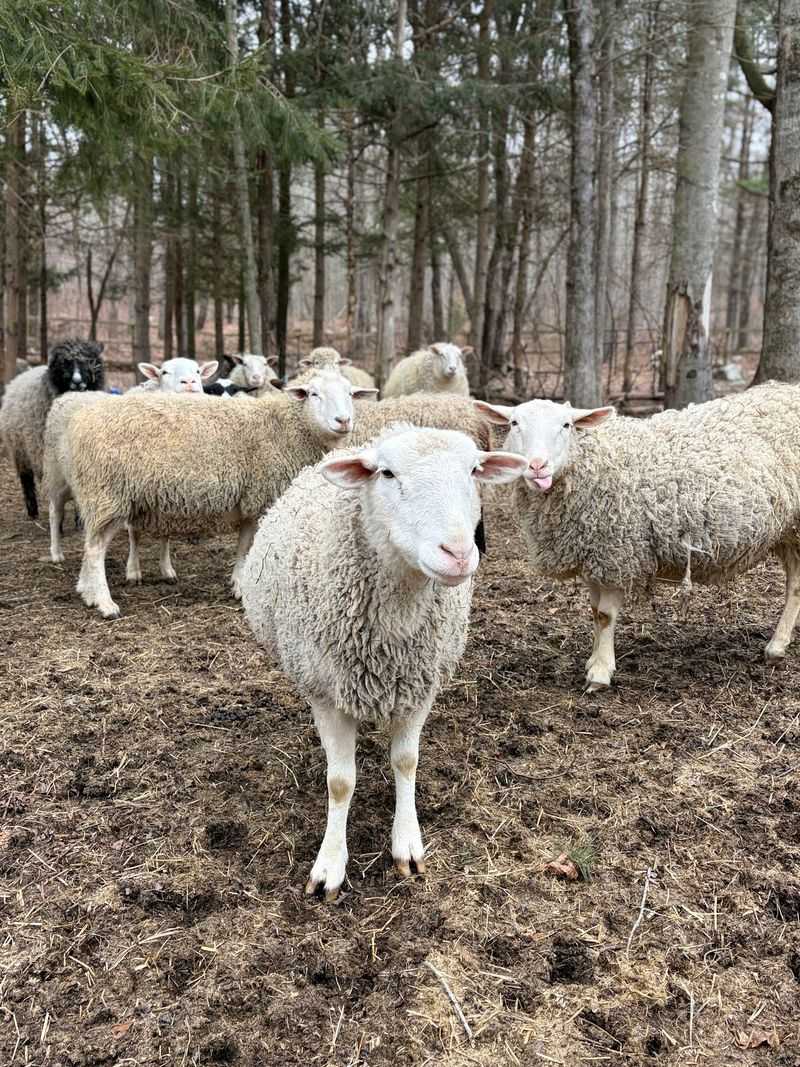
Farm life gets hands-on fast. That is exactly the point here.
At Riley Farm Rescue, volunteers help care for animals with a sanctuary home. The work is practical and often physical.
Weekday shifts focus on animal care, while weekends lean toward cleaning stalls and keeping the sanctuary in good shape.
The reward comes in quieter moments between chores. Volunteers may spend time socializing with animals or preparing enrichment that keeps residents active and comfortable.
Small groups can arrange volunteer visits in advance for projects around the property.
People who prefer lighter duties have options, too. The rescue offers less strenuous roles that may involve organizing supplies or helping with indoor care.
Applicants under 18 need a parent or guardian to sign a waiver before volunteering.
The sanctuary is at 13 Barstow Road, Canterbury, CT 06331. Applications are required before volunteers begin, and group visits must be scheduled ahead.
It is a hands-on way to support rescued farm animals while helping with the everyday work that keeps their home running smoothly.
9. A Place Called Hope, Killingworth
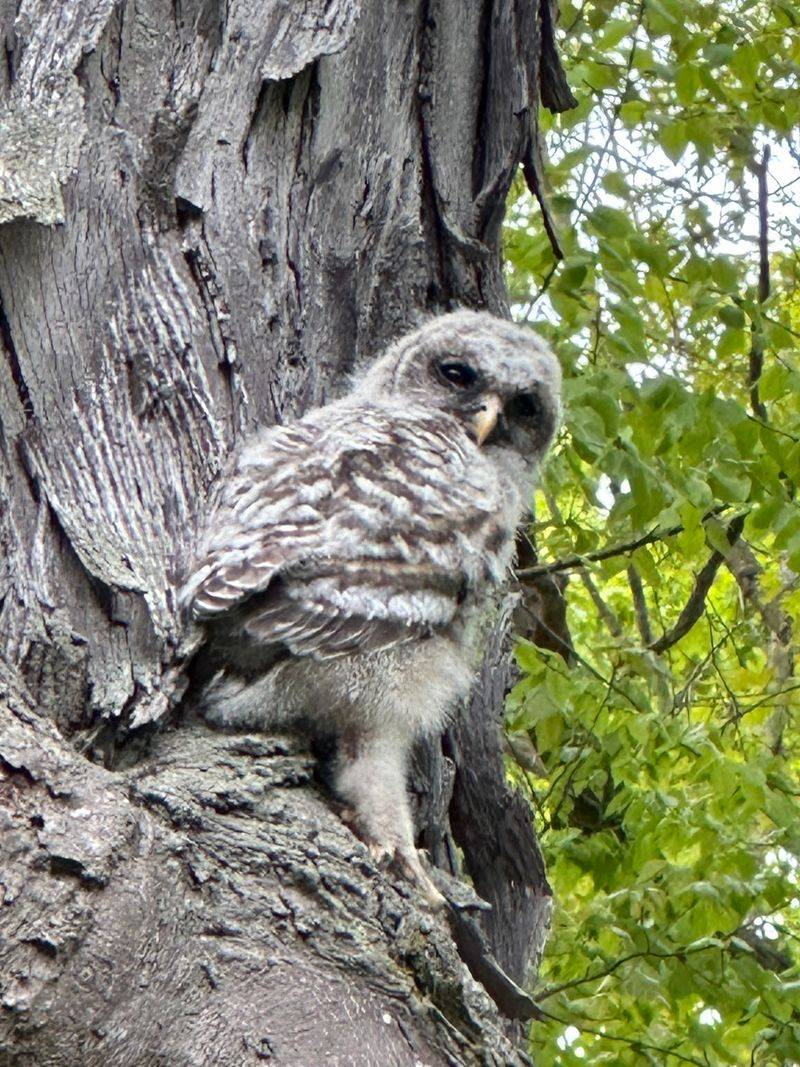
Hawks, owls, eagles, and falcons arrive at this Killingworth center injured, orphaned, or grounded, and many eventually fly free again. A Place Called Hope specializes in birds of prey rehabilitation and education, working from 154 Pond Meadow Rd.
Raptor care demands caution, so new volunteers usually start away from the birds. Laundry, dishes, food preparation, grounds work, and enclosure cleaning are the everyday tasks that keep patients healthy.
Over time and with training, some volunteers move toward handling ambassador birds or assisting with rescues and transport.
Transport drivers are especially useful in a state where an injured hawk might be reported an hour away with no one available to fetch it.
The center also presents educational programs featuring non-releasable birds, and volunteers help set up, manage crowds, and answer questions from fascinated audiences.
Because wild patients need quiet, visits are by arrangement rather than casual drop-in. Anyone curious about wildlife medicine will find this a rare chance to see it up close.
10. The Little Guild, West Cornwall
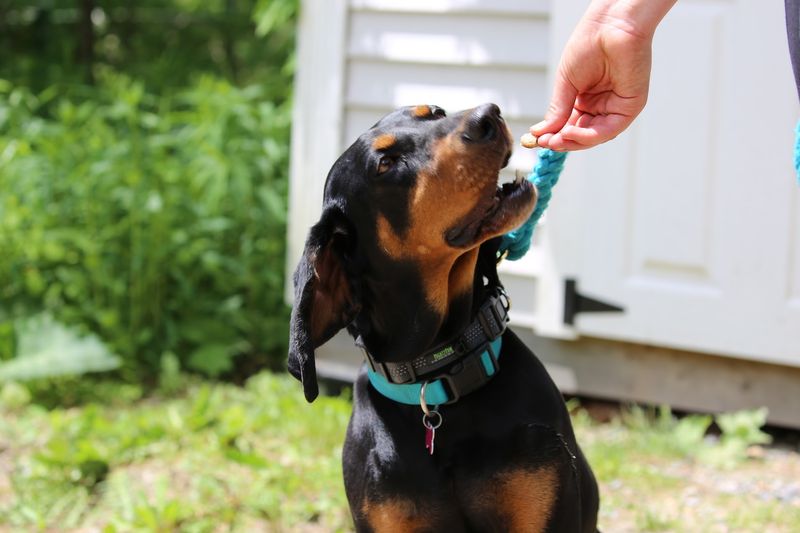
Up in the Litchfield Hills, The Little Guild has been finding homes for dogs and cats since it was founded in 1960. The shelter stands at 285 Sharon-Goshen Turnpike in West Cornwall, surrounded by the kind of scenery that makes a volunteer dog walk feel like a hike.
Walking is a major part of the volunteer program, and the rural setting gives dogs room to stretch out and decompress between adoption meetings.
Cat socializers spend their shifts brushing, playing, and coaxing timid residents out of hiding spots, which directly improves the odds a visitor connects with them.
Beyond animal contact, the shelter needs help with cleaning, laundry, donation organizing, and its community events and fundraisers throughout the year.
The organization is also known for community programs such as pet food assistance, so volunteers sometimes help pack and distribute supplies to families in need.
Complete the volunteer application and attend orientation first. The current volunteer program has no fixed commitment, allowing volunteers to sign up for one-time or recurring shifts that fit their schedules.
11. H.O.R.S.E. Of Connecticut, New Preston
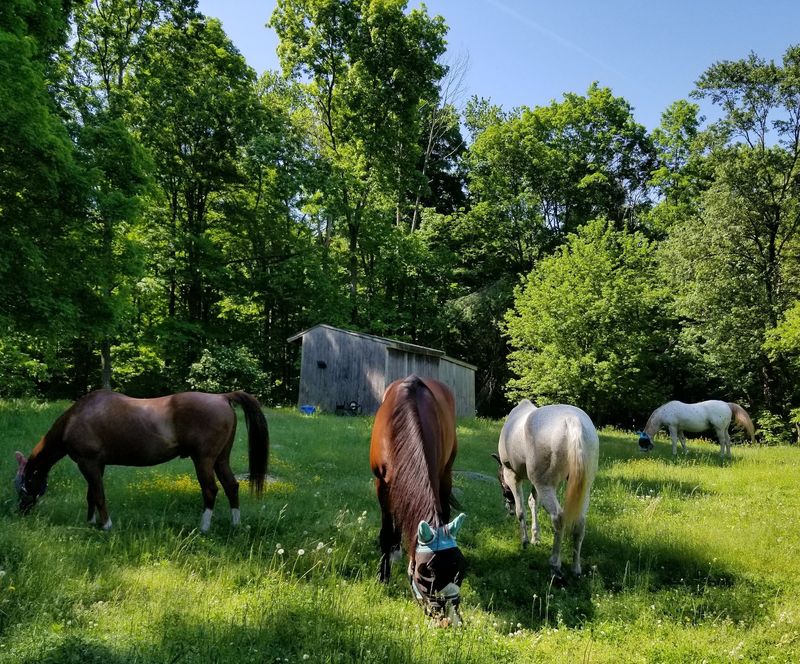
Barn days feel different when every chore matters. The reward is getting close to horses while helping them recover and thrive.
Since 1981, H.O.R.S.E. of Connecticut has focused on rescuing and rehabilitating neglected equines. Volunteers are a huge part of that work, helping with grooming or walking while also tackling heavier barn chores when needed.
No polished riding background is required for every role. What matters more is being comfortable learning safe routines around large animals and being willing to help where needed.
The organization also welcomes people interested in animal care careers who want practical experience around horses.
Support can extend beyond the barn, too. Representatives help with educational events and community outreach, while sponsorships give supporters another way to connect with individual horses.
The farm is at 43 Wilbur Road, Washington, CT 06777. New volunteers should arrange a tour before showing up so they can learn how the farm operates.
Whether you stay an hour or spend much longer helping, the work is hands-on and closely tied to the horses themselves each day.
12. Sharon Audubon Center, Sharon
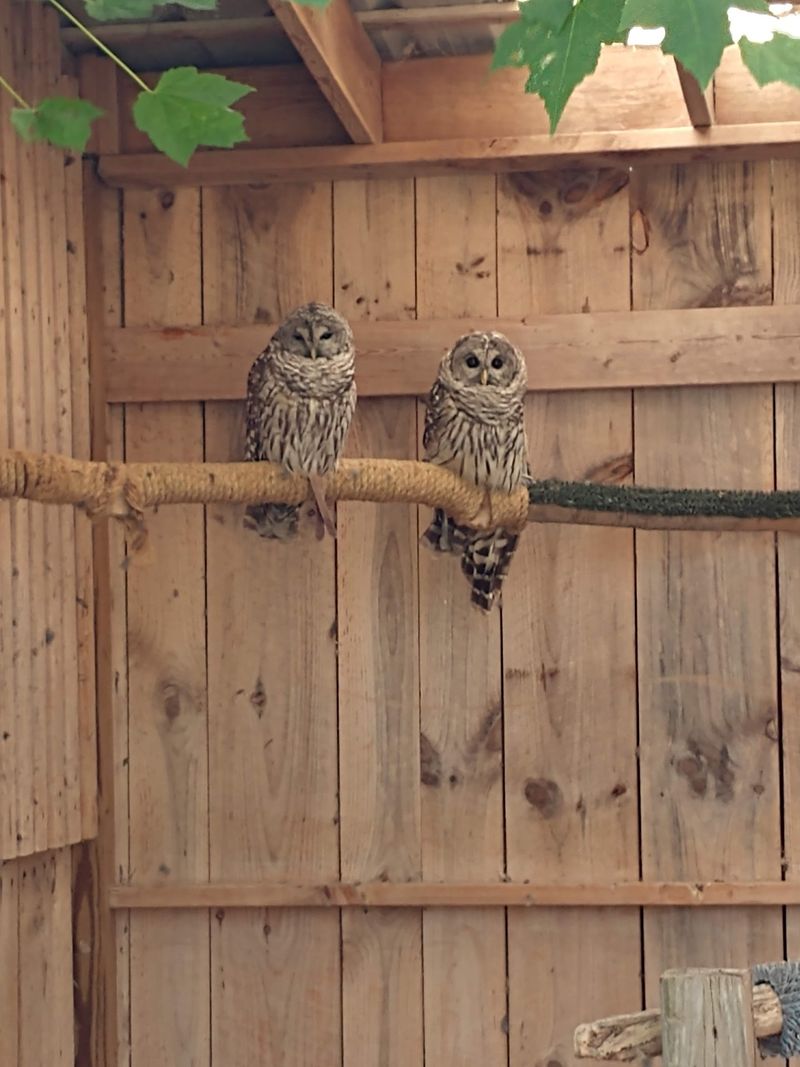
More than 1,000 acres of woods, wetlands, and meadows make up the Sharon Audubon Center, and the trails, ponds, and gardens there all need care. The center’s entrance is at 325 Cornwall Bridge Rd in Sharon.
Wildlife rehabilitation is part of the operation, and volunteers assist with food preparation, cleaning, and daily upkeep for birds recovering on site, including resident raptors used in education.
Trail crews clear brush, repair boardwalks, and maintain signage, work that protects habitat while keeping the property welcoming for hikers.
Other helpers staff the visitor building, assist with children’s programs and summer camps, monitor nest boxes, or pull invasive plants during seasonal workdays.
Bird counts and citizen science projects offer a great entry point for anyone who already owns binoculars and enjoys keeping records.
Since this is an Audubon property, training often includes a solid dose of natural history, so you learn while you serve. Contact the center to see which projects match your skills and available hours.