This Cage-Free Connecticut Shelter Gives Rescued Cats The Safety And Second Chance They Need
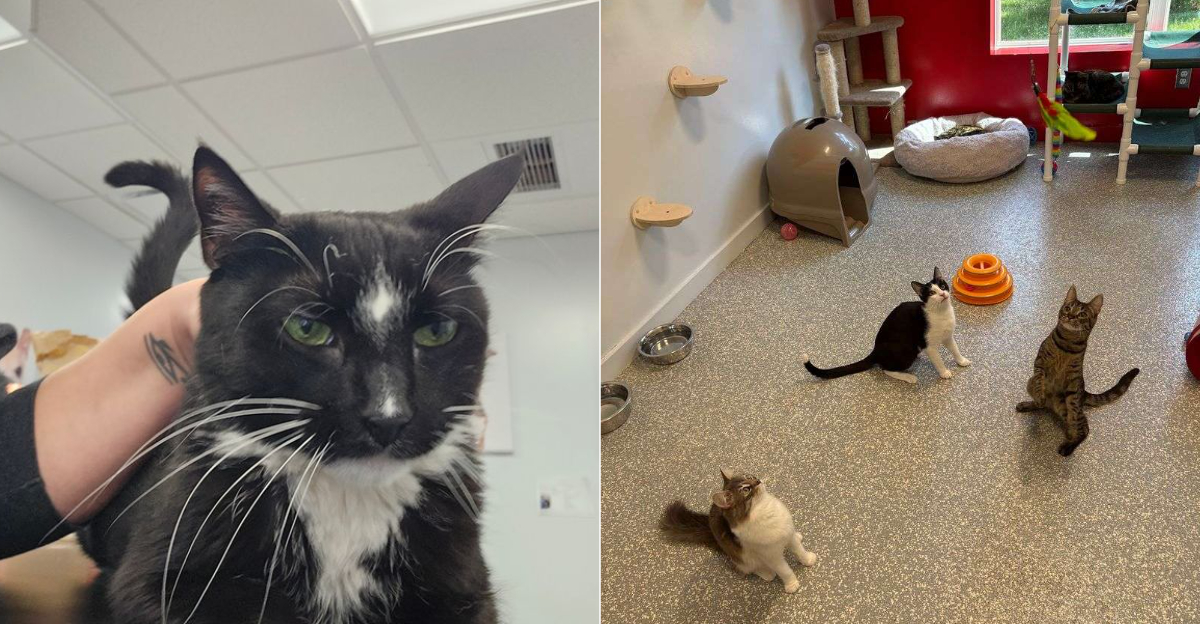
Safety can look surprisingly simple when you are a cat that has spent too long without it. At this Connecticut shelter, rescued cats can stretch out in cage-free spaces with room to climb, hide, rest, and slowly become comfortable again.
That freedom matters more than it might seem. A shy cat can choose a quiet corner instead of being pushed into attention.
Another may decide that today is finally the day to approach someone new. Those tiny changes can feel enormous.
Since 1948, the shelter has given homeless and surrendered animals refuge while working to match them with permanent homes.
Until that match happens, the cats are given something equally important: time. Time to settle. Time to trust.
And somewhere among those rooms, one cat may be quietly waiting for the person who changes the rest of its story.
1. Rescued Animals Have Found Refuge Here Since 1948
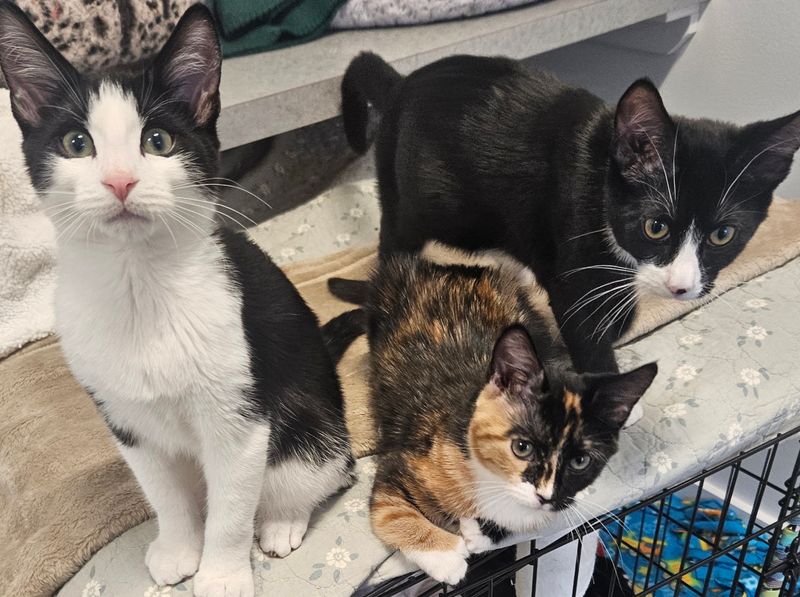
Seventy-five years is a long time to keep one promise. This Connecticut shelter has spent every one of them giving cats and dogs another chance.
The Animal Haven began in 1948 with a simple mission: provide refuge for homeless, abandoned, and surrendered animals while helping them move into permanent homes. That purpose has stayed remarkably steady even as the organization around it has grown.
Today, the private nonprofit relies on donations, adoption support, grants, fundraising, and community backing rather than ongoing municipal funding.
Animals arrive from the Greater New Haven area and beyond, including transfers from crowded municipal shelters when space becomes limited.
The milestone year came in 2023, when The Animal Haven celebrated its 75th anniversary. By then, the organization estimated that more than 22,000 cats and dogs had passed through its care and into permanent homes.
The facility has changed significantly along the way. Major renovations updated the shelter, and a newer cat wing expanded the space for animals waiting for adoption.
That balance gives the place its staying power. The surroundings may evolve, but the original goal remains easy to recognize: care for animals well and help them begin again.
2. Seven Wooded Acres Give The Shelter Its Peaceful Setting
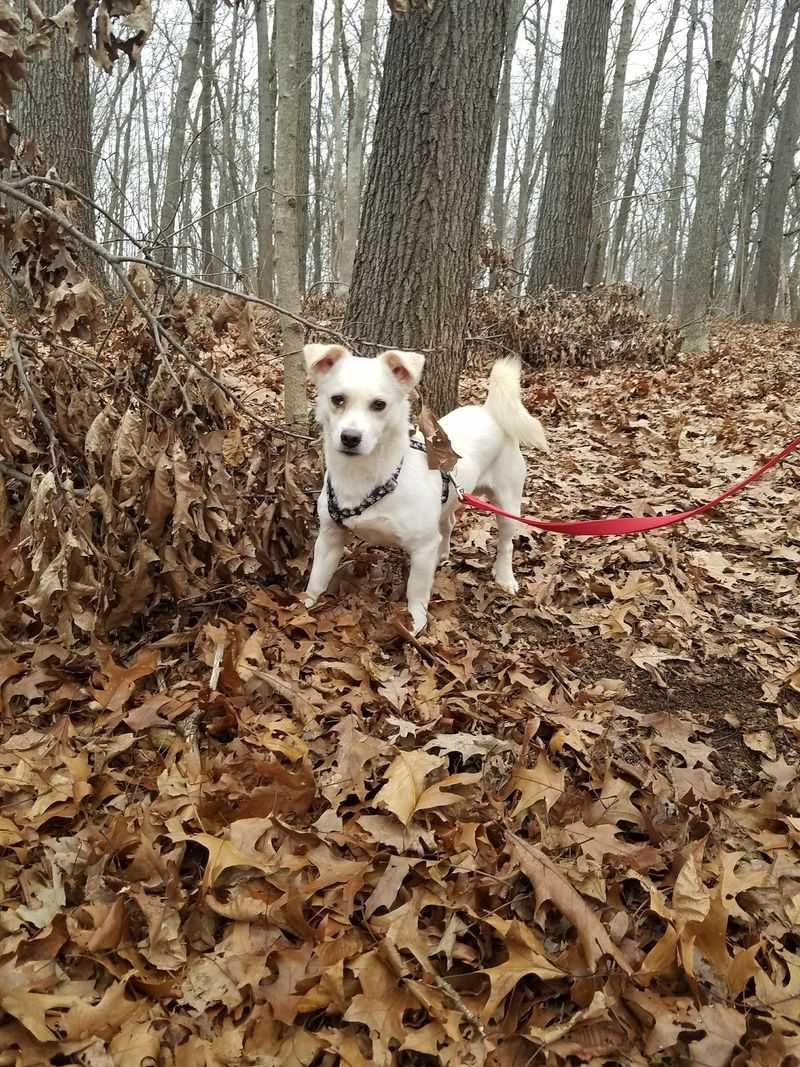
The greenery changes the mood immediately. Before the animals even come into view, the surroundings already feel unusually calm.
The Animal Haven occupies a wooded seven-acre property, giving the shelter plenty of space beyond its indoor rooms. Dogs benefit especially from that extra room, with bright kennels connected to outdoor runs they can access during the day.
Daily walks across the grounds are also part of their routine, while two outdoor pens provide additional space for exercise and play.
Cats have their own comfortable setup. Rather than remaining in traditional cages, they live in a cage-free environment with places to perch, lounge, or retreat when they want a little privacy.
The facility itself has changed considerably over the years. Major renovations updated the shelter, followed by work on the cat wing and dog kennels.
The property at 89 Mill Road in North Haven feels surprisingly removed from busier surroundings.
Visits are generally arranged by appointment, while occasional open houses allow guests to meet the animals without one.
Between the wooded grounds and thoughtfully designed animal spaces, the shelter feels more peaceful than many first-time visitors might expect.
3. Cats Live Together In A Cage-Free Environment
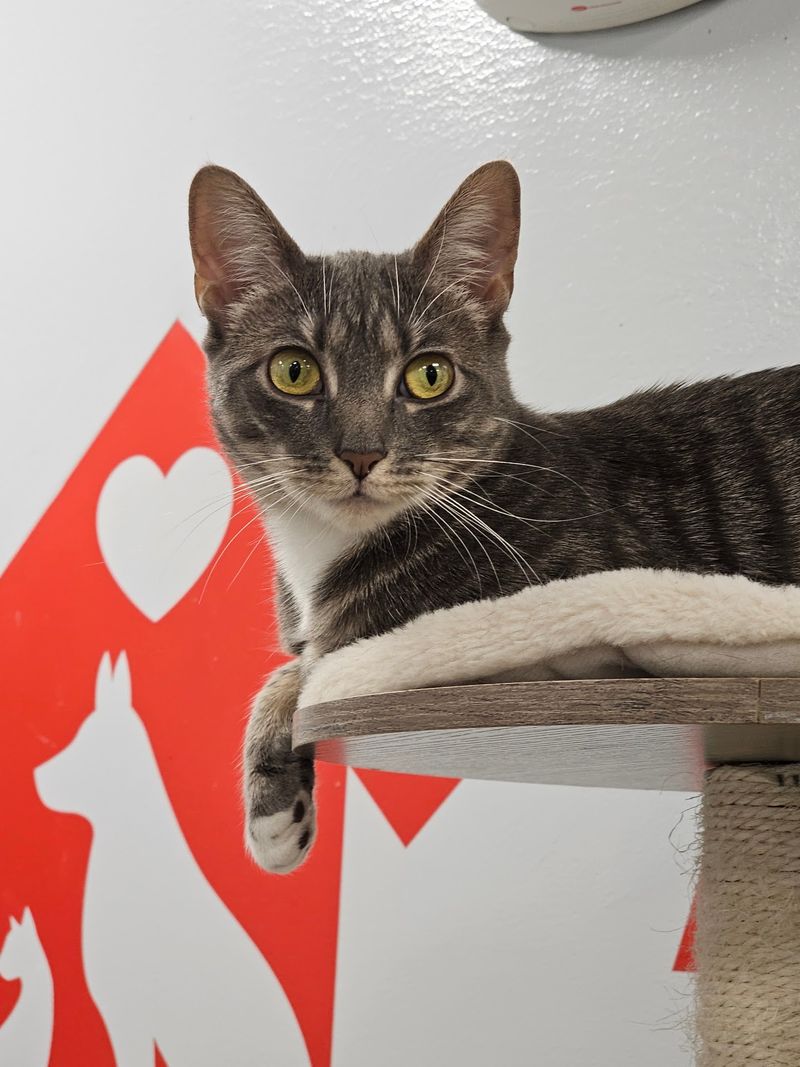
Forget the image of a cat pressed against wire bars. Here, cats live in shared rooms with open floor space, and it changes the entire mood of a visit.
Instead of one animal per box, you walk into a room where a few cats are stretched out, a couple are grooming, and one is watching you from a shelf.
Group living cuts down on the stress that cages can cause. Cats get to move whenever they want, stretch fully, and interact with other cats on their own terms, which keeps their social skills sharp for whatever household they join next.
Construction of a major cat wing expansion began in 2018, with a ribbon-cutting ceremony held in 2020 to celebrate its opening. Multiple rooms allow the staff to group cats thoughtfully by size, temperament, and tolerance for company.
There is also space for cats who genuinely prefer their own company, because forcing a solitary cat into a crowd would defeat the purpose.
Visitors who have adopted from here in the past often mention being surprised by how confident and well socialized the cats seem. That comfort is exactly what open housing is designed to build, one relaxed afternoon at a time.
4. Perches And Hideaways Let Each Cat Find Its Space
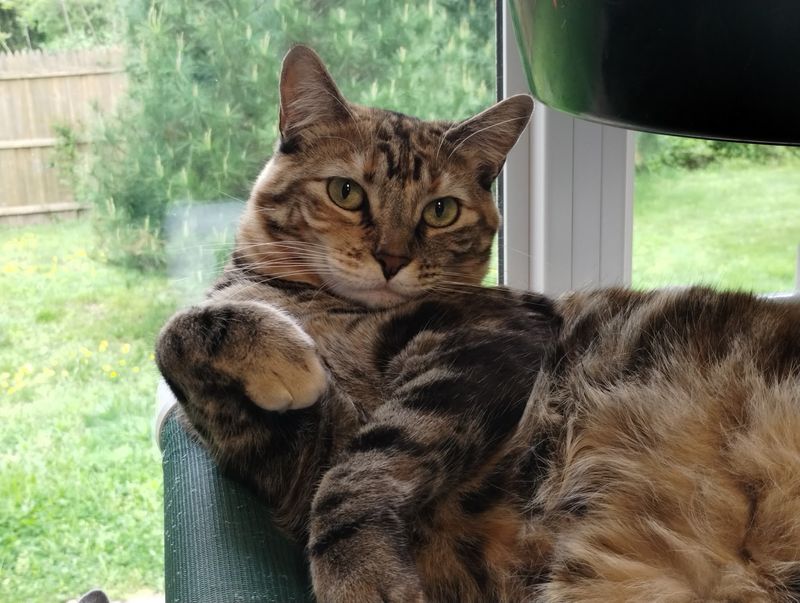
Cats are contradictory creatures. They want to see everything, and they also want to disappear.
The cage-free rooms at this shelter are built around that exact tension.
Inside each communal space, cats have room to lounge, climb onto elevated perches, or retreat to quiet hideaways when they need a break. A nervous newcomer can slip into a covered bed and watch the room from safety.
A bold one can claim the highest shelf and survey everything below like a supervisor.
Height matters more than most people realize. In the wild, being up high means being safe, so a cat that can climb feels less threatened by movement at floor level.
That single feature reduces squabbles and helps shy cats settle in faster.
The hideaways serve as a pressure valve. Rather than being stuck in a corner with nowhere to retreat, a cat can choose privacy and come back out when ready, which builds confidence instead of chipping away at it.
Worth borrowing at home: when you adopt, set up one tall perch and one enclosed hiding spot before your new cat arrives. Familiar options make the transition from shelter room to living room much smoother for everybody involved.
5. Every New Arrival Receives A Health Assessment
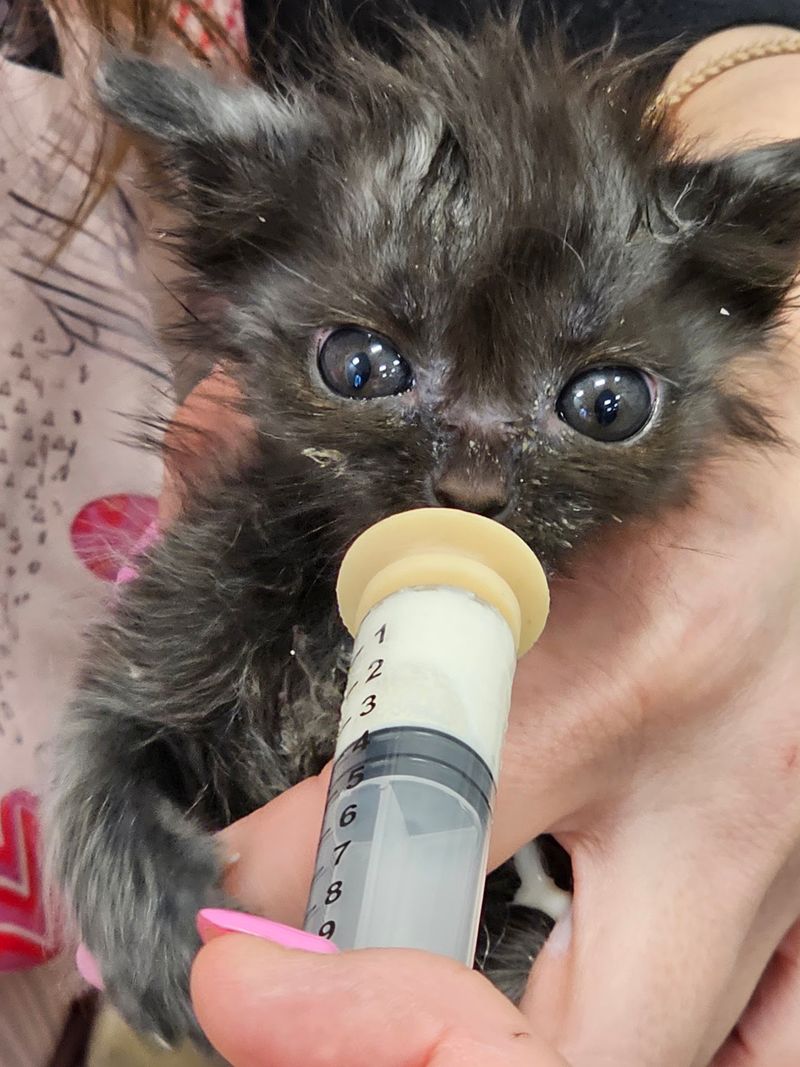
Before a cat ever joins a group room, it goes through a careful intake process. Every animal receives a full physical exam and health assessment, plus the vaccinations needed to protect against common diseases.
Any ongoing medical condition is tracked and treated by the care team rather than left to sort itself out.
Testing is specific to the species. Cats are checked for feline leukemia (FeLV) and feline immunodeficiency virus (FIV), while dogs are tested for heartworm.
Knowing those results early protects the other residents and gives adopters honest, complete information.
A mandatory spay and neuter policy applies to all animals leaving the shelter, a straightforward way to reduce the number of unwanted litters in the region.
The building supports this work with a medical examination room and separate isolation rooms for animals that need treatment or a quiet recovery. A modern HVAC system helps limit the spread of illness between spaces, which is a genuinely big deal in a facility with open group housing.
All of this explains why an adopted pet from here usually arrives with medical history already sorted out. Longtime supporters often point to the standard of medical care as the reason they keep coming back.
6. Staff Learn Each Animal Before Matching New Homes
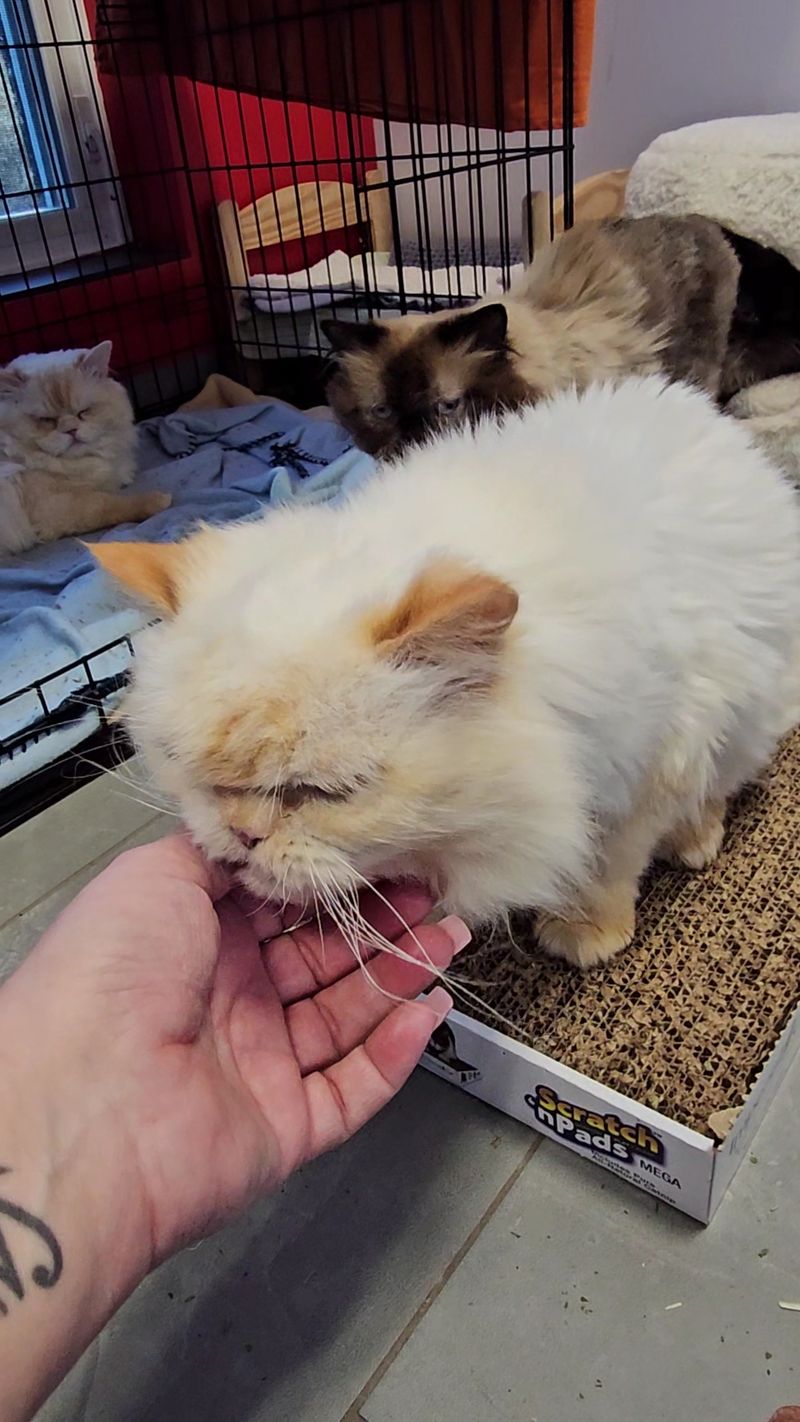
Ask anyone who works with rescue animals and they will tell you the same thing: no two cats are alike. That belief runs through everything this shelter does.
Staff spend real time with each cat and dog, noting personality, energy level, quirks, and specific needs.
One cat may adore being carried around. Another might want a quiet adult household with no toddlers and no other pets.
A third could be the ideal companion for a young cat who is lonely at home. None of that shows up on a cage card unless someone has bothered to observe it.
Those observations feed directly into matchmaking. When an application comes in, the team can think about which animal would actually thrive in that particular household rather than simply pointing to whoever is available.
The adoption process includes a careful vetting procedure, and it exists for one reason: placements that last. A match made on solid information is far less likely to fall apart three months later.
Adopters frequently say the descriptions they were given turned out to be strikingly accurate once the pet got home. That kind of honesty about a cat’s habits and history is what turns a hopeful adoption into a settled, happy one.
7. Comfortable Spaces Make Longer Stays Easier
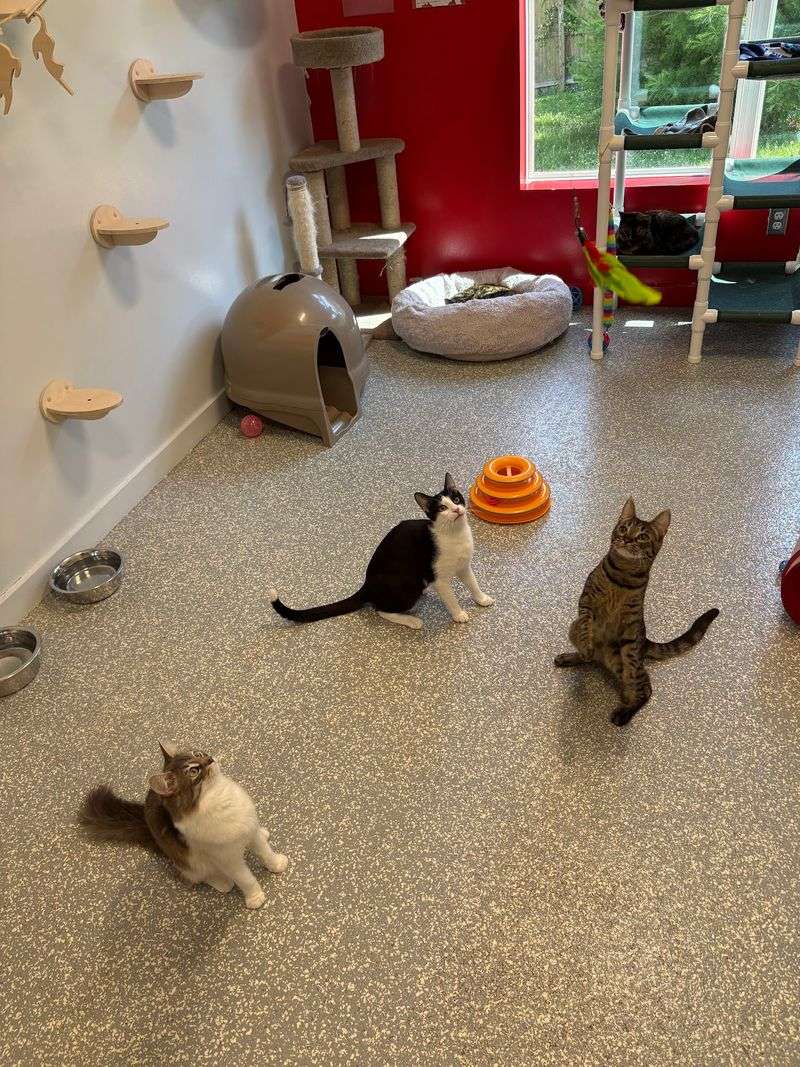
Some animals need a little more time. Others may call this shelter home for years.
That possibility shapes the way The Animal Haven cares for every resident. If a cat or dog cannot be adopted, the organization continues providing a comfortable home rather than treating the shelter as a temporary stop.
Cats have plenty of freedom inside their cage-free environment. They can move around the room, climb onto high perches, or retreat into quieter spaces whenever they want privacy.
Regular attention from volunteers also gives them important social time and keeps their days interesting.
Dogs follow a routine built around movement and interaction. Their bright kennels connect to outdoor runs, while daily walks across the seven-acre property give them a welcome change of scenery.
Two outdoor pens provide additional room for exercise and play.
Comfort matters just as much as space. Staff and volunteers spend time getting to know each animal, which helps them understand individual personalities and needs.
That daily care becomes especially meaningful for longer-term residents. Familiar surroundings and regular interaction help make the shelter feel steady and secure.
Community support helps maintain that environment, giving each animal the care and attention it needs for however long the stay may last.
8. Adoption Visits Focus On Finding The Right Match
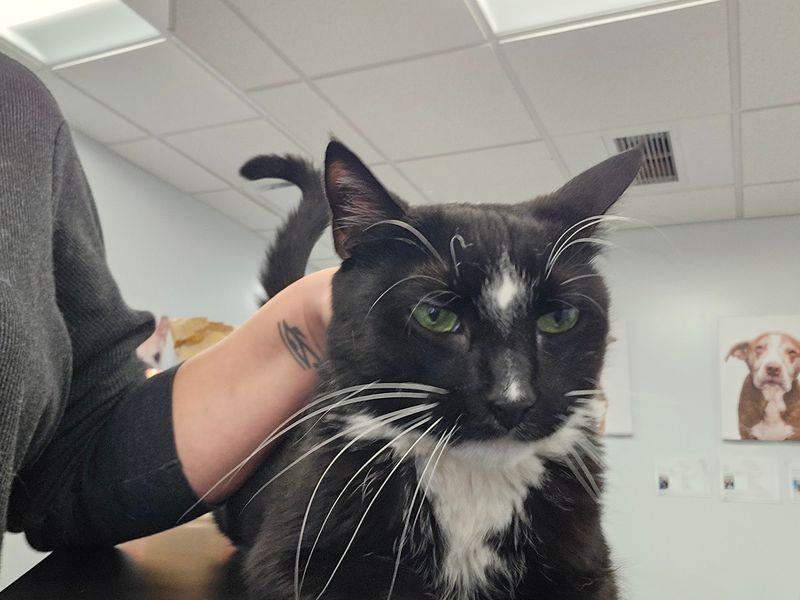
Meeting the right pet takes a little time here. That careful pace is part of what makes the process feel thoughtful rather than rushed.
Prospective adopters begin by browsing available cats or dogs, then submitting an application. Once approved, a one-on-one meet-and-greet can be scheduled.
Depending on the animal and household, more than one visit may be encouraged before everyone feels confident about the match.
Open houses offer another easy way to get acquainted. These weekend events allow visitors to tour the shelter, meet adoptable animals, and ask questions without an appointment, although adoptions are not completed during the event.
The application covers the basics of a stable home. Adopters must be at least 18, and everyone in the household needs to meet the animal.
Proof of pet-friendly housing is required, while previous pet owners may also need a veterinary reference and personal references.
If a dog already lives at home, the shelter can arrange an introduction before anything is finalized.
The goal is not speed. It is making sure the animal and family truly fit.
That extra care can mean a few visits, but it gives both sides a better chance at a comfortable, lasting match.