This Connecticut Museum Is Packed With Playful Adventures For Curious Kids
Nobody warns you that a children’s museum can make a fully grown adult question every boring weekend they have ever had.
This Connecticut one is particularly guilty of that.
I went with the mild skepticism of someone who expected nice enough and left having completely revised that opinion within minutes.
There is something about a space built around genuine curiosity that gets to you regardless of your age.
This museum understands that better than most, and it shows in every single room. Each corner has something that makes you stop, look closer, and want to figure it out.
That quality is rarer than it should be and more valuable than people realize.
I left composing a mental list of people who needed to see this place, which included several adults with absolutely no children to use as an excuse.
If your idea of a great afternoon involves wonder, play, and leaving genuinely impressed, you just found your destination.
The Beloved Destination For Families
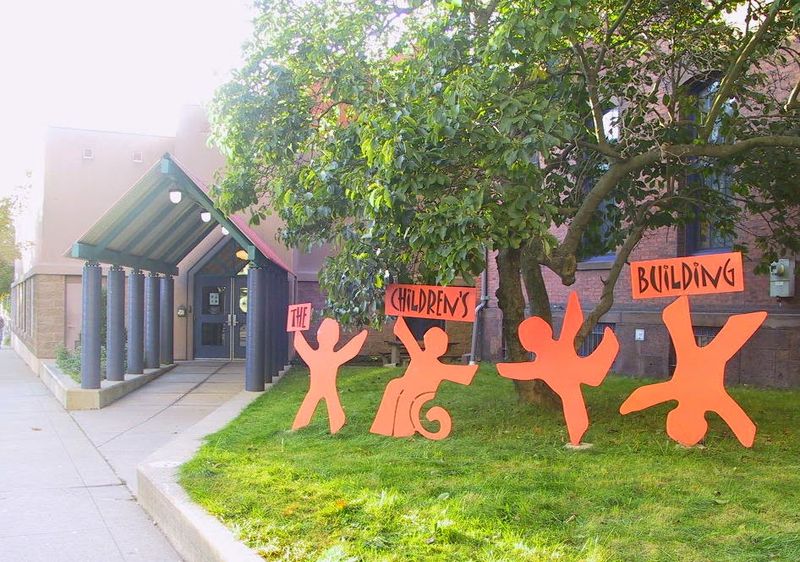
Not every museum greets you with a sense of pure, unfiltered excitement, but the Connecticut Children’s Museum manages to do exactly that from the second you arrive.
The building sits right in the heart of New Haven, Connecticut, modest from the outside but absolutely bursting with energy inside. It is the kind of place that makes kids forget they are learning anything at all.
Founded with the mission of sparking curiosity through hands-on play, this museum has become a beloved destination for families across Connecticut and beyond.
Every corner feels intentional, designed to invite exploration rather than passive observation. You are not just looking at things here.
You are touching, building, and discovering.
Admission is reasonably priced, making it accessible for most families. Parking nearby is manageable, and the central New Haven location at 22 Wall St, means there are plenty of dining options close by for a post-adventure meal.
Plan to spend at least two to three hours here because kids will not want to rush through a single room. Trust me on that one.
The Spatial Room Where Kids Build, Draw, And Invent
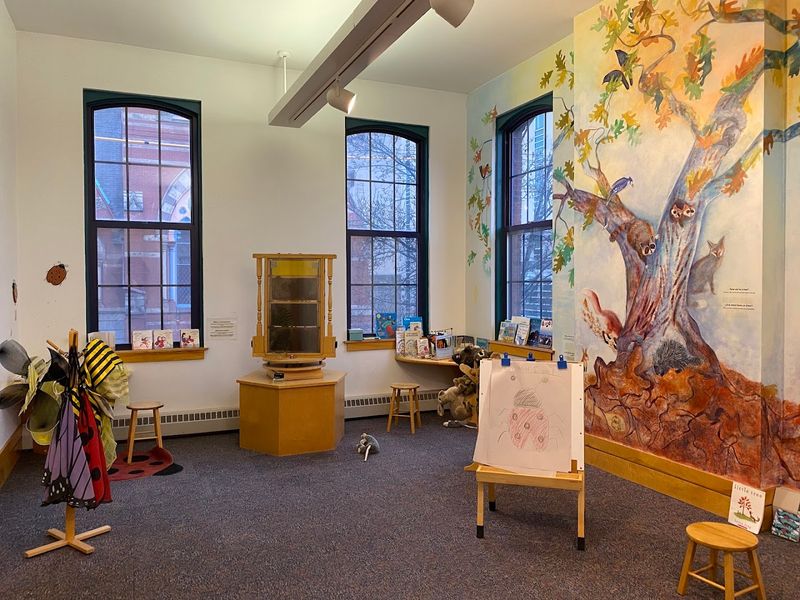
The Connecticut Children’s Museum does not need a traditional art studio to make creativity feel central to the visit.
Its Spatial Room gives kids a hands-on space where building, designing, and experimenting all happen naturally.
Before entering, children pass an optical illusion wall that gets them thinking visually.
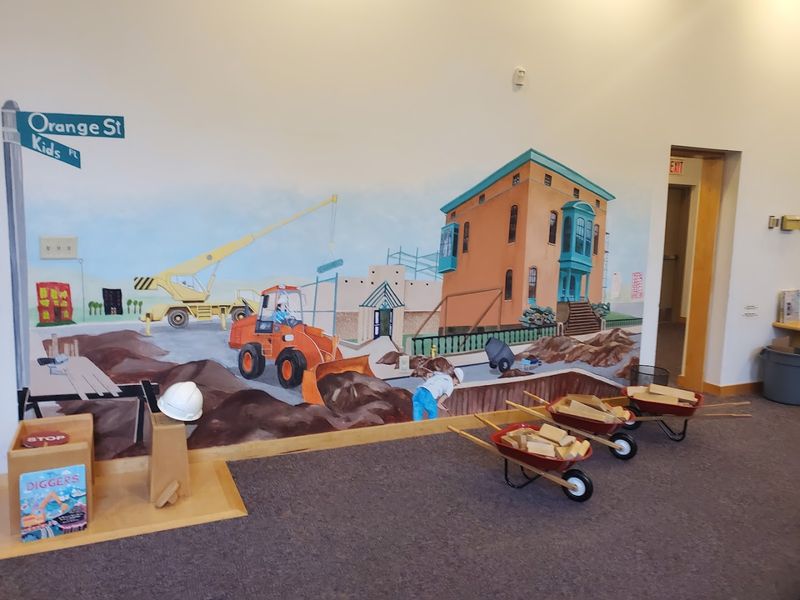
Inside, the room turns into a playful construction zone, with a bulldozer, blueprints, architectural blocks, gravity tubes, and plenty of materials for open-ended making.
The museum also describes a “cool garbage” sculpting space, where items like egg cartons, boxes, and tubes can become rocket ships, machines, or whatever a child decides to invent.
One of the sweetest details is the chalkboard house inspired by Harold and the Purple Crayon. Kids can draw windows, doors, and little imagined worlds across the surface, turning the room into a mix of art, design, and storytelling.
This section works because it lets children create without forcing one correct result.
They can stack, sketch, test, rebuild, and rethink their ideas as they go. It feels playful, but it also quietly introduces design, problem-solving, and spatial thinking in a way that feels completely natural.
Building Blocks And Engineering Challenges For Young Minds
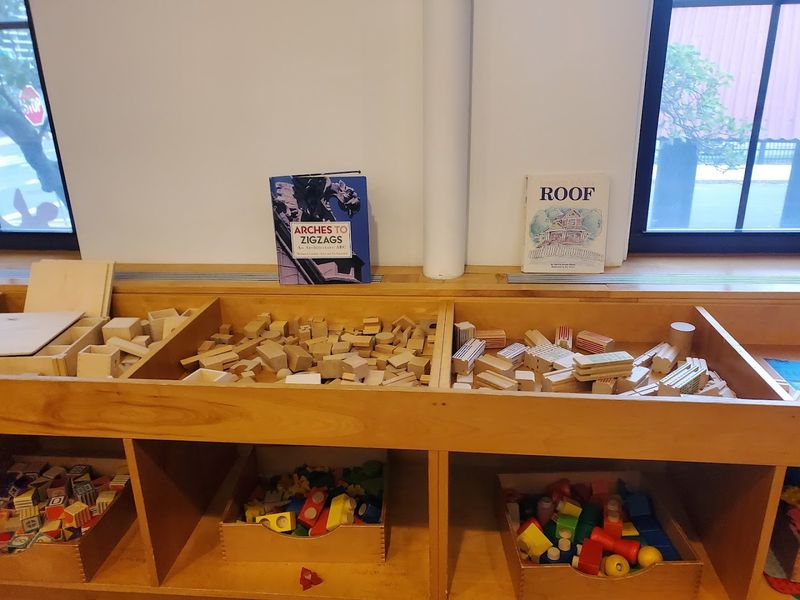
There is something deeply satisfying about watching a five-year-old engineer a tower taller than themselves, only to knock it down and start again with even bigger ambitions.
The building and construction zone at this museum taps into that primal urge to create something from nothing.
Kids can work solo or team up with strangers who quickly become collaborators.
I noticed two kids who had never met before spending twenty minutes building an elaborate bridge together without exchanging more than a handful of words. Play is a universal language.
The challenges posted around the room add an extra layer of engagement for older kids who want a goal to work toward. Build the tallest structure.
Create something that holds weight. Design a ramp.
These prompts keep the experience from feeling aimless while still leaving plenty of room for creative detours.
Parents often find themselves sneaking in to help, which honestly seems like the whole point. This room doubles as an informal STEM lesson that nobody had to sit through a lecture to receive.
The Imaginative Play Village That Sparks Real Storytelling
Every kid has an inner storyteller, and this play village gives that storyteller a full stage to perform on.
Miniature storefronts and a cozy home setup transform ordinary afternoon energy into full theatrical productions. Kids do not just play here.
They create entire worlds.
What I love about spaces like this is how they reveal personality. Some kids immediately take charge and assign roles to everyone nearby.
Others quietly slip into a corner and build their own private narrative with a stuffed animal and a tiny grocery cart. Both approaches are completely valid and equally fascinating to watch.
The props and costumes are rotated and updated regularly, which keeps return visits feeling fresh.
Parents who have been here before with older siblings will notice new additions that make the space feel alive rather than static.
The village is designed for children roughly two to ten years old, but older kids occasionally get pulled in too, especially when a younger sibling needs a co-star.
There is no script here, no performance pressure, just pure imaginative freedom in a space that genuinely supports it.
Science Discovery Stations That Make Experiments Feel Like Play
Science does not have to mean sitting at a desk copying formulas from a chalkboard.
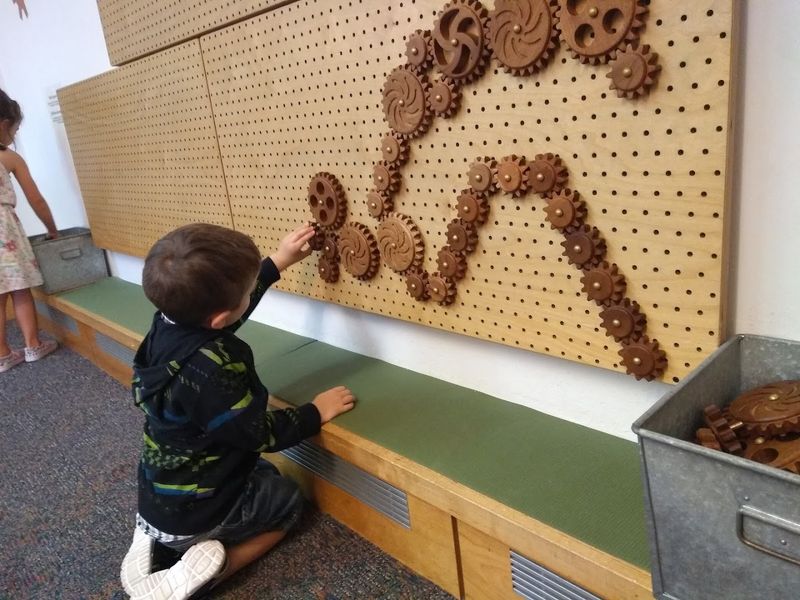
At this museum in Connecticut, science means music exploration, a maze wall, gear wall, tubes for gravity, a naturalist room with an observation hive, magnifying glasses, and collections of earth objects.
The discovery stations here reframe the entire concept of what a science lesson looks like.
Each station is built around a single big idea, presented in a way that invites repeated experimentation. Kids do not read instructions so much as they just start touching things and figuring it out.
That trial-and-error process is exactly how real scientific thinking develops, and it happens here completely naturally.
Museum educators occasionally drop by these stations to ask open-ended questions that deepen the experience without turning it into a lecture.
If your kid is the type who asks why about everything, this room will feel like a personal paradise. Bring a change of clothes.
You have been warned.
Early Literacy That Feels Like A Cozy Invitation
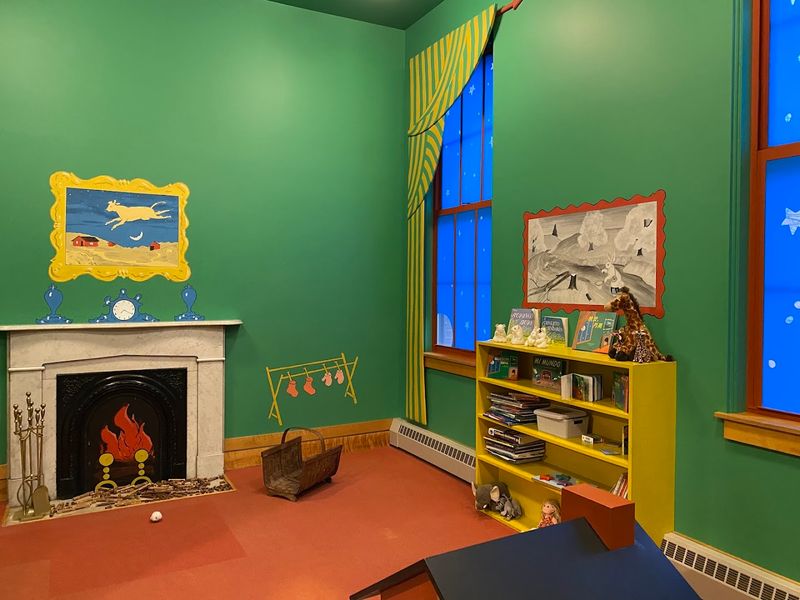
Hidden in a quieter part of the museum is The Linguistic Room that feels like a deep exhale after all the exciting chaos elsewhere.
Bright picture books and a warm atmosphere make this space feel genuinely inviting rather than like an afterthought. It is a room that earns its place.
Early literacy is woven into the design here in a way that never feels forced. Books are organized at child height, easy to grab and flip through independently.
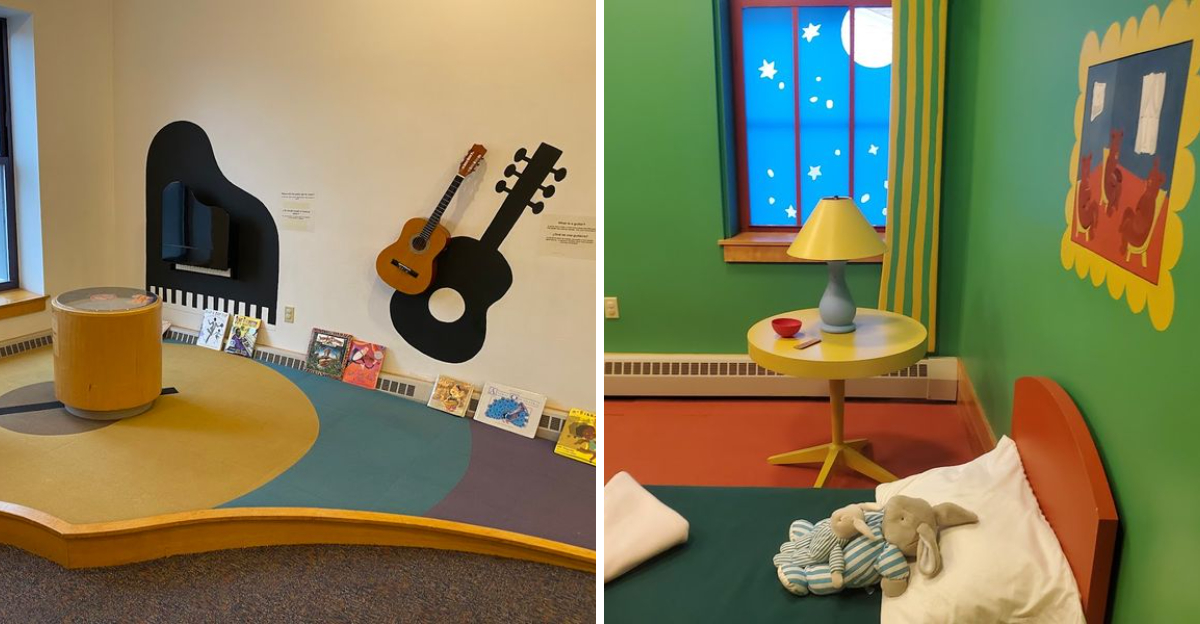
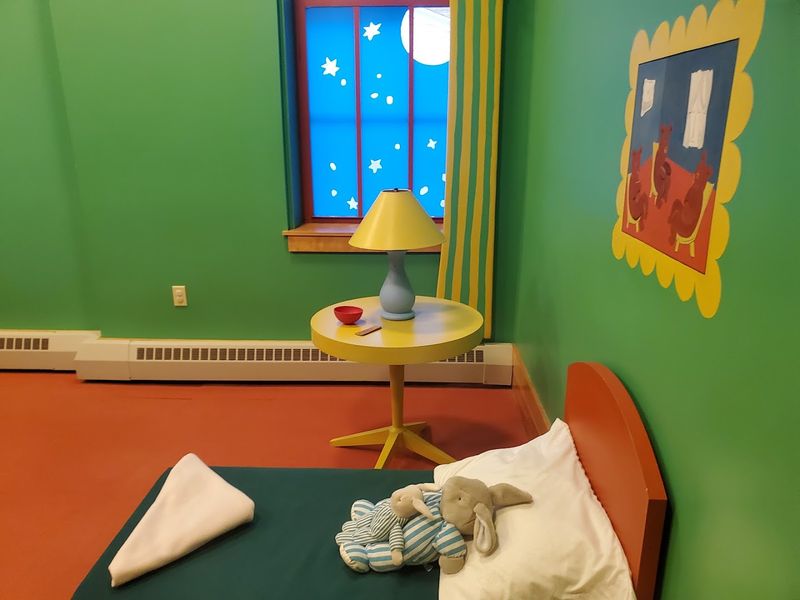
The Linguistic Room recreates the Goodnight Moon room and includes words on large magnets in different languages and Braille.
Interactive alphabet displays and word puzzles line the walls, giving kids ways to engage with language through touch and movement rather than just sitting still.
Parents of toddlers especially appreciate this corner as a calm regrouping spot between more stimulating exhibits.
Reading together in a dedicated, comfortable space does something for a child’s relationship with books that screen time simply cannot replicate.
This corner quietly makes the case for that without ever saying a word about it.
Spaces Designed For Different Ways Of Learning
Not every child learns the same way, and the Connecticut Children’s Museum builds that idea into the experience from the start.
The museum says it is inspired by the Theory of Multiple Intelligences, an educational approach that recognizes that children learn in many different ways.
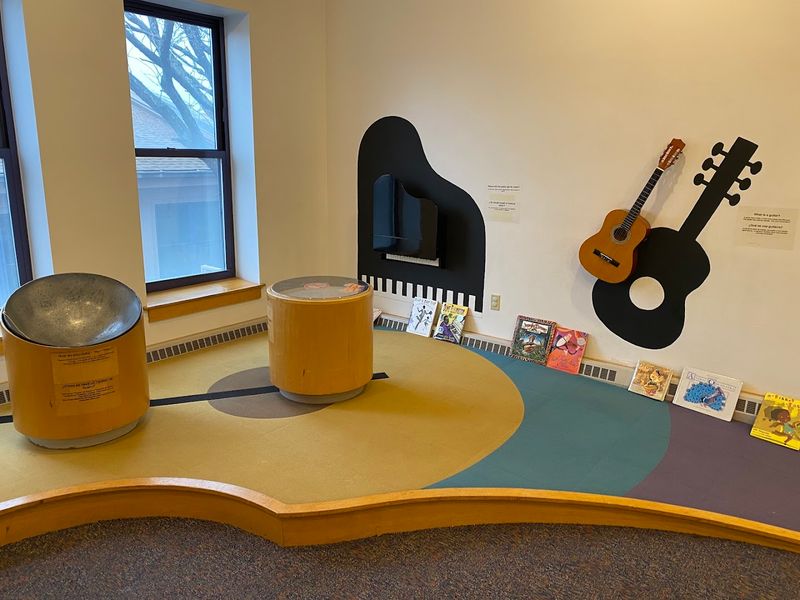
That approach shows up across the museum’s themed rooms. In the Musical Room, children can hear, touch, and explore instruments, from a piano and guitar to musical table exhibits.
In the Logical-Mathematical Room, kids can work with counting activities, a maze wall, gears, tangrams, mosaics, and giant magnetic numbers. Other rooms invite different kinds of discovery.
The Linguistic Room recreates the Goodnight Moon setting and includes words on large magnets in different languages and Braille.
The Spatial Room encourages building and designing with architectural blocks, blueprints, gravity tubes, and open-ended sculpting materials.
The result is a museum that gives children several ways to connect with the exhibits. Some kids may be drawn to music, others to building, storytelling, movement, nature, or problem-solving.
Instead of treating learning as one-size-fits-all, the museum gives curious children room to explore in the way that feels most natural to them.
Why This Museum Deserves A Spot On Your Connecticut Must-Visit List
Some places earn their reputation quietly, through word of mouth and repeat visits rather than flashy marketing campaigns. The Connecticut Children’s Museum in New Haven is exactly that kind of place.
It does not need to oversell itself because the experience speaks loudly enough on its own.
What sets it apart is the consistency of quality across every exhibit. There are no filler rooms, no spaces that feel like they were included just to fill square footage.
Every corner of this building was designed with real intention and a clear understanding of how children actually play and learn. That coherence is rarer than it sounds.
The museum is easy to reach from many parts of Connecticut and neighboring states.
It works beautifully as a standalone day trip or as part of a longer New Haven visit that includes the city’s many other attractions.
Families with children ranging from toddlers to early tweens will all find something meaningful here. I left genuinely glad I had gone, already recommending it to three different people before I even got back to my car.
That kind of enthusiasm is hard to fake and even harder to ignore.