This Indiana Treehouse Retreat Lets You Sleep 30 Feet High In The Forest Canopy
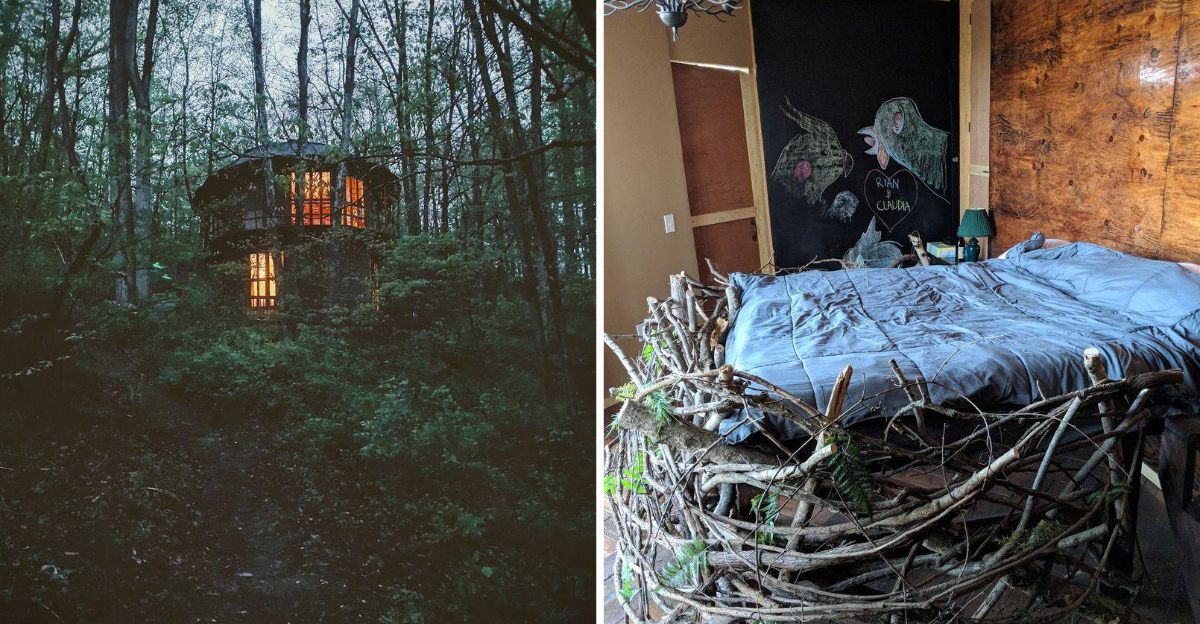
Sleeping thirty feet above the ground already sounds like a story worth telling.
In Indiana, this forest retreat adds trails, gardens, outdoor spaces, and playful extras around an elevated treehouse built for a very different overnight stay.
Morning starts among branches instead of hallway doors. A rooftop tub and swimming area bring even more personality once you are back on the ground.
Nearby attractions give you options beyond the property, but the canopy clearly steals the spotlight.
Waking up there brings back the childhood excitement of a treehouse with a much better setup.
For anyone craving a stay with personality, one night here can feel far more memorable than a standard room.
Sleeping High In A Poplar
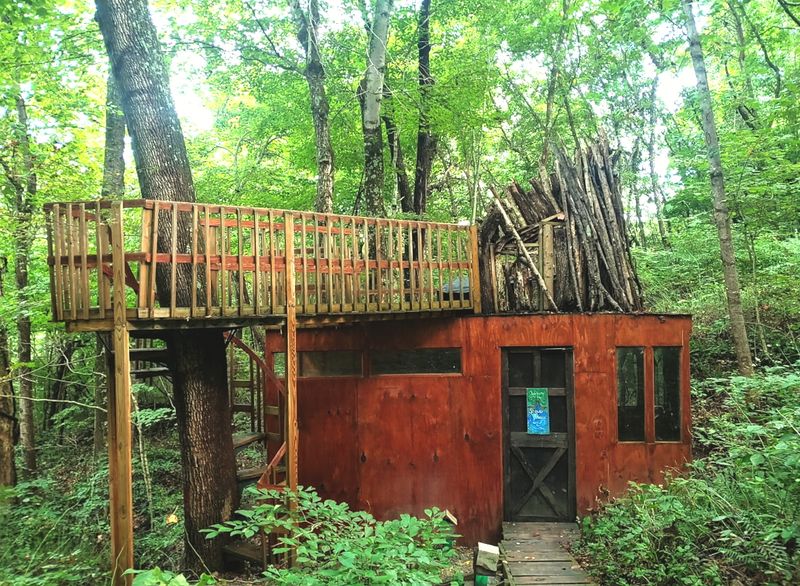
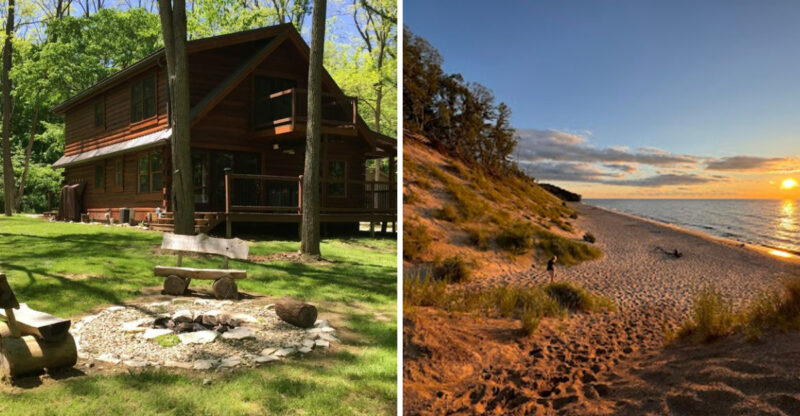
I find the setup especially memorable because the Pop Top actually sways with the breeze 30 feet above the forest floor. The Pop Top Treehouse is the headline act here, and it earns the billing.
Light comes in through small windows at sunrise, filtered green by leaves. You hear birds before you hear anything else, which is a rare treat in Indiana.
Reaching the Pop Top involves steep stairs, and the supporting cables allow the structure to sway in the breeze, so the hostel does not recommend it for guests who are uncomfortable with heights.
Not every guest sleeps in the trees, though. Current accommodations include forest Nests, the Bungalow, the Roost, River Bed, and other private sleeping spaces around the property.
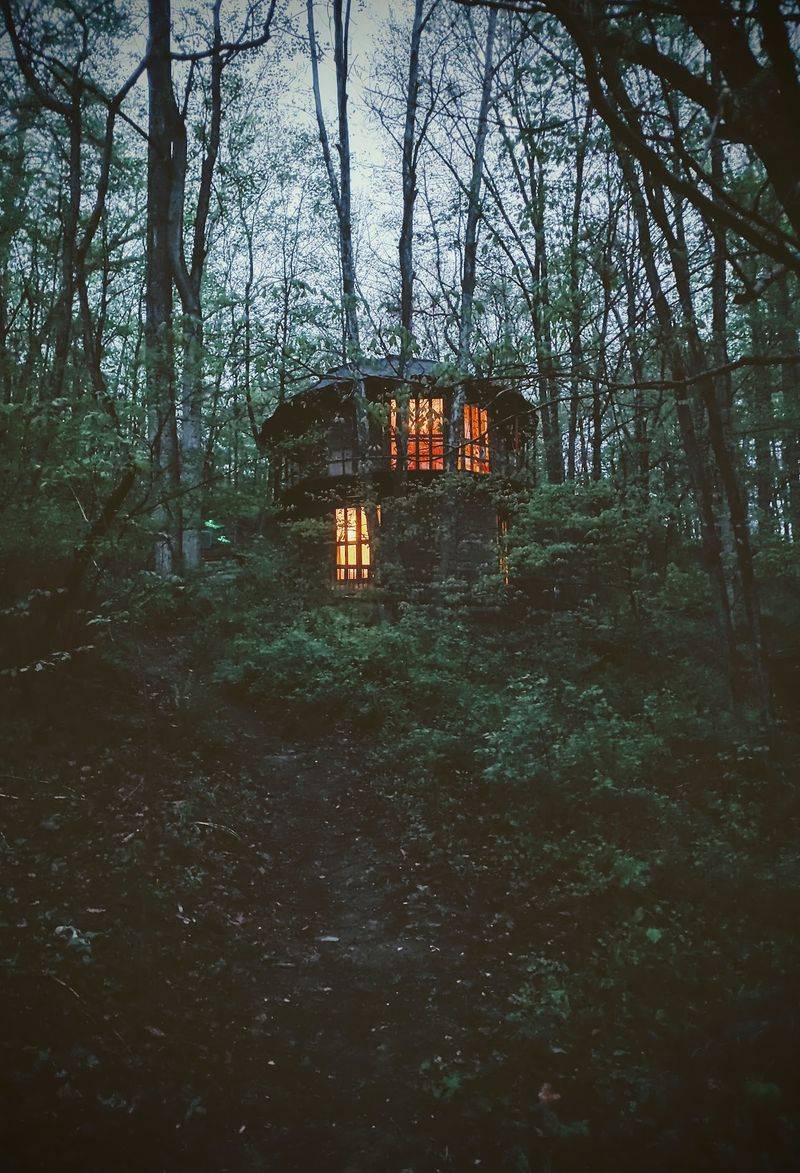
A historic farmhouse from 1868 sits at the center, built on a poplar log foundation. Deeper in the woods, a circular guesthouse gives a more modern feel without losing the rustic mood.
Each structure feels placed on purpose, working with the slope instead of flattening it. Nothing here looks mass produced, and that is a big part of the charm.
You will find the whole hillside retreat at 2393 N County Rd 960 W, West Baden Springs.
Dinners That Build Friendships
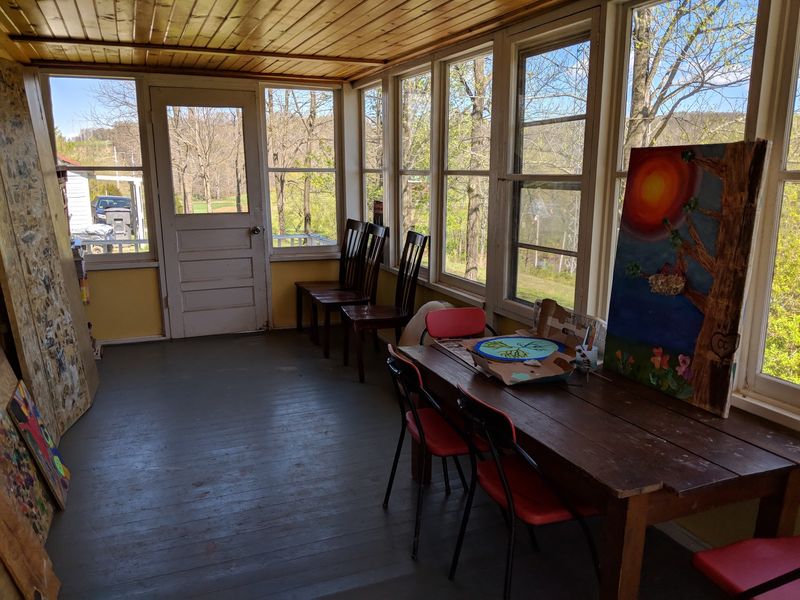
I find the communal-dinner setup especially interesting because strangers share the same tables after the nightly gratitude circle. Twenty minutes later we were trading stories like old classmates.
Dinner is included with every stay, and it happens nightly around shared tables. A gratitude circle usually comes first, giving everyone a beat to slow down.
The hostel asks guests to keep phones and laptops out of the common farmhouse, reinforcing its distraction-free approach to communal time. Conversation fills the silence fast, and it rarely stays shallow.
Lost River Hostel describes its mission as providing a sandbox for goals and growth through nature and human connection, with shared meals playing a central role in the communal experience.
Special diet menus are available if you ask ahead. The kitchen staff handles requests without fuss, which matters when you travel with restrictions.
Beyond the group meal, guests can use communal kitchens with full-sized refrigerators, ovens, and stovetops. I made morning coffee there and ended up cooking eggs for three new friends.
Sharing counter space sounds awkward on paper. In practice it is the fastest way to meet the other travelers wandering through this corner of Indiana.
Showers Under Open Sky
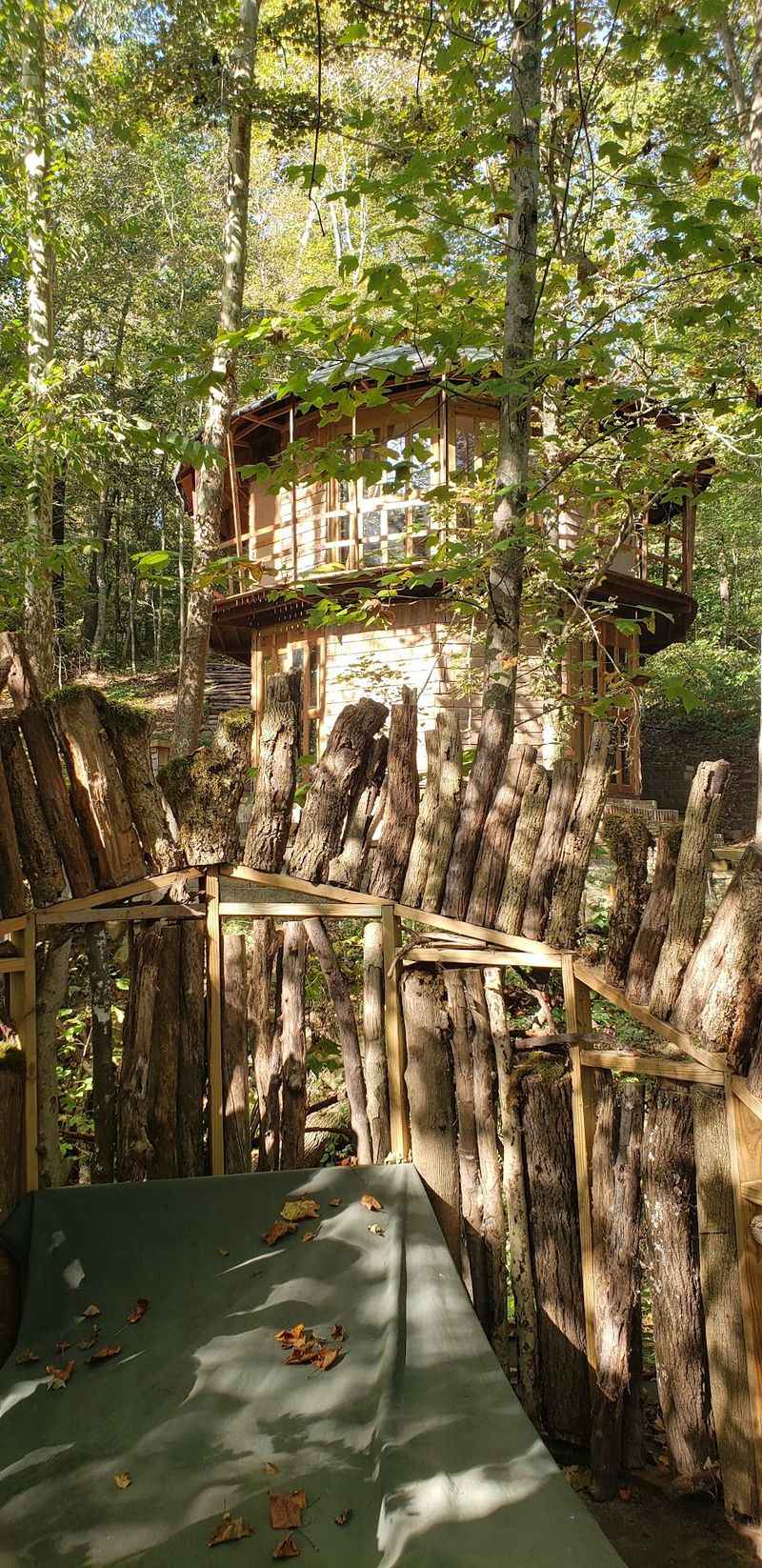
Bathing outdoors sounded gimmicky until warm water hit my shoulders under a canopy of leaves. Then I understood why guests keep talking about it.
The outdoor showers use rainfall heads, and they sit tucked behind wooden screens. Ferns grow at your feet while birds argue somewhere overhead.
There is also a rooftop bathtub, screened by a handmade blind woven from vines and limbs. Soaking there after dark, with stars above and cool air on your face, ranks high among my Indiana memories.
Composting toilets serve the property, and several wear hand-painted murals and stained glass. Eco-friendly does not have to mean plain, and this place proves it.
Most sleeping spaces do not have a traditional bathroom attached, so guests use shared facilities elsewhere on the property. The hostel recommends bringing a flashlight, while towels and linens are included with the stay.
Treat these amenities as part of the adventure rather than hotel features. Arrive with that mindset, and the whole rhythm of the place clicks into gear quickly.
Trails, Labyrinth, And Lagoon
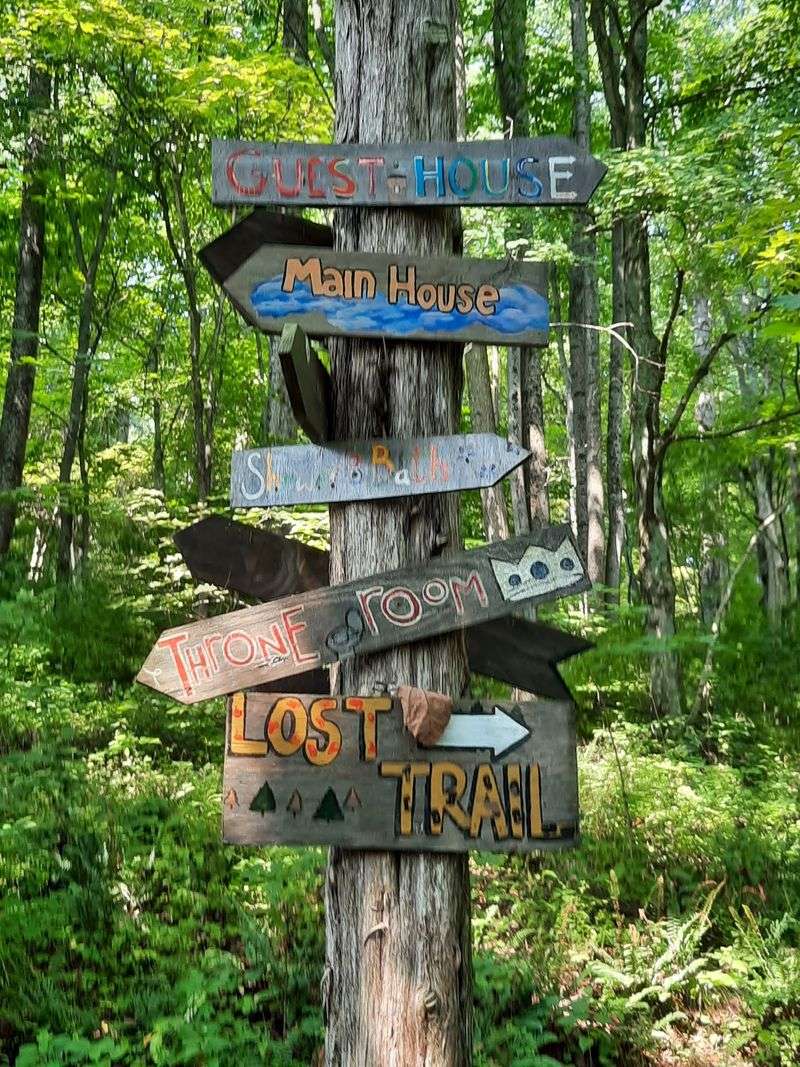
Twenty-nine acres sounds modest until you start walking it. My planned twenty-minute stroll turned into two hours of happy wandering.
Trails cross the hostel’s wooded 29-acre hillside, giving guests plenty of space to explore beyond the main farmhouse and lodging areas.
A young hedge labyrinth offers about a 20-minute meditative walk, with an old persimmon tree waiting near its center.
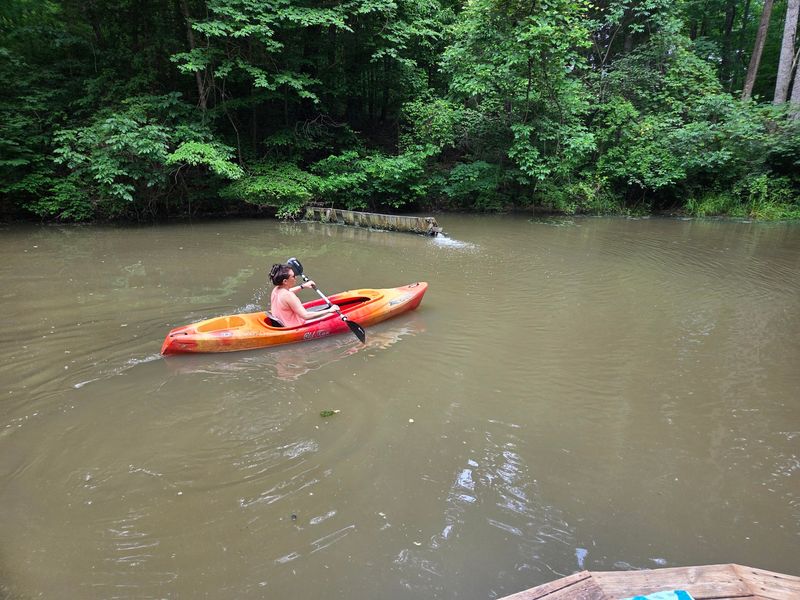
The property’s Clay Lagoon serves as its swimming hole, adding another outdoor option during the warmer part of the hostel’s three-season schedule.
Access to the Lost River itself gives you another peaceful spot to sit and listen. I brought a book and stayed longer than planned.
Organic gardens add color near the buildings, and picnic areas dot the shady spots. Outdoor fire pits get busy after sunset, when guests gather with marshmallows and stories. Resident chickens patrol the grounds like tiny supervisors.
An 1868 Farmhouse Anchor
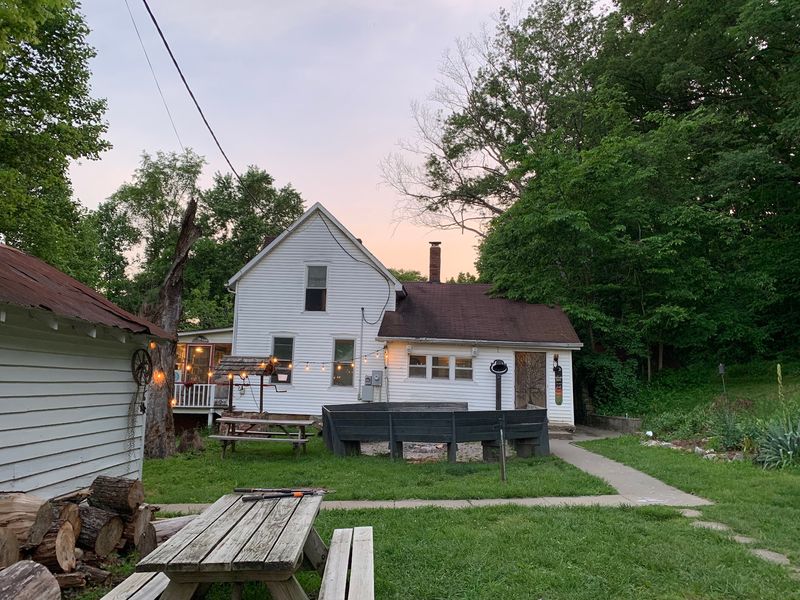
Old buildings carry a certain weight, and the farmhouse here has been standing since 1868. Its poplar log foundation still holds firm after more than a century and a half.
Walking through those rooms, I kept noticing hand-built details layered over original bones. Newer art hangs beside timber that predates electricity in this part of Indiana.
The property operates as a nonprofit arts and cultural center rather than a standard business. That structure shapes everything, from the programming to the way guests are welcomed.
Its stated mission is providing a sandbox for goals and growth through nature and human connection. You feel that intention in how spaces are arranged for gathering rather than isolation.
Art installations pop up in surprising places across the grounds. Even utility structures got the creative treatment, complete with murals and colored glass.
History and experimentation share the same hillside without competing. Old craftsmanship supports new ideas, which is a rare balance for any lodging.
I found myself lingering on the porch just watching the light shift across the valley. Nothing pushes you to hurry here, and the farmhouse sets that unhurried pace.
Workshops For Curious Guests
Did you know a hostel can double as a classroom? Between meals, guests here take part in workshops covering a surprising range of subjects.
The hostel hosts workshops and events related to subjects such as music, writing, yoga, organic gardening, cooking, and environmental sustainability, though activities do not follow a guaranteed daily schedule.
Organic gardening, creative cooking, and environmental sustainability all appear on the schedule. Other sessions lean toward personal development, covering goal setting and stronger relationships.
An art porch and studio space gives everyone room to make something. Supplies fill the shelves, and nobody judges your skill level.
A shared library offers another quiet indoor space, while the art porch provides materials for visitors interested in making something during their stay.
Work-trade opportunities can last up to a week, while separate live-in staff positions allow longer stays for people interested in contributing to the property.
The mix of learning and leisure keeps the atmosphere buzzing without feeling scheduled. You can join everything or nothing, and both choices are respected.
Adventures Just Down The Road
Ten minutes of driving separates deep woods from grand architecture. That short hop makes this location unusually flexible for a nature retreat.
The Hoosier National Forest sprawls nearby across more than 200,000 acres, packed with hiking, fishing, and quiet wilderness. Serious walkers could spend a week and still miss most of it.
Cavers have options too. Wesley Chapel Gulf shows off underground drainage features, and Marengo Cave is another regional option, with Lost River Hostel estimating the drive at roughly 45 minutes.
Patoka Lake encompasses about 25,800 acres of land and water, including an 8,800-acre reservoir that ranks as Indiana’s second largest. Boating, fishing, and bald eagle nesting sites make it worth a full day.
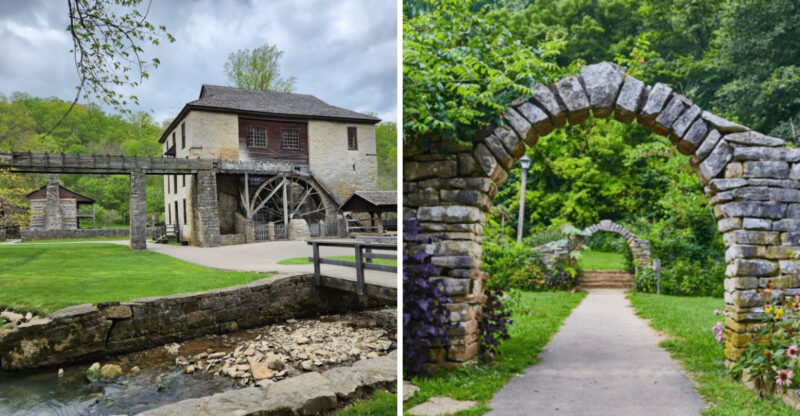
Spring Mill State Park adds canyons, trails, a 19th-century pioneer village, and Donaldson Cave. Hemlock Cliffs delivers sandstone shelters and seasonal waterfalls for photographers.
Closer in, French Lick and West Baden Springs offer restaurants, shops, museums, and the Valley Links Golf Course. Lark Valley Zip Lines handles anyone craving speed.
The domed atrium at the West Baden Springs Hotel deserves a visit, even just to stand and stare upward. It is a short drive from your treehouse.
Nest Beds And Bungalows
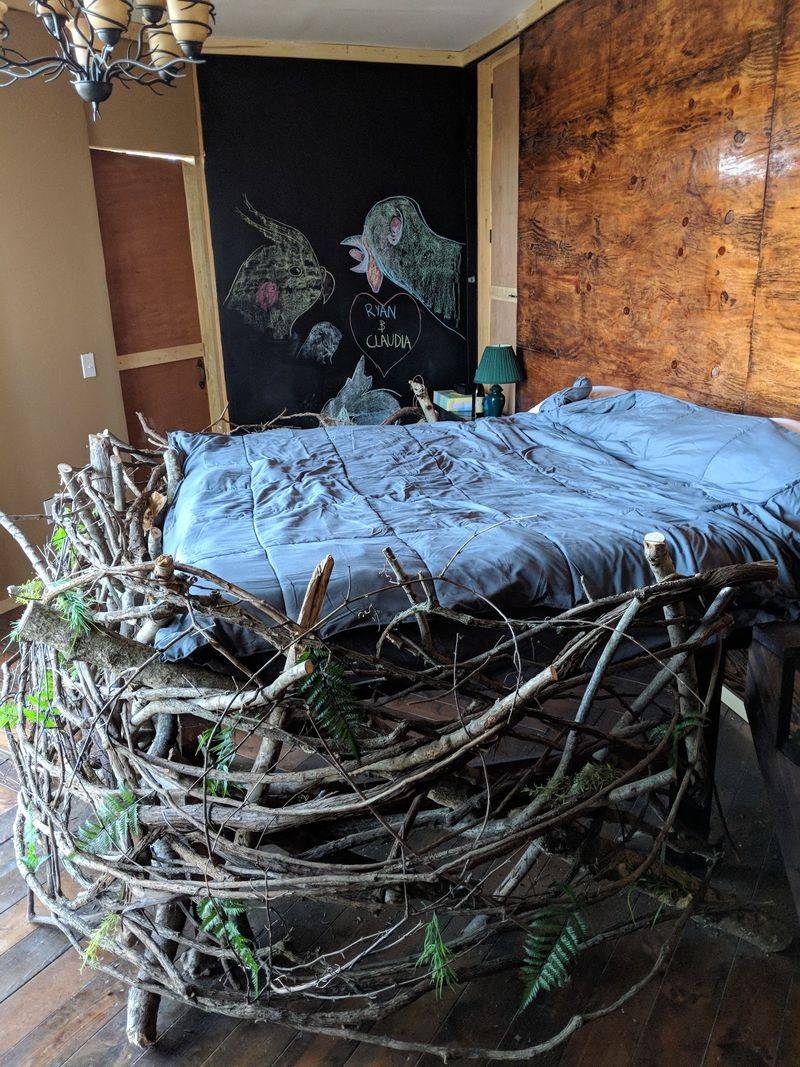
Not everyone wants to climb a tree, and that is completely fine. The lodging list here runs wide enough to fit almost any comfort level.
The Nests are screened-in four-poster beds positioned directly in the forest, offering an open-air alternative to the Pop Top treehouse.
The Bungalow and Roost occupy the round forest guesthouse, while other current options include the Nests, Pop Top, River Bed, and additional private sleeping spaces.
The circular guesthouse deeper in the forest has its own following. Its round shape makes ordinary furniture arrangements impossible, which somehow adds to the fun.
Rooms are simple, clean, and cozy rather than luxurious. The Bungalow and Roost are temperature controlled, while other sleeping spaces rely on screens and fans that are attached or available.
Lost River currently describes itself as a three-season adventure hostel, so guests should check current seasonal availability when choosing dates.