This Missouri Nonprofit Bird Sanctuary Treats 700 Injured Raptors a Year and Lets You Walk the Trail Past Eagles and Owls
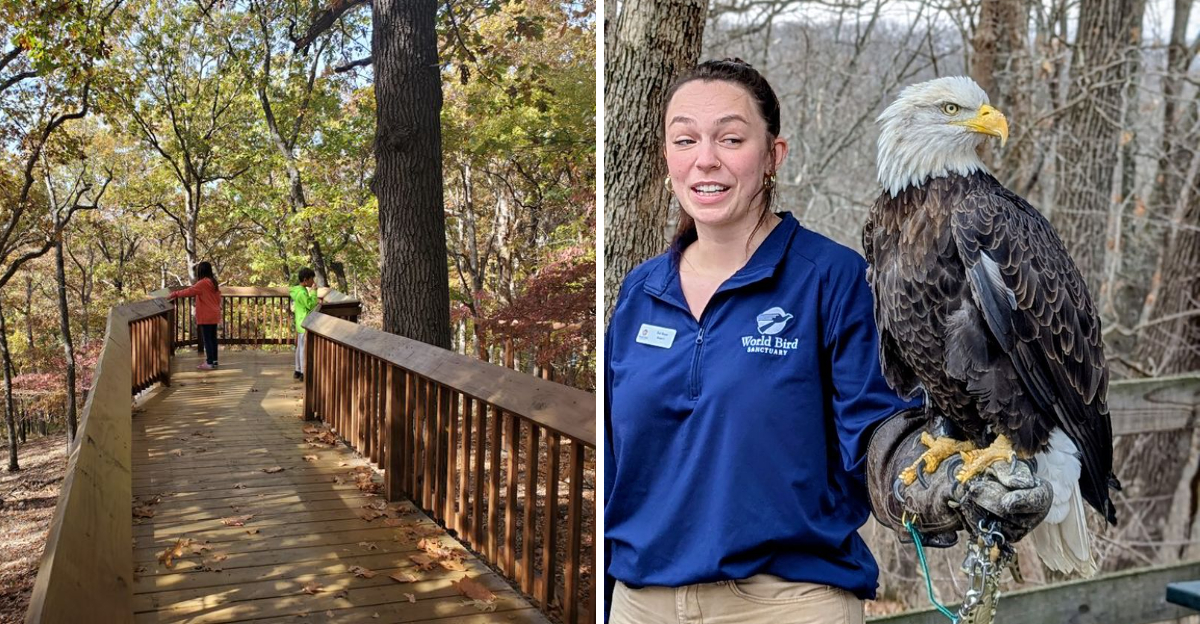
You have probably driven past a place like this without knowing it. Missouri hides a whole hospital for birds with attitude.
The patients arrive with broken wings and very poor opinions of cars. Most of them collided with something a bird never evolved to expect.
More than seven hundred of them come through the doors every year. Many heal up and get their sky back.
The ones that cannot return to the wild stay on as residents. You can follow a trail past their enclosures and meet them face to face.
Bald eagles will look at you like you owe them money. Owls will turn their heads and judge your outfit without blinking.
The whole place runs on donations and volunteers who show up in all weather. Bring comfortable shoes and give yourself time to take it slowly.
Your morning is about to get a lot more interesting.
A Five Dollar Trail That Feels Like A Front Row Seat
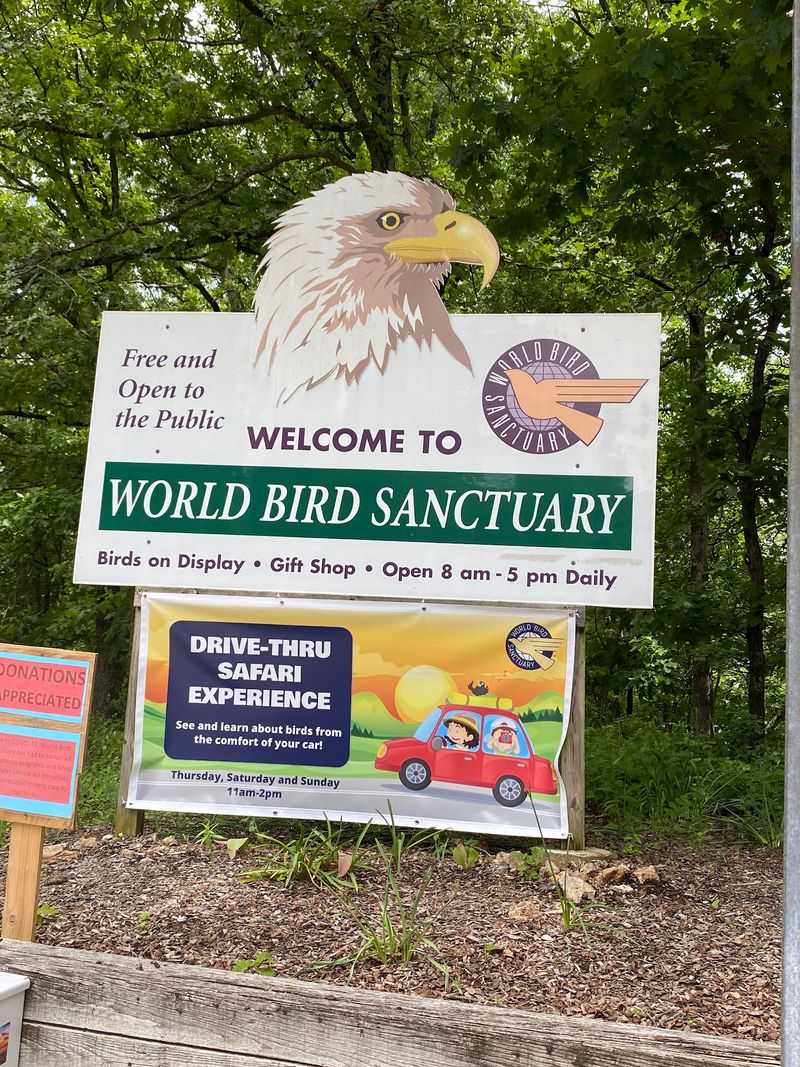
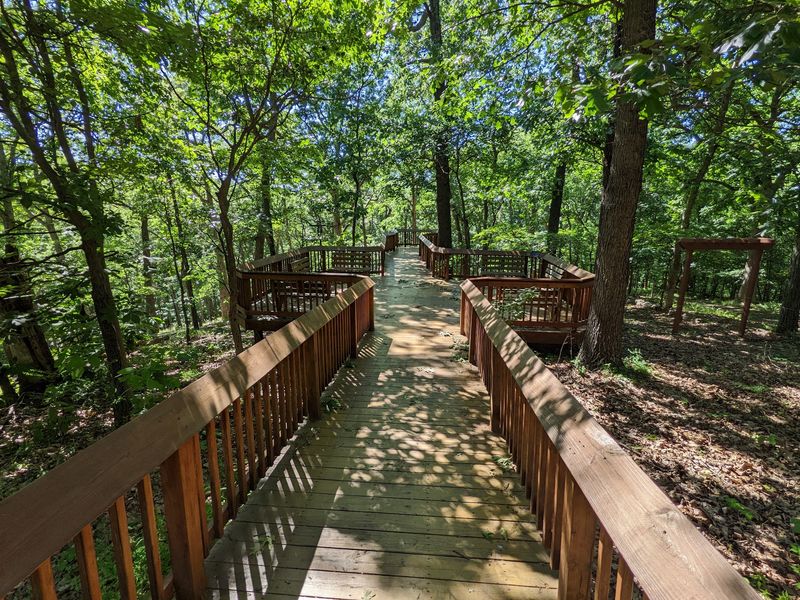
Five dollars usually buys you a parking spot and nothing else. World Bird Sanctuary flips that idea on its head with a wooded walking trail lined with enormous outdoor enclosures.
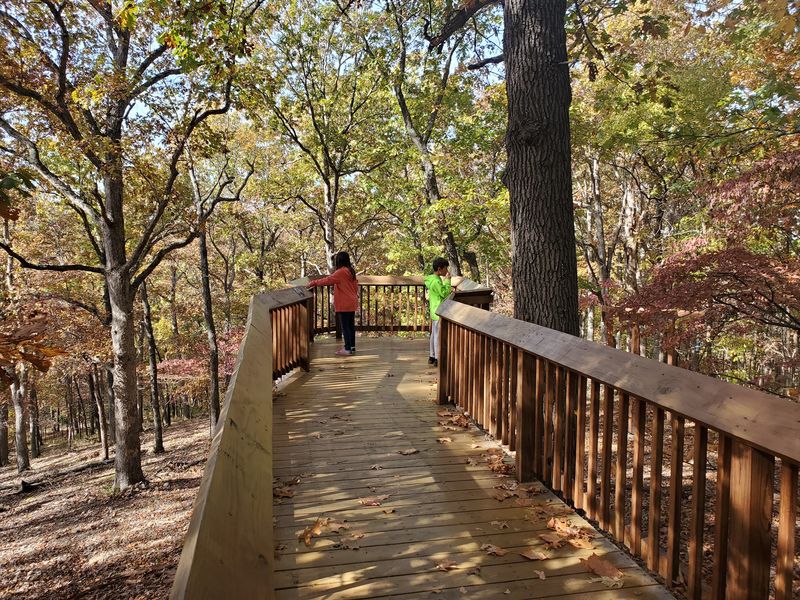
You follow a shaded path through Missouri oak and hickory. Along the way, bald eagles, owls, hawks, and vultures sit just feet away behind mesh.
The trail is gravel and dirt with gentle hills. Sturdy shoes beat sandals here, especially after rain.
Parking is free, which makes this an easy stop for families watching their budget. Donations are welcome and go straight toward bird care.
Plan roughly 90 minutes to walk everything without rushing. Photographers often stay far longer.
Signs at each enclosure explain the species and, in many cases, why that specific bird lives there. Most residents arrived with injuries that prevent release.
Mornings tend to be cooler and quieter, which many birds prefer. Afternoon visits still deliver, especially in fall.
Strollers can manage parts of the path, though a few slopes require effort. A carrier may be simpler with toddlers.
Find it at 125 Bald Eagle Ridge Rd, Valley Park, Missouri, just outside the west side of St. Louis County.
Bring water. There is more walking than most first-timers expect.
Roughly 700 Injured Raptors Arrive Here Every Year
Seven hundred birds a year is not a slogan. That is the working reality inside the sanctuary’s wildlife hospital.
Hawks, owls, eagles, falcons, and vultures come in from across Missouri and beyond. Some arrive with wing fractures, others with head trauma from vehicle strikes.
Staff and licensed rehabilitators handle intake, exams, and treatment plans. Recovery can take weeks or stretch across a full season.
The goal is always release. Birds that heal completely go back to the wild, often near where they were found.
Those that cannot survive outside stay on as ambassadors. Their new job is teaching people who visit the trail.
You will not tour the hospital itself, and that is intentional. Quiet reduces stress and speeds healing for patients.
What you can do is support it. Every donation, membership, and gift shop purchase helps cover food, medicine, and equipment.
The sanctuary also fields calls about found birds. Trained staff advise callers on safe next steps.
Think about that scale as you walk. Nearly two birds arrive on an average day.
Understanding the numbers changes how the trail feels. Each enclosure represents a story that did not end in the ditch.
Bald Eagles Up Close Without A Telephoto Lens
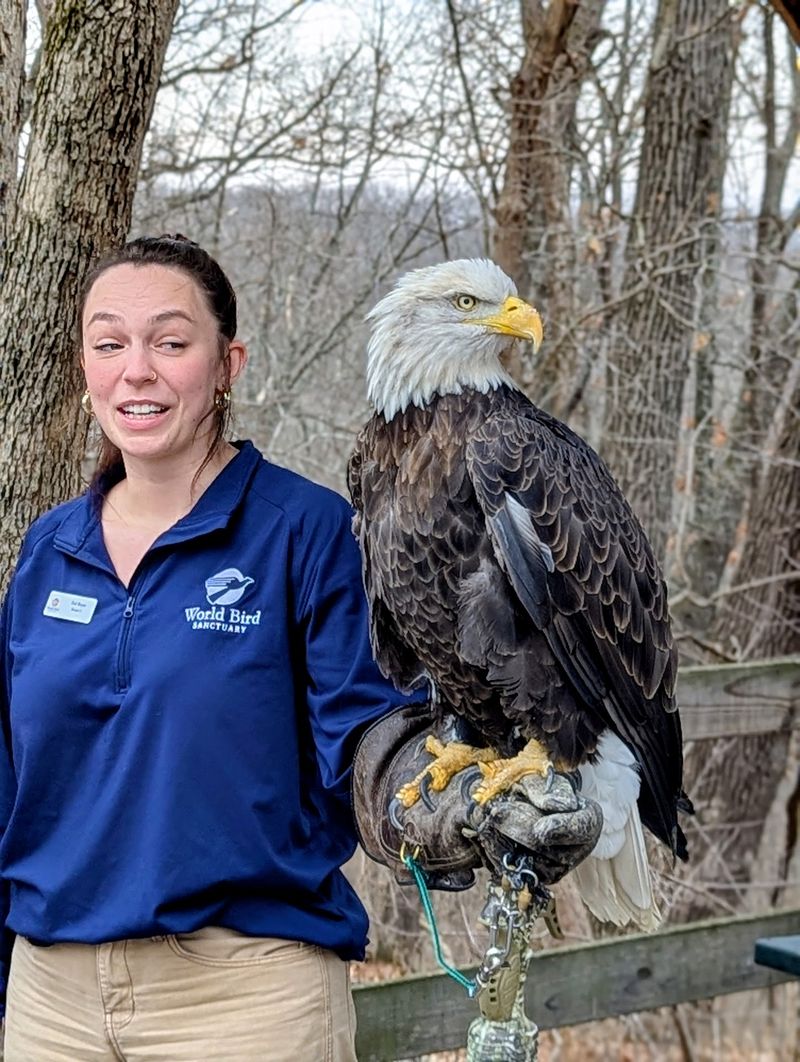
Most people see bald eagles as distant specks over a river. Here they perch at eye level, close enough that you notice the ridge above each eye.
The white head looks almost sculpted in person. Yellow beaks catch the light in a way photos rarely capture.
Missouri is serious eagle country in winter. Birds gather along the Mississippi and Missouri rivers when northern water freezes.
The eagles living at the sanctuary cannot return to that life. Permanent wing or vision injuries keep them grounded.
Their enclosures are built tall and wide with natural perches. You watch them shift, preen, and study visitors right back.
Adults show the famous white head and tail. Younger eagles wear mottled brown, which confuses plenty of first-time viewers.
Full adult coloring takes about five years. Signage explains the stages so you can tell ages apart.
Speak softly near the enclosures. Loud noise makes birds retreat to the back where nobody sees anything.
Winter visits often reward you with the most active behavior. Cold weather suits these birds fine.
The road name is Bald Eagle Ridge for a reason. Few places in Missouri let you stand this close, free of charge.
Owls With Faces You Will Not Forget
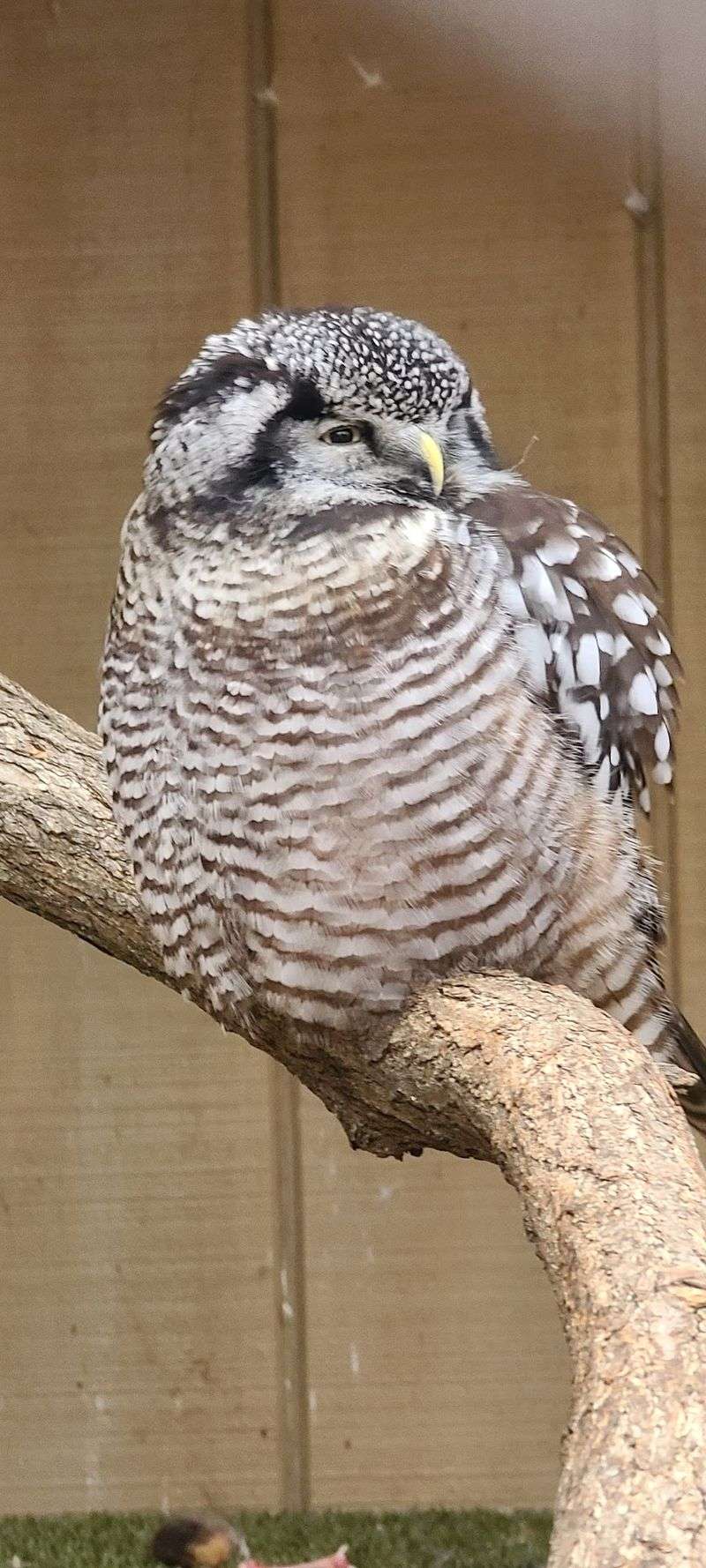
Owls have a way of staring that makes people stop mid-sentence. The sanctuary keeps several species, and each one has a completely different vibe.
Great horned owls look stern and heavy-shouldered. Their ear tufts are feathers, not ears, which surprises most kids.
Barred owls have soft dark eyes instead of yellow. Their call sounds like a rhythmic hooting question across the woods.
Barn owls bring the pale heart-shaped face. That disc works like a satellite dish, funneling sound toward hidden ears.
Then there are the small ones. Screech owls sit compact and camouflaged, easy to miss if you rush past.
Owls fly almost silently thanks to fringed feather edges. Wind passes through instead of whooshing off the surface.
Many are most alert near dusk. Midday visitors often catch them dozing on a favorite perch.
Look for pellets on enclosure floors. Owls cough up bones and fur they cannot digest, and biologists study them.
Kids tend to linger longest at the owl section. Something about those faces holds attention better than any screen.
Read the signs before moving on. Several owls here arrived as orphans or collision survivors.
Nonprofit Muscle Behind Every Feather
Nobody here is getting rich. World Bird Sanctuary runs as a nonprofit, funded by donations, memberships, programs, and gift shop sales.
Founded in 1977, the organization grew from a small conservation effort into a nationally known raptor center. Decades of work built what you walk through today.
Volunteers handle a huge share of daily labor. Cleaning enclosures, prepping food, and greeting visitors all take hands.
Feeding hundreds of meat-eating birds is expensive. Food costs alone run high every single month.
Memberships give supporters free program access and event perks. Adoption programs let you sponsor a specific bird by name.
The gift shop sells plush owls, books, and shirts. Money spent there loops directly back into bird care.
Grants and corporate partners help too, but individual giving keeps things steady. Small gifts add up fast.
Staff also travel for education programs across the region. Schools, libraries, and festivals book live bird presentations.
If you enjoy the trail, drop something in the donation box. Free admission works only because visitors chip in.
Volunteering requires training and commitment. Regulars will tell you the payoff is worth the early mornings.
Live Programs That Put Birds In The Air
Watching a hawk cross an open field is a different experience than watching one perch. Seasonal programs at the sanctuary make that happen.
Handlers work with trained ambassador birds during scheduled presentations. Wings pass low over the seating area, close enough to feel.
Programs run more often in warmer months. Check the online calendar before you drive out.
Presenters explain hunting behavior, wingspan, and conservation challenges. Questions from the crowd are encouraged.
Kids get facts they actually remember. Adults usually leave knowing more than they expected.
Some events include vultures, which are far more charming than their reputation suggests. They clean up ecosystems nobody else will touch.
Special weekend events pop up throughout the year. Photo days give camera owners a controlled setting for portraits.
Seating is often outdoors, so dress for the weather. A hat helps on sunny afternoons.
Arrive early for the front rows. Popular shows fill quickly on nice Saturdays.
Programs may carry a small fee even though the trail is free. That money supports the same birds you just walked past.
Vultures, Falcons, And The Underrated Crowd
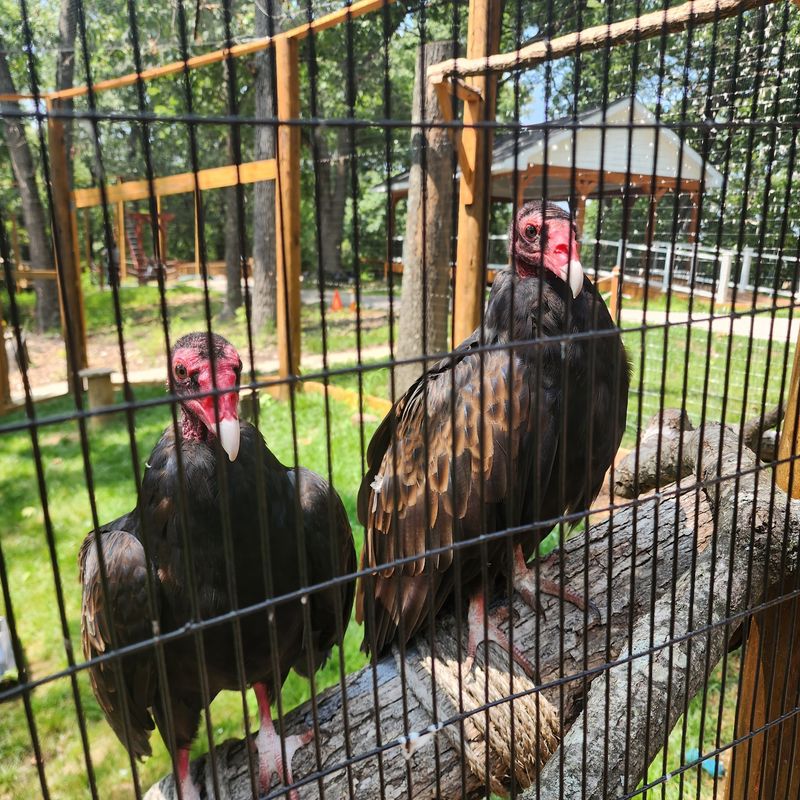
Eagles get the applause. Vultures do the actual cleanup work, and the sanctuary gives them proper respect.
Turkey vultures find food by smell, a rare skill among birds. Their bald heads stay cleaner while feeding.
Black vultures travel in tighter groups and rely more on sight. Both species reduce disease across the countryside.
Falcons bring speed to the lineup. Peregrines dive faster than any other animal on the planet.
American kestrels are the pocket-sized version. Rusty backs and slate-blue wings make them one of Missouri’s prettiest birds.
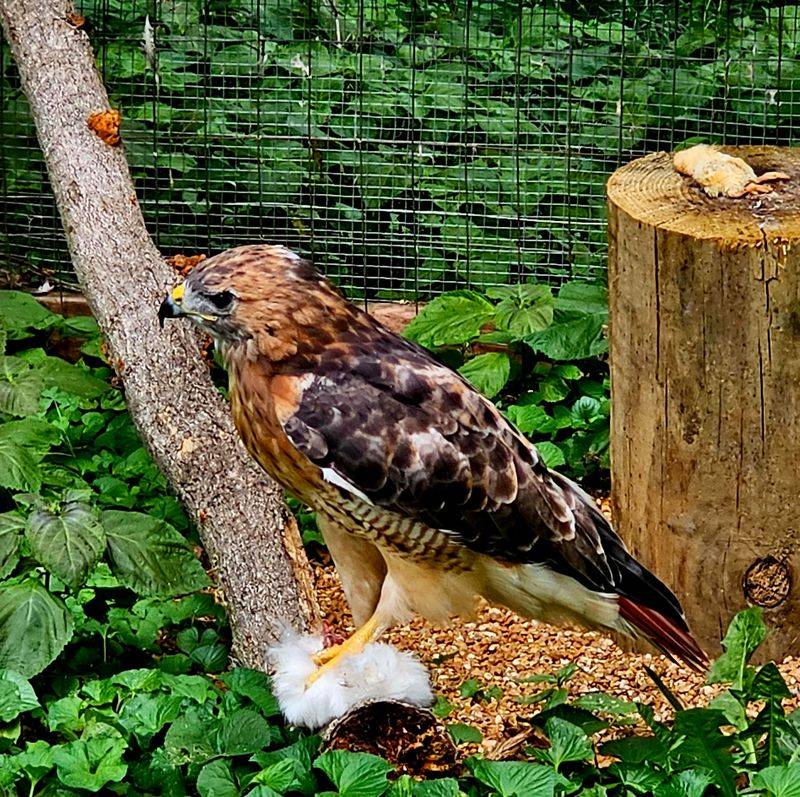
Red-tailed hawks are probably the raptor you already know. That familiar screech in movies usually belongs to them.
Signage points out field marks you can use later. Highway drives get more interesting once you spot the differences.
Take time with the less flashy enclosures. The stories posted there are often the most surprising.
Corvids and other non-raptors sometimes appear too. Crows and ravens show off problem-solving that rivals primates.
Skipping past the vultures would be a mistake. They may be the hardest workers on the entire trail.
Planning A Visit
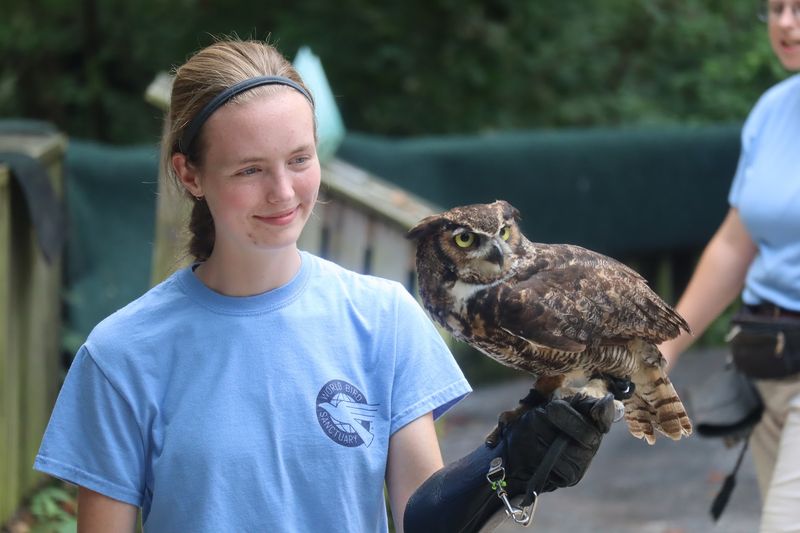
A little planning turns a good visit into a great one. Start by checking the sanctuary website for hours and any weather closures.
The grounds sit near Lone Elk Park and the Chubb Trail system. Many families combine both into one outing.
Weekday mornings bring smaller crowds. Weekends buzz, especially during spring and fall.
Pack water, sunscreen, and bug spray in warm months. Shade helps, but Missouri humidity does not negotiate.
Leave pets at home. Dogs stress the birds, even friendly ones on leashes.
Cameras are welcome, though flash is discouraged. Natural light through mesh works better than most people expect.
Restrooms and a picnic area make longer stays comfortable. A packed lunch saves a drive back into town.
Keep voices low near enclosures and never tap the mesh. Calm visitors see far more natural behavior.
Fall color along the trail is genuinely good. Winter brings bare branches and clearer views of perched birds.
Set aside two hours if you want to read every sign. You will use all of it.