9 Idaho Spots Where Fall Colors Peak Earlier Than You Would Expect
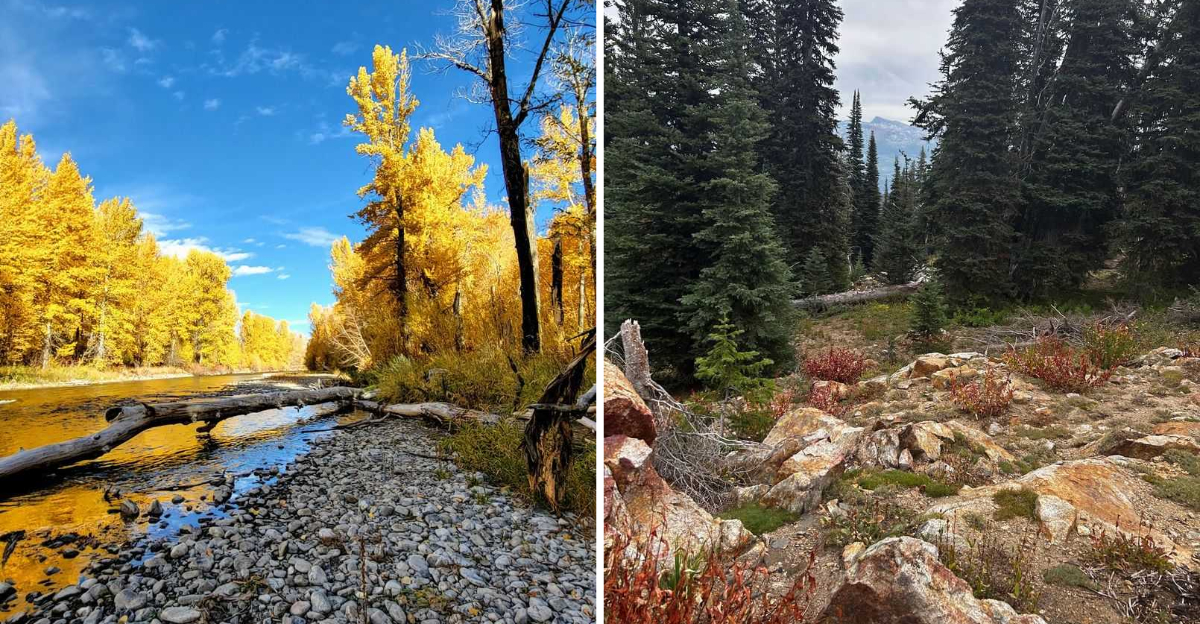
Fall can sneak onto a mountainside while the valley below still feels firmly attached to summer.
Across Idaho, higher elevations often start glowing gold earlier than many travelers expect.
Aspens lead the change, lighting up slopes and scenic drives before warmer colors spread elsewhere. Elevation moves the calendar faster up here.
Climb higher and the landscape can look weeks ahead of the towns below. Leaf lovers get an early excuse to chase autumn before October plans even begin.
Scenic roads and mountain trails become especially tempting once those first patches appear.
Pack a warmer layer and charge the camera. The season may already be putting on a show above you.
1. Galena Pass & Galena Lodge, Ketchum
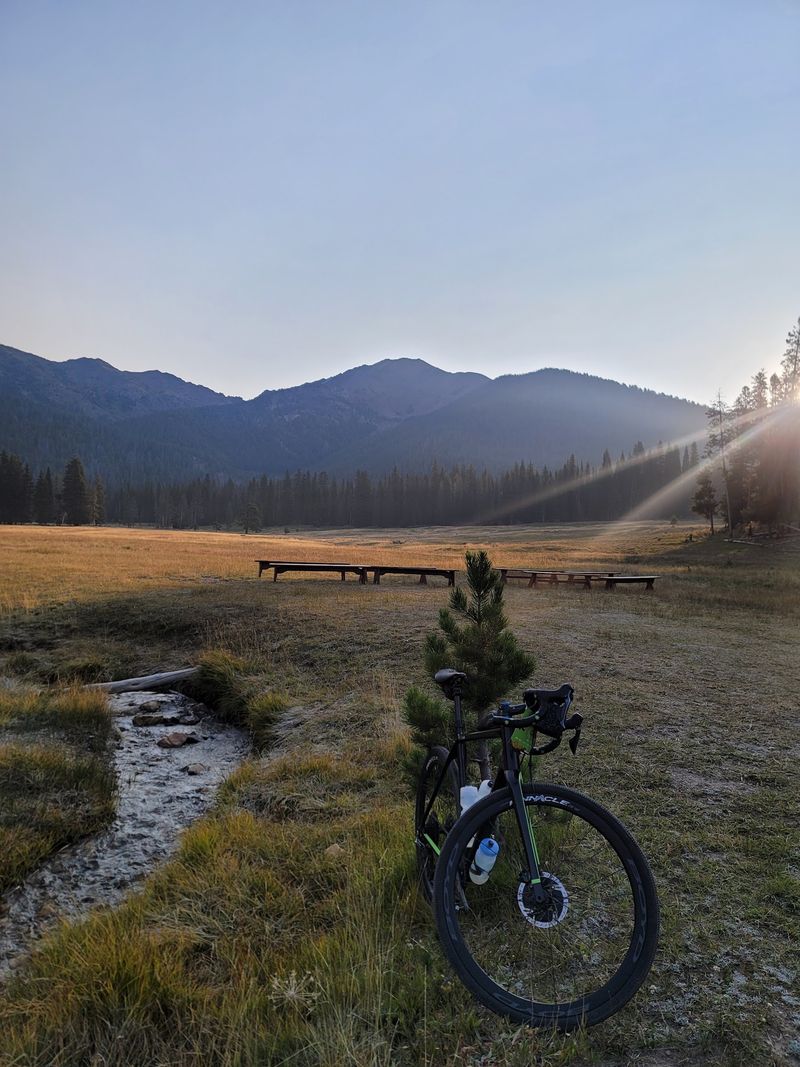
Autumn can begin showing early in this high country. Galena Lodge sits around 7,300 feet, while nearby Galena Summit rises to roughly 8,700 feet.
Galena Pass and Galena Lodge sit north of Ketchum along a stretch of the Sawtooth Scenic Byway known for brilliant fall aspens, though exact timing changes with weather and elevation each year.
The pass rides along the Sawtooth Scenic Byway, a route stacked with dramatic ridgelines. Thin high air keeps the light crisp, so yellows and oranges practically glow.
Pull off at the overlook and you can see the Salmon River headwaters below. The view alone is worth the climb up the switchbacks.
Farther south near Sun Valley, the Hemingway Memorial on Trail Creek Road offers another fall-color stop surrounded by trees that turn bright orange.
Continue north toward Stanley and the aspens mix with cottonwoods for a layered effect. Every mile changes the color mix a little.
Bring a jacket, since mornings up here run cold well before valley temperatures drop. Frost on the meadow grass is common in September.
Galena Lodge also serves as a trail hub, with paths that wander through groves and meadows. Walking beats driving when you want to hear the leaves rattle.
Photographers should aim for mid morning, when sunlight hits the west-facing slopes. Afternoon light works better on the drive back toward town.
Fuel up before heading out, because services thin out fast along this stretch. A thermos of something warm makes the roadside stops even better.
Few high passes reward early risers this generously, and Galena proves the point year after year.
2. Bogus Basin, Boise
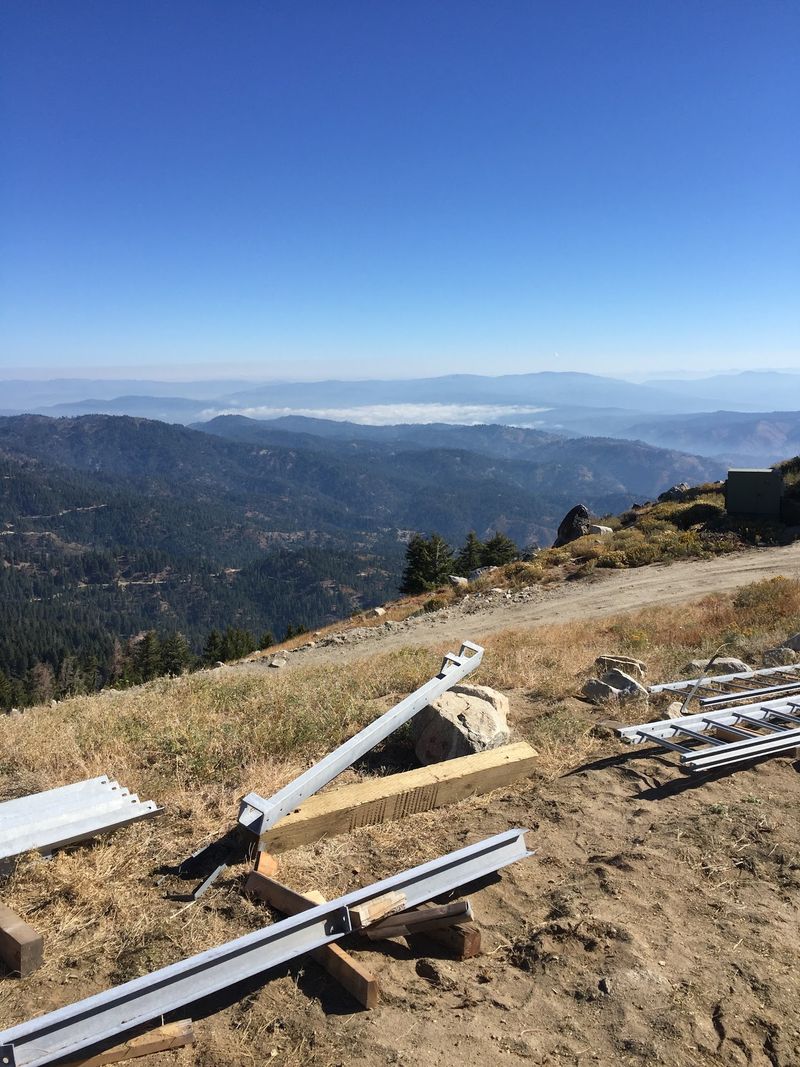
Are you seeing what I am seeing, gold leaves in September just minutes from a state capital? The elevation gap does something remarkable here.
Bogus Basin sits about 16 miles north of Boise, where higher elevations can begin showing autumn color before many trees in the valley below reach their strongest display.
Bogus Basin Road climbs through a steady parade of changing aspens and shrubs. Each switchback opens a wider view of the valley behind you.
At the top, hiking and mountain biking trails spread across the ridges. The Deer Point Trail is a solid pick for easy color spotting.
Hiking remains the more dependable fall-color option later in September, since Bogus Basin’s 2026 scenic chairlift season ends after Labor Day weekend.
Bogus Basin has hosted fall foliage programs in past seasons, though no fall guided nature programs are currently scheduled for 2026.
Mornings up here can be surprisingly chilly, even when Boise is still warm. Layers solve that problem quickly.
The road is paved but curvy, so allow extra drive time both directions. Sunset traffic coming down can slow things a bit.
Bring water, since the dry air at altitude sneaks up on hikers. Snacks help too, as options at the top vary by season.
Sunrise photos here catch fog pooling in the valley while the slopes shine. That contrast is hard to beat.
For anyone short on vacation days, this early autumn escape sits practically at Boise’s back door and delivers.
3. Idaho City
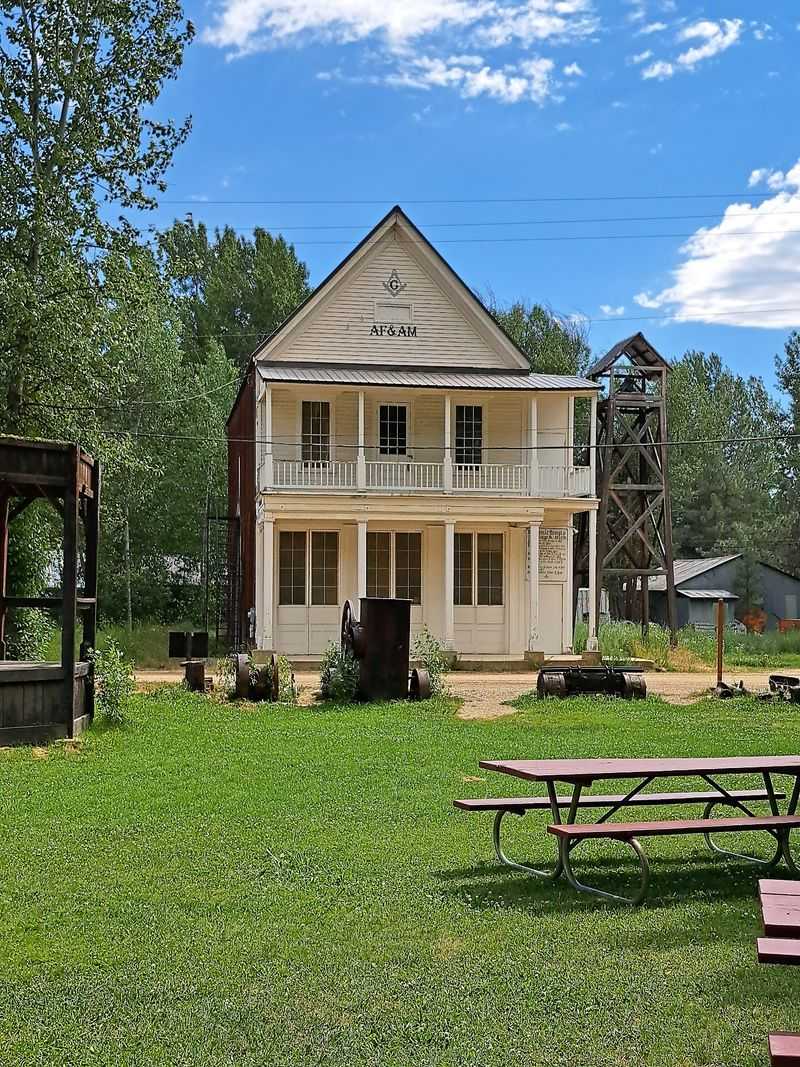
My jaw dropped at how fast the golden season lands in this old mining town. The elevation climb along the highway explains everything.
Idaho City can begin showing mountain color ahead of parts of the Boise Valley, with Highway 21 providing a scenic route into the surrounding forest.
That route carries another name, the Ponderosa Pine Scenic Byway. It threads through wide forests of aspens and tall pines.
Pullouts appear often, giving you room for photos or a quick picnic. The roadside groves change character every few miles.
Downtown carries plenty of Old West history, with wooden storefronts and boardwalks. Gold rush stories still shape the streets here.
Just outside town, the Charcoal Gulch trail winds under towering pines and moss-draped branches. That texture adds depth to the autumn palette.
Cool mornings often bring mist through the drainages, which photographs beautifully. Arrive early if you want that soft look.
The drive from the valley takes under an hour, but the temperature drop is noticeable. A fleece in the car is smart planning.
Watch for wildlife along the highway near dawn and dusk. Deer cross without warning on the curves.
Combine the leaf peeping with a stroll through the historic cemetery grounds and old buildings. History and foliage make a strong pairing.
Traffic and parking can vary, so allowing extra time leaves more room for both the trails and Idaho City’s historic downtown. Few short drives from a big city change the season this dramatically, and that is the real charm here.
4. Redfish Lake, Stanley
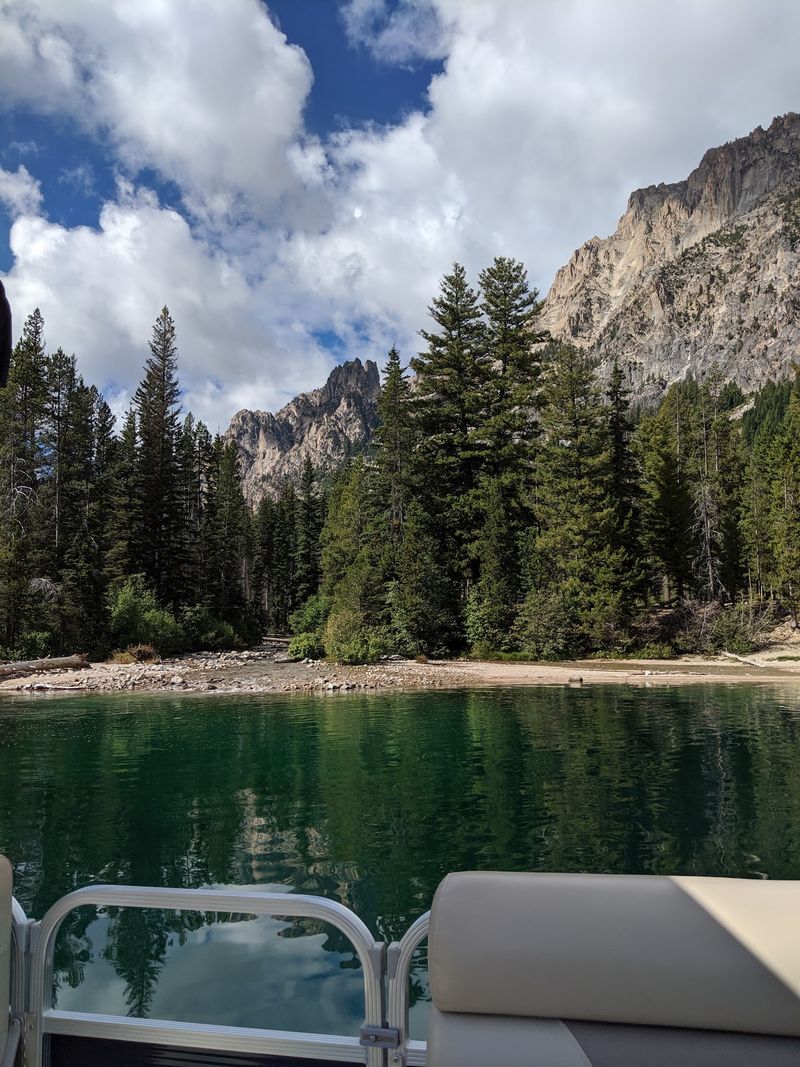
Autumn light does strange, wonderful things at altitude.
Redfish Lake sits about 10 minutes from downtown Stanley, high in alpine country. Color shows up weeks ahead of the lower valleys.
Stanley itself rests near 6,260 feet, which turns the town into a hub of golden quaking aspens. Frost mornings here are routine in fall.
Trails ring the lake, and crisp air makes hiking far easier than in July. The roughly four-mile roundtrip Fishhook Creek Trail is a favorite easy fall hike near Redfish Lake.
The trail passes through lodgepole pine and aspen stands before reaching an open meadow framed by the Sawtooth Mountains.
Sawtooth peaks stand behind the water like a stage set. McGown Peak steals the show from the north shore.
Photographers should head to the boat-launch beach at first light. Calm water produces mirror reflections that look almost unreal.
Longer legs can push toward Marshall Lake, where more aspen groves wait. The climb pays off in solitude.
Nights get cold fast up here, so campers need real sleeping bags. Even day hikers should carry gloves.
Cell service is spotty, which honestly improves the experience. Download maps before you leave pavement.
Fall also thins the crowds that pack the shoreline in midsummer. Parking becomes far less of a puzzle.
Between the peaks, the water, and the early gold, this corner of the Sawtooths makes September look like a highlight reel.
5. Sedgwick Peak, Pocatello
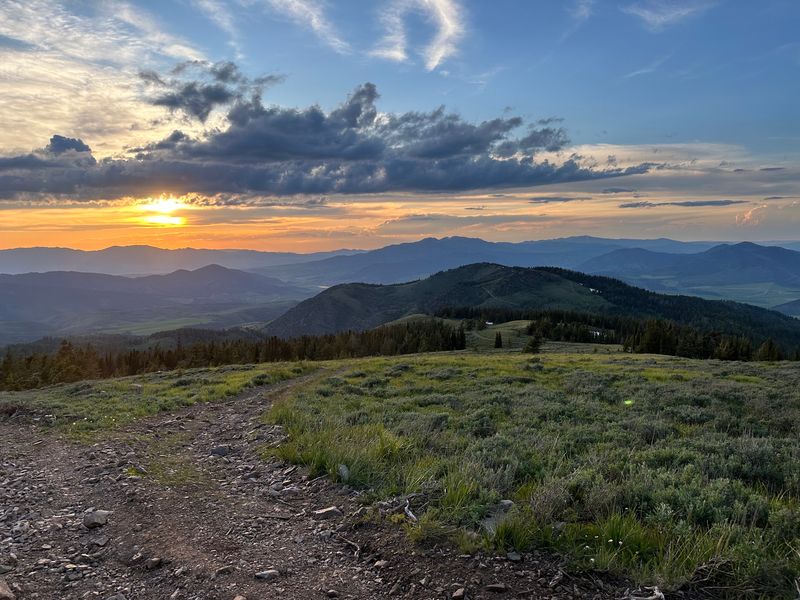
Here is a crazy thought, southeastern Idaho might have the boldest reds in the whole state. Mountain maples are the reason.
Pocatello offers reliable fall-color options around City Creek, West Bench, and Mink Creek, though exact peak timing changes from year to year.
City Creek and West Bench offer varied autumn foliage, while Mink Creek Road is especially known for bright yellow cottonwoods through its forested valley.
Mink Creek Road, running south of Pocatello, delivers mile after mile of foliage. Trailheads branch off constantly along the way.
The West Bench area is visible from town and turns early. Aspens and other deciduous trees light up the slopes.
City Creek gives hikers and bikers a close-in option with real color. It is popular with locals after work.
Buckskin Road and other foothill routes around Pocatello add more options for exploring the surrounding landscape during fall.
Timing changes year to year based on summer heat and moisture. Checking conditions a few days ahead saves disappointment.
Afternoons stay warm in September, so start hikes early for cooler air. Water matters more than people expect on dry slopes.
Roads in the higher drainages can be rough gravel in spots. A vehicle with decent clearance opens up more options.
Bring binoculars, since deer and elk become more active as temperatures drop. Autumn wildlife watching is half the fun.
Anyone who thinks Idaho color means only aspens should climb these ridges and watch the maples argue back.
6. Schweitzer Mountain, Sandpoint
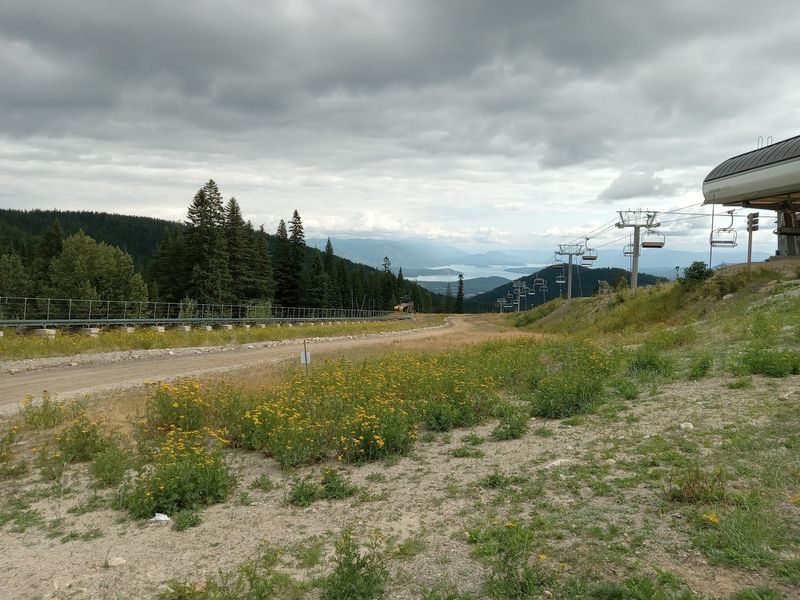
I find Schweitzer especially interesting in fall because its mountain vegetation can begin changing while lower elevations around Sandpoint are still moving toward their strongest color.
Schweitzer Mountain rises 11 miles northwest of Sandpoint, tucked into the Selkirk Mountains. Its color arrives ahead of much of the state.
The resort looks out over Lake Pend Oreille, an enormous sheet of water below. On clear days the Bitterroot and Cabinet ranges join the view.
Hiking trails crisscross the slopes and get better as the foliage shifts. Wide open ski runs make navigation simple.
Western larch steals attention up here, a conifer that drops its needles each year. Those needles turn brilliant marigold yellow before falling.
The Pend Oreille Scenic Byway shows forests exploding in gold, orange, and red. Reflections on the lake double the effect.
Weather in the Panhandle turns quickly, so rain gear belongs in the pack. Clouds also make the larch color look richer.
Take the road up slowly, since the grade is steep and the views distract. Overlooks give you safe places to stare.
Sandpoint below makes a comfortable base with plenty to explore. Lakeside mornings there are worth setting an alarm for.
Mountain evenings cool off fast once the sun dips behind the ridge. A warm hat earns its space in the bag.
Watch for hawks and eagles riding thermals along the ridgelines. Fall migration puts on its own show.
Northern Idaho quietly wins the early color race, and this Selkirk high point holds the trophy.
7. Brundage Mountain, McCall
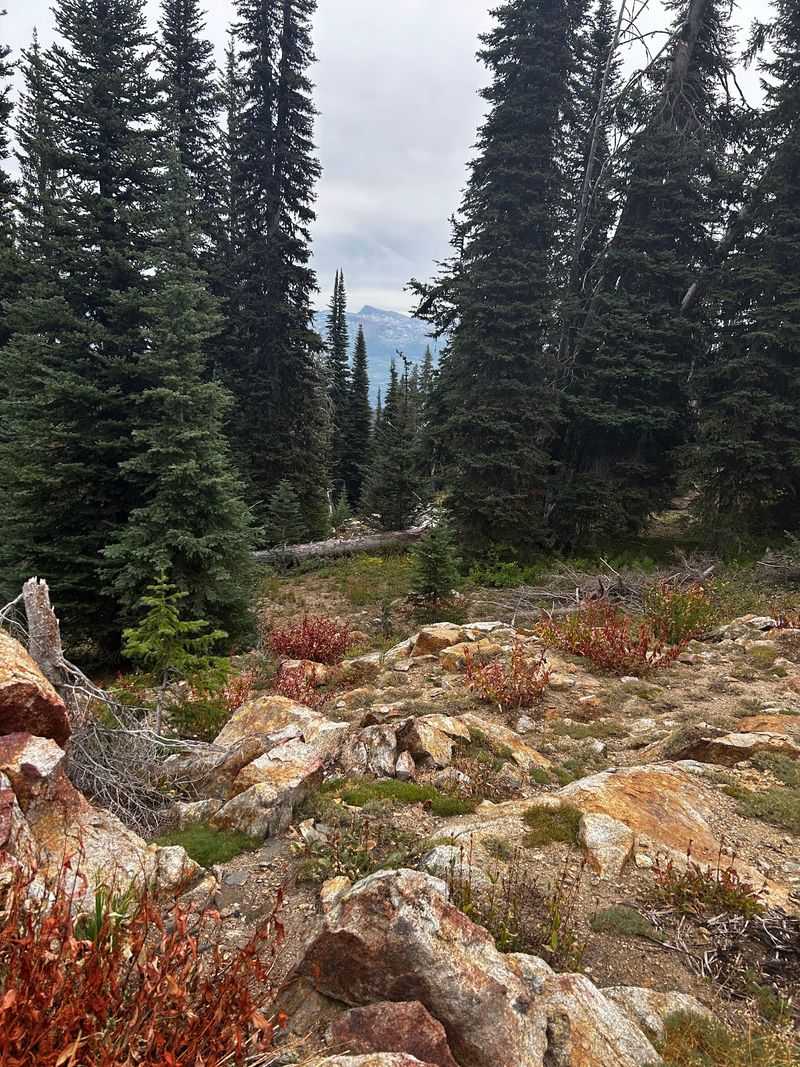
Correct me if I am wrong, but getting autumn weeks early sounds like a solid deal. High ground makes it happen.
Brundage Mountain reaches 7,803 feet, and its higher slopes can begin showing autumn color while the wider McCall area continues changing below.
Scenic chairlift rides continue on Saturdays through September 2026, offering elevated views across the surrounding mountain landscape.
Miles of hiking trails lace the mountain, plus a lift-served bike park for two-wheel fans. Descending through gold trees is a genuine thrill.
Western larch turns vivid gold and chartreuse across the region. Mixed with aspens, the palette gets complicated in the best way.
Payette Lake, carved long ago by a glacier, anchors the scenery below. Shoreline views change with every hour of light.
September days often stay warm, then evenings cool sharply. That swing makes hiking comfortable and campfire time cozy.
Check operating days before driving up, since lift schedules shorten in fall. A quick look saves a wasted trip.
Trail maps at the base help sort out difficulty levels. Some routes run steep, others stay mellow along the contours.
McCall makes an easy launch point with lake access and forest roads nearby. Sunrise over the water starts the day right.
Bring a camera with a wide lens, because the ridge views refuse to fit in one frame. Panoramas work well here.
Autumn shows up early on this mountain, and the head start turns an ordinary weekend into something memorable.
8. Pomerelle Mountain, Albion
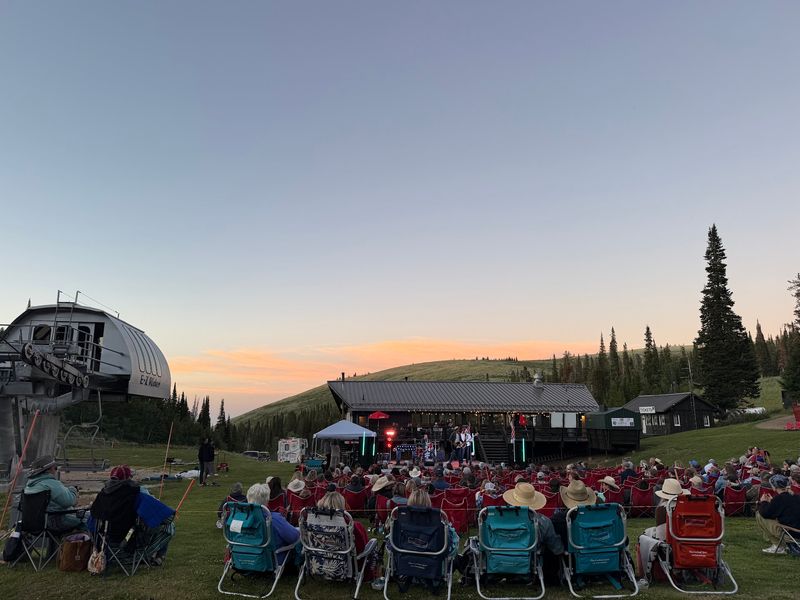
Just imagine for a second slopes already brushed with orange while the fields below stay green. Elevation is the whole story.
Pomerelle Mountain reaches a summit elevation of 8,762 feet, giving the surrounding Albion Mountains plenty of high-elevation terrain for early fall color.
The drive up climbs through aspens turning brilliant yellow and orange. Each bend reveals another pocket of glowing trees.
Pomerelle sits within the Sawtooth National Forest, surrounded by high-elevation terrain that changes noticeably as autumn approaches.
Nearby Skyline Trail begins at Twin Lakes Campground and runs 26.2 miles toward City of Rocks, with early fall highlighted as one of its best seasons.
The separate Independence Lakes Trail leads into a high-elevation basin containing four alpine lakes and can also provide strong fall scenery.
Mornings at this altitude get frosty by mid September. Gloves and a warm layer prevent a miserable start.
Canyon roads are narrow in spots, so drive with care and use pullouts. Cyclists sometimes share the climb.
Find the resort at 961 East Howell Canyon Road, Albion, ID 83311, roughly 12 miles from town. The approach itself is half the scenery.
Carry extra water and snacks, since services up top are limited outside ski season. Fill the tank in the valley first.
Afternoon light rakes across the aspen stands and makes them look lit from inside. Photographers should linger.
Southern Idaho keeps this early autumn treasure fairly quiet, which only makes the climb more rewarding.
9. Draper Preserve, Hailey
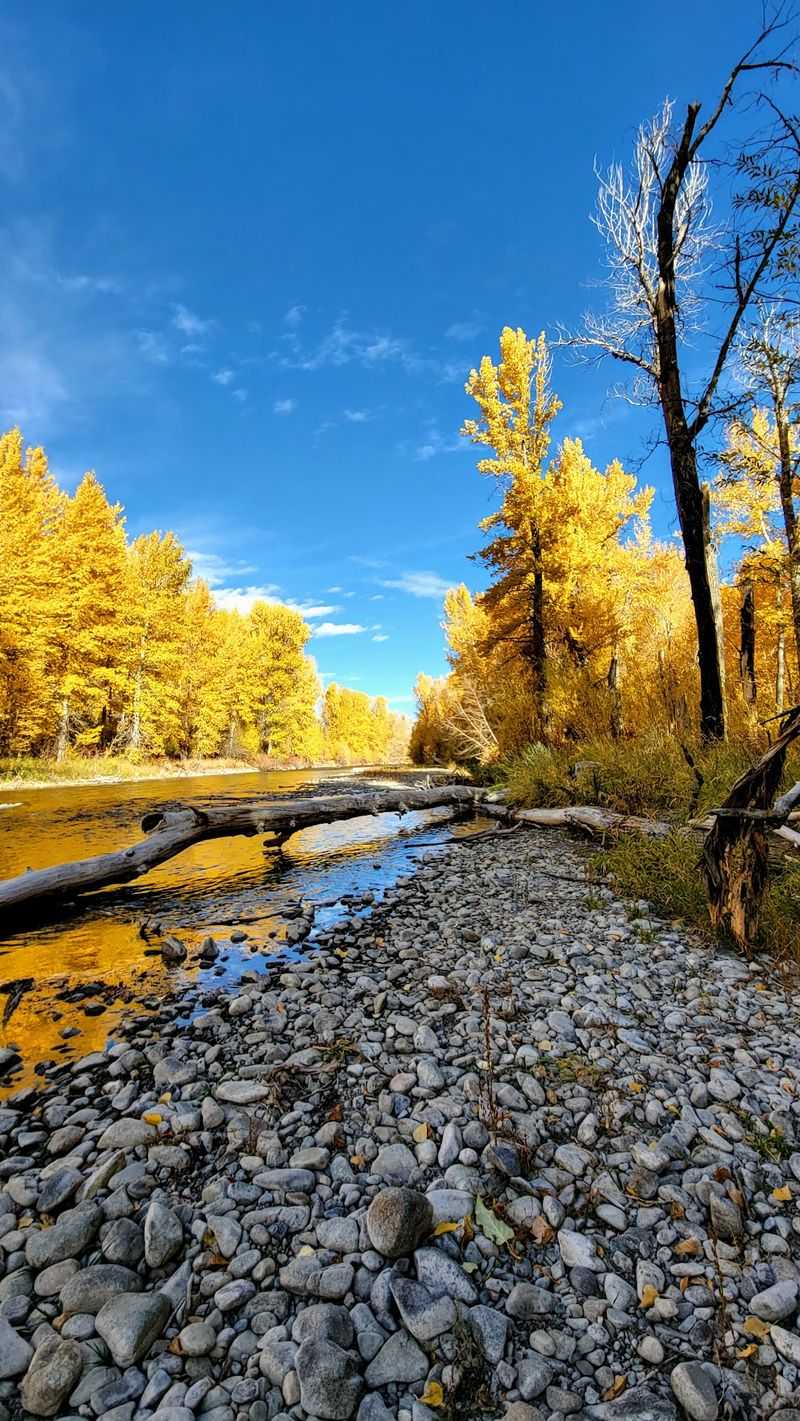
That came completely out of left field, a flat riverside walk already dressed for autumn. Not every early color stop requires a mountain climb.
Draper Preserve sits about 12 miles south of Ketchum, where aspens and cottonwoods create a strong riverside display that typically peaks around mid-October.
The preserve covers 124.41 acres and protects a half-mile stretch of the Big Wood River. Water sounds follow you the entire way.
A flat route of roughly one mile round trip follows the river and passes the Bow Bridge and a short boardwalk through the preserve.
Bow Bridge crosses the river with real style and makes a great photo frame. The marshy meadow beyond it stays quiet most mornings.
Trails wind through open meadows and older groves, good for hiking or easy biking. Birds gather thick near the water in September.
Because the walk is short, it pairs well with a longer day in the Wood River Valley. Early morning light through the cottonwoods is the highlight.
Fall mornings drop into chilly territory, then warm quickly by midday. Dressing in layers keeps things comfortable.
Visitors should use designated parking, stay on established trails, clean up after dogs, and keep pets under voice control.
Look for beaver sign along the banks and trout holding in the current. Small discoveries make this walk feel bigger than a mile. Sometimes the gentlest paths hand you the season’s first gold, and this riverside stretch does exactly that.