Kentucky Shoppers Are Filling Carts For Pocket Change At This Amish Roadside Store
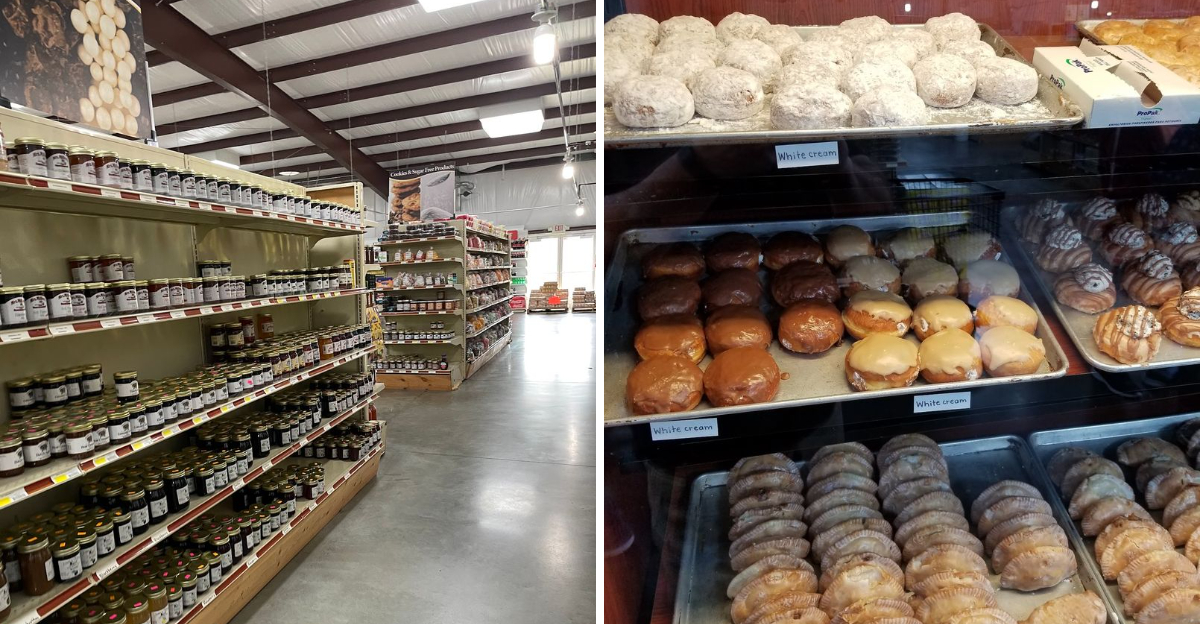
A dented can of tomatoes tastes exactly like an undented can of tomatoes. Somebody in Kentucky built a whole store on that idea.
The shelves here hold groceries that got bumped in transit and lost their retail dignity. Prices dropped accordingly.
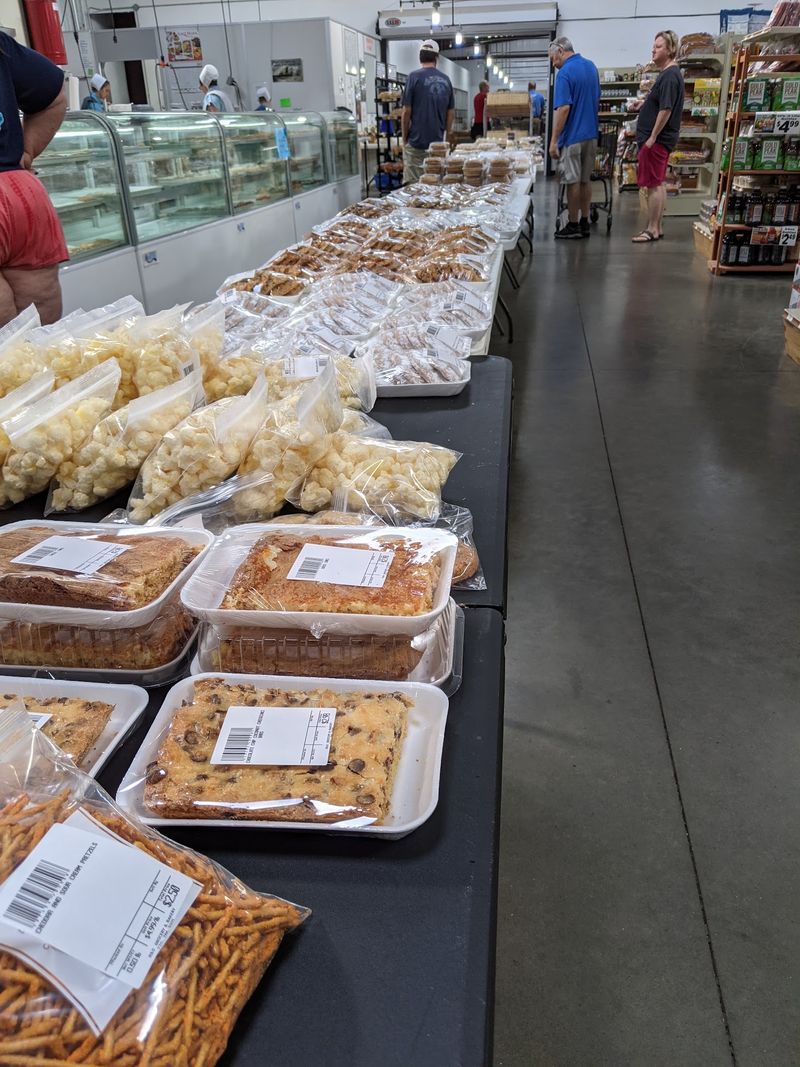
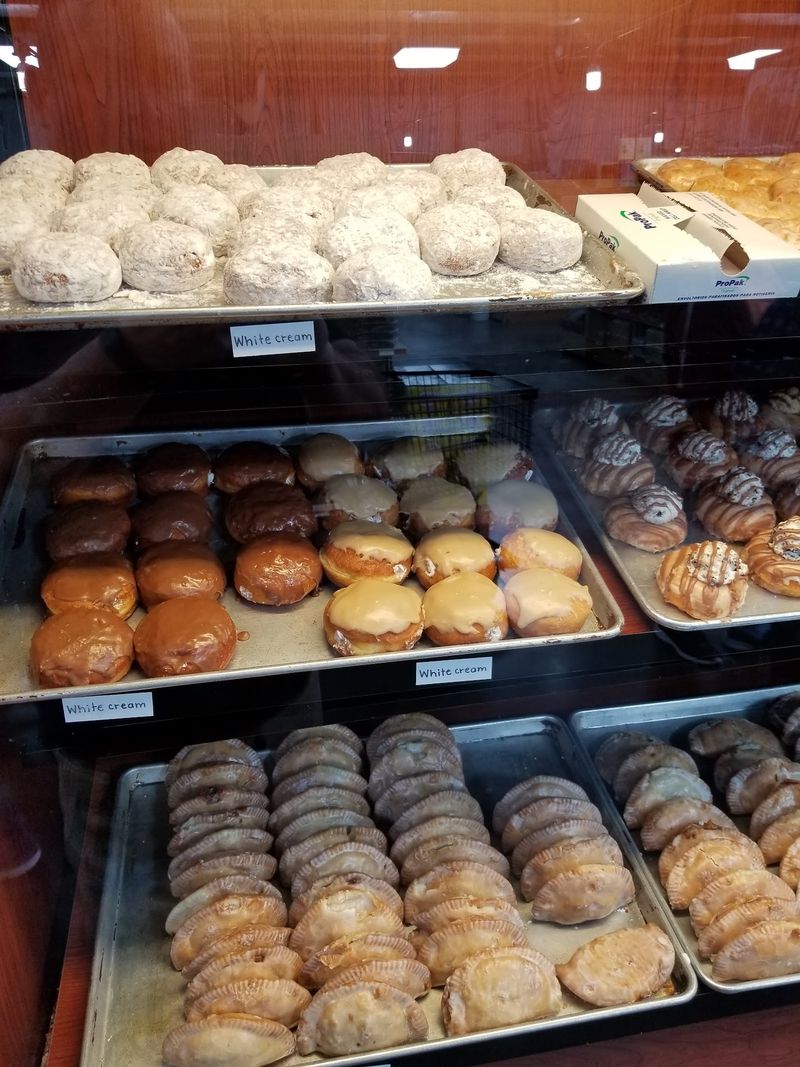
What nobody warns you about is the bakery. You came for cheap pasta and you will leave holding a fried pie.
The donuts come out fresh and disappear fast, so late arrivals get disappointment instead. There is a deli making sandwiches on bread baked in the same building.
You will start doing math about whether lunch counts as savings. Bring a slow attitude, because the good finds are never on the front shelf.
The store closes on Sundays, which is not negotiable. Nobody drives an hour for a supermarket.
Every visit stocks something different. That uncertainty is precisely why people keep coming back with empty trunks.
The Gravel Lot That Fools Everyone
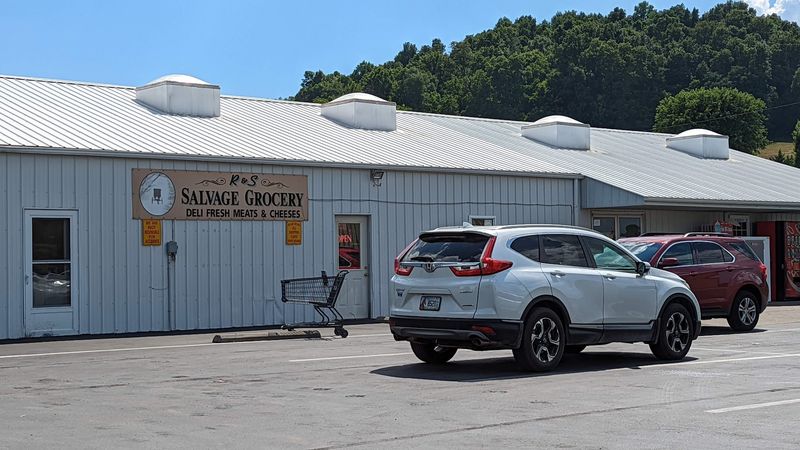
R & S Salvage Groceries looks like a large farm building with a parking lot, and that is exactly the point. There is no flashy signage competing for your attention from the highway.
Shoppers roll in from Glasgow, Munfordville, and Cave City with empty trunks and a plan. Some drive well over an hour, which tells you plenty about the prices inside.
The setting is pure Hart County farmland. Fields stretch out around the lot, and the quiet is broken mostly by tires on gravel.
First-timers often circle once, unsure they are in the right spot. Then they see the loaded carts rolling out the door and park fast.
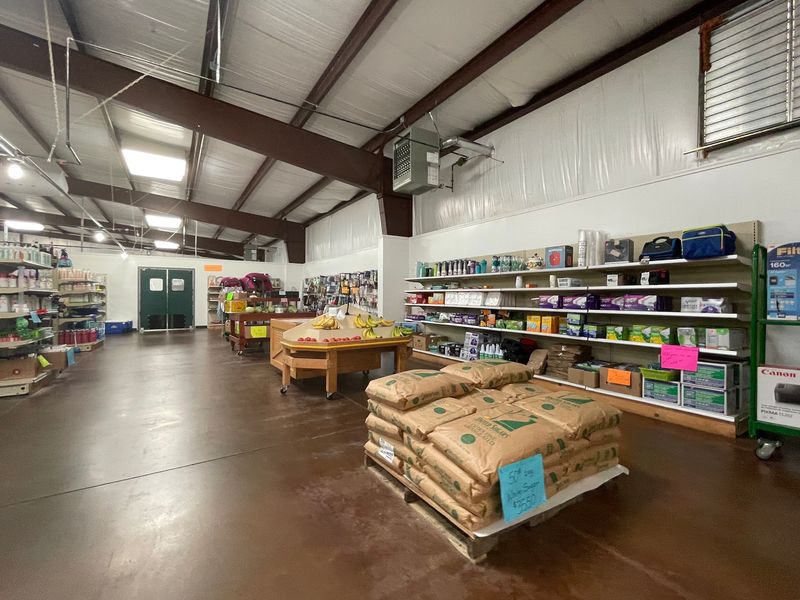
Dress for a working store rather than a showroom. Concrete floors, plain shelving, and boxes stacked where they landed set the tone.
Weekday mornings tend to feel calmer than Saturday afternoons. Regulars say the aisles get tight once word spreads that a fresh truck arrived.
Give yourself real time here, because rushing defeats the purpose. Half the fun is scanning shelves for something unexpected.
You can find it at 235 Irving Cemetery Rd, Horse Cave, Kentucky, just off the beaten path.
Prices That Sound Like A Typo
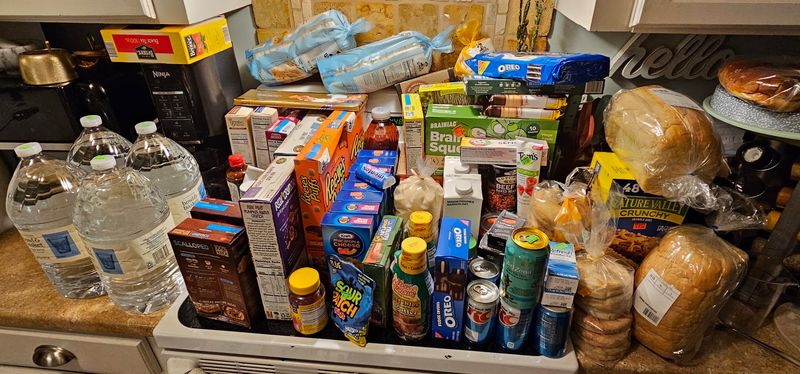
Salvage grocery pricing works differently than a chain supermarket, and the math is friendly. Items arrive at deep discounts, and the savings get passed straight to you.
Snack boxes, cereals, sauces, and pantry staples often land far below normal shelf prices. Shoppers routinely fill a cart for what a small grocery run costs elsewhere.
Price tags are often handwritten or marked on the case. Simple beats fancy, and nobody here pretends otherwise.
Bulk buying is where the real value shows up. Grabbing a full case usually beats picking up singles one at a time.
A cooler in the car helps if you spot refrigerated deals.
Keep a rough list of what your family actually eats. Cheap food is only a bargain when it gets used instead of forgotten.
Check dates before loading up, which is standard practice at any salvage store. Many items are perfectly good and simply overstocked or repackaged.
Budget shoppers, big families, and church groups all understand the appeal. A single visit can reshape how you think about grocery spending.
Why Salvage Groceries Even Exist
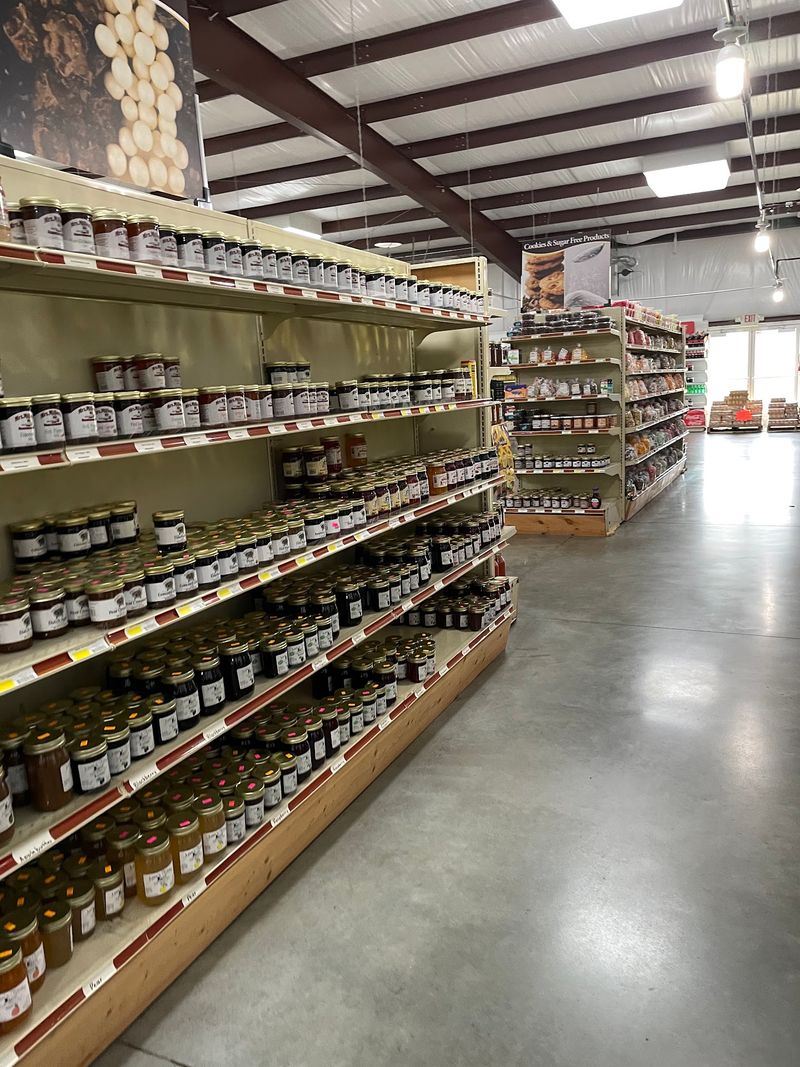
Grocery chains discard perfectly usable products for small reasons every single week. A dented can, a changed label, or a seasonal box can knock an item out of rotation.
Salvage stores buy those loads by the pallet and resell them cheap. Nothing goes to waste, and your wallet gets a break.
Manufacturers also overproduce holiday items constantly. Those pumpkin-flavored crackers have to go somewhere after November.
Shipping damage plays a role too. One crushed corner of a case can send the whole thing to a discount buyer.
That is why inventory here swings wildly from week to week. You are shopping whatever the trucks brought, not a fixed catalog.
The system rewards flexible cooks. If you can build meals around what is available, you save serious money.
Rigid shoppers hunting one exact brand may leave disappointed. Curious shoppers usually leave with a full cart and a story.
Understanding the model makes the whole experience click. Once you know why prices are low, the shelves start making sense.
Reducing food waste while feeding your family cheaply is a rare double win.
Bulk Bins And Baking Basics
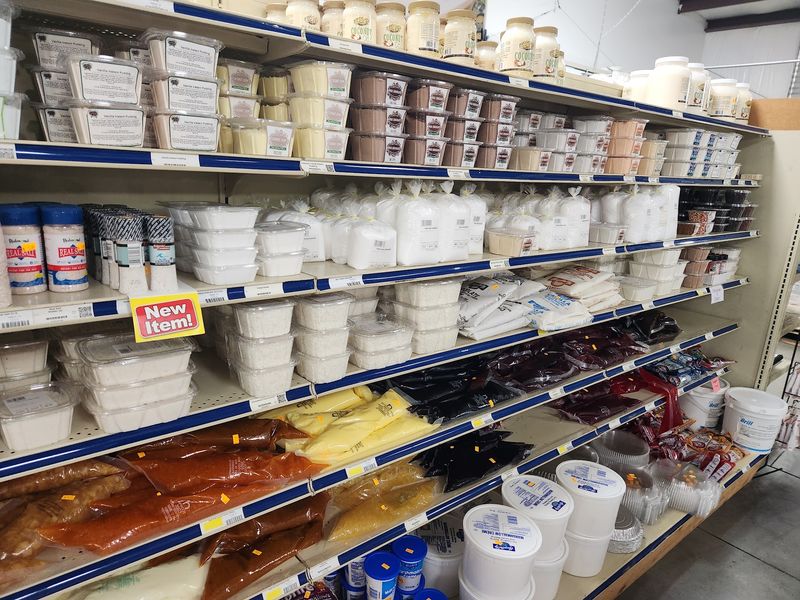
Home bakers tend to lose track of time in the bulk section. Flour, sugar, oats, and baking supplies show up in quantities that make sense for real cooking.
Buying by weight beats tiny grocery boxes almost every time. The per-pound difference adds up fast across a month.
Spices are often the biggest surprise for newcomers. Grocery store spice jars carry huge markups compared to bulk scoops.
Bring your own containers if you like staying organized. Otherwise, transfer everything into airtight jars once you get home.
Label your bags with names and dates immediately. Three unmarked white powders in a pantry help nobody.
Beans, rice, and pasta stretch grocery budgets better than almost anything else. Stocking up once can carry a household for months.
Store flour and grains somewhere cool and dry. Heat and humidity are the real enemies of a good bulk haul.
Families who bake weekly notice the savings first. Cookies, breads, and pie crusts stop feeling like splurges.
Even casual cooks benefit from one solid bulk run per season.
Snack Shelves Kids Would Riot Over
Parents of hungry teenagers, take note of the snack aisle. Chips, cookies, crackers, granola bars, and candy stack up in cases at prices that feel unfair to vending machines everywhere.
School lunch packing gets a lot cheaper here. Buying snacks by the case beats grabbing single boxes weekly.
Selection changes constantly, which is part of the entertainment. Brands you forgot existed reappear without warning.
Discontinued flavors show up regularly too. That odd chip flavor nobody ordered nationally ends up on these shelves.
Set a snack budget before walking in. Cheap prices make it easy to overload a cart with treats.
Rotate older packages to the front of your pantry. Snacks last longer than people assume when stored properly.
Sports teams and youth groups do well shopping here. Feeding twenty kids stops being a financial event.
Drink mixes, juice boxes, and shelf-stable beverages often join the lineup. Summer coolers get cheap to fill.
Bring a strong box or two, since bagged snacks crush easily on country roads.
Hours, And Country Store Etiquette
Rural stores run on rhythms that differ from twenty-four hour supermarkets. Hours can be limited, and Sundays are typically closed at Amish-run businesses.
Calling ahead or checking current hours saves a wasted drive. Nothing stings like arriving to a locked door after forty minutes on back roads.
Respect goes a long way at Amish businesses. Avoid photographing owners or workers, since many prefer not to be photographed.
Bring your own boxes or reusable bags. Packaging is not always provided at deep-discount stores.
Keep children close in tight aisles stacked with cases. Space is limited, and merchandise sits at floor level.
Patience helps during busy stretches. Checkout may be slower than a scanner-heavy chain store.
Friendly conversation is welcome, and regulars often trade tips about recent arrivals. That is how word spreads around Hart County.
Treat the place like a neighbor’s business, because that is exactly what it is.
Stocking A Pantry Without Draining Your Account
Emergency preparedness gets expensive at regular retail prices. Building a deep pantry here costs a fraction of the usual damage.
Canned vegetables, soups, sauces, and shelf-stable meals form a solid foundation. Buy what you already cook with rather than random cans.
Storms and winter weather hit Kentucky hard some years. A stocked shelf turns a rough week into a minor inconvenience.
Rotate stock using the first in, first out rule. Newest purchases go behind older ones, always.
Track dates with a simple list or notebook. Memory fails once a pantry passes fifty items.
Paper goods, cleaning supplies, and household basics sometimes appear alongside food. Those categories quietly eat budgets at regular stores.
Splitting a bulk order with neighbors works well. Two families can share a case nobody needs alone.
Set a spending cap before each trip. Discipline turns low prices into real savings instead of clutter.
Over a year, consistent trips here can shave hundreds off grocery spending for an average household.
Making A Day Of It Around Horse Cave

Horse Cave sits in cave country, which makes the drive worth extending. Hart County roads roll past barns, pastures, and long stretches of green.
Mammoth Cave National Park lies a short drive away. Shopping in the morning and touring underground in the afternoon makes a full day.
Cave City and Munfordville offer additional stops nearby. Both towns keep the trip easy without much backtracking.
Pack a cooler if summer heat is on the forecast. Chocolate and country roads do not mix well.
Fill your tank before heading out. Gas stations thin out quickly on rural routes.
Cell service can drop in spots, so download directions ahead of time. Paper backup never hurts either.
Bring a second driver if you plan to load heavy cases. Cart to car trips add up quickly.
Autumn brings excellent scenery through this part of the state. The savings feel even better with good views on the way home.
Plan the route, set the budget, and let the shelves surprise you.