This Kentucky Fabric Shop Has Been Selling Bolts Since 1964
Most fabric shops occupy perfectly ordinary buildings. This one occupies a former bank building.
That means the thread is stored in an actual vault, which is either excellent or slightly excessive depending on how you feel about thread. The shop opened in Lexington, Kentucky, in nineteen sixty four and has been passed down through one family since the nineties.
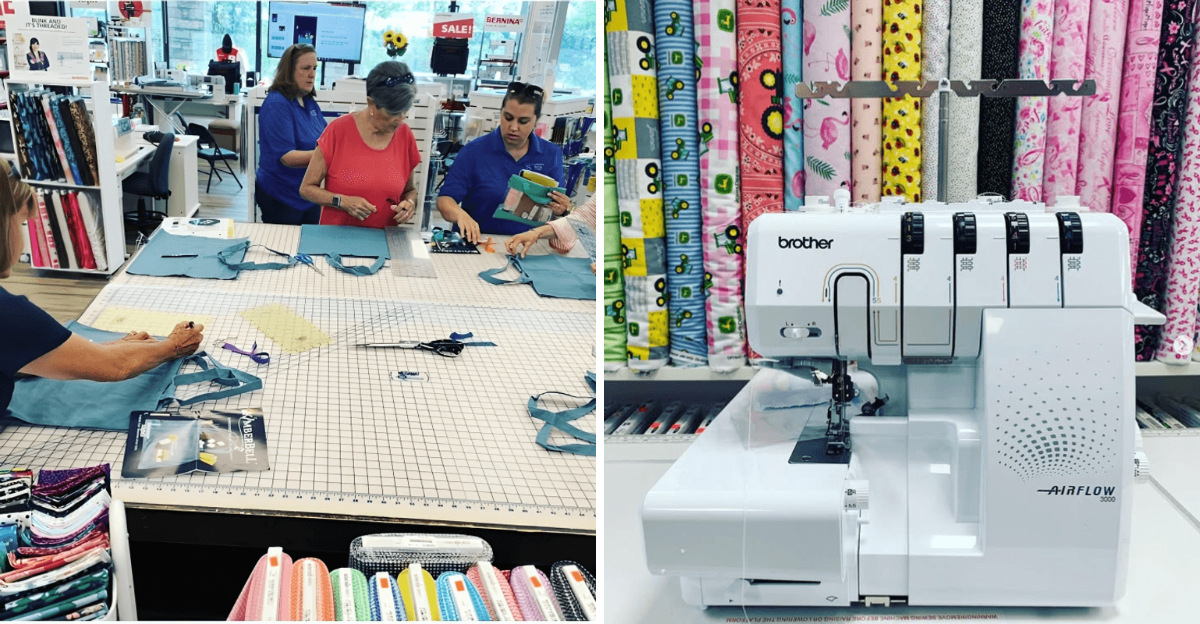
It started out selling sewing machines, and it still knows them better than almost anyone in the state. Fabric came later, and now more than five hundred bolts fill the floor.
You will find grunge and solids and gingham and polka dots. There are Kentucky prints for the people who want their quilts to declare allegiances.
The staff will happily talk you through a machine problem you have been ignoring for months. Sixty years of business tends to produce that kind of patience.
Bring a project and let them help with it.
A Storefront That Keeps Its Promises
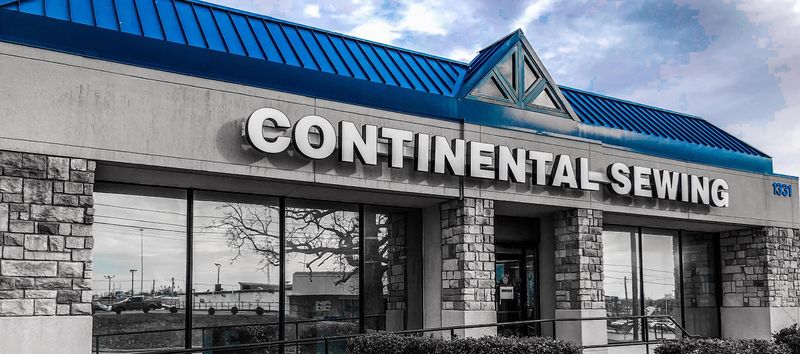
Continental Sewing Center does not shout for attention, and that is part of its charm. The building looks practical, the sign is simple, and the parking is easy.
Inside, the mood shifts fast. Bolts of fabric line the walls, and sewing machines sit ready for a test stitch.
The shop has been serving Lexington since 1964. That is a long stretch for any small business, especially one built around thread and needles.
What struck me first was the quiet. No blaring music, no crowds pushing carts through aisles.
You hear scissors, a machine humming, and someone asking a real question about hems. It feels like a workshop more than a store.
Longtime customers walk in like they are visiting a neighbor. Newcomers get the same welcome, just with a few more explanations.
The layout is easy to learn in one visit. Fabric on one side, machines and supplies on the other.
Nothing feels staged for photos. Everything feels ready to be used.
If you plan to stop by, the address is 1331 Eastland Dr, Lexington, Kentucky. Give yourself extra time, because a five minute errand rarely stays five minutes here.
Bolts, Bolts, And More Bolts
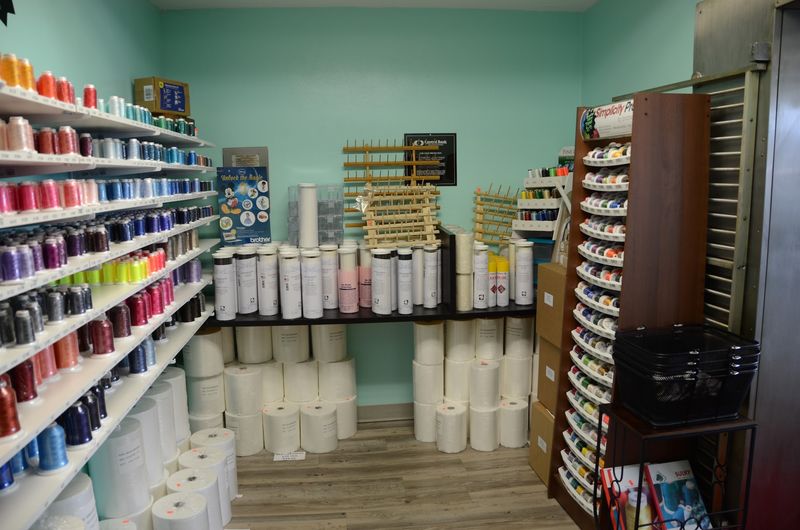
Fabric shopping online is fine until you need to know how something drapes. A screen cannot tell you if cotton feels crisp or soft.
Here, you touch first and decide second. That single difference changes how a project turns out.
The bolts stand in tight rows, sorted so you can flip through without wrecking the shelf. Colors sit near colors, which sounds obvious until you shop somewhere that ignores it.
I watched a woman hold two blues side by side under the lights. She swapped her choice twice, then smiled like she had solved a puzzle.
That is the part online carts miss. Fabric decisions are visual and physical at the same time.
Bring a swatch if you are matching something at home. Bring measurements too, because guessing yardage never ends well.
Staff will cut what you need and not push you toward more. If you ask for two yards, you get two yards.
Prices are marked plainly on the ends of the bolts. No hunting for hidden tags or scanning codes.
Selling bolts since 1964 means the shop understands what makers actually buy. The stock reflects real projects, not passing fads.
Sewing Machines You Can Try
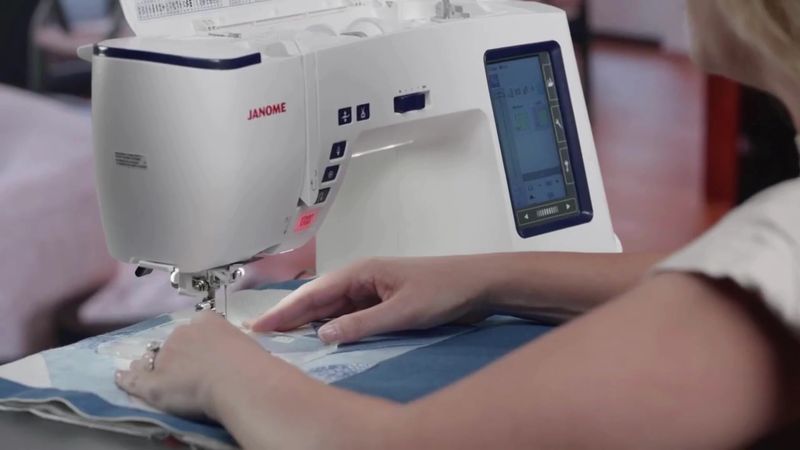
Buying a sewing machine blind is a gamble. Specs on a box tell you almost nothing about feel.
At the counter, machines sit out where you can run a seam. That test stitch answers questions no manual covers.
Some models are compact and light, made for a kitchen table setup. Others are heavier, built for hours of steady work.
A staff member showed me how a foot pedal changes speed control. Small detail, big difference for beginners.
Ask about thread tension before you buy. It is the number one thing new sewists struggle with.
The shop also carries feet, bobbins, and needles for different machines. Matching accessories matters more than most people realize.
If you already own a machine, bring your questions anyway. Advice here comes from experience, not a script.
That is how sewing starts for almost everyone. Wobbly first, steady later.
A shop that lets you try before buying earns trust fast. Six decades in business suggests plenty of people agree.
Repairs That Save Old Favorites
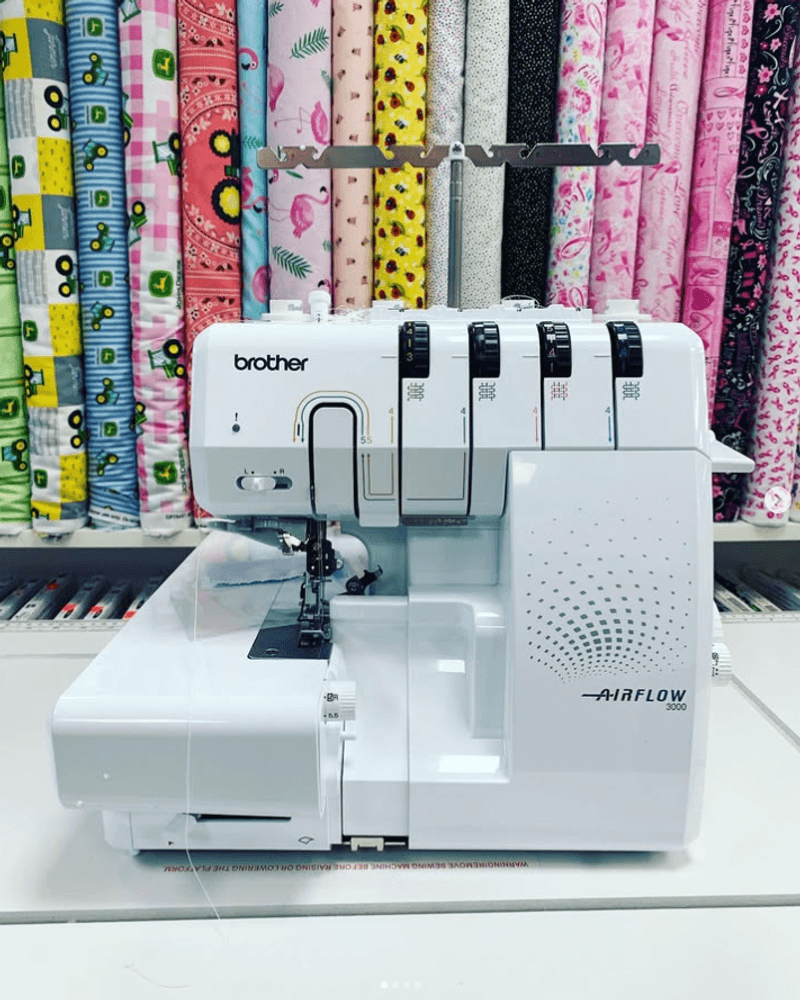
Grandma machines are tougher than they look. Many still run beautifully with a cleaning and a tune-up.
Service is a real part of what happens here. Machines come in tired and leave humming.
People bring in models older than they are. Heavy metal bodies, hand-cranked history, still stitching after decades.
A technician explained that most problems trace back to lint and dry gears. Regular maintenance prevents the worst of it.
Clean your bobbin area after every few projects. It takes two minutes and prevents expensive headaches.
Change your needle more often than you think. Dull needles cause skipped stitches and puckered seams.
Repair work also keeps machines out of landfills. That quiet kind of recycling deserves more credit.
One customer told me her machine belonged to her mother. She uses it weekly and refuses to replace it.
The shop treats that sentiment with respect. Nobody tries to talk you into something new.
Turnaround depends on parts and workload, so call ahead. Older models sometimes need patience.
Since 1964, plenty of machines have passed across that workbench. That kind of experience is hard to replace.
Notions Aisle Full Of Small Miracles

Zippers, buttons, bias tape, and seam rippers. The unglamorous heroes of every finished project.
The notions section is where beginners suddenly understand what they were missing. Small tools solve big frustrations.
A good seam ripper is worth the extra dollar. Cheap ones tear fabric instead of thread.
Marking tools matter too, especially chalk that brushes away cleanly. Nobody wants permanent lines on a finished hem.
Thread selection deserves a moment of attention. Matching color is easy, matching weight is smarter.
Staff will point you toward the right thread for your fabric. Heavy denim and light cotton need different answers.
Buttons sit in tidy rows, and finding a set of four takes seconds. I have spent longer searching a giant chain store.
Pins, measuring tapes, and rotary cutters round out the shelves. Everything is where you would expect.
Grab an extra pack of machine needles while you are there. You will need them sooner than planned.
Small purchases add up to smoother sewing days. A shop that stocks the basics well is a shop worth keeping.
Decades of steady business built that shelf knowledge.
Advice From People Who Sew
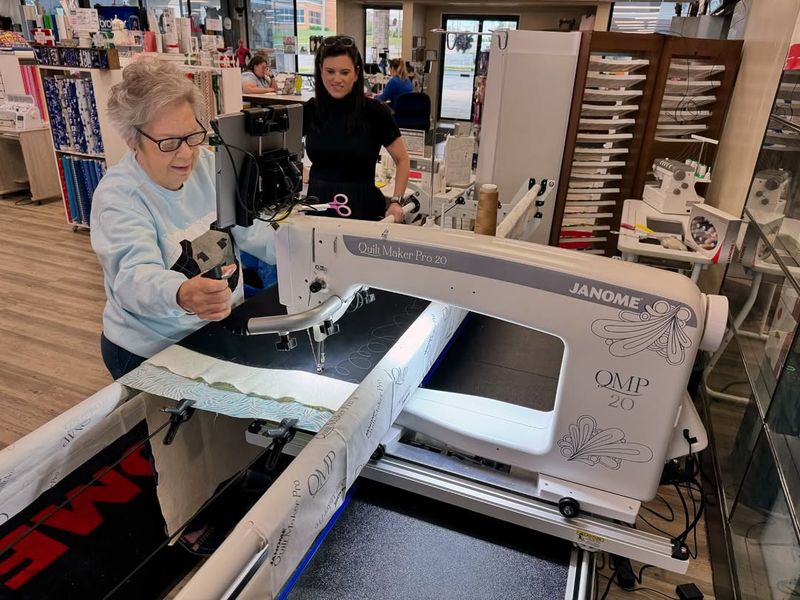
Ask a question here and you get an answer, not a shrug. That alone separates specialty shops from big box aisles.
Staff sew. They know what works and what wastes your money.
I mentioned a tricky project idea and got three practical suggestions. One of them saved me from buying the wrong fabric weight.
Nobody rushed the conversation. There was no pressure to buy anything extra.
Beginners get patient explanations without any condescension. Experienced sewists get straight technical talk.
Bring your pattern envelope if you have one. Yardage requirements printed on the back make everything faster.
Photos on your phone help too. Showing a project idea beats describing it.
If you are stuck mid-project, come in and explain the problem. Fresh eyes often spot the fix immediately.
The advice tends to be simple and practical. Press your seams.
Test on a scrap first.
Basic habits improve results more than fancy tools ever will. Good shops repeat that message.
Since 1964, staff here have coached countless first projects. That teaching tradition keeps customers coming back long after the first purchase.
The Cutting Counter Ritual
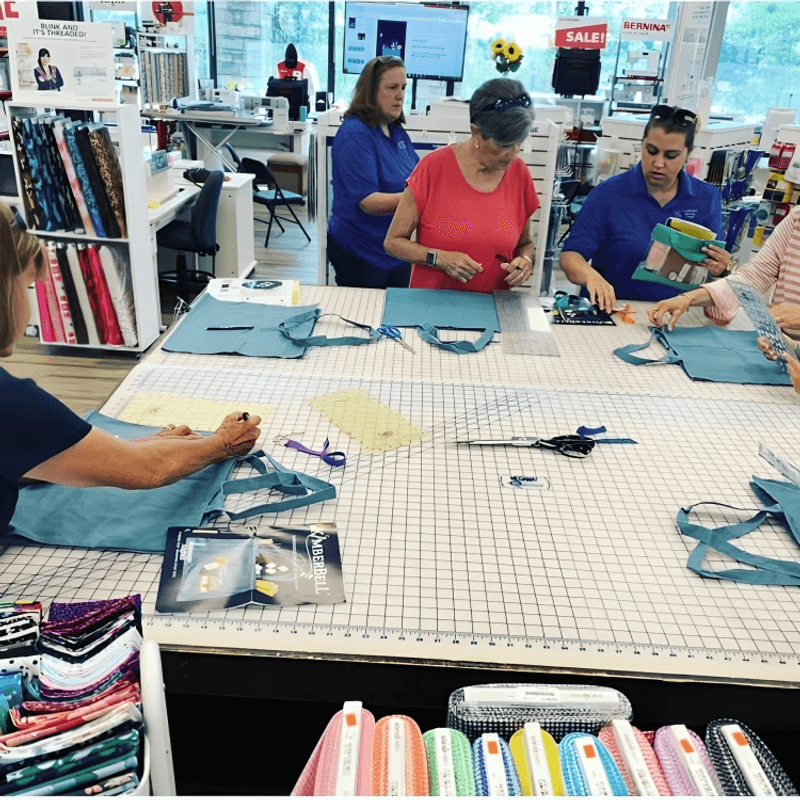
Every fabric shop has a heartbeat, and it is the cutting counter. Fabric unrolls, the yardstick measures, scissors do the rest.
Watching a clean cut is oddly satisfying. Straight, quick, done.
Customers line up and start chatting almost automatically. Sewing people cannot resist asking what you are making.
I heard a quilt plan, a curtain project, and a costume idea in one short wait. Everyone offered opinions freely.
Order a little extra yardage for anything that needs matching. Prints and stripes eat fabric during layout.
Pre-wash cotton before cutting at home. Shrinkage after sewing ruins careful measurements.
The counter is also where mistakes get caught. Someone will mention if your yardage sounds low.
That safety net is quietly valuable. It prevents a second trip across town.
Cuts are measured honestly, without stingy trimming. You get what you paid for.
Receipts list yardage clearly, which helps when tracking project costs. Simple, but useful.
Counters like this one have handled thousands of projects since the sixties. The wood shows it, and that is a compliment.
Why Sixty Years Still Matters
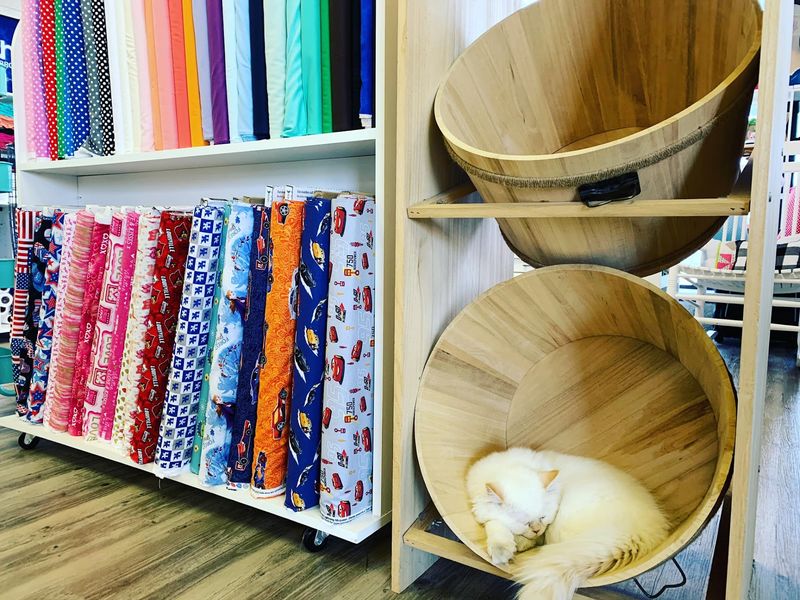
Businesses that survive six decades do something right. Usually it is service, not gimmicks.
Sewing itself never disappeared. It just moved in and out of fashion while shops like this held steady.
Home sewing surged again in recent years. People wanted mending skills, custom fits, and handmade gifts.
Shops with real inventory and real knowledge were ready. Others were not.
Supporting a local sewing center keeps that knowledge nearby. Once it closes, the advice goes with it.
Machines still need parts. Beginners still need someone to explain bobbin winding.
Visit with a small project in mind for your first trip. Pillow covers or simple tote bags build confidence fast.
Then come back with something harder. The staff will remember you.
Parking is straightforward, and the location off Eastland Drive is easy to reach. No downtown traffic puzzle.
Bring a friend who claims they cannot sew. Watch them leave holding fabric.
That is how this place works. It quietly recruits new makers, one bolt at a time, exactly as it has since 1964.