This Charming Town In Virginia Feels Like Stepping Into The Colonial Past
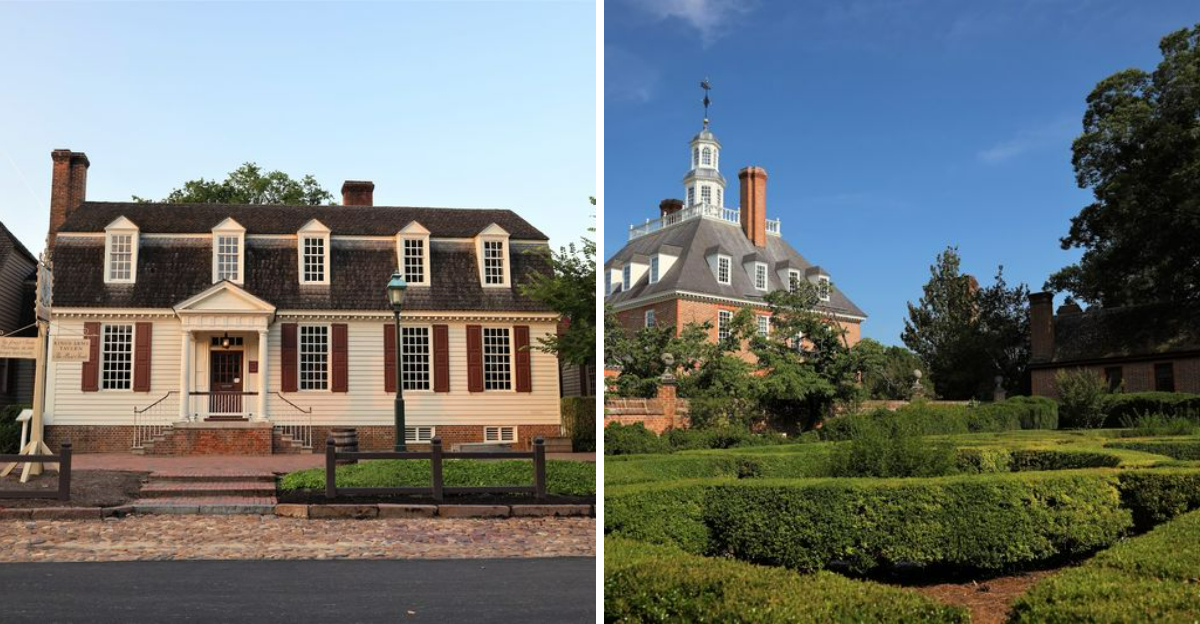
I forgot what year it was for a minute. My phone buzzed in my pocket and I almost didn’t answer, too busy staring at a street that looked pulled straight from a history book.
Horses’ hooves echoed somewhere close. Smoke drifted from a chimney and carried the smell of woodfire cooking.
A man in old-fashioned dress tipped his hat as he passed, like it was the most normal thing in the world. I have visited plenty of towns across Virginia chasing good stories, but none made me feel like I had actually traveled back in time.
Kids ran past in bonnets and breeches, laughing the same way kids always have. For a few hours, the modern world just disappeared.
Virginia holds onto its past better than almost anywhere I have been, and this town proves it completely.
A Town Where The 1700s Never Ended
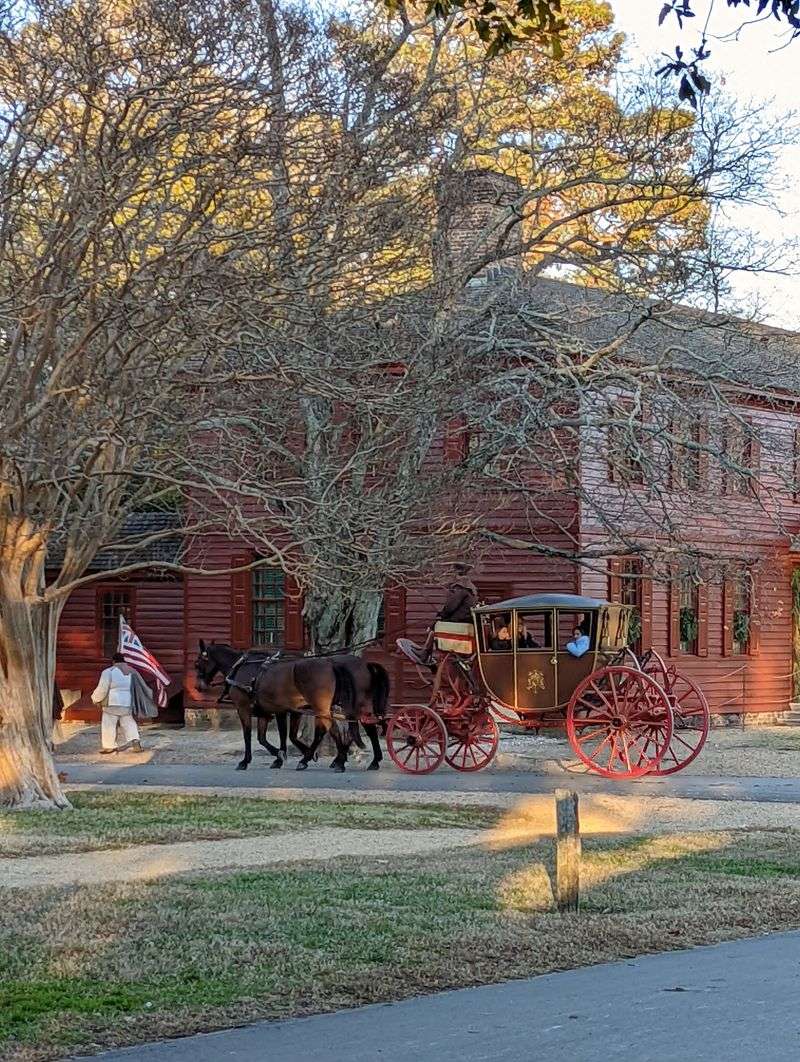
The first block set the tone completely. Wooden shutters, hand-painted signs, and not a single glowing storefront in sight.
Eighty-nine original 18th-century buildings still stand here, which is a staggering number. Hundreds more were rebuilt with careful research and matching materials.
What struck me most was the scale of the place. It is not a single restored house on a corner.
It is an entire working district, stretching street after street.
Walking felt slower than usual, and that was the point. There are no cars on the main historic lanes, so your footsteps become the loudest thing you hear.
Morning light hits the brick beautifully, so early arrivals get the best photos. Crowds also thin out before ten, which helps if you dislike jostling.
Wear shoes with real support, because the paths are uneven in spots. Cobbles and packed dirt are authentic, but they punish flimsy sandals.
Give yourself two days if you can manage it. One day covers the highlights, though it moves fast.
Start at 101 Visitor Center Drive in Colonial Williamsburg, Virginia, where maps and daily schedules are handed out.
Costumed Interpreters Bring Colonial Stories To Life
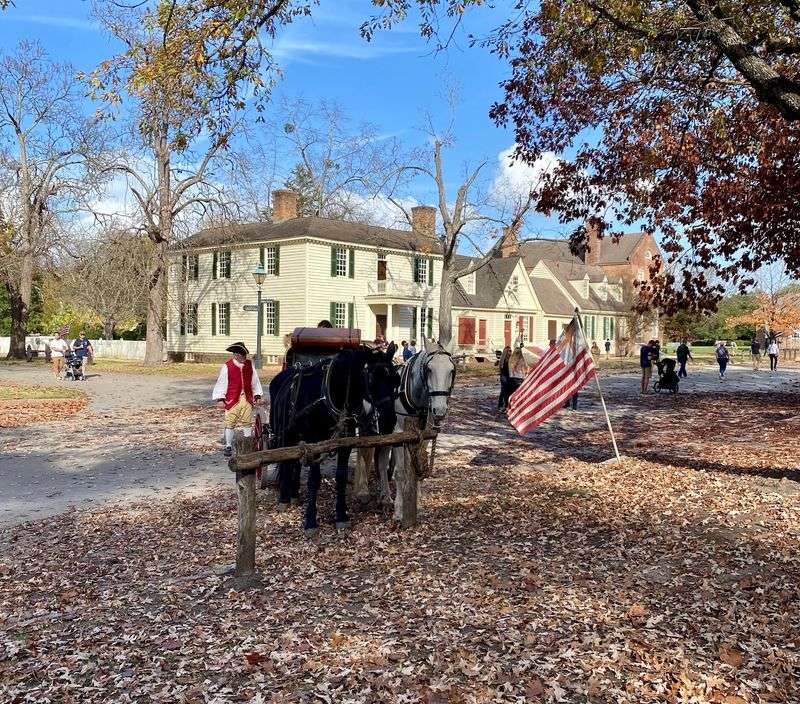
My first conversation here confused me for a moment. I asked about the weather, and got an answer about the harvest and the price of flour.
Costumed historical interpreters work throughout the district all day. They discuss daily colonial life as though they are living it right now.
Some portray tradespeople, others portray shopkeepers or household members. Their knowledge runs deep, and questions are genuinely welcome.
Here is my best tip: ask specific things. Instead of a general question about history, ask what someone ate for breakfast or how laundry got done.
Answers get wonderfully detailed when you narrow the topic. I learned more in ten minutes than in an hour of reading signs.
Children tend to love these encounters, especially the ones involving chores and games. Adults usually end up asking more questions than the kids.
Programs shift depending on the season and the day. Checking the printed daily schedule keeps you from missing a favorite talk.
Be patient during busy hours, since popular interpreters draw small crowds. Standing back for a few minutes usually earns you a quieter chat.
The Governor’s Palace And Its Show Of Power
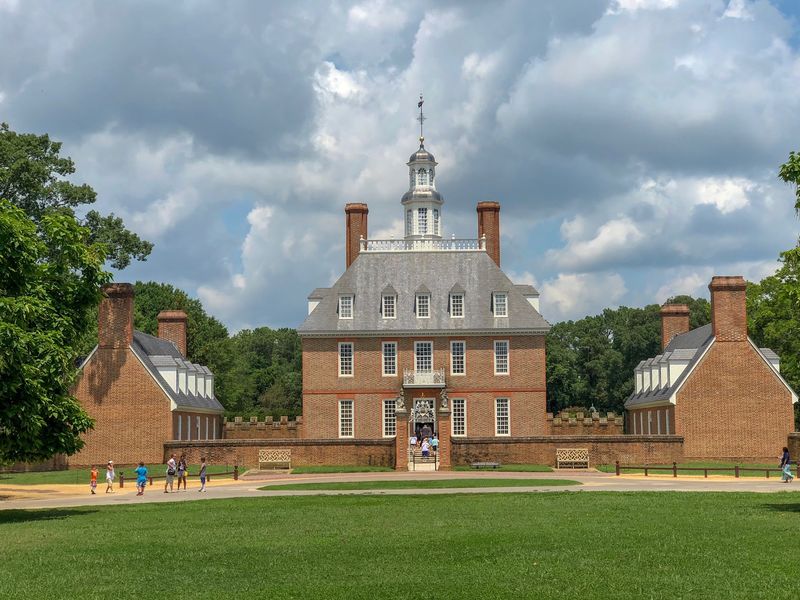
Grandeur was the whole message here, and it still lands. The building was designed to remind everyone exactly who held authority.
The Governor’s Palace showcased the strength of colonial government in Virginia. Its scale and detail were meant to impress visitors instantly.
Formal gardens surround the property, laid out in tidy geometric shapes. Hedges, gravel paths, and shaded corners make the grounds worth circling twice.
Inside, the display of arms in the entryway stops most people cold. It was a deliberate statement, not decoration.
Give yourself extra time for the gardens, which many visitors rush past. I sat on a bench there and watched the light change for twenty minutes.
Tours here fill up quickly during peak months. Arriving earlier in the day usually means shorter waits and smaller groups.
Photography is easiest from the front lawn, where the full building fits your frame. The iron gates make a nice foreground detail.
Pair a visit with the surrounding green space for a slower afternoon. The contrast between formal rooms and open lawn is part of the charm.
Watch Blacksmiths And Wigmakers Bring History To Life
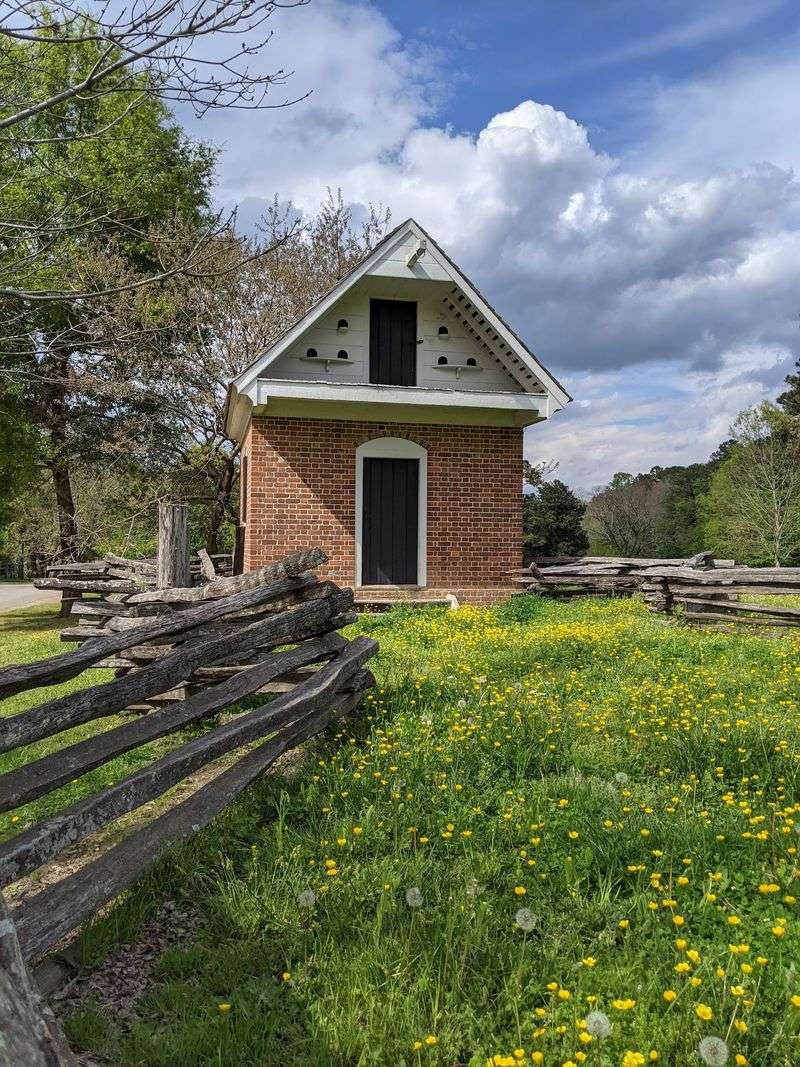
You hear the forge before you see it. Metal ringing on metal carries down the street like a heartbeat.
Artisan shops here operate with genuine period methods. Blacksmiths hammer iron, and the heat rolls out the open doorway.
Printers set type by hand, letter by letter, exactly as done generations ago. Watching a page come together is oddly hypnotic.
Wigmakers shape elaborate hairpieces with tools that look almost surgical. The patience involved is honestly impressive.
My advice is to pick two or three shops instead of racing through all of them. Standing still for fifteen minutes teaches you far more.
Craftspeople answer questions while they work, so speak up politely. They explain each step without missing a beat.
Doorways can get crowded midday, especially in the smaller workshops. Late afternoon visits tend to feel calmer and more relaxed.
Some shops sell items made on site, which makes for meaningful souvenirs. A hand-forged hook beats a plastic magnet every time.
Bring curiosity rather than a checklist. The trades reward slow, attentive visitors.
Fife And Drum Music Rolling Down The Street
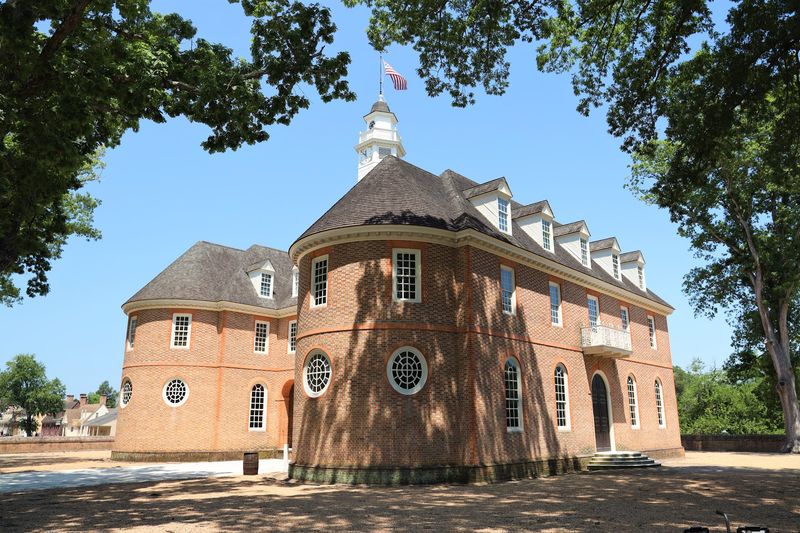
A sound stopped me mid-sentence one afternoon. Drums, sharp and steady, echoing between the buildings.
The fife and drum corps parades through the streets on scheduled days. Their music turns an ordinary stroll into something ceremonial.
Crowds gather quickly along the route, so position matters. Standing near a corner gives you a longer view as they approach.
Younger visitors especially light up during these performances. The rhythm is impossible to ignore, even from a block away.
Schedules vary by season, and weather can affect them. Confirming times at the start of your day saves disappointment.
Video works better than photos here, honestly. The sound is half the experience.
Horse-drawn carriages add their own soundtrack throughout the day. Hooves on packed earth create a rhythm you rarely hear anymore.
Carriage rides are available separately and offer a different view of the district. Sitting up high changes how the streetscape looks.
Between the music and the horses, your ears do plenty of traveling. Modern noise simply disappears for a while.
Gardens That Look Like Living Paintings
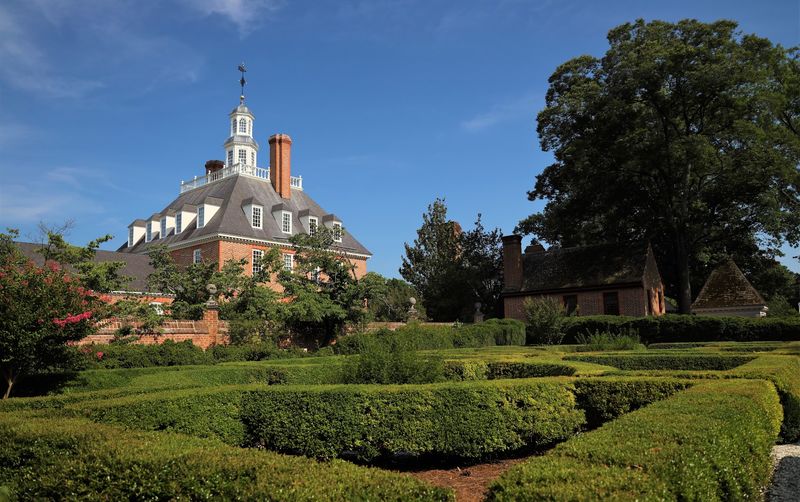
Between the big landmarks sit some of the quietest treasures here.
Beautifully maintained plots sit throughout the historic area. Some are ornamental, others practical kitchen gardens full of herbs.
Boxwood hedges create neat patterns that look almost drawn with a ruler. Brick paths wind between beds in satisfying symmetry.
Benches appear in unexpected corners, which makes resting easy. I used one to escape the midday sun and ended up staying half an hour.
Spring brings the most color, but autumn has its own gentle appeal. Even in cooler months, the structure of the hedges holds up beautifully.
Gardeners sometimes work the beds using period tools and methods. Their explanations about crops and seasons are genuinely useful for home gardeners.
Photographers should look for the gates and fence lines. They add depth and frame the greenery nicely.
Walking the garden paths also thins the crowd noise considerably. It is the calmest part of any visit.
Skip these and you miss half the atmosphere.
Two Museums Worth The Detour
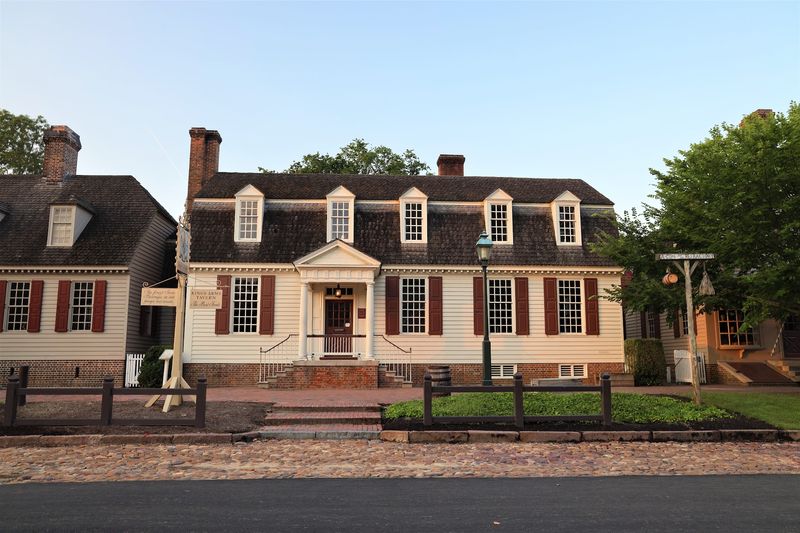
Rain arrived on my second afternoon, which turned out to be lucky. It pushed me indoors to two excellent museums.
The DeWitt Wallace Decorative Arts Museum holds furniture, silver, ceramics, and other refined objects. Craftsmanship is the star throughout.
Next door, the Abby Aldrich Rockefeller Folk Art Museum takes a different approach entirely. Bright, personal, sometimes wonderfully odd artwork fills the galleries.
Seeing both back to back creates a great contrast. One shows polish and status, the other shows imagination and everyday life.
Climate control makes these buildings a welcome break in July or January. Comfort matters more than people admit on long sightseeing days.
Plan roughly two hours if you enjoy museums. Less time works, though you will feel rushed in the folk art rooms.
Seating is available throughout the galleries, which helps tired legs. I appreciated that more than expected.
Children often connect faster with the folk art collection. The colors and characters are immediately engaging.
These galleries add real depth to the outdoor experience. History stops being only about buildings.
Quiet Side Streets Most Visitors Skip
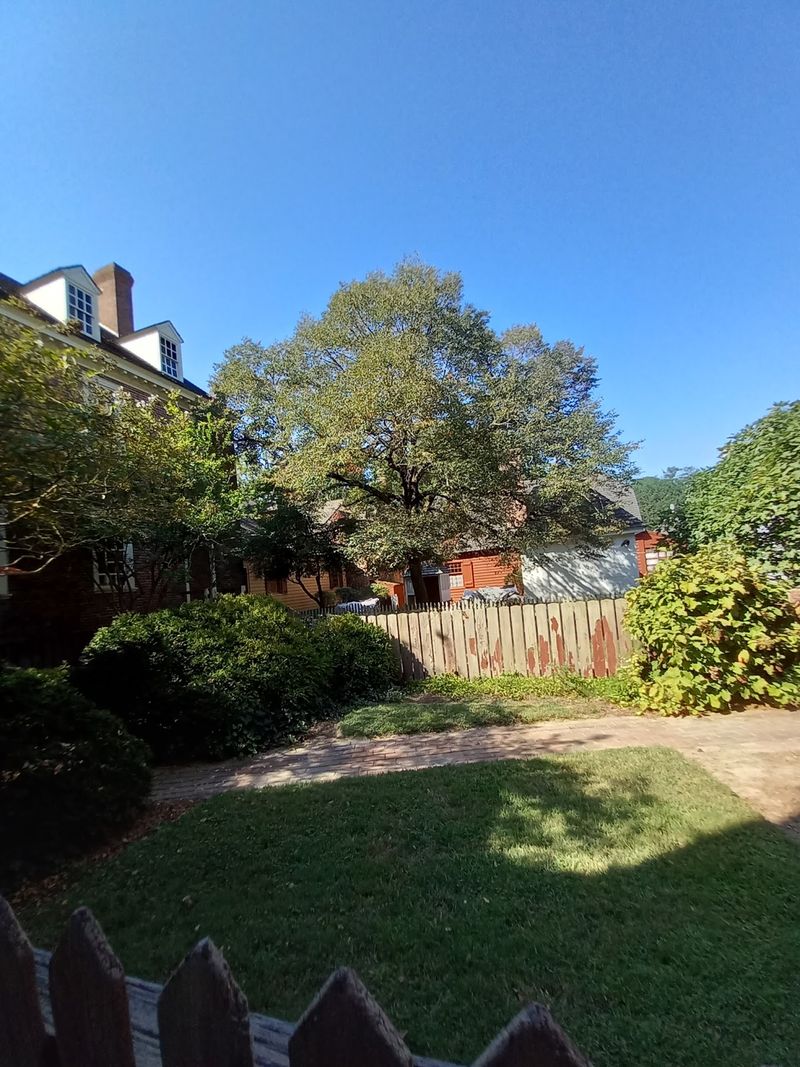
Turn off the main road and everything softens. Fewer voices, more birdsong, and long shadows across the grass.
Side streets in the historic area reward wandering. Small houses, picket fences, and shade trees line the quieter lanes.
This is where the place stops feeling like a destination. It starts feeling like a neighborhood from another century.
Late afternoon is my favorite time for these walks. The light turns golden, and day-trip crowds start heading out.
Parking is available at the Visitor Center for a daily fee, with complimentary bus service running to stops throughout the Historic Area. Using them saves your energy for walking.
Comfortable footwear matters again here, since the loops add up quickly. I logged several miles without noticing.
Some passes cover multiple sites, so compare options before buying. Multi-day tickets often make sense for slower travelers.
Evenings bring a different mood entirely, with lanterns and softer sounds. Staying past dinner is worth arranging.
Leaving felt strange, honestly. Modern traffic noise hit like an alarm clock after a long, peaceful dream.