This Louisiana River Town Feels Like A Quiet Affordable Escape With Homes Under $200,000
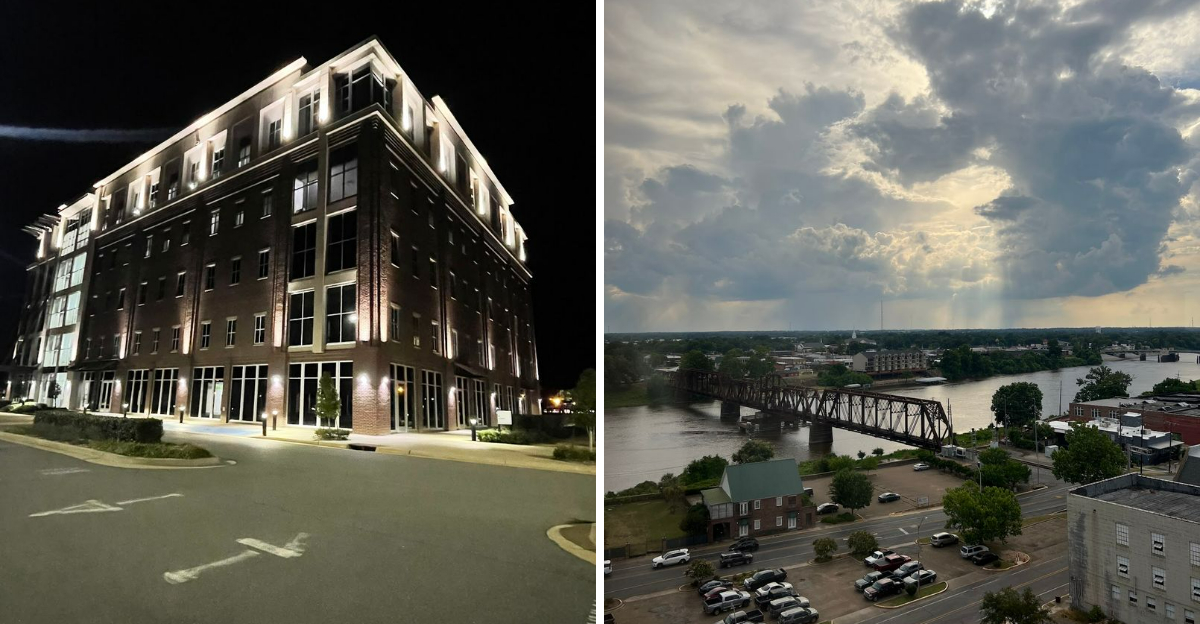
I checked my phone three times to make sure I typed the price right. A porch with river views for less than my current rent back home.
That could not be real. But there it was, right on the listing, plain as day.
I only stopped in this town because I needed gas and a coffee break during a longer drive. Two hours later I was still parked outside a little cafe, calculating what my savings account could actually afford here.
The river moved slow and brown past a row of quiet streets lined with porches and old oak trees. Nobody seemed in a hurry.
Nobody seemed stressed either. Louisiana keeps towns like this quiet on purpose, I think, tucked far from the tourist crowds that flood the bigger cities.
By the time I left, I had already saved four more listings.
A Slow River City With Real Southern Ease
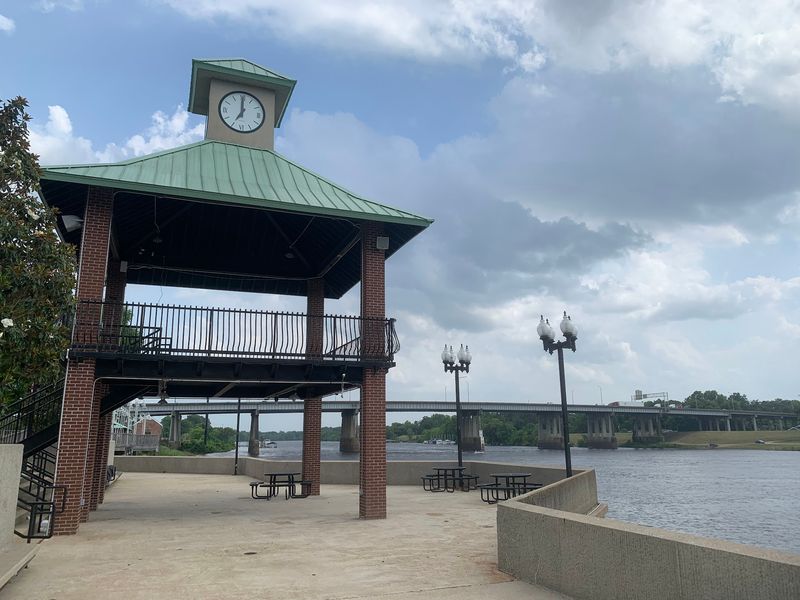
Some places shout for attention, and others just hum quietly beside a slow river. The quiet ones tend to stay in your memory.
About 47,000 people live here, giving the city a sparse suburban feel rather than a crowded one. Traffic moves easily, and neighbors still wave from front porches.
Southern charm shows up in small ways, like slower conversations at the hardware store. The pace feels deliberate, not sleepy.
The river gives the city its shape and its rhythm, curving through the middle of everything. Bridges, boat ramps, and shady banks are all part of daily life.
Trees line many of the older streets, and shade matters a lot in summer. Sidewalks near the water fill up in the cooler evening hours.
Northern Louisiana keeps this city as one of its main hubs for jobs, schools, and health care. That mix of calm and convenience is rare.
Visitors often expect a fast stop and end up staying for a full weekend. Curiosity builds once you start exploring the side streets.
Affordability is the real headline, though the atmosphere is what sells the idea. Welcome to the easygoing river city of Monroe, Louisiana.
Home Prices That Leave Room To Breathe
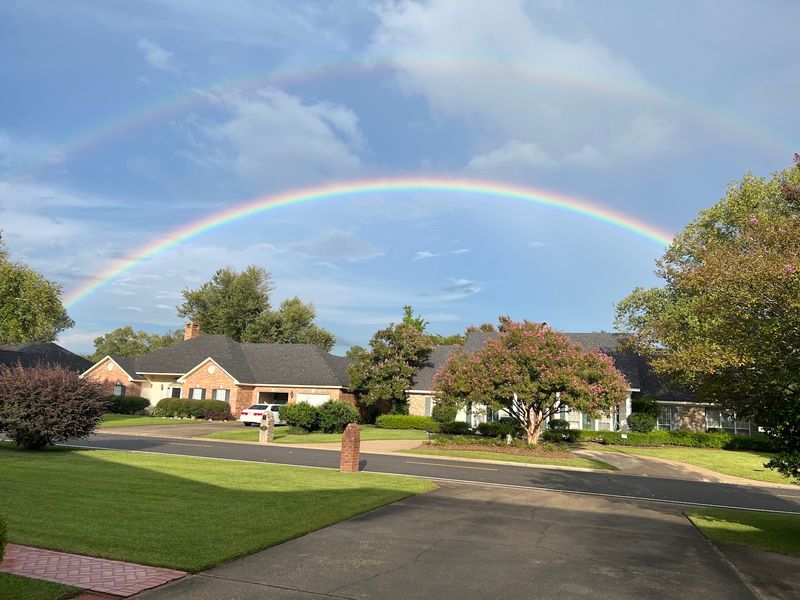
House hunting usually involves sticker shock followed by a long sigh. Here the numbers actually make you sit up straighter.
The median home value sits around $176,250, well below the national median. That gap changes what an ordinary budget can buy.
Hundreds of properties often list under $200,000 at any given time. Options include brick ranch homes, older cottages, and newer builds.
A $200,000 budget might land three bedrooms, a yard, and a carport. In many metro areas, that same money barely covers a small condo.
Older neighborhoods offer character, with hardwood floors and tall shade trees. Newer subdivisions lean toward open layouts and low maintenance yards.
Riverside streets, quiet cul-de-sacs, and lots near parks all fall inside that price range. Comparing a few areas before choosing is worth an extra afternoon.
Lower prices also mean smaller down payments and friendlier monthly notes. Some buyers find room in the budget for renovations right away.
Louisiana property taxes tend to be modest, which helps first-time buyers. Homestead exemptions can trim the bill even further.
Touring homes here feels less like a bidding war and more like a real decision. That alone lowers the stress level.
Everyday Bills That Stay Gentle
Housing is only half the affordability story, and the other half arrives monthly. Bills here land softer than most people expect.
The overall cost of living runs about 8% below the national average. Small percentages add up fast across a full year.
Utility prices are roughly 23% less expensive than the U.S. average. Summer air conditioning still works hard, but the bill stings less.
Grocery costs sit near 4% under the national figure. Regional markets and produce stands help stretch a weekly budget further.
Cheaper basics free up money for things people actually enjoy. Weekend trips, hobbies, and savings accounts all benefit.
Restaurants and services tend to price for local wallets rather than tourist ones. A family dinner out does not require special planning.
Retirees stretch fixed incomes further, and young families breathe easier. Remote workers earning outside salaries gain the most of all.
Insurance and taxes still deserve a close look before any move. Ask a local agent for real quotes instead of rough estimates.
Comparing your current bills to local averages is a smart first step. The math is usually more convincing than any brochure.
Paddling Season On The Ouachita
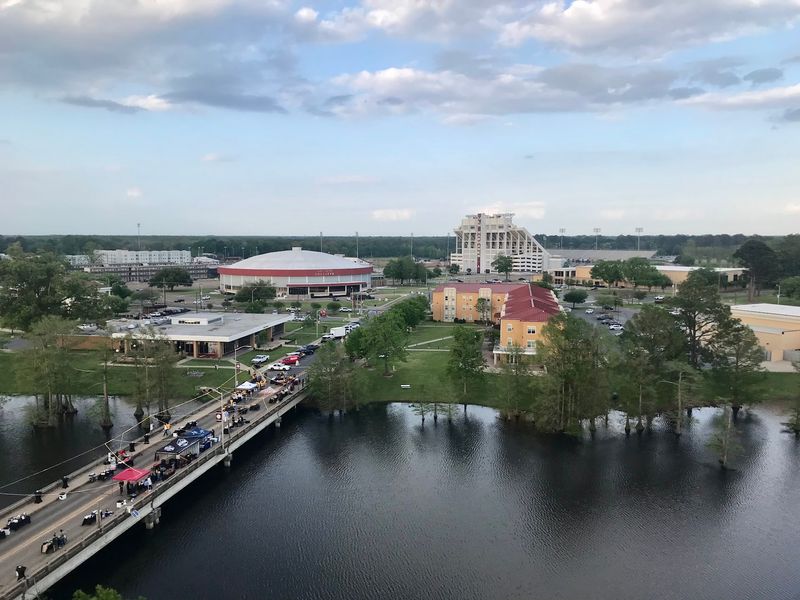
Few things beat flat water and a borrowed paddle on a warm morning. The Ouachita River delivers exactly that, right through the middle of the city.
Kayaking, canoeing, and paddleboarding are popular on the calmer stretches. The current stays gentle enough for beginners most days.
Outfitters such as Ouachita Paddle and Provisions rent gear and lead guided tours. Newcomers get a short lesson before pushing off.
Lazarre Park offers a boat ramp plus a soft kayak launch. That soft launch makes getting in and out far easier.
Morning light on the water brings out herons and turtles along the banks. Sound carries strangely well over a river at dawn.
Fishing draws steady interest, and bank spots are easy to find. Bring shade, water, and a little patience.
Riverfront paths give non-paddlers a front row seat. Benches face the water for anyone who prefers dry land.
Check water levels after heavy rain before planning a trip. Outfitters share current conditions freely.
Weekday evenings stay quieter than weekends if you want space. Living beside a river teaches you to slow down.
Cypress Swamps At Black Bayou Lake
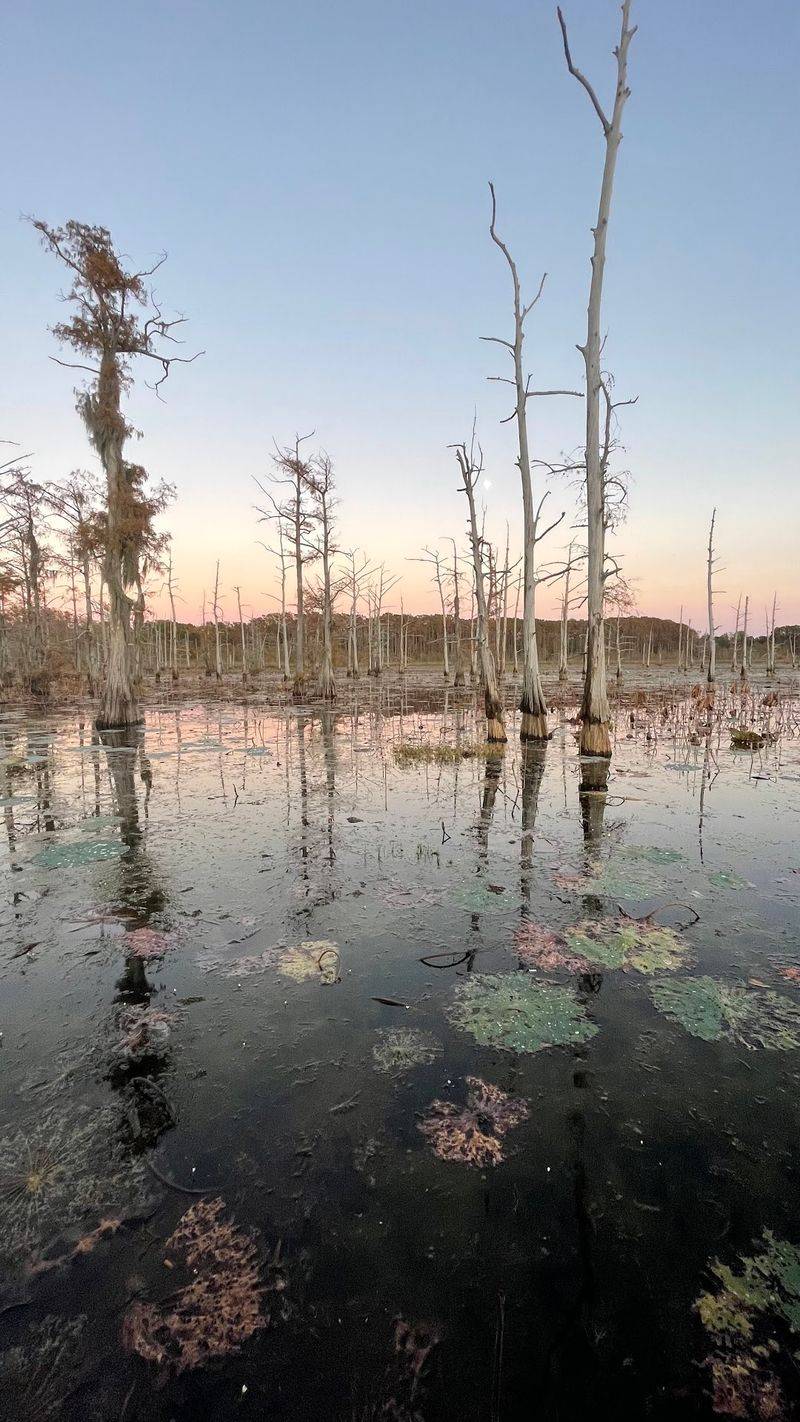
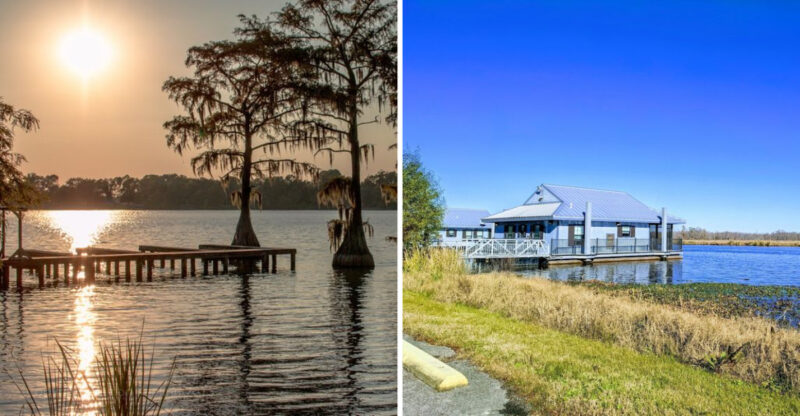
Cypress trees standing in still water look almost staged. Black Bayou Lake National Wildlife Refuge proves the scene is real.
The refuge covers more than 4,000 acres of wetlands and bottomland forest. Trails and boardwalks make the wet parts walkable.
Boardwalks wind between cypress trunks and over shallow water. Birdwatchers bring binoculars and rarely leave disappointed.
Alligators live here, so keep a respectful distance and stay on marked paths. Photos from the boardwalk are dramatic enough.
Herons, egrets, and woodpeckers appear regularly through the year. Migration seasons bring extra variety to the lists.
A visitor center helps first timers understand what they are seeing. Staffed hours vary, so check before driving out.
Kids usually spot the first turtle, then everyone starts looking harder. It becomes a game before you notice.
Fishing and paddling are allowed in parts of the lake. Motor rules help protect the quiet.
Early morning and late afternoon bring the most wildlife activity. Bug spray is not optional in warm months.
Low-cost entry keeps this outing friendly to any budget. Nature makes an excellent cheap hobby.
Pine Trails And Fishing Ponds At Kiroli Park
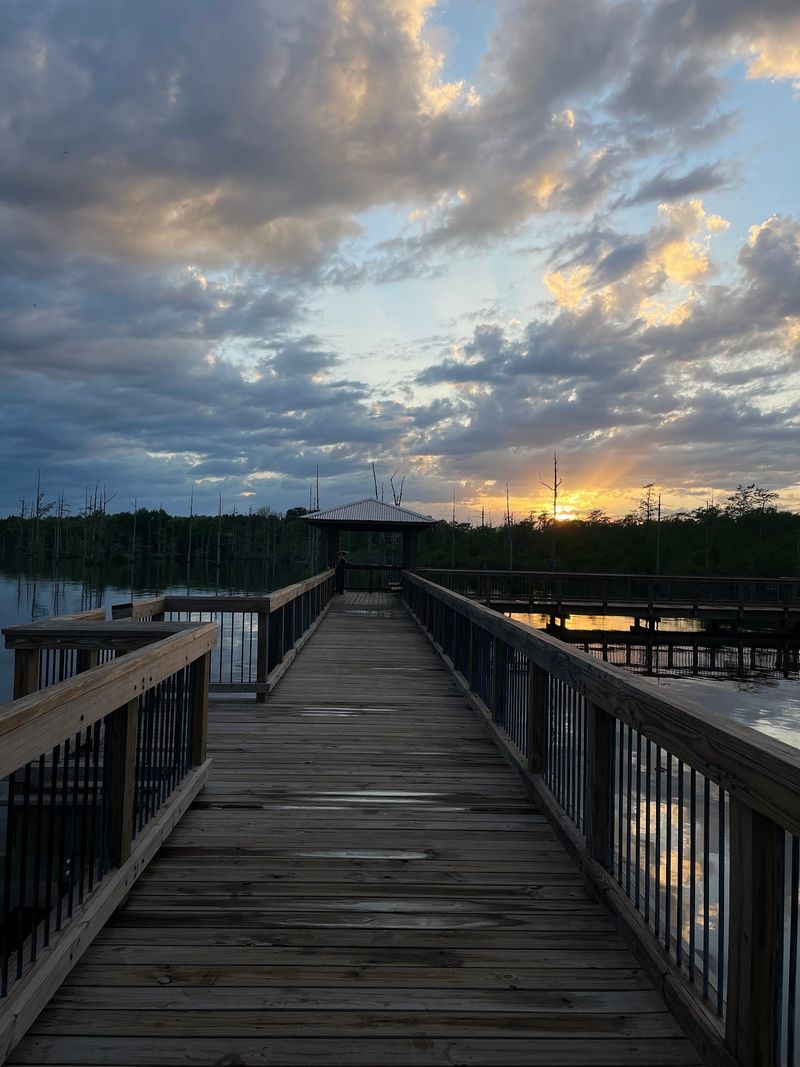
Some parks are just patches of grass, and others feel like small forests. Kiroli Park lands firmly in the second group.
The 150-acre park sits a short drive across the river. Pines shade nearly every path.
Walking trails loop through the woods with gentle hills. Manicured gardens brighten the areas near the entrance.
Fishing ponds attract families with cane poles and folding chairs. Picnic spots and pavilions handle birthday crowds well.
Playgrounds keep younger kids busy while adults finish a lap. Restrooms and parking are easy to locate.
Runners use the hills for training once the weather cools. Strollers roll fine on the paved sections.
A small entry fee applies, and it stays cheap for a full day. Annual passes make sense for regulars.
Fall color arrives softly here rather than all at once. Winter walks are surprisingly pleasant.
Weddings and reunions book the pavilions on nice weekends. Reserve early if you want a shady one.
Bring water, because pine shade hides how warm it gets. Benches show up often enough for a rest.
Trail maps at the entrance prevent wrong turns. Stick to marked routes and the loop stays simple.
Where Coca-Cola First Went Into Bottles
Soda history and a formal garden rarely share one address. Here they do, and the pairing works better than expected.
Joseph Biedenharn first bottled Coca-Cola in Vicksburg, Mississippi, in 1894, and his family’s history is preserved at Monroe’s Biedenharn Museum and Gardens. That story anchors the Biedenharn Museum and Gardens.
Bottling equipment, old advertising, and family furnishings fill the rooms. Early 20th-century life comes through clearly.
The historic home stands at 2006 Riverside Drive, close to the water. Parking is simple and the tour is easy to manage.
ELsong Gardens wraps the property in fountains and seasonal blooms. Benches invite a slow lap or two.
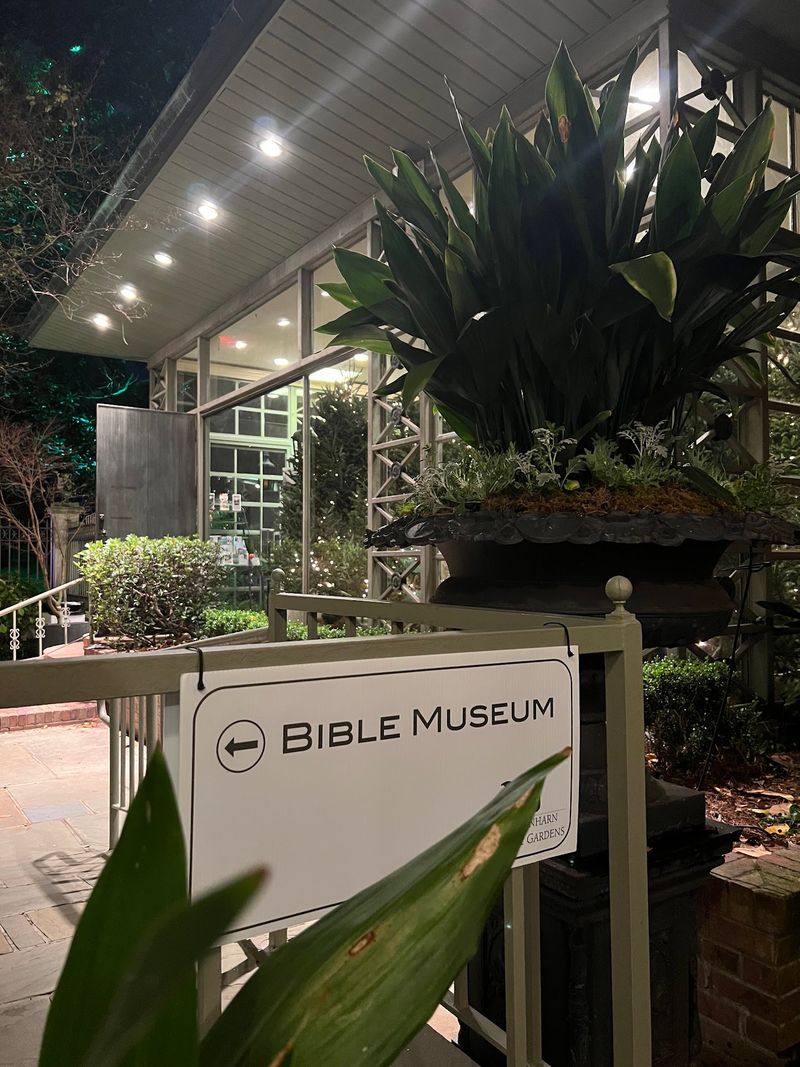
A Bible museum on the grounds holds rare printed editions. Guides explain the highlights without rushing anyone.
Old glass bottles look tiny beside modern ones. Small details like that tend to stick with visitors.
Admission stays modest, which fits the affordable spirit of the area. Groups can arrange tours in advance.
Spring visits catch the gardens at their showiest. Fall brings cooler air and thinner crowds.
History fans and garden lovers both leave satisfied. That is a rare double win for one stop.
Old Planes And Aviation History Take Flight Here
Restored aircraft parked outside a museum always pull people in. This one carries stories bigger than its planes.
Exhibits chronicle the Flying Tigers of World War II. Uniforms, photographs, and personal artifacts fill the display halls.
The building once served a wartime training airfield. That connection makes the collection feel closer to real life.
Delta Air Lines traces early roots to this region and its crop dusting work. Aviation history runs deeper here than most travelers expect.
Guides share details that wall labels cannot cover. Questions are welcome and usually encouraged.
Oral history projects keep veterans’ memories recorded for good. Younger visitors gain a real sense of scale.
Flight jackets and squadron patches sit in glass cases. Small objects often tell the biggest stories.
Model aircraft and cockpit displays hold children’s attention well. Adults linger over the letters and maps.
Admission is inexpensive, and an hour or two covers the highlights. School groups visit often during the year.
Nearby airport traffic adds a fitting soundtrack overhead. Check hours before driving over, since weekend schedules differ.
Downtown Boutiques And The Cotton District
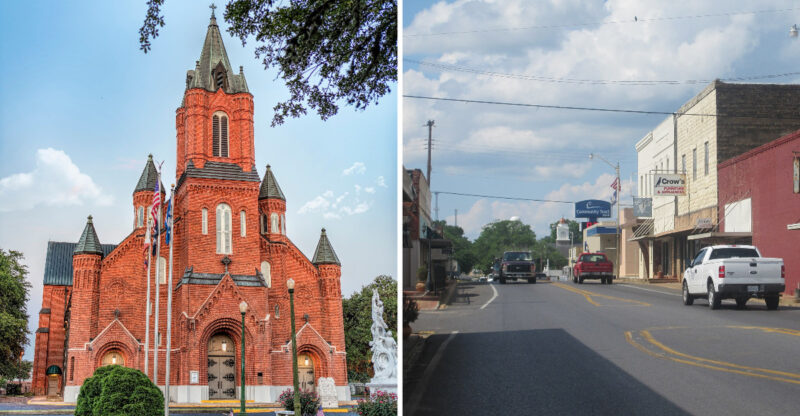
Shopping streets tell you plenty about a place. Downtown here leans local instead of chain.
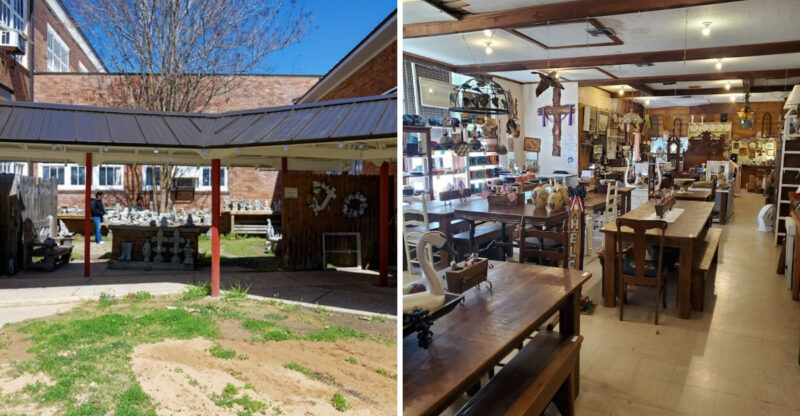
The Cotton District holds boutiques, art galleries, and antique shops. Handcrafted goods and Southern furniture turn up regularly.
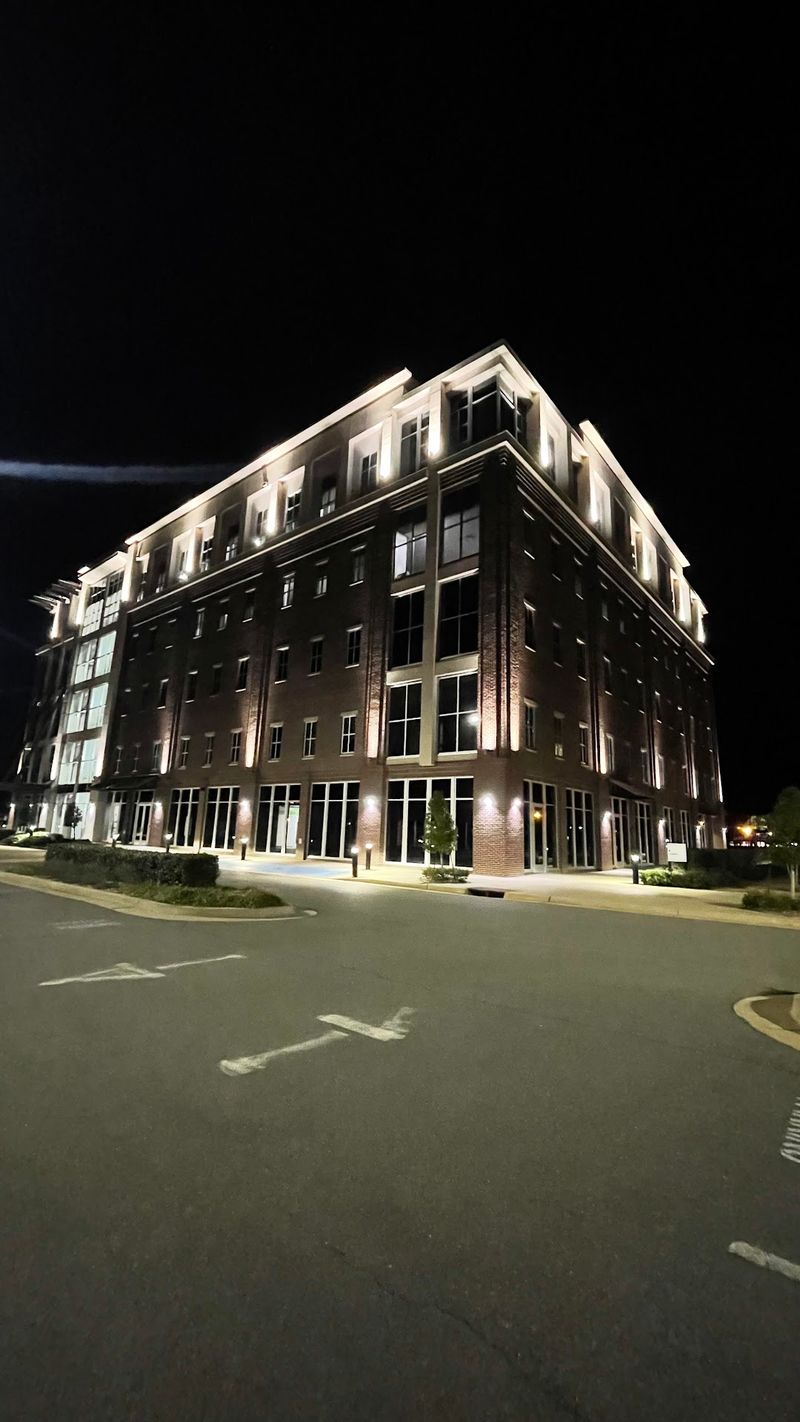
Storefronts fill old brick buildings with tall windows. Prices reflect a small city, not a tourist strip.
Coffee shops and cafes give tired shoppers a place to land. Sidewalk tables fill up on mild afternoons.
Festivals and markets draw crowds several times a year. Live music often follows the food trucks.
Families with young kids can add the Louisiana Purchase Gardens and Zoo. Exotic animals and a splash pad handle hot afternoons.
Antique hunting rewards patience more than luck. Ask about back rooms and stored finds.
People here start conversations easily, which surprises visitors. Directions usually arrive with a recommendation attached.
Community events lean on volunteers, and the friendliness shows. Newcomers get folded in quickly.
Weekday parking is simple and usually free. Bring a little cash for smaller antique booths.
A quiet, affordable escape does not have to feel empty. This one hums along at a comfortable volume.