This North Carolina Waterfall Hike Climbs 580 Stairs Through A Shaded Forest
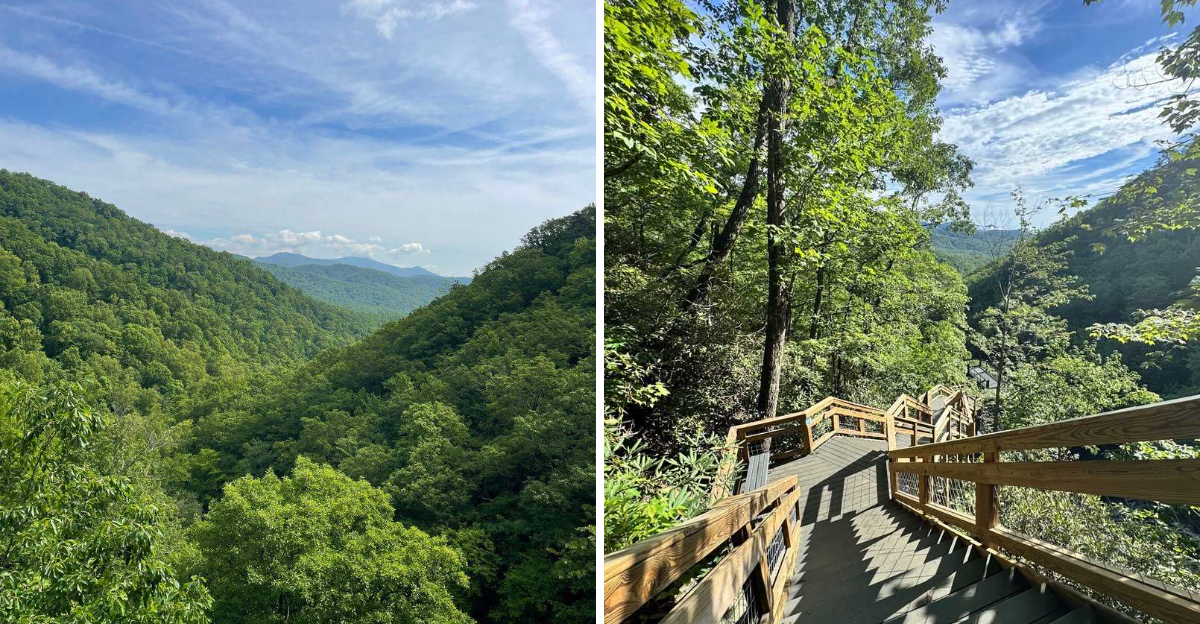
The first part of this North Carolina hike is almost suspiciously polite.
Water rushes beside the trail while the forest keeps things cool, and the path gives very little reason to expect trouble. It feels like the mountain is trying to earn your trust before revealing the fine print.
Then the climb changes everything.
A staircase of 580 hand-built steps rises toward the upper falls, transforming the outing from a relaxed woodland walk into something your legs will remember much longer than your camera roll.
The newer route opened in 2024 and now connects the waterfalls with a safer path through the steep terrain. Hikers can continue into a roughly 3.5-mile loop once the hardest climbing is behind them.
The clever part is the timing.
By the time those stairs appear, turning around feels almost more dramatic than going up.
A Shaded Forest Keeps Much Of The Climb Cooler Than You Might Expect
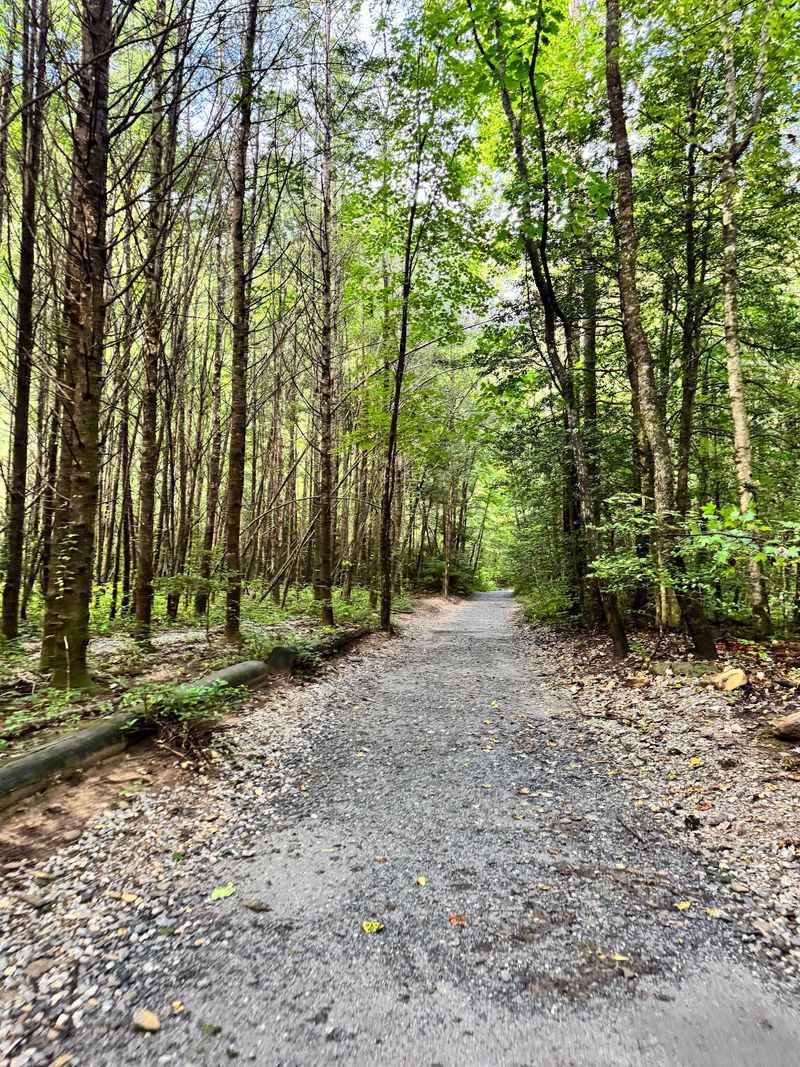
Hardwoods close around the River Trail soon after the parking area disappears behind you, giving much of the lower hike a pleasantly wooded feel.
Catawba Falls Trail follows the Catawba River upstream, so patches of moss, ferns, damp ground, and running water become regular companions instead of occasional scenery.
The first section is also the easiest part of the outing. Roughly 1.1 miles of River Trail lead toward the main falls, and the gentler grade lets hikers settle into a comfortable pace before the serious elevation gain begins.
Footbridges remove several of the awkward water crossings that once complicated the route, while the old roadbed beneath portions of the trail keeps the walking surface relatively broad.
Summer still brings warm mountain afternoons, so the tree cover should not be mistaken for a substitute for water or sun protection.
It simply makes a noticeable difference compared with a fully exposed climb. Morning brings an especially calm version of the forest, with the river audible through the trees and the busiest waterfall viewpoints still ahead.
The New Stair System Turns The Steepest Section Into A Much More Manageable Ascent
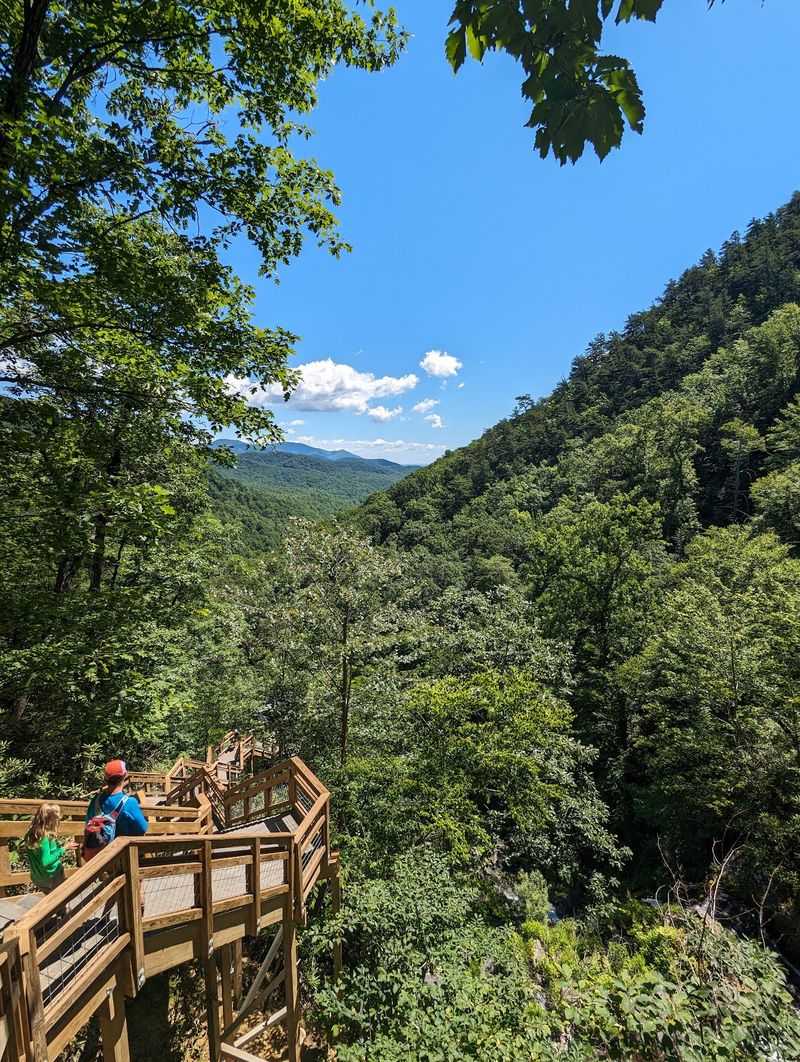
Then the trail changes personality in a hurry. Between the lower waterfall area and Upper Catawba Falls, hikers encounter 580 stairs spread across a steep section that rises roughly the equivalent of a 30-story building.
The system was created specifically to replace an informal and hazardous route that once required people to negotiate steep, slippery terrain beside the falls. Today, wood steps, metal sections, railings, landings, and three overlooks provide a defined way through the climb.
A 60-foot observation tower is incorporated into the route as well, making the structure much more elaborate than a simple staircase bolted onto a hillside. The ascent is still strenuous.
Five hundred eighty steps do not become easy just because they are well built, so resting at the landings makes far more sense than trying to race from bottom to top.
Hikers who prefer not to climb them can complete the loop in the opposite direction by taking the Ridge Trail uphill first and descending the staircase later.
Either way, the rebuilt section transformed access to one of the most dramatic portions of Catawba Falls.
Hundreds Of Steps Lead Toward Bigger Views Of The Cascades
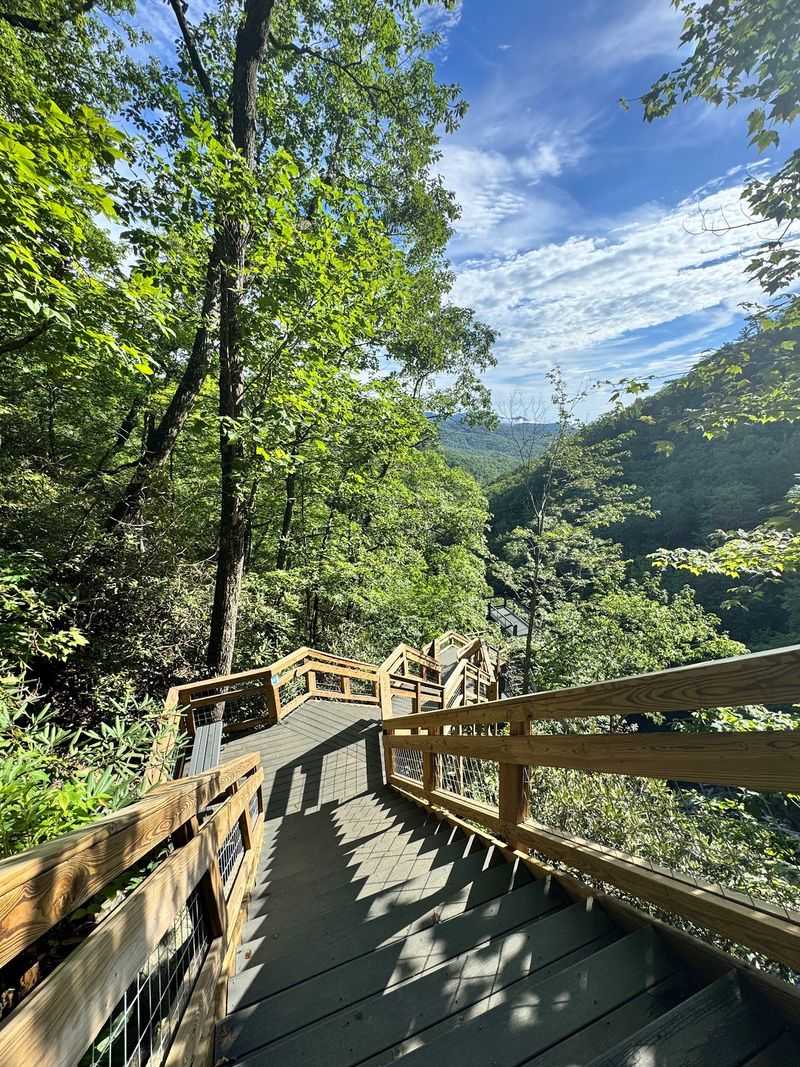
Stopping halfway suddenly feels like part of the experience rather than a defeat. The staircase was designed with overlooks and larger landings at intervals, giving hikers places to catch their breath while seeing the waterfall and valley from changing elevations.
Lower sections keep you close to the tumbling water, while higher portions gradually reveal more of the surrounding forest and ridges. That shifting perspective is one reason the 580-step climb feels different from an ordinary stair workout.
Each rise changes the angle instead of simply repeating the same view. The 60-foot metal tower adds another dimension near the upper portion, lifting the route away from the hillside and creating broader sightlines toward the valley.
Railings and constructed platforms also mean there is no need to scramble onto wet rocks to search for a better photograph.
Staying within the developed viewing areas is the safer choice, particularly around a waterfall where spray and damp stone can make footing unpredictable.
The staircase demands patience, but the built-in pauses give hikers plenty of reasons to slow down and enjoy where all that climbing is taking them.
Catawba Falls Builds In Layers Rather Than Dropping In One Clean Plunge

One enormous vertical drop is not what defines this waterfall. Catawba Falls spreads across a long, steep section of rock, breaking into numerous channels and cascades as the river works its way downhill.
That layered shape creates a constantly changing view along the route, with water sliding over broad rock faces before gathering and spilling again farther below.
The main cascade has become the visual centerpiece of the hike, but Upper Catawba Falls adds another distinct waterfall above it once hikers complete the stair section.
Water volume can change the appearance dramatically. Wetter periods spread more flow across the rock, while lower water can reveal extra ledges, channels, and textures that disappear when the river is running strongly.
This is also why the waterfall cannot be appreciated completely from one viewpoint. Walking upward beside it reveals portions that are hidden from the lower trail, and the overlooks built into the newer stair system make that progression much easier to see.
Instead of arriving at one overlook, taking a photograph, and turning around, hikers watch the waterfall develop in stages as elevation increases.
Footbridges And Forested Switchbacks Break Up The Climb Nicely
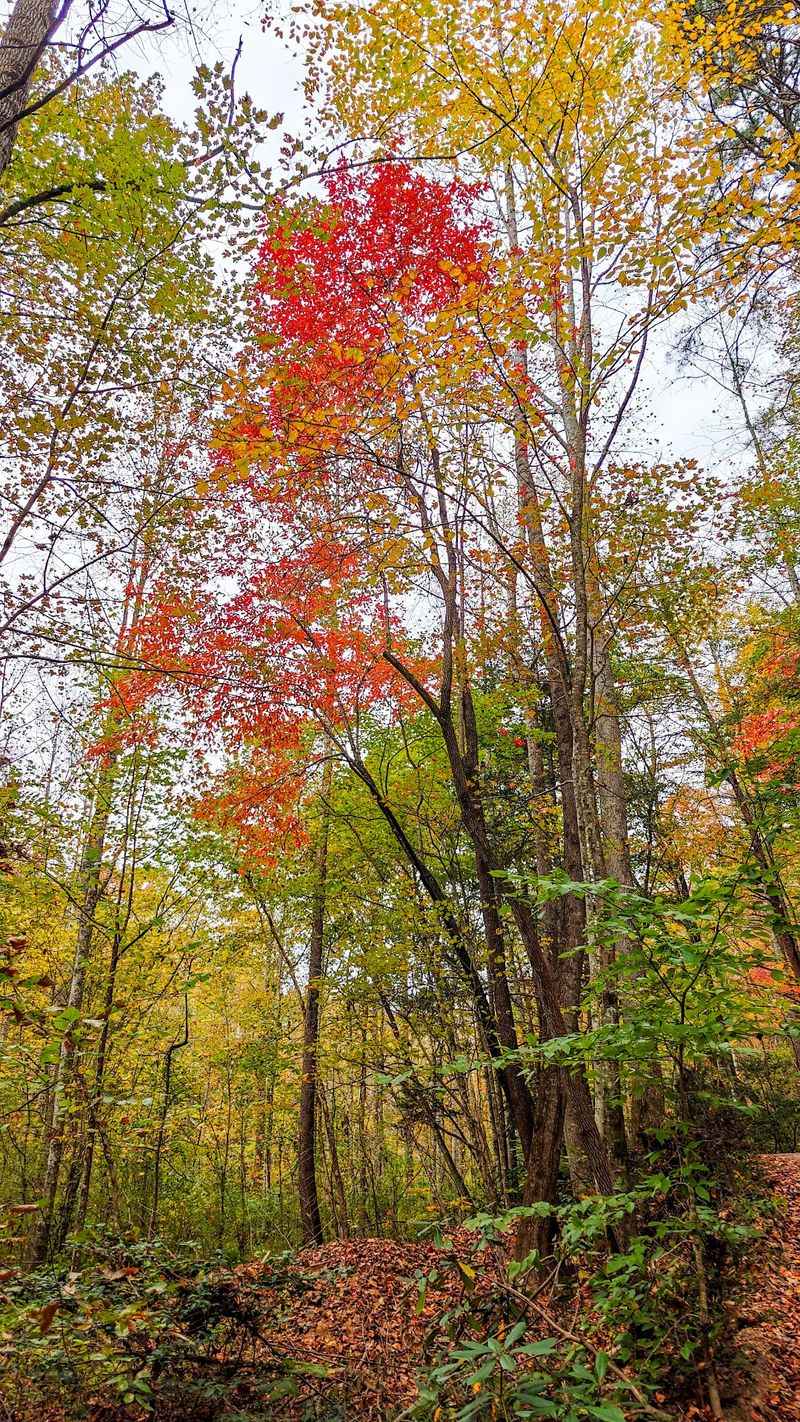
Waterfall views are only one piece of the route. The lower River Trail uses substantial footbridges as it follows the Catawba upstream, and remnants of an early hydroelectric operation add an unexpected historical element along the way.
Old stonework remains beside the water, a reminder that this valley was used for more than recreation long before the modern trail improvements arrived. Once hikers reach the upper portion, the Catawba Falls Ridge Trail offers a completely different return.
Roughly 2.1 miles long, it follows the ridge through forest rather than staying beside the cascading river, using a graded path and switchbacks to handle the elevation change.
Combined with the River Trail and staircase, the two routes create a loop of about 3.5 miles with roughly 850 feet of total elevation gain.
That arrangement also gives visitors a choice. The River Trail can be used for a simpler out-and-back trip to the lower falls, while stronger hikers can continue up the stairs and complete the full loop.
Changing from riverside walking to a wooded ridge keeps the longer version from feeling like the same hike twice.
The Sound Of Rushing Water Stays Close Through Much Of The Hike
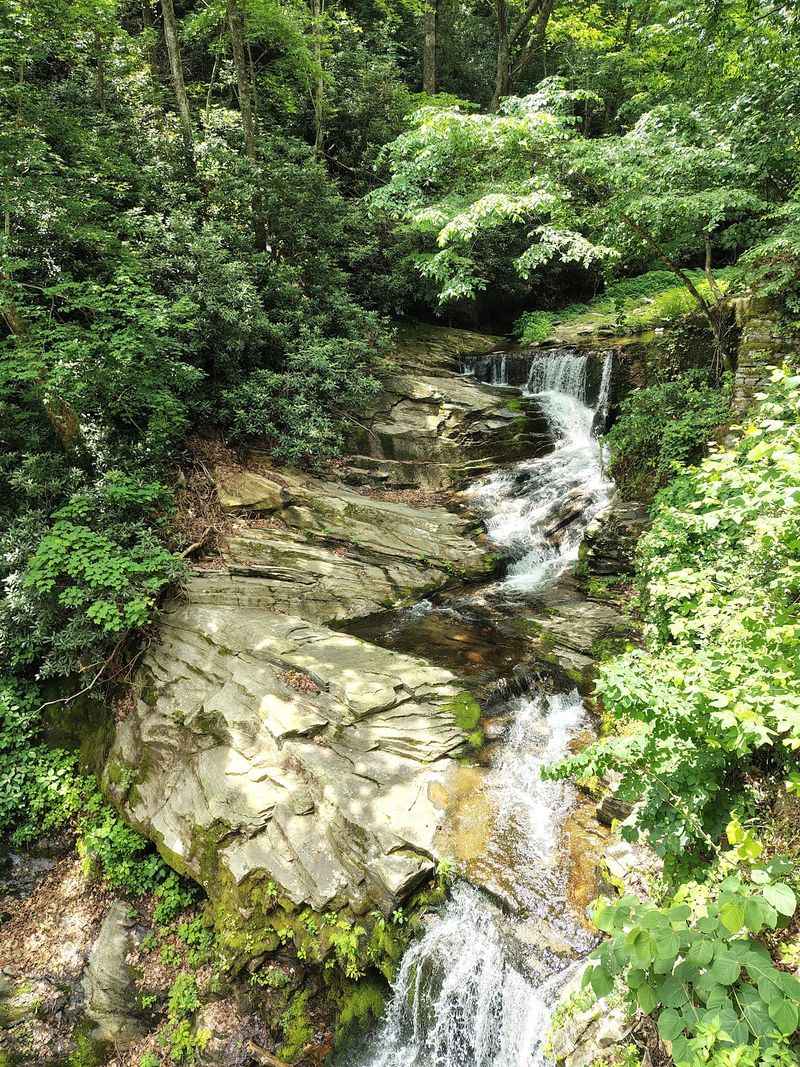
Long before the largest cascade fills the view, the river makes its presence obvious. Much of the lower route runs beside the water, and its sound changes constantly as the channel narrows, widens, and tumbles over rocky sections.
Quiet stretches can be gentle enough that birds remain easy to hear, then the volume grows noticeably as the trail approaches the main falls.
Explore Asheville describes the Catawba River as accompanying hikers for much of the walk, shifting from a lighter gurgle into a much stronger rush near the cascades.
That closeness is part of what makes the River Trail more engaging than a forest approach where the waterfall appears only at the end. Water keeps resurfacing between trees, below bridges, and alongside old stone remains throughout the walk.
The effect becomes strongest around the staircase, where hikers climb directly beside the falling river rather than leaving it behind for a separate uphill route.
Anyone completing the loop eventually trades that soundtrack for the quieter Ridge Trail, making the contrast surprisingly noticeable.
The waterfall does not simply provide a destination here. For a large portion of the hike, it provides the background noise too.
A Higher Viewpoint Rewards Anyone Willing To Push Through The Stairs
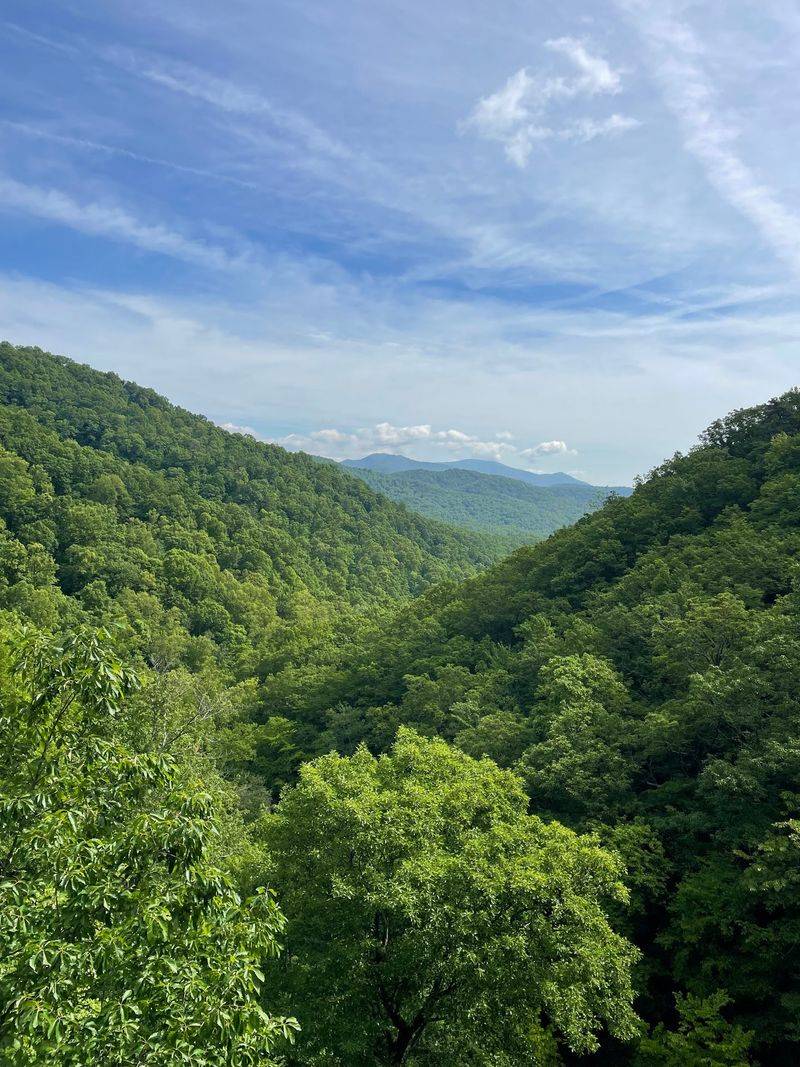
Reaching the upper section delivers the biggest change in perspective on the entire hike. The 60-foot observation tower rises as part of the rebuilt access between the waterfalls, giving hikers elevated views across the valley while connecting them with the route toward Upper Catawba Falls.
Three overlooks were included in the larger improvement project, so the payoff comes gradually rather than arriving only after the final stair.
From above, the river can be seen working its way through a landscape that felt much more enclosed from the lower trail.
The tower itself is substantial enough to be a destination, with metal stairs and railings adding another short climb after hundreds of steps have already tested the legs. Anyone uneasy with heights should know that portions of the structure are elevated and use grated metal surfaces.
The effort is also completely optional for visitors whose main goal is the easier lower waterfall experience. Turning around from the River Trail still delivers a worthwhile outing.
Continuing upward simply changes the scale, adding Upper Catawba Falls and broader mountain views to a walk that began beside a relatively gentle forest path.
The Return Trip Feels Completely Different Once You Are Heading Back Down

Finishing the loop gives the last stretch a quieter character. Instead of immediately retracing all 580 stairs, hikers continuing from the upper falls can use the Ridge Trail and follow its longer forested descent back toward the trailhead.
The full River-and-Ridge loop measures about 3.5 miles, and completing it generally takes more time than the shorter walk to the lower falls because of the elevation change and stair system. Direction is a matter of preference.
Starting on the River Trail means tackling the stairs uphill before descending gradually on the ridge, while beginning with the Ridge Trail lets hikers make the longer climb first and walk down the staircase beside the waterfall later.
Both eventually return to the same parking area at the end of Catawba River Road.
Restrooms are available at the trailhead, and parking can become busy because Catawba Falls remains one of the area’s popular outdoor destinations. The trailhead address is 3074 Catawba River Rd, Old Fort, NC 28762.
From there, North Carolina hikers can choose a relaxed waterfall walk or commit to all 580 stairs and the complete forest loop.