At This Cage-Free Nebraska Sanctuary, the Rescued Cats Roam Free and Run the Show
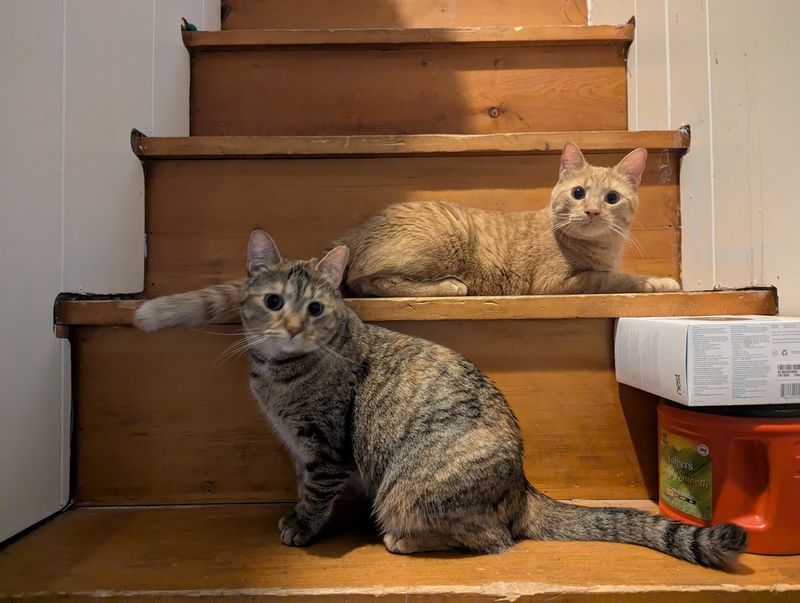
Somewhere in Nebraska there is a building where the residents nap on windowsills, supervise the volunteers, and decide for themselves who gets a lap visit. No rows of stacked cages, no locked doors between you and a purring tabby.
It is a shelter, technically, but it behaves more like a very relaxed apartment complex with fur everywhere. Once you know it exists, a free weekday evening in the city starts to look a lot more interesting.
An O Street Address With Whiskers Behind the Glass
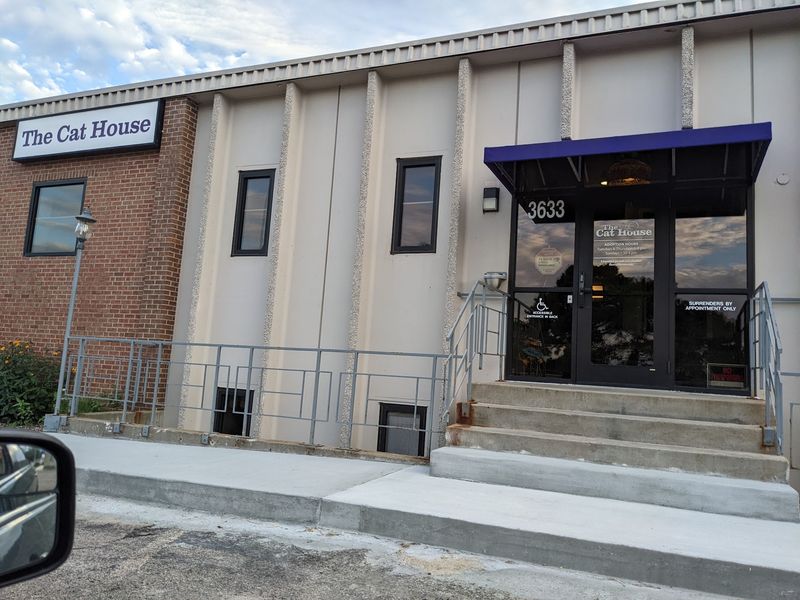
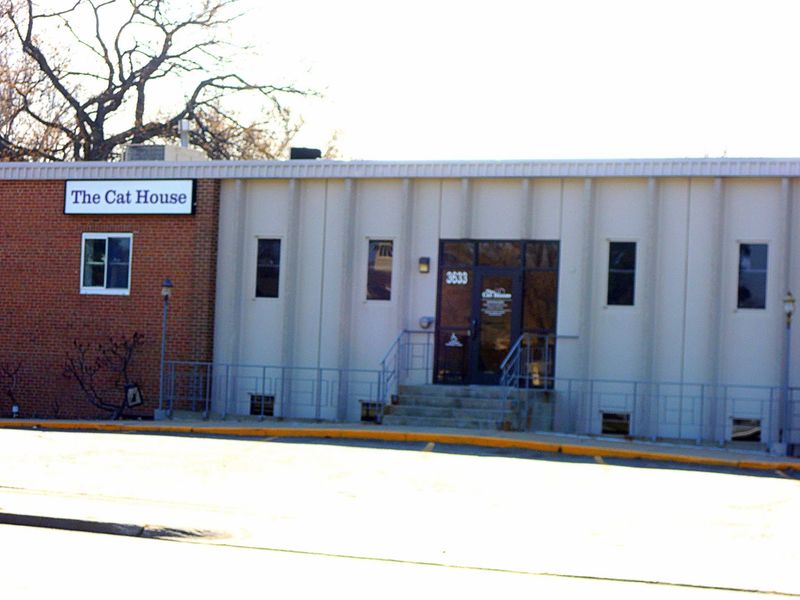
Drive east along O Street in Lincoln and the block runs through the usual Nebraska mix of storefronts, signage, and parking. At 3633 O St sits The Cat House, an animal shelter that keeps its cats loose in rooms rather than stacked in kennels.
It is a no-kill operation, and it accepts cats that many facilities turn away, including those living with FLV and FIV. That single policy shapes everything else about the place.
The building sits roughly two miles east of downtown Lincoln, an easy detour for anyone already crossing the city. From Omaha, the drive runs about an hour on I-80.
Grand Island sits under two hours west on the same highway.
Inside, cats claim their own territory. Some perch on shelves near the front windows watching traffic.
Others sprawl across cushions in the middle of a room, entirely unbothered by new arrivals.
The 4.6-star rating across 257 reviews reflects a shelter that has been part of Lincoln life for a long time, back through an earlier location and adoptions stretching to 2008 and beyond.
Why Cage-Free Changes Everything for the Residents
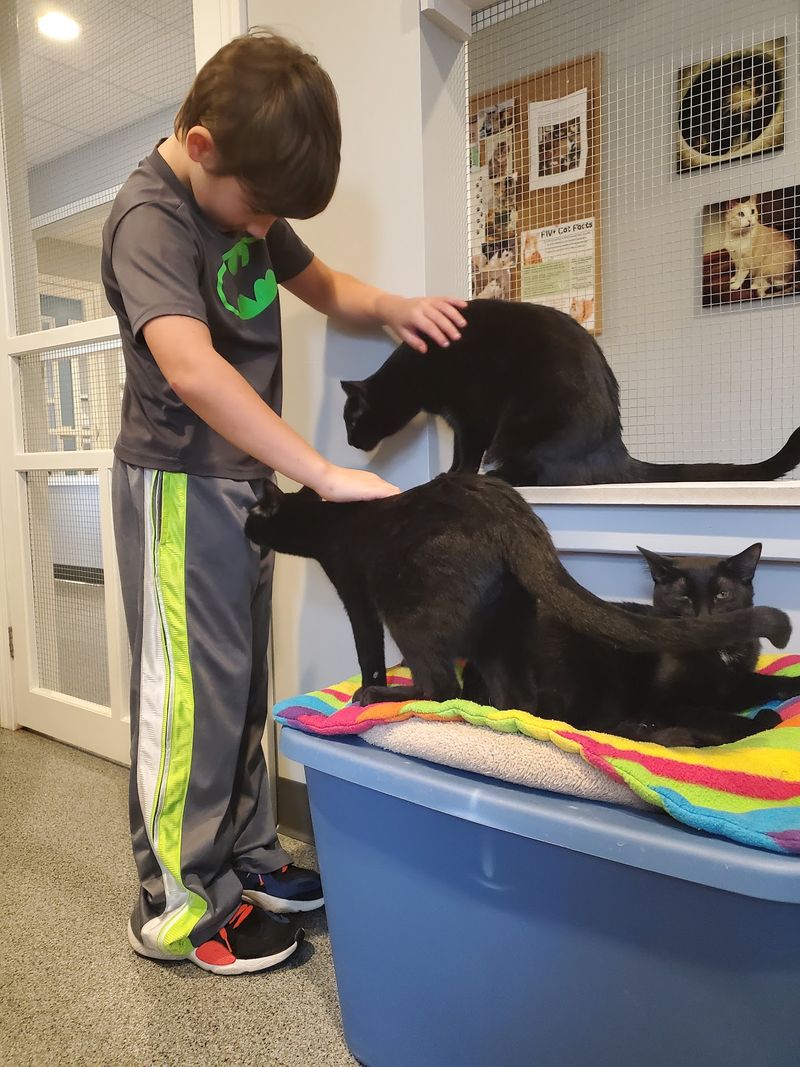
Picture a room where a dozen cats have divided up the furniture by unspoken agreement. One owns the tall carpeted tower.
Another has claimed the sunny patch under the window and will not be negotiating.
Cage-free housing lets cats behave like cats. They stretch out, climb, hide when they want to, and approach people on their own schedule instead of being handed over through bars.
Space matters here. The cats have enough room to roam, and that room gives shy ones somewhere to retreat while bolder ones come trotting over to inspect shoelaces.
Volunteers know each personality. They walk guests through the rooms cat by cat, explaining who likes chin scratches, who prefers a slow blink from across the carpet, and who will absolutely climb into a bag if given ten seconds unsupervised.
Cleanliness holds up too. The facility is kept immaculate, and staff pay close attention to illness risk within a shared cat population, which is the practical trade-off any cage-free shelter has to manage carefully.
Rooms, Not Kennels: How the Cats Live
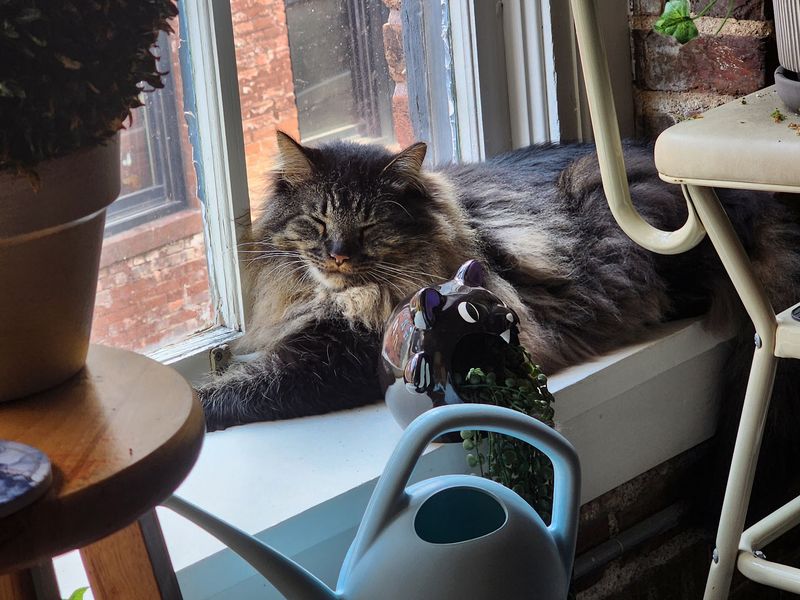
Each room functions like a small neighborhood. Cats are grouped so personalities have a reasonable chance of getting along, and doors carry information about who lives inside.
Kittens turn up regularly, as do seniors, and the age range on any given evening can stretch from wobbly youngsters to dignified elders who have decided that napping is a full-time occupation.
Names are half the fun. A mother-and-son pair went home as Dumpling and Macaroni before their new family renamed them Zelda and Link.
Other residents have answered to Brutus, Rex, Ben and Jerry’s, and, fittingly, Lincoln.
Medical needs do not disqualify a cat here. One elderly resident with serious health issues had been adopted and returned more than once before finding a person willing to take on the whole picture, and staff made sure that adopter understood exactly what was involved.
Behavioral honesty runs through the process too. If a cat gets nervous and needs space, that gets said out loud before anyone signs paperwork.
The Adoption Process Is Serious Business
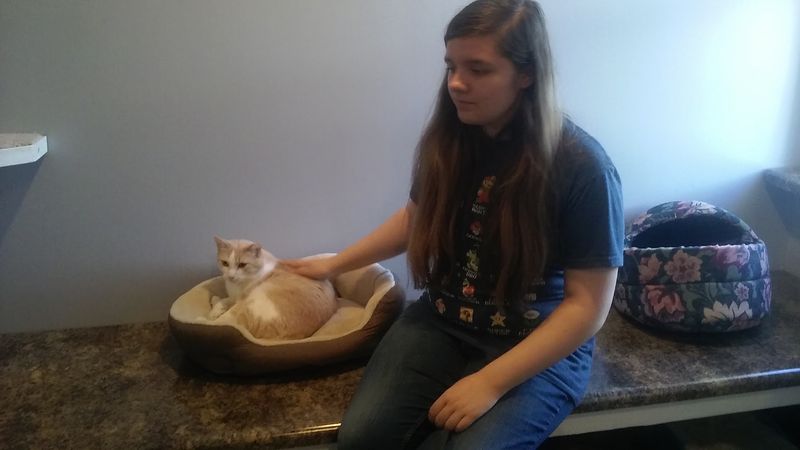
Filling out a form is only the beginning. Applications lead to an interview covering household details, other pets, feeding plans, litter box arrangements, and how veterinary costs will be handled.
There is a review afterward, and approval is not automatic. The shelter is looking for permanent placements, not quick turnarounds, which is why the questions run deeper than most people expect.
Declawing comes up. The shelter opposes onychectomy, and adopters are expected to commit to keeping claws intact, which also shapes conversations about apartment living and furniture.
Some applicants find the process smooth. Others have been denied with a form letter and no explanation, and a few have described long stretches of silence after their interview with no update either way.
One adopter who took home two cats, including the elderly one with medical needs, framed the caution as the right call given how much can go wrong when a placement fails.
Plan for it to take time. Walking in expecting to leave with a cat that same evening is the main source of disappointment.
Trap-Neuter-Return Work Beyond the Shelter Walls
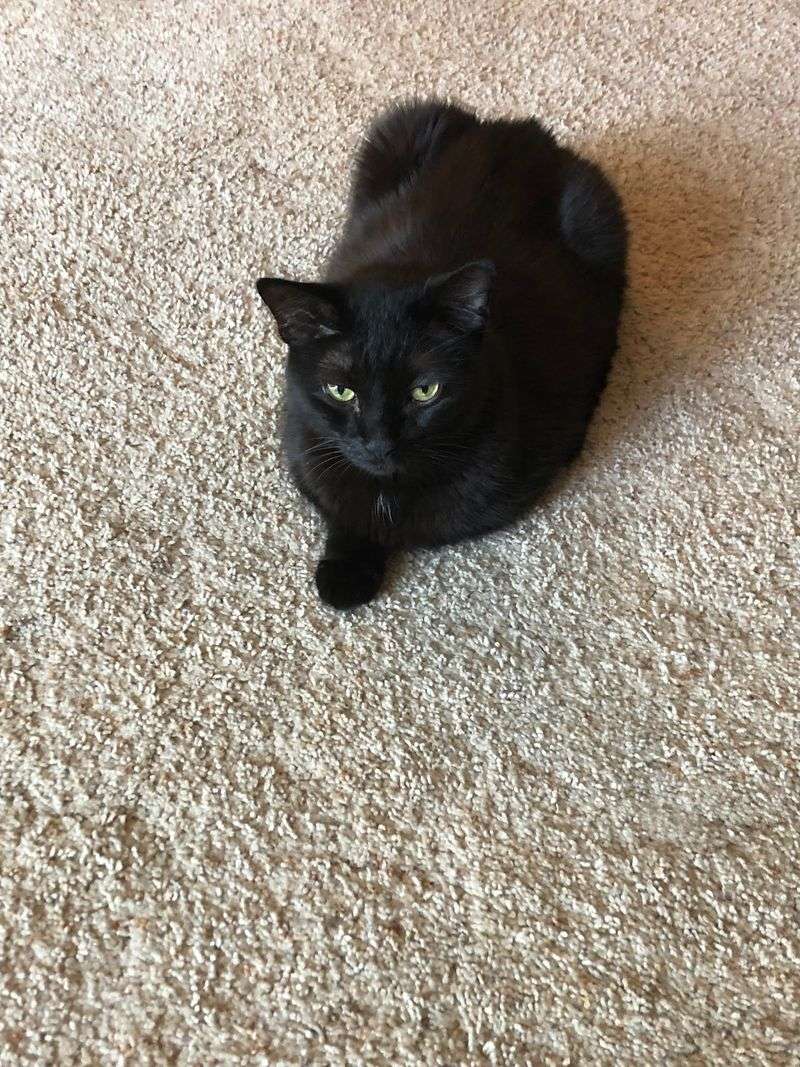
Not every cat The Cat House helps ever sets paw inside the building. Community cats living around farms, alleys, and neighborhoods get assistance through a Trap-Neuter-Return program.
How it works in practice: the shelter helps catch the cats, they get fixed and ear-tagged, then return to the territory they know, where a neighbor keeps food and water coming.
One Lincoln-area resident worked with the shelter to trap two feral cats, get them altered and tagged, and release them into a safer spot, with a neighbor sharing daily feeding duty.
The approach also helps families in hard situations. After a father-in-law passed on, his surviving cats at the family farm were handled through the TNR program, which addresses the long-term population rather than just the immediate animals.
Staff member Amy handled that case, and the family credited her with a thoughtful, personal approach during an overwhelming stretch.
TNR can reduce the number of unplanned litters over time, which matters in a state with plenty of barns, grain bins, and outbuildings where cats gather.
Volunteers Who Know Every Cat by Name
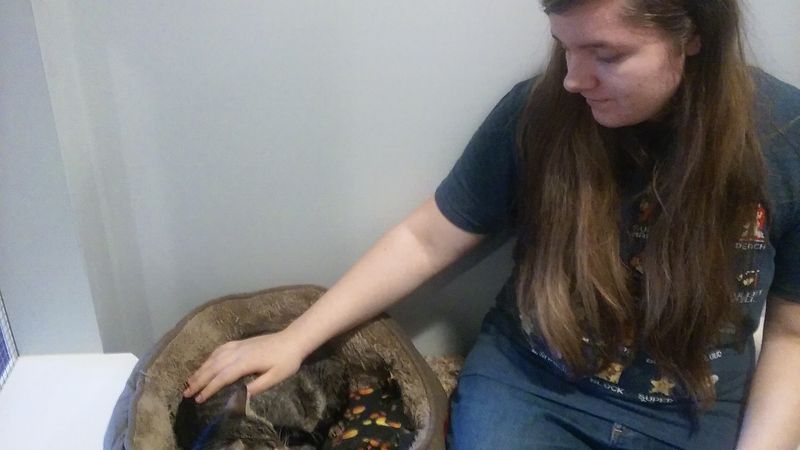
Regina walks people through the rooms one cat at a time, explaining how to approach each one. Theresa does the same.
Amy handles community cat cases. Jackie O has been part of the place long enough to be remembered by name years later.
Guests who wander in with no intention of adopting still get the full tour. The welcome does not depend on whether you are filling out paperwork.
Volunteers offer specific coaching rather than general advice. Which cat wants a hand held out low, which one prefers being ignored for the first minute, which one will climb your arm without warning.
Experience runs deep in the ranks. One person who has worked at shelters and even as a zookeeper pointed to the level of care and awareness about illness within a shared cat population.
The shelter also responds publicly to feedback, thanking people by name and passing compliments along to the volunteers involved.
Free nail trims for adopted cats round out the relationship. Bring your cat back monthly and the claws get handled at no charge.
Who Will Enjoy an Evening Here
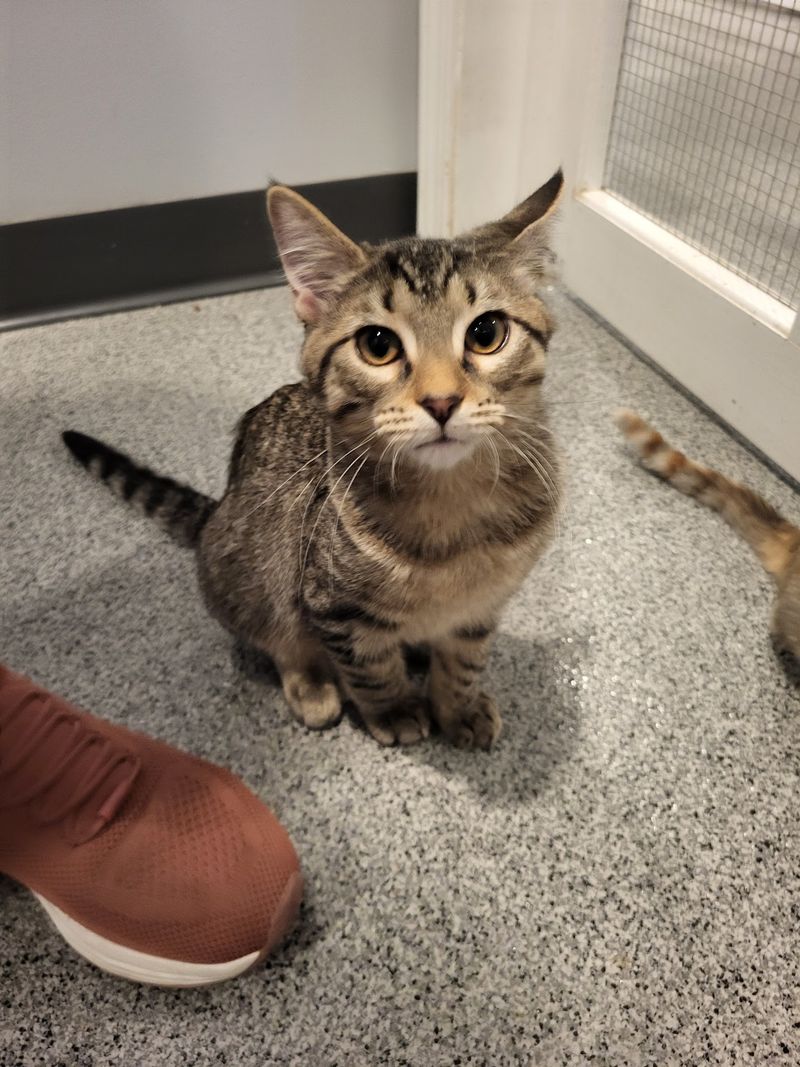
College students missing pets back home have made this a regular stop, and it functions well as a low-cost hour of company for anyone in that boat.
Families with kids can come, though a little prep helps. Cats available today may not be available tomorrow, and explaining that in advance saves a lot of small heartbreak on the drive home.
Retirees who love animals but are not ready for a full-time pet get plenty out of a quiet visit. Sitting on the floor while a cat decides whether to approach is its own kind of afternoon.
People grieving a pet or handling a relative’s cats after a passing have found practical help here too. The shelter has taken in cats when families could no longer care for them.
Anyone considering adoption should treat the first visit as reconnaissance. Meet the cats, ask the volunteers questions, learn the policies, then decide whether the process fits your household before starting an application.
Allergy sufferers, fair warning: cats are everywhere, including places you would not expect.
Hours, Directions, and What to Know Before You Go
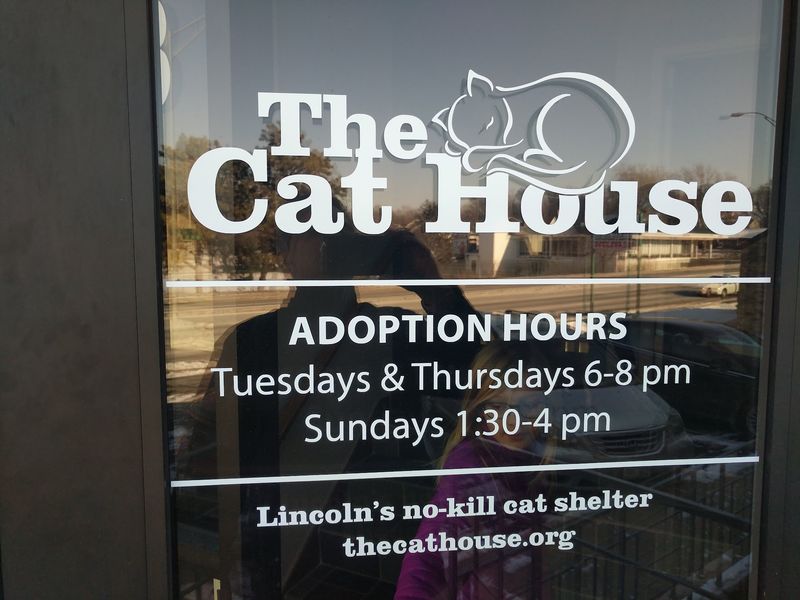
Timing is the biggest thing to get right. The Cat House keeps limited public hours: Tuesday and Thursday evenings from 6 to 8 PM, and Sunday afternoons from 1:30 to 4 PM.
Monday, Wednesday, Friday, and Saturday are closed.
Call ahead at 402-441-9593 if you are driving in from out of town, and check thecathouse.org for details on adoption requirements and current cats.
Getting there is simple. The shelter sits at 3633 O St in Lincoln, right on the main east-west corridor through town, with easy access from I-80 for anyone coming from Omaha, Grand Island, or Kearney.
Visiting itself costs nothing, which makes it a genuinely affordable outing. Pair it with a walk around the Haymarket or a stop for pie somewhere on your way out of the city.
Donations and volunteer time both help. If your household is not ready for a cat, either option keeps the lights on.
Wear clothes you do not mind covering in fur. That part is guaranteed.
The Verdict on Nebraska’s Cats-in-Charge Shelter
Few outings cost nothing and still leave you thinking about them three days later. An hour among cats who have the run of the place tends to do that.
What The Cat House does well is unmistakable. Cats live in rooms instead of cages, medical cases and FLV and FIV cats get a home rather than a closed door, and community cats get TNR support that reaches out into surrounding farms and neighborhoods.
The adoption process is strict, and not everyone who applies gets approved. Some denials have come without explanation, and communication delays have left applicants waiting.
Going in aware of that saves frustration.
Cats that go home from here go home with real information attached: temperament, medical history, and what daily life will actually require.
For a Lincoln evening or a Sunday afternoon, it delivers something rare, which is a place where the animals set the pace and the people follow along.
Bring patience, bring curiosity, and let the cats handle introductions.