This Nebraska Asian Supermarket Has A Dedicated Japanese Aisle Packed With Snacks And Specialty Finds
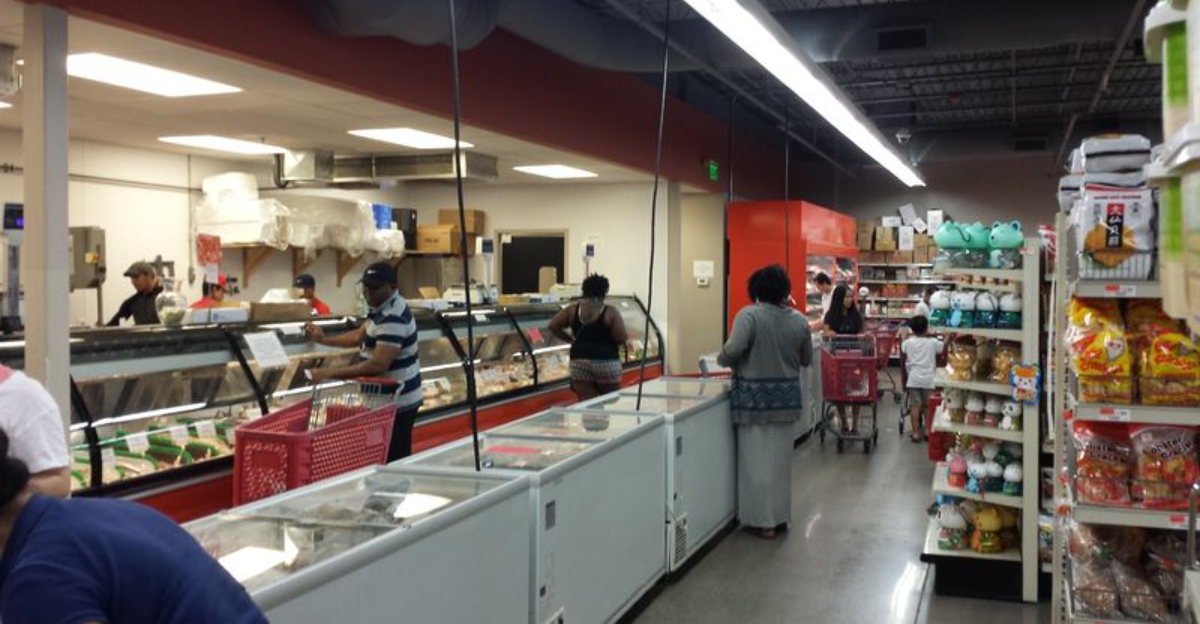
The dangerous aisle is the one you did not come for.
You turn the corner looking for one ingredient and suddenly there are shelves of Japanese snacks, sauces, noodles, sweets, and pantry staples making a very strong case for abandoning the original list.
A familiar brand sits beside something you have never seen before, and curiosity starts doing the shopping.
Omaha gives Nebraska grocery hunters a surprisingly deep selection of Japanese specialty items under one roof.
Take your time here. Read the labels. Grab one thing you already know you like, then choose something purely because the packaging caught your eye.
Maybe it becomes a new favorite. Maybe it is wonderfully strange. Either outcome makes the stop more interesting.
The best supermarket trips are rarely the most efficient.
Head Straight To The Dedicated Japanese Aisle
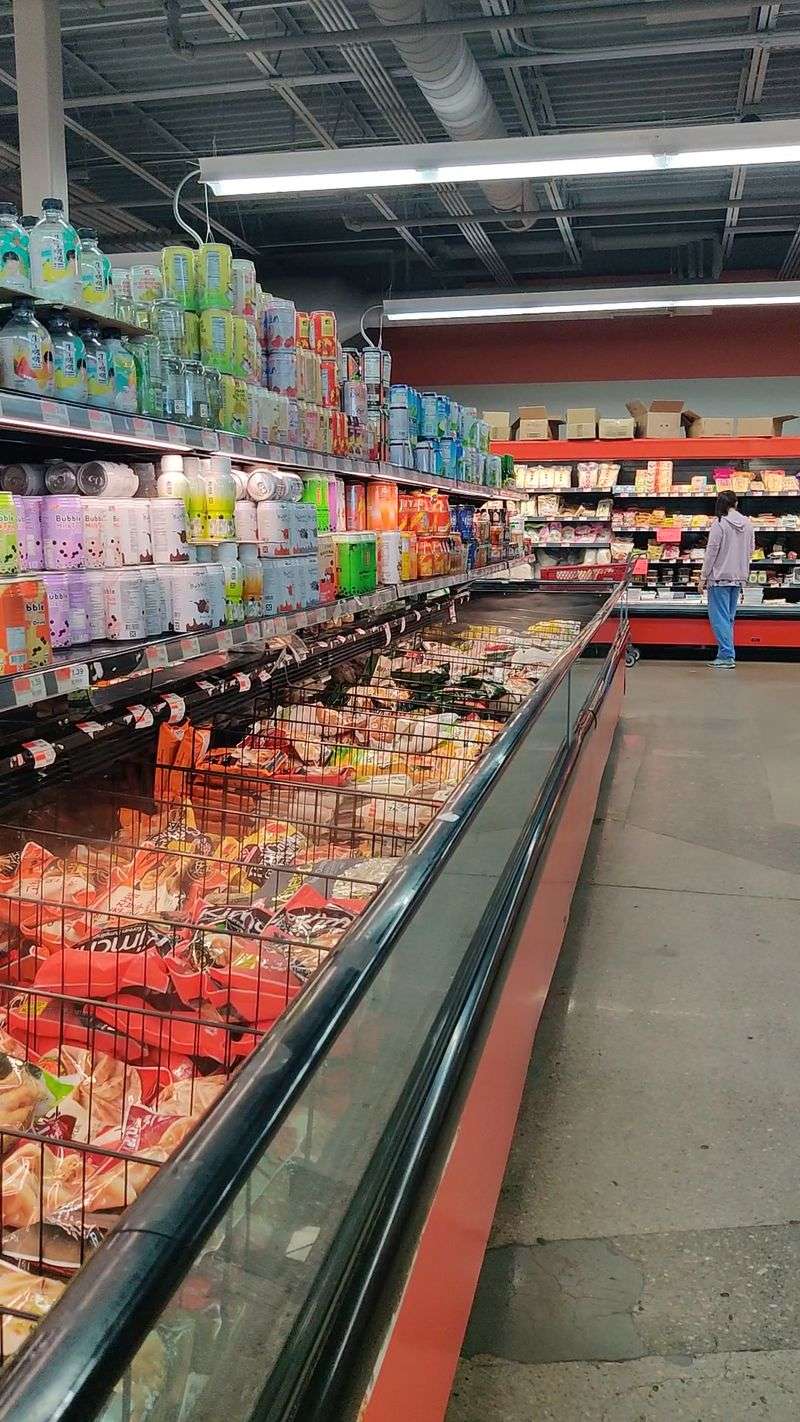
Regular shoppers tend to have a route, and for many of them the Japanese aisle is the first stop.
Asian Market sits at 321 N 76th St, Omaha, NE 68114, tucked into a shopping strip that is easy to miss from the road.
The store keeps daily hours, generally 9 AM to 8 PM Sunday through Thursday and 9 AM to 8:30 PM on Friday and Saturday, though holiday hours can shift.
Shelves in the Japanese section run floor to eye level, packed tightly enough that scanning slowly pays off.
Ramen packages, bottled sauces, seasonings, and snacks share the same stretch of aisle, so it helps to know roughly what is needed before wandering in.
The aisles are narrow, which is worth knowing if a cart is involved. A handbasket often moves easier during busier stretches, especially on weekend afternoons when the store fills up.
Labels are frequently printed in Japanese with smaller English text, and staff members are known for being helpful when a product is hard to identify. Asking is normal here, and nobody seems bothered by questions.
Lighting is bright and practical rather than moody, which actually makes reading small print easier. Give the aisle fifteen unhurried minutes and the trip usually turns up something unplanned.
Browse Japanese Cooking Sauces You Rarely See At Regular Supermarkets
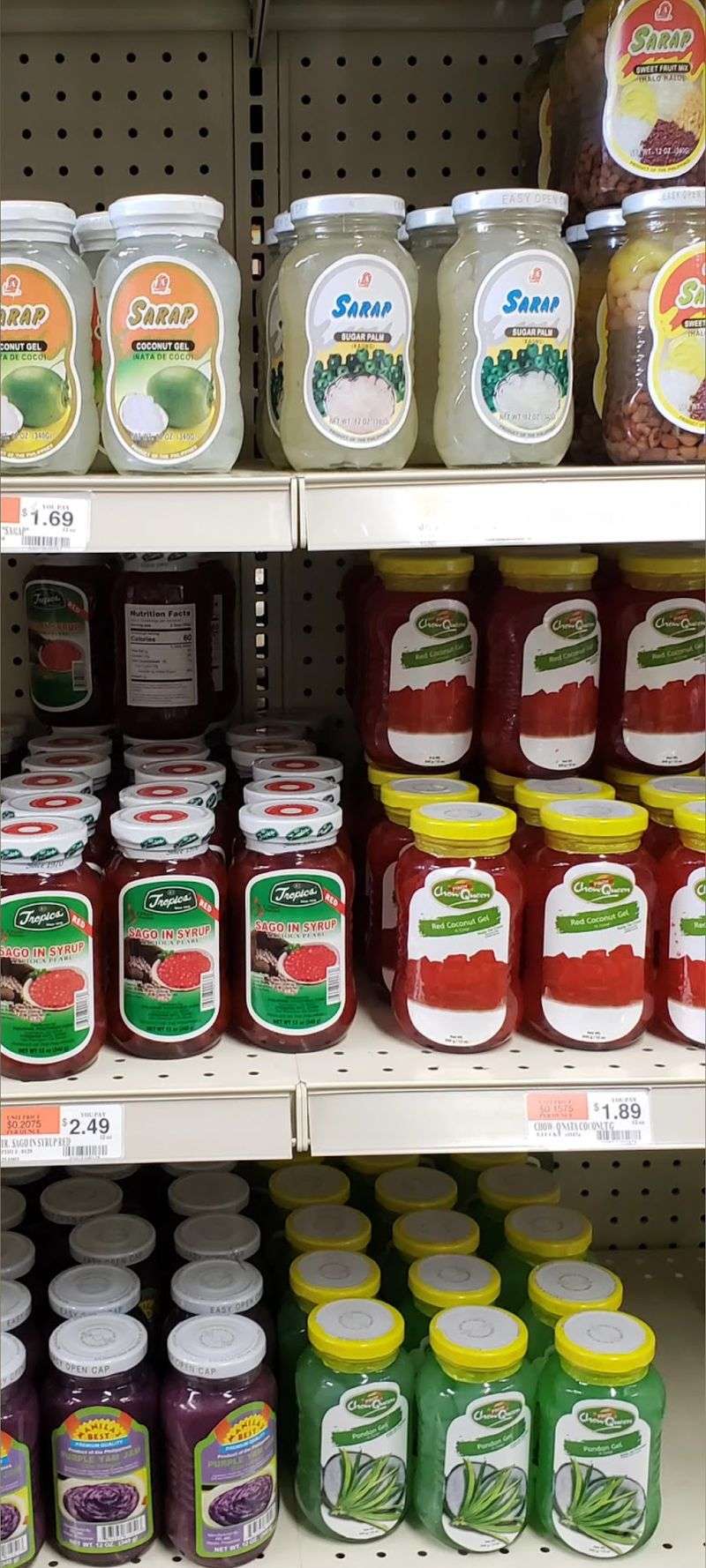
Cooking sauces are where the Japanese aisle really separates itself from a standard grocery run.
Bottles line the shelves in different shapes and sizes, and the selection reaches well past the single teriyaki option most chain stores stock.
Shoppers looking for tonkatsu sauce, ponzu, or cooking bases for simmered dishes often find several brands sitting side by side.
Having choices matters because flavor profiles vary quite a bit between makers, and finding a preferred bottle usually takes a little trial and error.
Prices are generally reasonable compared with ordering specialty items online, and there is no shipping wait involved.
For anyone who has hunted for a specific sauce through websites, seeing it on a physical shelf feels like a small win.
Reading the ingredient list helps when a label is mostly in Japanese, since many bottles include a smaller English panel on the back.
Sodium levels and sweetness differ, so checking before buying can prevent a surprise at dinner.
Stock rotates, and a bottle spotted on one visit may not be there the next time. Buying two of a favorite is a habit plenty of regulars pick up.
Keep opened bottles refrigerated once the seal is broken, since most Japanese sauces last longer that way.
Stock Up On Miso For Soups, Marinades, And More
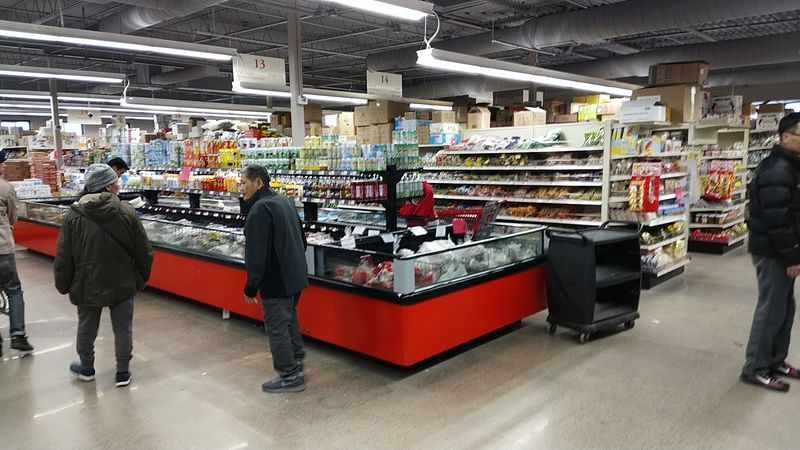
Miso deserves more attention than it usually gets, and the refrigerated and frozen sections here carry it in tubs ready to take home. Fermented soybean paste works as the base for soup, but it also does quiet work in marinades, dressings, and glazes for vegetables or fish.
Different varieties bring different results. Lighter pastes lean mild and slightly sweet, while darker ones carry a deeper, saltier punch that stands up to stronger ingredients.
A single tub lasts a long time in the refrigerator, which makes it one of the better values in the store. A spoonful whisked into warm broth turns into soup in a couple of minutes, no long recipe required.
Keeping the paste away from a hard boil helps preserve its flavor, so stirring it in near the end of cooking is the usual advice. Overheating can dull the taste and make the texture grainy.
For anyone new to it, starting with a smaller container makes sense before committing to a large tub.
Miso also freezes reasonably well, and it rarely hardens solid, which surprises first-time buyers. That flexibility makes it an easy pantry addition rather than a one-recipe purchase sitting forgotten in the back.
Check The Shelves For Japanese Soy Sauces And Seasonings
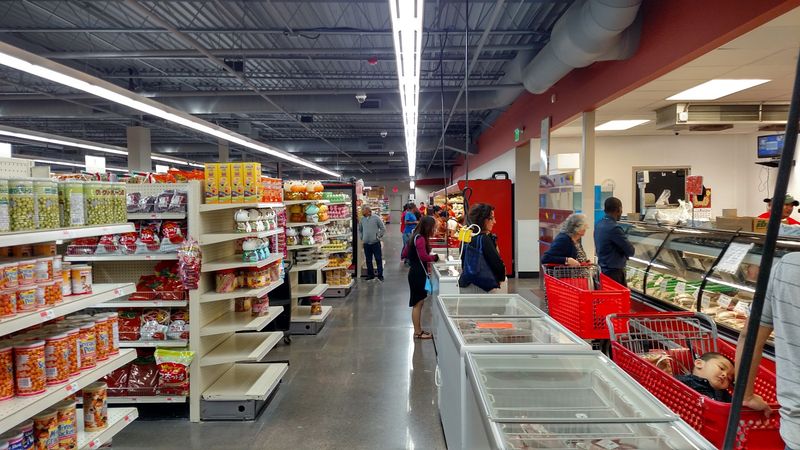
Soy sauce sounds simple until the shelf offers eight versions of it.
Bottles here range from everyday all-purpose types to lighter and darker styles meant for specific uses, and the differences show up quickly in finished food.
Seasoning blends share the same stretch of aisle. Rice toppings, dashi powders, curry blocks, and small packets meant for single dishes make weeknight cooking noticeably faster.
Shoppers who cook Japanese food regularly often keep two soy sauces at home, one for dipping and one for cooking. Having both on hand is easier when the selection is this wide.
Bottle sizes vary, which helps anyone testing a new brand without committing to a large container. Smaller bottles also stay fresher since soy sauce slowly loses brightness after opening.
Checking whether a bottle is naturally brewed can be useful, and that detail is often printed on the English portion of the label.
Rice seasoning sprinkles are an easy first purchase for families, since kids usually take to them right away on plain rice. Nothing about them requires cooking skill.
The aisle rewards patience more than a shopping list, so leaving a few minutes for comparing labels tends to be time well spent.
Pocky And Limited-Edition Treats Regularly Show Up On The Shelves
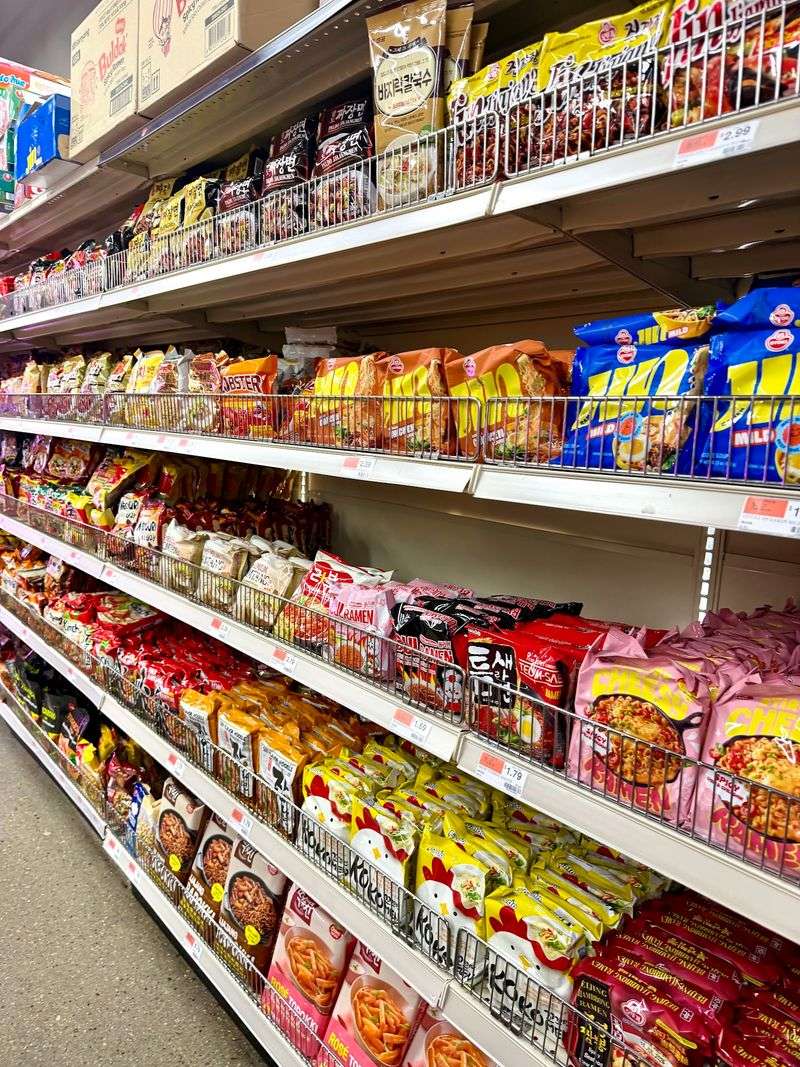
Few snacks are as recognizable as those slim biscuit sticks dipped in chocolate. Boxes turn up in multiple flavors here, and the lineup shifts depending on what has recently arrived.
Seasonal and limited-edition versions appear from time to time, which is why regulars glance at the snack shelves even when they came in for rice or sauce. Missing a flavor usually means waiting for the next shipment.
Sharing a box is easy since the sticks come in sealed inner packets, making them practical for lunchboxes or road trips. No crumbly mess to deal with.
Flavors reach well beyond chocolate and strawberry, and matcha or other varieties sometimes make an appearance. Availability changes, so nothing is guaranteed on a given day.
Buying a couple of boxes when a favorite shows up is common practice among shoppers who have learned how quickly certain items move.
Grouping a few different flavors together makes an inexpensive gift, particularly for anyone curious about Japanese snacks but unsure where to start.
Small detail some shoppers appreciate: the sticks were designed with an uncoated end so fingers stay clean while eating, a practical touch that has stuck around for decades.
Fresh And Live Seafood Gives Home Cooks More To Work With
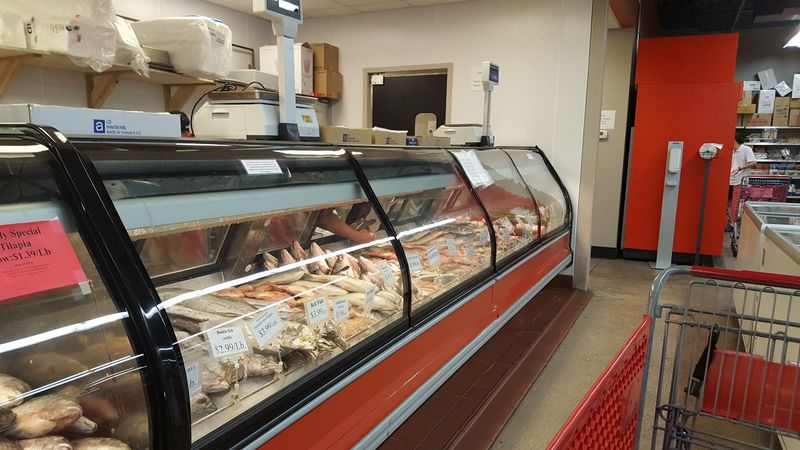
Water tanks bubbling near the back of the store tell newcomers right away that the seafood counter here is not a typical grocery setup.
Live lobsters, crabs, eels, snails, and clams occupy the tanks, and the display draws small crowds of curious kids.
Whole fresh fish rest on ice nearby, and the rotation can include red snapper, striped bass, red tilapia, sea perch, red drum, branzino, blue runner, barracuda, and red mackerel. What is available depends on what came in.
Staff behind the counter clean and prepare fish on request, which removes the biggest hurdle for anyone who has never cooked a whole fish before. Asking is straightforward and expected.
Seafood smell in this part of the store is noticeable, and shoppers sensitive to it may want to move through quickly. It comes with the territory in a market that sells fish this fresh.
Buying seafood earlier in the day and heading home soon after is the practical approach, since freshness fades with time in the car.
Whole fish often costs less per pound than fillets, which makes this counter a good option for feeding several people without a large bill. Selection varies daily, so flexibility beats a fixed plan.
The Fresh Bakery Gives You A Reason To Wander Beyond The Grocery Aisles
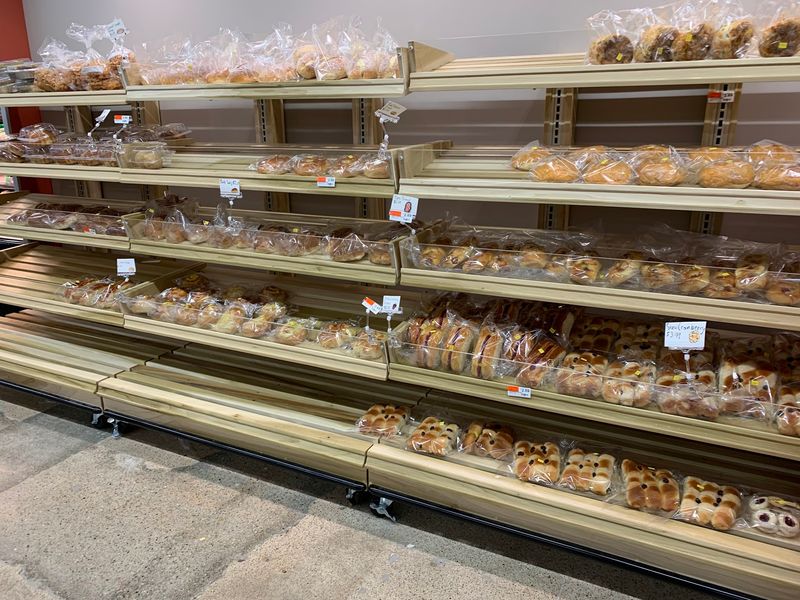
Toward the back of the building sits a fresh deli and bakery counter, and the smell of baked bread cuts pleasantly through the rest of the store.
Trays hold sweet and savory items, and the lineup changes through the day.
Sweet taro rolls are among the offerings, with a soft crumb and a mild, faintly nutty filling. Buns filled with sweet red bean also turn up and have a following among regular shoppers.
Asian bakery breads tend to be lighter and less sweet than American pastries, which makes them easy to eat with coffee or tea. Texture is usually the first thing people notice.
Buying a couple to eat in the car and a couple for the next morning is a common approach. These breads are best the same day, though a short warm-up brings back some softness.
Prices per piece are low enough that trying three or four different items does not feel wasteful.
Popular items can sell out later in the afternoon, so arriving earlier improves the odds of a full case.
Nothing about the counter feels fancy, and that plainness is part of what makes it comfortable to browse without any pressure.
Asia Bistro Turns A Grocery Run Into A Lunch Stop
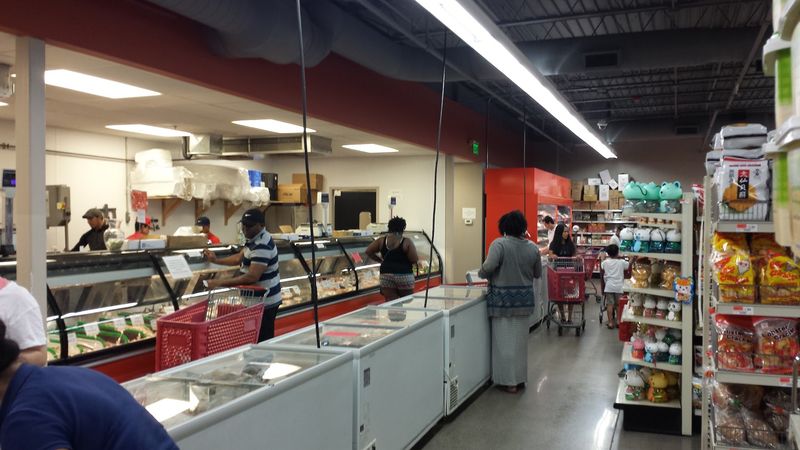
Shopping on an empty stomach has a solution built right into the building.
Asia Bistro operates as a hot food counter and small food court inside Asian Market at 321 N 76th St, Omaha, Nebraska 68114, with seating nearby for eating on the spot.
Menu range covers several cuisines, including Vietnamese, Korean, Japanese, Chinese, and Taiwanese dishes. Freshly made sushi, Dan Dan noodles, Peking duck, BBQ pork, and noodle bowls appear among the options.
Service moves quickly, which suits the setting. Orders come out fast, and the pace feels closer to a casual counter than a sit-down restaurant.
Seating is simple, with tables in an open area rather than a separate dining room. Noise carries from the store, so the atmosphere stays lively rather than quiet.
Ordering etiquette is straightforward: look at the menu boards, order at the counter, and pay before finding a seat. Pointing at an item works fine when a name is unfamiliar.
Midday can get busy, and arriving slightly before or after the usual lunch rush usually means shorter waits.
Combining a meal here with grocery shopping saves a stop elsewhere, and it gives anyone new to these cuisines a chance to taste before buying ingredients.